Portraits of life, death and desolation on the Western Cape
- Text by Mischa Frankl-Duval
- Photography by Pierre Crocquet

Knysna became a prosperous centre of industry in the nineteenth century. But some of its residents were left behind.
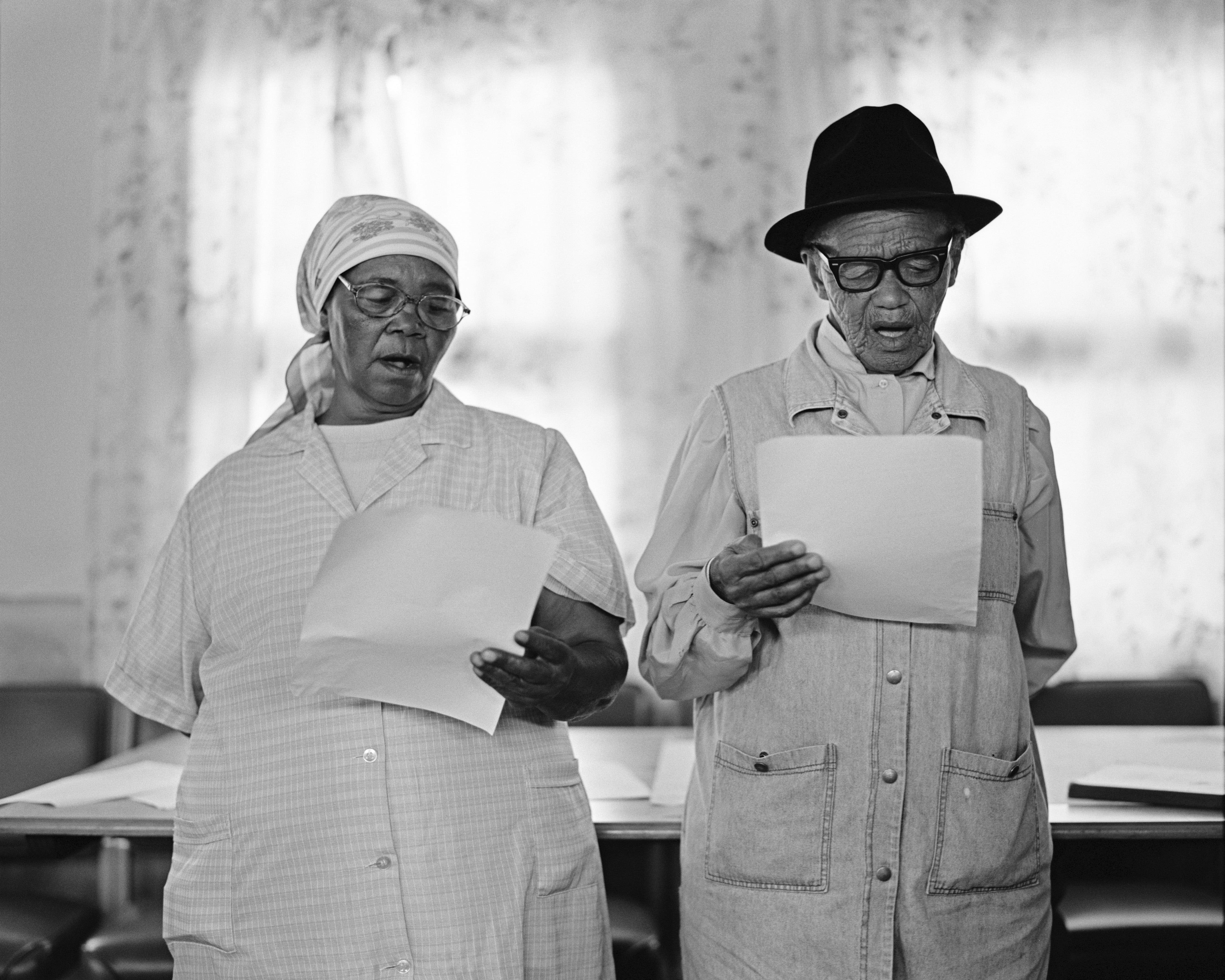
Though their work made the area’s prosperity possible, the woodcutters of Knysna forest received no share of the spoils. Exploited for generations by timber merchants, they continued to live in dreadful poverty. When logging of the indigenous forest was outlawed in 1939, the newly-jobless woodcutters were relocated to the remote village of Karatara.
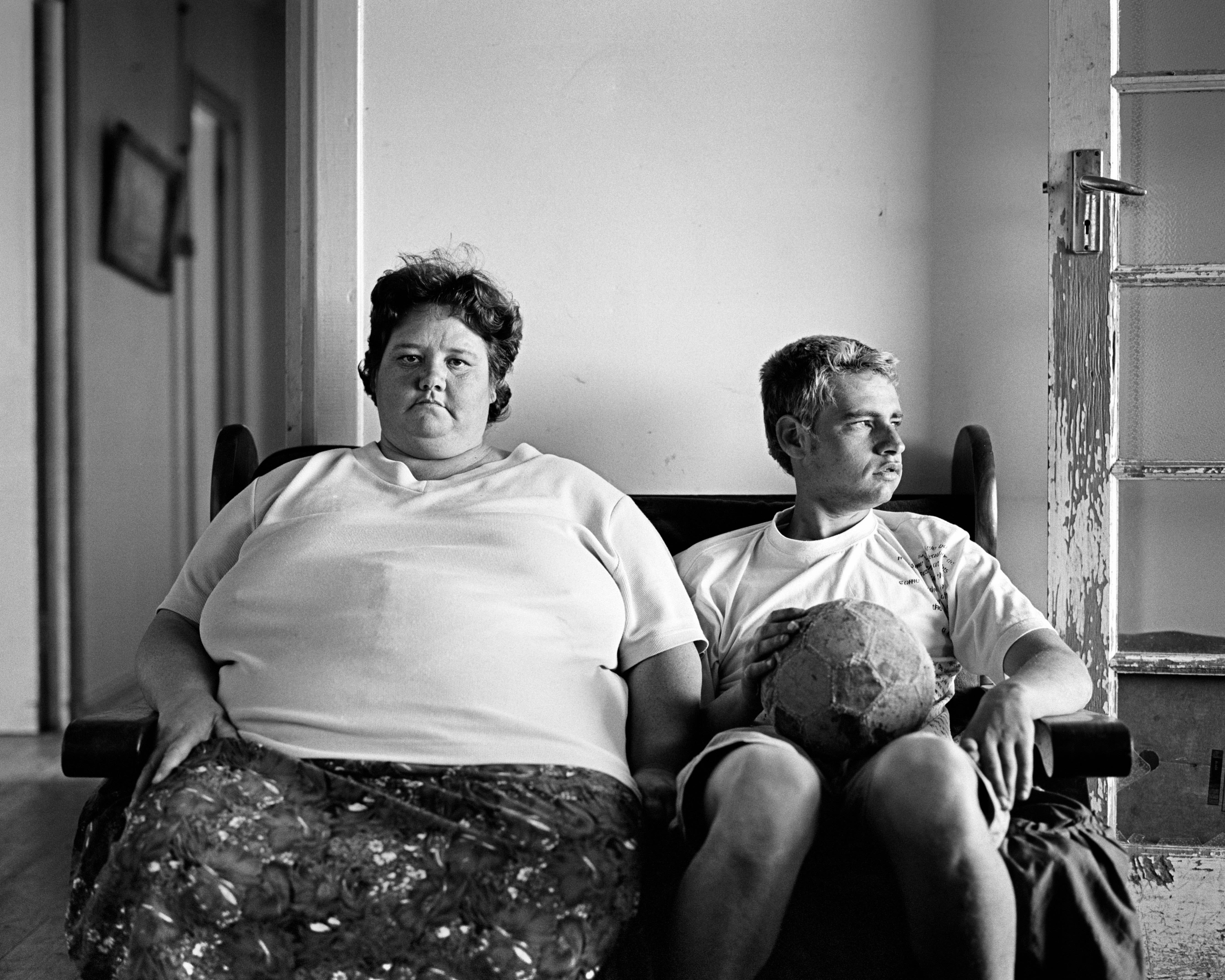
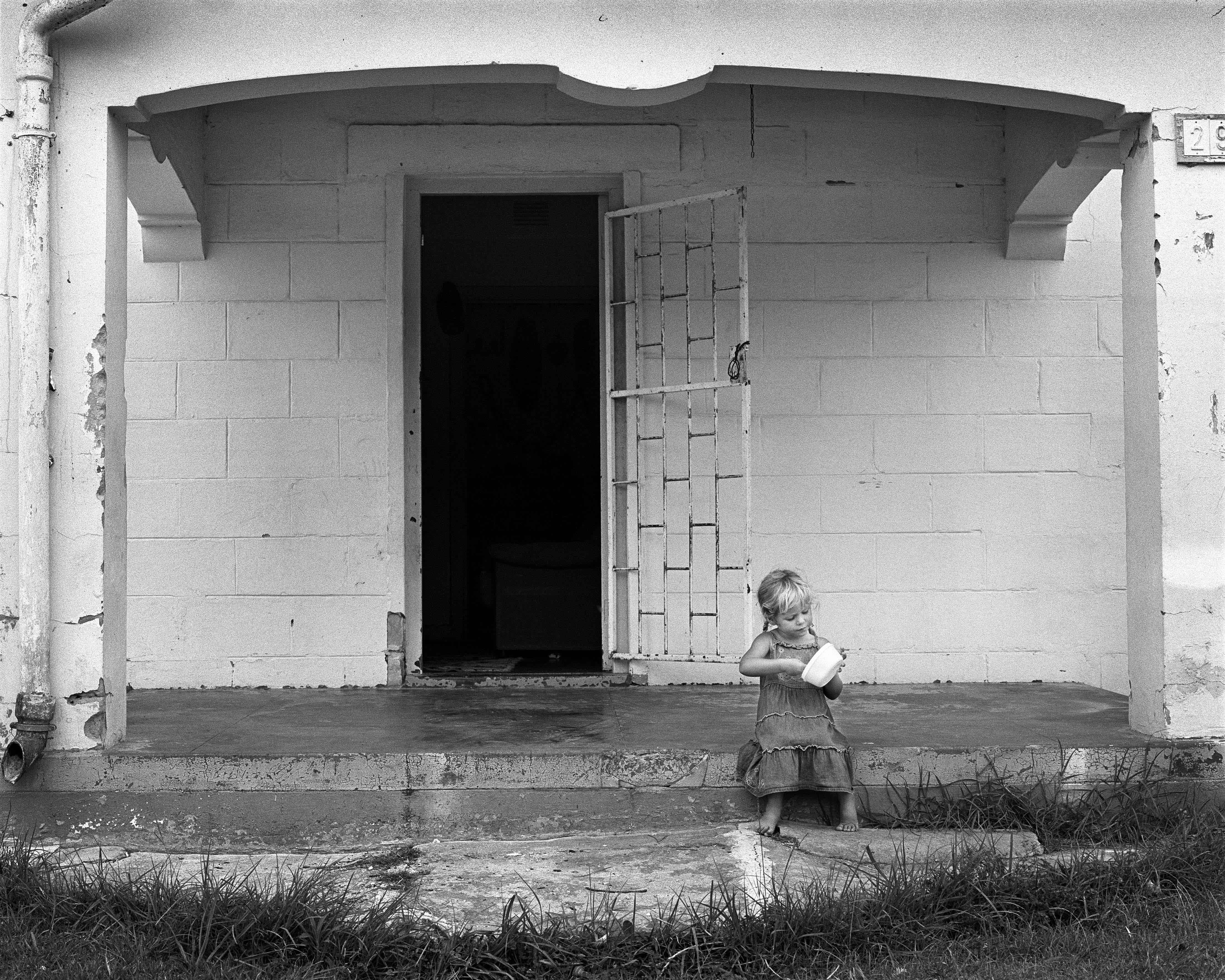
Long isolated from wider society, a number of the woodcutters’ descendants developed severe mental and physical disabilities. Life in the community remains difficult.
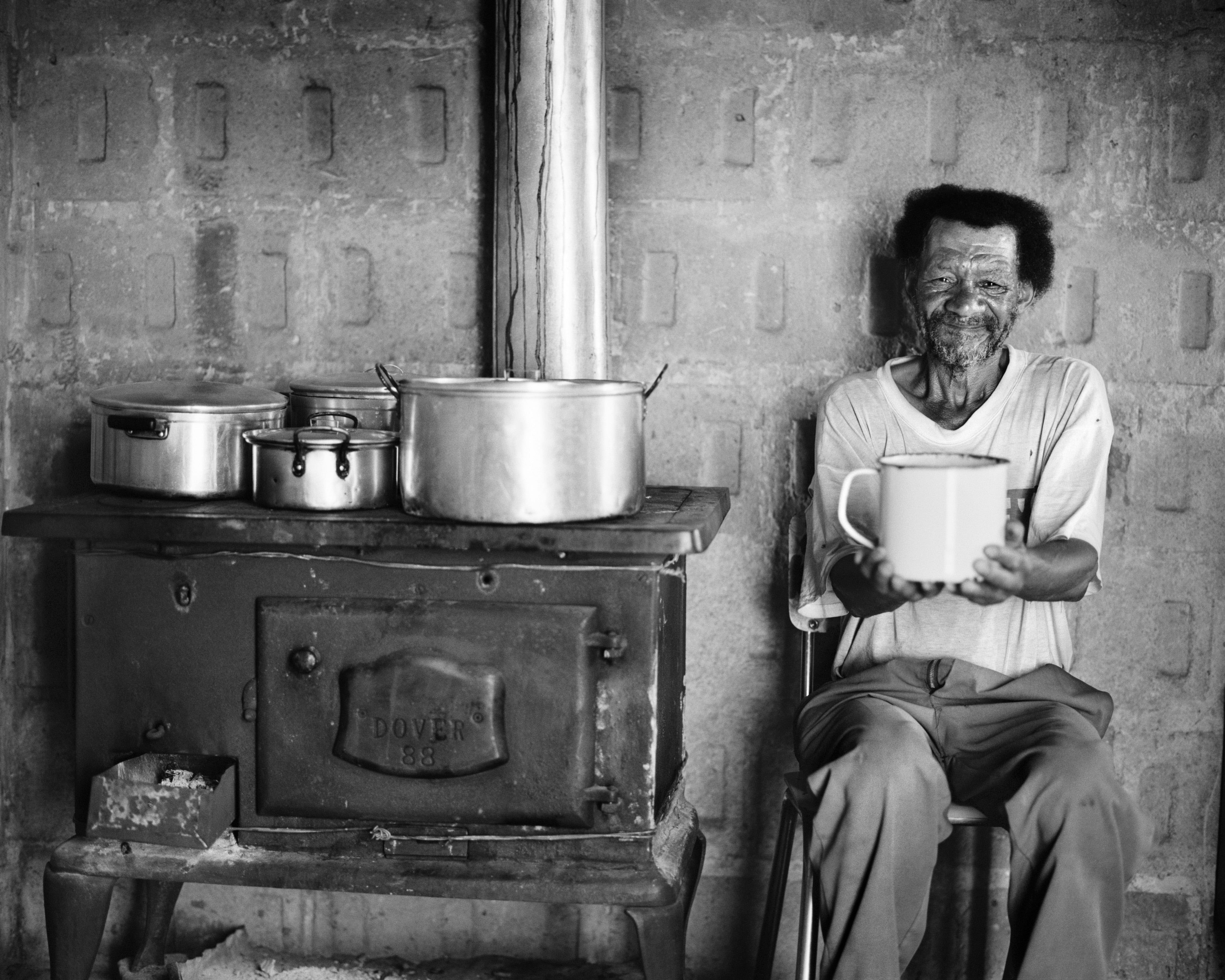
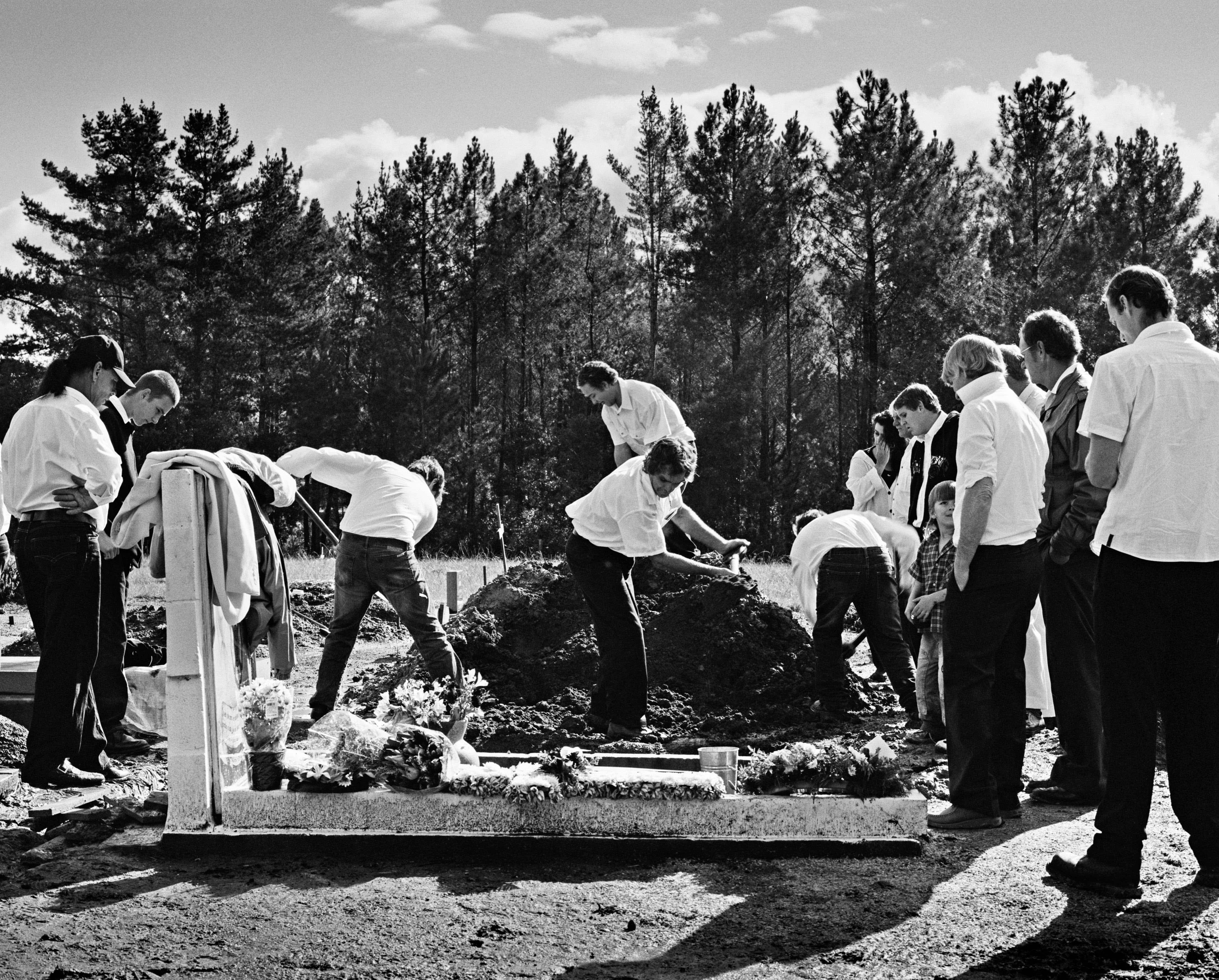
Pierre Crocquet first encountered the woodcutters’ descendants during childhood holidays to the region, and developed an instant fascination with them. Years later, they became the subject of his first major documentary series. Having primarily shot street scenes on 35mm film, Crocquet turned to 6×7 medium format for Enter Exit, a decision reflective of a new seriousness in his work.
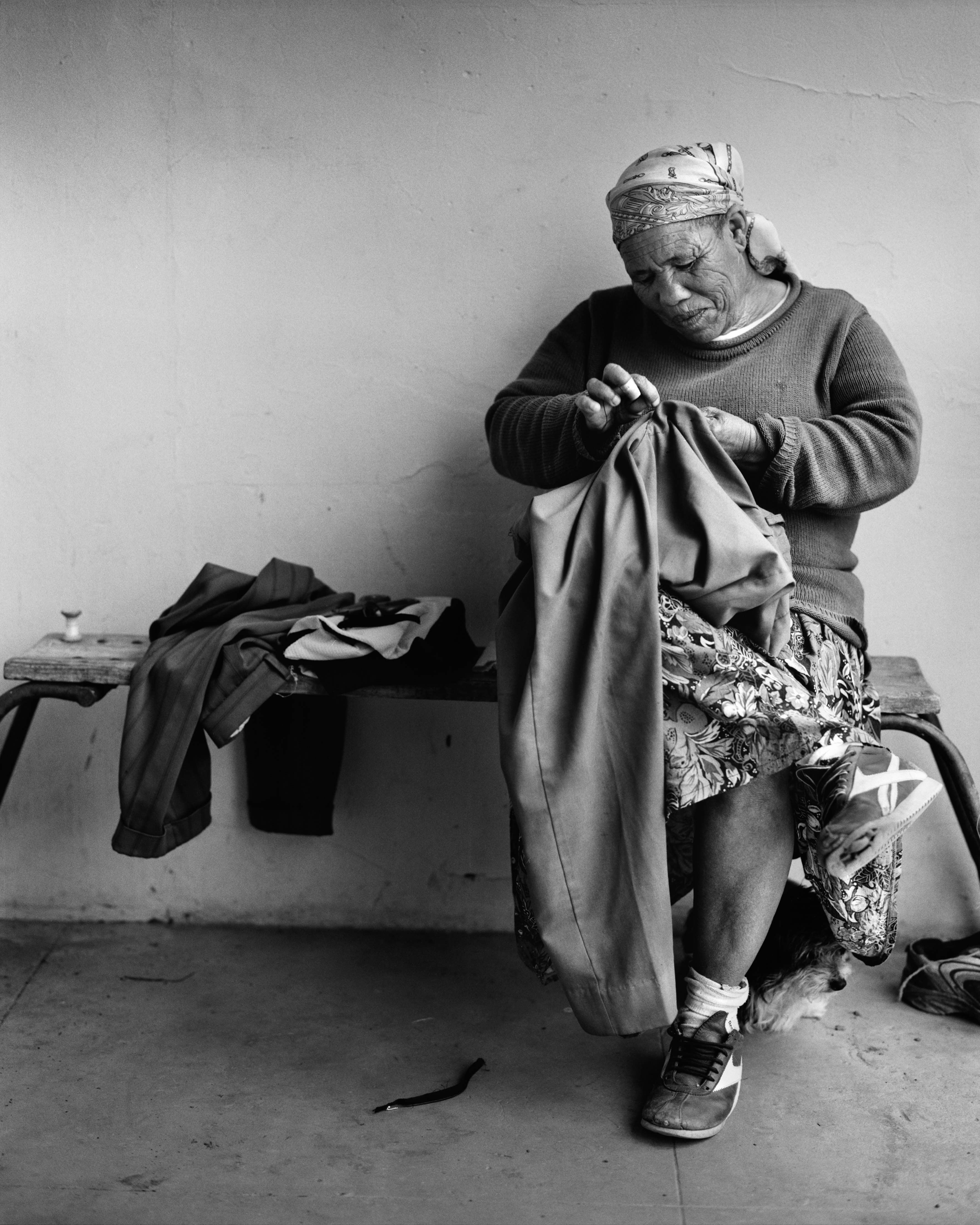
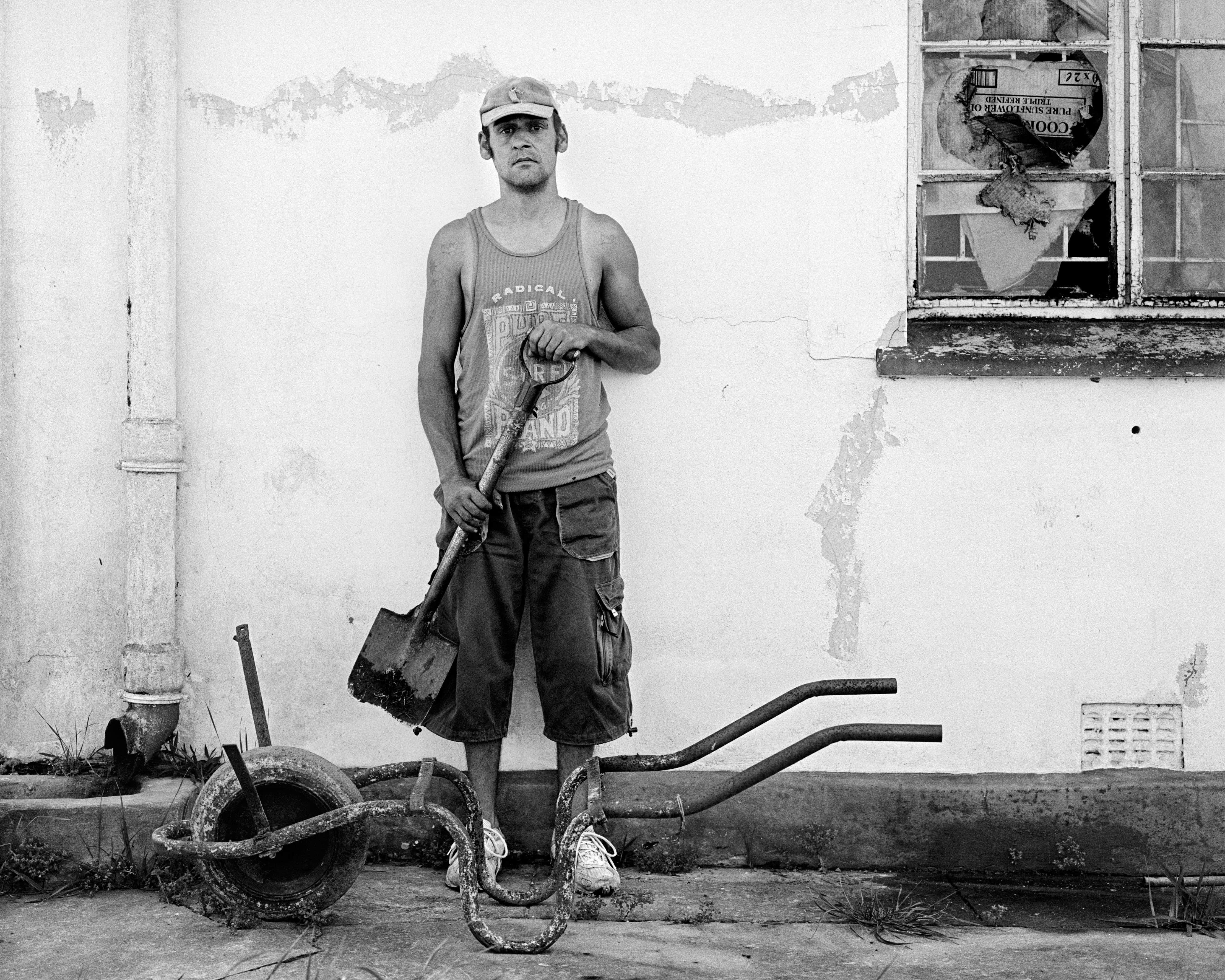
Crocquet photographed the residents of Karatara over two years, painting a frank, all-encompassing portrait of the community. He didn’t shy away from the cruellest aspects of life in the Cape – death, disability, poverty – though the series is not without warmth or humour. In one shot, a weather-beaten worker extends a vessel to the photographer in hospitality. In another, an elderly woman nonchalantly sips tea, a pig’s head nestling in a bowl on her table. Elsewhere, a man with no legs smiles in front of a clothesline weighed down by several pairs of jeans.
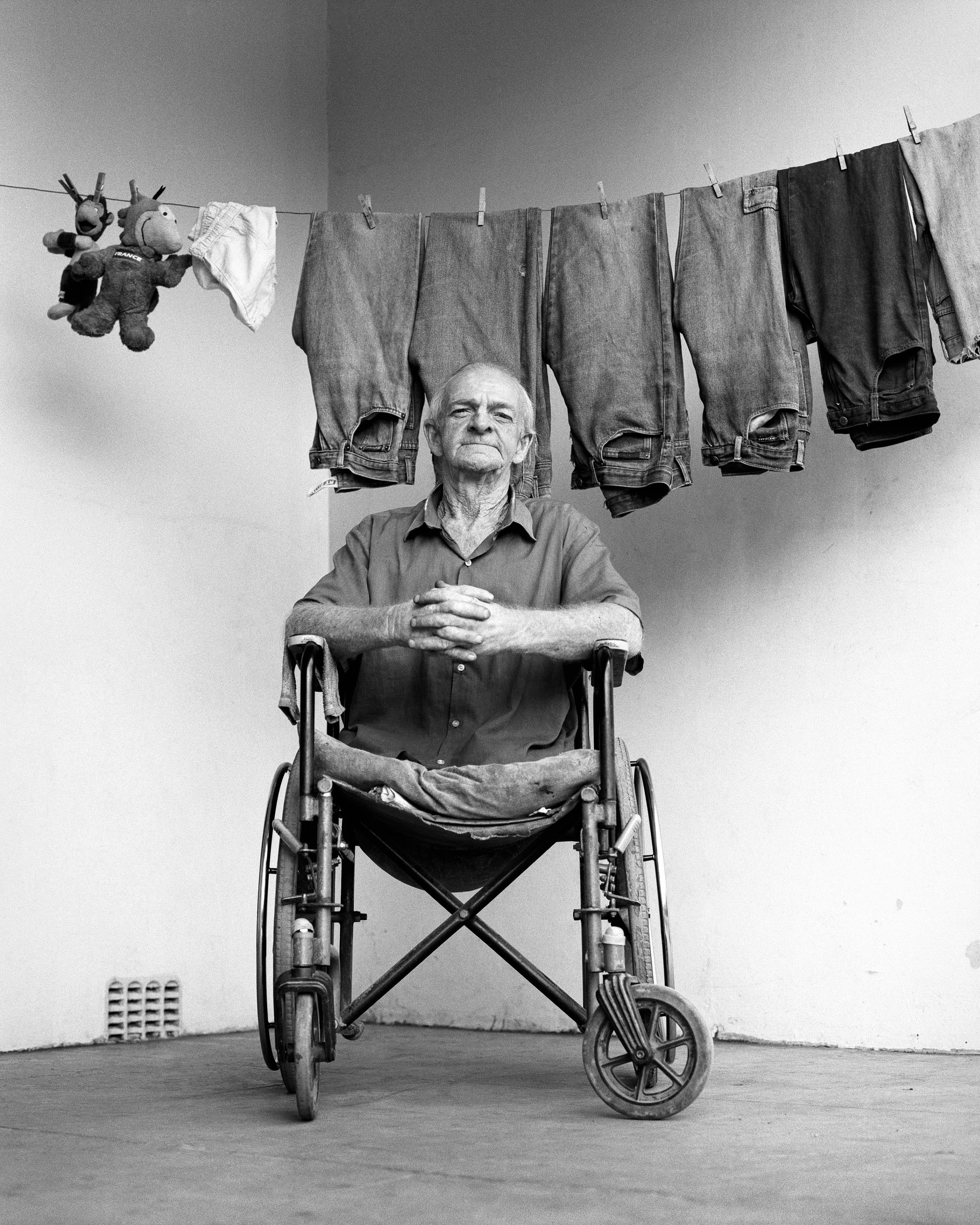
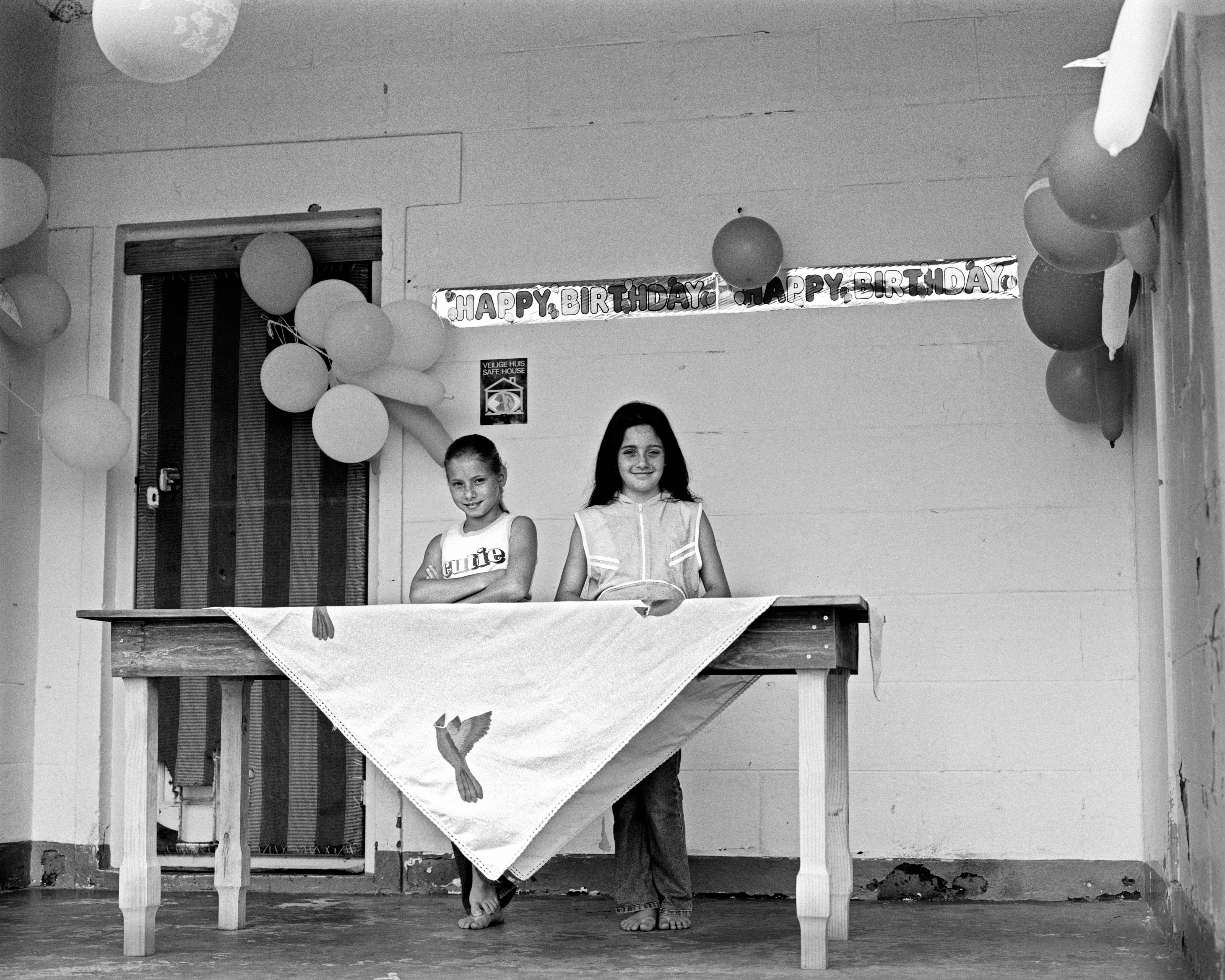
Crocquet, who was killed in a hit and run accident in 2013, left the images untitled, but his field notes, jotted on the back of his initial prints, give clues as to his conversations with his subjects. On the photo of an amputee farmhand is written simply “I walked far”, and “trouble at home.”
Ten years on, a number of Crocquet’s subjects are dead. His portraits of a dwindling population have become more poignant as the residents of Karatara continue to move on.
Crocquet’s own legacy is kept alive by his sister Jeannine, who lovingly organises and shares photos from his archive. His work is still exhibited internationally, and is collected in five books, but social media has spread it further still. Jeannine shares Pierre’s work on Instagram, reddit and Facebook, and on each of those platforms, his work is consistently popular.
“It’s really quite organic,” says Jeannine, “it goes quiet for a while and then something springs up and there is interest again. The role it has played in bringing awareness to the work is phenomenal.”
Though Pierre’s photographs are popular online, and acclaimed in certain quarters, Jeannine believes they are less well-known than they should be. Some of her brother’s work will be shown as part of a major exhibition at Johannesburg’s Standard Bank Gallery in 2018. Further down the line, Jeannine hopes to re-publish some of her brother’s early street work in a large, affordable volume, making it readily accessible to a new generation of readers.
As a specialist in South African art reference, she is well placed to manage Pierre’s catalogue. Little surprise, it holds a particularly important place in her heart.
“It makes me feel really fantastic, quite honestly” she says. “Constantly working with the images, the scribblings on the contact sheets, going through his many notebooks… it keeps him very much alive. It’s a way of communicating with him about something that was extremely important to him.”

See more of Pierre Crocquet’s work on his official website.
Enjoyed this article? Like Huck on Facebook or follow us on Twitter.
You might like

In photos: Black Texas life since emancipation
Kinship & Community — A new photobook and exhibition showcases the rich culture, history and community of African American folks in the Lone Star State, whose existence in the region predates colonial Britain.
Written by: Miss Rosen

Youthful joy & end-of-era poignancy at a London school prom
Leavers — For several years, Lewis Khan documented young people as they celebrated the last of their school days and the completion of their exams. The series is now collated in a new self-published photobook and short film.
Written by: Zoe Whitfield

Harry Gruyaert’s vintage, kaleidoscopic scenes of New York
A Sense of Place — For 50 years, the Belgian photographer and Magnum Photos member has been capturing NYC’s colourful chaos. A new photobook and exhibition showcase his unique, technicolour view of the city.
Written by: Miss Rosen

In the pit at one of the UK’s last stock car & banger speedways
Stock Car Racing Isn’t Dead — Photographer Liam McCarthy spent time in and around the Arlington Raceway’s circuit, capturing the diehard community that keeps the sport alive.
Written by: Isaac Muk

Inside Lower Duck Pond, the nicest town on the internet
/r/HaveWeMet — With a population of 2,500 and no fixed location, the subreddit is a space for roleplaying citizens to solve mysteries, host fictional events and ultimately connect. In an internet that’s often divided and toxic, Vicky Jessop hangs out in one of its most wholesome corners.
Written by: Vicky Jessop

A major Nan Goldin exhibition is coming to London
You Never Did Anything Wrong — Opening at the Hayward Gallery in November, the show will debut a new film from the artist and activist, alongside a slate of recent work.
Written by: Jack Dennison-Thompson


