Raquel Martins: “I was trying to track down this uncomfortable, groundless feeling”
- Text by Raquel Martins, Isaac Muk

What Made Me — In this series, we ask artists and rebels about the forces and experiences that shaped who they are. Today, it’s Latin-soul singer-producer Raquel Martins.
In the opening salvo of ‘LITTLE BOY’, the latest single from Raquel Martins’s upcoming debut album, LONDON, WHEN ARE U GONNA FEEL LIKE HOME, the Portuguese singer-producer channels what appears to be an old flame.
“Why’d you cut your hair / You look like a little boy / I swear I’m open minded / I still fancy you / But what’s the point?” she sings, over a beatless, stripped back guitar line. She later switches into her own voice, deciding to block out external noise, and do her thing. “No more changing who I am”.
Across the album’s 12 tracks, Martins explores gender identity, migration and the search for roots in the harsh landscape of a large city. Having played guitar for the likes of Rina Sawayama, Biig Piig and Amaarae, LONDON, WHEN ARE U GONNA FEEL LIKE HOME? was written in the midst of a hectic touring schedule, and as the album’s name suggests, searching for belonging while dipping in and out of a place is difficult.
There’s oddball, borderline stressful experimental electronics, heady groove-forward numbers, and introspective acoustic moments. Ultimately, the record is a story of self-discovery and breaking through, as she stands on the precipice of breaking out.
To find out more about the album and the forces that shape her sound, we asked Martins: “What made you?”
Music will always be a reflection of what’s going on inside: a tool to organise chaos.
I wrote my first full song after my grandpa (who gifted me my first guitar) passed away. Since then, music has always felt like a way for me to connect with myself and reach parts I don’t yet understand. It’s a way to find resolution in the parts of life that create tension, an attempt to feel control in situations where you likely won’t get it.
Moving to London at 17 from Portugal was amazing for my development, both musically and personally, but it was also incredibly harsh, especially when you don’t have a strong foundation back home. I moved to study guitar and quickly started touring around the world as a guitarist for other artists, which was exciting. But it also created a big disconnection from London, where I was just starting to build my foundation and support system.
I remember coming back from a US tour and feeling completely out of place. I had been away for a while, hadn’t seen friends in ages, and something about landing in London felt wrong, like it wasn’t home. But at the same time, I knew that Portugal would feel equally or more strange. You know that feeling of coming back from holiday and thinking: “Ahhh, so good to finally be at home”? I didn’t feel that at all. Felt super empty (jet lag didn’t help) and didn’t know what I was coming back to.
That’s when I decided to stop playing for other artists. I bought a notebook and wrote: LONDON, WHEN ARE U GONNA FEEL LIKE HOME? I made it my mission to figure out what makes a place feel like home and why London wasn’t giving me that. I was fully committed to finding an answer to what would make this place feel how I wanted it to feel.
“Ultimately, I’ve come to believe that home is connection, and what you’re connected to is up to you. A person, a place, an album, a little habit, a t-shirt, your favourite pair of trousers. Home isn’t the thing, it’s your relationship to it.” Raquel Martins

The people I lived with partied a lot, my friends seemed happy, and I couldn’t relate because I was trying to track down this uncomfortable, groundless feeling. I felt completely disconnected from everything. As always, music felt like the safe way of processing those feelings. That’s how I started this journey of figuring it all out.
At one point, I thought maybe the answer was moving back to Portugal. Everyone there seemed more grounded and present and not worried about mental health, work or money. But I soon realised I didn’t have much there either. That’s when I wrote ‘I WANNA LIVE NEXT TO THE SEA’. That song is super important to me. It came from the moment I realised I had no ground in either, like sinking your feet into the sand, only for the tide to go out and take the sand with it, leaving you unsteady and exposed. I wanted the song to feel exactly like that, so there’s a big build at the end full of crazy synths and reversed textures, like those waves running away from you.
That feeling of disconnection was difficult to process. It led to an even more isolated period, just trying to make sense of everything and get these ideas down.
Ultimately, I’ve come to believe that home is connection, and what you’re connected to is up to you. A person, a place, an album, a little habit, a t‑shirt, your favourite pair of trousers. Home isn’t the thing, it’s your relationship to it.
Writing this album helped me feel more at peace with that. I found some of the answers I was looking for and realised that maybe some of them will never come. And that in a way was exactly the answer I needed, to stop chasing them and to set them and myself free.
LONDON, WHEN ARE U GONNA FEEL LIKE HOME? by Raquel Martins is out September 12 via Bridge The Gap.
Buy your copy of Huck 81 here.
Enjoyed this article? Follow Huck on Instagram and sign up to our newsletter for more from the cutting edge of sport, music and counterculture.
Support stories like this by becoming a member of Club Huck.

You might like

Warm, tender photos of London’s amateur boxing scene
Where The Fire Went — Sana Badri’s new photobook captures the wider support networks and community spirit around the grassroots sport, as well as the significance of its competitions to the athletes who take part.
Written by: Isaac Muk

Documenting the marginalised Portuguese community fighting for livable housing
After a chance covid-era assignment sent him to Lisbon’s Bairro da Jamaica, photographer José Sarmeto Matos spent years documenting the families campaigning towards hospitable homes.
Written by: Isaac Muk
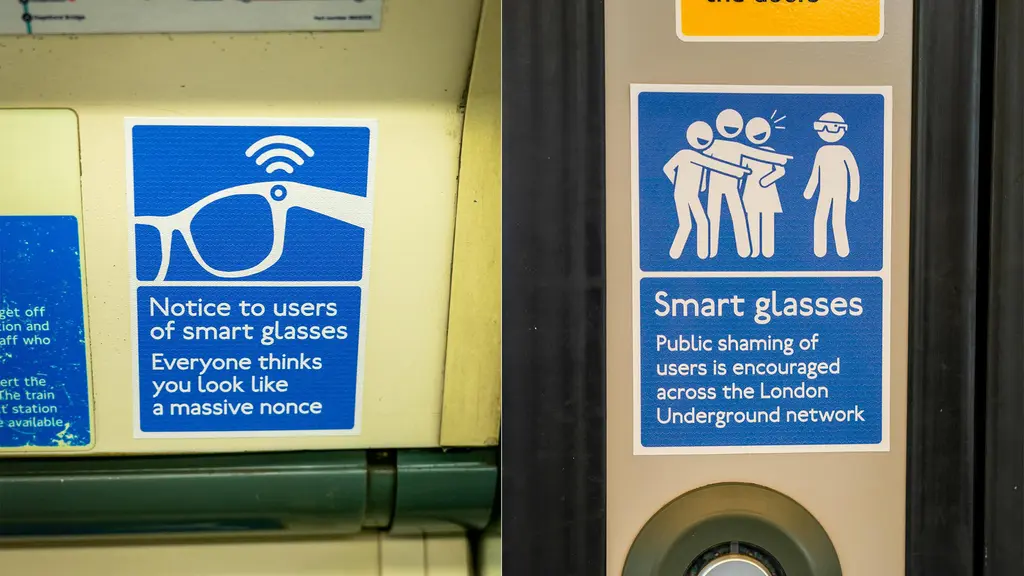
Activists slam “pervert glasses” in new guerrilla campaign
Everyone Hates Elon — Stickers have appeared on the London Underground network, criticising the wearable technology’s covert filming capabilities.
Written by: Isaac Muk

Behind the curtain at Alternative Miss World 1981
Olympia glamour — Running a subversive take on the traditional beauty pageant, the Andrew Logan organised event prioritised underground creativity and invention. Photographer David Corio went behind the scenes at its biggest edition.
Written by: Miss Rosen

Dan Lacey: “BMX is forever evolving”
Overground — Steph Pomphrey caught up with the two-wheel legend after his latest meet in east London, chatting about fatherhood, music and action sports within the outdoor industry.
Written by: Steph Pomphrey

The battle for the soul of lockpicking
Under locksport and key — In recent years, breaking locks for fun has grown from a niche hobby into an activity followed by millions of people. As it has matured, so have tensions over who sets the rules.
Written by: Jack Dennison-Thompson


