Rediscovering the roots of London reggae, one album cover at a time
- Text by Angel Lambo
- Photography by Alex Bartch

London has had a long and illustrious relationship with the evolution of reggae in the UK. Unlike any other genre through the ‘60s into the ‘80s, it has served as a tool to galvanise emerging communities and bridge cultural divides.
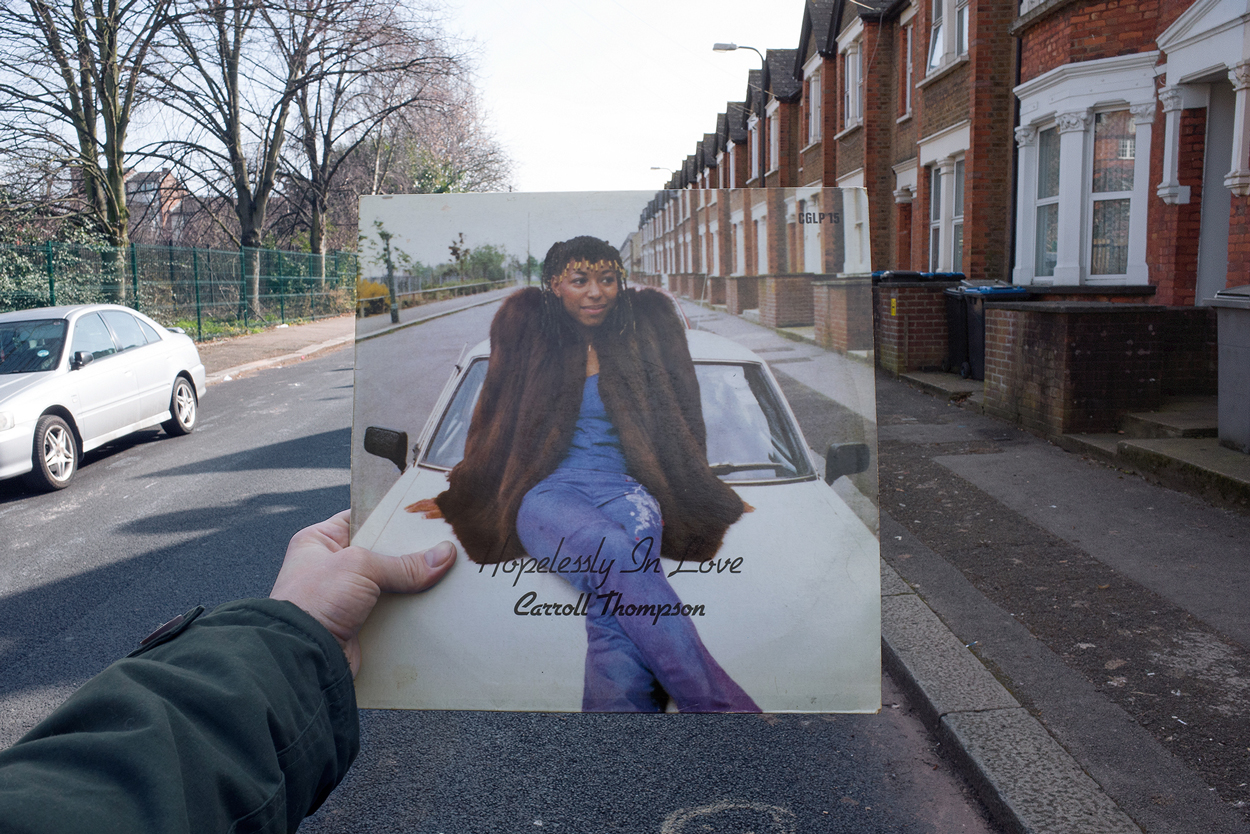
Alex Bartsch is a London-based photographer who will be honouring the invisible marks reggae has left on London’s landscape by photographing famous record covers, in situ.
Alex’s appreciation of reggae was a gift from his father and in addition to living in Brixton – home of Eddy Grant’s Electric Avenue – a project was born. Alex will be using his personal record collection, spanning from 1967 to 1987, to launch a Kickstarter campaign to turn these nostalgic photographs into a book.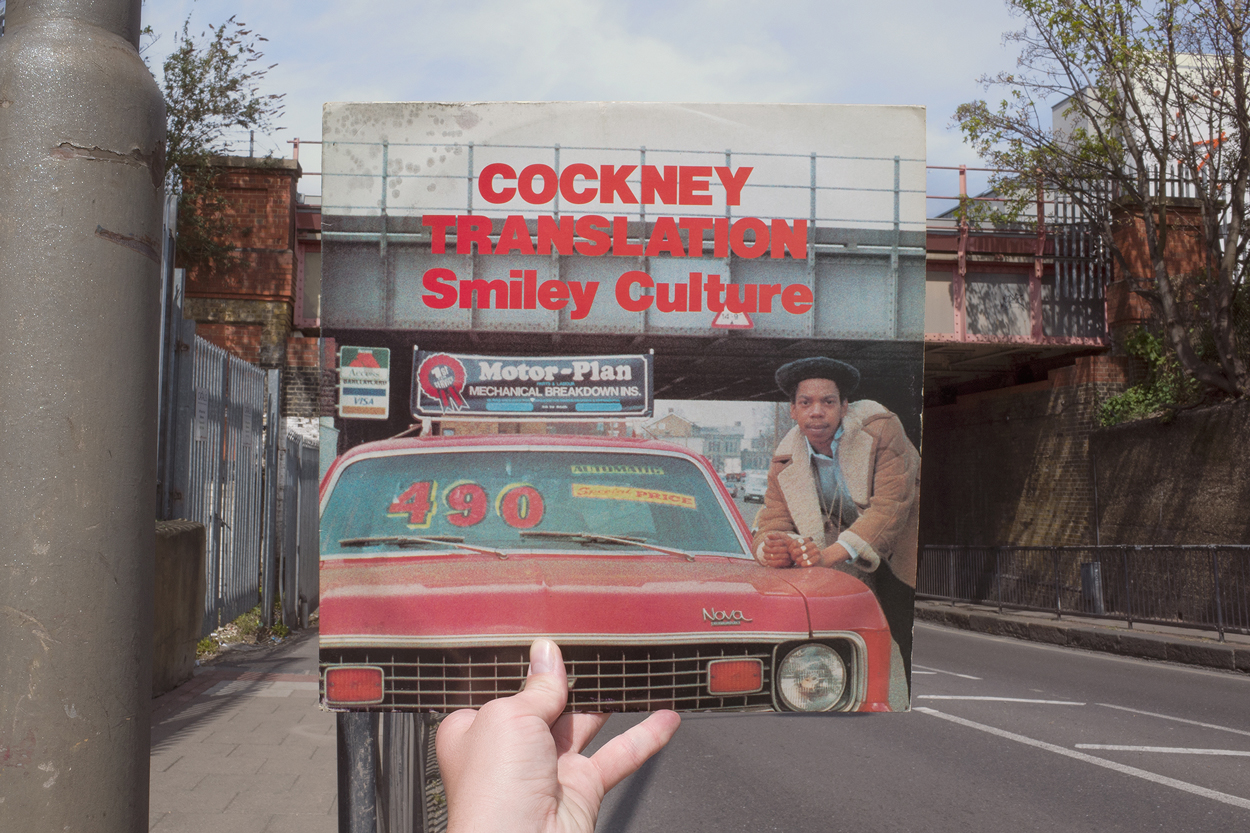
When did your love of reggae begin?
My dad introduced me to Bob Marley when I was young. About 10 years ago I started collecting records, mostly reggae music. I just like soulful music and reggae fits well in that category.
Why does vinyl still play such an important part to our musical experience today?
For me I just like having the physical form of the music. Just like in photography, negatives are the physical form of the photograph. Vinyl is the same for music; it’s something you can hold in your hands.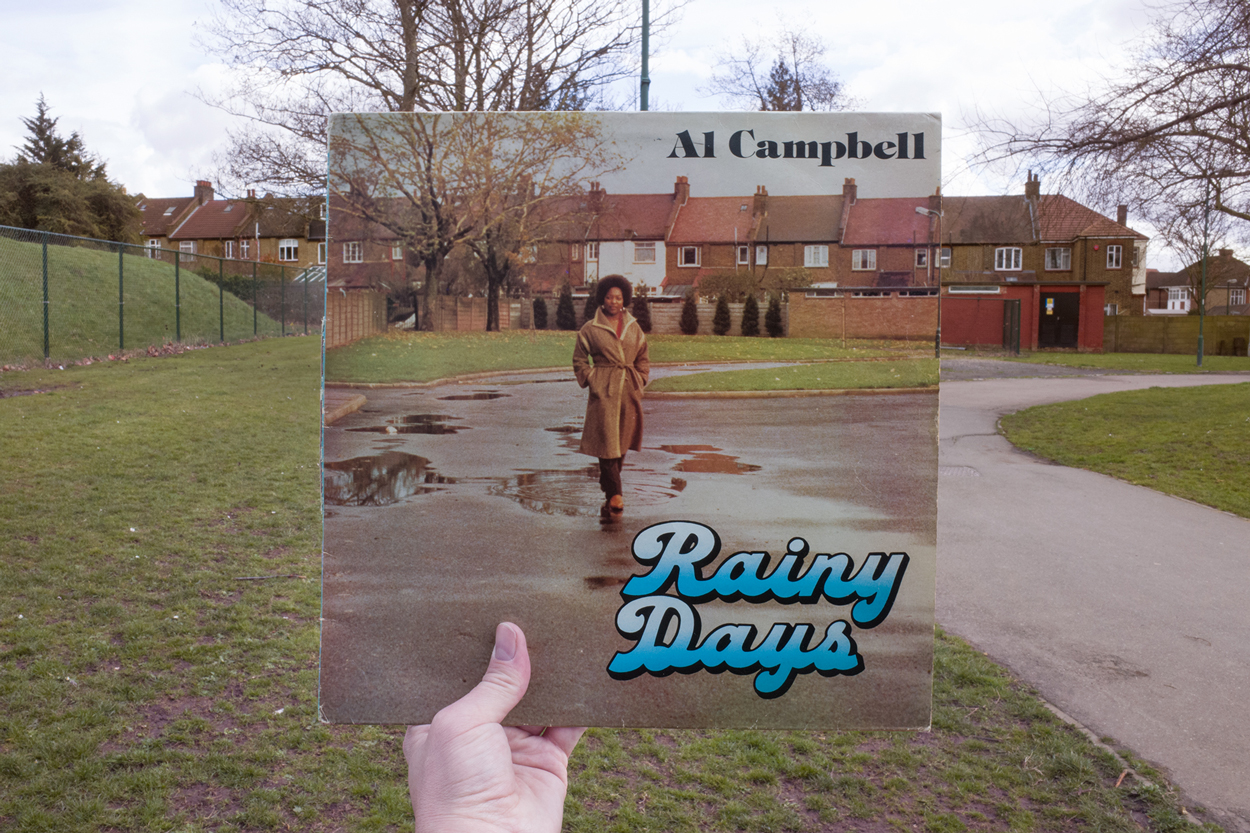
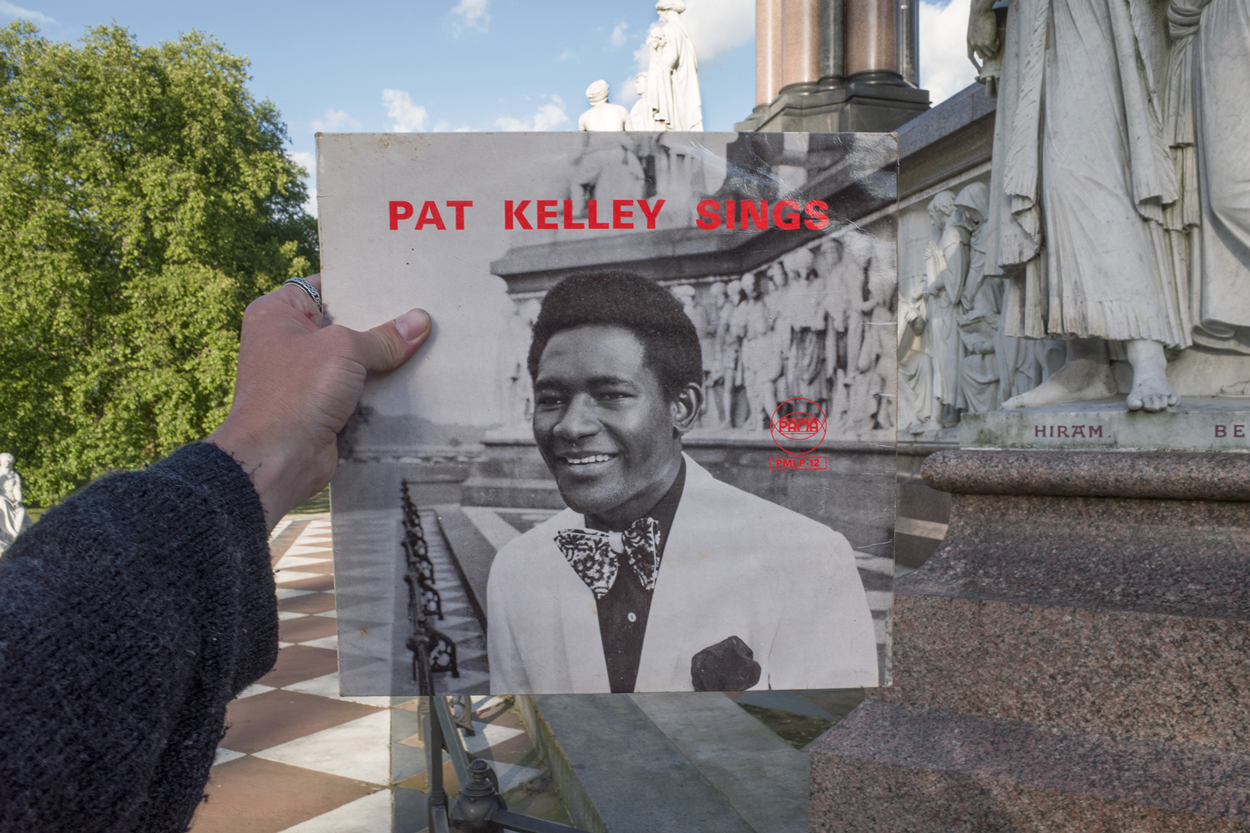
Have you met any of the original photographers or artists featured on the record sleeves?
I contacted some of the photographers, artists and producers. It was interesting to hear their stories and some helped me find various locations. Richard Holt who photographed some of the Trojan covers told me the location of Jah Woosh’s Religious Dread. I had spent months looking for that one and without his help I don’t think I would have found it. I also met Desmond Bryan who worked at Black Music/Starlight Records because one of the covers was taken in his back yard and I needed him to let me shoot that cover in his garden.
What methods of detective work did you undertake to find these locations?
Perseverance is a good tool! I have spent hours looking through images on the internet for a place or landmark. It often starts with the information on the record sleeve but many of them don’t offer much to go on. I have learned through doing this project that a good place to start is the area where the label was based. Sometimes it was just outside the door of the record label.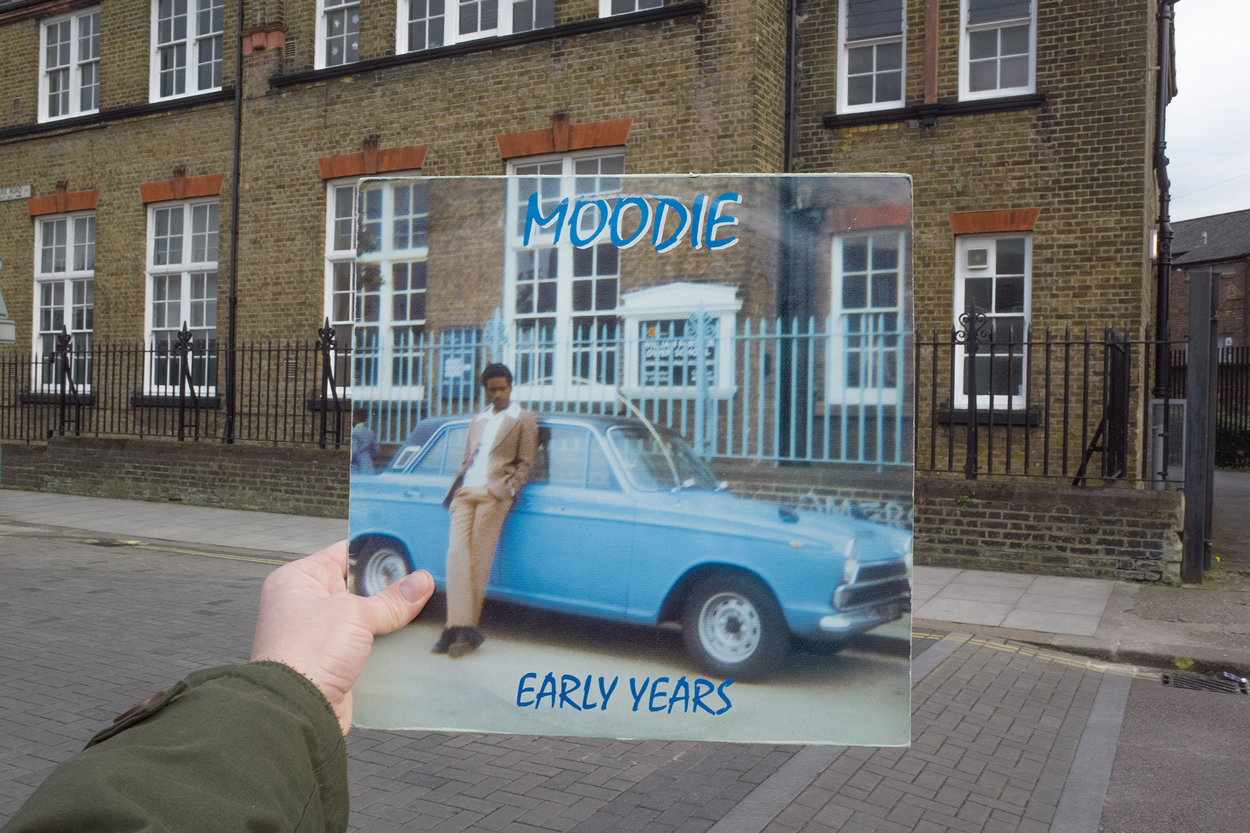
What was the most difficult cover to shoot and have there been any individuals unsympathetic to your project?
King Kong’s Trouble Again was a difficult one. The cover photo was taken on one of the shop’s rooftops on City Road. After tracking down the owner of one of the flats above I was told that she was a difficult woman and wouldn’t agree to let me onto her roof. So, I borrowed a ladder to climb onto the roof myself but when I got there I met the owner of a restaurant on the same stretch who agreed to let me through one of the flats above. No ladder needed. Thank you Tas Firin Restaurant!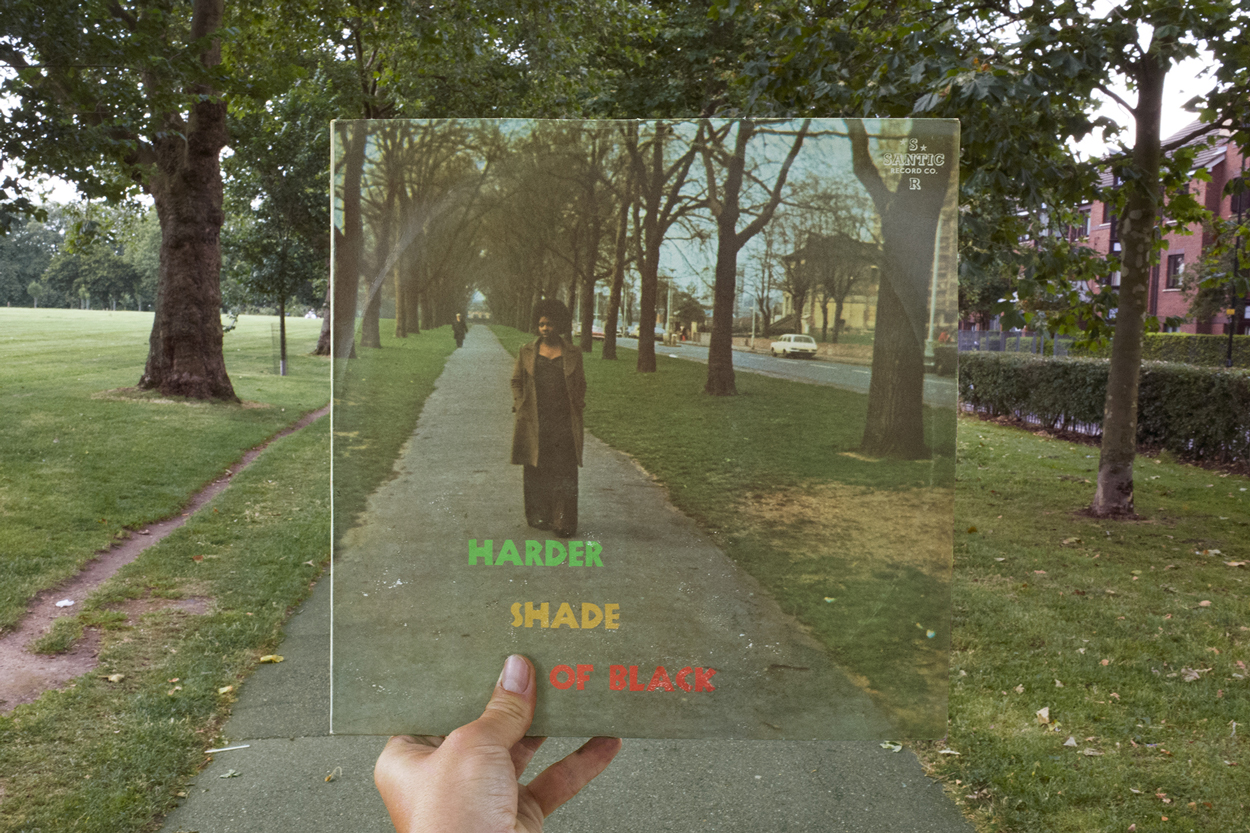
With London’s perpetually changing landscape were there any locations that had ceased to exist?
Surprisingly most of the cover locations I was researching had not changed much. Music House Vol.1 on Trojan has now disappeared. There’s a couple of records where I don’t know their location, maybe they were replaced by flats or local supermarkets and have disappeared now.
Check out Alex Bartsch’s Kickstarter campaign for Covers: Retracing Record Sleeves in London.
Enjoyed this article? Like Huck on Facebook or follow us on Twitter.
You might like

In photos: Black Texas life since emancipation
Kinship & Community — A new photobook and exhibition showcases the rich culture, history and community of African American folks in the Lone Star State, whose existence in the region predates colonial Britain.
Written by: Miss Rosen

American Football: The One With The Feelings
Many moons — The Midwest emo architects transformed a college experiment into a coming-of-age soundtrack. 25 years on, their latest iteration sees them bottle the same magic for the ups and downs of middle life.
Written by: Tracy Kawalik

London’s largest indoor skatepark to be demolished for padel courts
Better Extreme — The Barking skatepark’s fate follows that of similar indoor spaces in recent years, with operators GLL citing falling visitor numbers as the reason behind the decision.
Written by: Isaac Muk

Youthful joy & end-of-era poignancy at a London school prom
Leavers — For several years, Lewis Khan documented young people as they celebrated the last of their school days and the completion of their exams. The series is now collated in a new self-published photobook and short film.
Written by: Zoe Whitfield

Harry Gruyaert’s vintage, kaleidoscopic scenes of New York
A Sense of Place — For 50 years, the Belgian photographer and Magnum Photos member has been capturing NYC’s colourful chaos. A new photobook and exhibition showcase his unique, technicolour view of the city.
Written by: Miss Rosen

In the pit at one of the UK’s last stock car & banger speedways
Stock Car Racing Isn’t Dead — Photographer Liam McCarthy spent time in and around the Arlington Raceway’s circuit, capturing the diehard community that keeps the sport alive.
Written by: Isaac Muk


