São Paulo on shutdown: The day Brazil stood still
- Text by Biju Belinky
- Photography by Laura Viana

This Friday, the whole of Brazil came to a halt in what has been the country’s first general strike in twenty years. Called by trade unions and workers syndicates to protest against President Michel Temer’s austerity measures, the mass demonstrations were embraced by both students and workers from all areas, including education, health, transport, law and finance.
Although there are no clear numbers of demonstrators as of yet, at least 1.3 million people in over 554 cities are said to have taken part.

The measures proposed by the president would weaken labour laws, pension regulations and increase the retirement age.
Throughout the country protests were largely peaceful and non-combative, but in the major capitals of Rio de Janeiro and São Paulo, some protesters used burning tires and buses to halt traffic in main roads and created barricades.
The Brazilian police responded, whether there was damage to property or not, with extreme violence, looking to disperse rather than contain, and almost immediately resorted to tear gas, pepper spray and rubber bullets. Some people were shot at from a short distance.
It’s also reported that they’ve invaded buildings being peacefully occupied and charged into protesters.

One of the cities that underwent the biggest violent backlash by the police was the economic capital of São Paulo, with officers starting to fire at protesters in the centre of the city as early as 11am. The repression was aggravated towards the end of the day, as, according to reports, over 70,000 people gathered to march towards the President’s house for a demonstration.
Brazilian independent news outlet Jornalistas Livres reports that, upon arrival to the area, the protesters decided that for their own safety and to avoid being entrapped, only a smaller group would continue forward. As expected, once closer to the house, demonstrators were received by the military police with pepper spray, rubber bullets and tear gas, which continued for hours despite non-violence and the protesters efforts to disperse and reach safety.

Both the mayor of São Paulo, João Dória and president Michel Temer had attempted to stop the general strike from happening by threatening workers with fines for partaking. Dória even went as far as to initially offer free Ubers to public servants, hoping to encourage strikebreakers. Later yesterday he also called those partaking “lazy layabouts”.
Despite the protests, Michel Temer restated his determination to continue with austerity, which he says will avoid a further crisis in the country. The president, who has an extremely low approval rating, is also among the politicians accused of being part in the corruption scandal that has been faced by the country for the past few years.
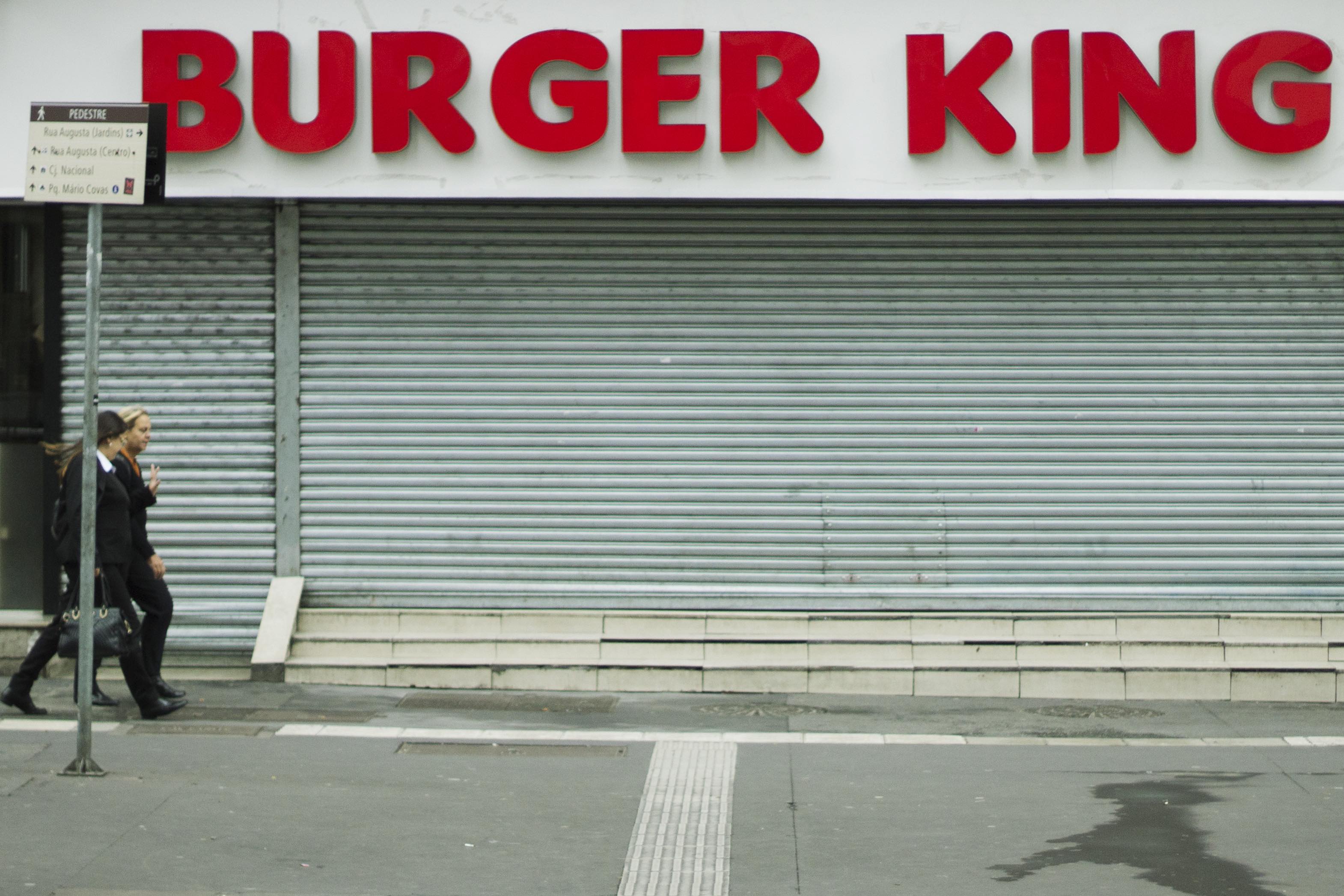
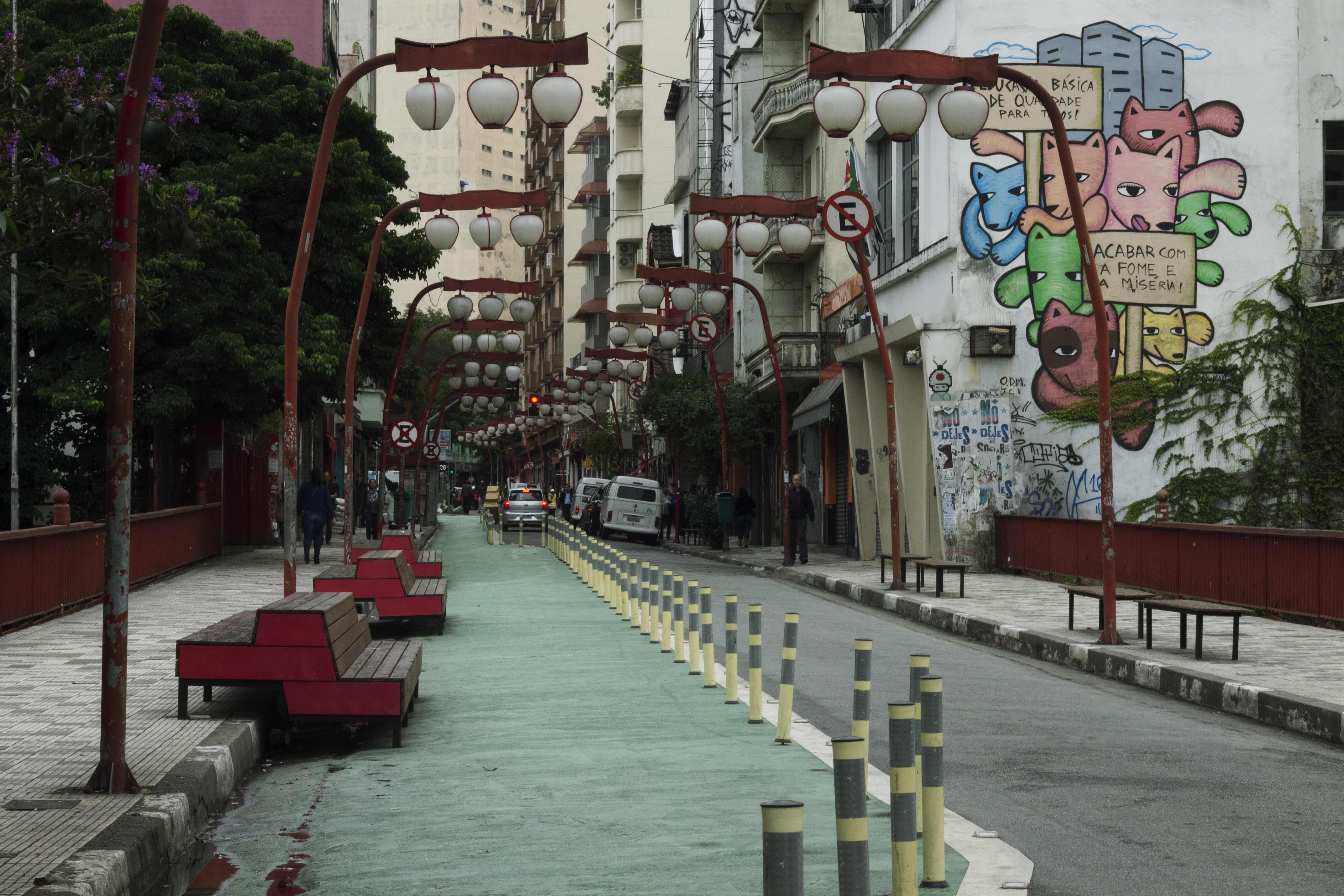
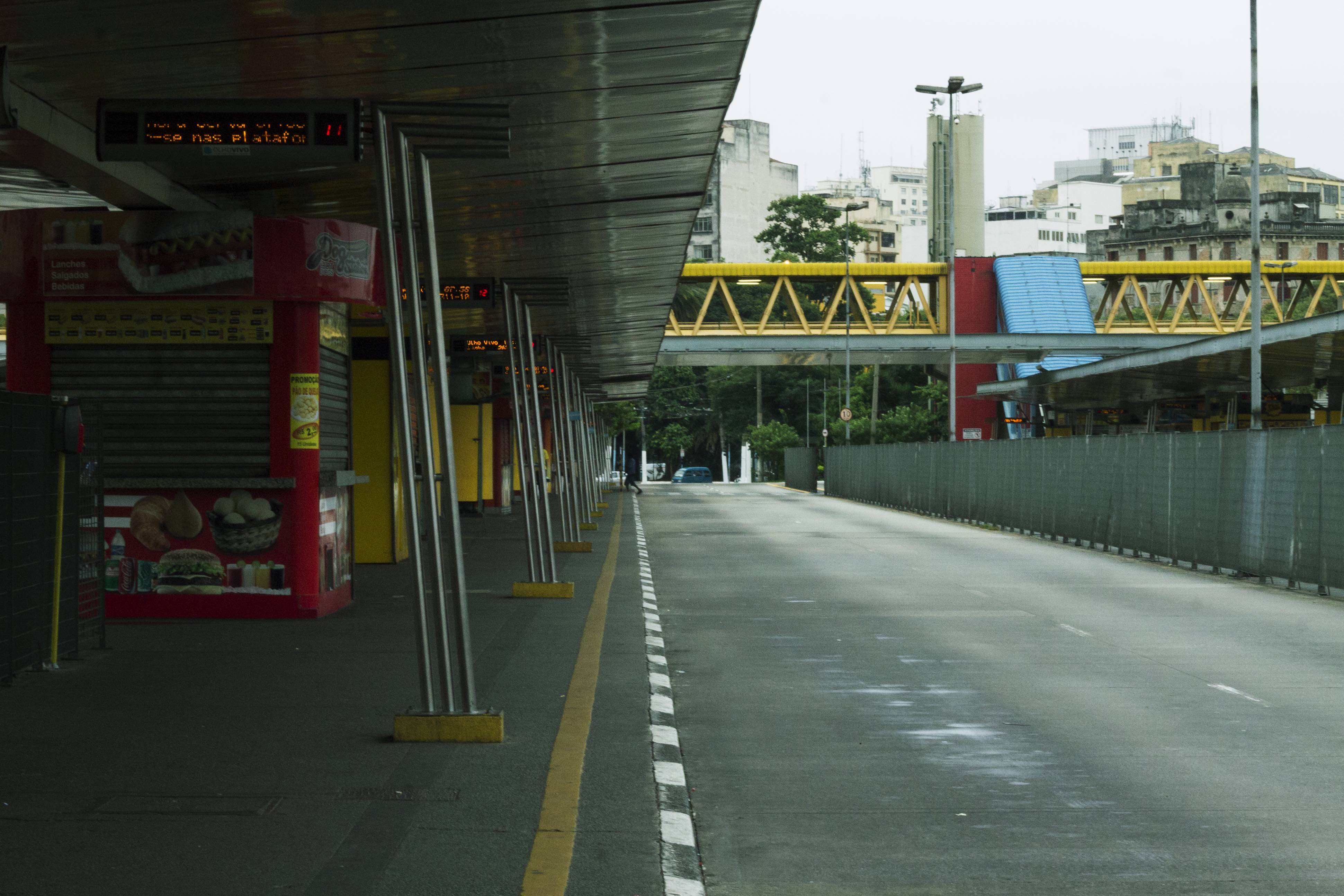
Photographer Laura Viana took to São Paulo’s streets to capture the morning standstill in the central area of the city, usually bustling with people.


Enjoyed this article? Like Huck on Facebook or follow us on Twitter.
You might like

Tender portraits of women serving life sentences in America
Looking Inside — While working as a public defender attorney in New York State, Sara Bennett found dilapidated prisons and forgotten people. Her new photobook harnesses the power of images and shines a humanising light on those imprisoned for serious crimes and their reintegration into society, while asking questions of the USA’s incarceration system.
Written by: Miss Rosen

Activists replace Union Jacks with ‘Tax The Rich’ flags in Farage’s Clacton
Take Back Power — It comes after the Reform UK leader resigned as an MP and triggered a by-election in the constituency, following scrutiny over a £5 million donation that he had not declared.
Written by: Ella Glossop

Tish Murtha’s searing documentation of broken Britain
Vandalism on a Grand Scale — Capturing youth unemployment and poverty in north-east England during the ’80s, the photographer never lived to see her work published. A new photobook by British Culture Archive brings her eye-opening work to light.
Written by: Miss Rosen

Ra’ed Khan and the tireless work of Road to Freedom
Hurriyah — Having been providing frontline aid and support to refugees for over a decade, a new book featuring poetry by Omar Mooro traces the story of the NGO. In this chapter extract, founder and music executive Ra’ed Khan explains its origins.
Written by: Isaac Muk

‘Baking Street’: Activists rename Tube stations in heatwave protest
‘Heatwave, sponsored by Shell’ — The protest comes as the UK recorded the hottest day in June ever recorded at 36.7C.
Written by: Ella Glossop

An intimate window into New York’s ’70s lesbian scene
We Others — An exhibition at The Photographer’s Gallery combines Donna Gottschalk’s unearthed photographs of LGBTQ+ activists and friends, along with Hélène Gianneccini’s written histories.
Written by: Miss Rosen


