The sex trafficking survivor who turned her nightmare into a feature film
- Text by Alex King
- Photography by Theo McInnes

Actress Frida Farrell is sitting in a smart, Italian cafe on Shaftesbury Avenue in the heart of London’s Theatreland. As she puts down her teacup, she looks through the window to the bustling street outside. She describes how, just a few minutes walk away from where we’re sitting, she was tricked into attending a fake photoshoot, kidnapped, drugged and sexually trafficked – sold to men in an apartment on London’s upmarket Harley Street.
Over a decade later, Frida has returned to London from California for the European premiere of Selling Isobel, a feature film she co-wrote, based on her own experiences. With a few exceptions, such as the setting being moved from London to the US, the film is unflinchingly faithful to what Frida went through. She explains the harrowing film is her attempt to reach people, in the hope that her story will stop other women getting into the same situation.

“The moment I feel comfortable about turning my experience into a film still hasn’t arrived yet,” Frida admits. “We started working on the script five years ago and I still think, ‘What the hell am I doing?’ It was an event that I had taken out of my head completely. I think the most difficult part [of making the film] was that I was embarrassed and for many years I blamed myself. I was thinking, ‘My God, it was my fault.”
Frida was born in Malmö, Sweden and moved to Paris at age 16 to work as a model, before she arrived in London, to study drama. In her early twenties, she was looking for acting work when she met a well-dressed and charming English man, a stone’s throw from Oxford Circus, in the heart of Central London. He invited her to a casting, complete with a cheery assistant, in a smart apartment on Harley Street.
When she returned for the photoshoot, the equipment had disappeared, and she found herself locked inside a room with the man, whose friendly demeanour had disappeared and was now brandishing a knife. He drugged her and quickly put her to work with men who visited the apartment. After three days of being held captive, she finally managed to escape, and ran ten blocks through the city before she realised she was free.
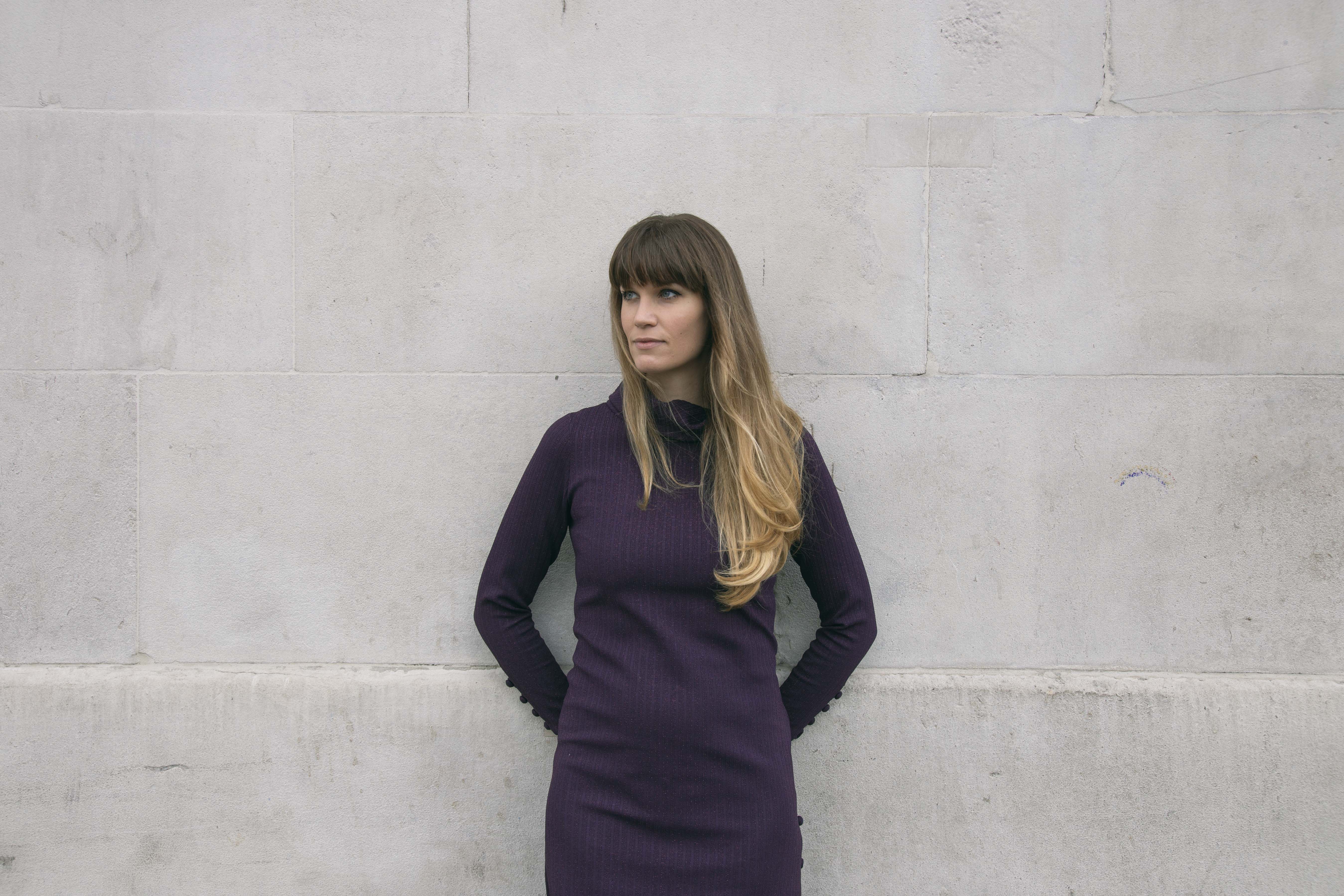
“I hardly remember anything that happened afterwards actually, it’s a little bit blurry,” she says. “The most important thing for me was to deny it quickly, it never happened. I didn’t want to acknowledge it. I thought that if I didn’t say anything then I could just be normal again, and walk down the street like all the other millions of people.”
After surviving, Frida established a successful acting career and moved to California. The screenplay that became Selling Isobel grew from Frida’s desire to take some good from the horrendous ordeal she was put through.
Realism was Frida’s primary concern. Just a few details in the film are different: she had to create a backstory and motivation for the man who kidnapped her, because the police never caught the real life attacker; she also made the police good guys, to make the harrowing film more digestible, but in real life the Met police barely believed her; and she changed the setting to the US, which made it possible for her to act the part on screen, without coming too close to reliving what she went through in London.
“I wanted people watching to know that it could happen to any girl,” Frida explains. “You don’t have to be foreign, poor or not speak the language. People think these kinds of things just happen to poor immigrants, but it could happen to English girls too. My character in the film is totally normal, and I hope that makes girls watching think, ‘Holy shit, that could have been me.’”
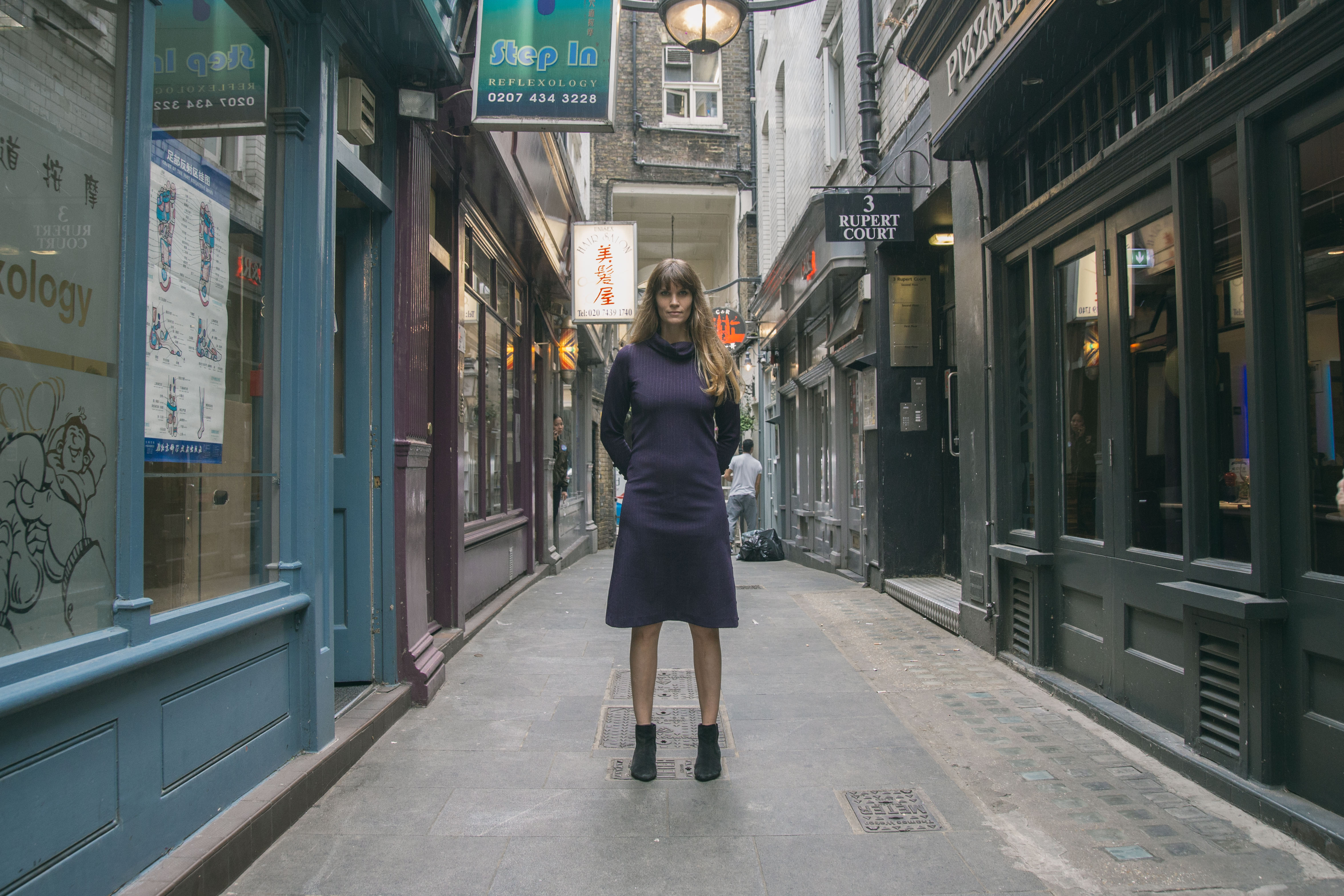
Frida feels passionately that reliving her experience in front of the camera and putting her story down on film is a powerful way of reaching young women who could too become victims of trafficking.
“I just want girls to be so careful,” Frida explains. “Be extremely aware of things, and if at all possible, take a friend with you to appointments like photoshoots, for example. Have someone know exactly where you’re going at all times. Anything can happen when you’re alone with somebody you don’t know. If I can stop other girls getting into the same situation, then my job is done.”
Selling Isobel, directed by Rudolf Buitendach has its European Premiere at Raindance Film Festival, London, on Saturday 23 September.
Enjoyed this article? Like Huck on Facebook or follow us on Twitter.
You might like

Youthful joy & end-of-era poignancy at a London school prom
Leavers — For several years, Lewis Khan documented young people as they celebrated the last of their school days and the completion of their exams. The series is now collated in a new self-published photobook and short film.
Written by: Zoe Whitfield

A major Nan Goldin exhibition is coming to London
You Never Did Anything Wrong — Opening at the Hayward Gallery in November, the show will debut a new film from the artist and activist, alongside a slate of recent work.
Written by: Jack Dennison-Thompson

Rab’s adventures on film at Love Trails Festival
Adventure Film Night — Taking place between July 2-6, Rab are screening six documentaries at the festival that explore the remarkable world of the adventure sport community.
Written by: Roxana Diba

A portrait of the UK’s oldest boxing club
Learning the Ropes — A new documentary by Ryan Pickard chronicles the hard-edged history of Repton Boxing Club in Bethnal Green, while asking poignant questions about the present and future of the sport in the UK.
Written by: Sydney Lobe

New film spotlights London’s Bubble Club, the party by people with learning disabilities
Radically inclusive clubbing — Produced by Muddled Marauders and currently fundraising for completion, the feature documentary focuses on the inclusive night, which has been in operation since 2005.
Written by: Roxana Diba

Confronting America’s history of violence against student protest
Through A Mirror, Darkly — In May 1970, two separate massacres at American college campuses saw deaths at the hands of the state. Naeem Mohaiemen’s new three-channel film memorialises the brutality.
Written by: Miss Rosen


