Blurring fantasy and reality in America's poorest region
- Text by Stacy Kranitz
- Photography by Stacy Kranitz

I use photography to examine and reflect on a legacy of representations of poverty. But I may not be the photographer you want me to be.
I am not filled with a noble desire to show the world a certain type of injustice in hopes of remedying it. I’m not interested in a narrative of good versus evil.
The photographs in my project, As it was Give(n) to Me, are meant to engage in a rhetoric established by the early missionaries to Appalachia – a mountain range in the eastern US – and then reasserted by photographers and documentarians for nearly a century.
Seven years ago, I began travelling in large concentric circles through central Appalachia, meeting strangers, making friends and, sometimes, lovers.
Along the way, I learned how the problematic trajectory of representations of poverty in Appalachia had been activated through photography.
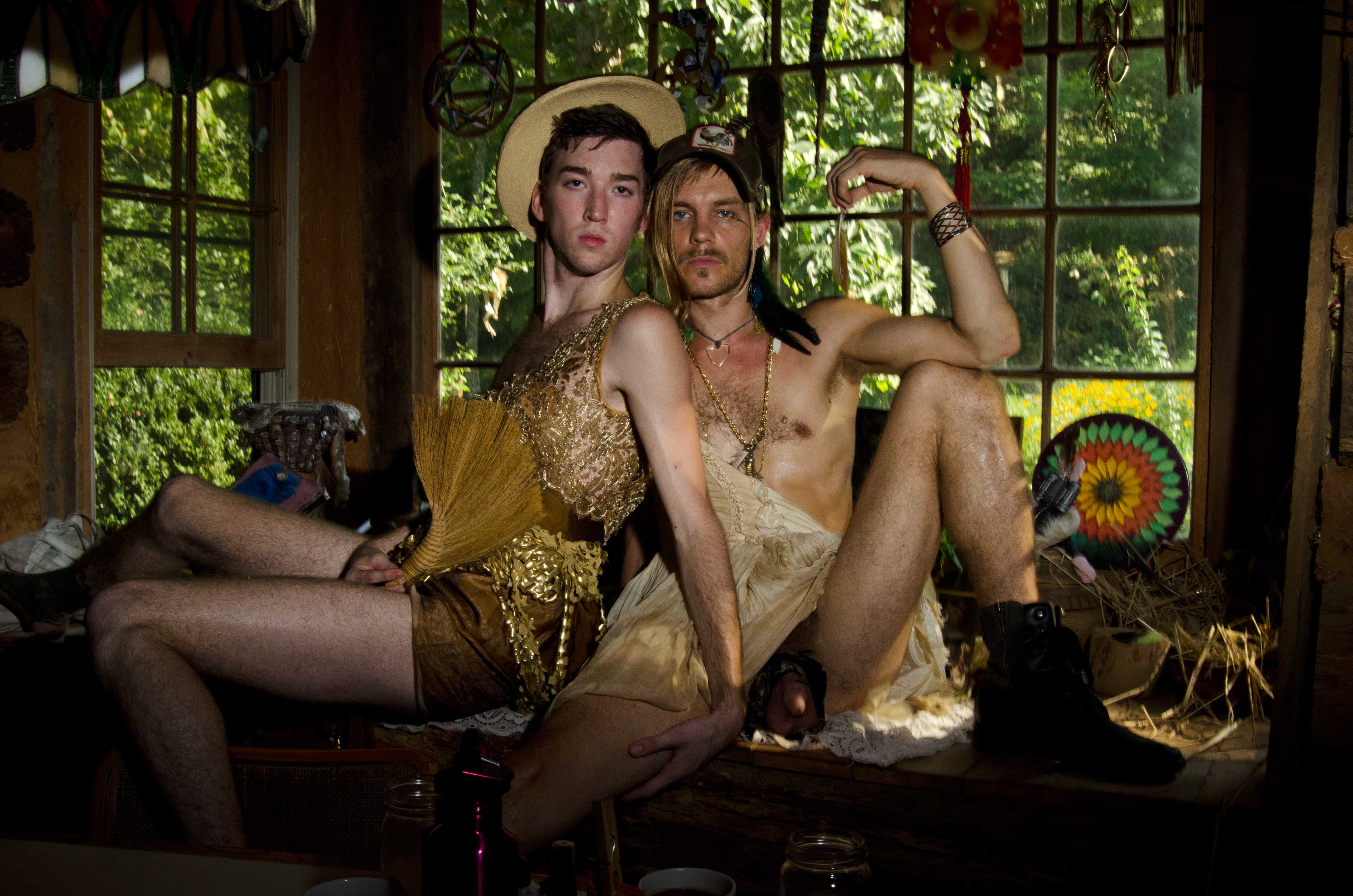
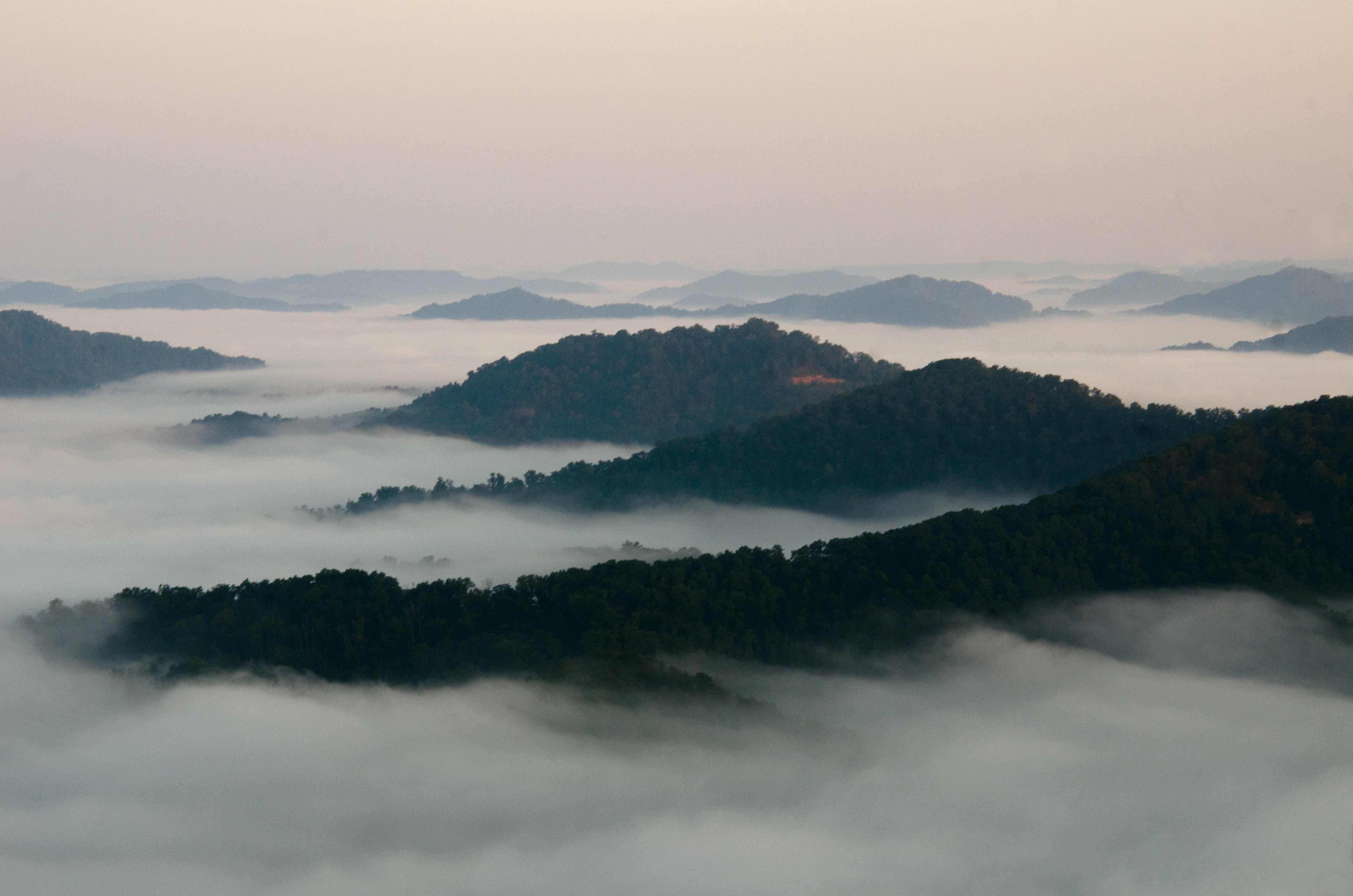
Since Lyndon B. Johnson announced the War on Poverty in 1964, photographers have portrayed Appalachia as the poster child for American poverty.
This image has haunted its people ever since. Those responsible for these misrepresentations likely had the best of intentions, but they contributed to unfair stereotypes of a rural group of people who already felt ostracised from the ‘Great Society’.
And there I was, another photographer utilising the medium that I knew exacerbated the problem.
I have always struggled with the documentary tradition. I find photojournalism’s strict ethical guidelines – meant to enforce a supposed impartiality – disingenuous.
I struggle with the way social documentarians impose judgment without acknowledging the complicated power dynamic between themselves and their subject.
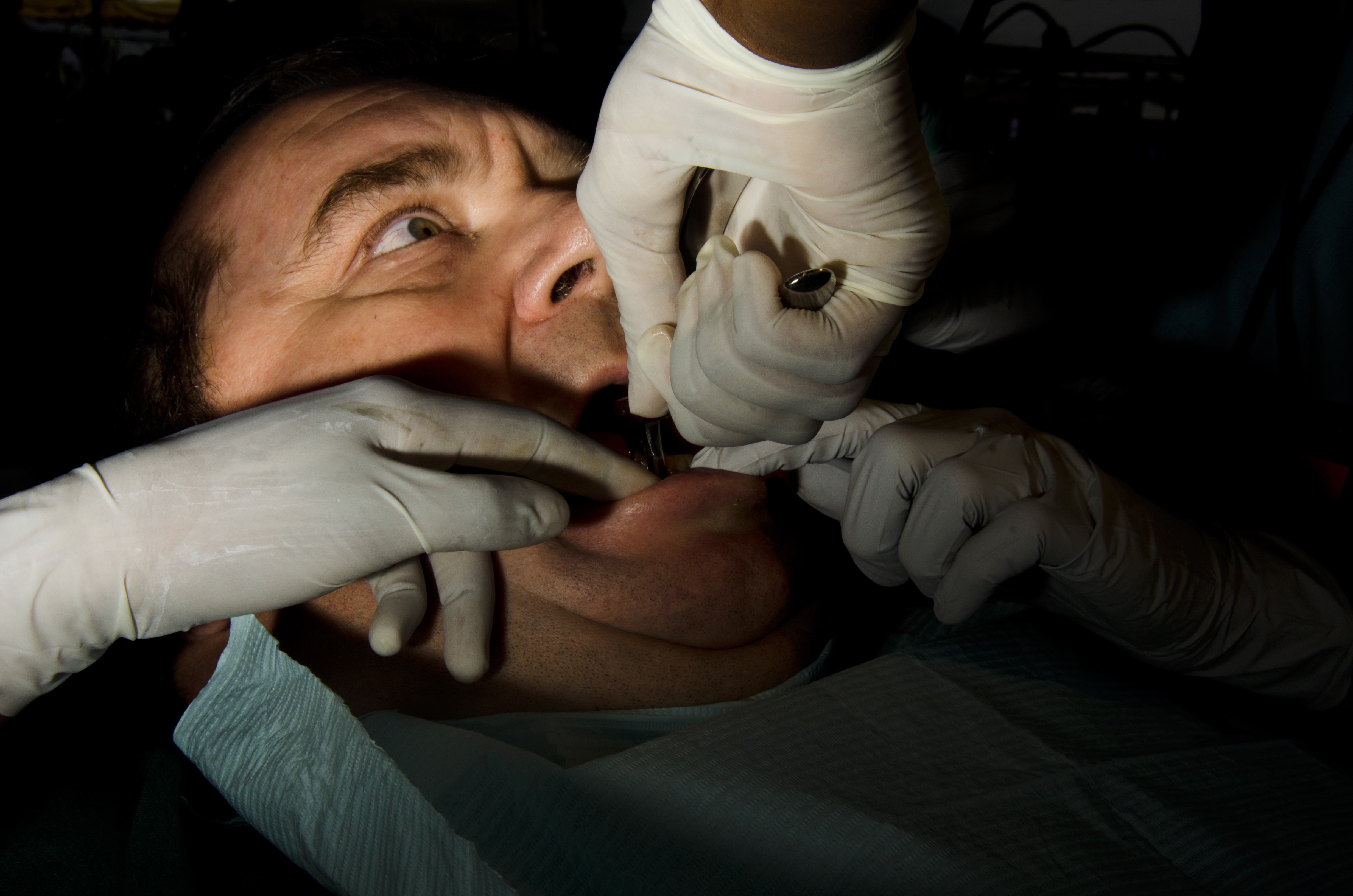
It was not until I learned of writer James Agee and photographer Walker Evans’ work in Alabama, exploring the conditions of white sharecropper families, that I came to see a precedent for my work: one situated in the tenuous space between reality and constructed notions of truth.
Agee’s self-reflexive text acknowledges his role in depicting an exotic primitivism and the inevitable failure of such a project to impart any real understanding of the Other.
One New Year’s Eve, I visited my friend Pat at his home in West Virginia. There was a keg of beer and a bonfire.
It was cold and we got drunk and took lots of drugs. I tend to do the drugs my friends and subjects are doing while making my work.
This makes me feel like I am getting closer to someone else’s circumstances, though I am conscious that this may not be the case.
In the same vein, I freely offer my camera to people who express an interest in making images. At the party that night, I showed a young woman named Brooke how to use my camera.
At some point, after snorting a line of the government-funded prescription drug Subutex, I blacked out. Brooke was still taking pictures.
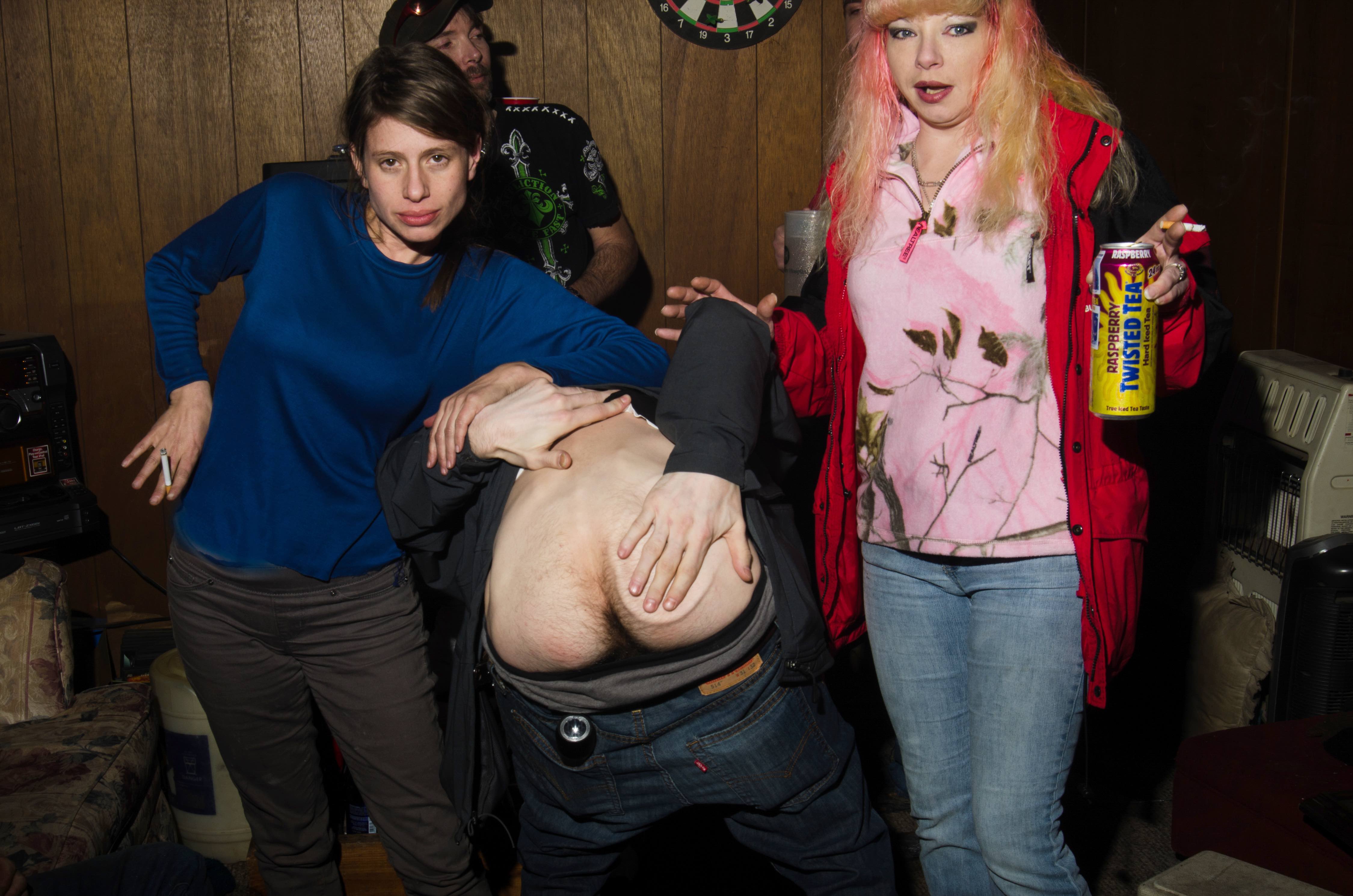
Stacy Kranitz at a party in West Columbia, West Virginia. Photo by Brooke.
I have no memory of this time, just a record of it.
All photographers have complicated interactions with constantly fluctuating power relationships, and because I am trying to make work about the shifting nature of this relationship I have become captivated by these images of myself in a state of utter vulnerability and obliviousness.
Brooke’s photographs represent the first time that I have been implicated in the relationship of consent that my subjects regularly endure at my request.
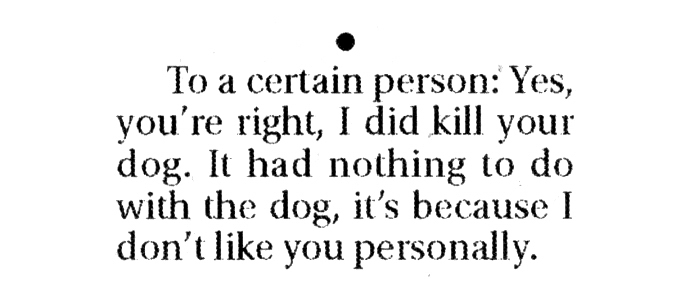
When I was a child I watched Christy, the TV miniseries based on a colour romance novel by Catherine Marshall.
It’s a seductive story about a young missionary who moves to a small community in the Great Smoky Mountains to teach poor mountain children how to read and write.
Christy is sure of herself and of her role to improve the lives of those around her, but as the narrative unfolds she learns that there are many versions of right and wrong and many ways to be good, true, kind, loved and loving.
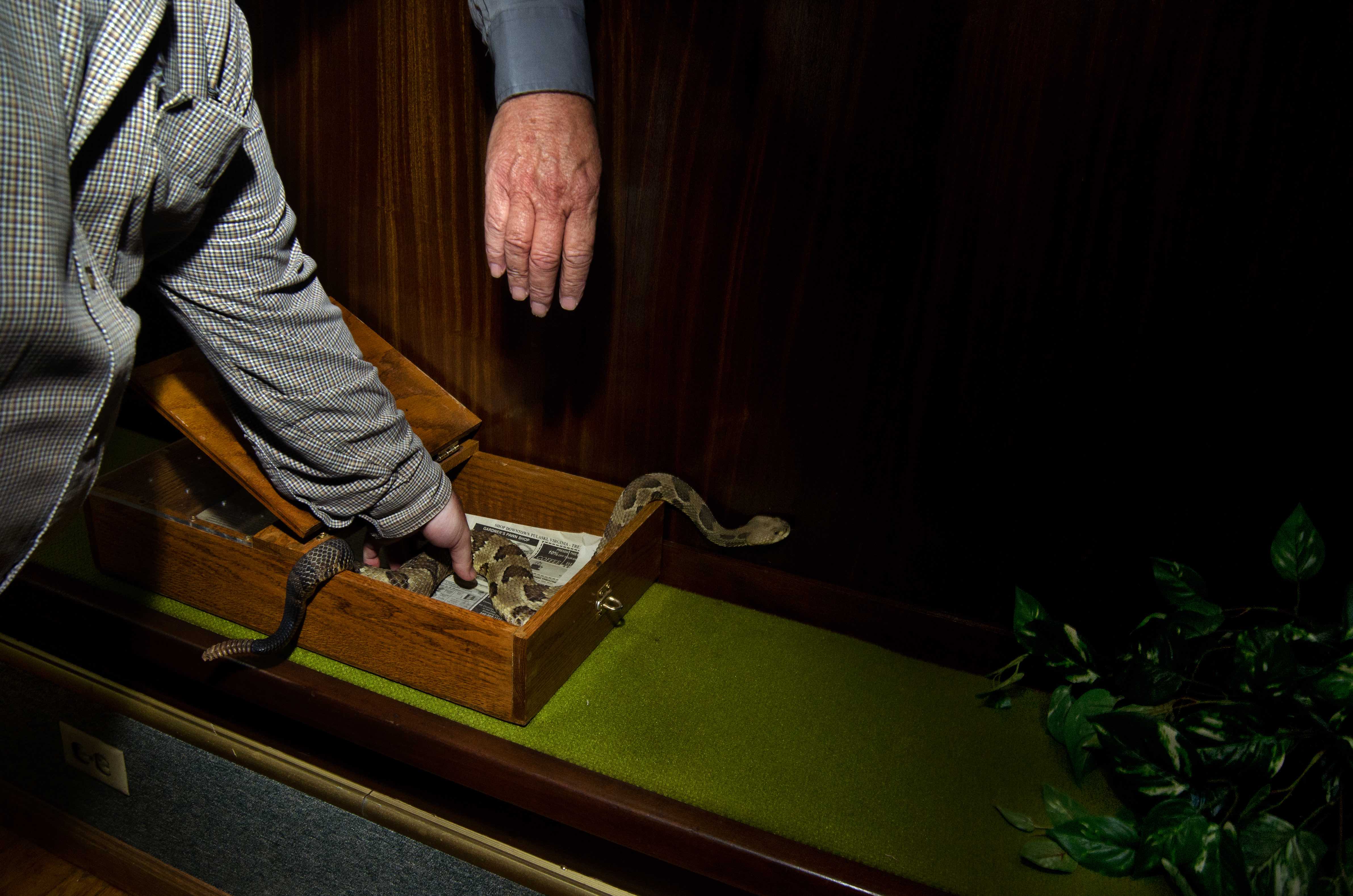
In revisiting this story, it became clear that, on some level, I had come to Appalachia to construct a fantasy world for myself.
My desire to explore my perceptions rivals my desire to provide an objective portrayal of where I am, especially since I know the idea of an objective reality is a fantasy.
Like Christy, my experiences have challenged what I’d long established as personal truths about the region, undoing my understandings of myself and revealing the complexity of this diverse network of communities.
So while I may not be the photographer you want me to be, my work exists to generate a conversation: a mission it has not failed in yet.
This article appears in Huck 57 – The Documentary Photo Special IV. Subscribe today so you never miss another issue.
Speak Your Piece, a book combining Kranitz’s Appalachian photographs with reader contributions to Kentucky’s Mountain Eagle newspaper, is published by Here Press.
Enjoyed this article? Like Huck on Facebook or follow us on Twitter.
You might like

In photos: Black Texas life since emancipation
Kinship & Community — A new photobook and exhibition showcases the rich culture, history and community of African American folks in the Lone Star State, whose existence in the region predates colonial Britain.
Written by: Miss Rosen

Youthful joy & end-of-era poignancy at a London school prom
Leavers — For several years, Lewis Khan documented young people as they celebrated the last of their school days and the completion of their exams. The series is now collated in a new self-published photobook and short film.
Written by: Zoe Whitfield

Harry Gruyaert’s vintage, kaleidoscopic scenes of New York
A Sense of Place — For 50 years, the Belgian photographer and Magnum Photos member has been capturing NYC’s colourful chaos. A new photobook and exhibition showcase his unique, technicolour view of the city.
Written by: Miss Rosen

In the pit at one of the UK’s last stock car & banger speedways
Stock Car Racing Isn’t Dead — Photographer Liam McCarthy spent time in and around the Arlington Raceway’s circuit, capturing the diehard community that keeps the sport alive.
Written by: Isaac Muk

Inside Lower Duck Pond, the nicest town on the internet
/r/HaveWeMet — With a population of 2,500 and no fixed location, the subreddit is a space for roleplaying citizens to solve mysteries, host fictional events and ultimately connect. In an internet that’s often divided and toxic, Vicky Jessop hangs out in one of its most wholesome corners.
Written by: Vicky Jessop

A major Nan Goldin exhibition is coming to London
You Never Did Anything Wrong — Opening at the Hayward Gallery in November, the show will debut a new film from the artist and activist, alongside a slate of recent work.
Written by: Jack Dennison-Thompson


