Striking snapshots of 1970’s New York
- Text by Miss Rosen
- Photography by Philip Trager

In 1970, Daniel Patrick Moynihan convinced the Nixon White House to support a policy of “benign neglect,” wherein basic government services were systemically denied to cities across the United States with large African-American and Latinx populations.
New York City quickly became the nation’s most famous victim of “urban blight” at the hands of the state. The city teetered on the edge of bankruptcy as manufacturers fled en masse, while landlords hired arsonists to torch their buildings knowing they could get more money from insurance than they could from resale. The city fell into desolate and desperate straits. Yet within this horrific landscape, New York maintained its dignity and strength, becoming the site for the most explosive cultural movements of the late 20th century.
The city’s landmark buildings and dramatic vistas were a symbol of the potent energy that lay within, a vision that spoke to American photographer Philip Trager. He and his wife Ina packed a view camera and two tripods into their Jeep Commando and drove into Manhattan from Connecticut, where they lived at the time.

From the New York Life Insurance Building, 1978.
Carefully scouting out locations that spoke of the city’s complex, dynamic, and varied architecture, Trager created a striking portrait of the city by photographing some its most historic landmarks and views, from a close up of the Cathedral Church of St. John the Divine to the World Trade Towers as seen from half a mile away.
“When you photograph intensely in a city you begin to feel as if you are a part of it. In a way, the streets get into your heart and head,” Trager tells Huck. “I selected subjects intuitively, choosing buildings and viewpoints that ‘felt right’ viscerally. I did not intend to make a documentary or historical survey, although as the decades have passed the photographs have taken on a documentary aspect.”
The photographs have been collected in New York in the 1970s (Steidl), which features works made from negatives that had been forgotten while Trager was working on his first book in 1980. Taken as a whole, the new book brings us back to a turning point in the city’s history, a time of gutsy glamour just before everything changed.

Gordon’s gin, 1978.
Trager’s sensitivity to the city is evident in every photograph. “I generally would take the light ‘as it came’ but if it was especially bad I would return another time. The light in Manhattan’s streets is often challenging especially in the winter when there are only very short slivers of light in the narrow streets; a slender window of opportunity,” he reveals.
In retrospect, the photographs have taken on new life, becoming records of a world that in many cases no longer exists. “Although New York’s architecture had evolved in the past and I knew that it would change in the future, I didn’t foresee the immense changes that have taken place,” Trager observes.
“Although the city is less gritty now, for me it seems to be not as stimulating visually; less welcoming. Photographs of cities take on a new meaning with the passage of time. I am a little nostalgic for New York in the 1970s.”
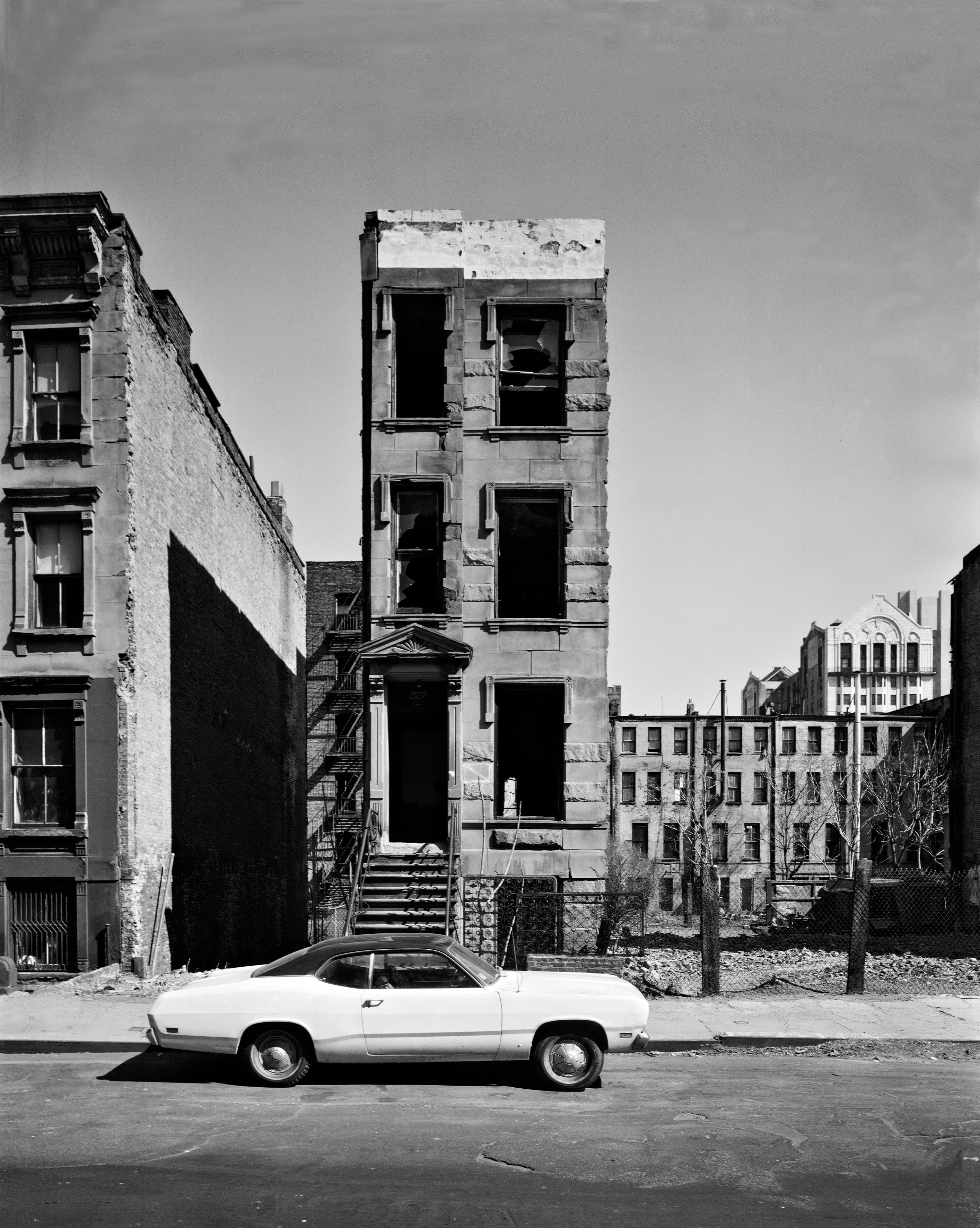
West 122nd Street, 1979.

From the Equitable Building, 1978.

Times Square at Duffy Square, 1977.

125 East Eleventh Street, 1978.
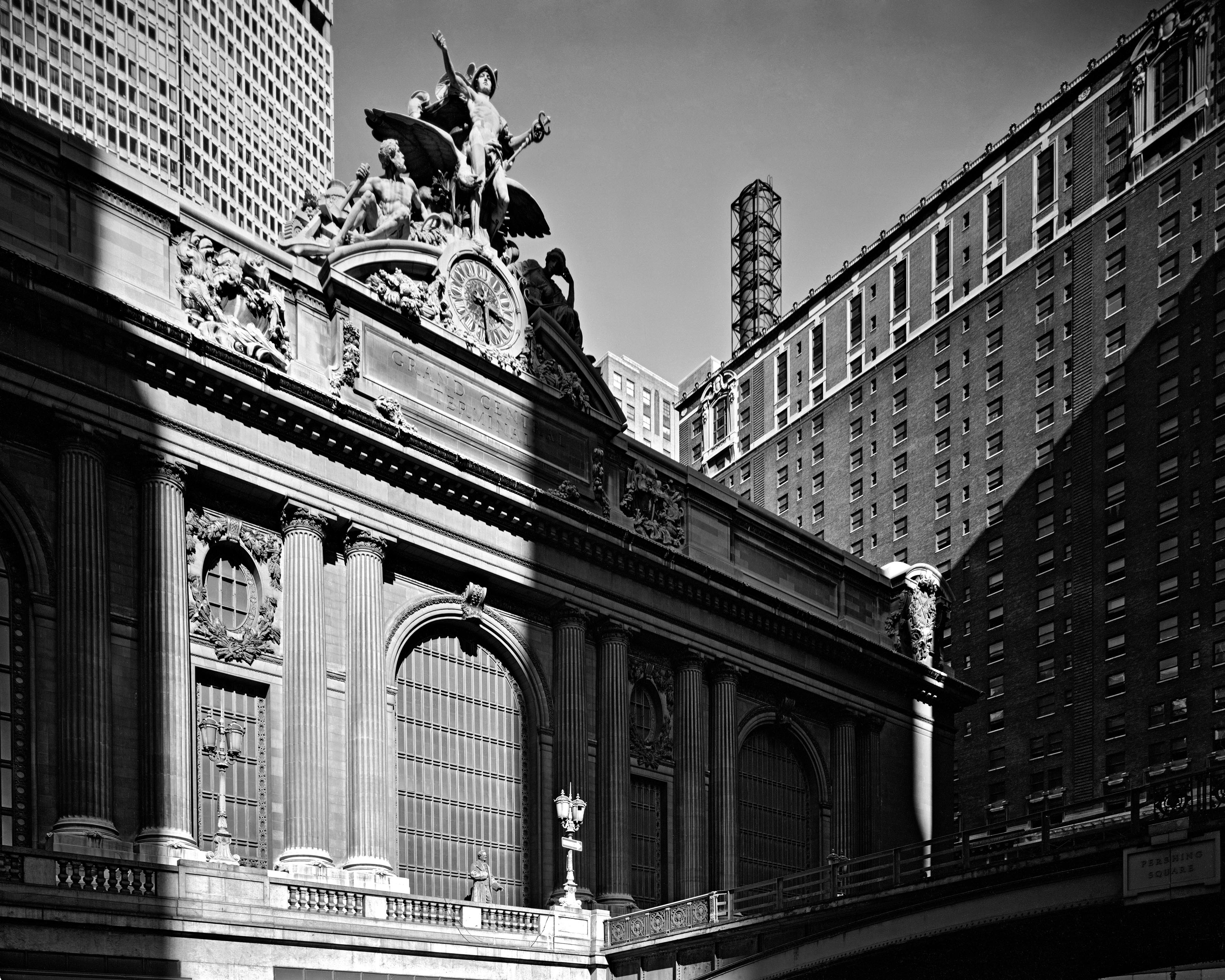
Grand Central Terminal, 1978.

One Astor Plaza, 1978
Follow Miss Rosen on Twitter.
Enjoyed this article? Like Huck on Facebook or follow us on Twitter.
You might like

Queer resistance & sun-soaked solidarity at the world’s largest trans pride march
Our Future, Our Fight — Over the weekend, over 150,000 people marched at the London Trans+ Pride, with the parade ending at Trafalgar Square for the first time in history.
Written by: Ella Glossop

In photos: Black Texas life since emancipation
Kinship & Community — A new photobook and exhibition showcases the rich culture, history and community of African American folks in the Lone Star State, whose existence in the region predates colonial Britain.
Written by: Miss Rosen

Youthful joy & end-of-era poignancy at a London school prom
Leavers — For several years, Lewis Khan documented young people as they celebrated the last of their school days and the completion of their exams. The series is now collated in a new self-published photobook and short film.
Written by: Zoe Whitfield

Harry Gruyaert’s vintage, kaleidoscopic scenes of New York
A Sense of Place — For 50 years, the Belgian photographer and Magnum Photos member has been capturing NYC’s colourful chaos. A new photobook and exhibition showcase his unique, technicolour view of the city.
Written by: Miss Rosen

In the pit at one of the UK’s last stock car & banger speedways
Stock Car Racing Isn’t Dead — Photographer Liam McCarthy spent time in and around the Arlington Raceway’s circuit, capturing the diehard community that keeps the sport alive.
Written by: Isaac Muk

Inside Lower Duck Pond, the nicest town on the internet
/r/HaveWeMet — With a population of 2,500 and no fixed location, the subreddit is a space for roleplaying citizens to solve mysteries, host fictional events and ultimately connect. In an internet that’s often divided and toxic, Vicky Jessop hangs out in one of its most wholesome corners.
Written by: Vicky Jessop


