Teenage life inside a Israeli military training camp
- Text by Eva Clifford
- Photography by Iris Hassid Segal

For Israeli citizens, conscription is a rite of passage. From the age of 18 – if you are Jewish, Druze or Circassian – military service is mandatory. Typically, men serve for three years and women two years. Although exemptions exist, like those made on religious, physical or psychological grounds, refusal to serve in the Israeli Defence Forces (IDF) can lead to imprisonment.
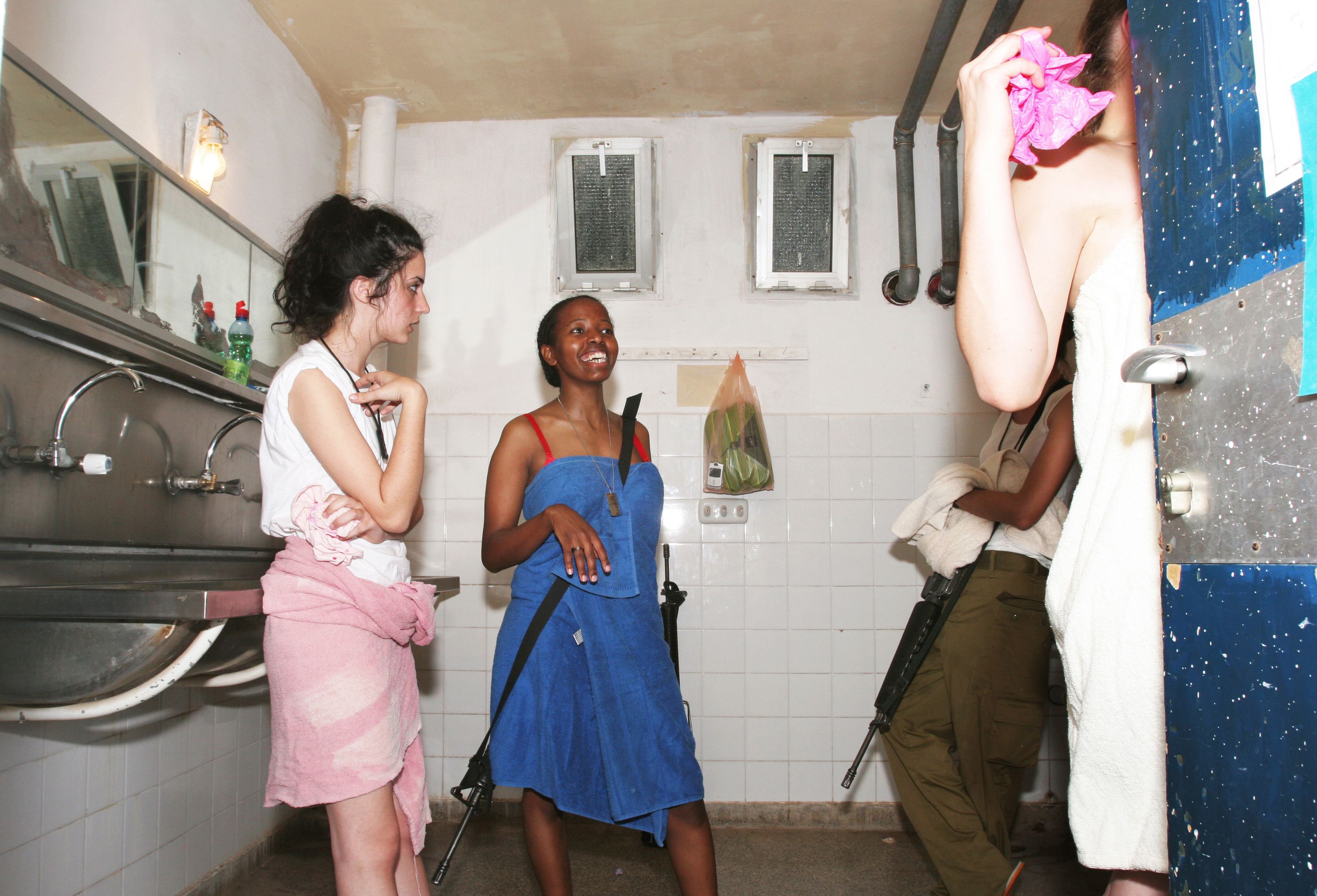
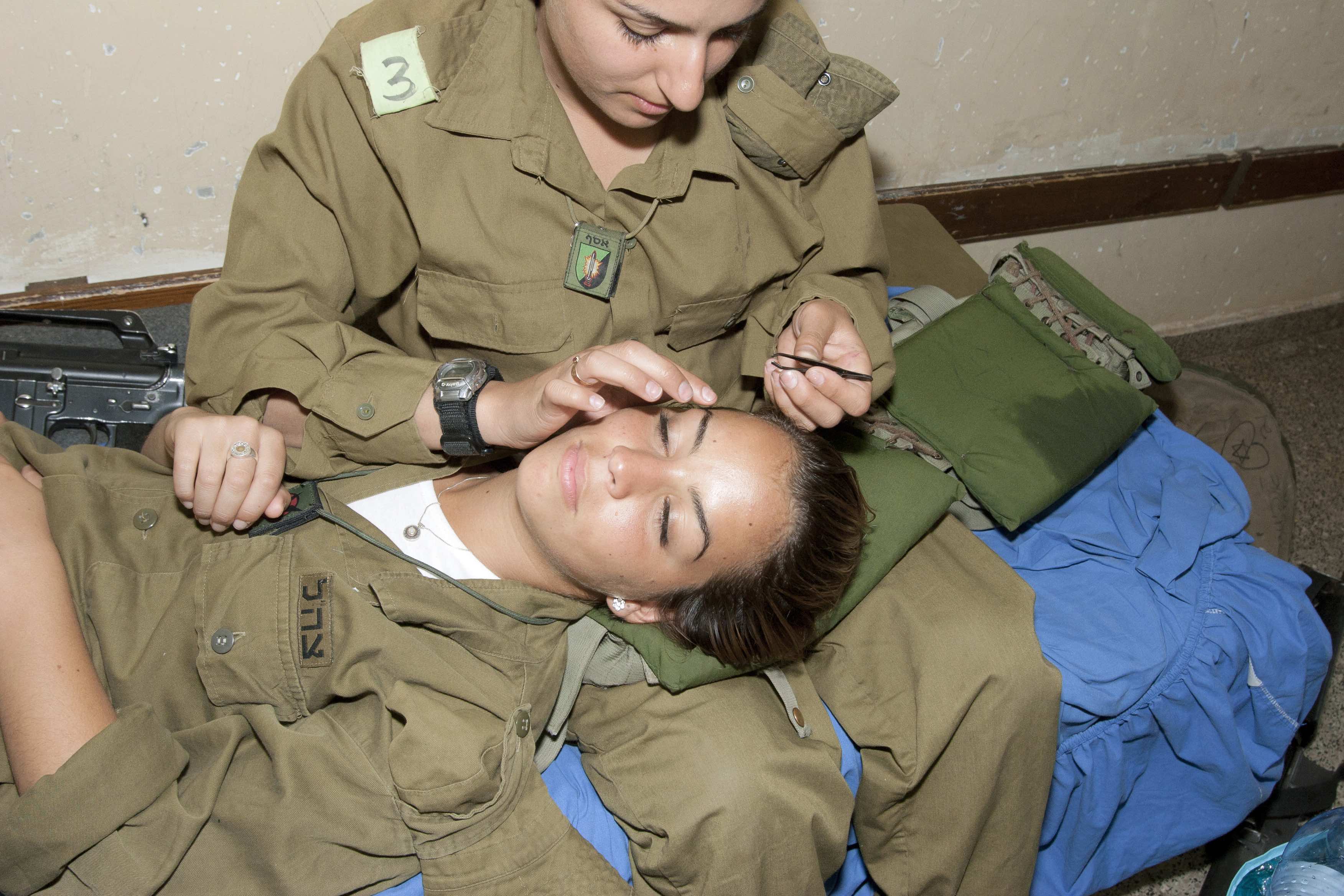
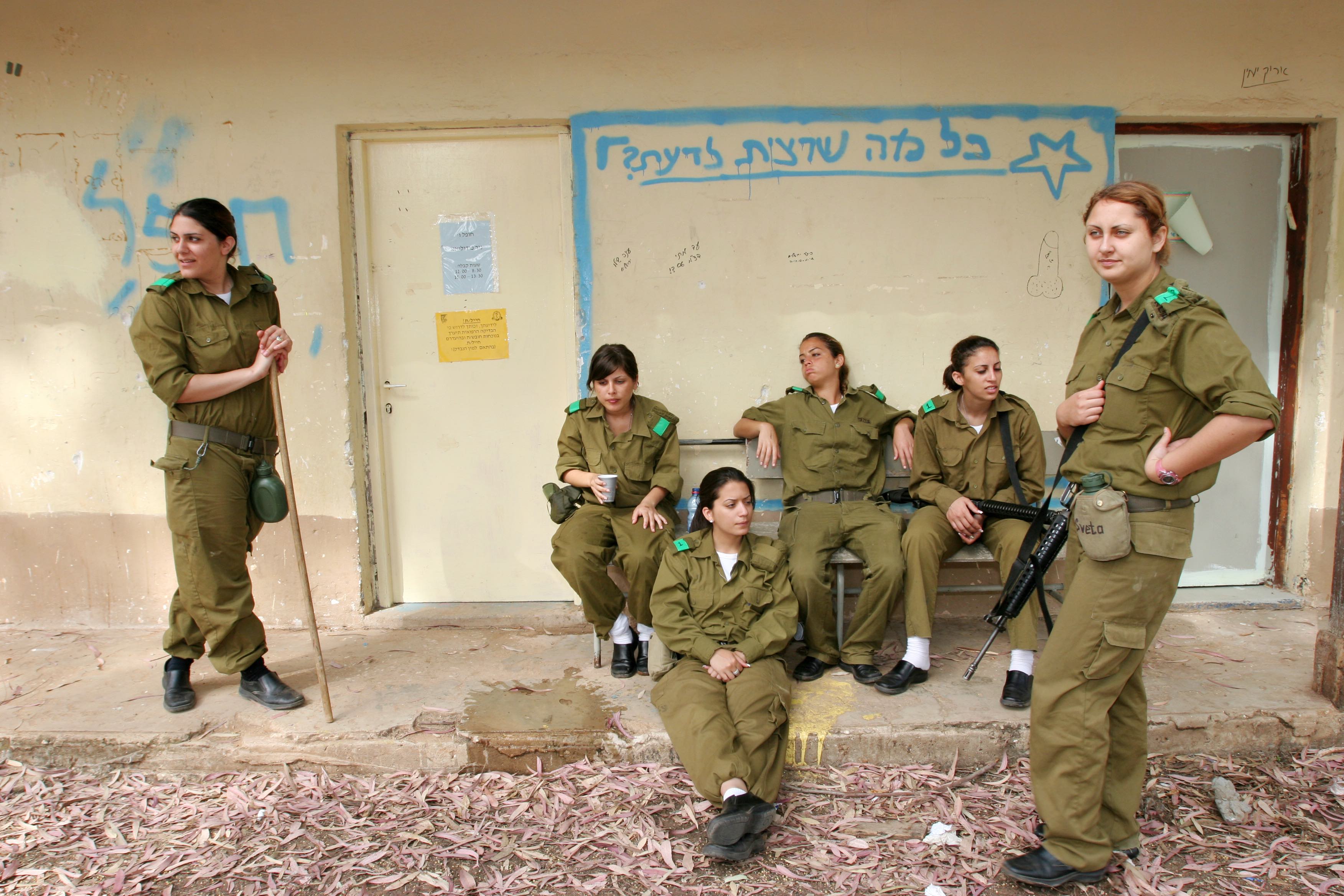
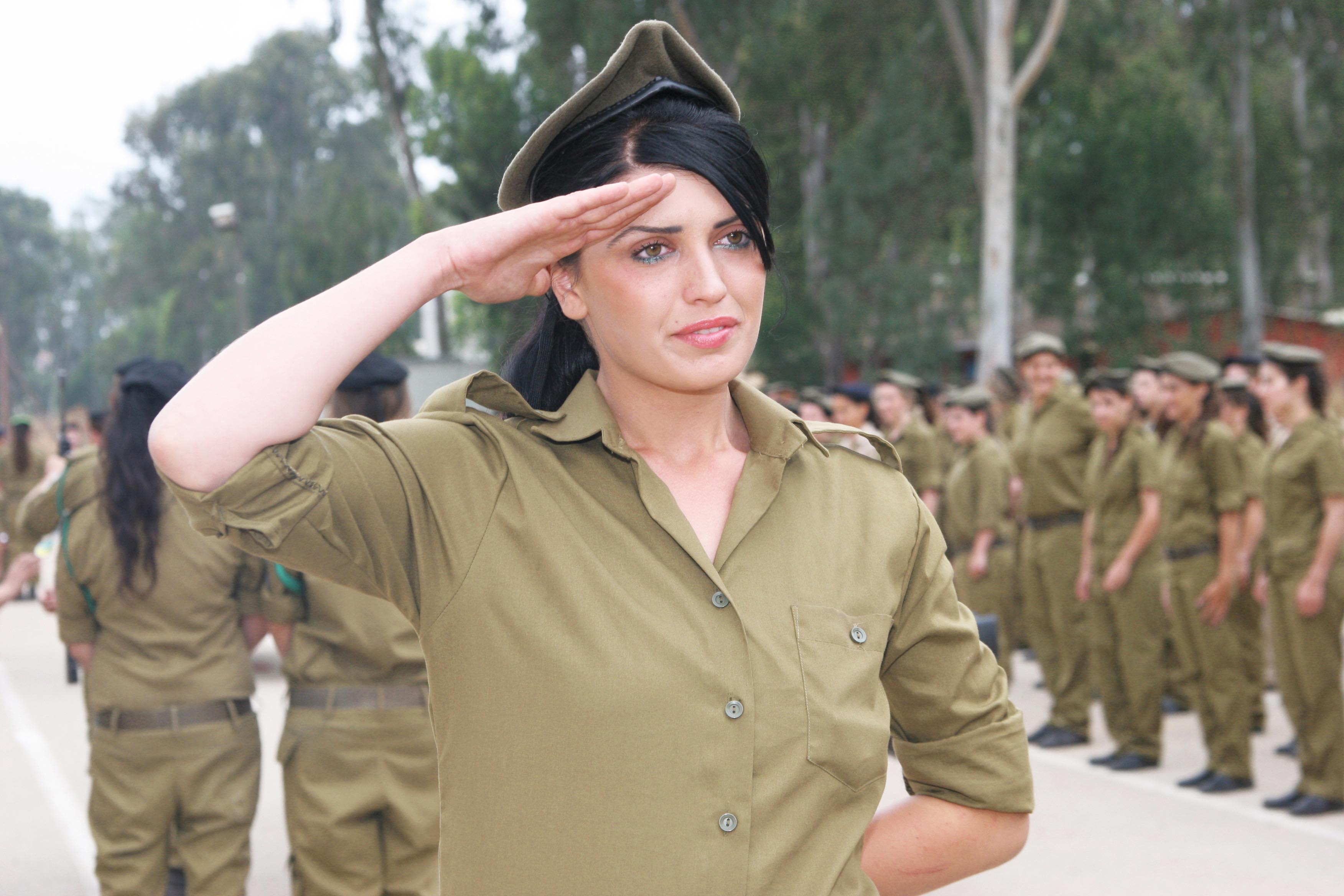
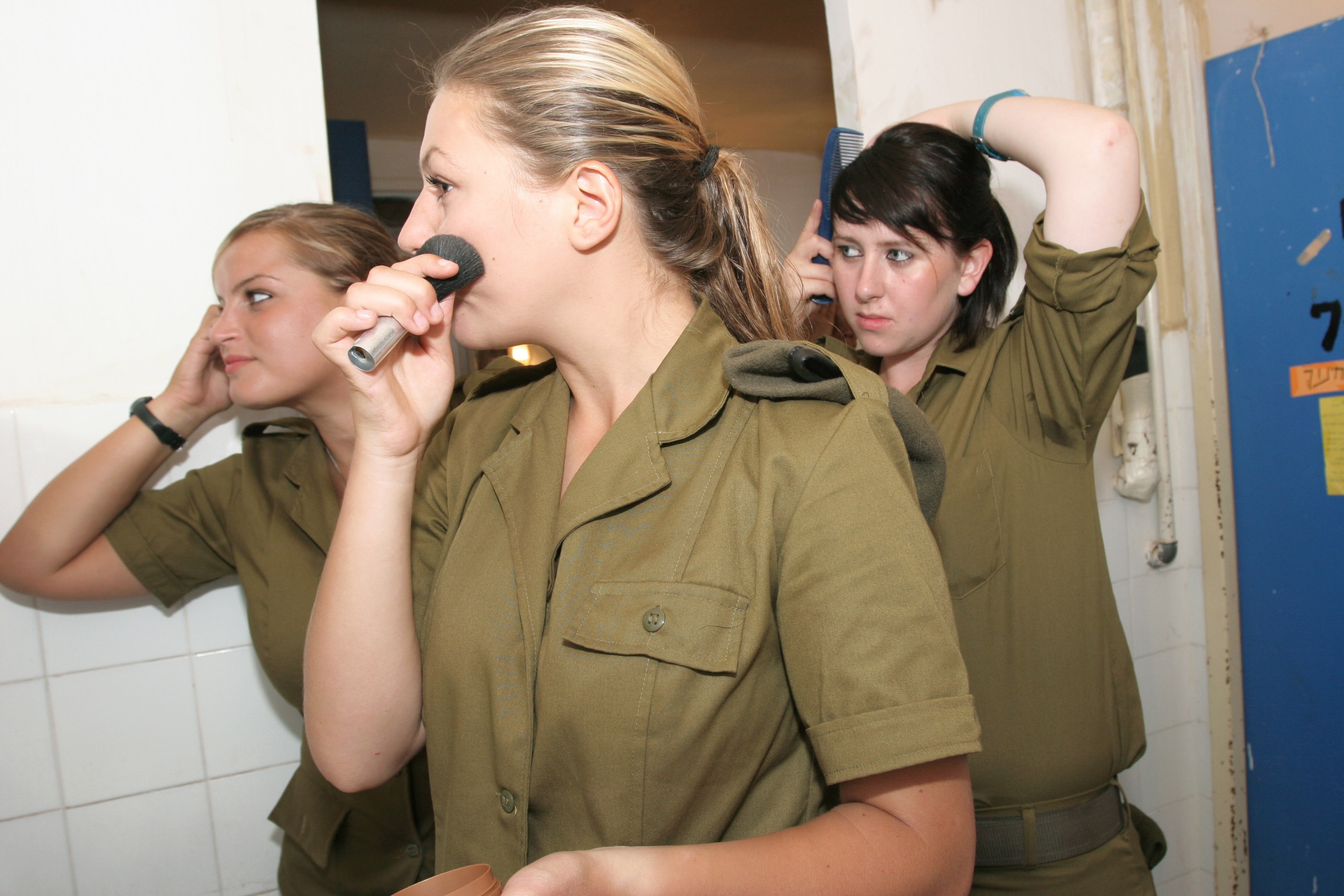
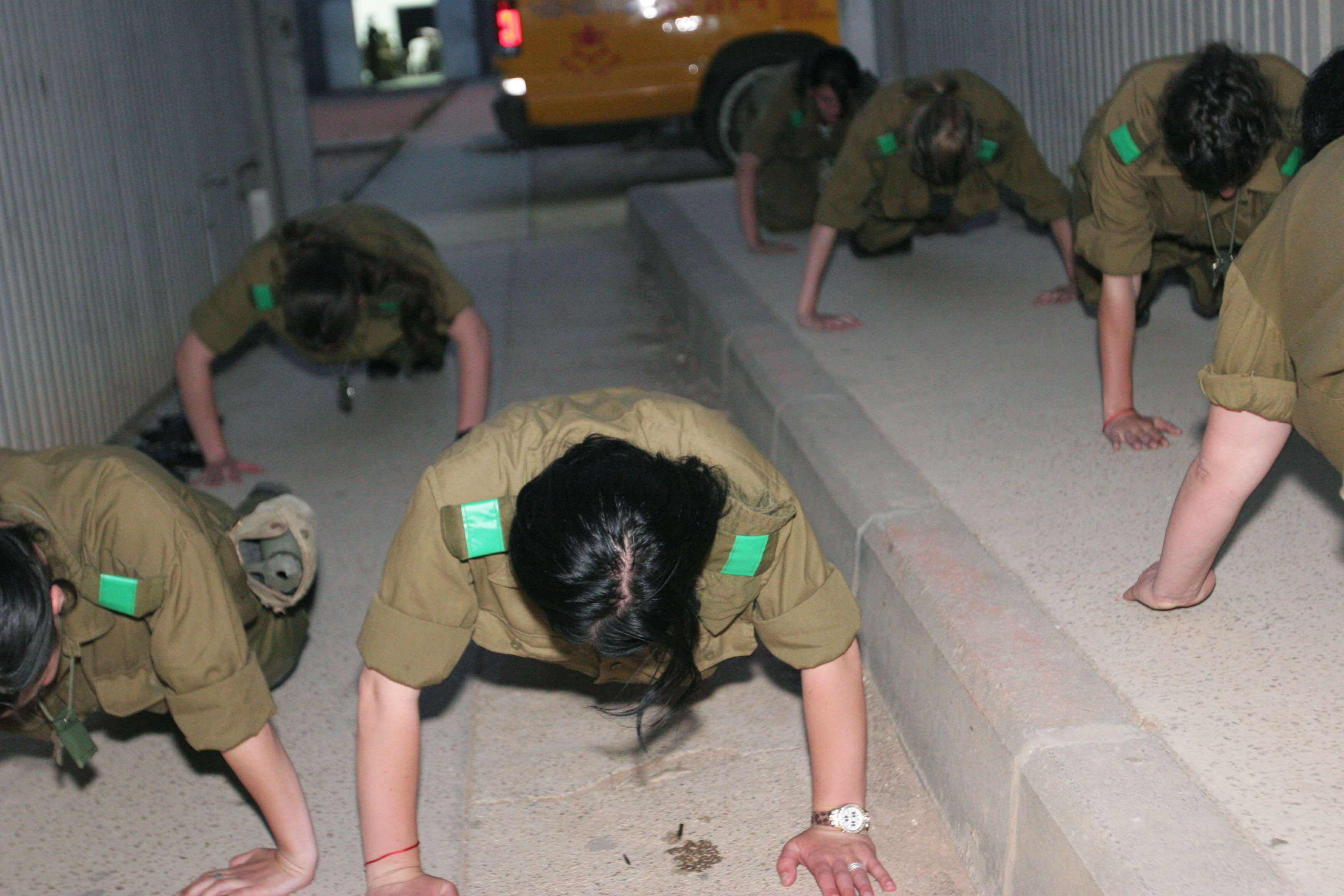
At Eighteen is a project by photographer Iris Hassid Segal, who received special permission to photograph at a basic training camp for women in 2007, several years after completing her own military service.
Back then, Segal says, “I didn’t feel connected to what I was doing, and I felt estranged to the whole army spirit; I was quite bored. Luckily, I had a lot of free time. I searched for courses to enrol in and that was how I started to study photography at the Camera Obscura School of Photography.”
Kickstarting her career as a commercial photographer, Segal returned to her personal photography projects when her daughter was around three years old. “I was drawn to the influence of culture on feminine identity and the performative collaboration with the camera by my infant daughter and her friends,” she says.
It was during this time, when American and Western culture was just taking hold in Israel, that Segal started to work on her first major photo project Over-Looking, focusing on girl culture in Israel.
“[For the project], I’d been following the preparations of an 18-year-old senior at high-school for her prom party. Her name was Anna. She said she was about to join the army and I suggested that I follow her there and photograph her at the military base. She laughed and said, ‘Sure…’”
Segal wasn’t joking. Determined, she managed to get permission from the IDF to visit and photograph the military basic training in Camp 80.
“Without notifying Anna, I arrived at the camp, and she couldn’t believe I had kept my word and that I had gotten permission,” Segal recalls. “I joined two sessions of military basic training, going there nearly every day. I got permission just at the end of Anna’s training, so she hardly appears in the series, but still, she is my motivation for starting it.”
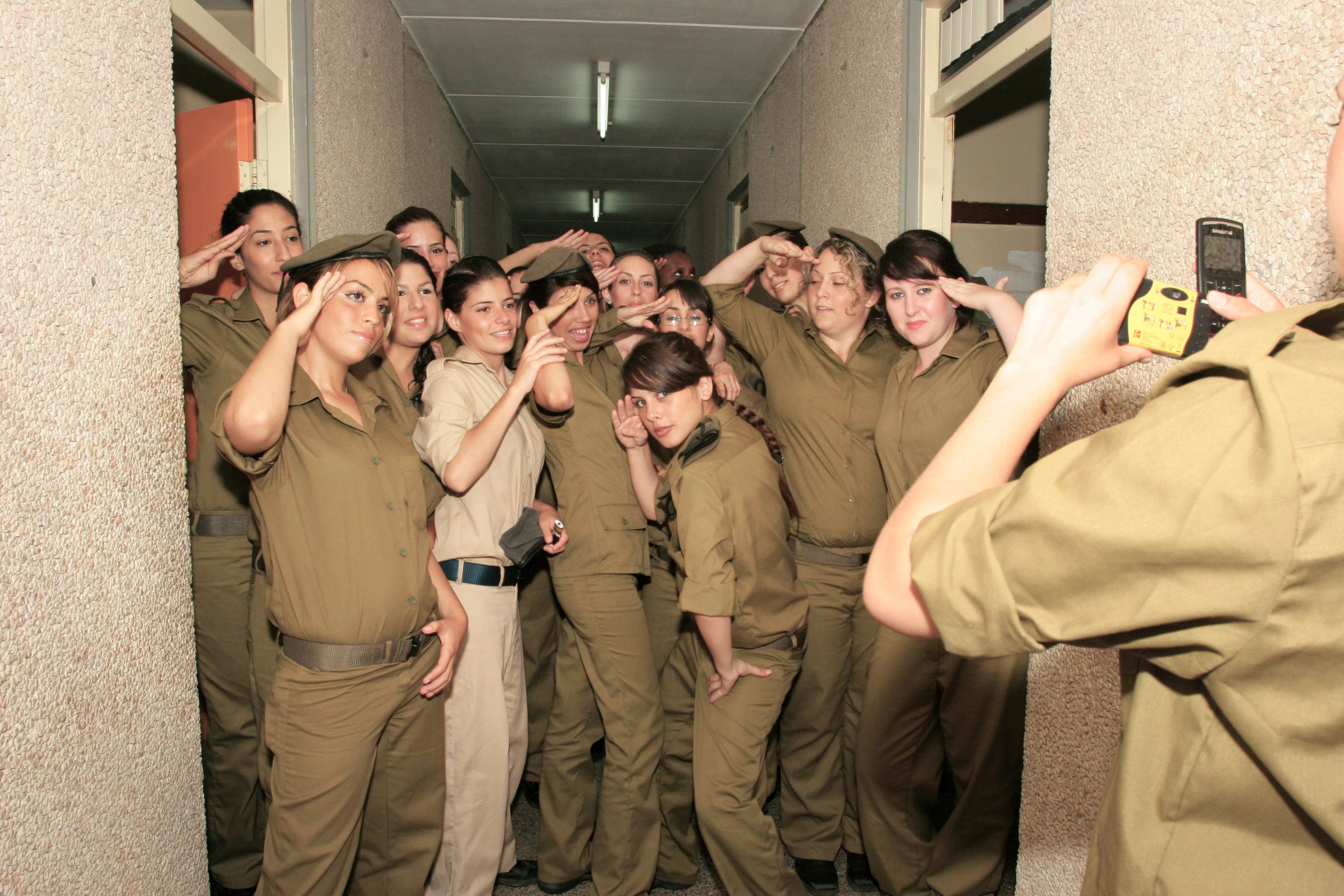
Looking at the photos, we’re invited to focus on details: the fake nails, the outdated mobiles that we all owned back in 2007, girls taking selfies before ‘selfie’ had even entered our vocabulary. In all these scenes, there is a self-consciousness that most of us can relate to at that age.
“I was certain that mobile phones would not be allowed inside this camp, and their obsession with documenting themselves and maintaining their appearance all the time, was something I was drawn to,” says Segal.
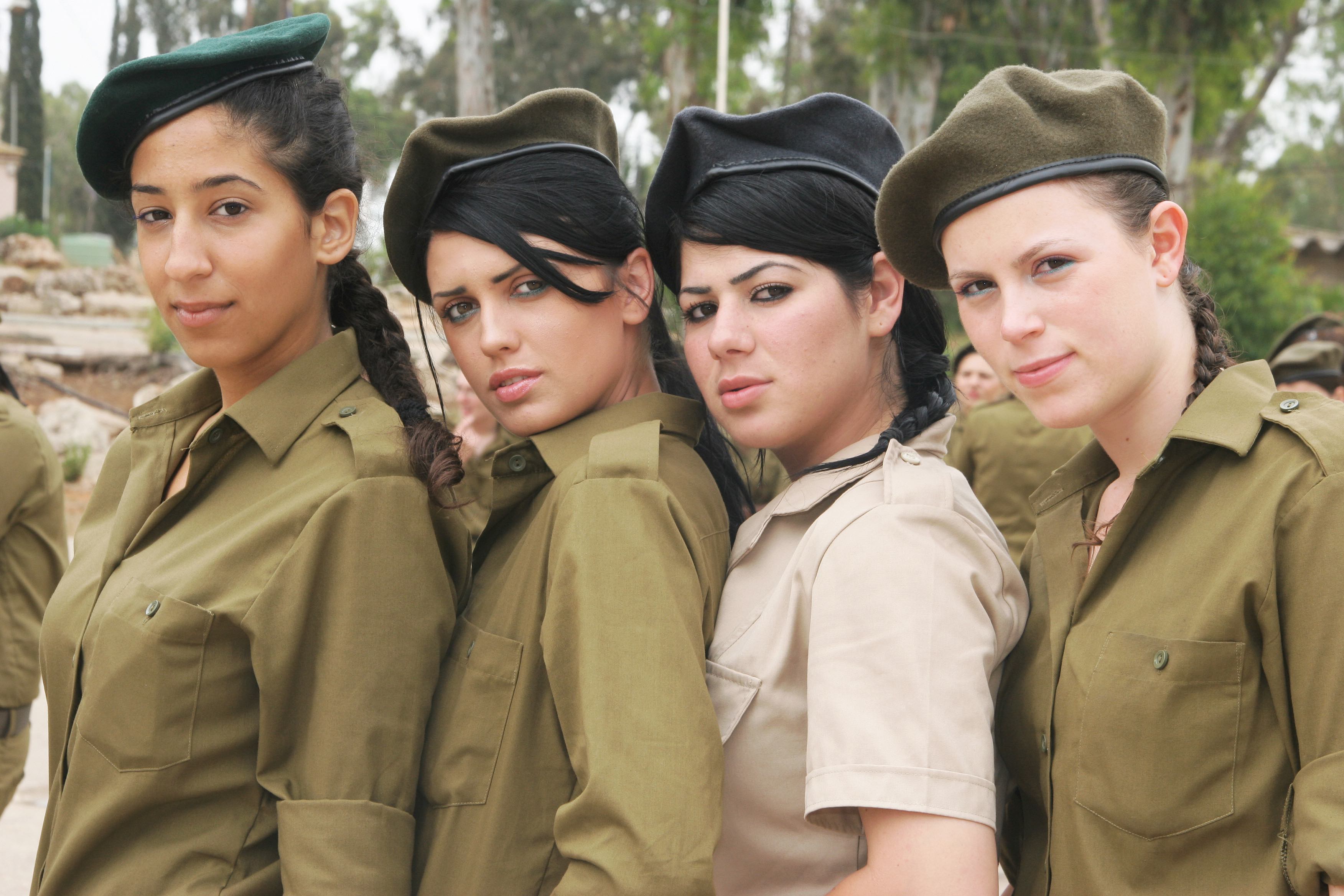
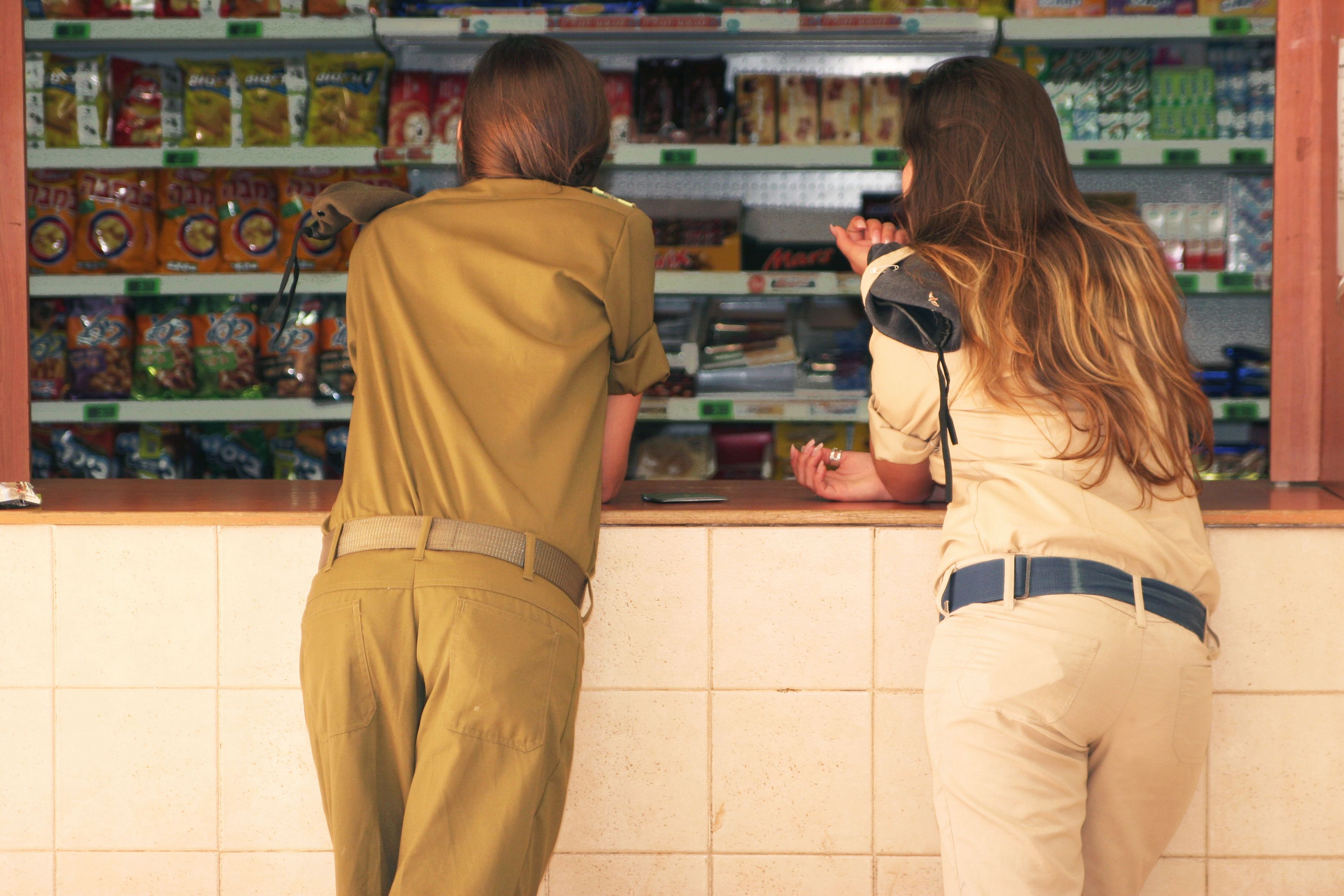
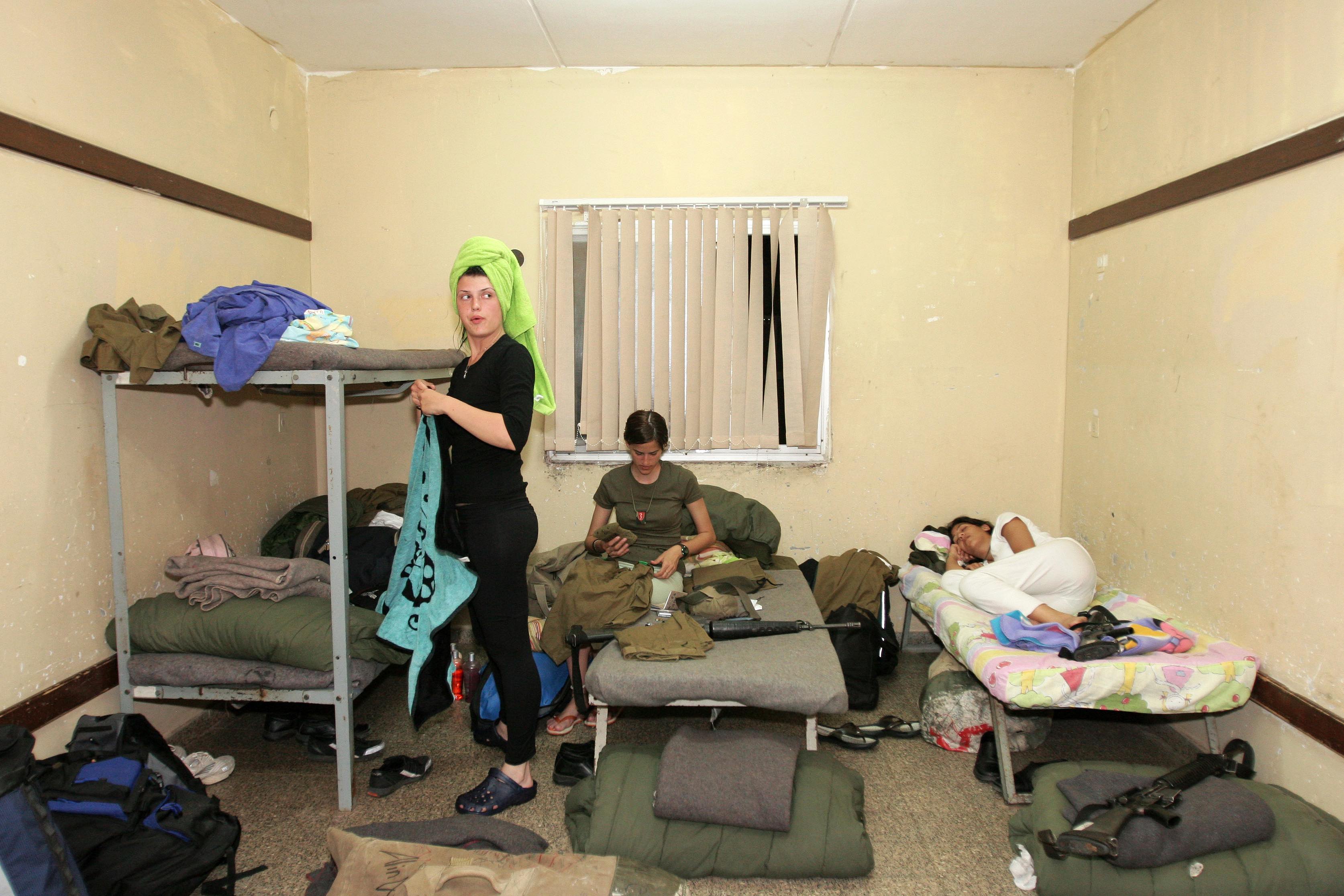
“They were very serious about their looks and their makeup rituals. In their free time, they smoked and talked on their phones, all the while hanging onto their guns – they are not allowed to leave the weapons anywhere.”
Contrasting the experience to her own time in basic training, Segal says it was totally different. For a start, there were no cameras during her training; only a military photographer, from whom you could purchase your printed photos.
“I didn’t feel the female bonding between the girl soldiers during my time,” she says. “There was no connection to the outside world, except for pay public phones in our free time. Like most of the girls I was photographing for this series, I lacked motivation and felt estranged, and just waited for the time to pass.”
Because Camp 80 was mostly intended to train those for service in administrative jobs, Segal says there was no real motivation to excel in the training, as opposed to other camps that were geared towards more prestigious positions, such as combat duty – roles which are increasingly being filled by women.
Segal’s aim with this series wasn’t to make a representative document of young women soldiers in a training camp. Instead, she wanted to focus on the themes that moved and interested her.
“I wanted to explore how the need for individualism is expressed in the camp, and how the women try to maintain their feminine side there, in those dull masculine uniforms,” she says.
“How slogans, like ‘the enemy’ and ‘loyalty to the state’, saluting and swearing allegiance to the flag while you put your hand on the Bible, are supposed to arouse emotion and loyalty to the country; how all this nationalism is inflicted on them.”
But above all, Segal says it was their documentation of themselves, photographing themselves and each other, with mobile phones and cameras, that interested her the most: “Their representation of themselves, the selfies, and what they hoped to project in an age where they are still building their identities.”
See more of Iris Hassid Segal’s work on her official website.
Enjoyed this article? Like Huck on Facebook or follow us on Twitter.
You might like

In photos: Black Texas life since emancipation
Kinship & Community — A new photobook and exhibition showcases the rich culture, history and community of African American folks in the Lone Star State, whose existence in the region predates colonial Britain.
Written by: Miss Rosen

Youthful joy & end-of-era poignancy at a London school prom
Leavers — For several years, Lewis Khan documented young people as they celebrated the last of their school days and the completion of their exams. The series is now collated in a new self-published photobook and short film.
Written by: Zoe Whitfield

Harry Gruyaert’s vintage, kaleidoscopic scenes of New York
A Sense of Place — For 50 years, the Belgian photographer and Magnum Photos member has been capturing NYC’s colourful chaos. A new photobook and exhibition showcase his unique, technicolour view of the city.
Written by: Miss Rosen

In the pit at one of the UK’s last stock car & banger speedways
Stock Car Racing Isn’t Dead — Photographer Liam McCarthy spent time in and around the Arlington Raceway’s circuit, capturing the diehard community that keeps the sport alive.
Written by: Isaac Muk

Inside Lower Duck Pond, the nicest town on the internet
/r/HaveWeMet — With a population of 2,500 and no fixed location, the subreddit is a space for roleplaying citizens to solve mysteries, host fictional events and ultimately connect. In an internet that’s often divided and toxic, Vicky Jessop hangs out in one of its most wholesome corners.
Written by: Vicky Jessop

A major Nan Goldin exhibition is coming to London
You Never Did Anything Wrong — Opening at the Hayward Gallery in November, the show will debut a new film from the artist and activist, alongside a slate of recent work.
Written by: Jack Dennison-Thompson


