The heaven and hell of being a teenage girl, in photos
- Text by Miss Rosen
- Photography by Marcia Resnick

While driving her Ford station wagon through New York’s West Village in 1975, American photographer Marcia Resnick was involved in a terrible car accident after hitting a pole under the then elevated West Side Highway.
“All 24 years of my life flashed before me,” Resnick says. “When I awoke in the hospital, I began to think about all of the events which led me to being there. I began to write ideas and draw pictures considering my life thus far: my indulgences, my foibles, and my twisted way of looking at things.”
Resnick went on to stage a series of self-portraits, which recreated her experiences as an adolescent girl on the cusp of womanhood in the ’60s. It was a peculiar time, as the oppressive gender roles of ’50s America continued to impose themselves, fostering an innate sense of rebellion in the young artist as she came of age.
“Nice Jewish girls from Brooklyn were supposed to listen to their elders, not complain or cause trouble, study hard, always behave, dress impeccably and overall, always be ‘perfect,’” Resnick recalls. “We had to be as good as possible. There were certain mores about what women should look like. But I retaliated against a lot of that stuff – and against what I was. I wasn’t raised to accept myself as I was. There was always a striving to be better than you were.”
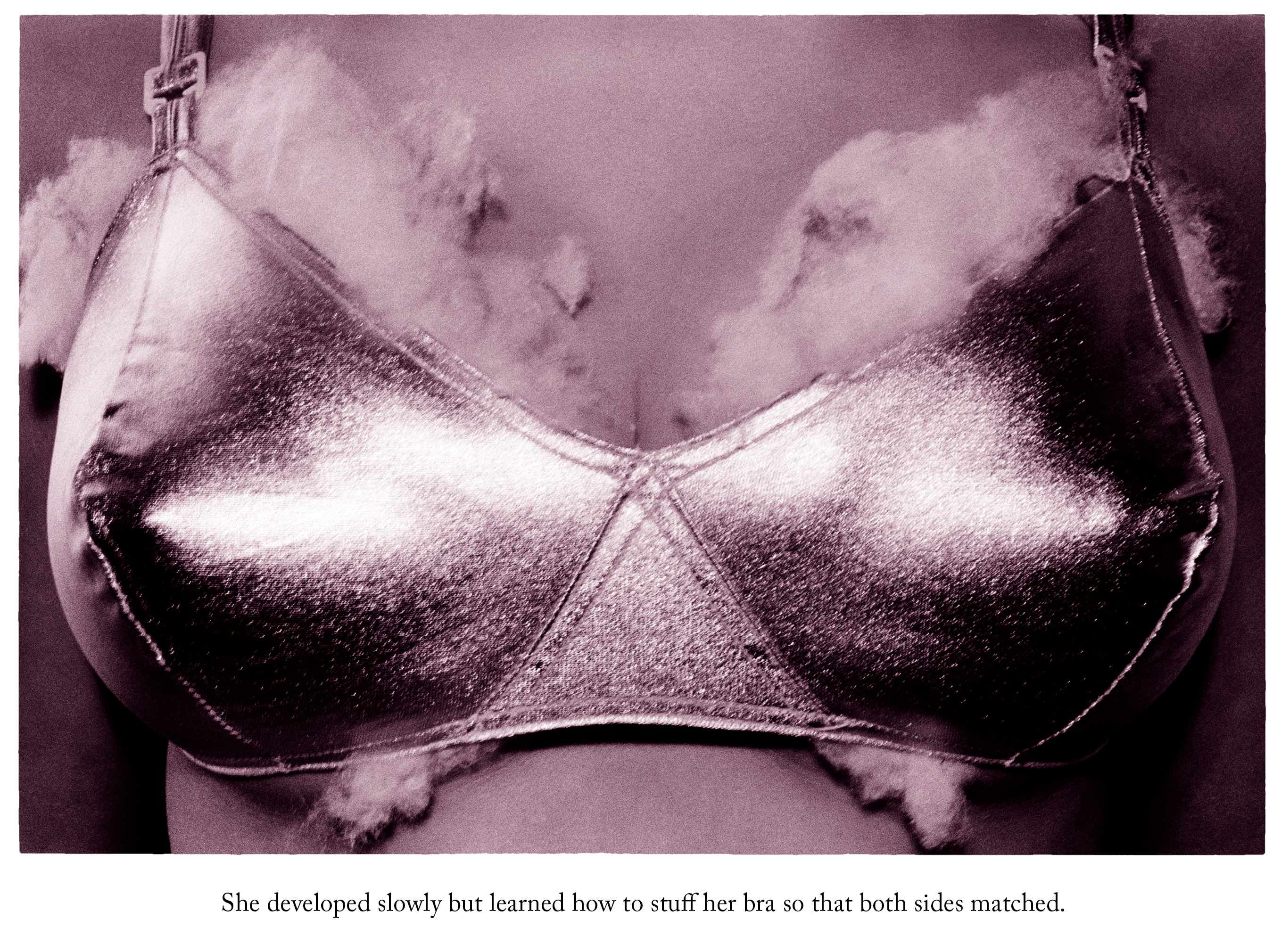
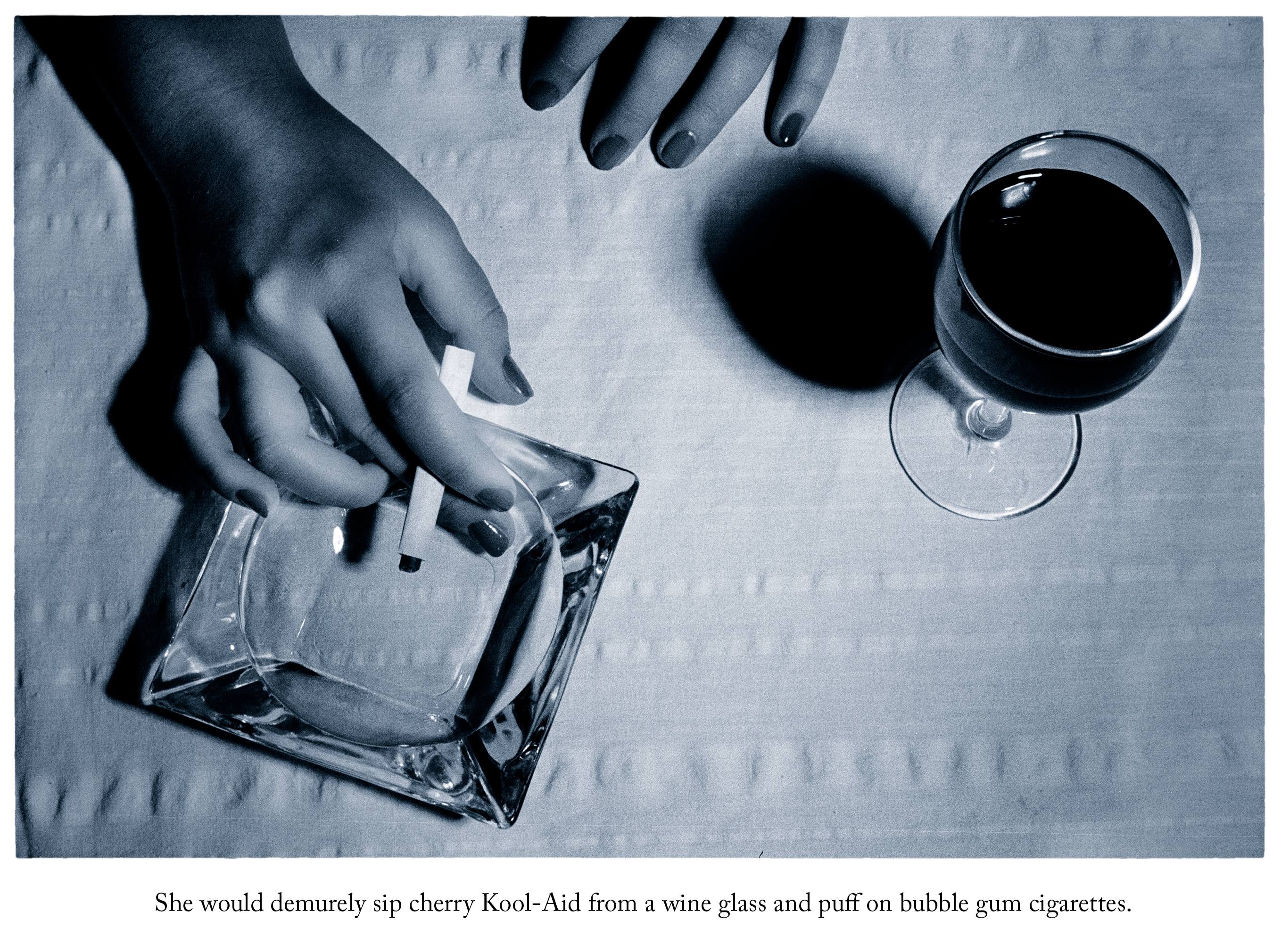
As Resnick’s work makes clear, sexism waged war on the minds, bodies and souls of young women. When asked how these strictures imposed upon her affected her sense of self, Resnick says that she became anorexic: “anorexia is all about not being in control.”
In 1978, Resnick published the completed photography series as Re-visions (Coach House), her first book – a poignant, pithy, revelatory visual memoir that William S. Burroughs deemed “the essence of adolescence.” Lydia Lunch, another admired, described the project as, “a sweet twist which whispers in mysterious tones, predicting the delicious perversion of budding adolescence.”
In Re-visions, Resnick created the effect of a children’s picture book by pairing black and white photographs with a brief line of text written in the third person that offers both highly idiosyncratic and universal experiences of female adolescence. “She would demurely sip cherry Kool-Aid from a wine glass ad puff bubble gum cigarettes,” one story reads. Another suggestively reveals, “while playing with her toys, she entertained cowgirl fantasies.”
Here, Resnick delves into everything she was taught to fear and avoid – lust, gluttony, greed, anger, heresy, violence, fraud and treachery – with a knowing eye. Throughout Re-visions, there’s a sense of innocence that wants to get lost, the naïve yearnings of a girl who is neither a child nor an adult, but rather caught somewhere in between two worlds.
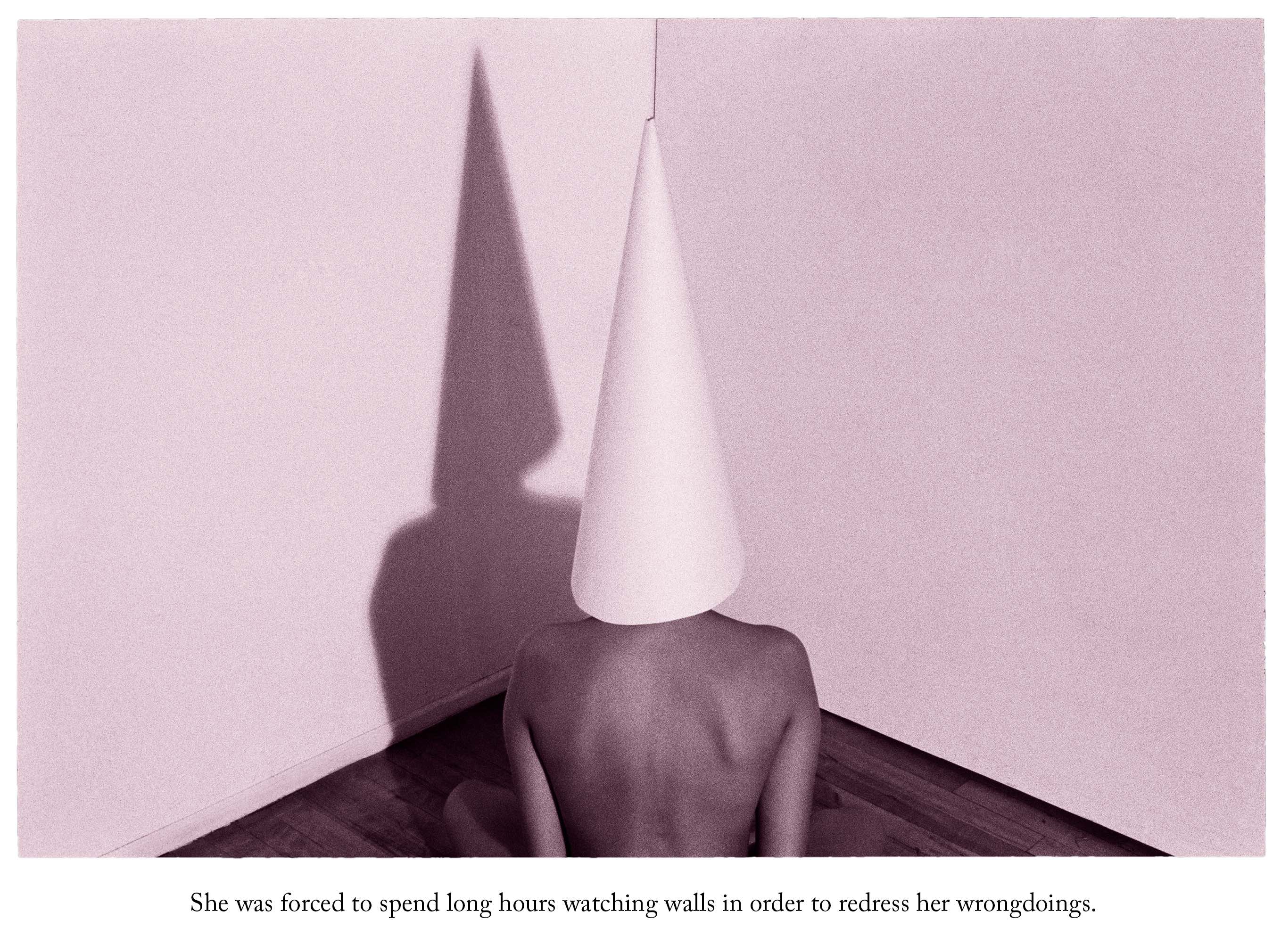
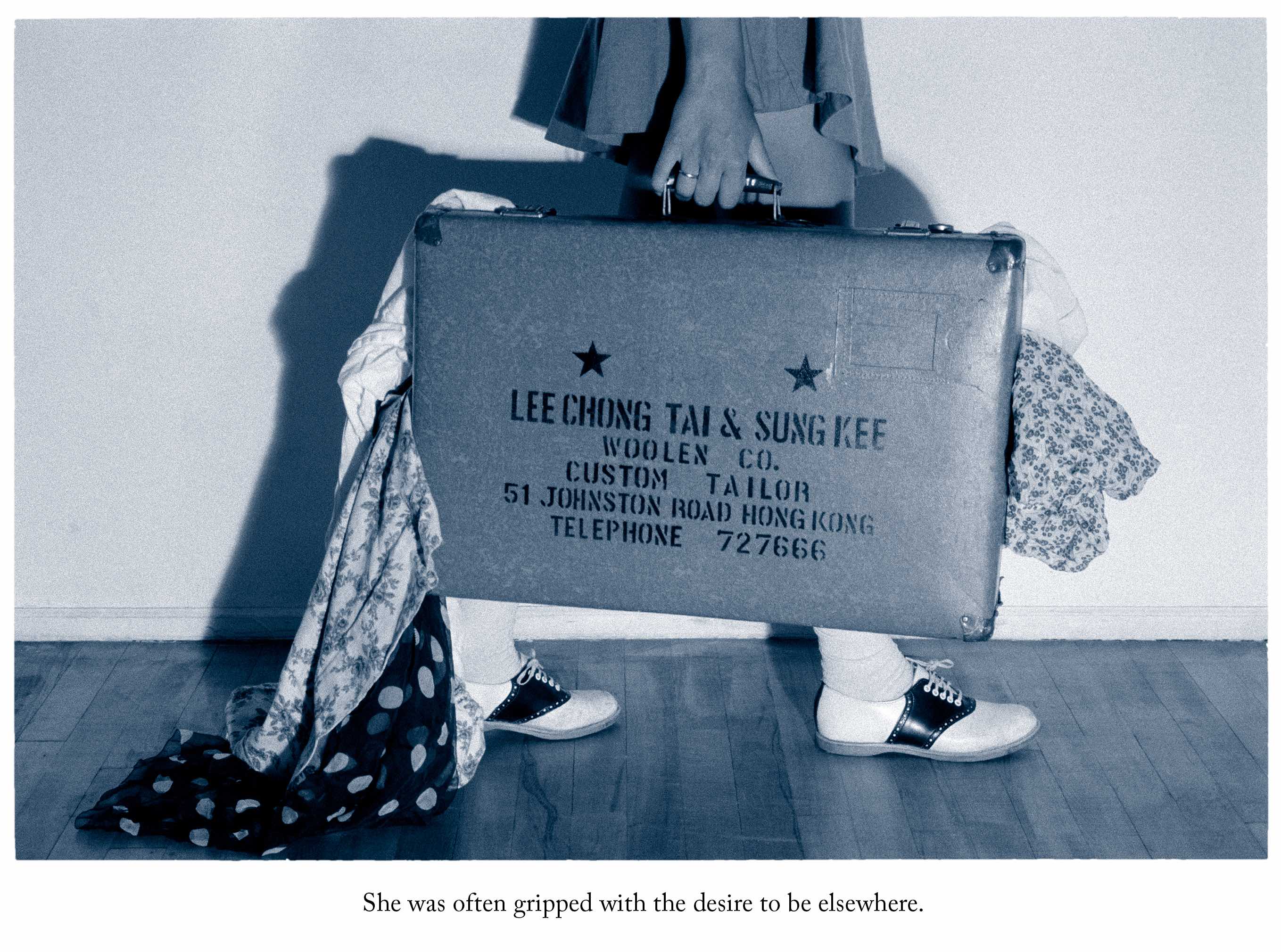
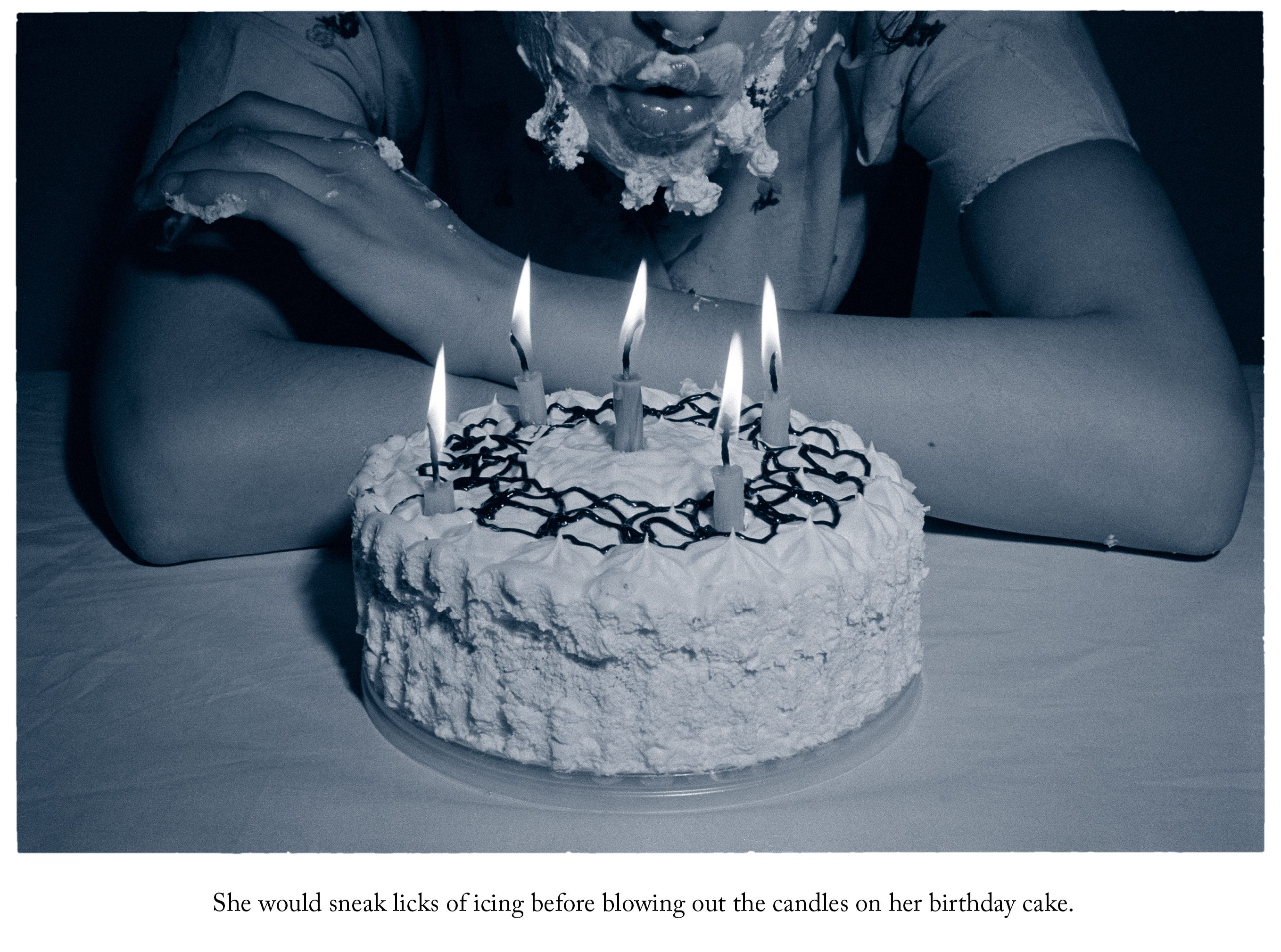
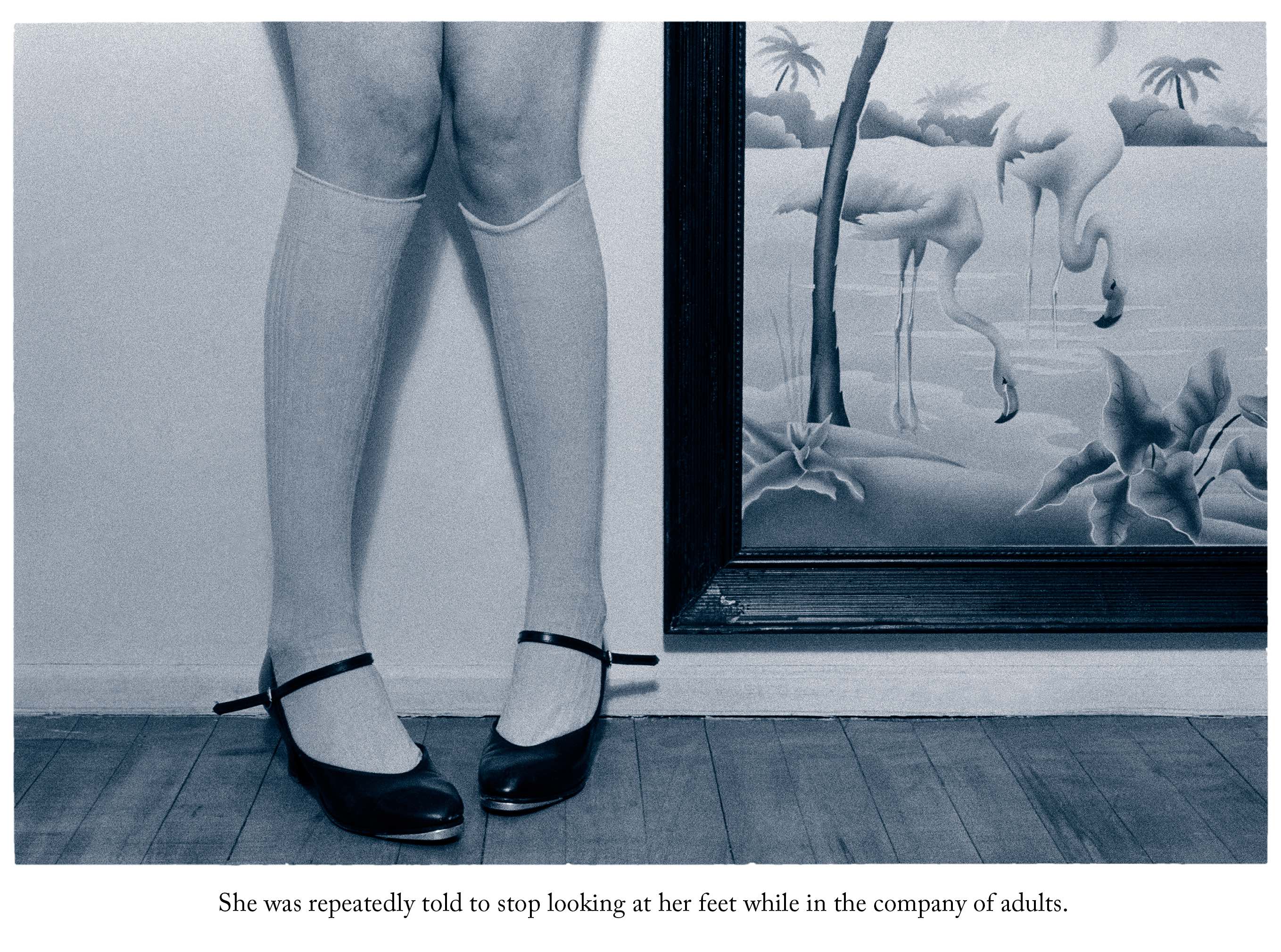
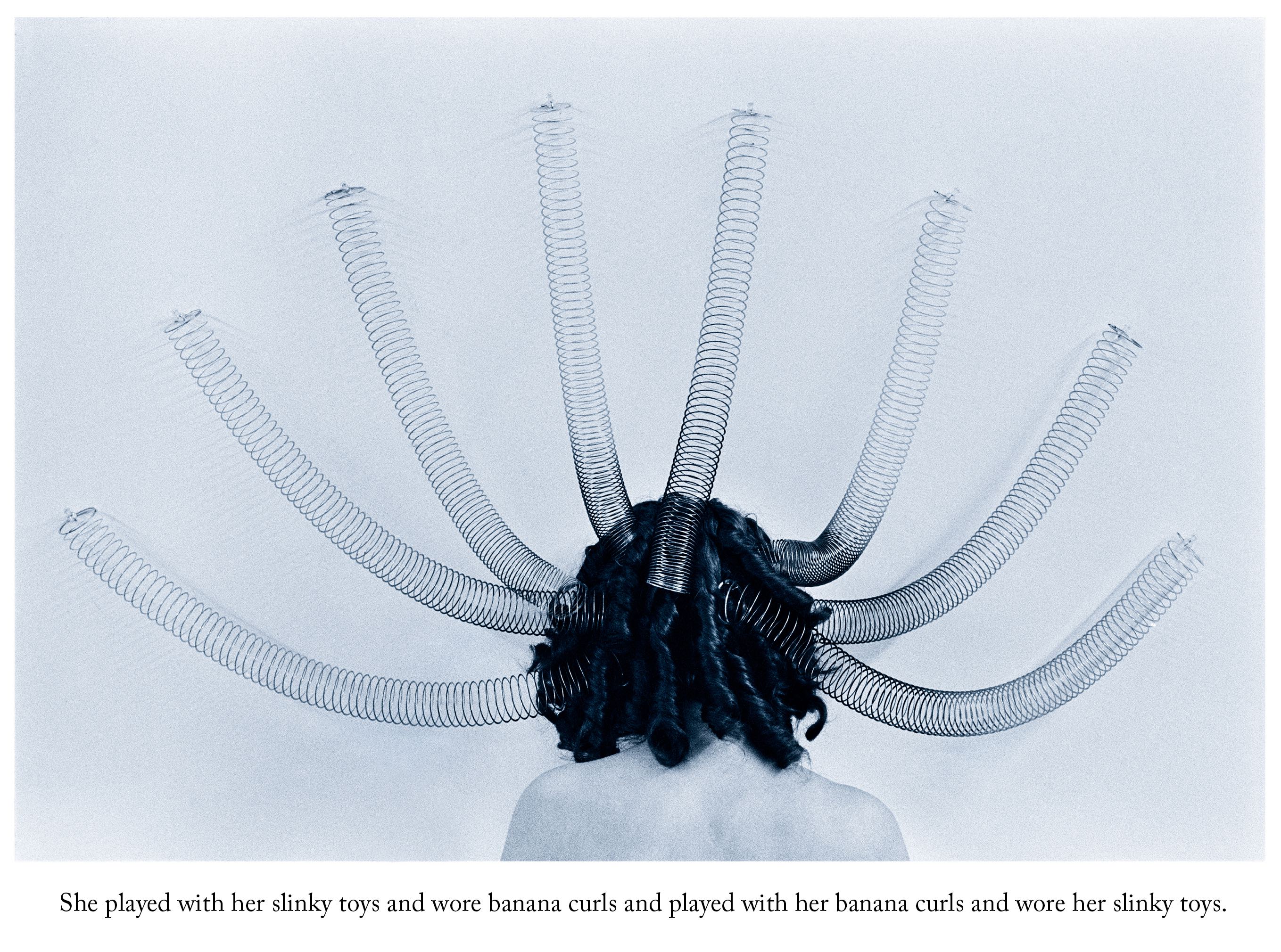
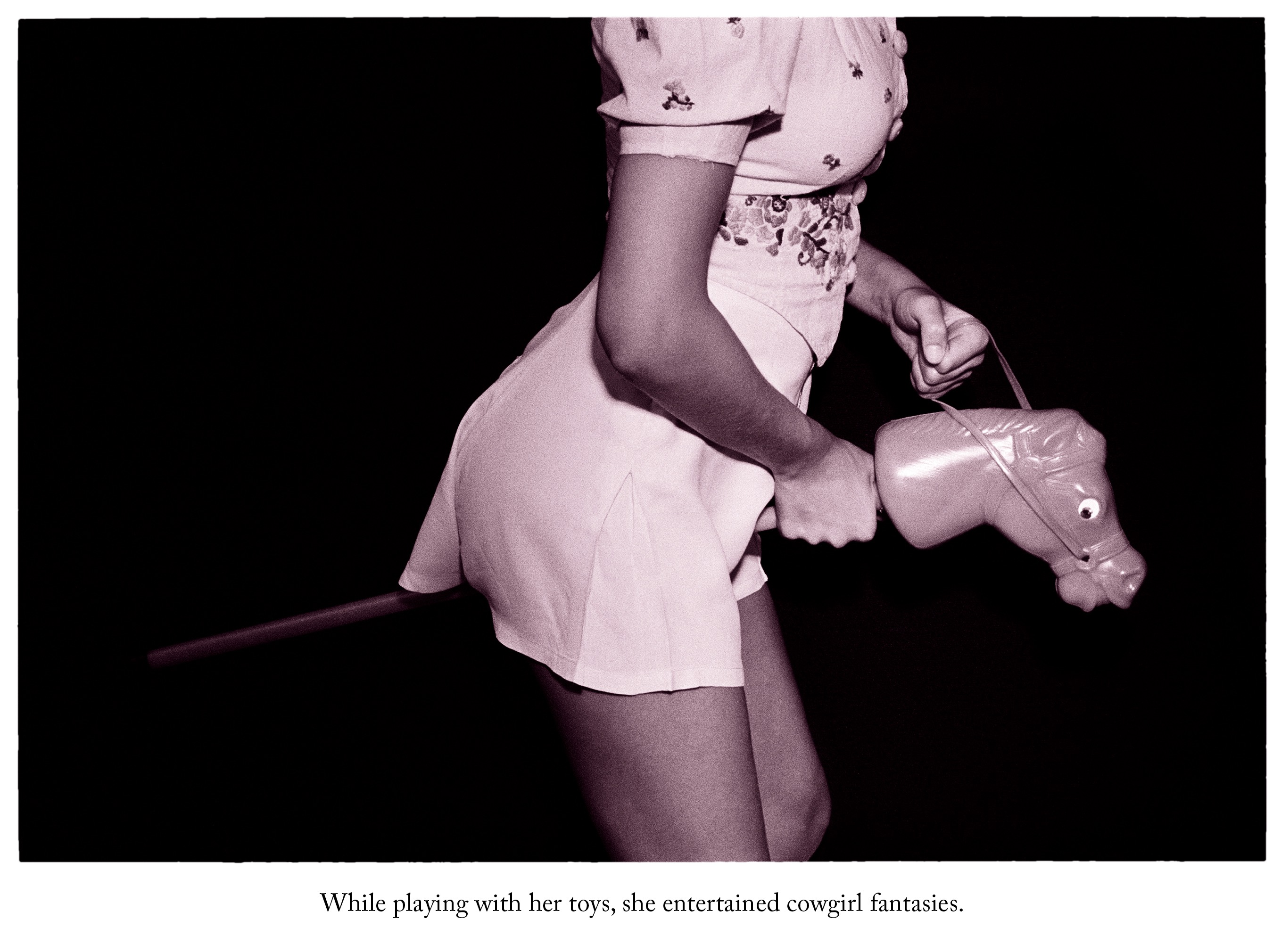
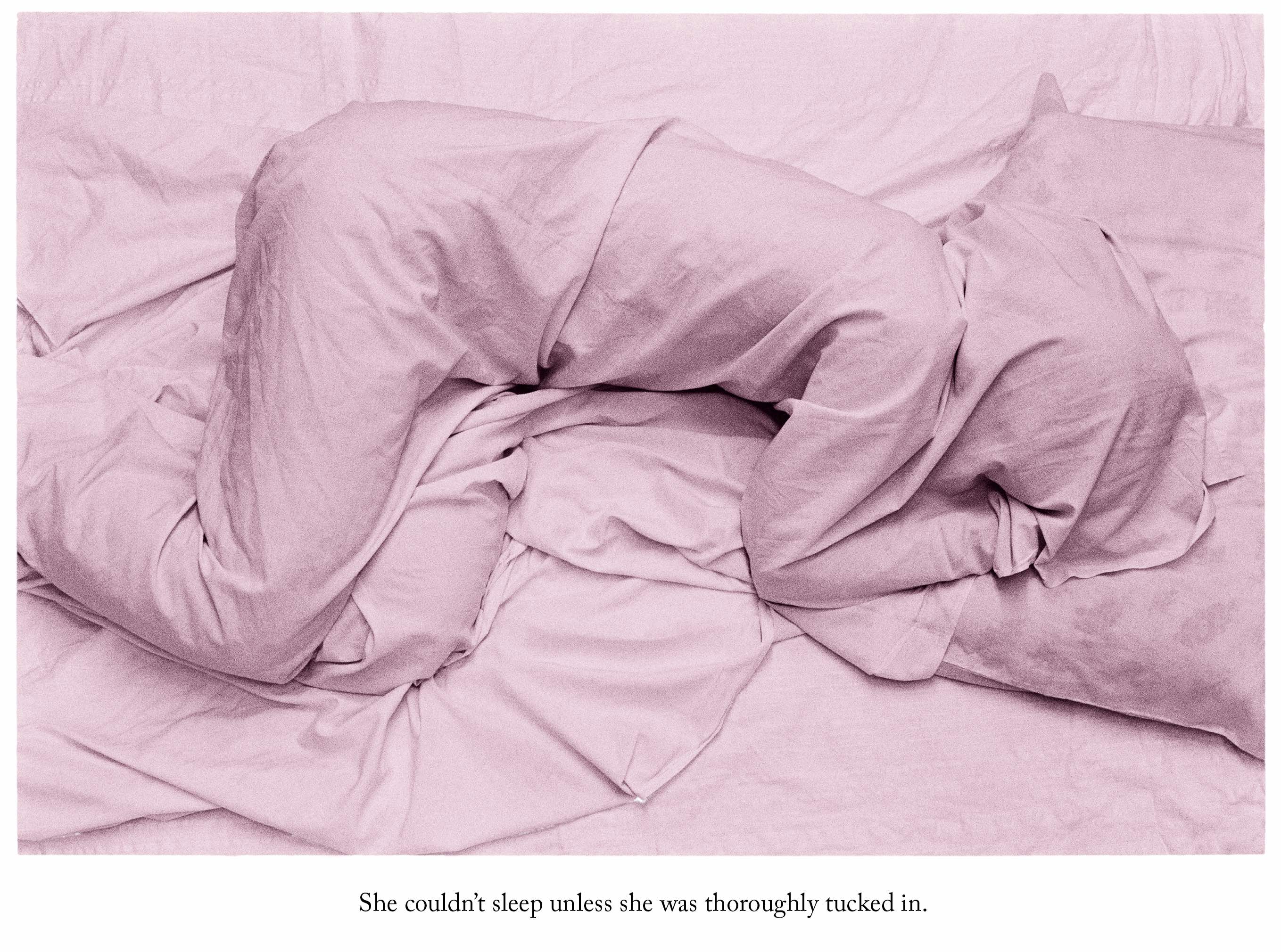
Marcia Resnick: Re-visions & Other Visions, Vintage Photographs 1970s – 1980s is on view at Deborah Bell Photographs in New York until February 1, 2020. A newly republished version of Re-Visions is available now on Edition Patrick Frey.
Follow Miss Rosen on Twitter.
Enjoyed this article? Like Huck on Facebook or follow us on Twitter.
You might like

Portraits of gay bears through a rooftop hatch
Big Boys On My Roof™ — Growing up, Anthony Stockdale struggled with his love for bigger men. His new photo series celebrates the bear community.
Written by: Anthony Stockdale

In photos: Lives of solitude at the world’s edge
Coirón — Pie Aerts’s new photobook documents years spent in close quarters with puesteros in Patagonia – a group of aging gauchos who live almost completely isolated existences.
Written by: Isaac Muk

The raw, fledgling intimacy of Peter Hujar’s contact sheets
Hujar:Contact — A new photobook highlights the process of the legendary queer photographer, and his process of growing into the artist he ultimately became.
Written by: Miss Rosen

Jesse Glazzard’s messy portrait of queer friends, lovers and chosen family
The Sound of Dirt and Beauty — The photographer’s debut monograph explores tender, unpolished moments shaped by the people who he surrounds himself with, while offering a window into the UK’s working-class LGBTQ+ community.
Written by: Sunny Sunday

Behind the curtain at Alternative Miss World 1981
Olympia glamour — Running a subversive take on the traditional beauty pageant, the Andrew Logan organised event prioritised underground creativity and invention. Photographer David Corio went behind the scenes at its biggest edition.
Written by: Miss Rosen

New exhibition highlights British radical living over 200 years
Earthly Paradise — Taking place at the William Morris Gallery, it explores the homes and lives of artists, writers, musicians and more, as well as the conditions that allowed them to thrive.
Written by: Isaac Muk


