The role of photography in the life of Frida Kahlo
- Text by Miss Rosen
- Photography by Antonio Kahlo (main image)

In 1890, Frida Kahlo’s father Guillermo Kahlo (born Wilhelm) emigrated from Germany to Mexico at the tender age of 18. By the turn of the century, Kahlo opened his own photography studio, specialising in architecture, interiors, and factories. But Kahlo, like his daughter after him, had a special place in his heart for self-portraiture, which he practised over a period of four decades.
“Frida learned from her father that the camera is a powerful tool to convey ideas depending on how you present yourself. She became aware of photography from a very young age and was used to being in front of the camera. She wasn’t afraid of it,” says Mexican photographer Pablo Ortiz Monasterio, who contributed an essay to the new book, Frida Kahlo: Her Universe (RM/Museo Frida Kahlo).
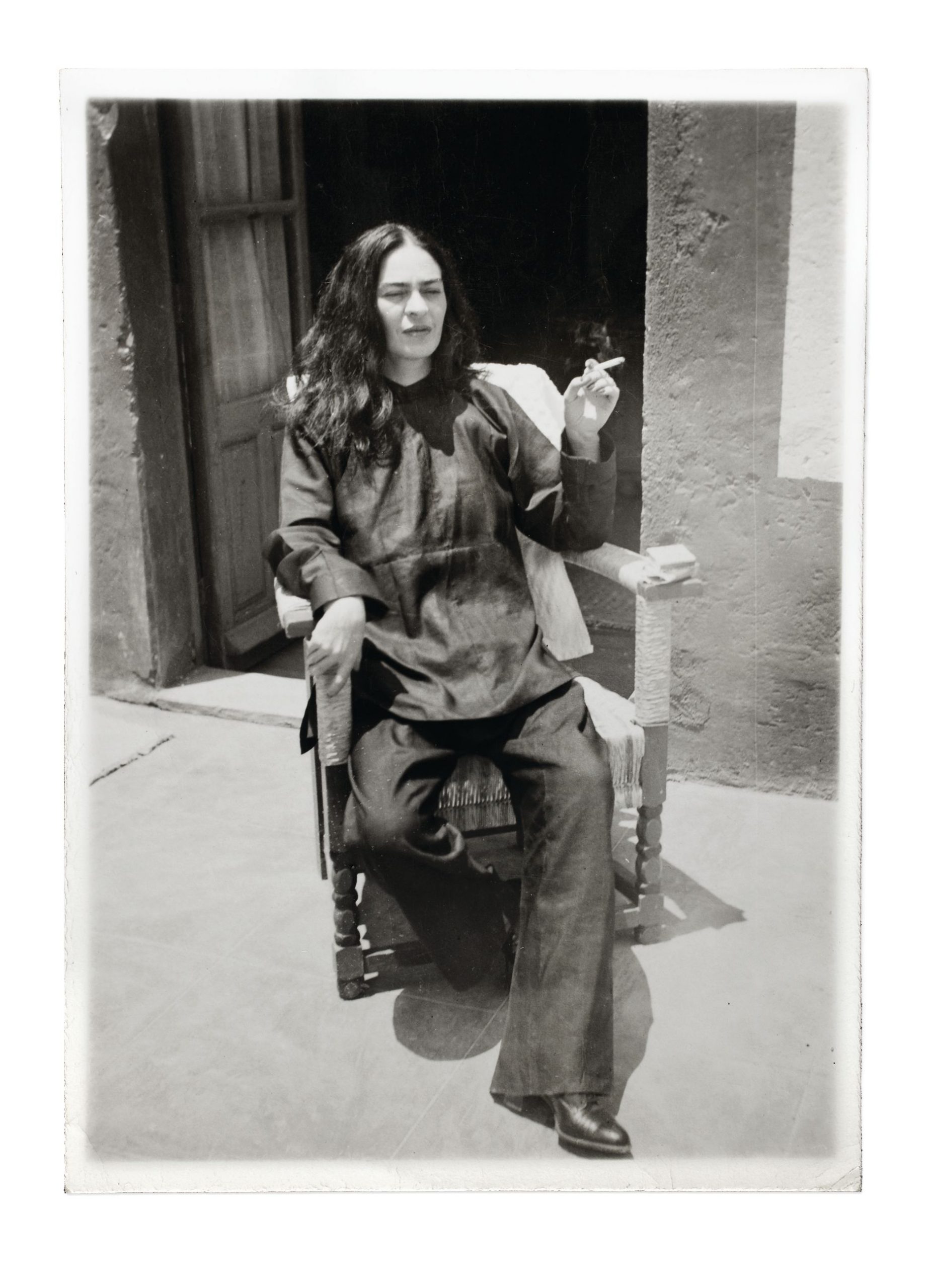
Frida in the blue house. Photo credit: Antonio Kahlo, 1946
“After the accident, Frida used painting, photography and writing to grapple with her own pain,” Ortiz Monasterio explains, referencing the bus accident which left Kahlo seriously injured at age 18. “Frida knew the body, the sorrow, the pain and stress were all different mediums through which she could work. She used art as therapy. When she was confronted with the white page, she began making self[-portraits. By bearing witness to it, she tried to make it more endurable.”
Bringing together over 250 images from the archives of the Museo Frida Kahlo in Mexico City, Frida Kahlo: Her Universe explores the famed painter’s relationship to photography, native dress, and pre-Colombian art, which she assembled with Diego Rivera. Whether posing for portraits, making her own images, or collecting works, Kahlo recognised the impact of photography at a time when it was not widely accepted as an art.
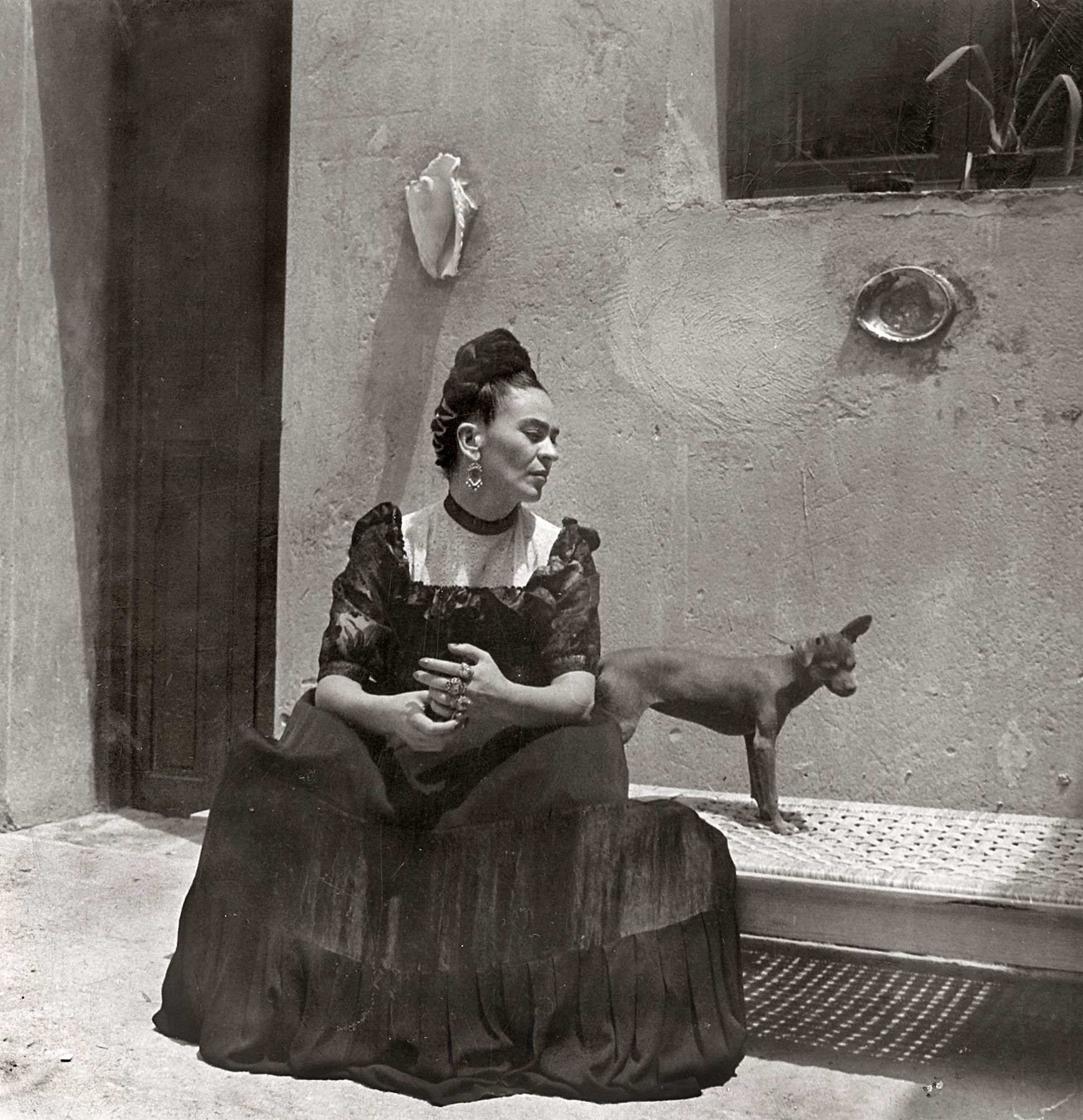
Frida with xoloizcuintle dog at Casa Azul, Coyoacán, Mexico City. Photo credit: Lola Álvarez Bravo, c. 1944.
“When Frida was alive, she was known for the way she dressed, for being the wife of Diego Rivera, who was very famous then,” says Ortiz Monasterio. “She had a strategy when the camera came out: you look to the centre of the lens, turn your head slightly, then think of your pain. This is a map of the territory she wanted to talk about.”
Kahlo wrote: “I realised that the battlefield of my suffering was reflected in my eyes. Since that moment, I began staring directly into the lens, without blinking or smiling, determined to show I was a fighter to the end.”
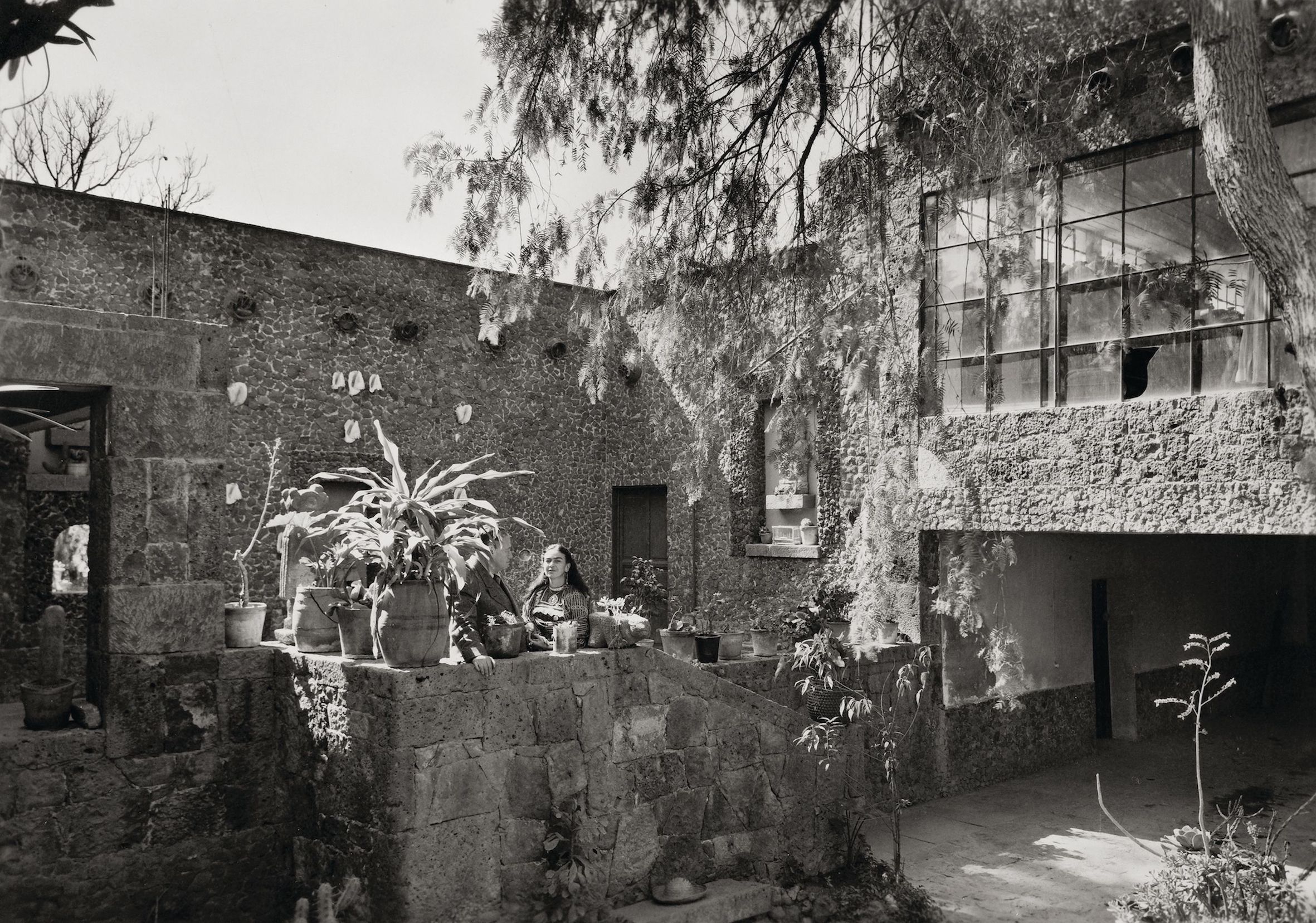
Diego Rivera and Frida Kahlo at la Casa Azul. Photo credit: Guillermo Zamora, c. 1952
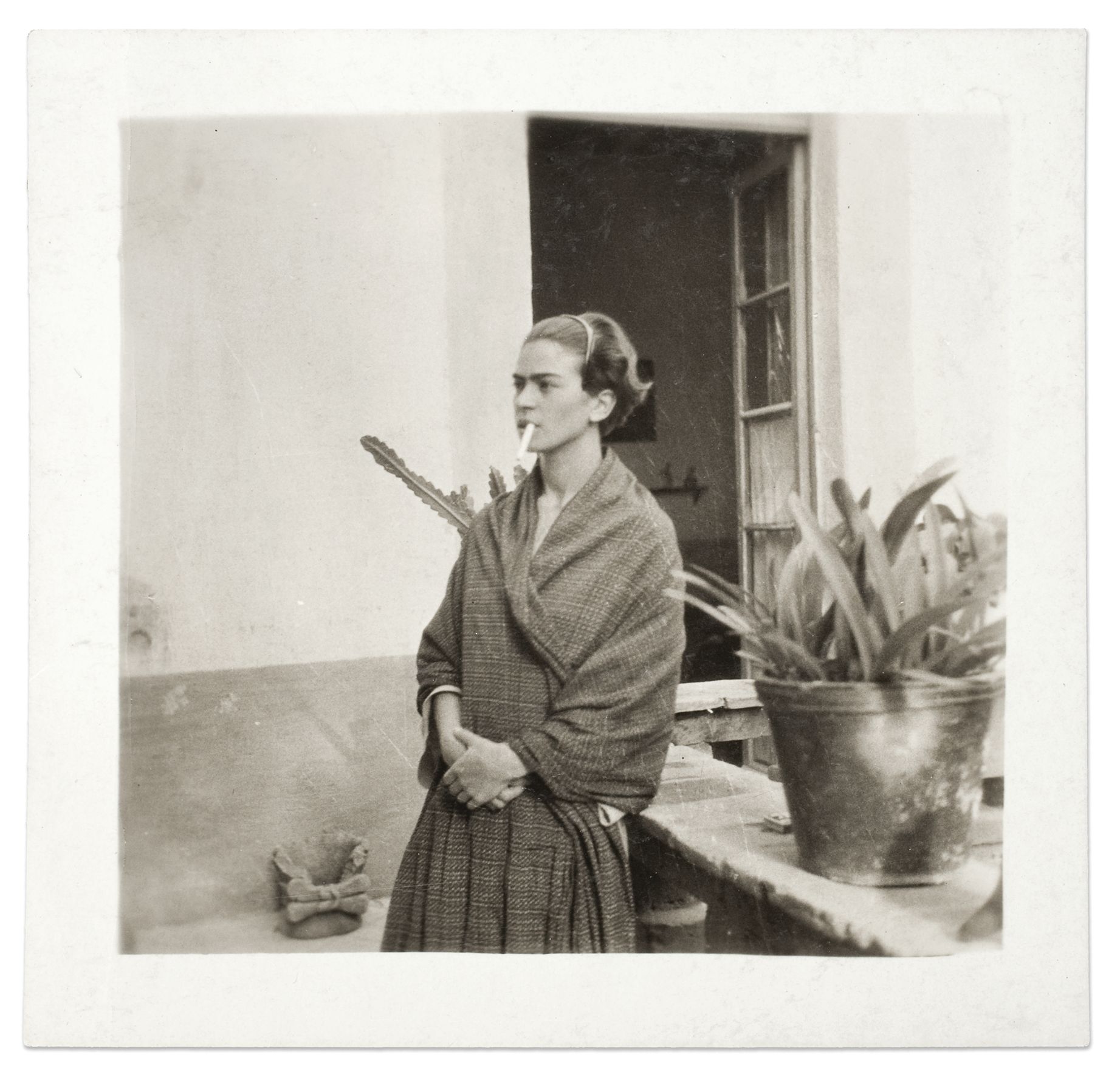
Frida smoking in la Casa Azul. Photo credit: photographer unknown, c. 1930
Kahlo understood the power of collaboration, working with photographers including Nickolas Muray, Martin Munkácsi, Manuel Álvarez Bravo, Gisèle Freund, Edward Weston, and Lola Álvarez Bravo, whose portraits helped elevate the Kahlo public image on the world stage.
Less known is the fact that Kahlo was an avid photography collector, amassing some 6,000 images, which have only recently been made public. Photographs became the way she could keep her loved ones close and stave off the loneliness her suffering from the accident caused. Kahlo always kept a camera at home to record significant moments, encounters with friends, and tender moments of everyday life.
To Rivera, she sent a photo she made of a little dog, writing on the back, “Hermanito: She’s a bit sad because she was sleeping and I picked her up to paint her, but she says she was dreaming Diego would come soon. What do you say? Sending you lots of kisses and from Chaparra too.”
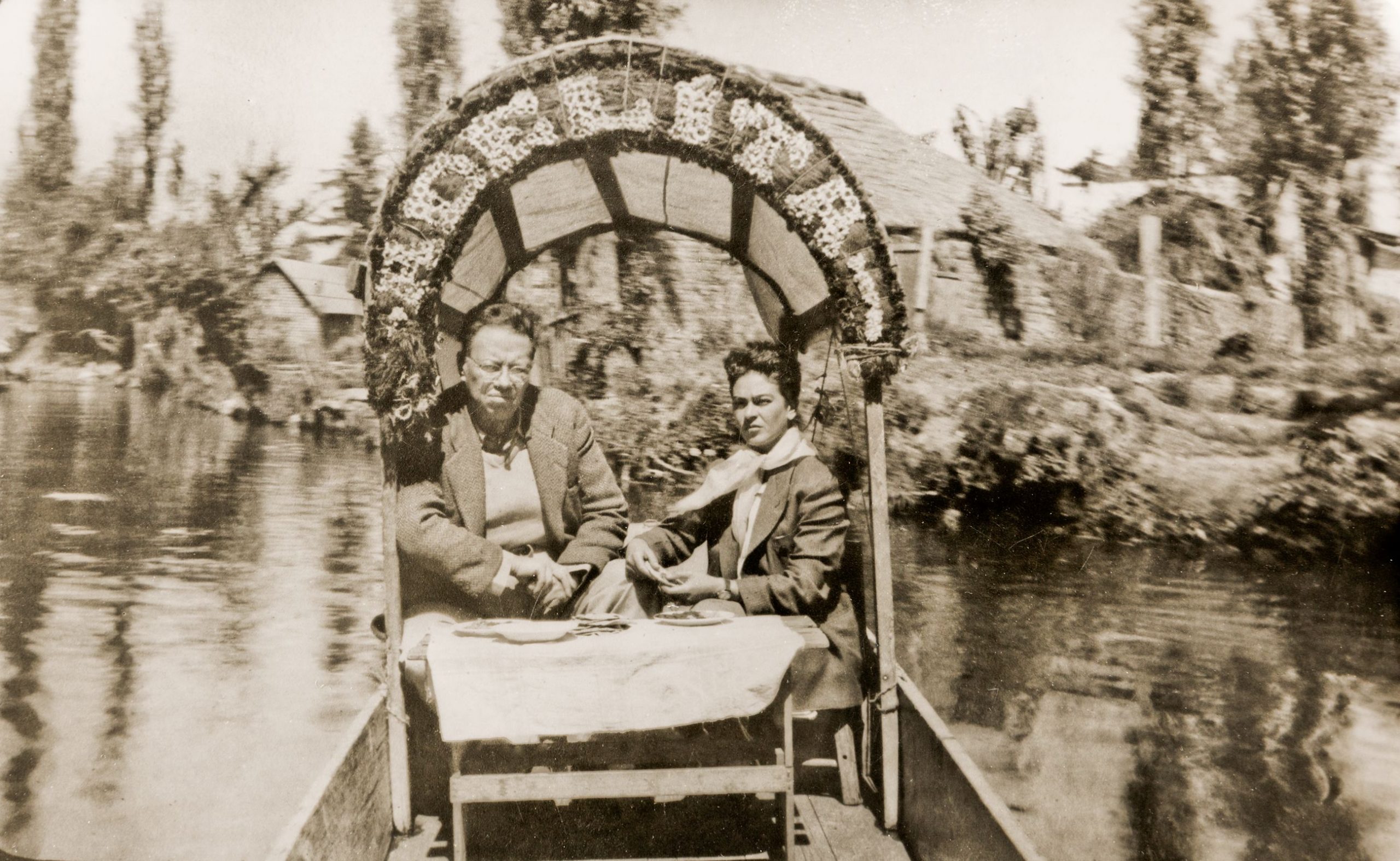
Diego and Frida aboard the trajinera Adelita, Xochimilco, Mexico. Photographer unknown, c. 1941
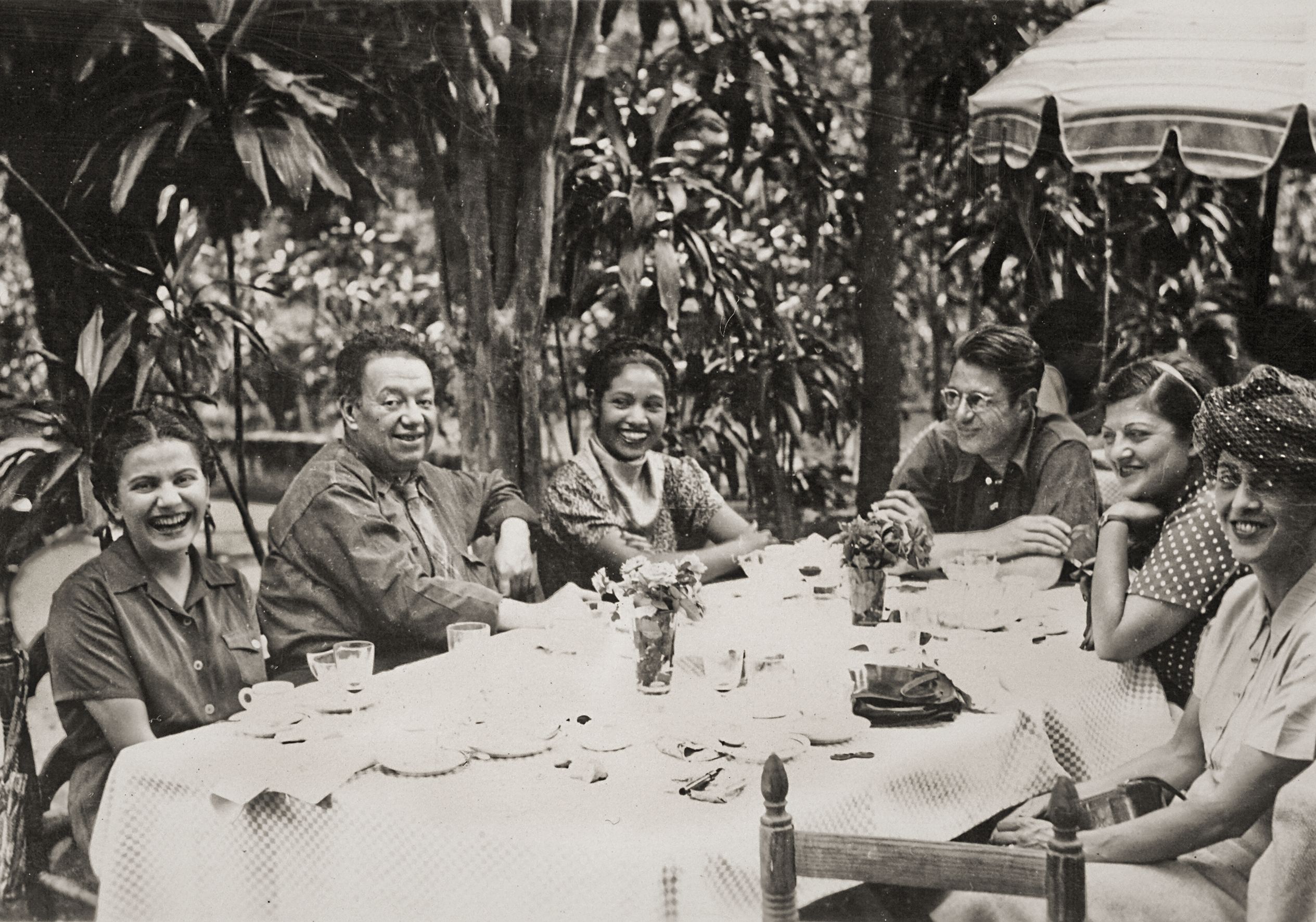
From left to right: María Cecilia Armida, Diego Rivera, Katherine Dunham, Juan O’Gorman and unidentified persons, Mexico, s / f. Photographer unknown
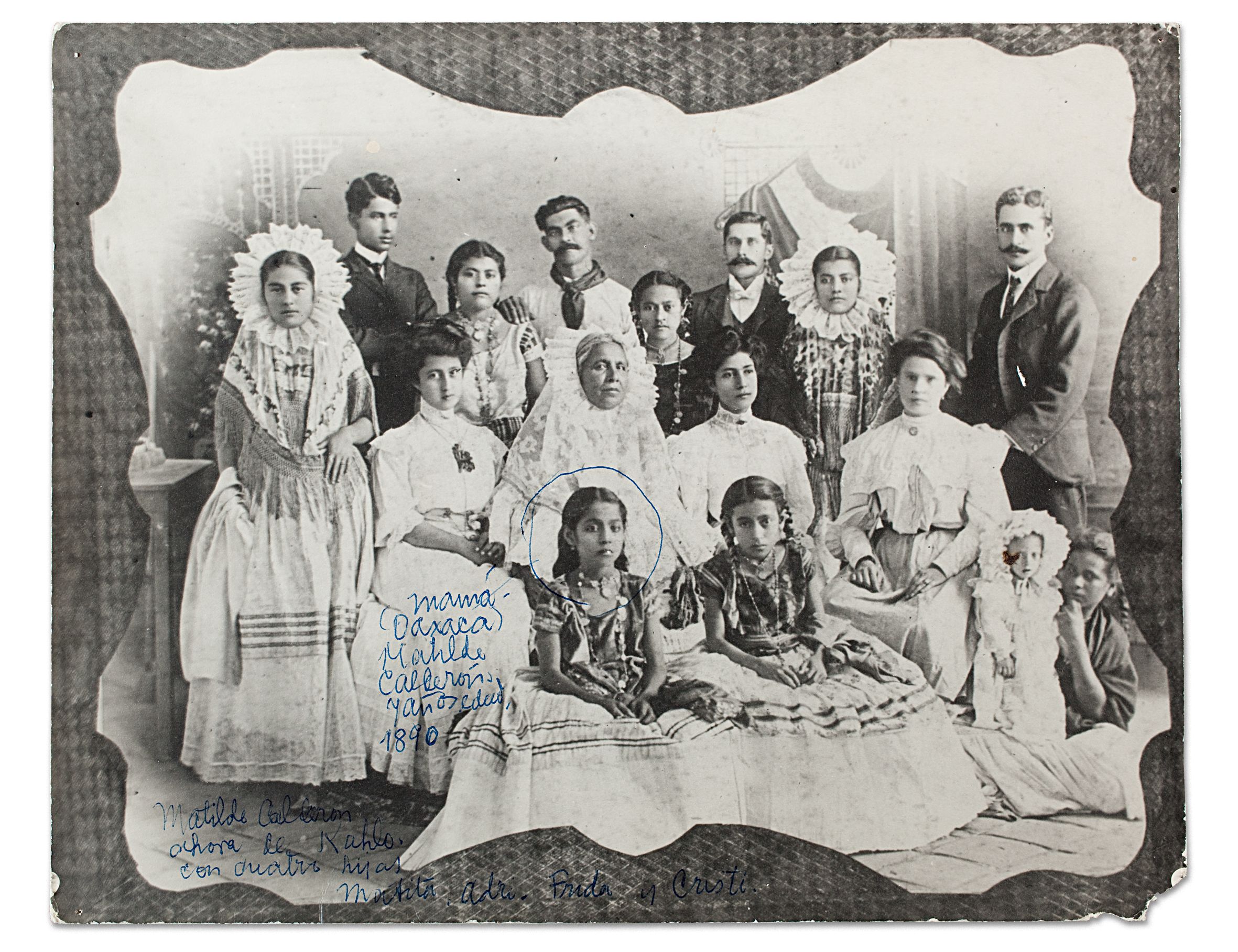
Photograph with inscription by Frida Kahlo: “Mamá (Oaxaca) Matilde Calderón, 7 years old, 1890. Matilde Calderón, now from Kahlo, with four children: Matita, Adri, Frida and Cristi”, Mexico, 1890
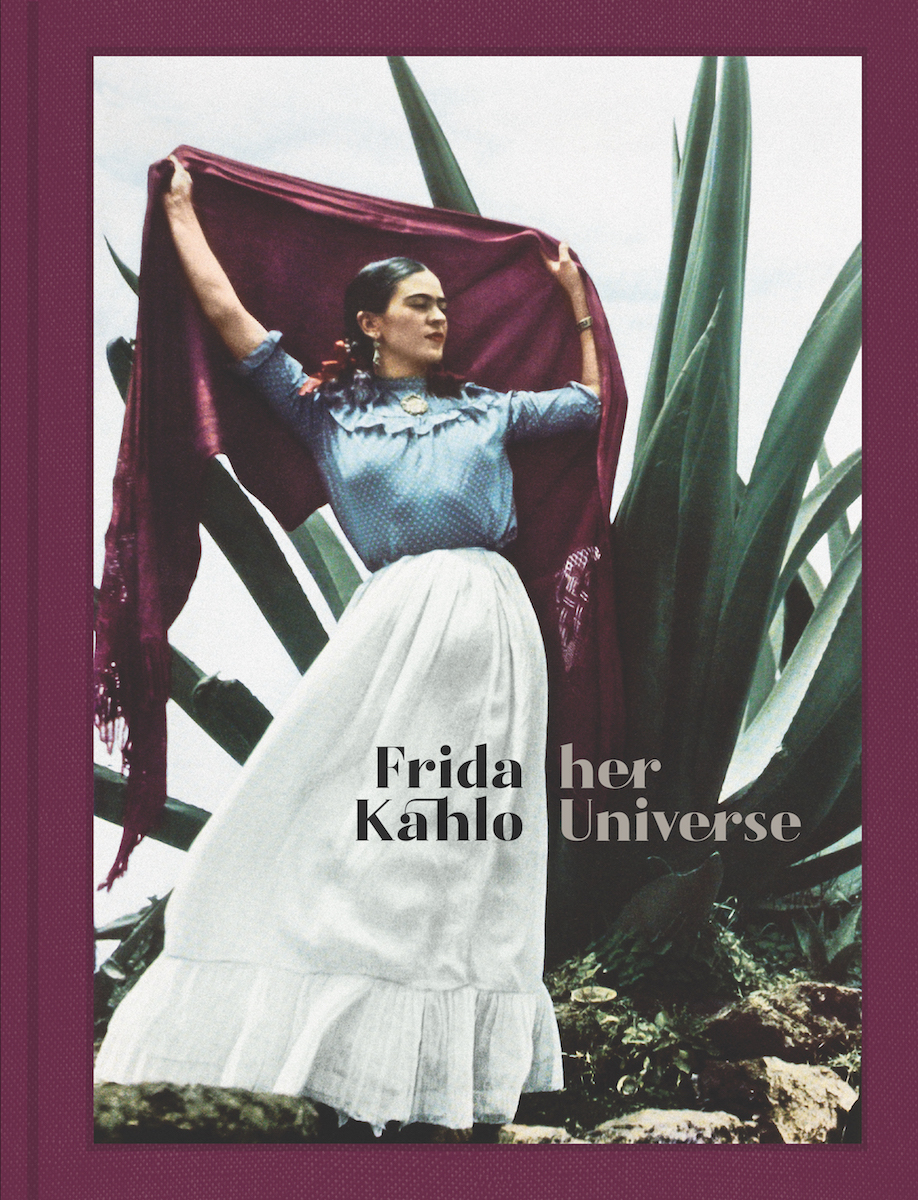
Frida Kahlo: Her Universe is out now.
Follow Miss Rosen on Twitter.
Enjoyed this article? Like Huck on Facebook or follow us on Twitter.
You might like

In photos: Black Texas life since emancipation
Kinship & Community — A new photobook and exhibition showcases the rich culture, history and community of African American folks in the Lone Star State, whose existence in the region predates colonial Britain.
Written by: Miss Rosen

Inside Parkuir: the art project queering sport, space and our bodies
Lie and play — Founded by Maria Laudes and Guiu Gimeno, it provides a framework for engaging, subverting, and celebrating the small details that make people unique – and queer.
Written by: Molly Lipson

Youthful joy & end-of-era poignancy at a London school prom
Leavers — For several years, Lewis Khan documented young people as they celebrated the last of their school days and the completion of their exams. The series is now collated in a new self-published photobook and short film.
Written by: Zoe Whitfield

Harry Gruyaert’s vintage, kaleidoscopic scenes of New York
A Sense of Place — For 50 years, the Belgian photographer and Magnum Photos member has been capturing NYC’s colourful chaos. A new photobook and exhibition showcase his unique, technicolour view of the city.
Written by: Miss Rosen

In the pit at one of the UK’s last stock car & banger speedways
Stock Car Racing Isn’t Dead — Photographer Liam McCarthy spent time in and around the Arlington Raceway’s circuit, capturing the diehard community that keeps the sport alive.
Written by: Isaac Muk

Inside Lower Duck Pond, the nicest town on the internet
/r/HaveWeMet — With a population of 2,500 and no fixed location, the subreddit is a space for roleplaying citizens to solve mysteries, host fictional events and ultimately connect. In an internet that’s often divided and toxic, Vicky Jessop hangs out in one of its most wholesome corners.
Written by: Vicky Jessop


