The woman who transformed photography in the ’30s
- Text by Miss Rosen
- Photography by Dora Maar

For the better part of her life and decades after her death, the establishment relegated Dora Maar (1907-1997) to the realm of mistress, model and muse. In fact, she was a revolutionary artist in her own right – and a new travelling museum exhibition, Dora Maar, wants to right these historical wrongs once and for all.
Born Henriette Theodora Markovitch, the French photographer, painter and poet took on her illustrious pseudonym while studying art in Paris during the 1920s. She opened a commercial studio at the age of 25, where she produced provocative photographs for glossy magazines, books and fashion houses, while exhibiting alongside contemporaries including Man Ray and Salvador Dalí.
“Dora Maar’s career spanned much of the 20th century, and was really characterised by innovation, experimentation and reinvention,” says Emma Jones, the show’s curatorial assistant.
“We see Maar’s eye for the absurd in many of her works. One of her most well-known photomontages, ‘The years lie in wait for you’, is a portrait Maar took of her close friend Nusch Eluard, overlaid with a spiders-web. The work has surrealist elements, but its title suggests that it was actually an advert for an anti-ageing cream.”
In 1936, Maar, then 28, began a tempestuous relationship with Pablo Picasso, 54. He approached her at the Cade Les Deux Magots in Paris and sat down. She placed her hand on the table and began rhythmically stabbing a small penknife between her fingers – sometimes missing and cutting herself. Afterwards, Picasso asked Maar for her bloodstained gloves. It was a harbinger of things to come.
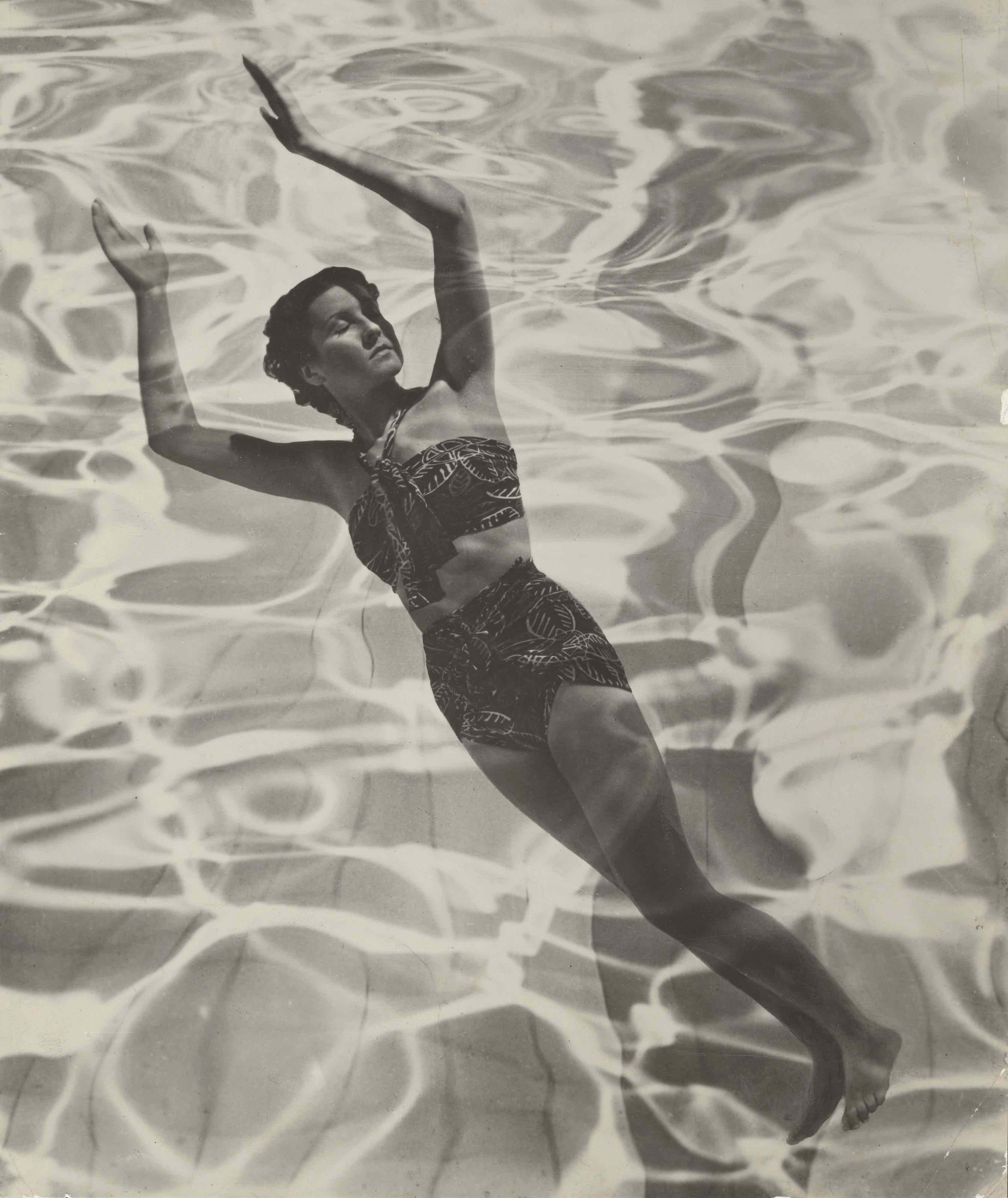
Dora Maar Model in Swimsuit 1936. The J. Paul Getty Museum, Los Angeles © ADAGP, Paris and DACS, London 2019
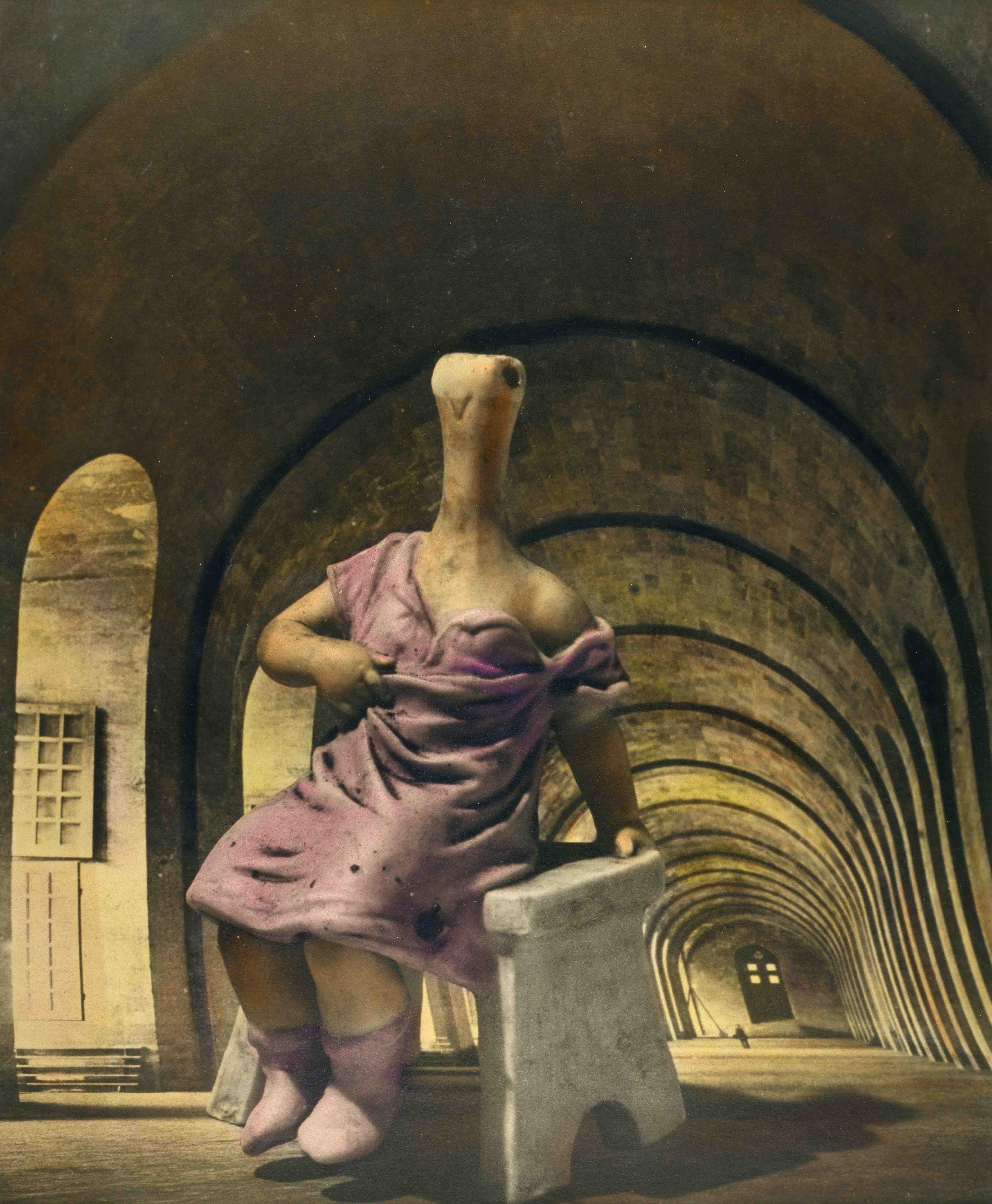
Dora Maar 29 rue d’Astorg c.1936. © Centre Pompidou, Grand Palais / ADAGP, Paris and DACS, London 2019
In the years after, the establishment framed her as one of the many lovers in Picasso’s life: the subject of numerous paintings, most famously ‘Weeping Woman’ (1937) – a portrayal Maar deeply disliked.
“There’s a photograph in the show of Picasso’s studio, with a collection of these paintings of her that I think about when we talk about the mythologisation of Dora Maar,” Jones says. “She said that he never painted her from life, he may have sketched her in informal settings, but she never sat for portraits. ‘they’re all lies’ she said, ‘they’re all Picasso’s, not one is Dora Maar.’”
At Picasso’s hands, Maar suffered physical abuse and psychological cruelty until the relationship ended in 1943. Maar then suffered a mental breakdown and was treated with electroshock therapy. When she remerged in 1946, she focused on painting, spending the remainder of her life in Menerbes as a recluse.
With the exhibition, Maar’s independent voice is restored, and her narrative reclaimed from those who saw her as nothing more than an extension of Picasso’s world. Her photographs are significant contributions to modernist thought, revealing the subversive possibilities of a woman working in an industry that was keen to capitalise on female bodies to sell products.
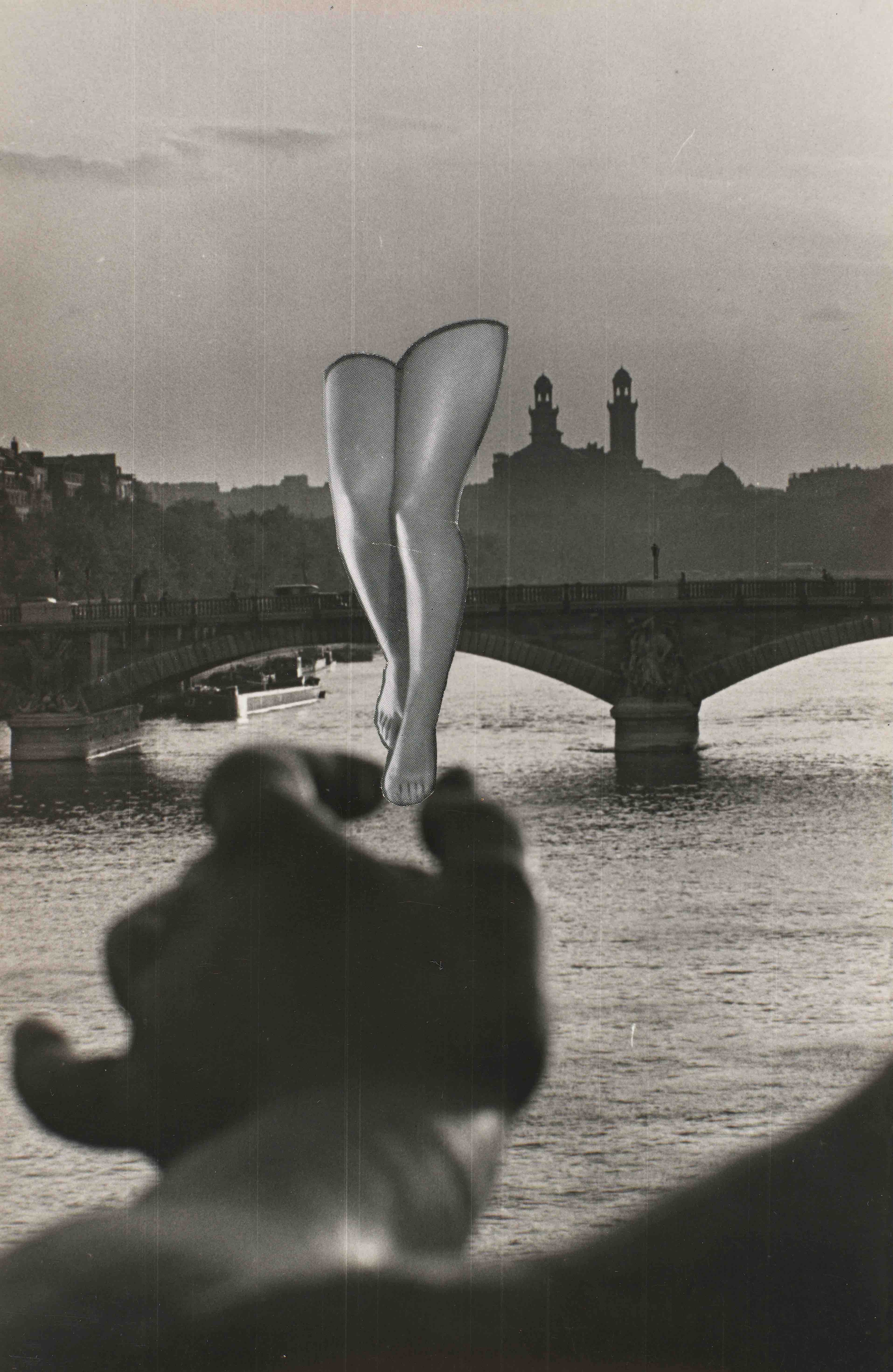
Dora Maar Untitled 1935 © Centre Pompidou, Grand Palais / ADAGP, Paris and DACS, London 2019
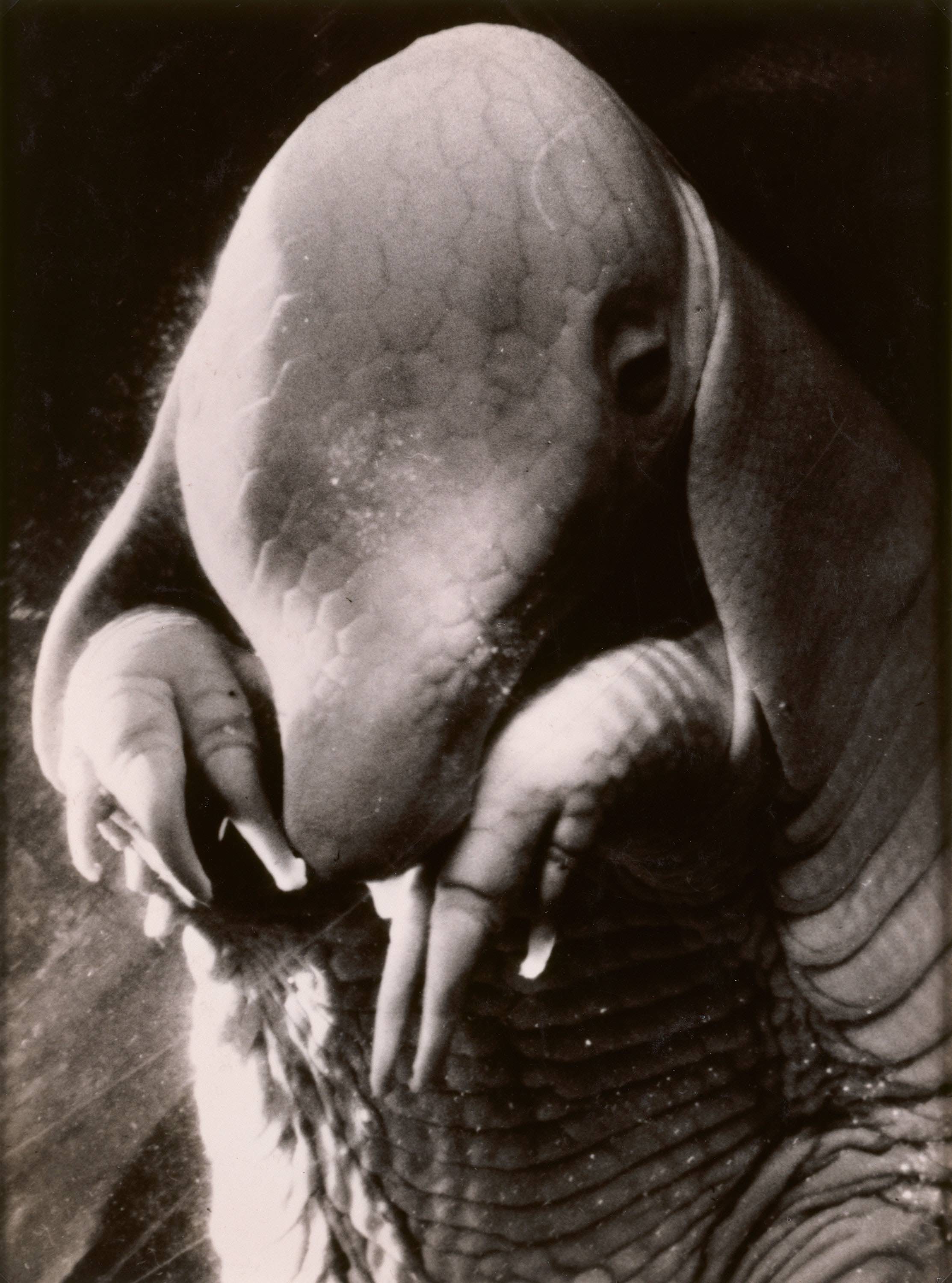
Dora Maar Portrait of Ubu 1936. © Centre Pompidou, Grand Palais / ADAGP, Paris and DACS, London 2019
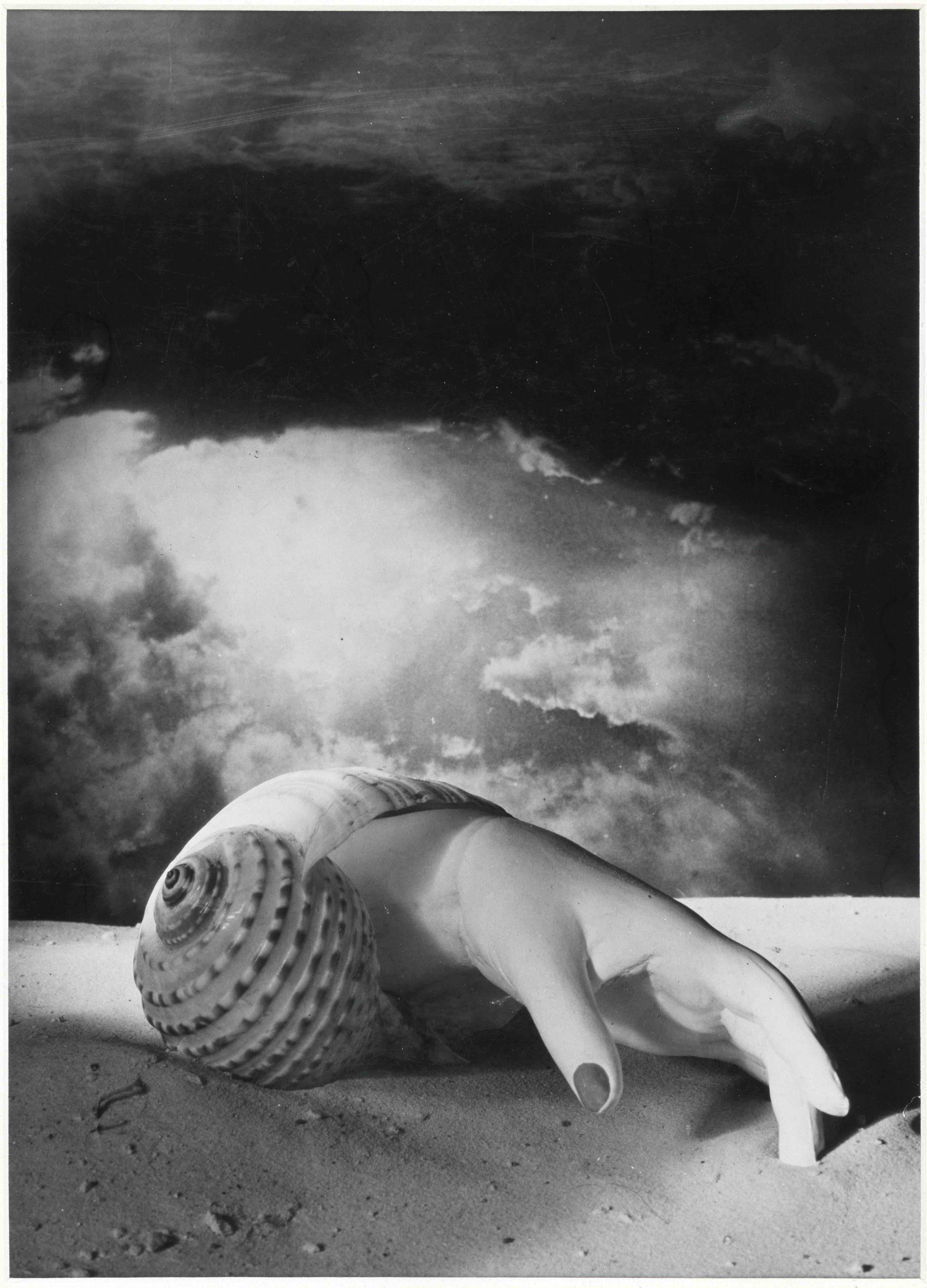
Dora Maar Untitled (Hand Shell) 1934. © Centre Pompidou, Grand Palais / ADAGP, Paris and DACS, London 2019
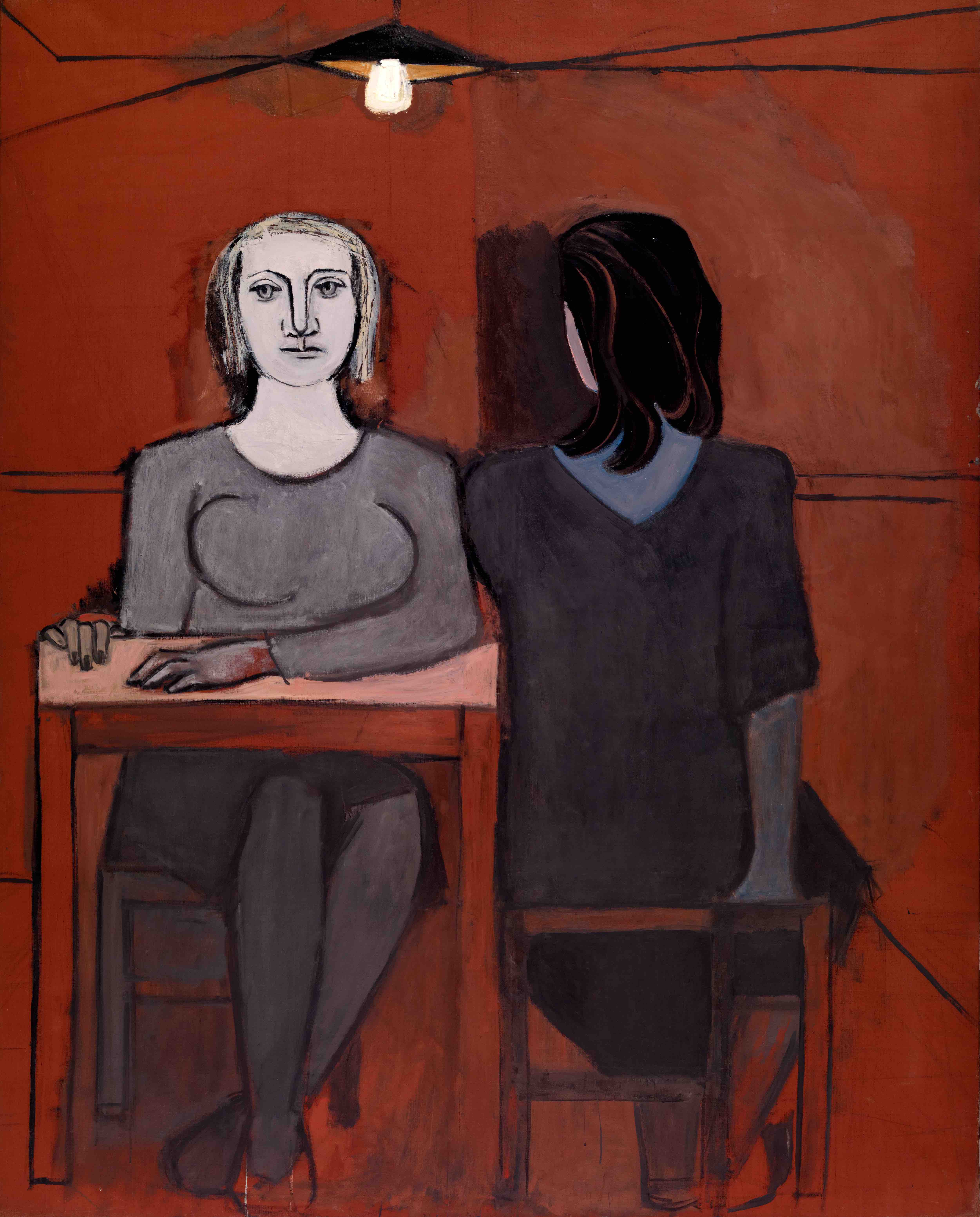
Dora Maar The Conversation 1937 © FABA Photo : Marc Domage / ADAGP, Paris and DACS, London 2019
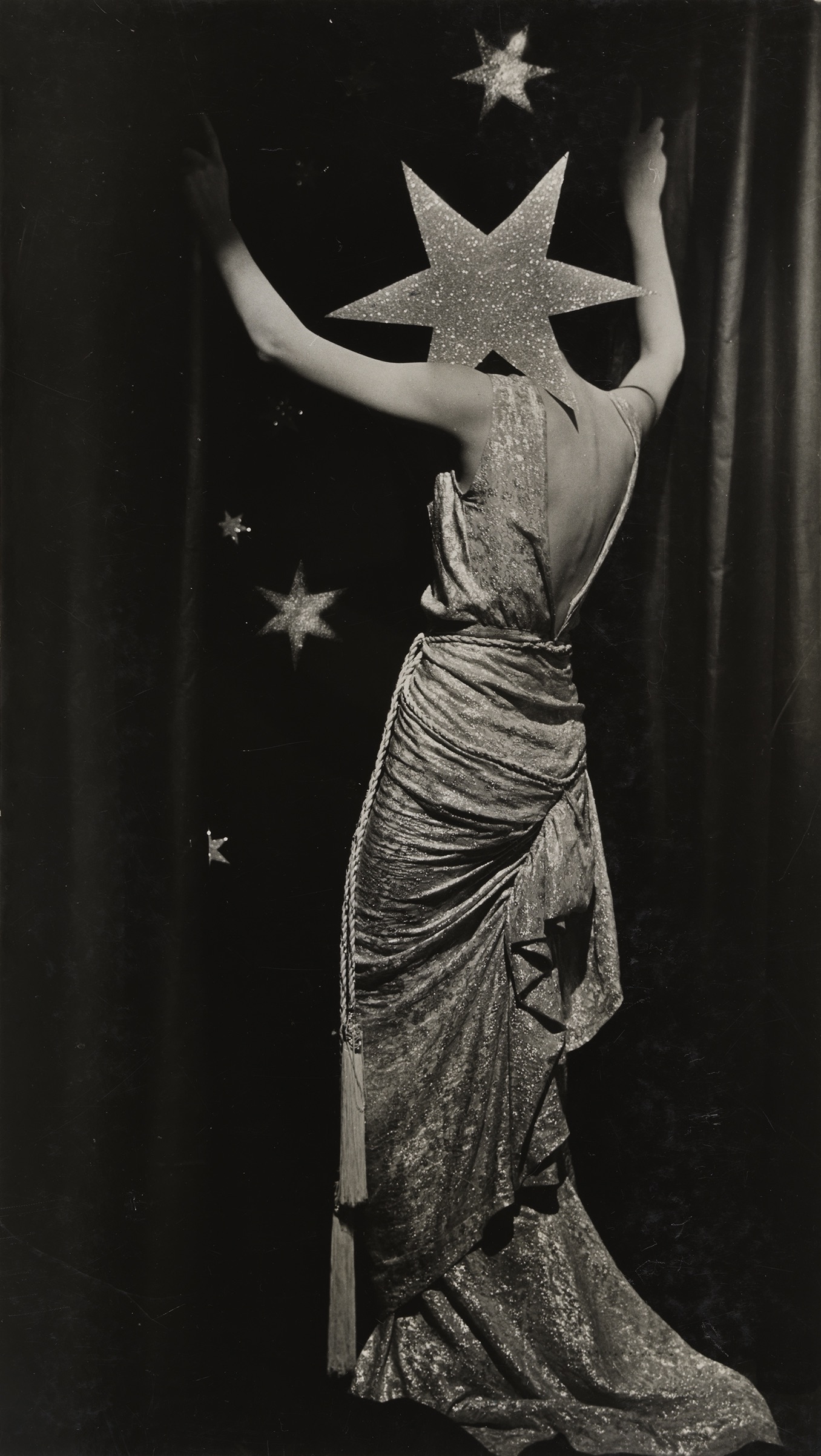
Dora Maar, Untitled (Fashion photograph) c. 1935 Collection Therond © ADAGP, Paris and DACS, London 2019
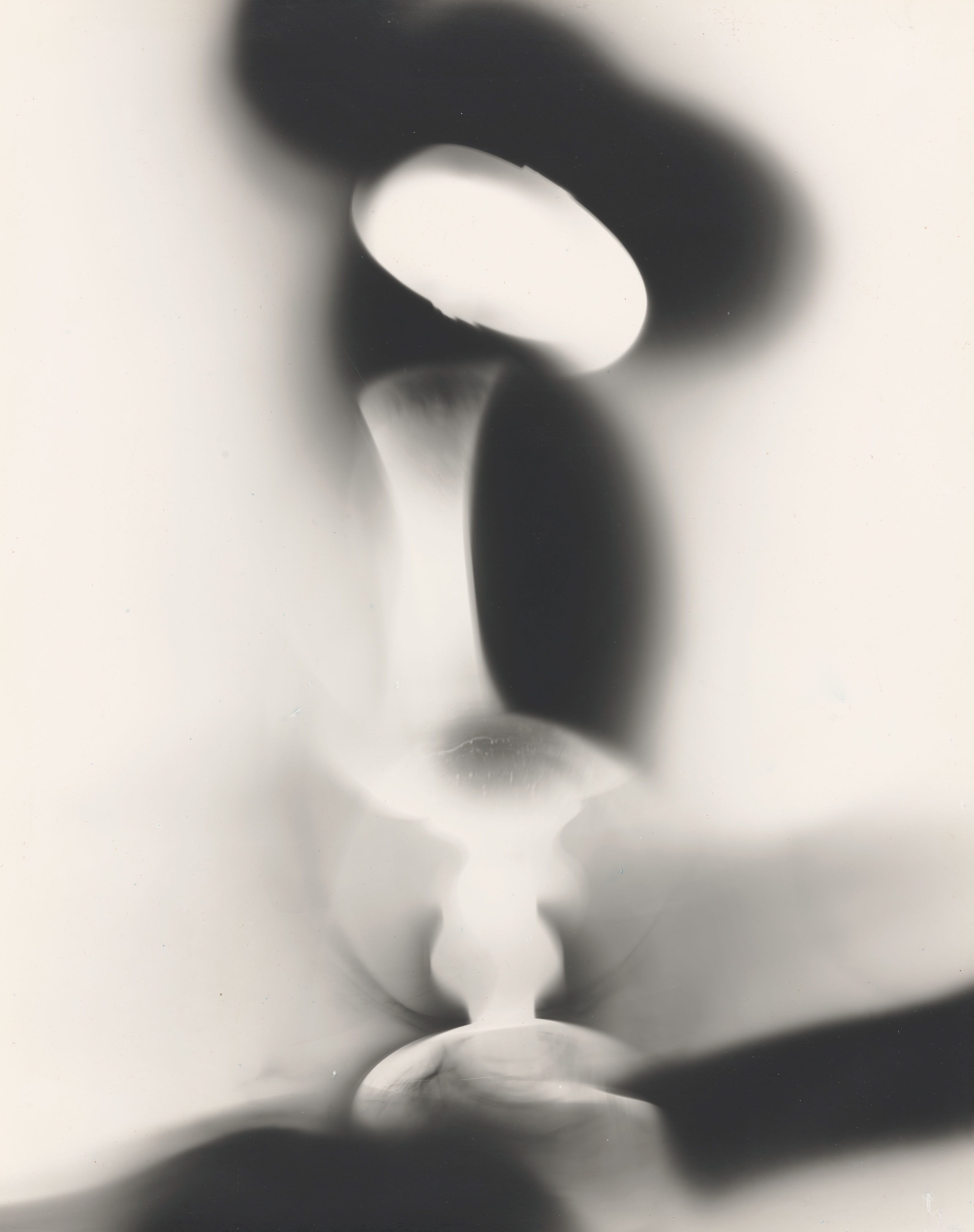
Dora Maar Untitled 1980. The J. Paul Getty Museum, Los Angeles © ADAGP, Paris and DACS, London 2019
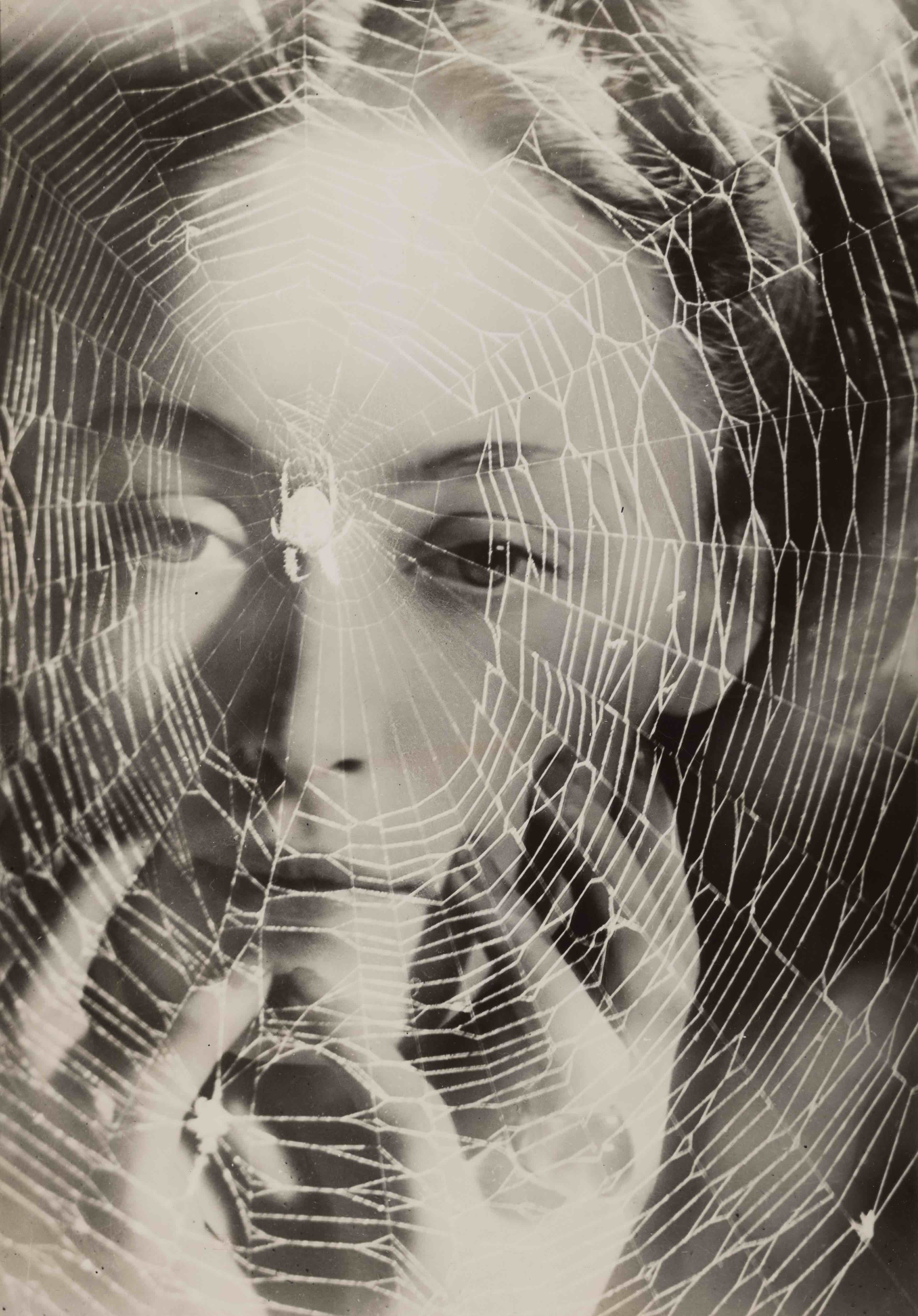
Dora Maar, The Years Lie In Wait 1935. The William Talbott Hillman Collection © ADAGP, Paris and DACS, London 2019
Dora Maar is on view at the Tate Modern in London through March 15, 2020, and will travel to The Getty in Los Angeles (April 21–July 26, 2020). There is also an accompanying catalogue.
Follow Miss Rosen on Twitter.
Enjoyed this article? Like Huck on Facebook or follow us on Twitter.
You might like

In photos: Black Texas life since emancipation
Kinship & Community — A new photobook and exhibition showcases the rich culture, history and community of African American folks in the Lone Star State, whose existence in the region predates colonial Britain.
Written by: Miss Rosen

Inside Parkuir: the art project queering sport, space and our bodies
Lie and play — Founded by Maria Laudes and Guiu Gimeno, it provides a framework for engaging, subverting, and celebrating the small details that make people unique – and queer.
Written by: Molly Lipson

Youthful joy & end-of-era poignancy at a London school prom
Leavers — For several years, Lewis Khan documented young people as they celebrated the last of their school days and the completion of their exams. The series is now collated in a new self-published photobook and short film.
Written by: Zoe Whitfield

Harry Gruyaert’s vintage, kaleidoscopic scenes of New York
A Sense of Place — For 50 years, the Belgian photographer and Magnum Photos member has been capturing NYC’s colourful chaos. A new photobook and exhibition showcase his unique, technicolour view of the city.
Written by: Miss Rosen

In the pit at one of the UK’s last stock car & banger speedways
Stock Car Racing Isn’t Dead — Photographer Liam McCarthy spent time in and around the Arlington Raceway’s circuit, capturing the diehard community that keeps the sport alive.
Written by: Isaac Muk

Inside Lower Duck Pond, the nicest town on the internet
/r/HaveWeMet — With a population of 2,500 and no fixed location, the subreddit is a space for roleplaying citizens to solve mysteries, host fictional events and ultimately connect. In an internet that’s often divided and toxic, Vicky Jessop hangs out in one of its most wholesome corners.
Written by: Vicky Jessop


