
The comedic outsiders behind TV's funniest new show

“Sorry, we’re bumpkins,” says Daisy May Cooper.
“Complete and utter country bumpkins,” adds her brother, Charlie, shaking his head.
The pair are sitting in a café beside BBC Broadcasting House, explaining how all this – doing interviews, having a hit comedy series, just being in London – makes them fish out of water. But that’s being modest.
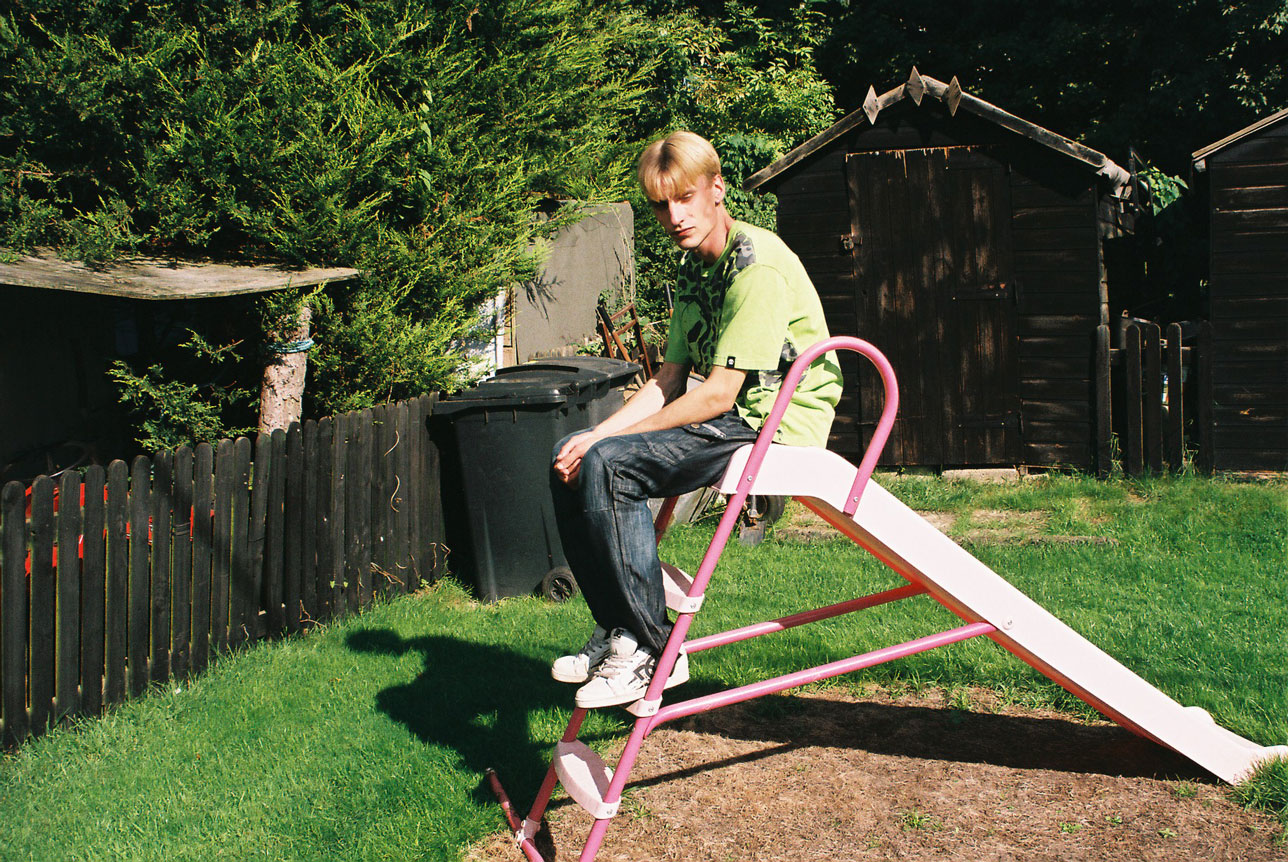
Not long ago, the pair had zero prospects: sharing the same bedroom in their parents’ Cotswolds home and cleaning the same office block together, feeling like life had left them behind.
Now they star in This Country, a mockumentary series they’ve created about marginalised youth in rural Britain. They’ve managed to satirise small-town life so well that people from all backgrounds quote their favourite lines at them in the street.
So yes, they’re outliers… but they’ve fought for this.
Growing up in Cirencester, a market town in Britain’s West Country, they saw humour as a means of survival. “When you’ve got nine people in your year at school, you learn pretty quickly that you won’t get picked on if you can make people laugh,” says Charlie, who’s 27.
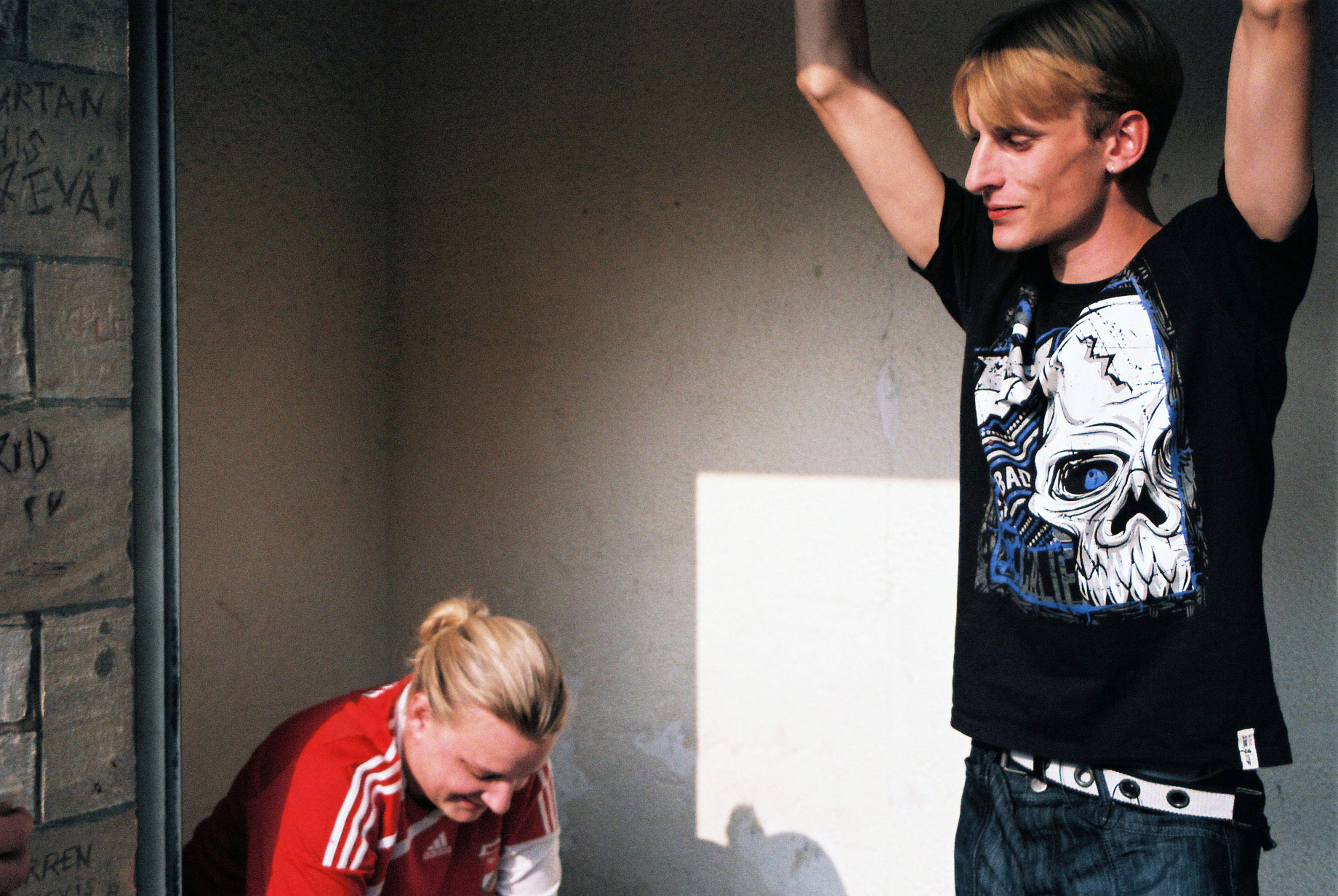
“I was always the best friend of the most popular girl because I wasn’t a threat,” adds Daisy, who’s 30. “Funny and not good-looking.”
For a moment, brother and sister start riffing on each other’s appearance, casually crossing lines that others would deem off-limits.
Although the pair are much sharper and more affable than their on-screen roles as Kerry and Kurtan – aimless cousins who trade barbs and hair-brained ideas – much of their dynamic is true to life.
“Growing up in a small town is all about making your own entertainment,” says Charlie. “You become reliant on each other to pass the time when you’ve got no one else and nothing to do.”
After school, Daisy won a scholarship to study acting at RADA in London while Charlie studied sports science at Exeter University. He hated it and dropped out – “I needed some breathing space” – which led to sleeping on the floor of Daisy’s apartment and getting a job in retail.
Daisy, meanwhile, became the class clown at RADA and found it hard to be taken seriously. “What was annoying was being cast as Lady Macbeth and thinking I was doing a good job while everyone kept laughing, saying I’d made the part really funny.”
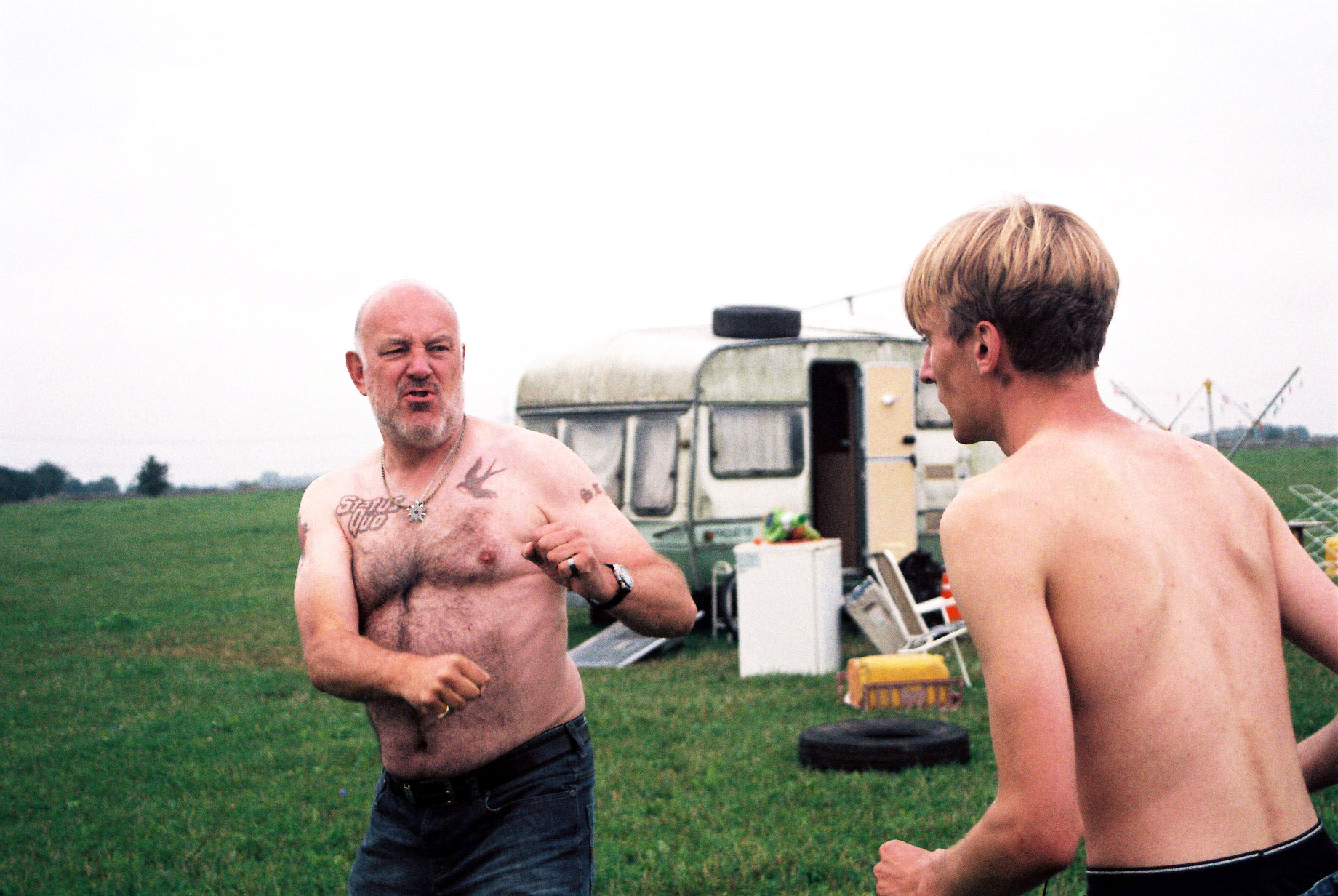
After a year of scraping by, trying to figure out what to do with their lives, London started to feel too big. Their mum would send the local paper, just so they could stay connected with rural life, but it only made the homesickness worse.
Daisy struggled to land auditions – at one point her agent couldn’t remember who she was – and so the pair decided to just start over at home.
Sharing a bedroom with your sibling as a broke twenty-something is pretty difficult, Charlie says, but it forced them to focus on their ideas and find a way out.
As kids, they’d invent nicknames for local characters and make up backstories for them. Now, as adults, they started seeing the potential for a comedy series drawing on all the things they loved and hated about village life – sort of like The Office, but set in the countryside.
“We could go weeks without talking – she’d always slap me around the head – but we put all our energy into [This Country], sacrificing a normal life just to get it going. There was no Plan B. If it didn’t work… there would have been a suicide pact or something.”
After putting together some YouTube clips and applying some hustle – Daisy threatened to wait outside the BBC until the head of comedy commissioning met with her – the Coopers got their shot.
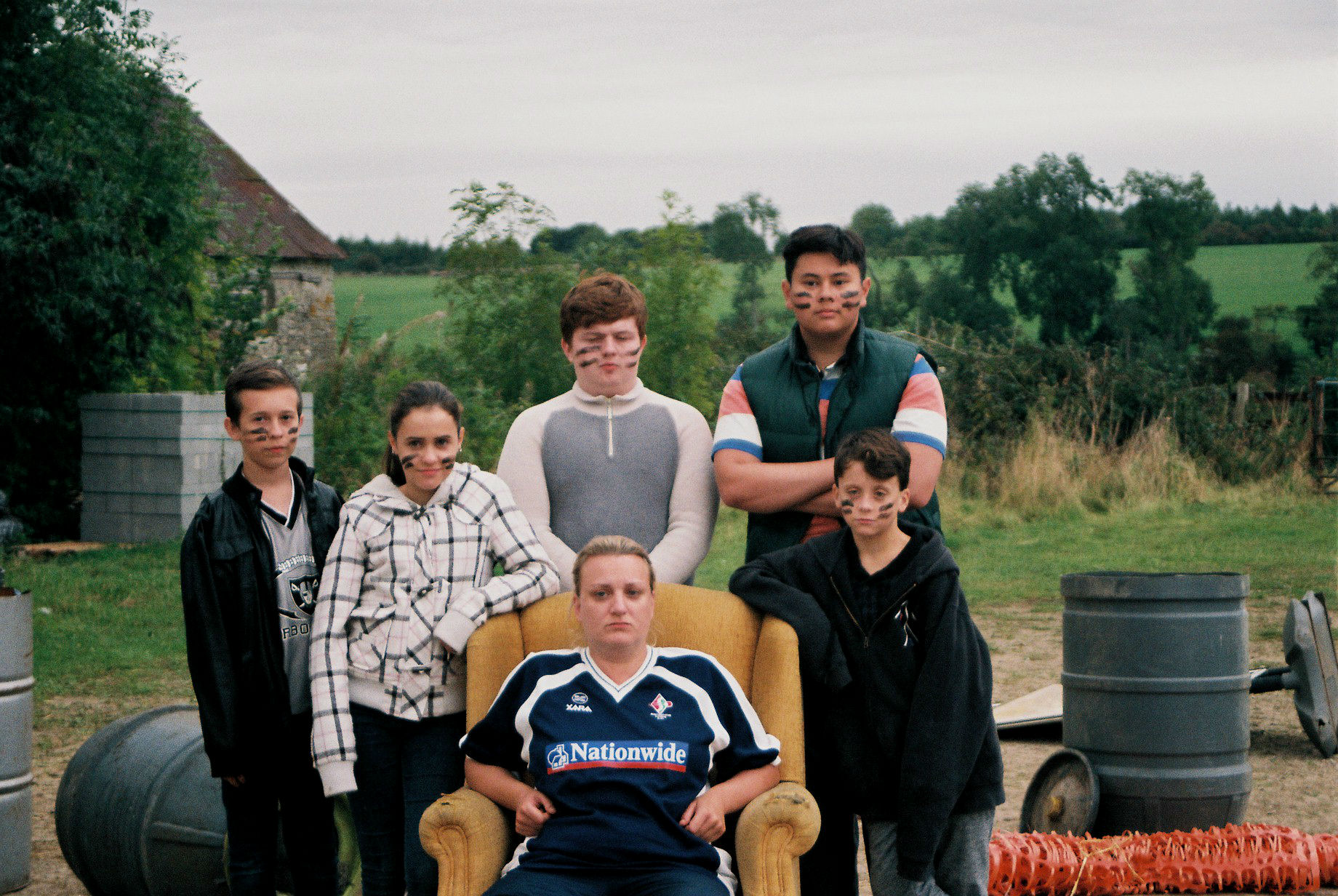
The show has become a hit, garnering acclaim and big audiences, but its real achievement has been depicting the eccentricities of small-town life with affection, rather than derision.
“The best characters are flawed but you root for them anyway because their intentions come from a good place,” says Charlie. “Kerry and Kurtan are essentially two kids who just haven’t grown up yet. They’ve chosen not to because it’s easier to avoid reminders of your own failure.”
“Which is exactly what we did,” adds Daisy. “It felt like we’d been left to rot. And neither of us can drive, which made it even more suffocating.”
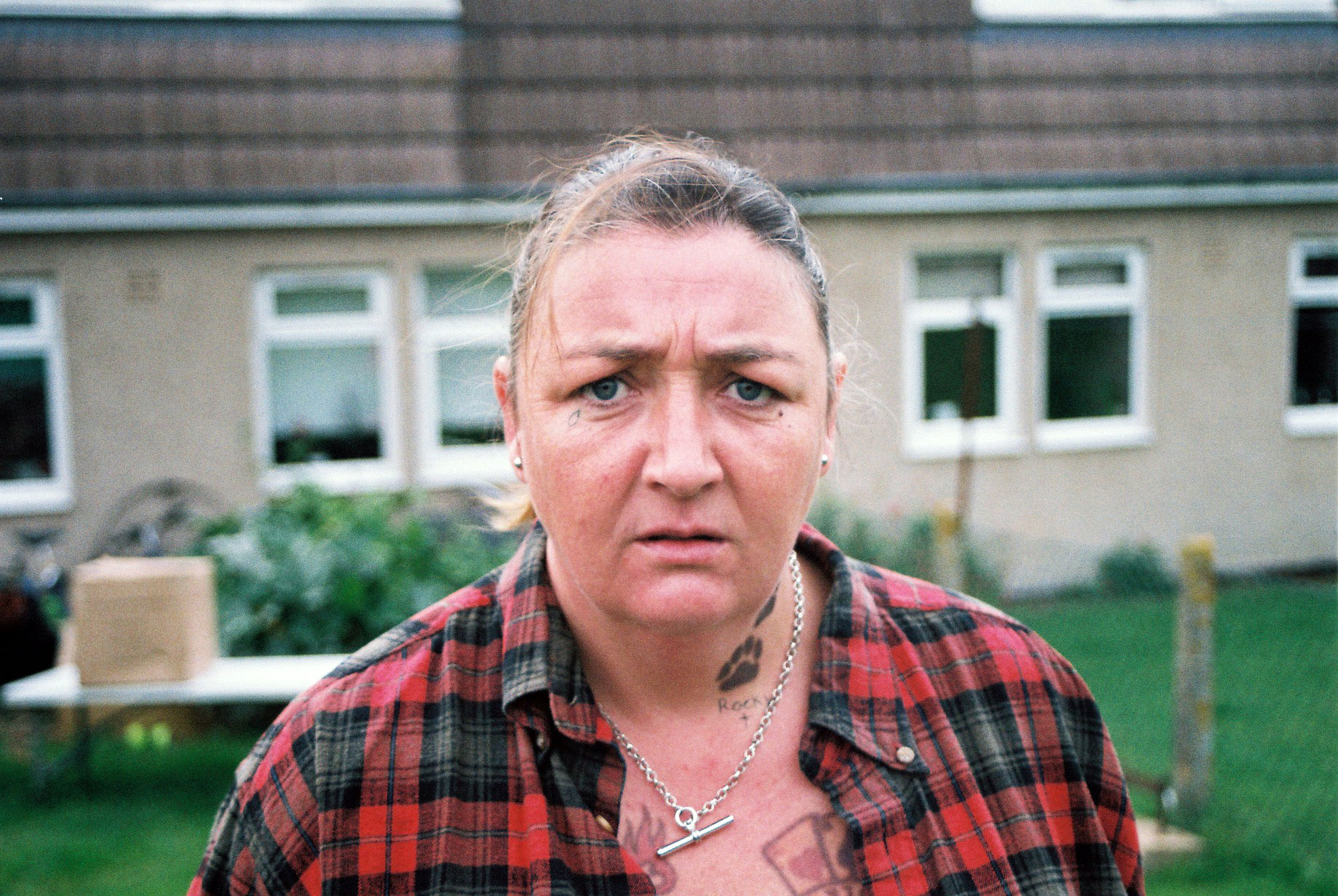
“When you move home to your parents, you suddenly stop growing up,” Charlie resumes. “We remain our squabbling 10-year-old selves. It’s the same with Kerry and Kurtan: they just haven’t faced up to life.”
This also might be a bit modest. Getting your own show on mainstream TV and keeping creative control, despite no experience, is an exceptional route into comedy.
Apart from one disastrous attempt at stand-up by Daisy – “There wasn’t any heckling, just deathly silence” – the pair have remained relatively insulated.
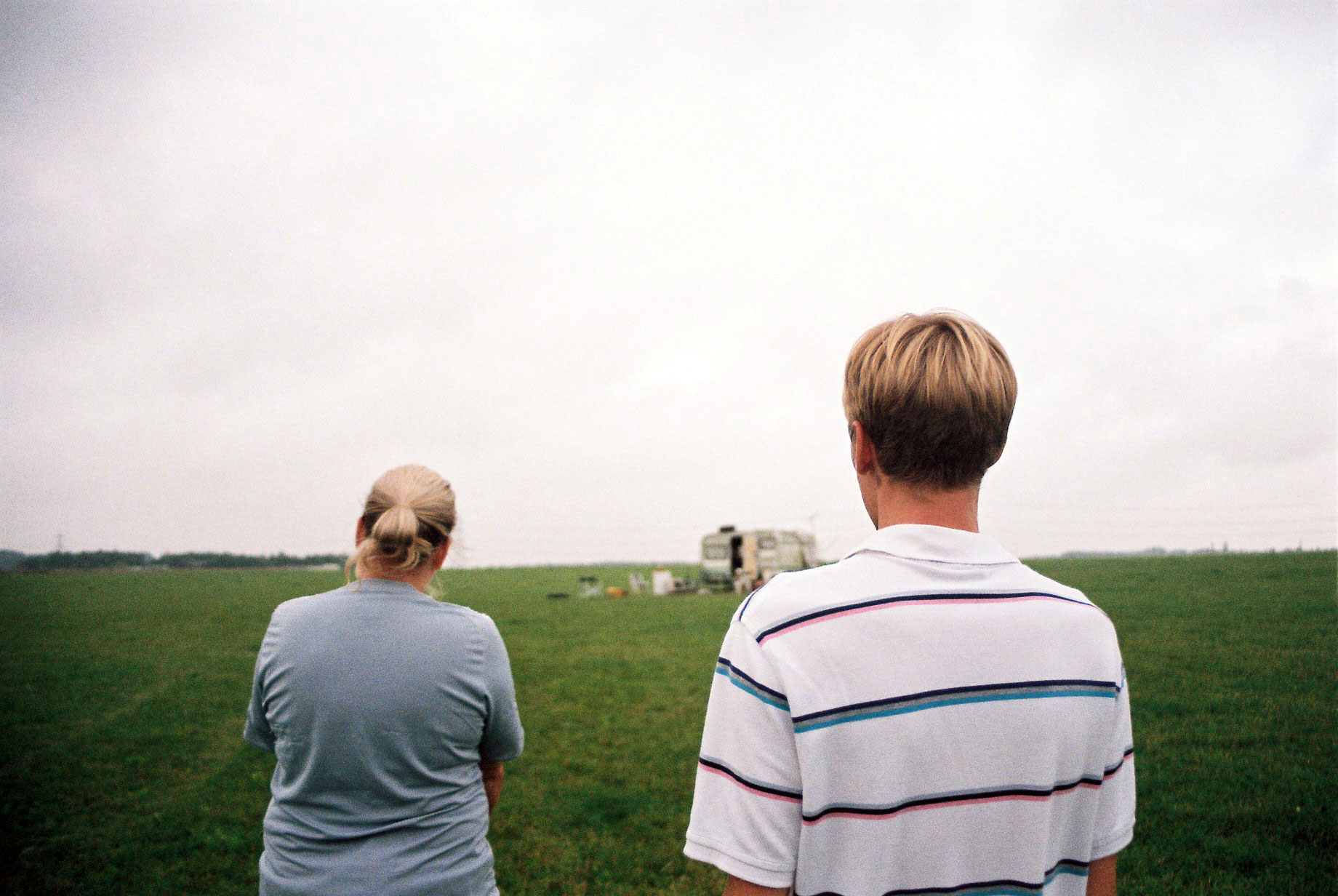
“We could have done other projects but we’re loners, really,” says Charlie. “I never even considered myself a performer because the idea was so daunting.”
“We are really sensitive,” says Daisy, fidgeting with her hair. “But the beauty of this is that it shows you can do whatever you want from wherever you live, that you can stick to your instincts without compromising.
“We’ve learned that if you see red flags or something doesn’t feel right, you should always have the strength to walk away.”
Watch This Country on BBC iPlayer
This article appears in Huck 60 – The Outsider Issue. Buy it in the Huck Shop or subscribe to make sure you never miss another issue.
You might like

Ahilya Bamroo is Gen Z India’s authentic ambassador
Reel relatable — The influencer turned actor speaks about trolls, beauty standards and youth activism.

What went down at Huck’s 20th birthday party
84 issues and counting — We took over east London’s Jaguar Shoes with friends old and new to celebrate two decades and our new issue, with Tony Bontana taking the decks for a special set.

Inside the Los Angeles scene kid revival
The Rawring ’20s — For the cover of Huck 84, photographer Alexis Gross and writer Anna Zanes meet the latest faces of scene, who are finding freedom to express themselves through its technicolour, unafraid aesthetic.

Introducing our new issue of Huck Magazine: It Starts With Us
Huck 84 — For our second 20th anniversary issue, we spotlight 20 people and groups providing the world with a hopeful future.

The sharp rise of video game photography
Point, shoot — As the entertainment medium’s fidelity levels increase and developers build more powerful tools, a growing community of gamers are pushing the boundaries of image making in virtual worlds. Vicky Jessop meets people at the forefront of the emerging artform.

Joyous photos from the heart of the UK’s radical free festival movement
Common Grounds — The photographer has been capturing British counterculture for the past half century. A new exhibition looks at his archive sitting at the intersection of music, community and grassroots protest.


