Almeria: Europe's dirty little secret in southern Spain
- Text by Matt Moran
- Photography by Matt Moran

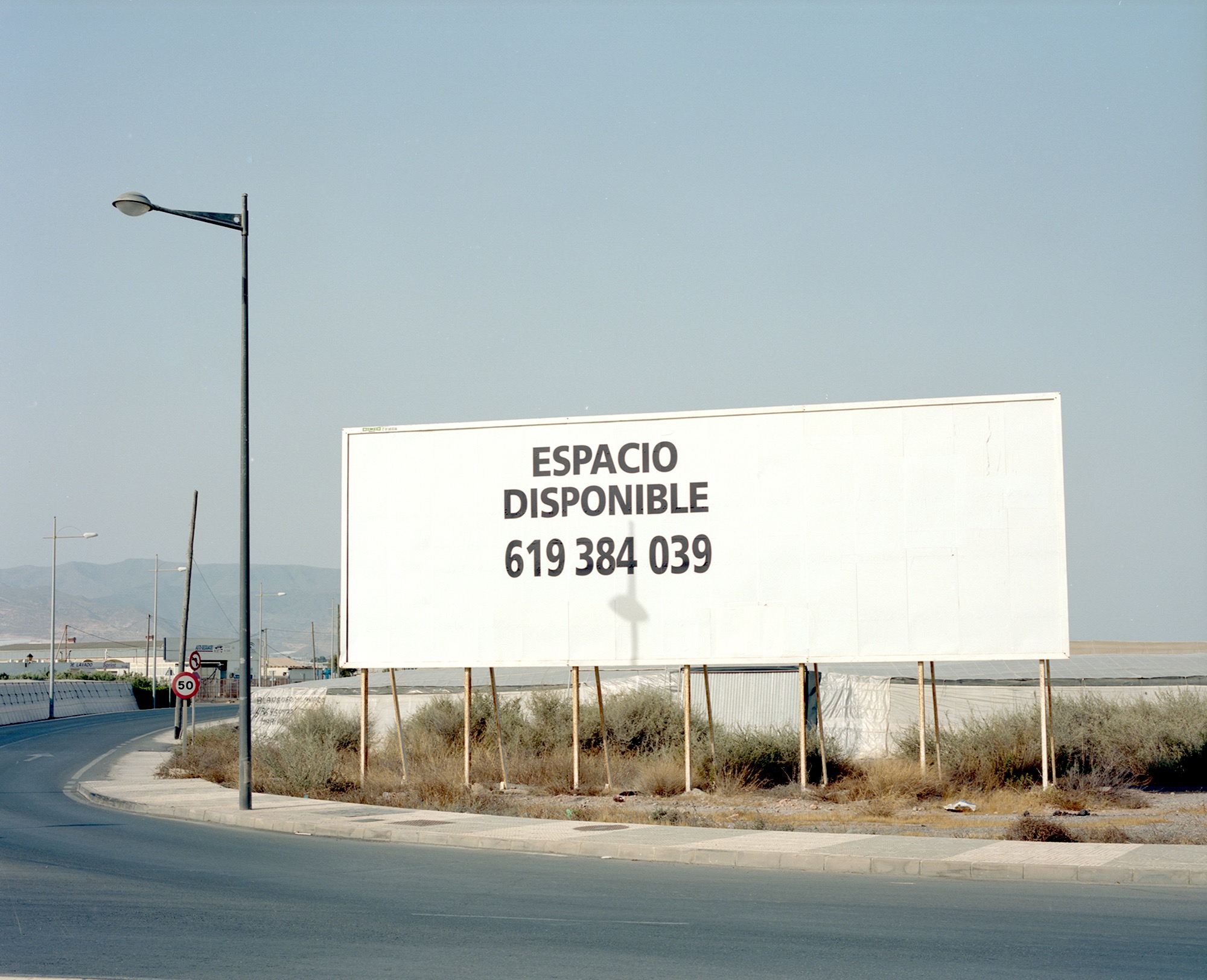
It was while out on a job as a photographer’s assistant that I first found myself in the region of Almeria. The south-east of Spain is typically associated with Brits abroad and the allure of the Costa del Sol, but a couple of years ago I came across the 450 square kilometre expanse of greenhouses nestled away from the tourists’ eye, known by locals as Spain’s “Sea of Plastic”. It has intrigued me ever since.
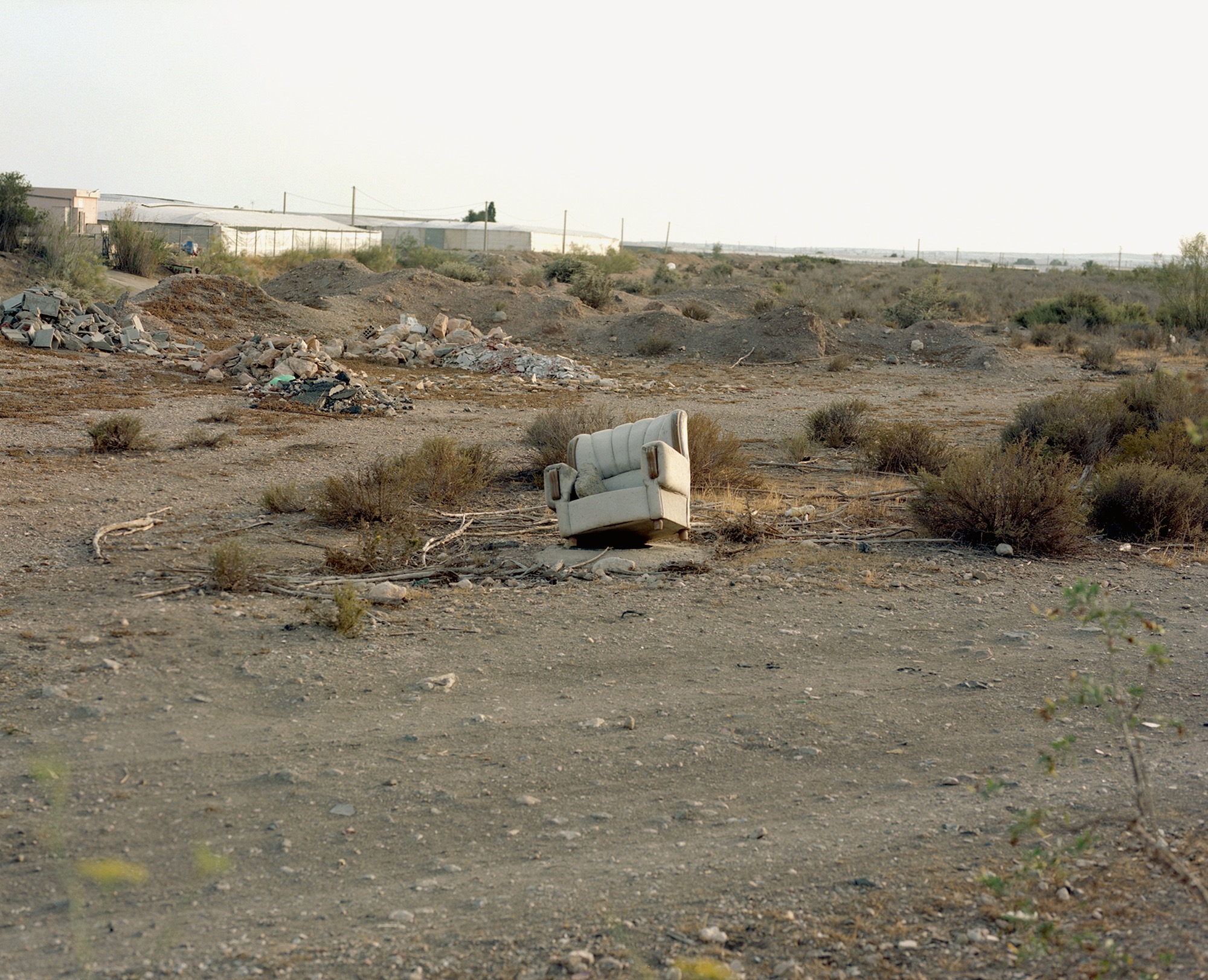
Set against the barren and mountainous landscape, some reports have estimated this manmade mass supplies Europe with more than half its fruit and vegetables. I became fixated by the desolate plains, and hoped to capture and make visible the production line that keeps Europe’s salad bowls fresh. Upon returning to the UK I read a piece in the Guardian, and my image of Almeria’s greenhouses was painted in a more sinister light. The story highlighted the plight of migrant workers at the greenhouses, depicting their labour as modern slavery.
I wondered how many tourists enjoying their holidays on the coast knew about the migrant exploitation happening just a few miles down the road. Was I the only naïve one? On my next visit to Almeria, I admit I was still quite innocent of the problem, I set out to shed some light on our blindness towards the production of our food.
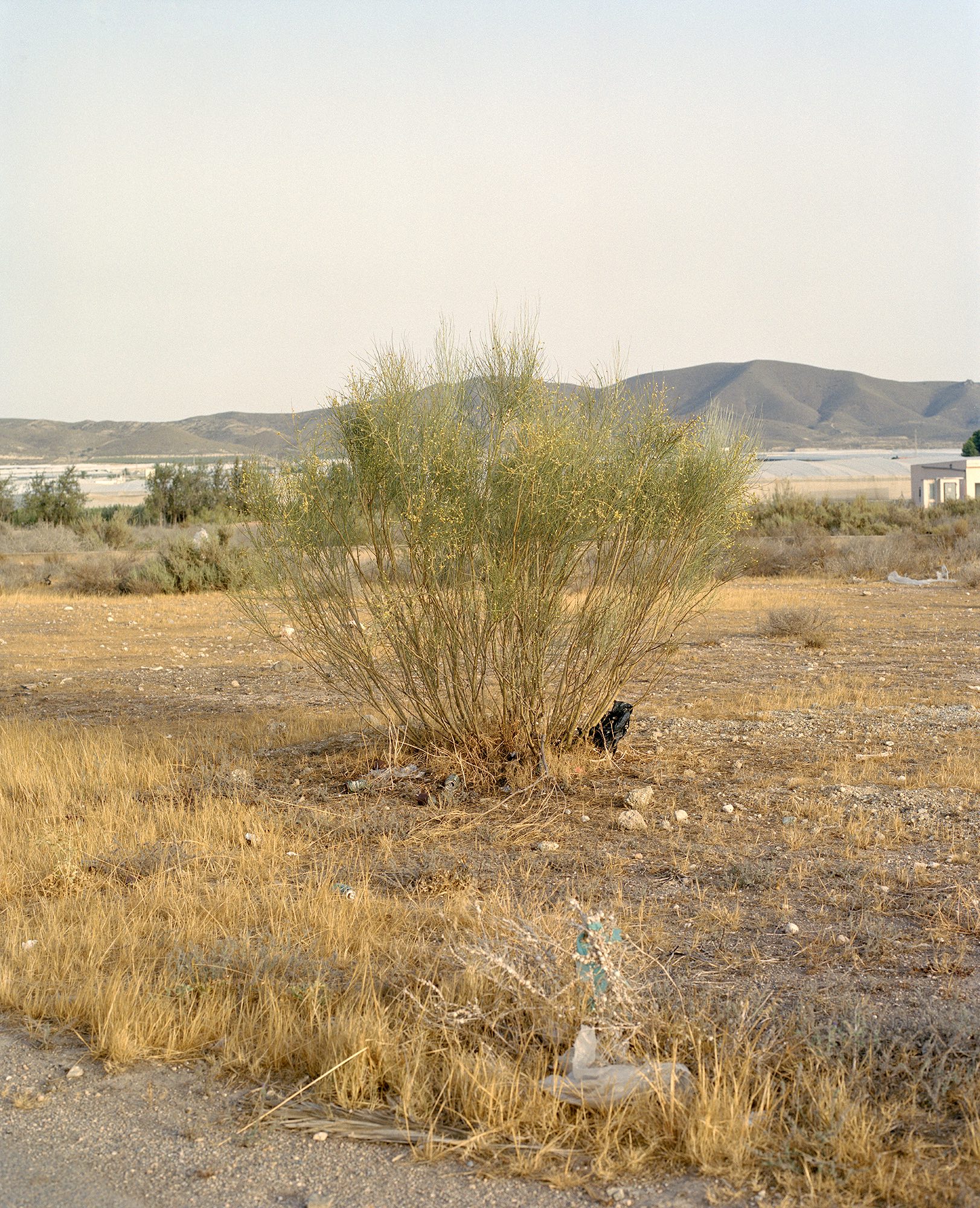
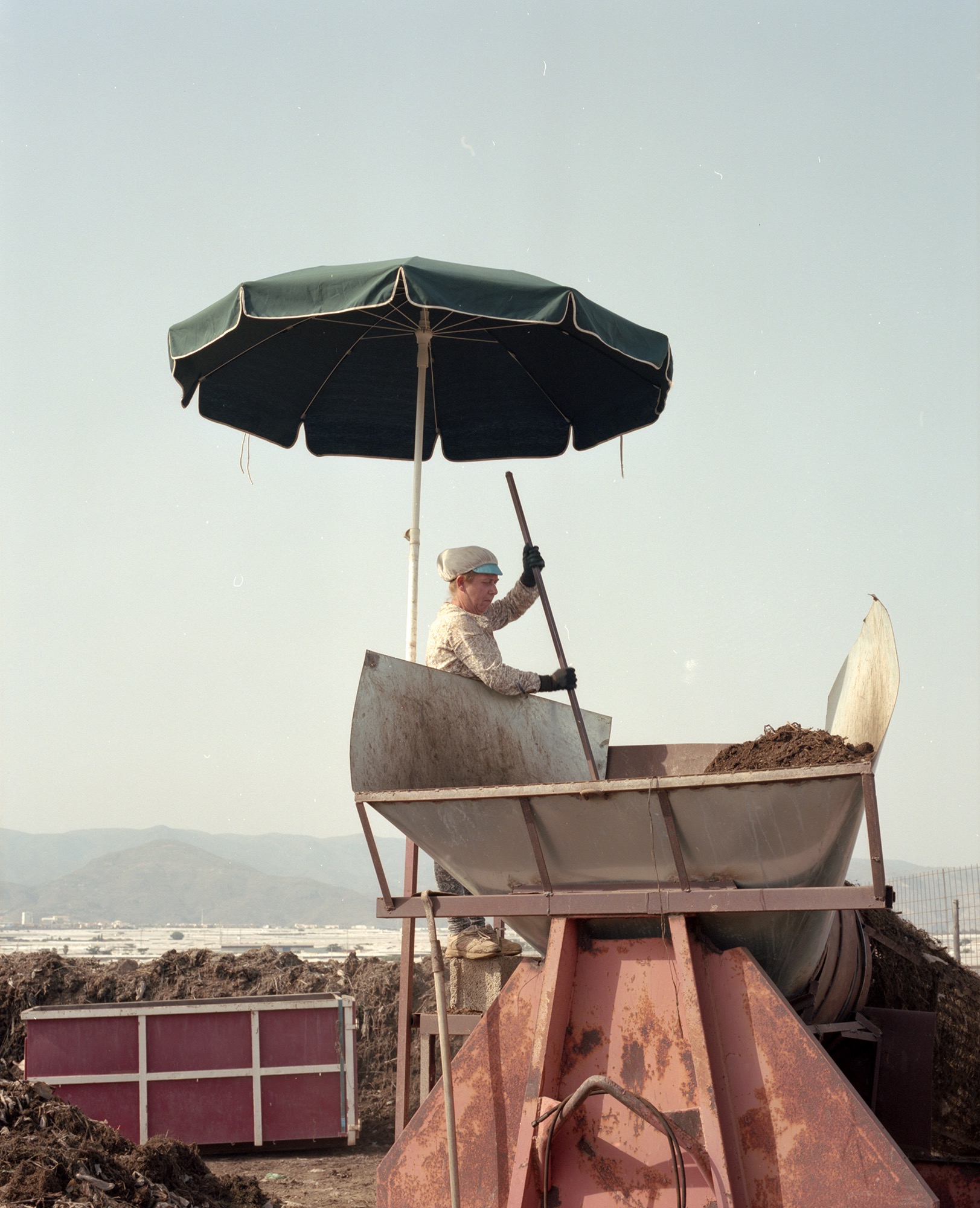
Over the ten days I spent in Almeria, I experienced an uneasy sense of isolation, a disconnect between the bustling tourist areas and the marginalisation permeating greenhouse life. Most locals and tourists were unaware of the appalling living and working conditions of migrants, many of whom travelled long distances in search of work only to be paid little money, if they were even paid at all.
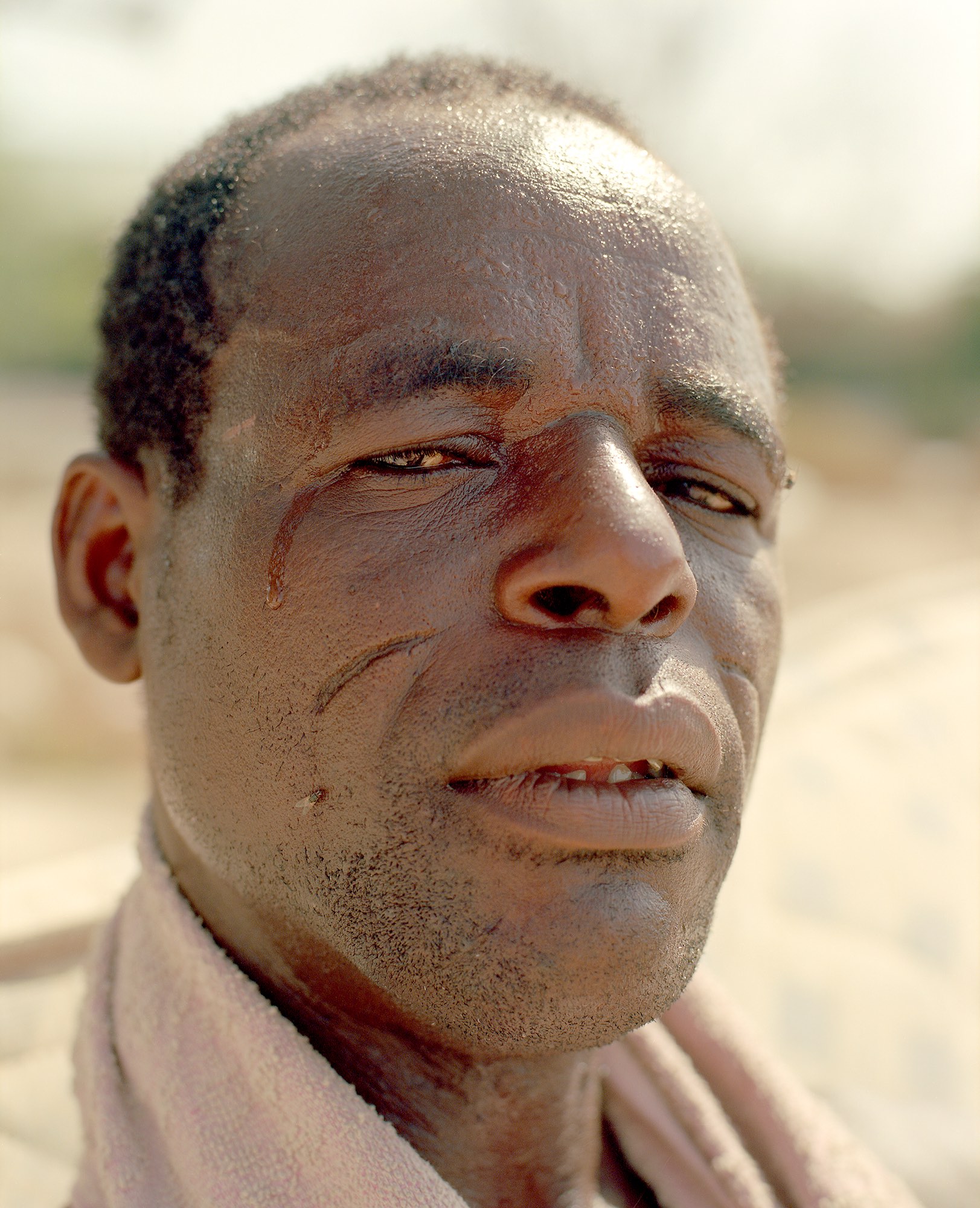
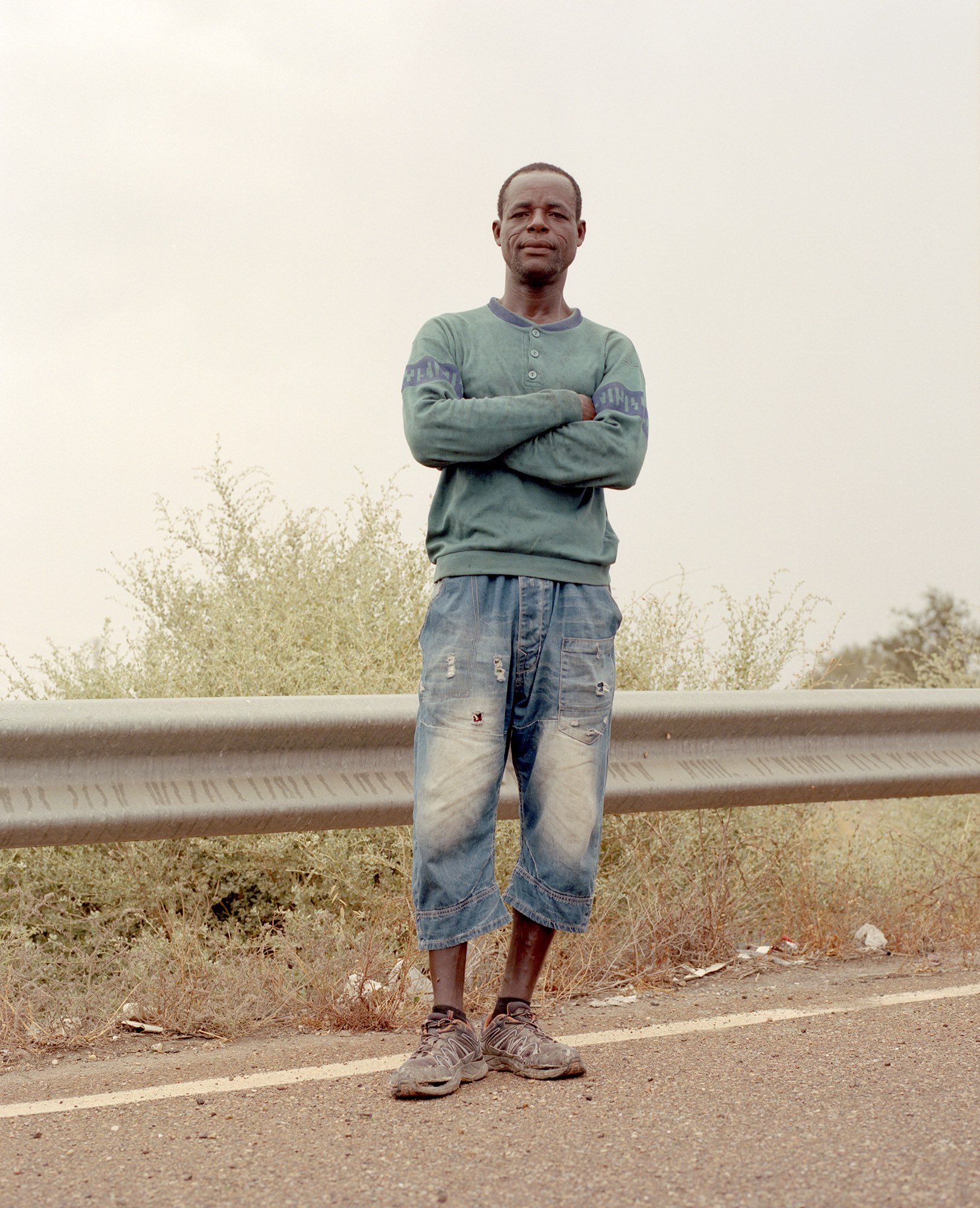
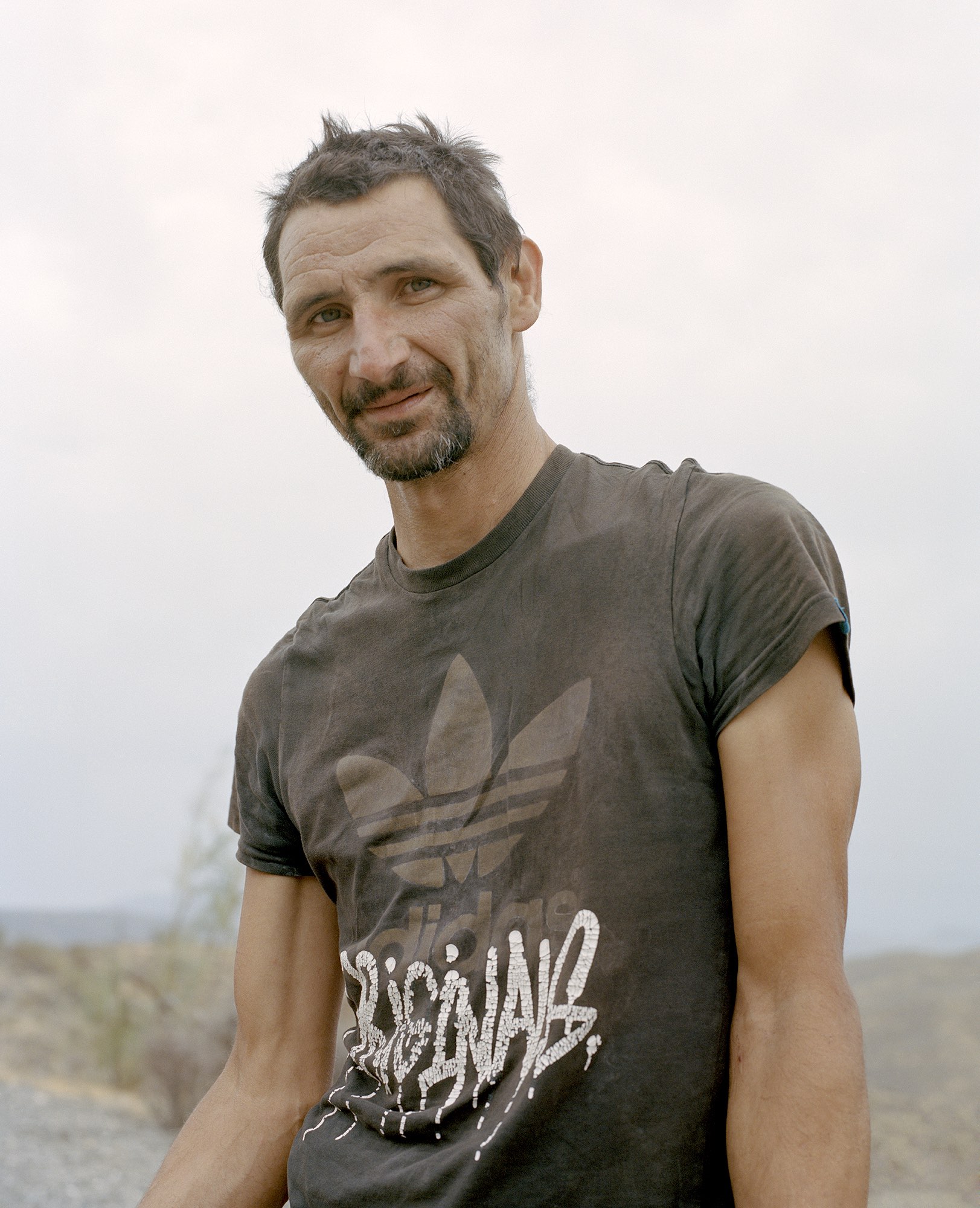
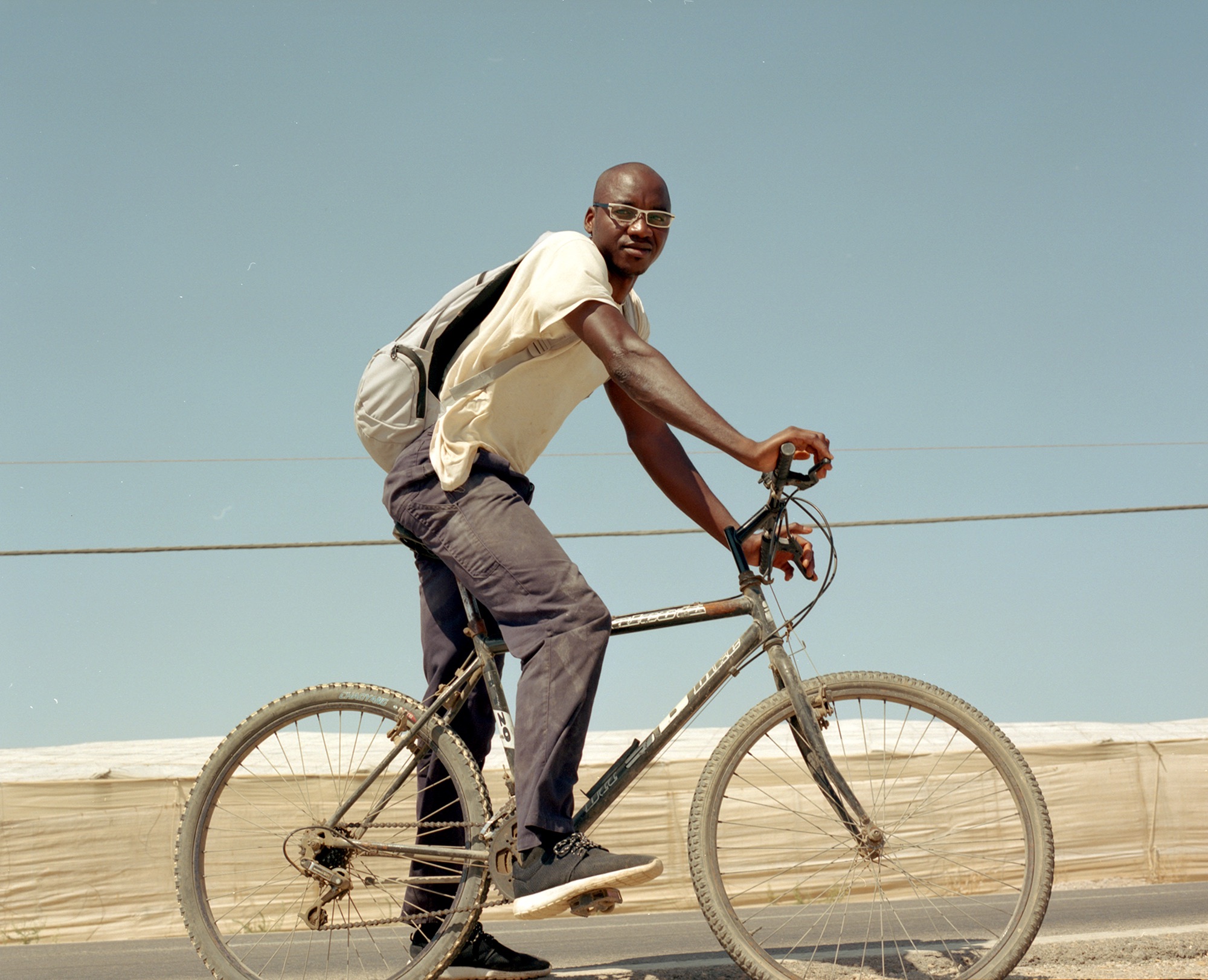
It wasn’t easy to get the workers, my subjects, to open up, and it’s not hard to see why. Some had come from Eastern Europe, Sub-Saharan Africa and Morocco, so there was a language barrier from the get go, but I found that people were reluctant to have their photograph taken too, almost as if they were afraid of being caught.
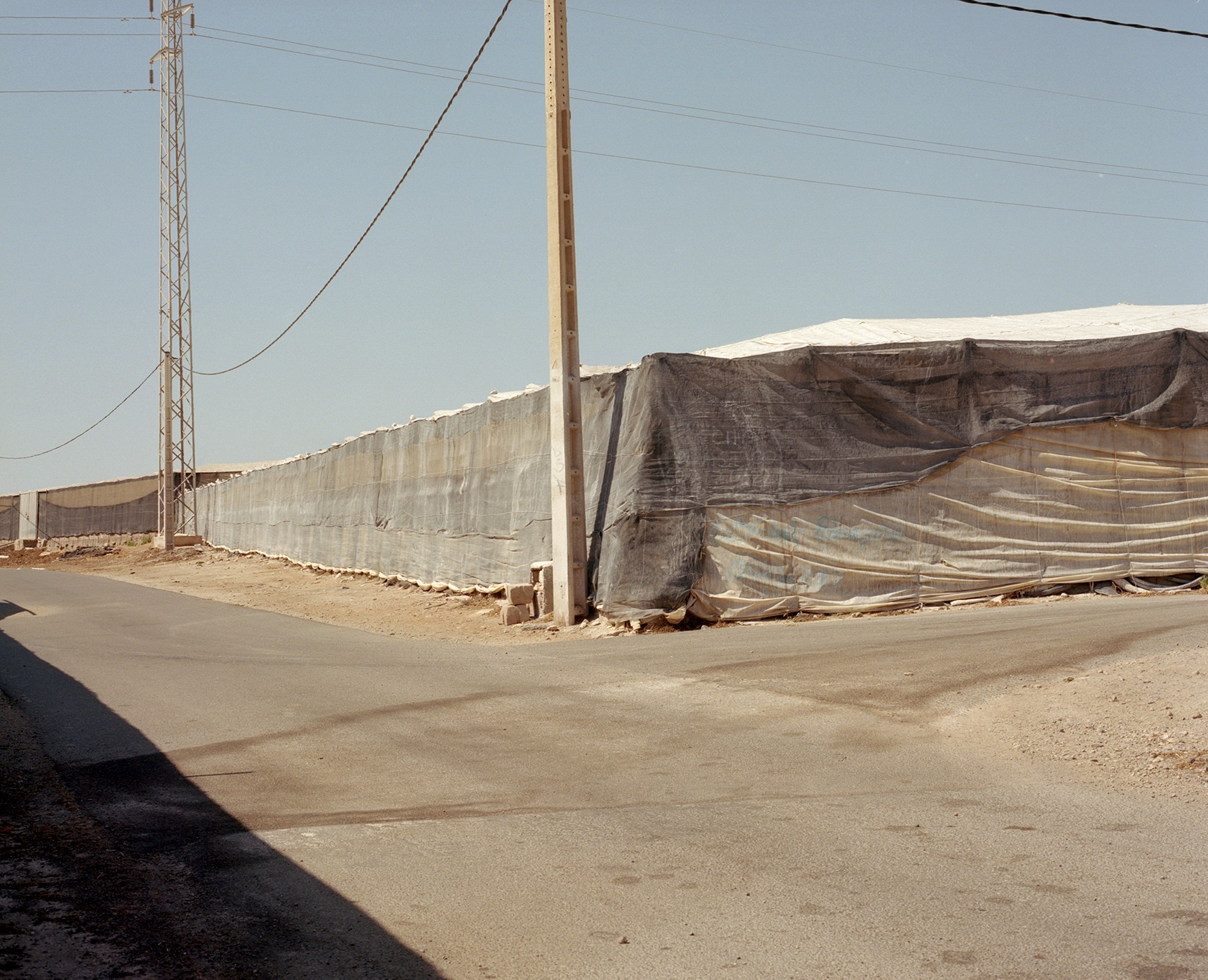
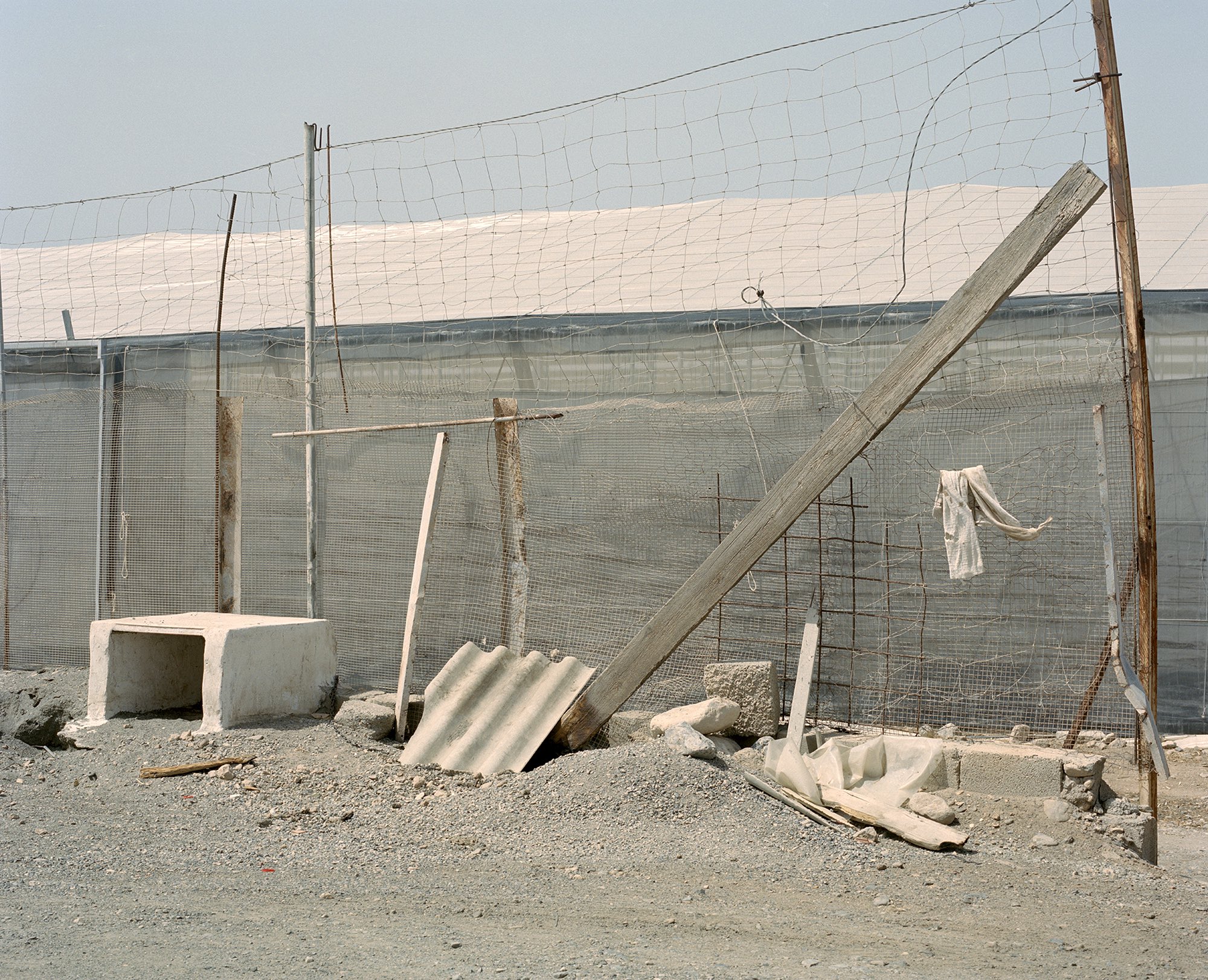
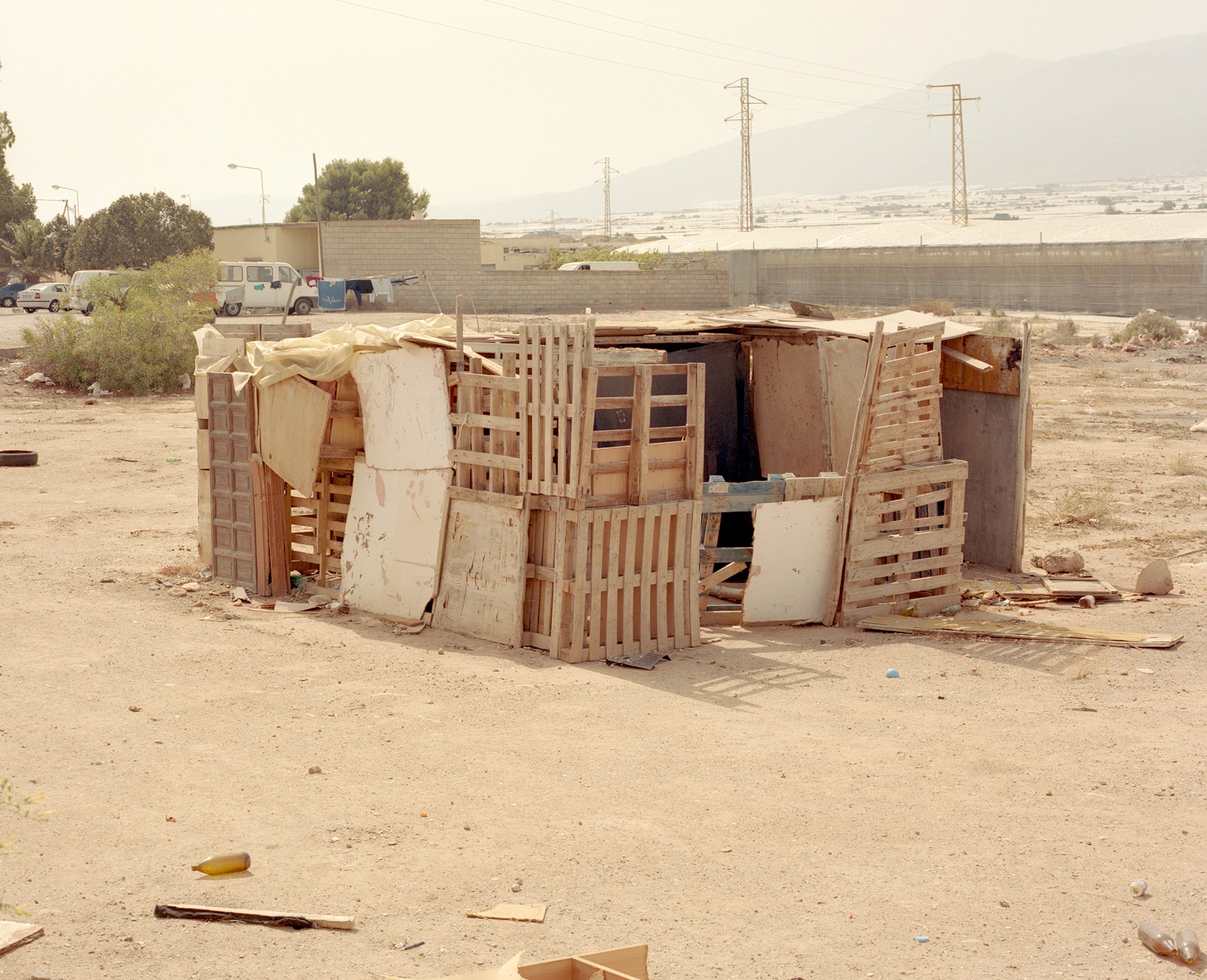
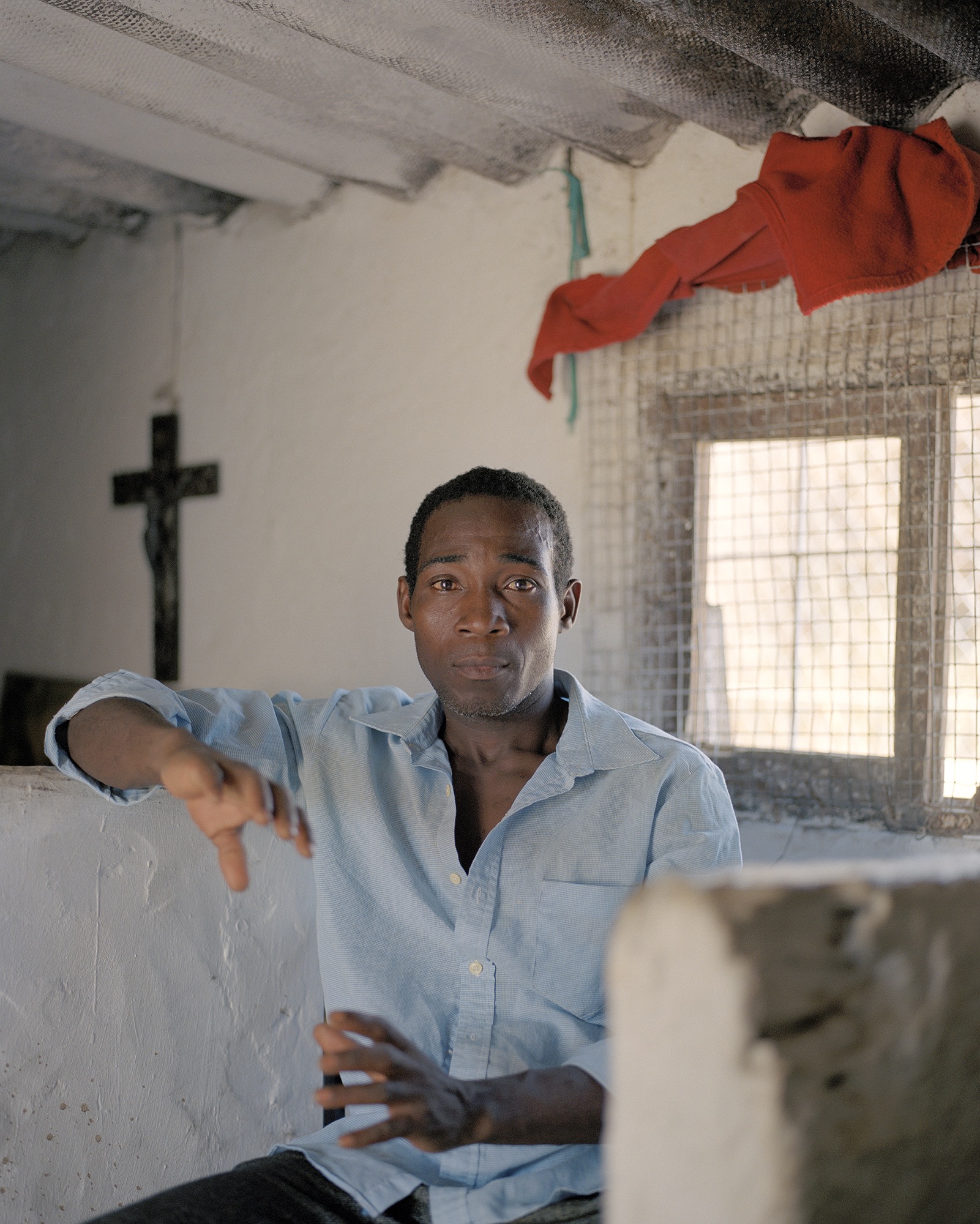
Only one guy who appears in the project welcomed me into his home. He had built a shack to live in, and was sending the money he earned over to his family in Ghana. He was the only one who really opened up to me, introducing me to others who also described the pain and toil of working for so little to support those back at home.
Back in the UK, we would never know this kind of exploitation was occurring. I think people need to know where their food is coming from- there is still so much to learn. Personally, I wouldn’t want the food I had in front of me to have been farmed by someone who lived in a house built from vegetable crates, earning so little for their labour.
Check out more of Matt’s work.
Enjoyed this article? Like Huck on Facebook or follow us on Twitter.
You might like

In photos: Black Texas life since emancipation
Kinship & Community — A new photobook and exhibition showcases the rich culture, history and community of African American folks in the Lone Star State, whose existence in the region predates colonial Britain.
Written by: Miss Rosen

Inside Parkuir: the art project queering sport, space and our bodies
Lie and play — Founded by Maria Laudes and Guiu Gimeno, it provides a framework for engaging, subverting, and celebrating the small details that make people unique – and queer.
Written by: Molly Lipson

Youthful joy & end-of-era poignancy at a London school prom
Leavers — For several years, Lewis Khan documented young people as they celebrated the last of their school days and the completion of their exams. The series is now collated in a new self-published photobook and short film.
Written by: Zoe Whitfield

Harry Gruyaert’s vintage, kaleidoscopic scenes of New York
A Sense of Place — For 50 years, the Belgian photographer and Magnum Photos member has been capturing NYC’s colourful chaos. A new photobook and exhibition showcase his unique, technicolour view of the city.
Written by: Miss Rosen

In the pit at one of the UK’s last stock car & banger speedways
Stock Car Racing Isn’t Dead — Photographer Liam McCarthy spent time in and around the Arlington Raceway’s circuit, capturing the diehard community that keeps the sport alive.
Written by: Isaac Muk

Inside Lower Duck Pond, the nicest town on the internet
/r/HaveWeMet — With a population of 2,500 and no fixed location, the subreddit is a space for roleplaying citizens to solve mysteries, host fictional events and ultimately connect. In an internet that’s often divided and toxic, Vicky Jessop hangs out in one of its most wholesome corners.
Written by: Vicky Jessop


