The Travel Diary: Dreamy days in Bangladesh
- Text by Conor Rollins
- Photography by Conor Rollins

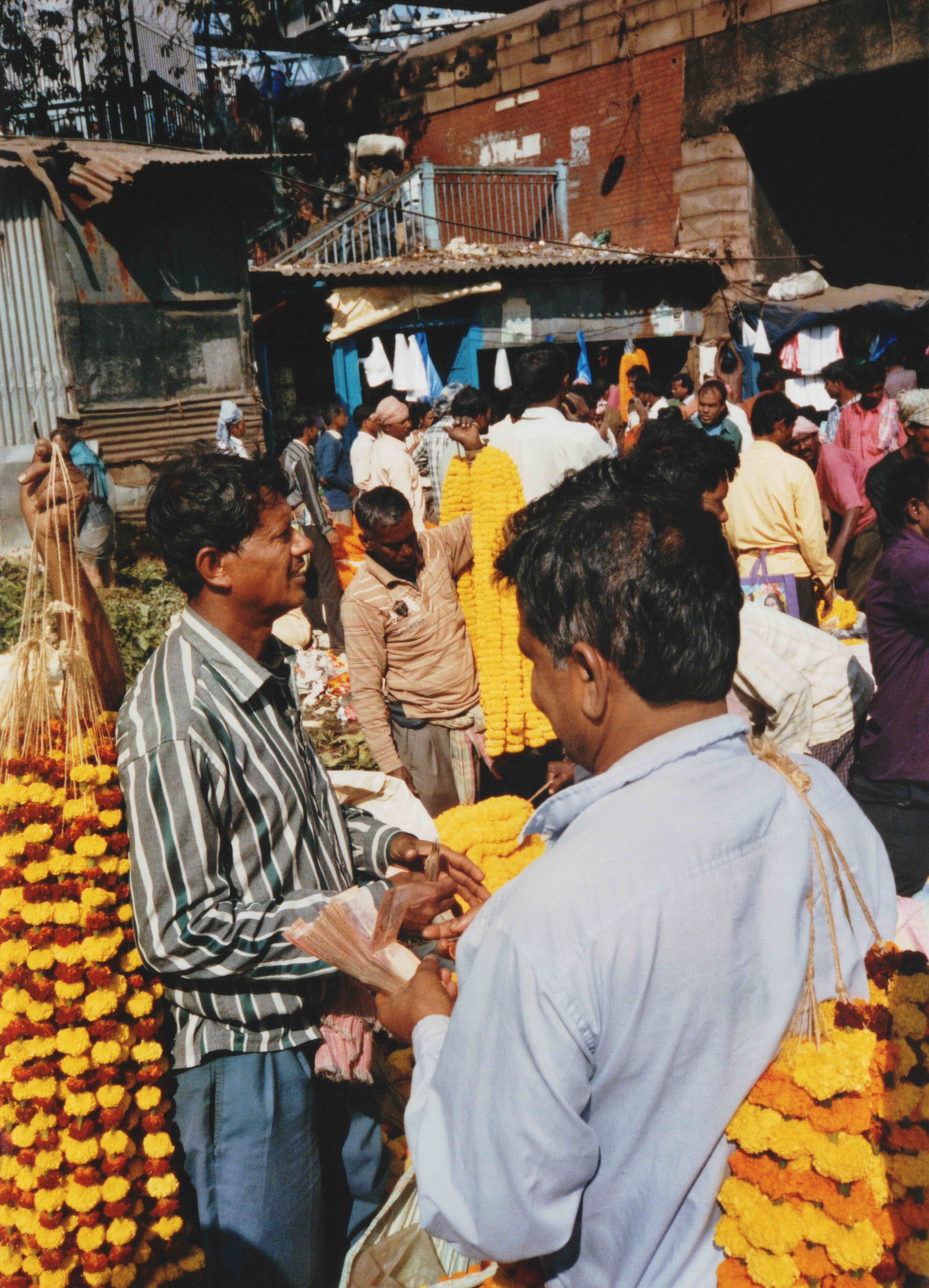
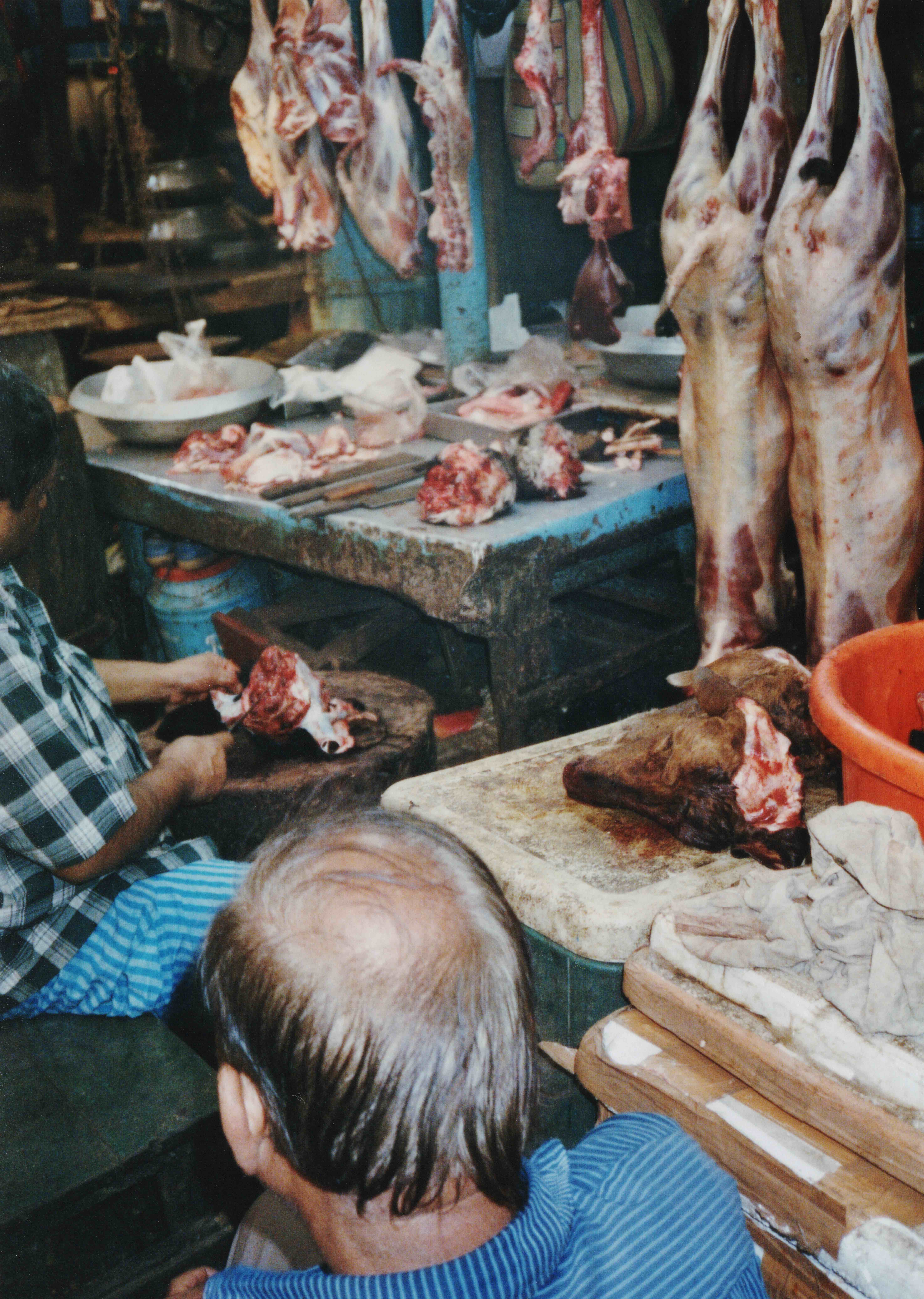
Arriving in Asia for the first time is like a loud punch to the face. Your senses are disoriented, and once you step into a taxi your adrenaline is flowing. You quickly establish that whoever is fastest and loudest wins. It’s like Battle Royale – but instead of kids in school uniforms, it’s Indian men in yellow cars.
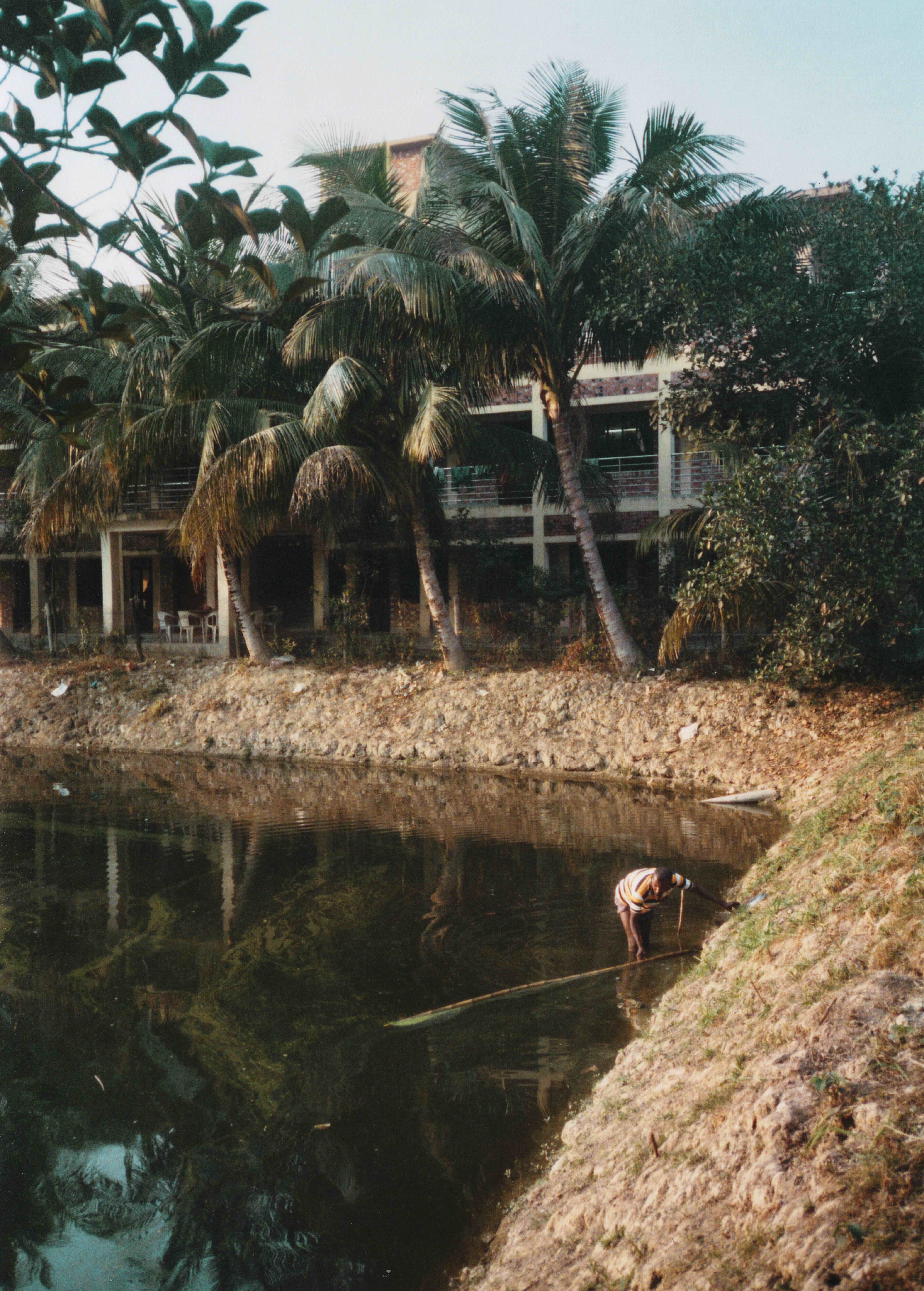
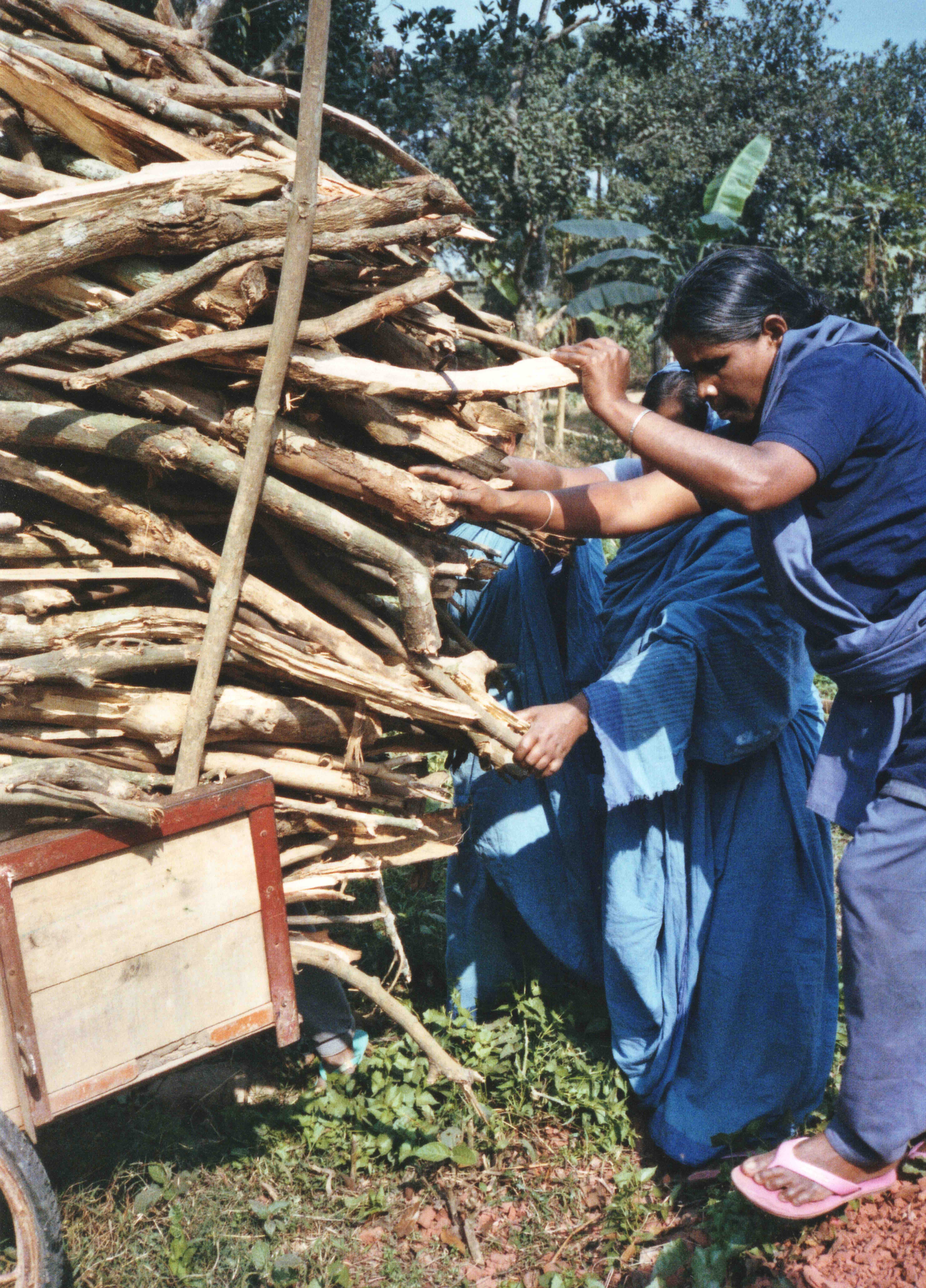
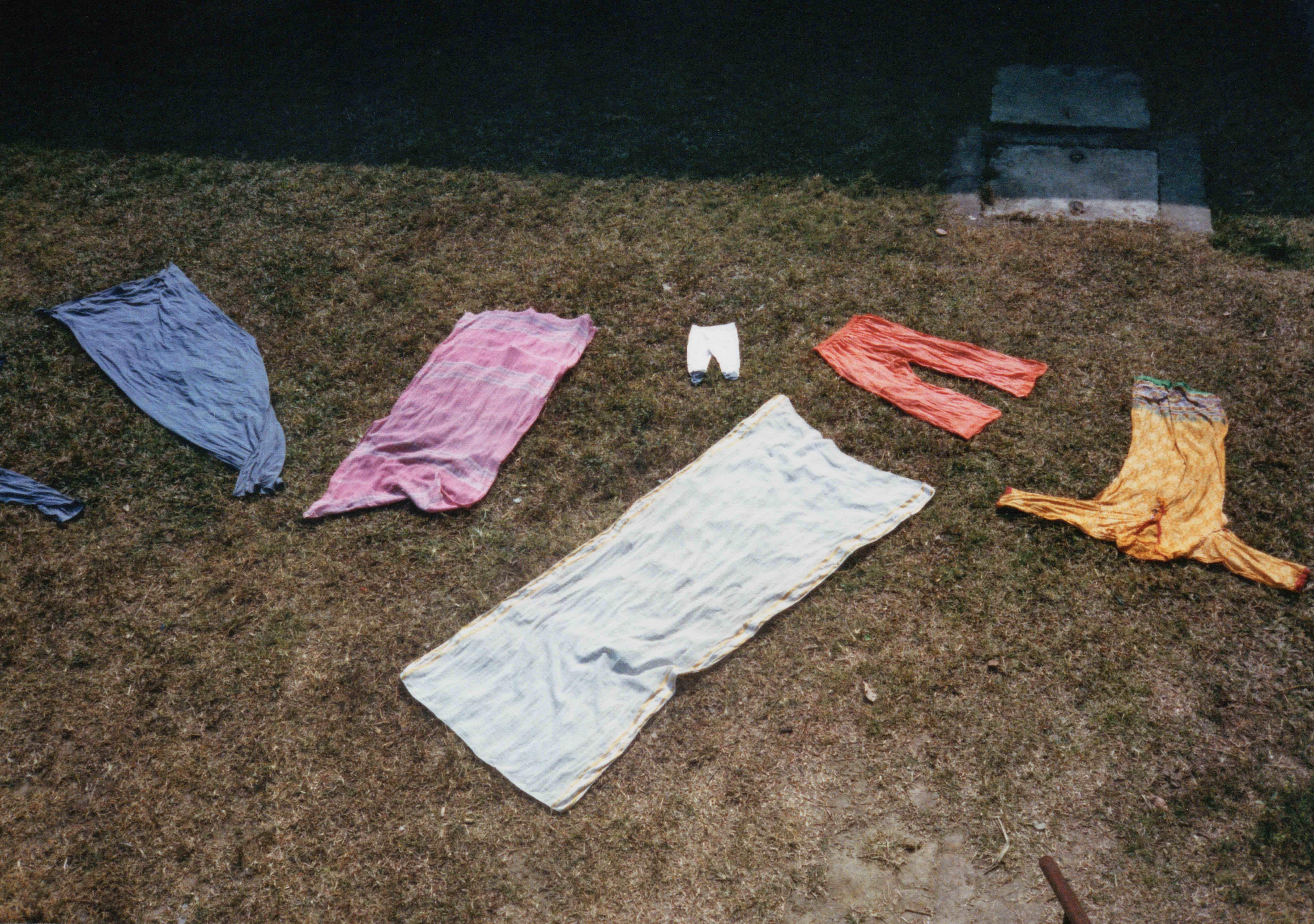
After travelling through Kolkata and Kharagpur for a few days, I headed to my real destination of Bangladesh. I was going to Sreepur, an NGO run project, that for the last 27 years has helped destitute woman and children of the country. It provides them with accommodation, nutrition, healthcare and the opportunity to learn new skills to be able to find a job and become self-sufficient.

While there, I met with Pat Kerr – a woman who in 1981 took unpaid leave to volunteer and subsequently dedicate her life to live and work at Sreepur. Over the next few days, I found her to be somewhat of an enigma. My thoughts of her would change with each conversation. The only thing she ever made clear was her determination to not leave the project.
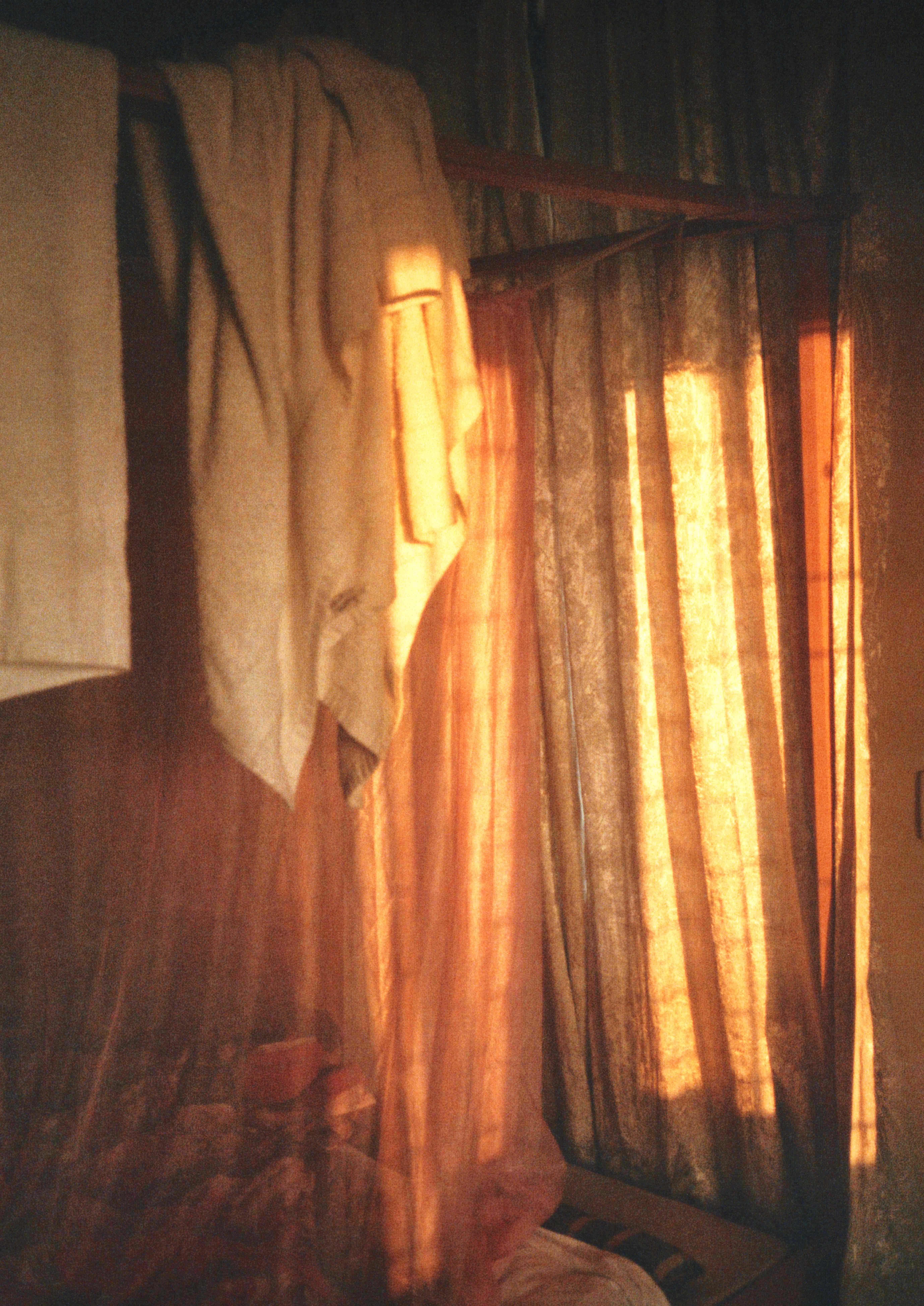
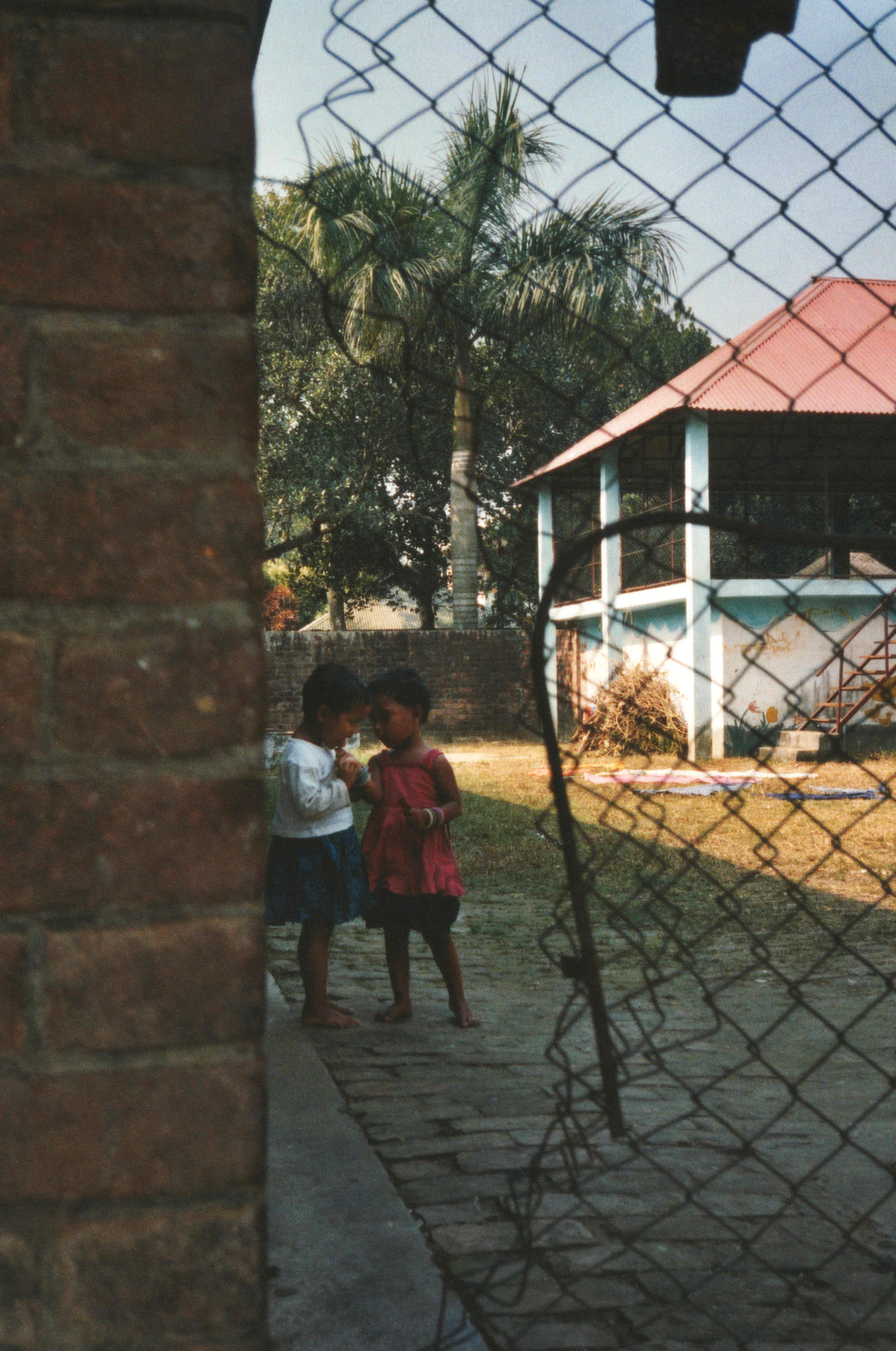
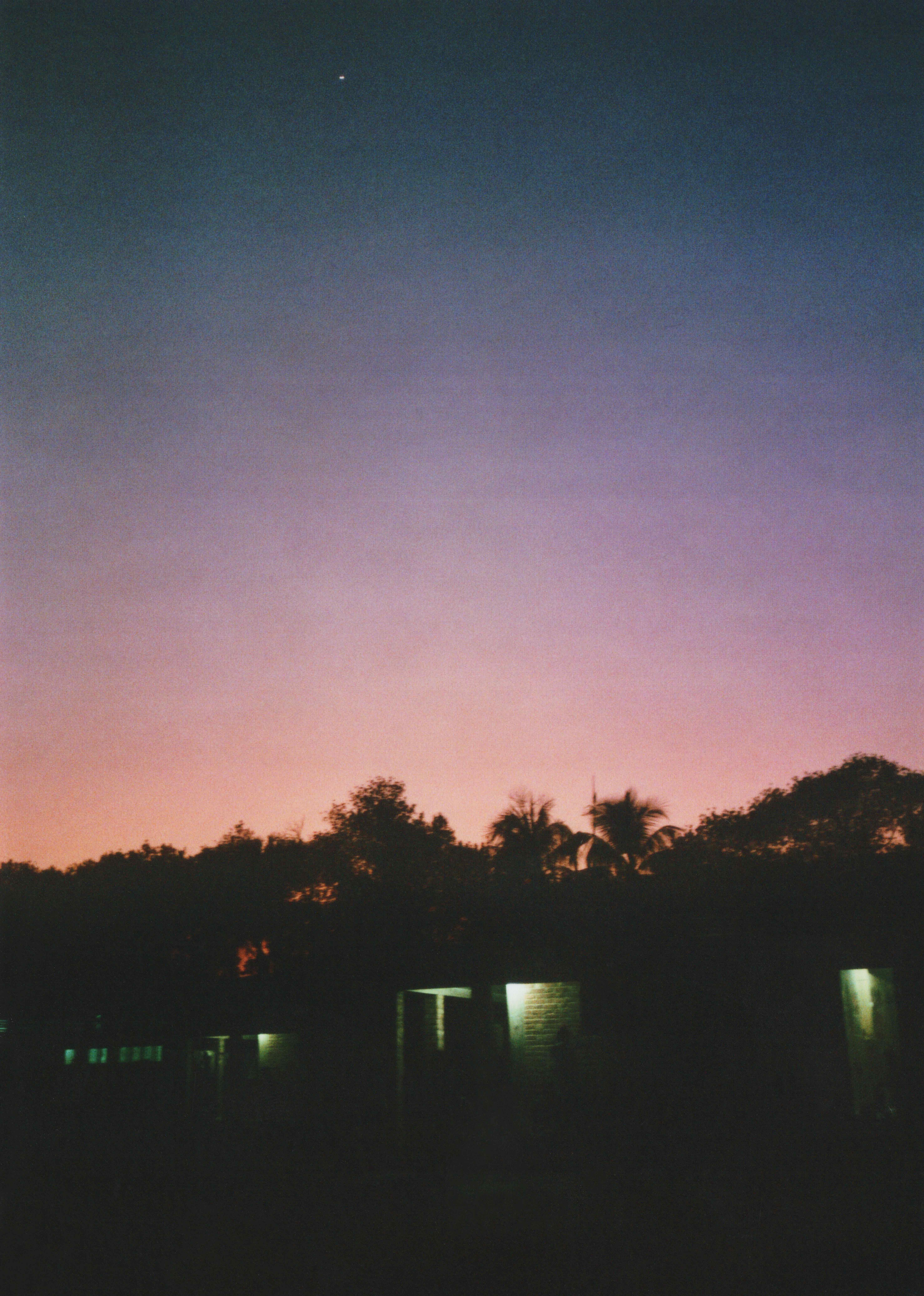
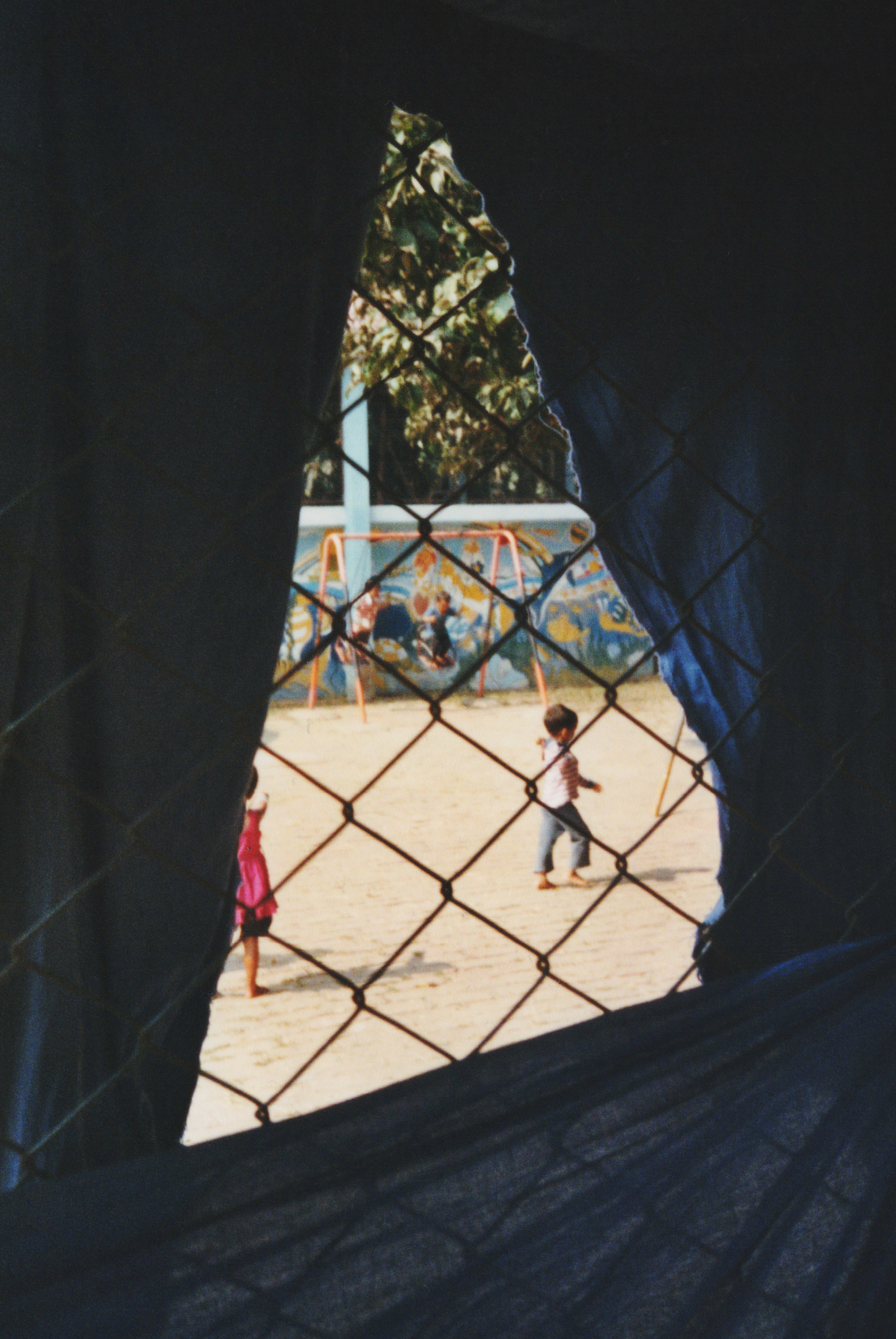
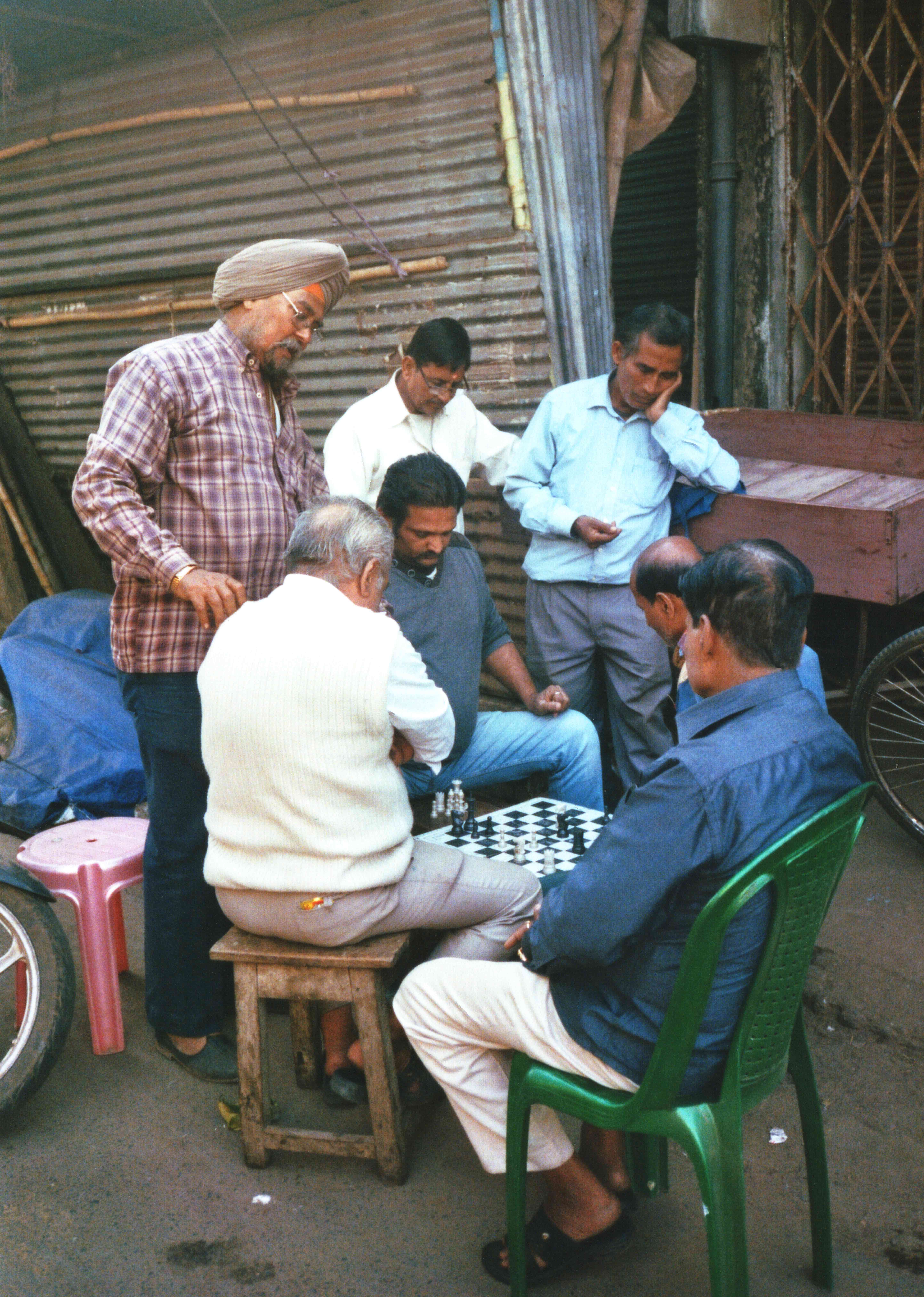
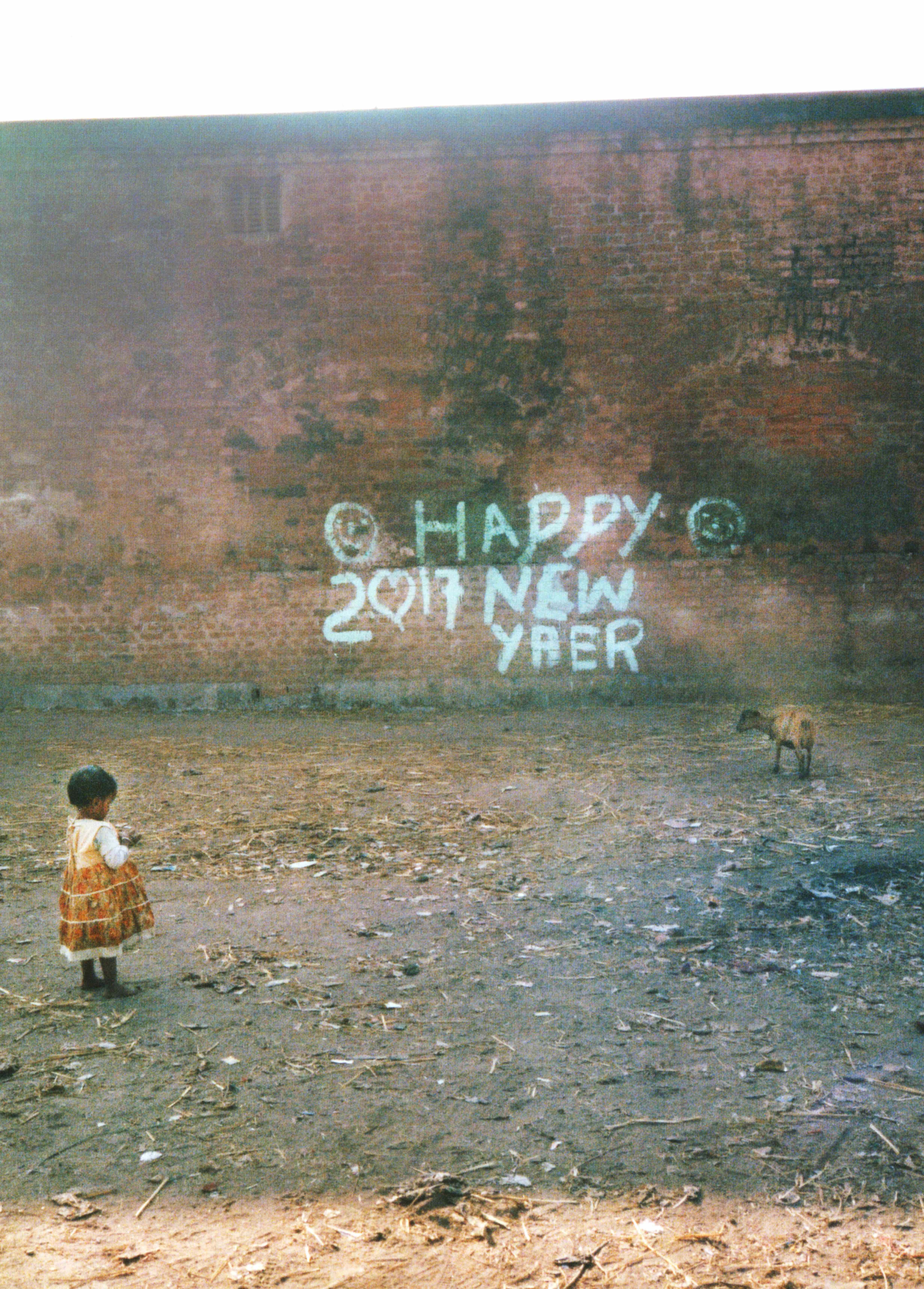
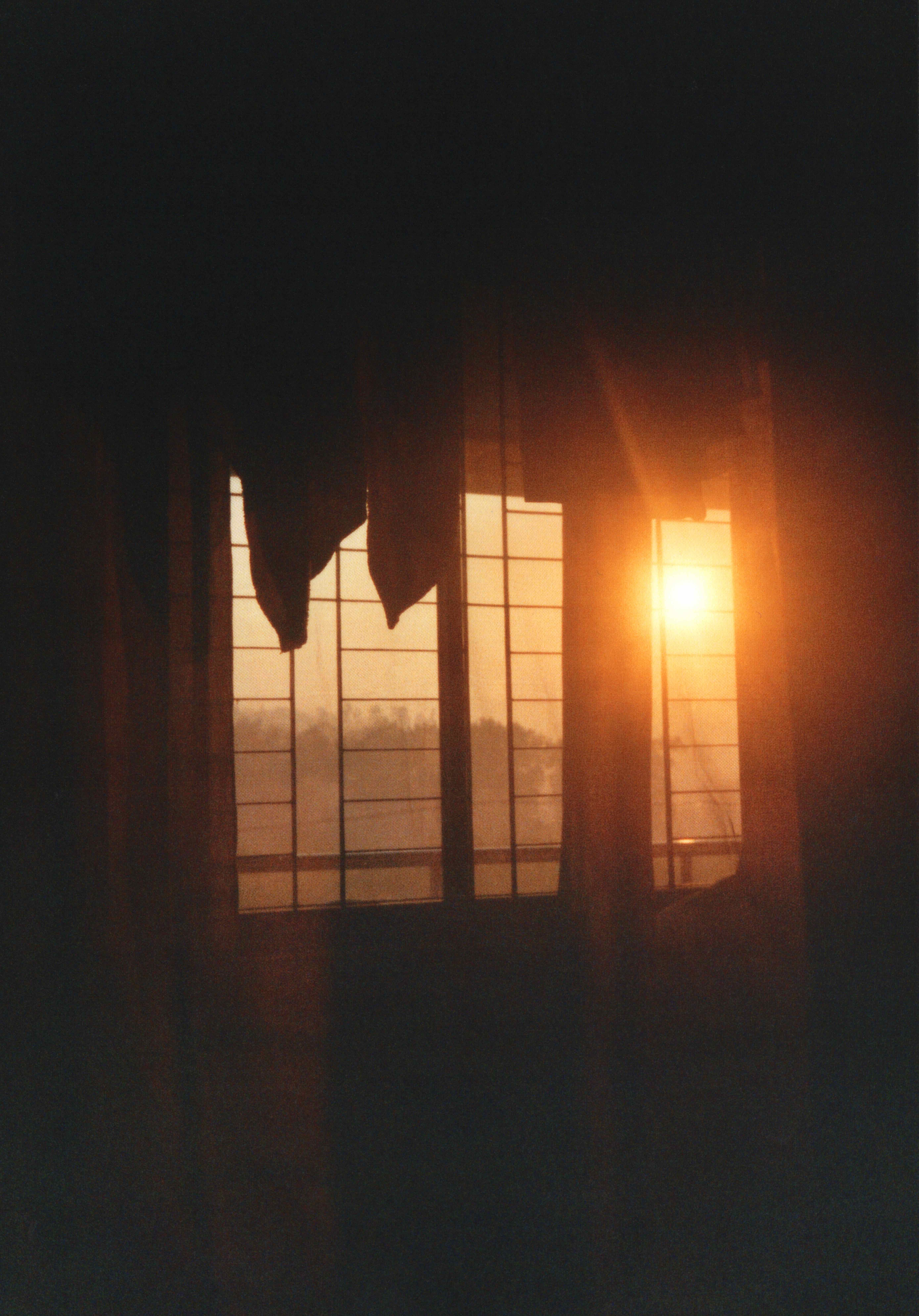
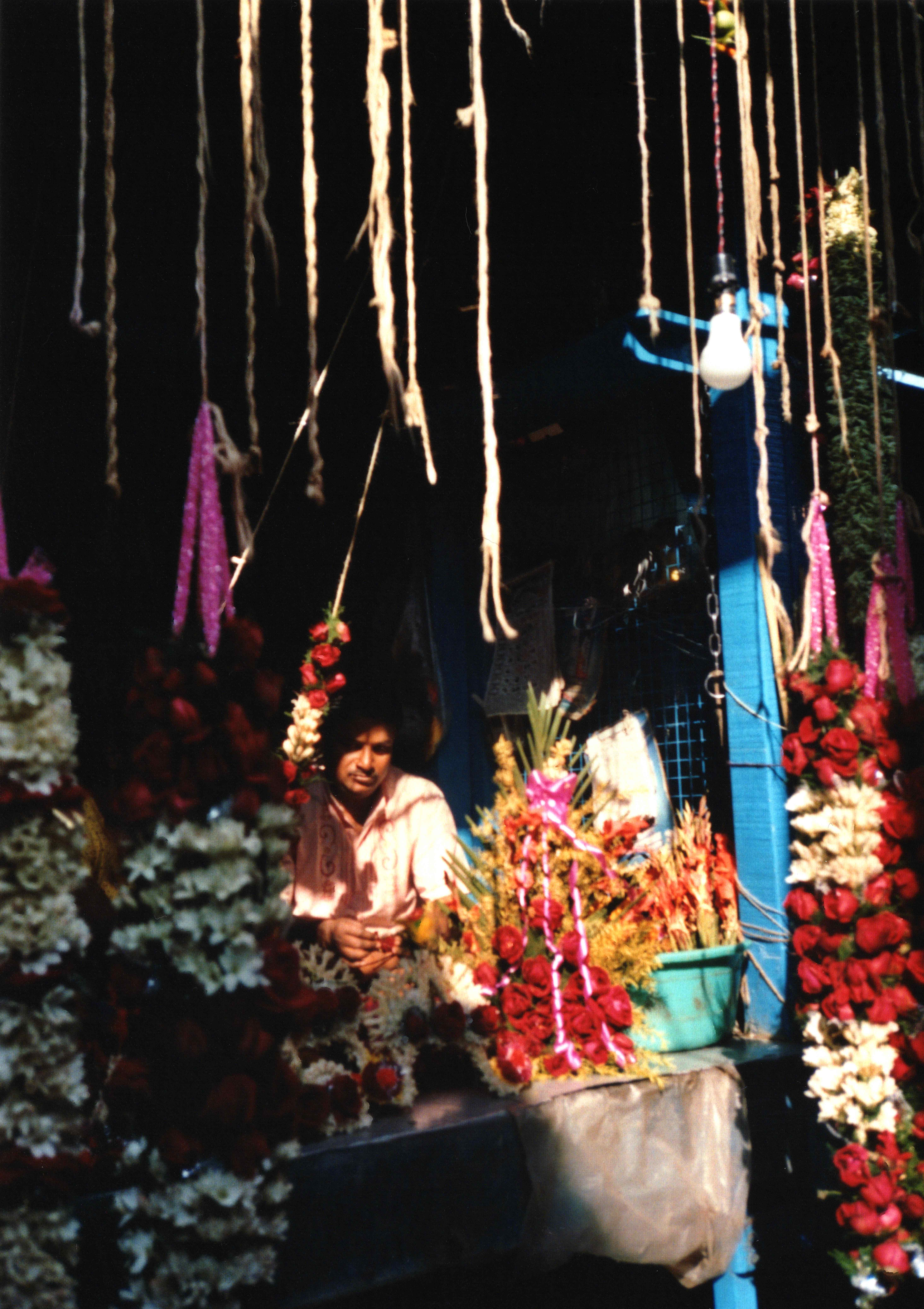
Over the next few days, I became accustomed to the way of life and the people that lived there. I used the camera to interact when language would fail, I woke at 4 am to hear the distant chants of morning prayers, and became entranced by the morning and evening light. It was a deeply calming and tranquil place that at times could erupt with 10 kids jumping on you and not understanding why they couldn’t see the photo after I’d taken it on my film camera.
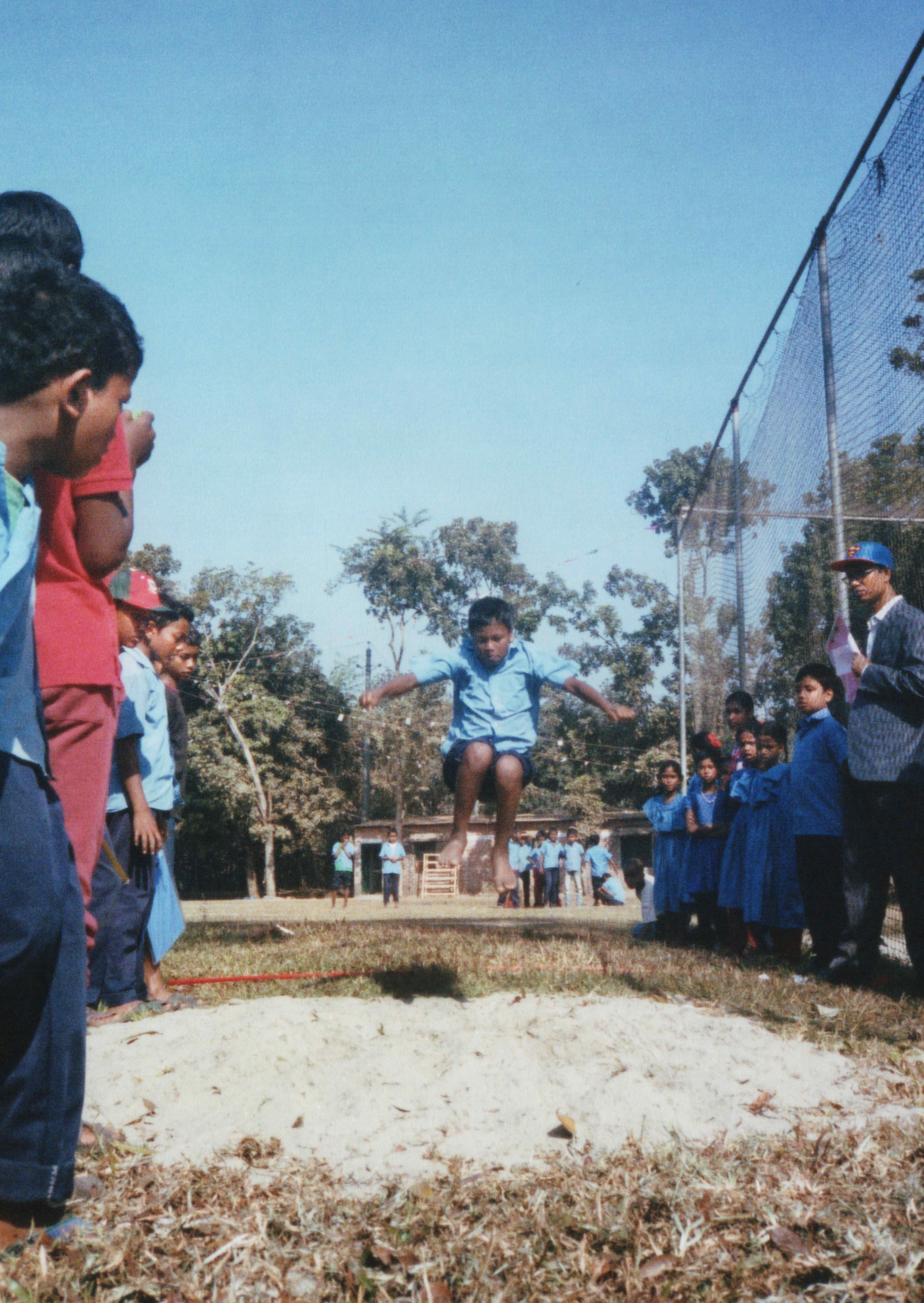
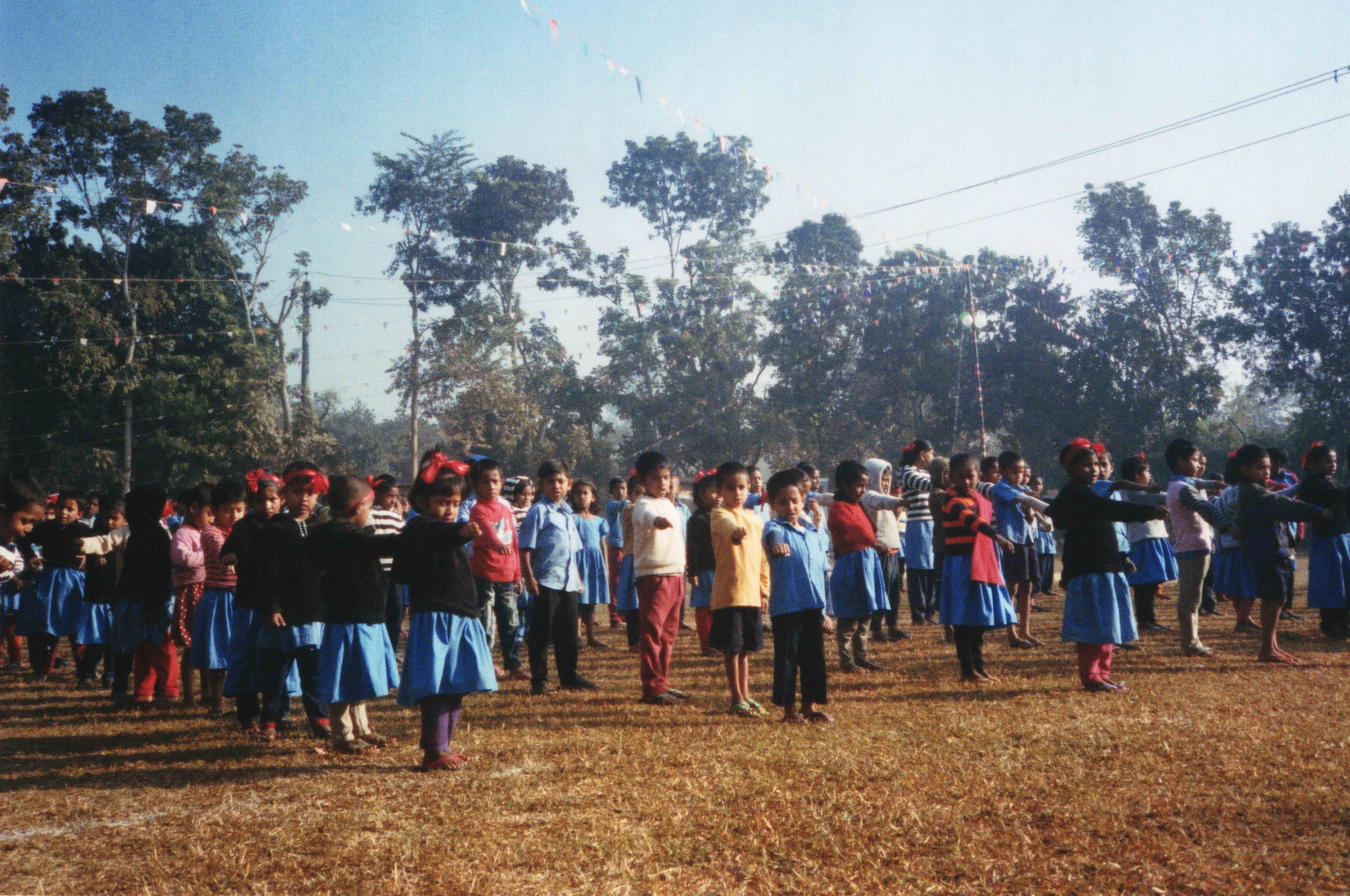
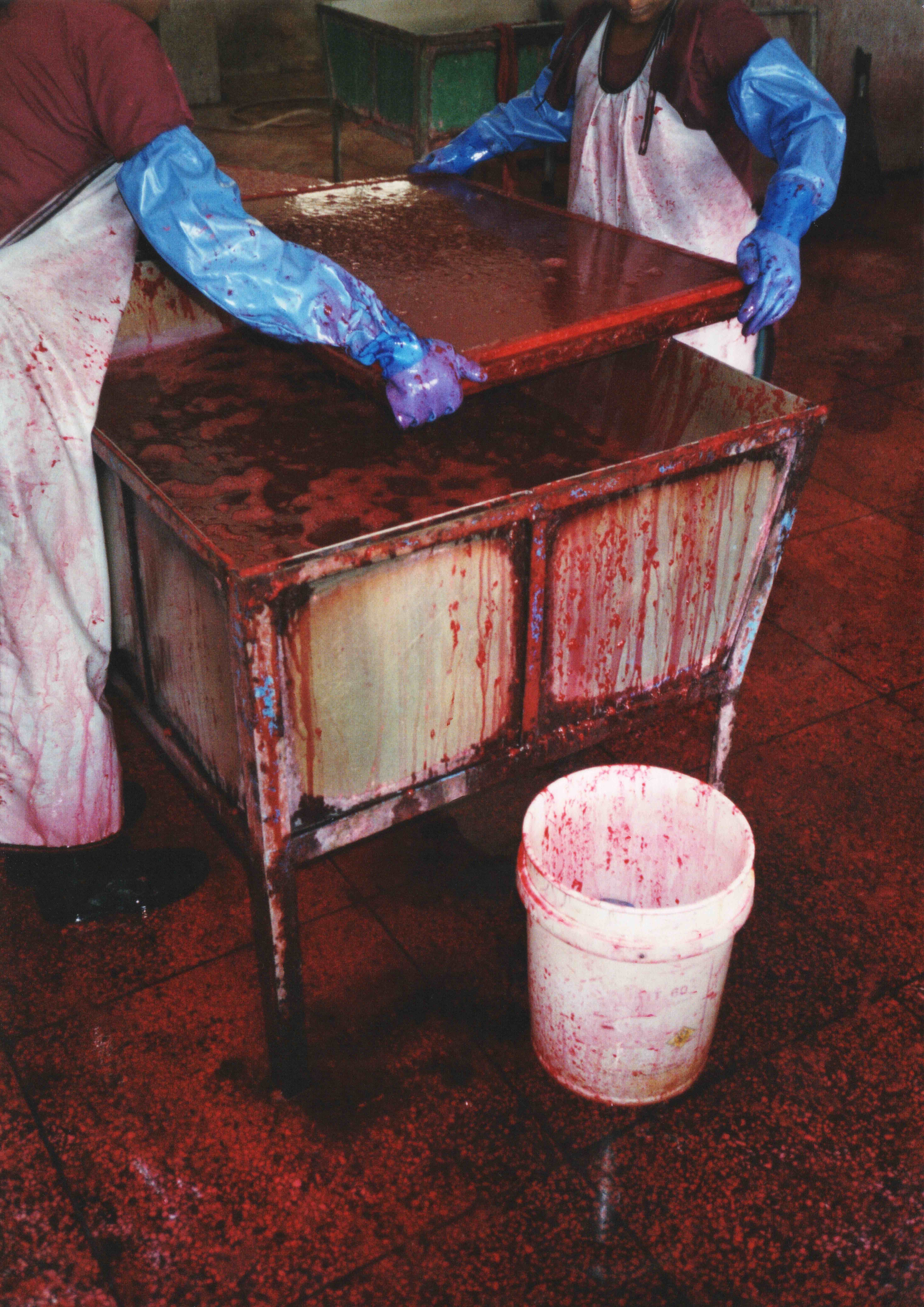
My last day that I spent there was a sports day. The games were unusual and so were the prizes. The boys ran with their hands tied behind their back and rummaged for toys in a huge pile of flour. The girls, on the other hand, dealt with sewing needles. Running to the “thread point”, the winner was the first one to thread their needle (no kids were injured during the games, it’s worth mentioning).
The excitement, fun and dedication to create this sports festival from each and every one of them, really summed up what it was like there. I feel humbled to have briefly been a part of their community.
See more of Conor Rollins’ work on his official website.
Enjoyed this article? Like Huck on Facebook or follow us on Twitter.
You might like

Jesse Glazzard’s messy portrait of queer friends, lovers and chosen family
The Sound of Dirt and Beauty — The photographer’s debut monograph explores tender, unpolished moments shaped by the people who he surrounds himself with, while offering a window into the UK’s working-class LGBTQ+ community.
Written by: Sunny Sunday

Behind the curtain at Alternative Miss World 1981
Olympia glamour — Running a subversive take on the traditional beauty pageant, the Andrew Logan organised event prioritised underground creativity and invention. Photographer David Corio went behind the scenes at its biggest edition.
Written by: Miss Rosen

New exhibition highlights British radical living over 200 years
Earthly Paradise — Taking place at the William Morris Gallery, it explores the homes and lives of artists, writers, musicians and more, as well as the conditions that allowed them to thrive.
Written by: Isaac Muk

What life on the Strait of Hormuz is really like
Southern Winds — Bandar Abbas based photographer Morteza Niknahad has been capturing the diverse communities and stories of his local region since he first picked up a camera. His new series highlights the human impact of war.
Written by: Isaac Muk

Nick Haymes’s intimate portrait of his family’s life
Chronograph — Over 25 years, the photographer documented his son’s lives as they grew into adults. The resulting photobook is an exploration of the passage of time, as well as the optimism of youth.
Written by: Miss Rosen

Kristina Rozhkova’s scatty, confronting portrait of captivity
Gut Feeling — The Russian artist’s 2024 arrest and subsequent detention opened her eye towards the omnipresent dynamics of power and control. Her new photobook is a stark exploration of being trapped.
Written by: Isaac Muk


