The Travel Diary: Discovering Dubai's hidden beauty
- Text by Sebastian Gansrigler
- Photography by Sebastian Gansrigler

Selfie obsessed tourists dance in front of Burj Khalifa, camel traders ride through hot sand storms, oil thieves stalk lifelessly through the shopping palaces. The Sheikhs bask in their power. Burkas move elegantly in the desert wind.
Dubai is the ultimate playground of excess, a land of the endless riches, greed and gluttony. Artificial, but not artistic, and built out of nothing. A construct of a luxurious sand metropolis, Dubai is almost a mistake of nature, excessive material fatigue, a contrasting fascination.
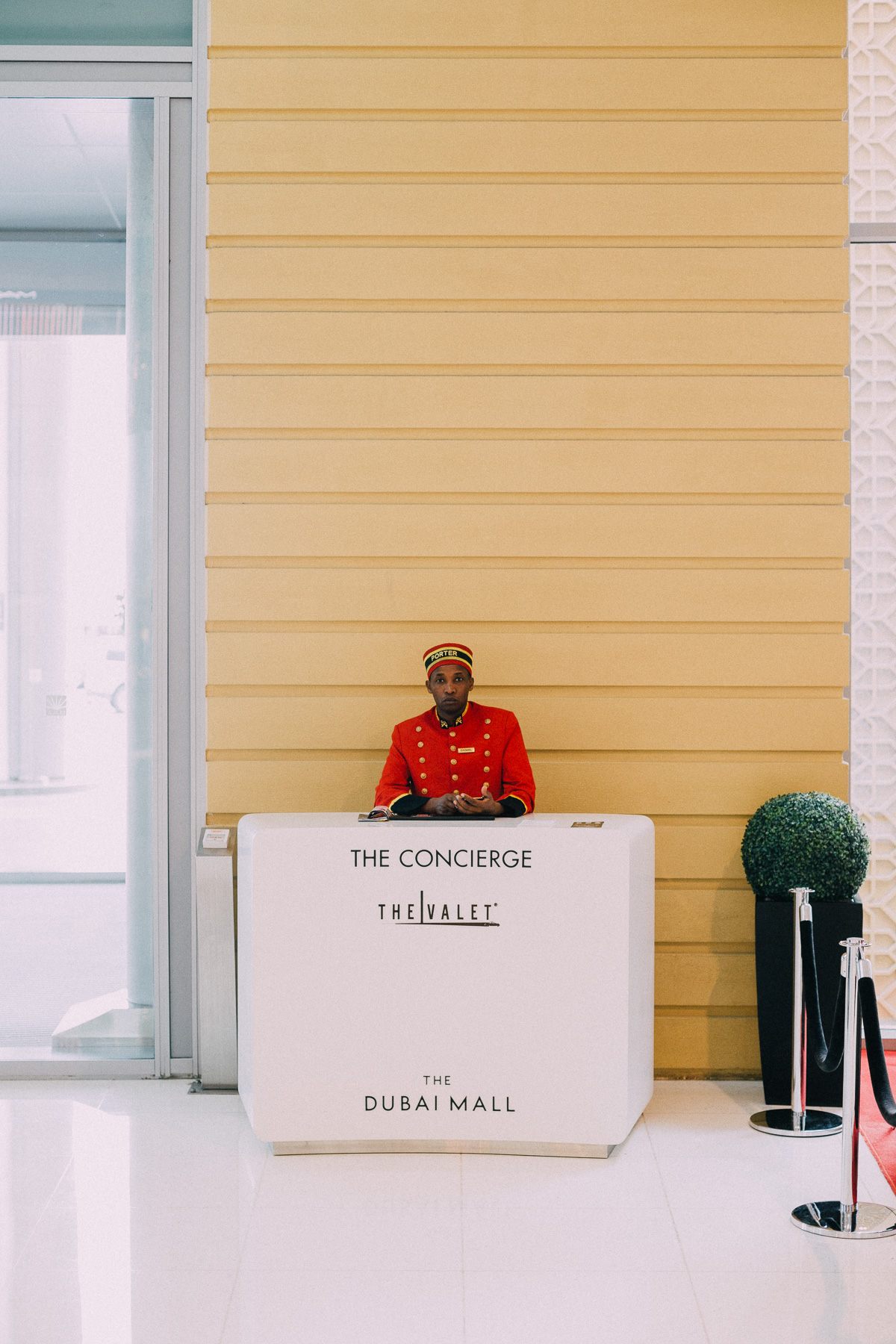
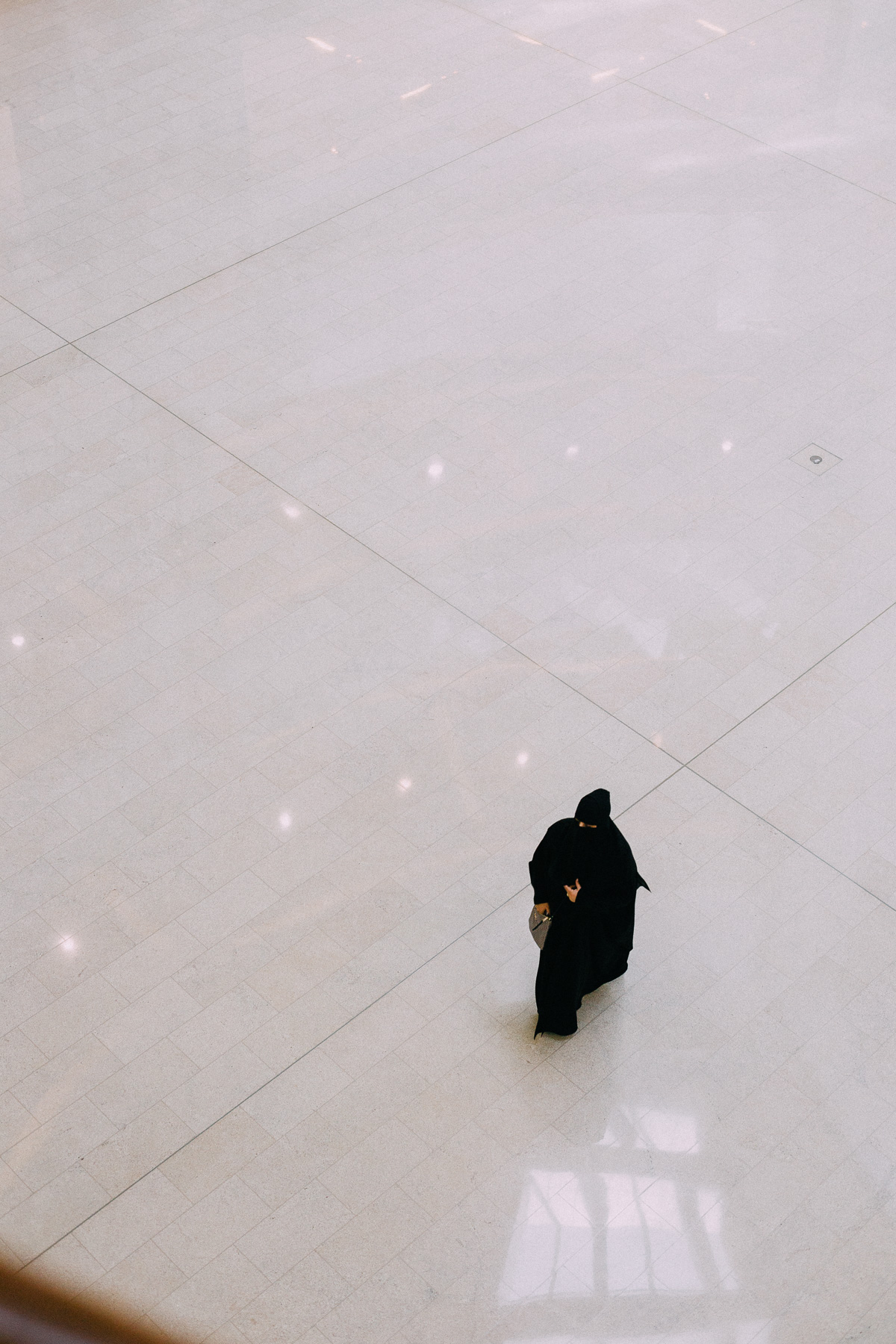
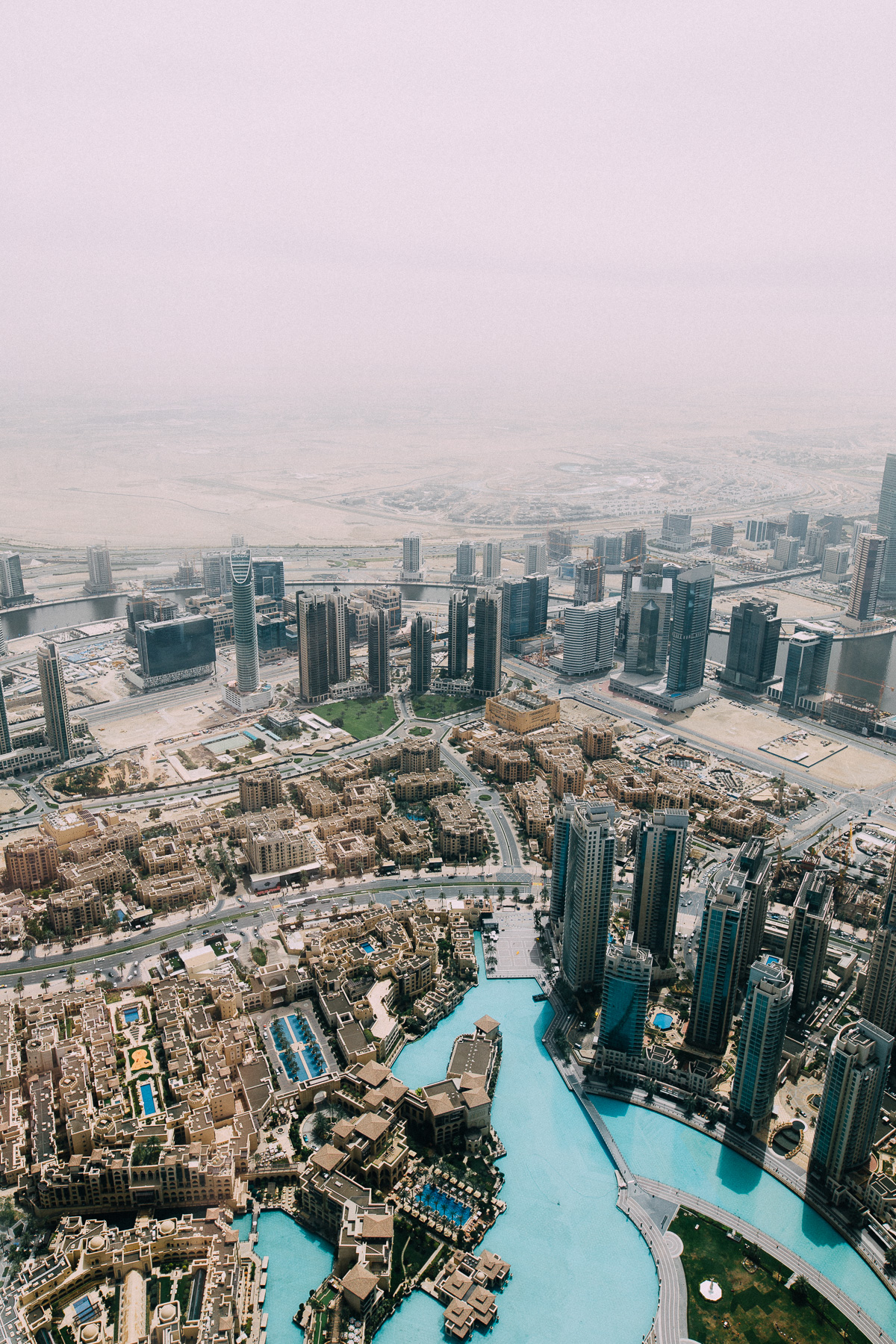
Its modernisation in the second half of the 20th century has helped Dubai to position itself as one of the fastest growing cities in the world. It is said that up to 20% of the cranes in the world were once in the city. Today she has 2.7 million inhabitants, and Dubai has no shame in its ambition, its obsession even, with creating the largest and most luxurious artificial structures on earth.
In 1990 there was only one skyscraper in Dubai, now there are over 400. The Burj Khalifa is the tallest building in the world, with 163 floors standing proud at 828 metres. Measuring up at 1.1 million square metres, the Dubai Mall is the largest shopping centre in the world. The Dubai Metro is the longest automated metro network in the world. At the same time, Dubai is one of the safest places – the crime rate is virtually zero in the entire city.
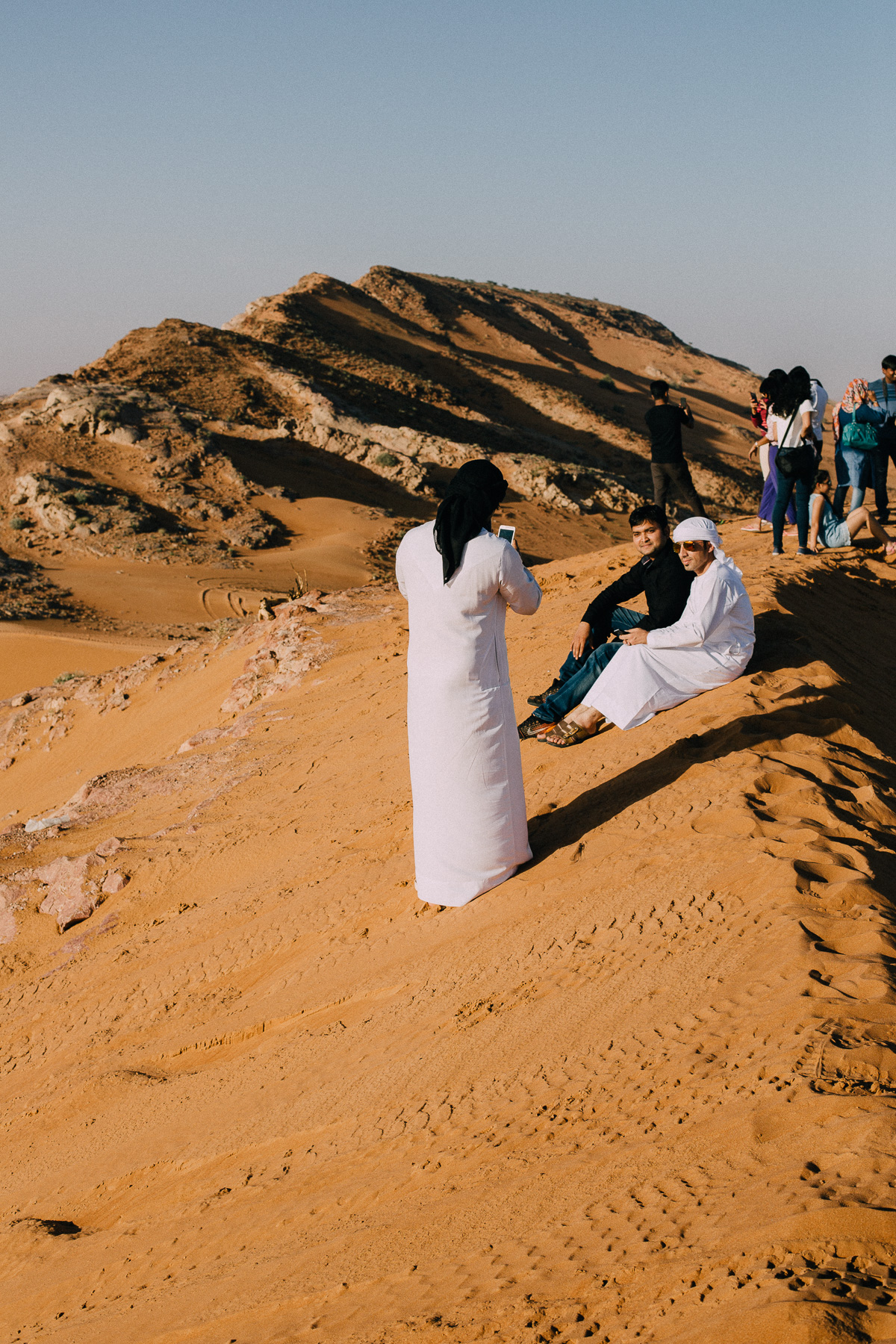
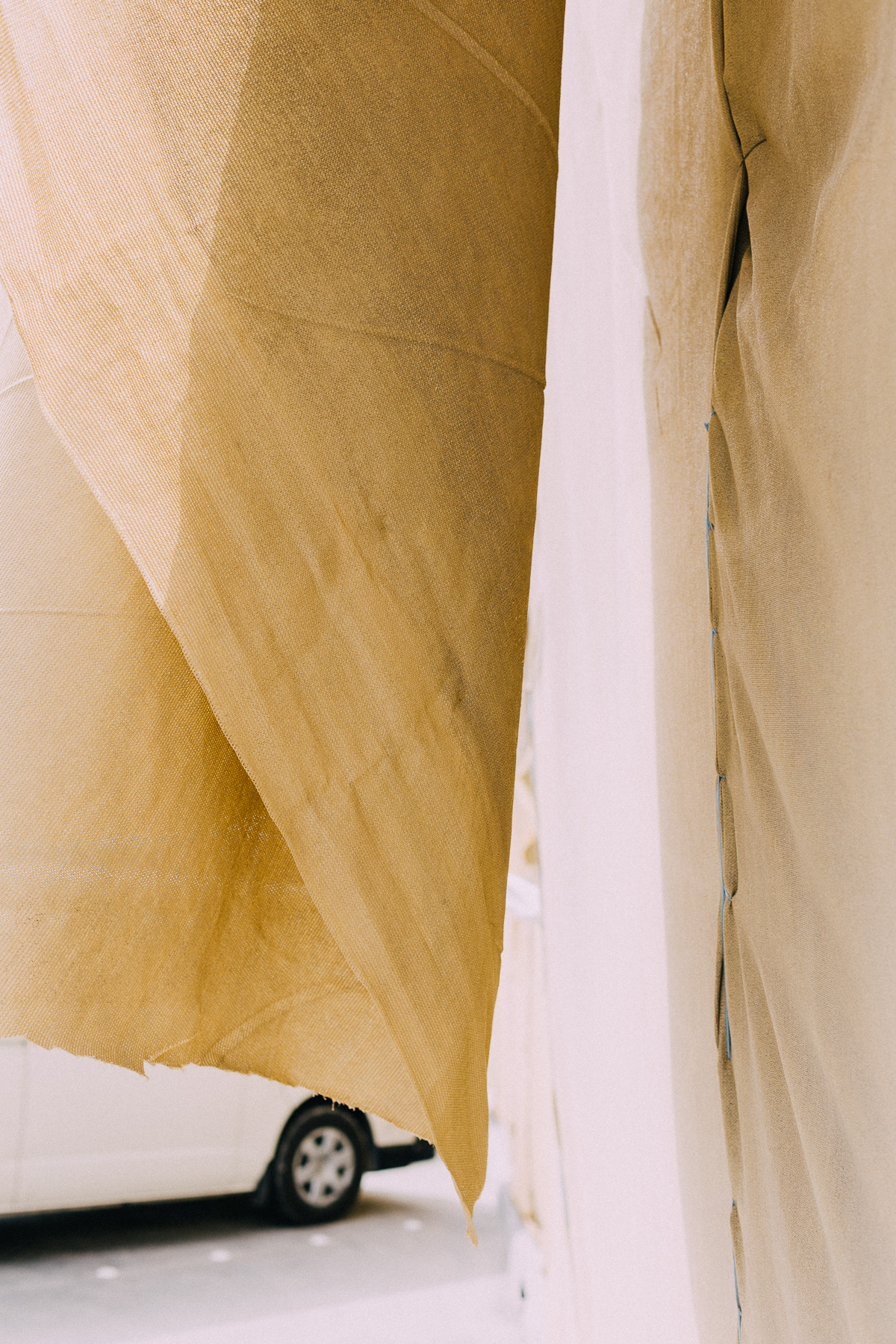
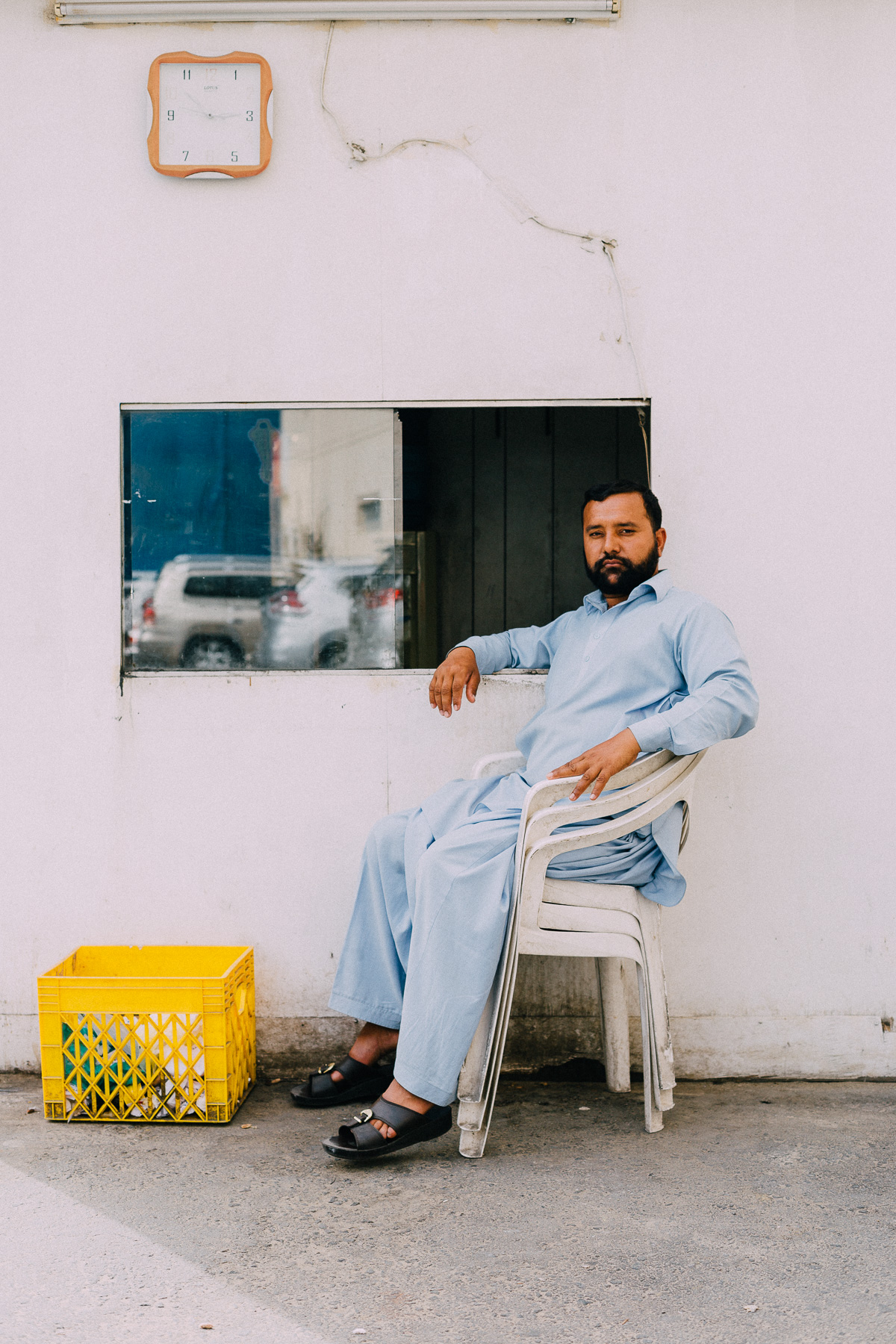
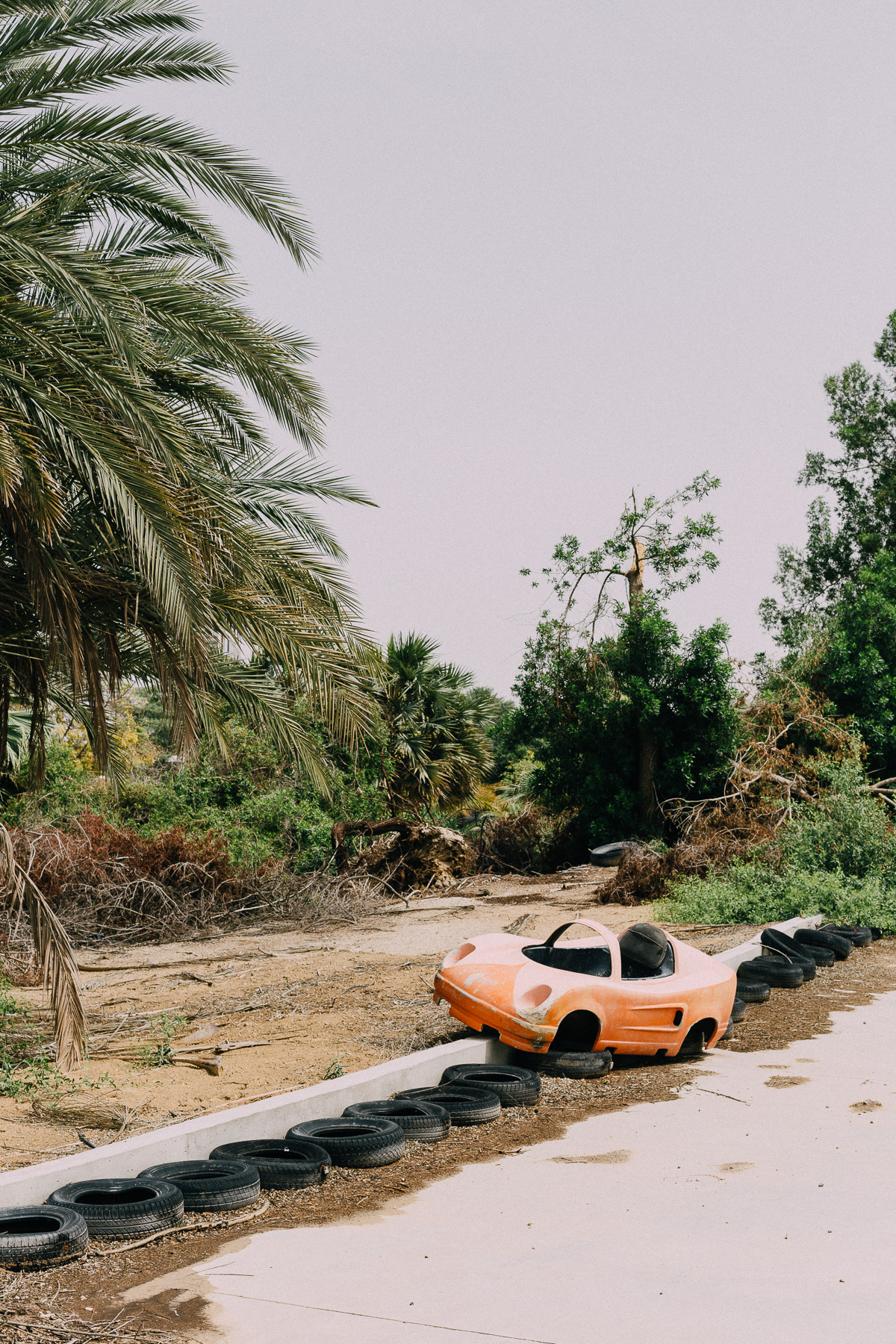
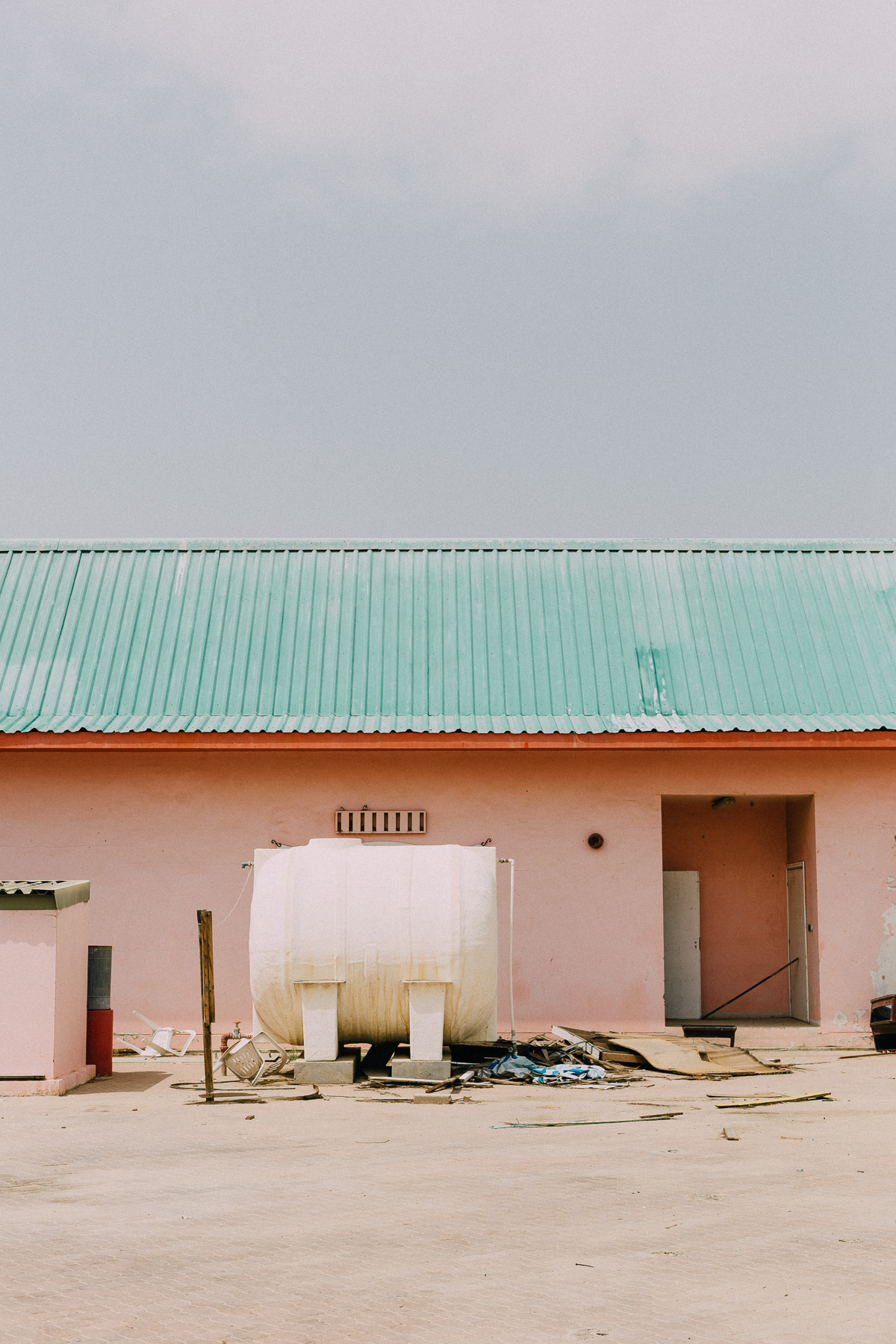
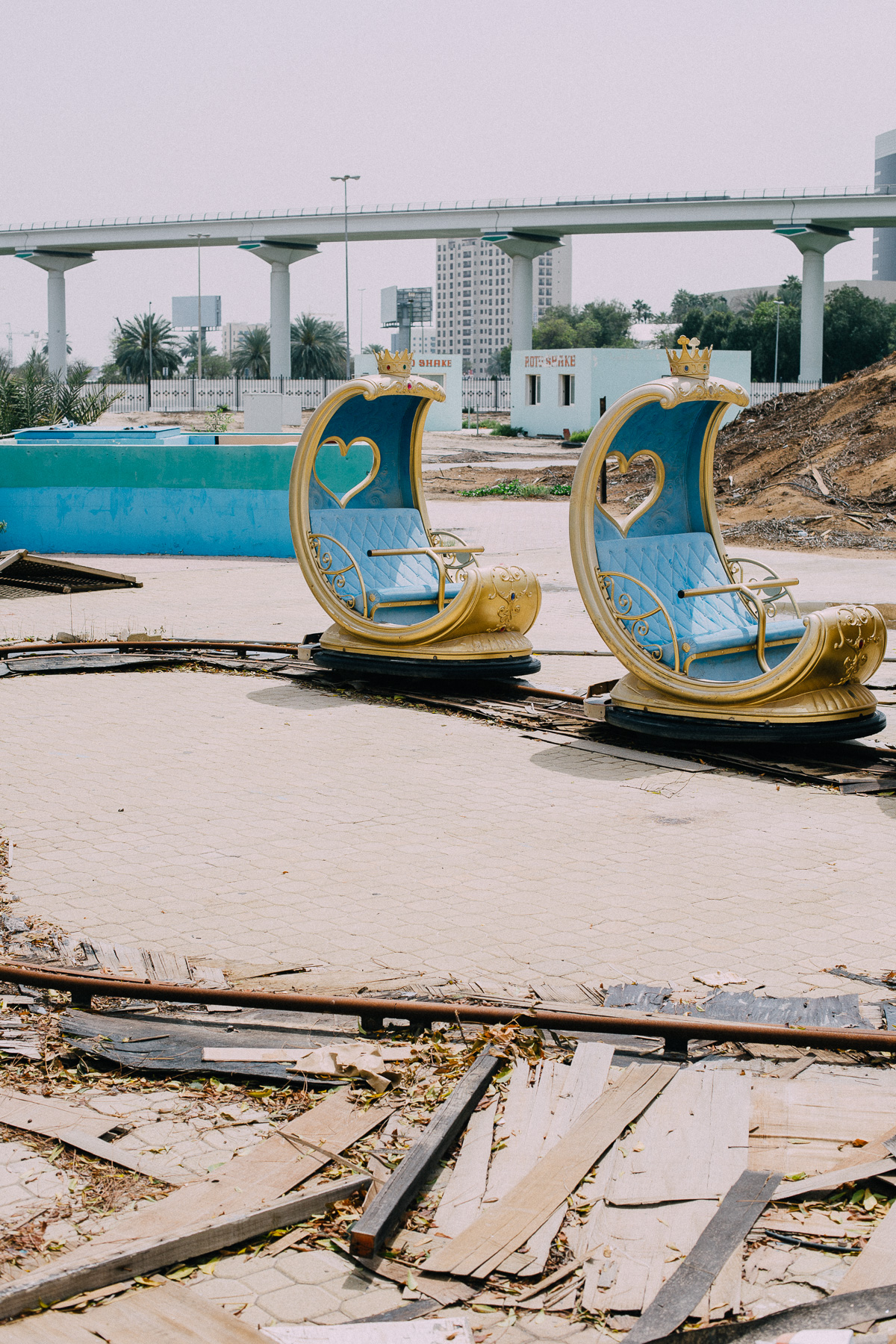
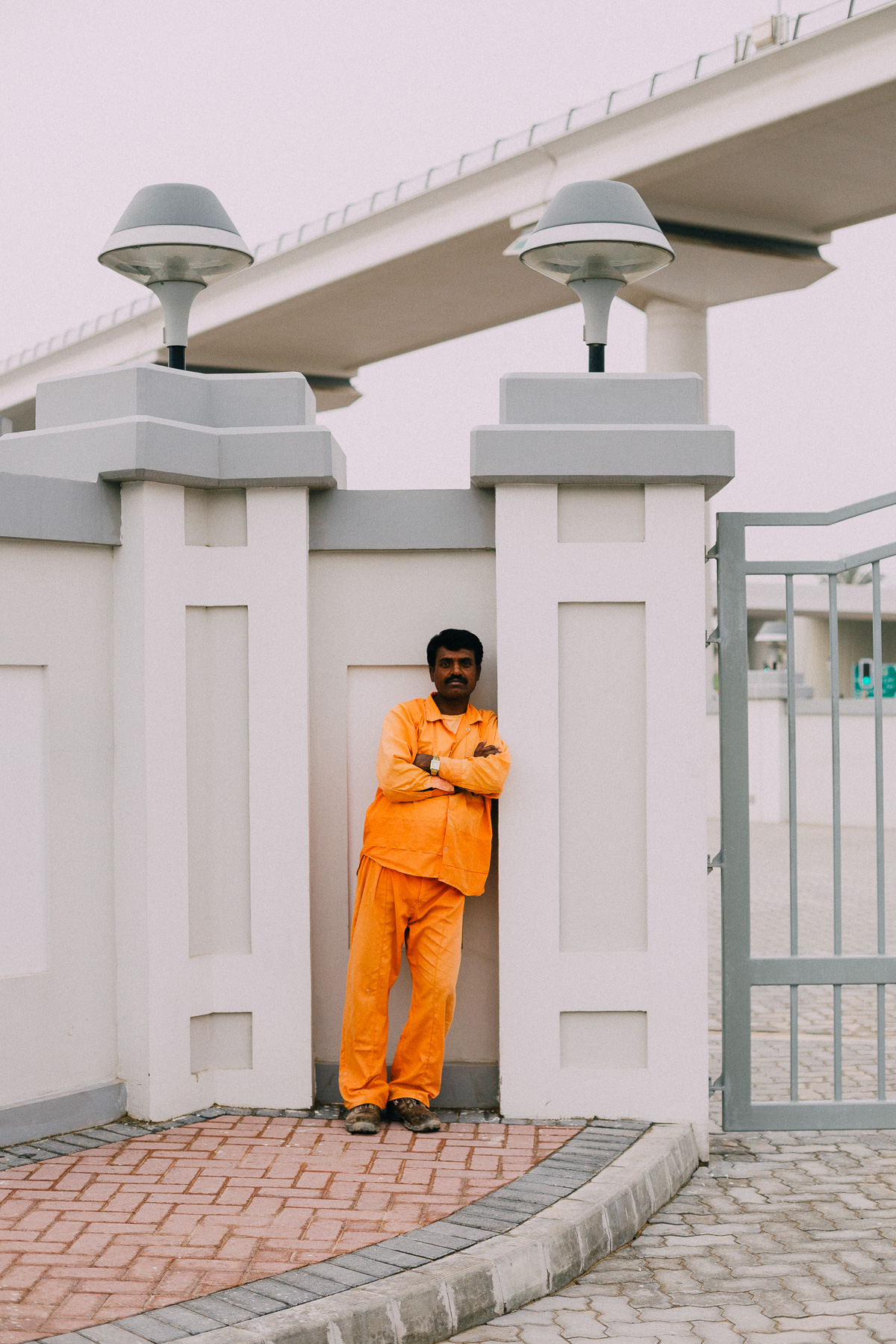
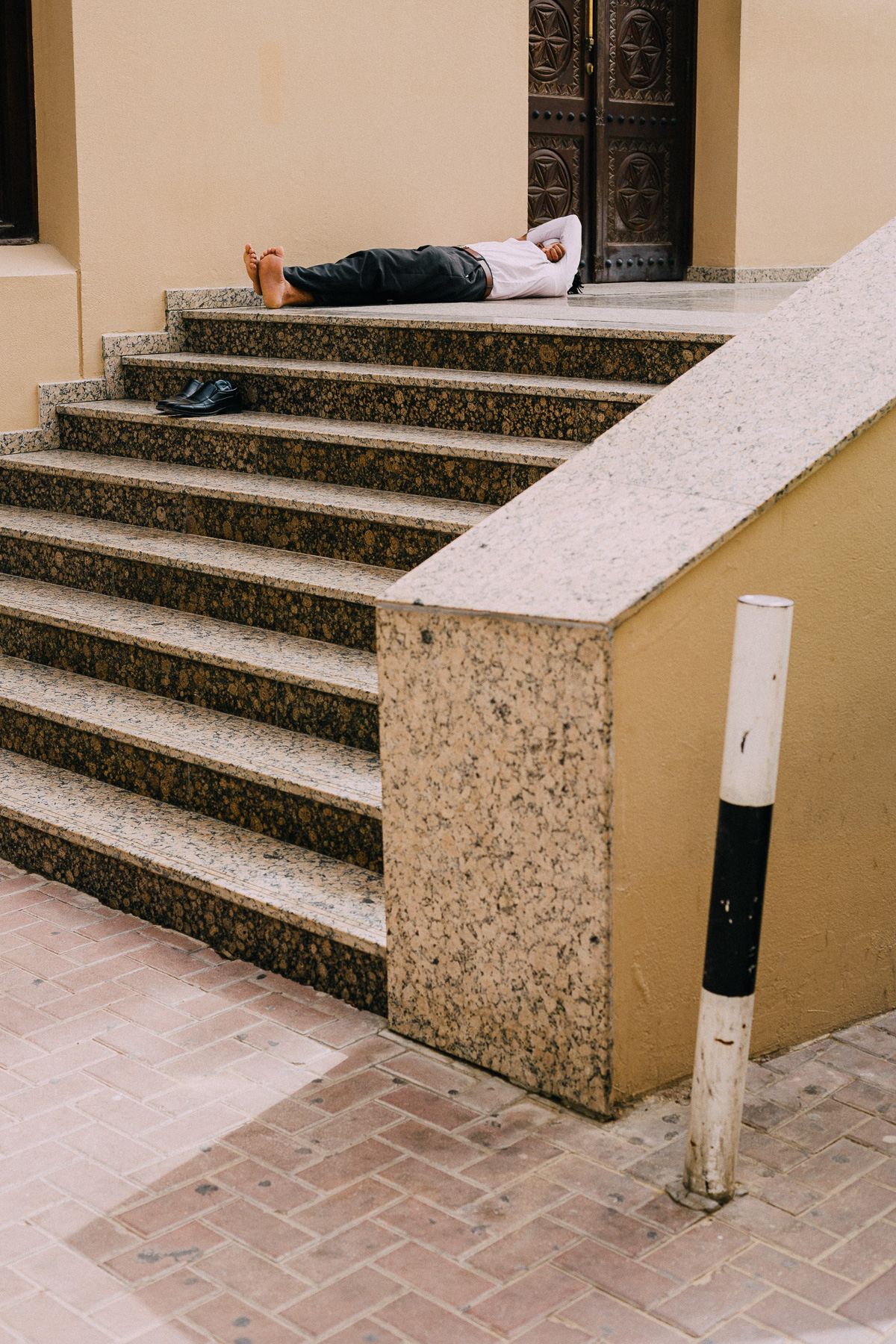
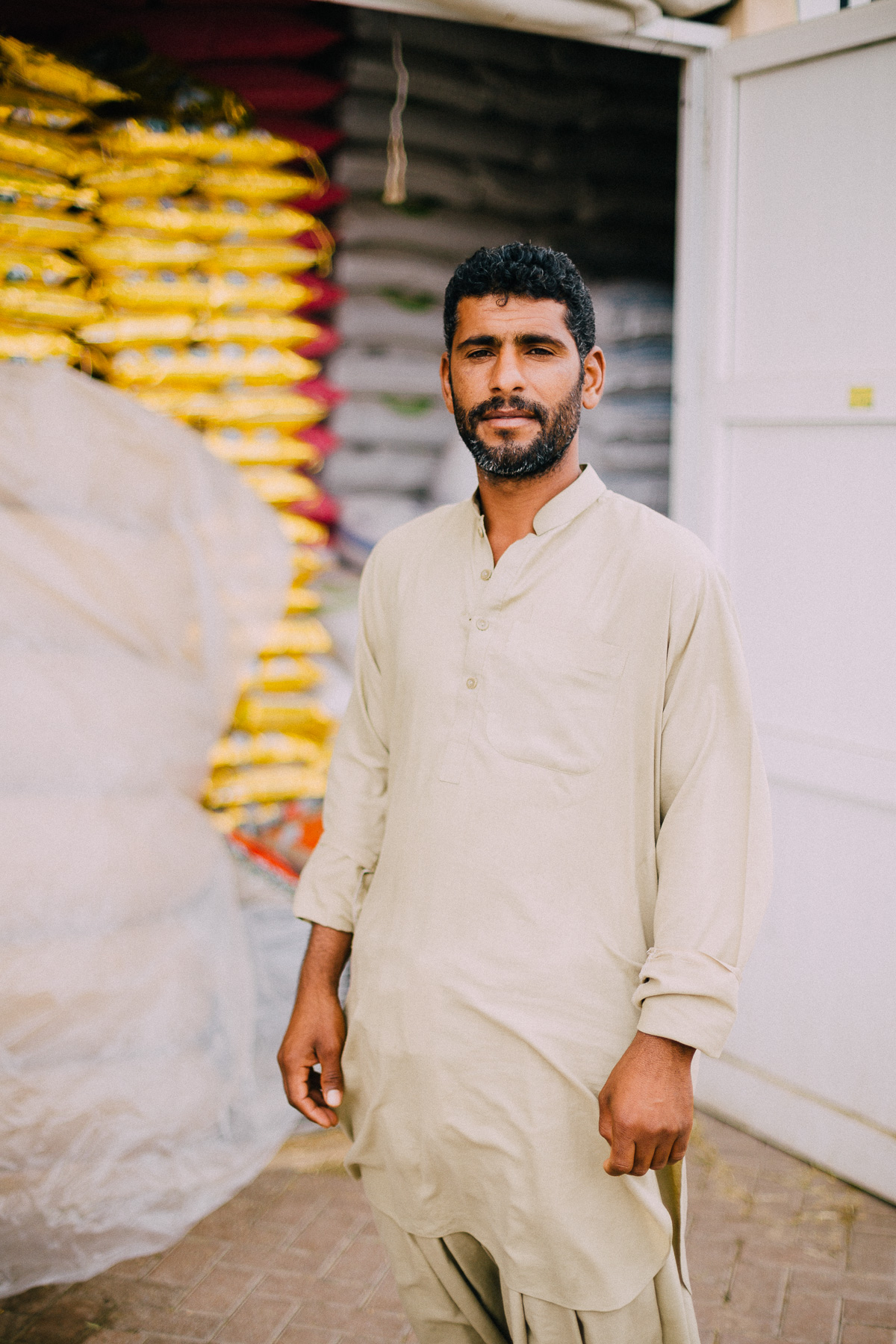
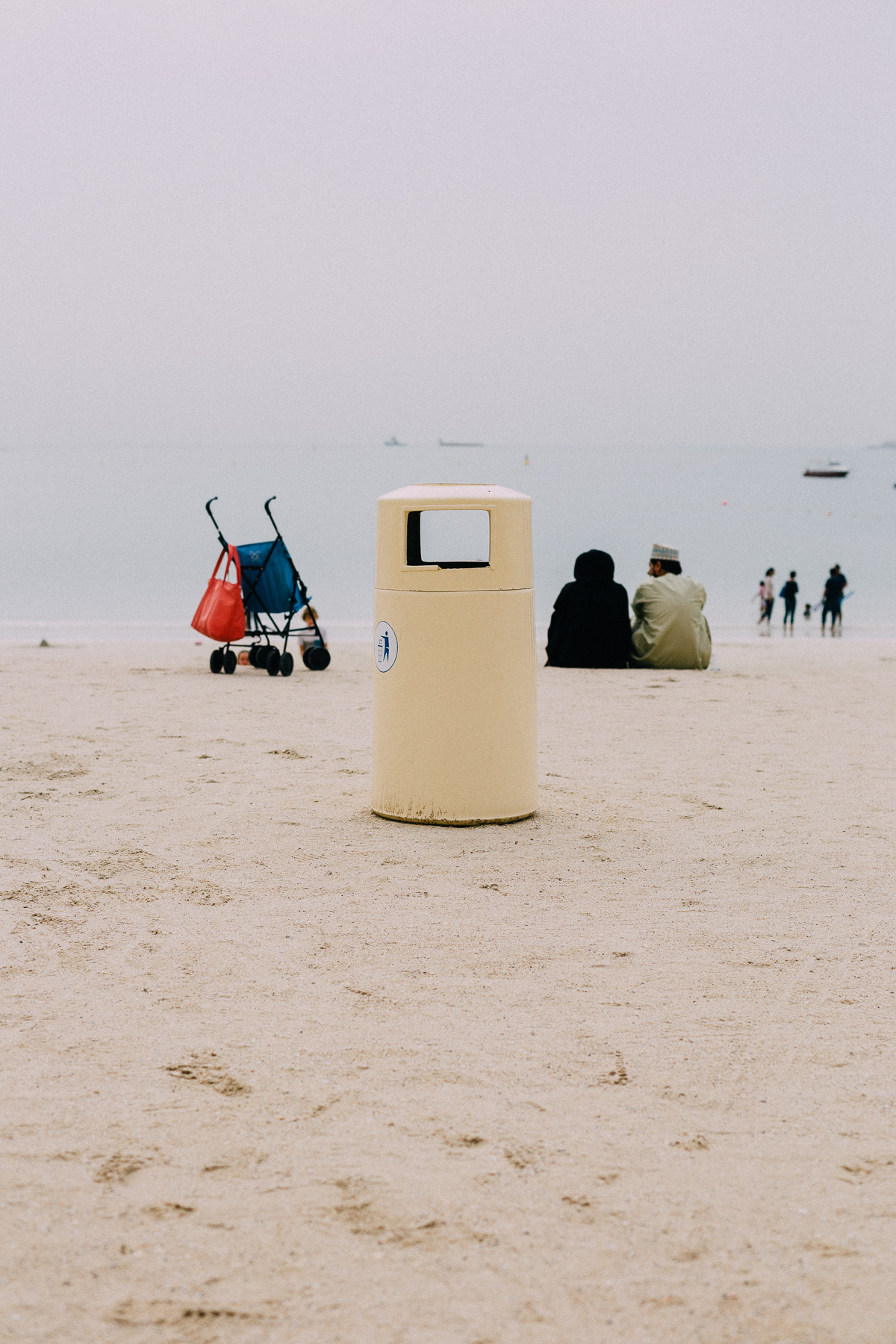
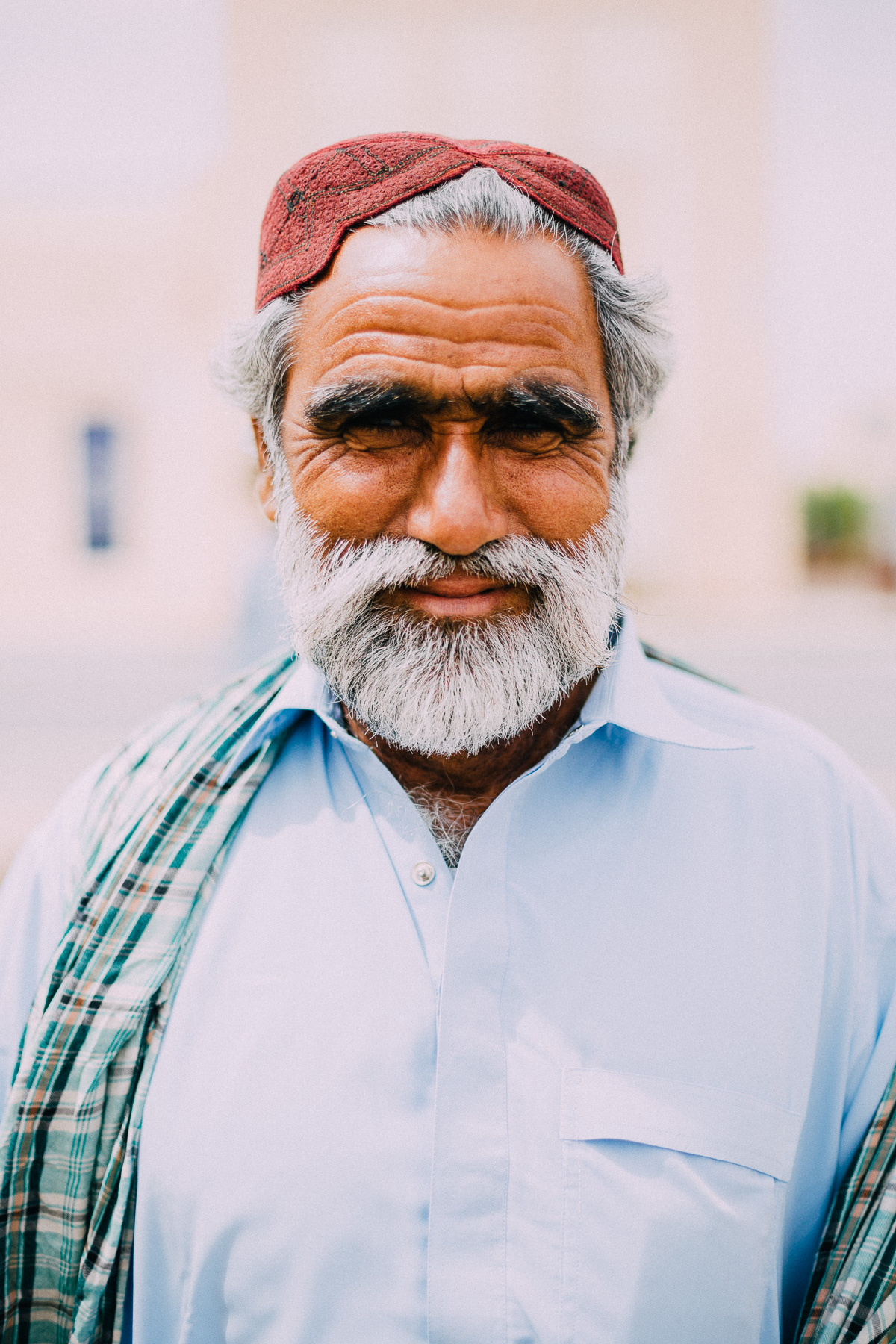
A slightly other-worldly place, the city looks like a sci-fi movie, often empty, too clean and isolated. But in spite of all the absurdity, somewhere between innumerable sand dunes and monuments, one can find kind, intimate moments and rare scenes of humanity.
You might like

Photographing America’s 20th century rebels
Rebels With a Cause — A new monograph looks back at Jean-Pierre Laffont’s extensive archive documenting counterculture, art, activism and more, shaping the country as it is today.
Written by: Isaac Muk

A chaotic portrait of an ’80s American farming family
Holy Cow! — Melonie Bennett grew up on a farm in Maine in the ’80s, and documented her family’s idiosyncratic daily life. She presents those humorous, everyday memories in a new exhibition and photobook.
Written by: Miss Rosen

Exploring girlhood and land ancestry in Sudan’s cotton fields
Cotton Queen – A new feature debut from filmmaker Suzannah Mirghani explores the legacy of colonialism and the fight for self-determination through the tender eyes of a teenage girl.
Written by: Roxana Diba

Portraits of gay bears through a rooftop hatch
Big Boys On My Roof™ — Growing up, Anthony Stockdale struggled with his love for bigger men. His new photo series celebrates the bear community.
Written by: Anthony Stockdale

In photos: Lives of solitude at the world’s edge
Coirón — Pie Aerts’s new photobook documents years spent in close quarters with puesteros in Patagonia – a group of aging gauchos who live almost completely isolated existences.
Written by: Isaac Muk

The raw, fledgling intimacy of Peter Hujar’s contact sheets
Hujar:Contact — A new photobook highlights the process of the legendary queer photographer, and his process of growing into the artist he ultimately became.
Written by: Miss Rosen


