The Travel Diary: Radical Exarcheia shows Athens there's another way
- Text by Chris McClean
- Photography by Chris McClean

I enjoyed my time in the dirty little square. A meeting place of anarchists and anti-fascist minds; overflowing with an artistic crew, playing backgammon and drinking coffee, surrounded by graffiti and brimming bins. The American Embassy issued a warning to stay clear, but the locals said it was safer here than downtown Athens.
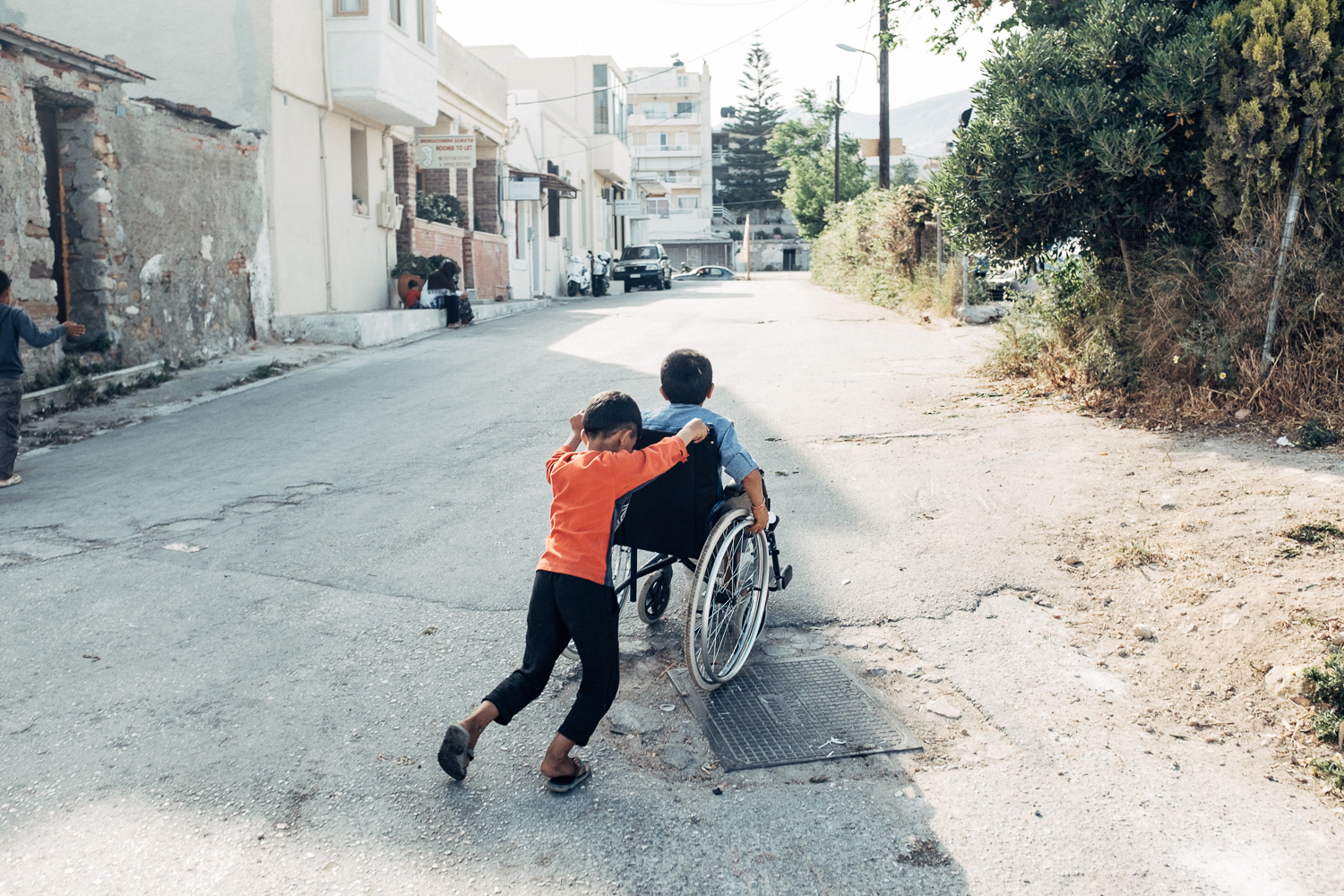
The police – well there were none – decided they were best avoiding the anarchic, anti-establishment, semi-independent district, after a police officer murdered 15-year-old student Alexandros Grigoropoulos back in 2008 sparking weeks of unrest and uprisings. They now stick to patrolling the perimeters – more concerned with who comes out, than what happens inside or who goes in.
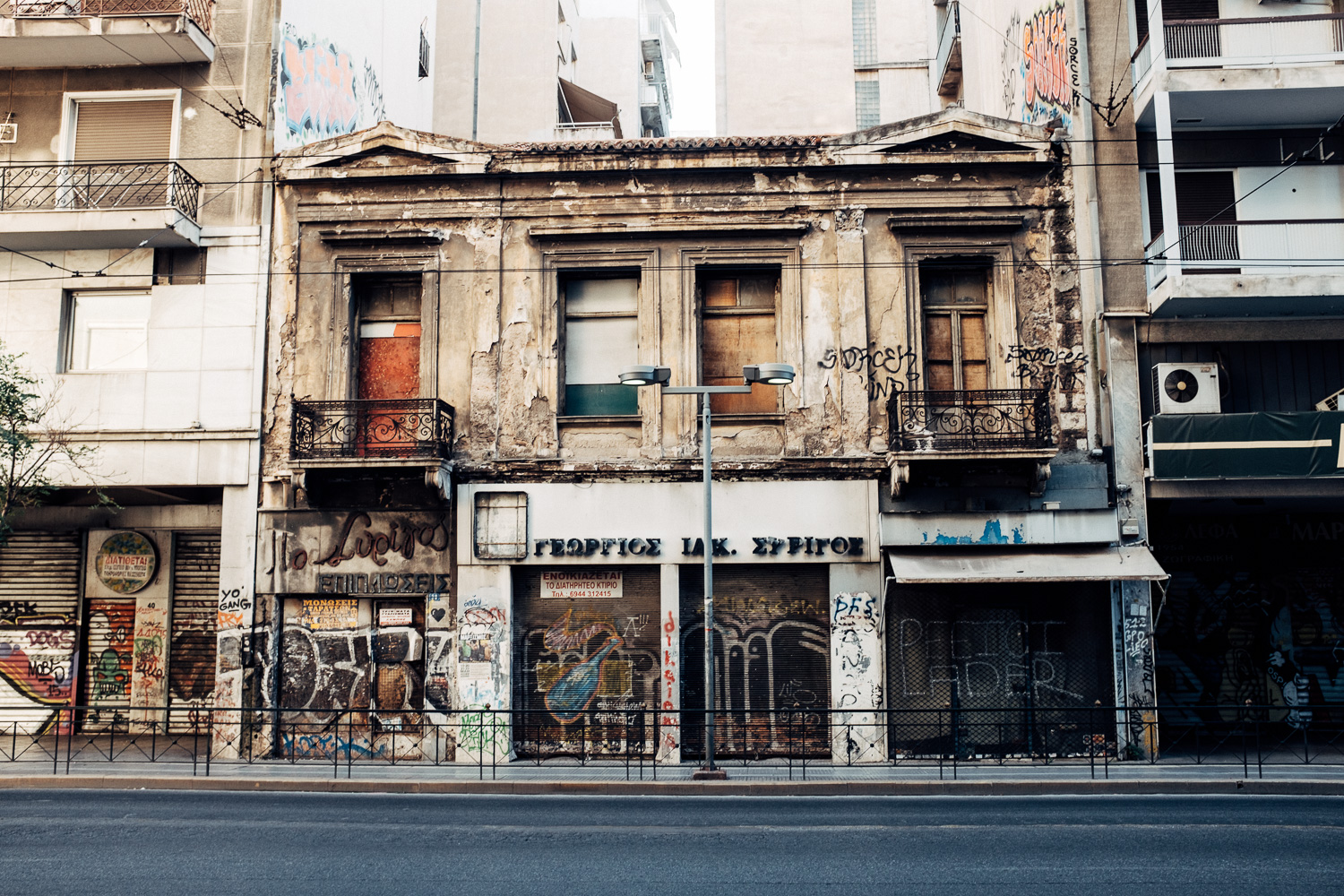
I’d never heard of Exarcheia until I stepped off the bus, into the apartment and my host told me I should go check it out. “Across the street, past the old school [now a refugee squat] turn left and you can’t miss it.” A dirty little square full of concrete, posters, graffiti and politics, surrounded by cafés, book shops and bars is what I found.
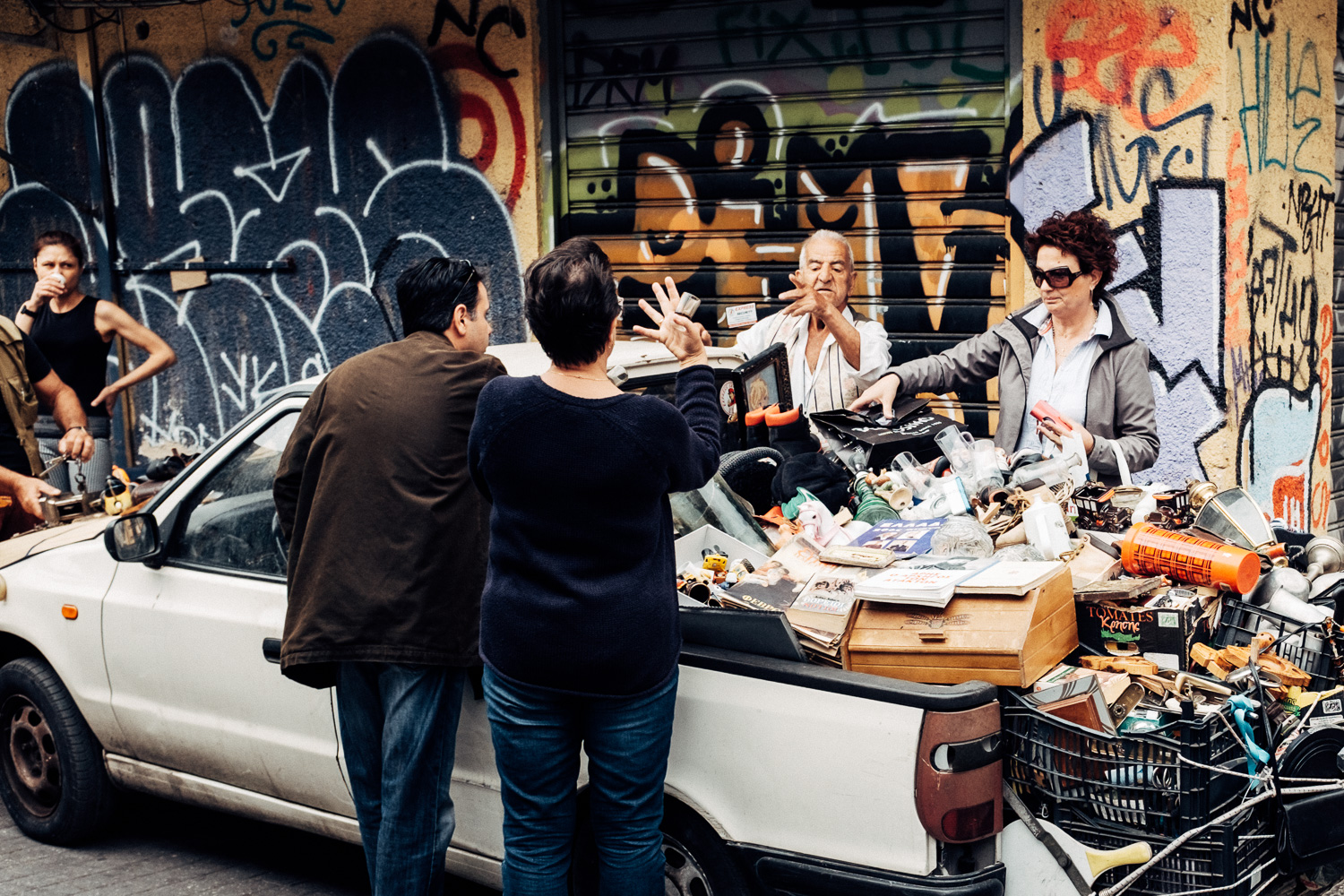
“The locals are pissed off,” says my new friend Zisis, “but rioting isn’t working anymore. The government is so fucking corrupt here, no wonder Greece got fucked up in the crisis.” I’d come to Greece to shoot a Festival that got cancelled for the first time in 200 years.
 So, I ended up hanging out with refugees, the ones who were lucky enough to survive the journey from Turkey to Chios.
Some might say this was unfortunate, but that’s not how I see it. I was given an alternative perspective, seeing the children with huge smiles as they played on the beach, the adults more sombre as the latest news from Aleppo arrives. I’m pretty much force fed the delicious salty fish they cook on the open fires, as they reminisce about life back home before the war.
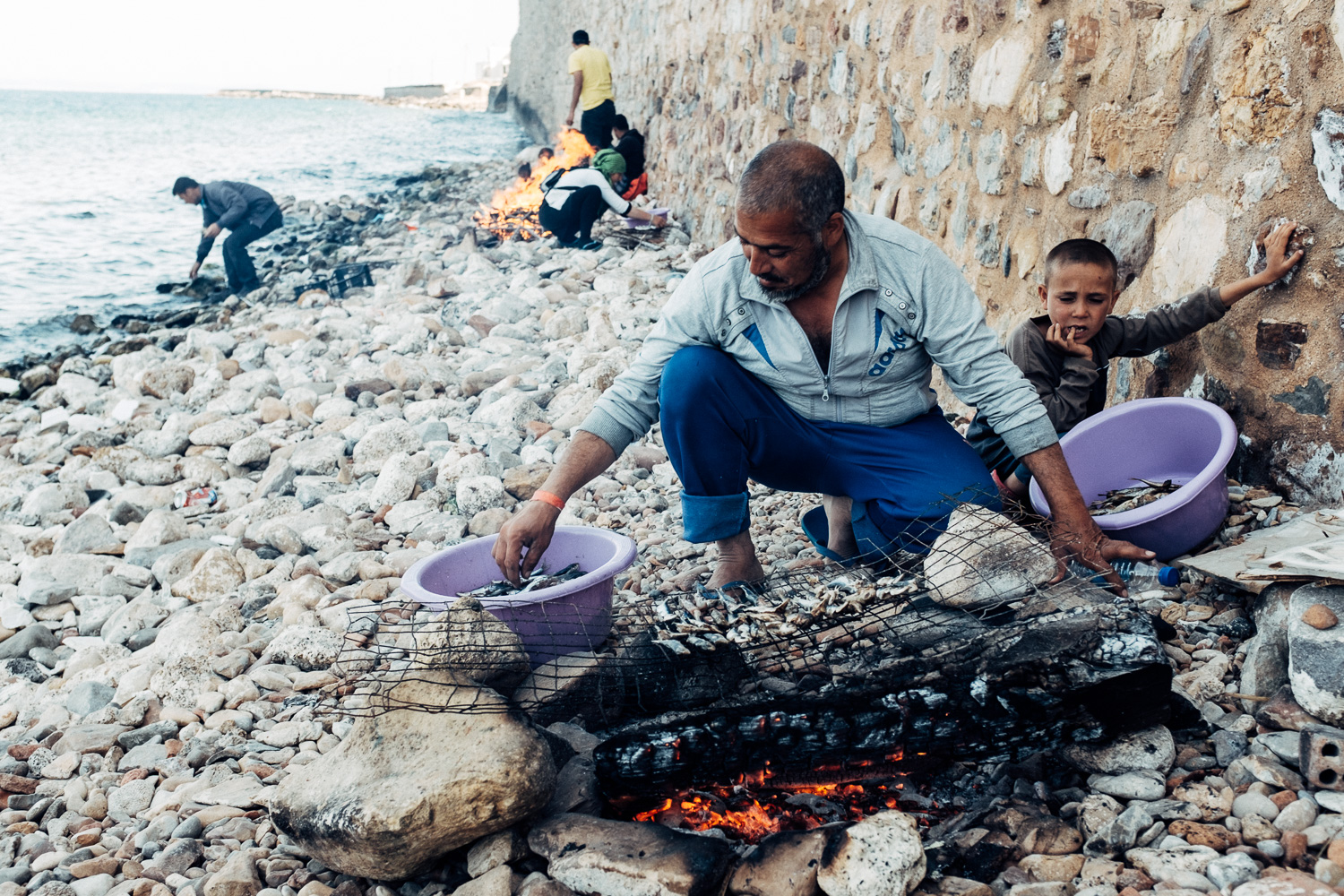
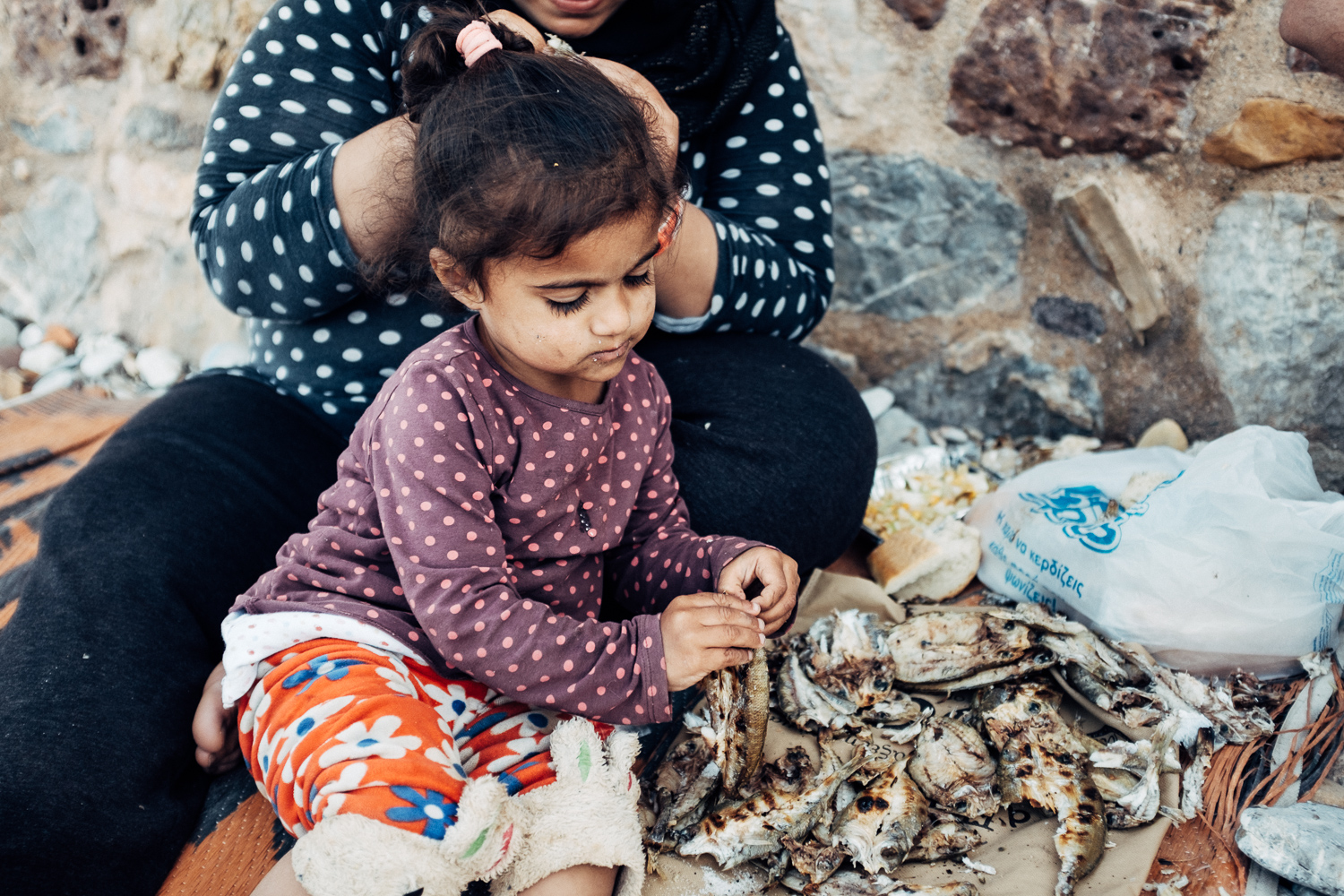 Some might call it unlucky, but Athens was on strike when I arrived, then they rolled over a bank holiday so my trip to see the ancient Acropolis was ultimately from afar. It was Easter so the markets were all shut, but I had no inclination to spend time on the tourist trail.
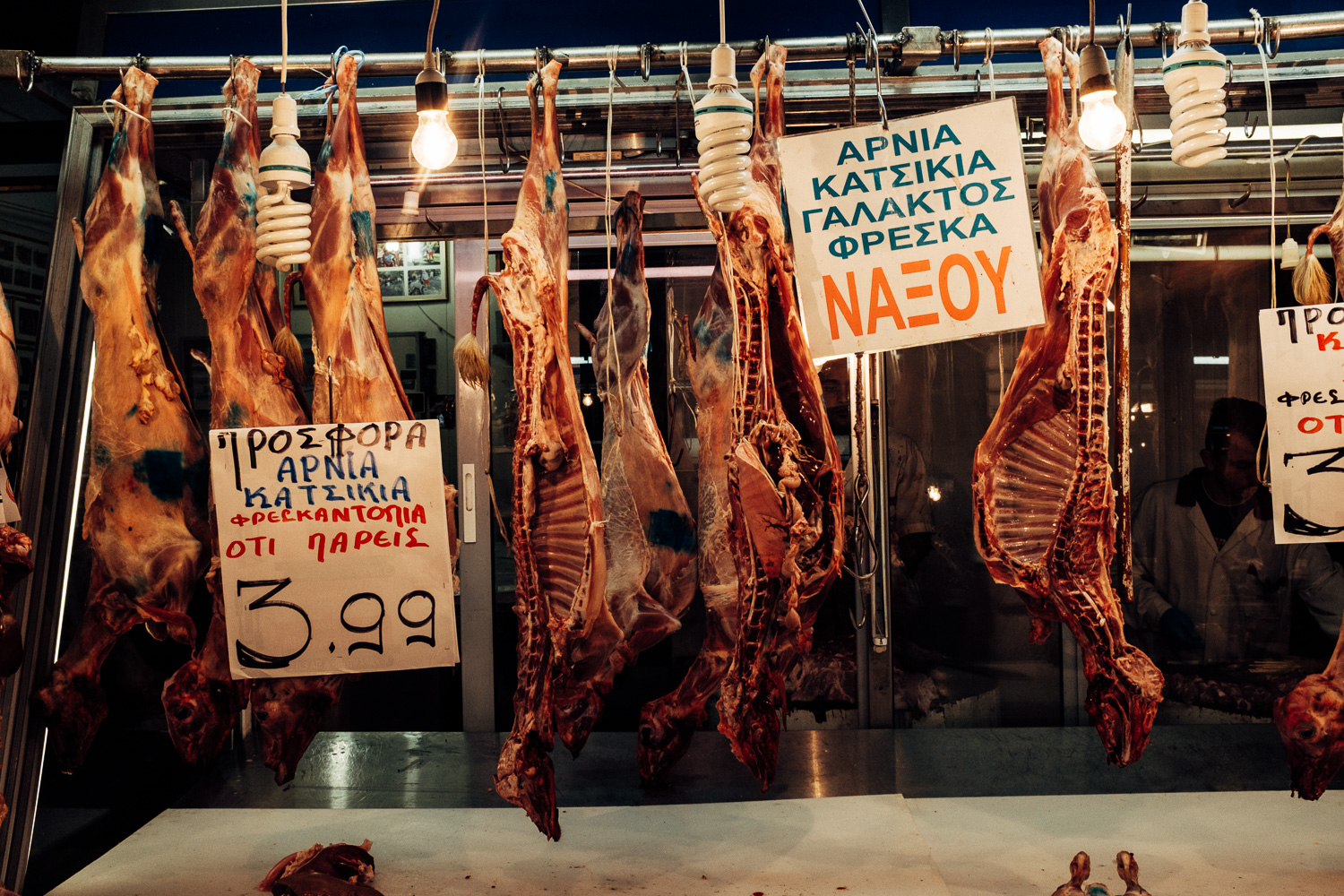
So I hung out in Exarcheia, taking photos, drinking coffee and making friends. To me it felt like Athens was on the brink of something special – although probably not economically – as I write this on my return there are riots happening in downtown Athens over the latest austerity measures.
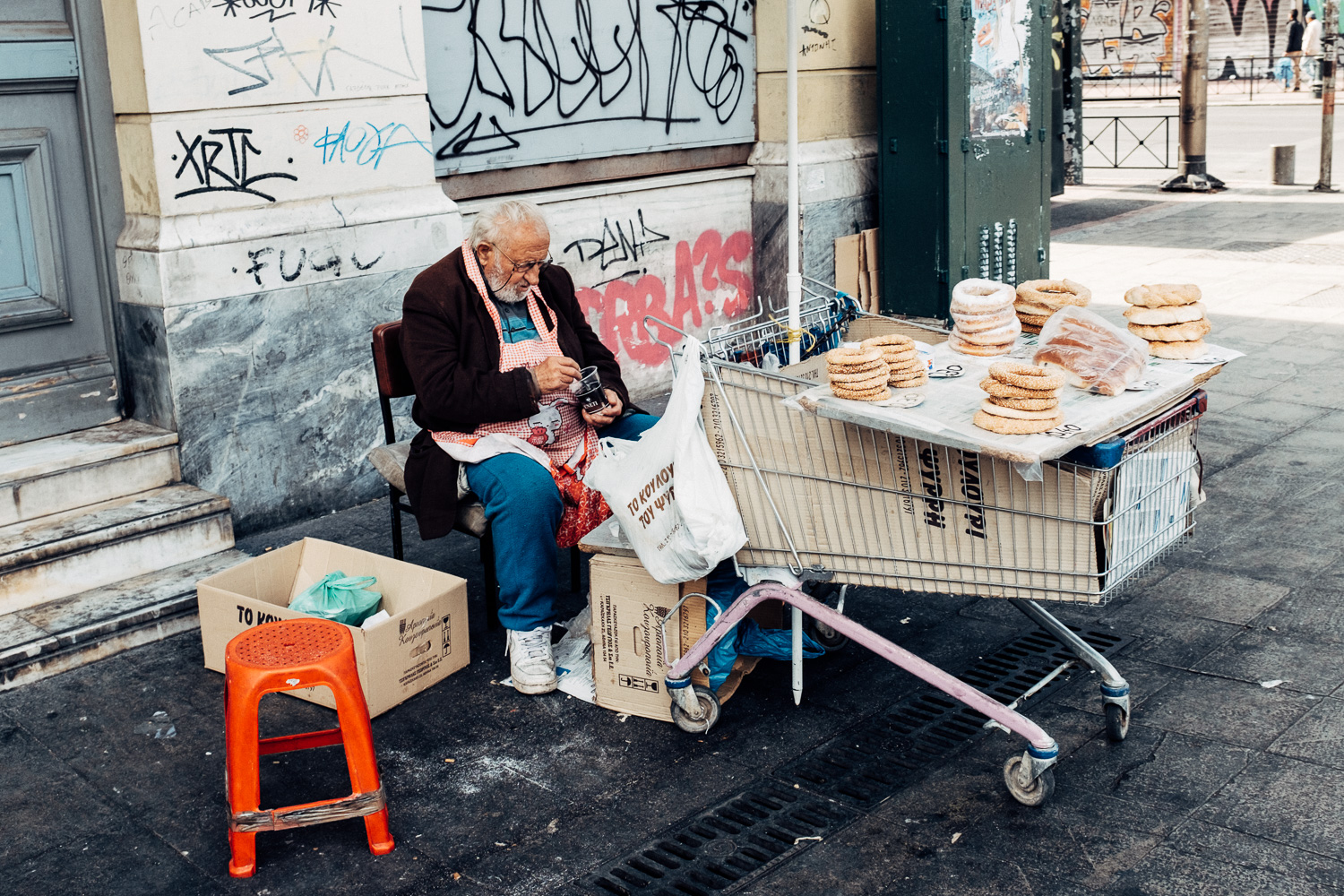 There is an uncertainty in the air – like Berlin in the early 1990s, before mass gentrification and that whole counter-cultural scene had a space to call their own. It was when people figured out having nothing meant you had nothing to lose, so you could do whatever you please. That means not paying the rent, it means demanding good food need not cost you the earth, and realising you don’t need to leave because everything you believe in is right there.
 You make it happen, and when people come together to break into empty buildings, left to rot by a corrupt government, so refugees can have a roof over their heads. You can make it happen by rejecting the police who shoot down kids in cold blood. It’s the power of people: resistance, revolutionary – call it what you will but it feels special.
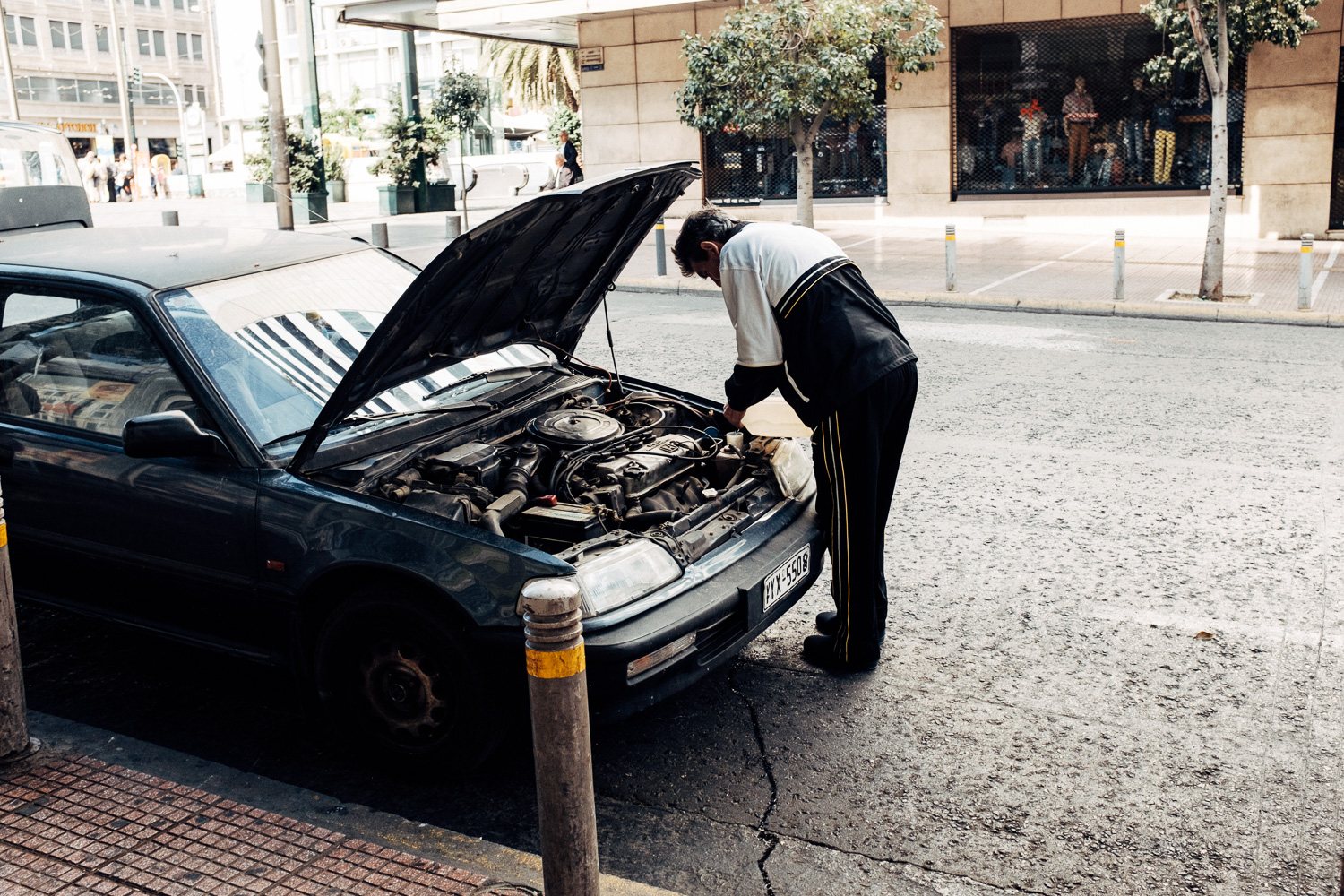
No wonder the Americans don’t want their citizens visiting Exarcheia, because of course a freeing ideology is the real enemy within this dirty little semi-independent square in the centre of Athens.
You can check out more of Chris’ work on his website, and by following him on Instagram.
Enjoyed this article? Like Huck on Facebook or follow us on Twitter.
You might like

Tender portraits of women serving life sentences in America
Looking Inside — While working as a public defender attorney in New York State, Sara Bennett found dilapidated prisons and forgotten people. Her new photobook harnesses the power of images and shines a humanising light on those imprisoned for serious crimes and their reintegration into society, while asking questions of the USA’s incarceration system.
Written by: Miss Rosen

Activists replace Union Jacks with ‘Tax The Rich’ flags in Farage’s Clacton
Take Back Power — It comes after the Reform UK leader resigned as an MP and triggered a by-election in the constituency, following scrutiny over a £5 million donation that he had not declared.
Written by: Ella Glossop

Tish Murtha’s searing documentation of broken Britain
Vandalism on a Grand Scale — Capturing youth unemployment and poverty in north-east England during the ’80s, the photographer never lived to see her work published. A new photobook by British Culture Archive brings her eye-opening work to light.
Written by: Miss Rosen

The real life mermaids of Florida’s Weeki Wachee Springs
Old Florida — A relic of pre-Disney tourism in the state, the show – which sees women perform athletic underwater tricks in a natural spring – has been running since 1947. Jack Burke attends, while reflecting on the fragility and fantasy of old America.
Written by: Jack Burke

Ra’ed Khan and the tireless work of Road to Freedom
Hurriyah — Having been providing frontline aid and support to refugees for over a decade, a new book featuring poetry by Omar Mooro traces the story of the NGO. In this chapter extract, founder and music executive Ra’ed Khan explains its origins.
Written by: Isaac Muk

‘Baking Street’: Activists rename Tube stations in heatwave protest
‘Heatwave, sponsored by Shell’ — The protest comes as the UK recorded the hottest day in June ever recorded at 36.7C.
Written by: Ella Glossop


