
The Travel Diary: A journey through the mist and magic of India

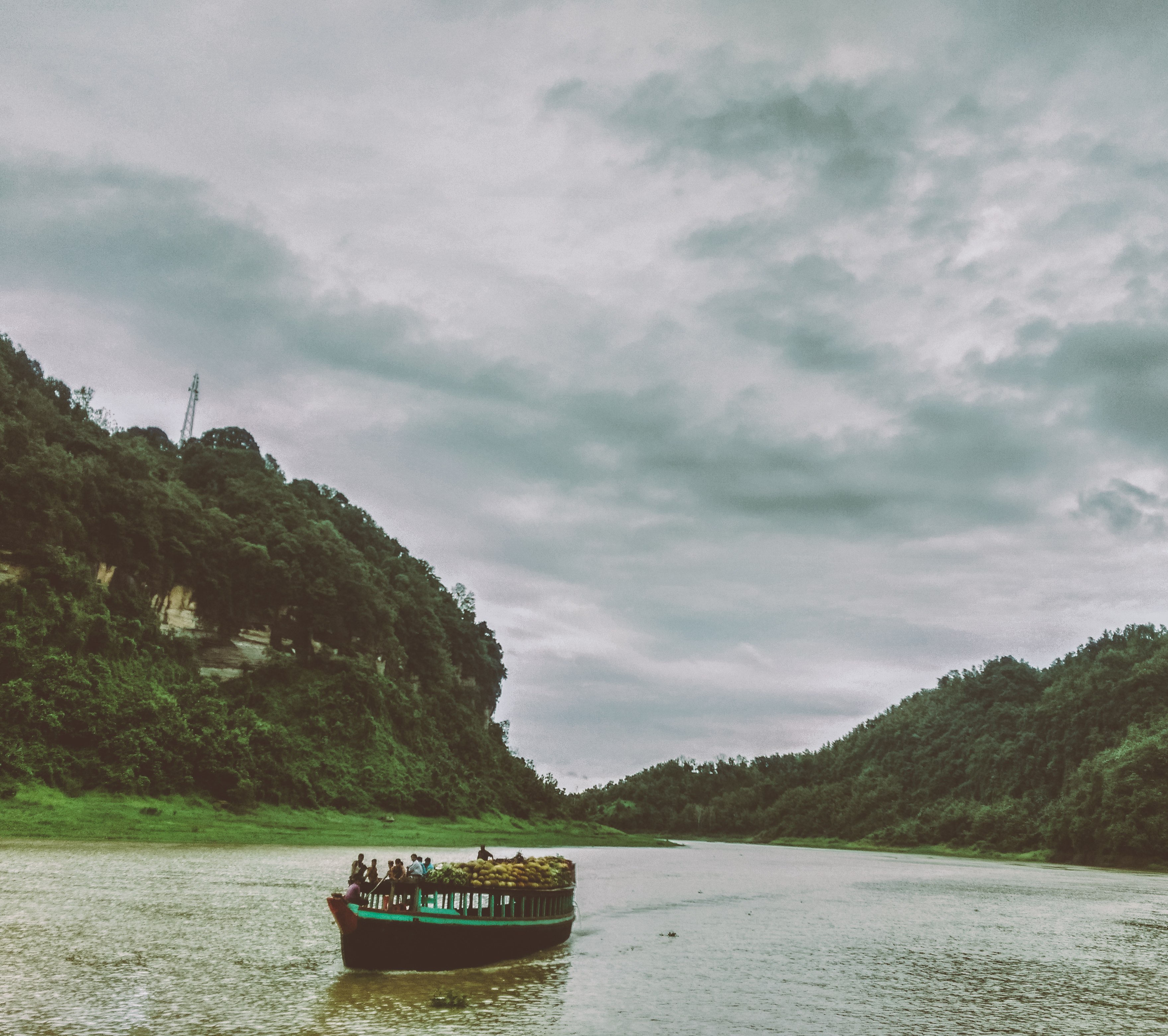
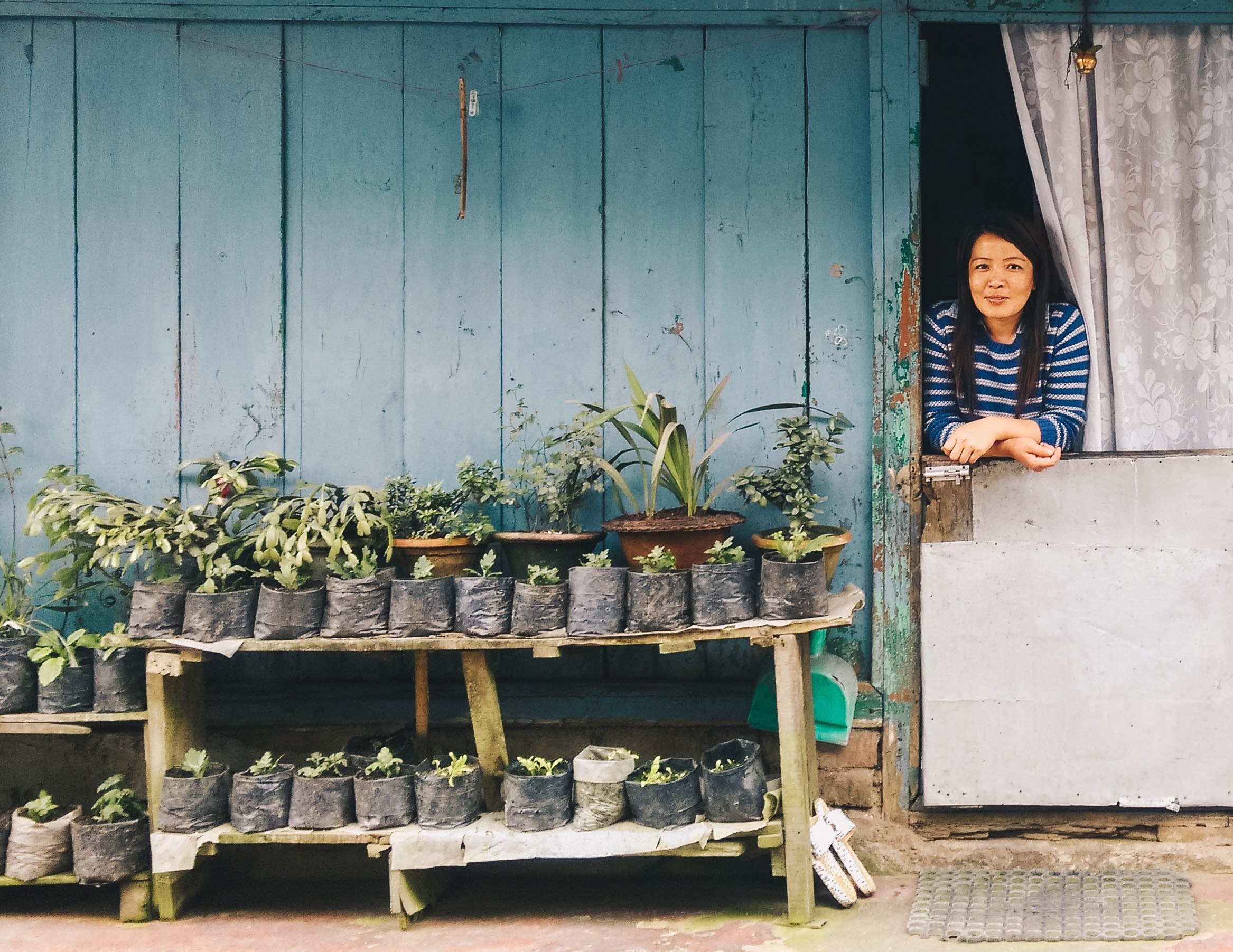
I’m originally from Bangladesh, but I’ve been to India a couple of times now. Each journey lasts from a couple of weeks to a month. I travel there because of the diversity – you’d be surprised at how different each region is from the other. It feels like a dozen countries have mixed together to form a vast mystical land. It’s a culture shock heaven.
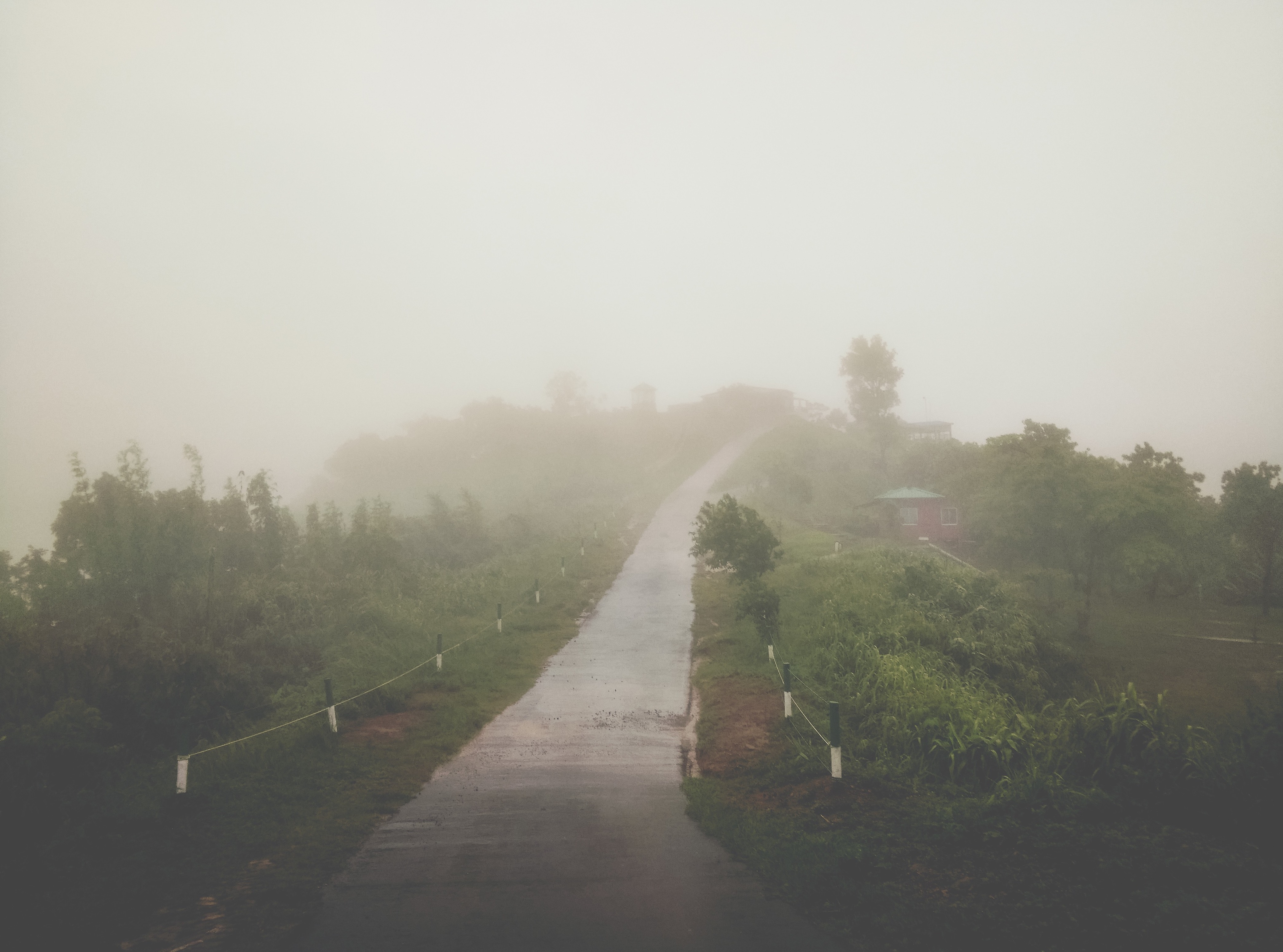
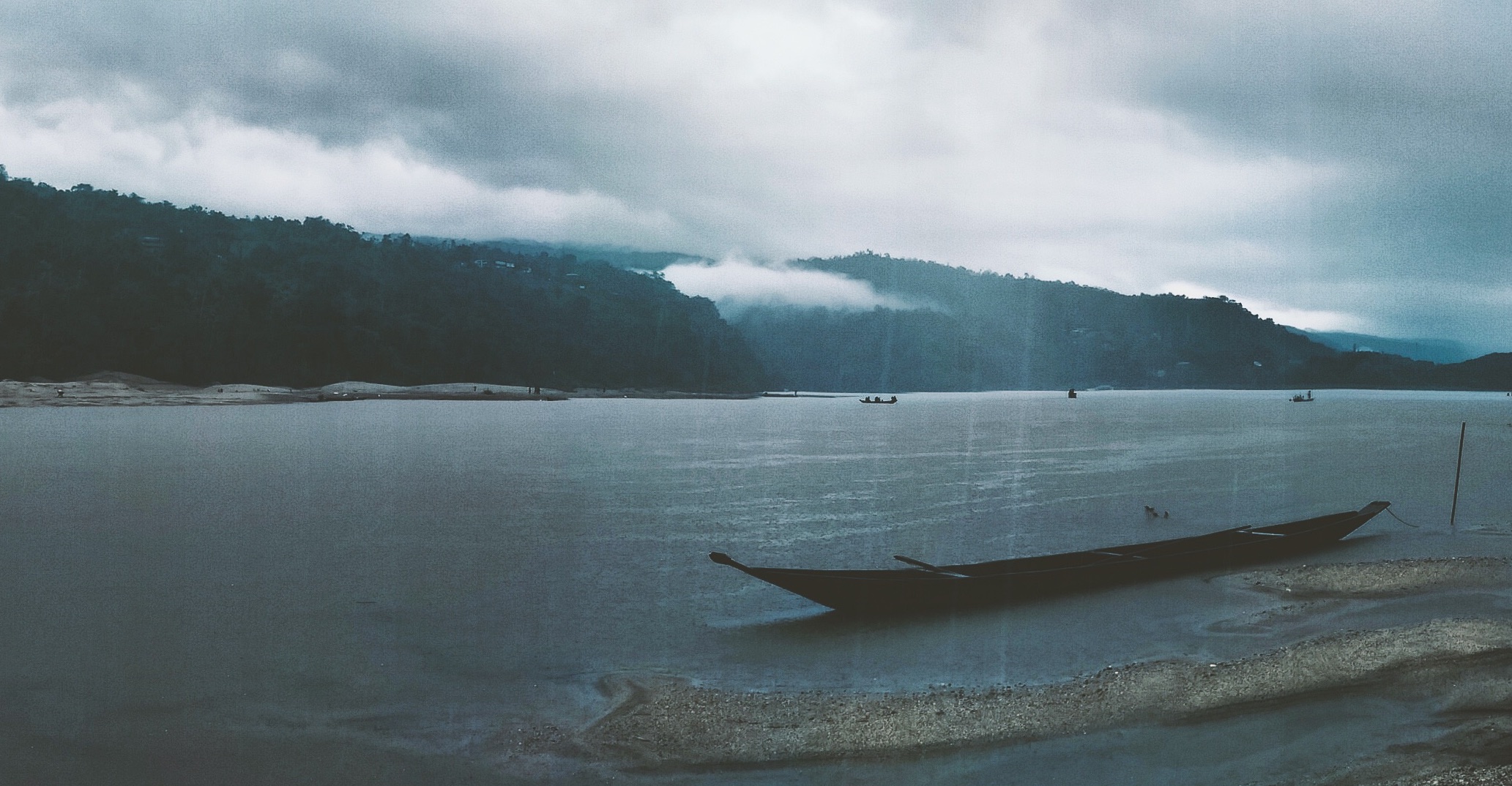
I’m drawn to India’s people, who are the most memorable I’ve ever met, and the spirituality. Saying my prayers at the Delhi Jama Masjid, talking to the crimson cloaked monks in the monasteries of Darjeeling, and meditating in the underground temple in Hampi were some of the most memorable moments of my life. I particularly love the mountain city of Darjeeling. The mist-covered streets are one of a kind.
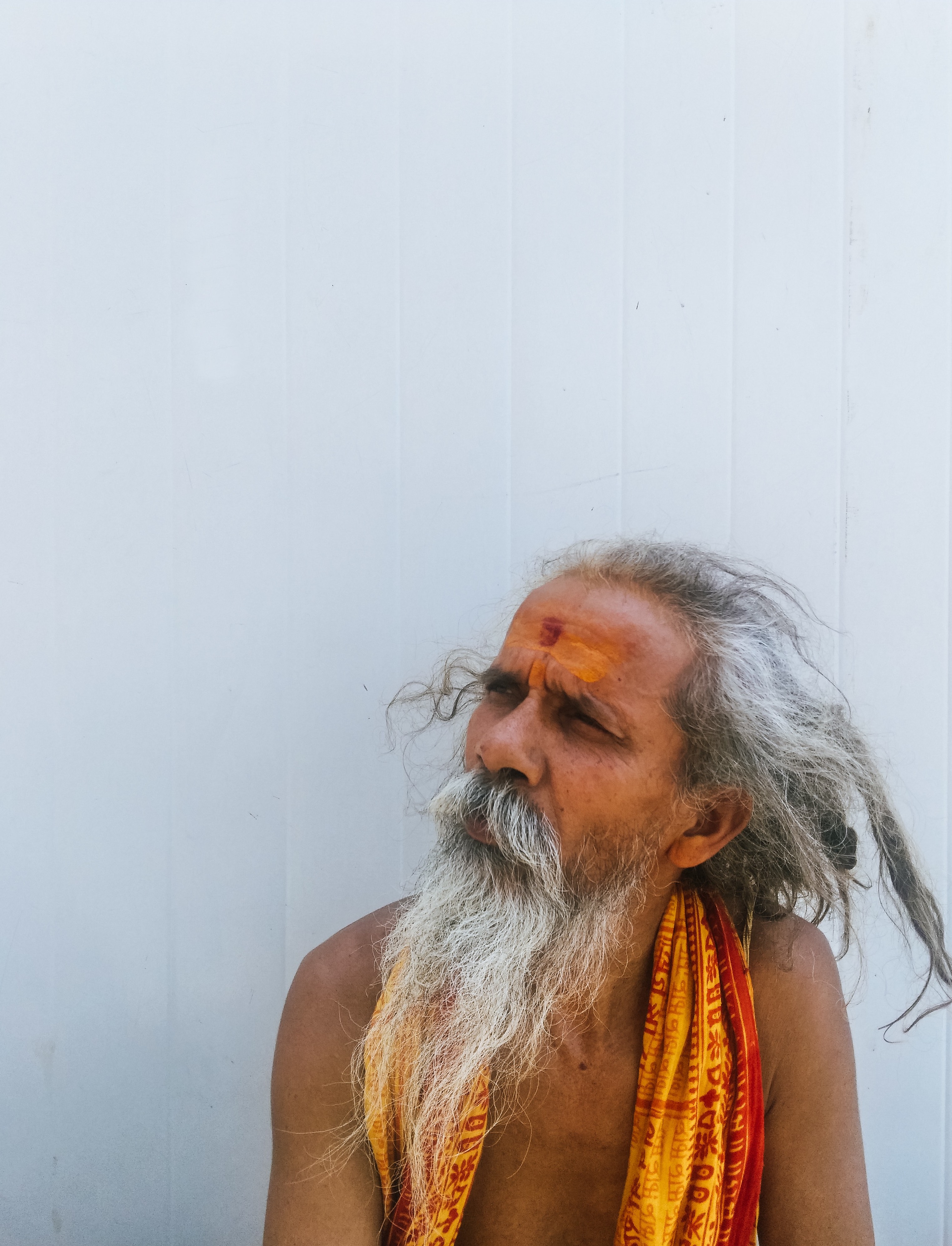
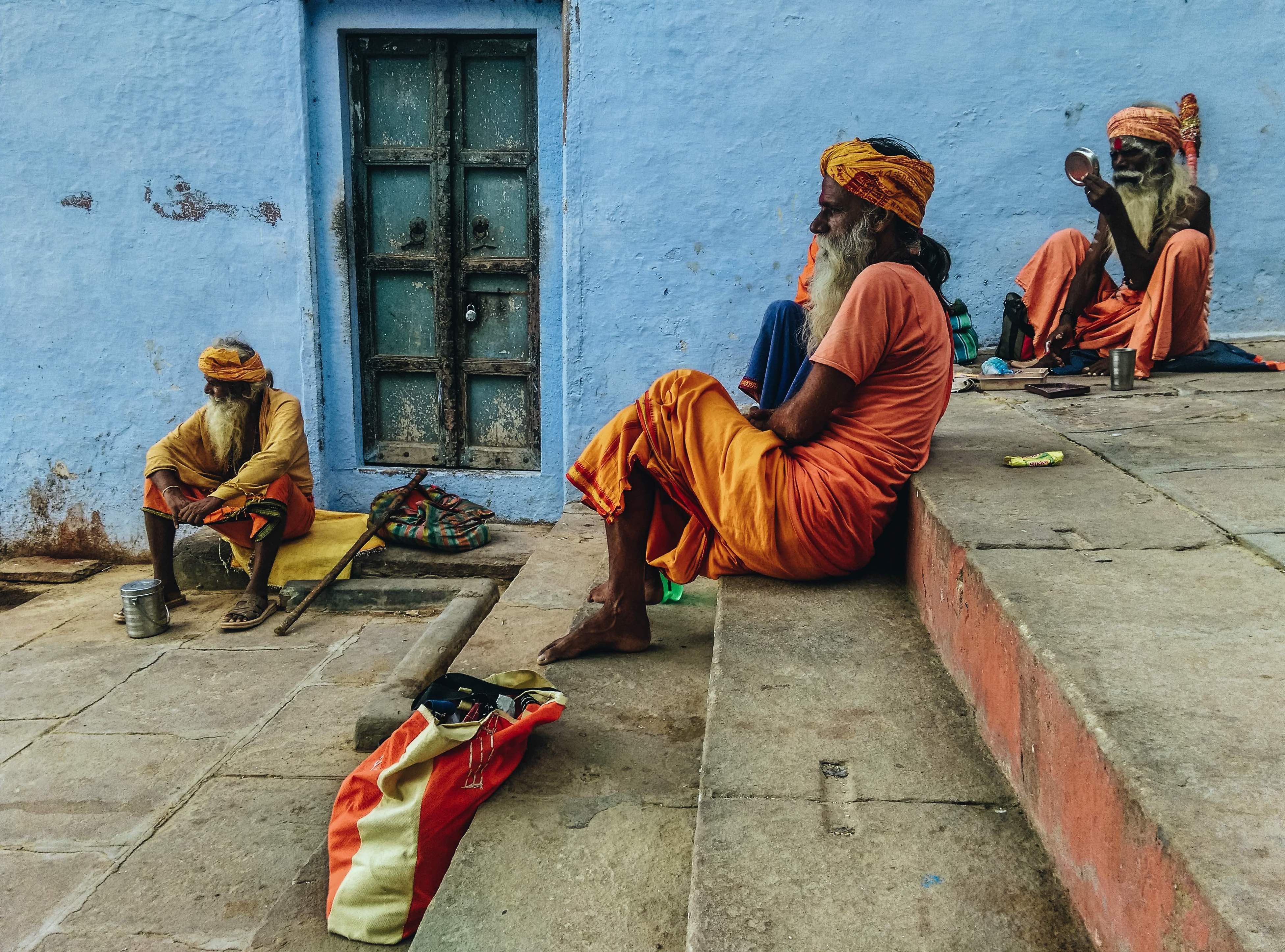
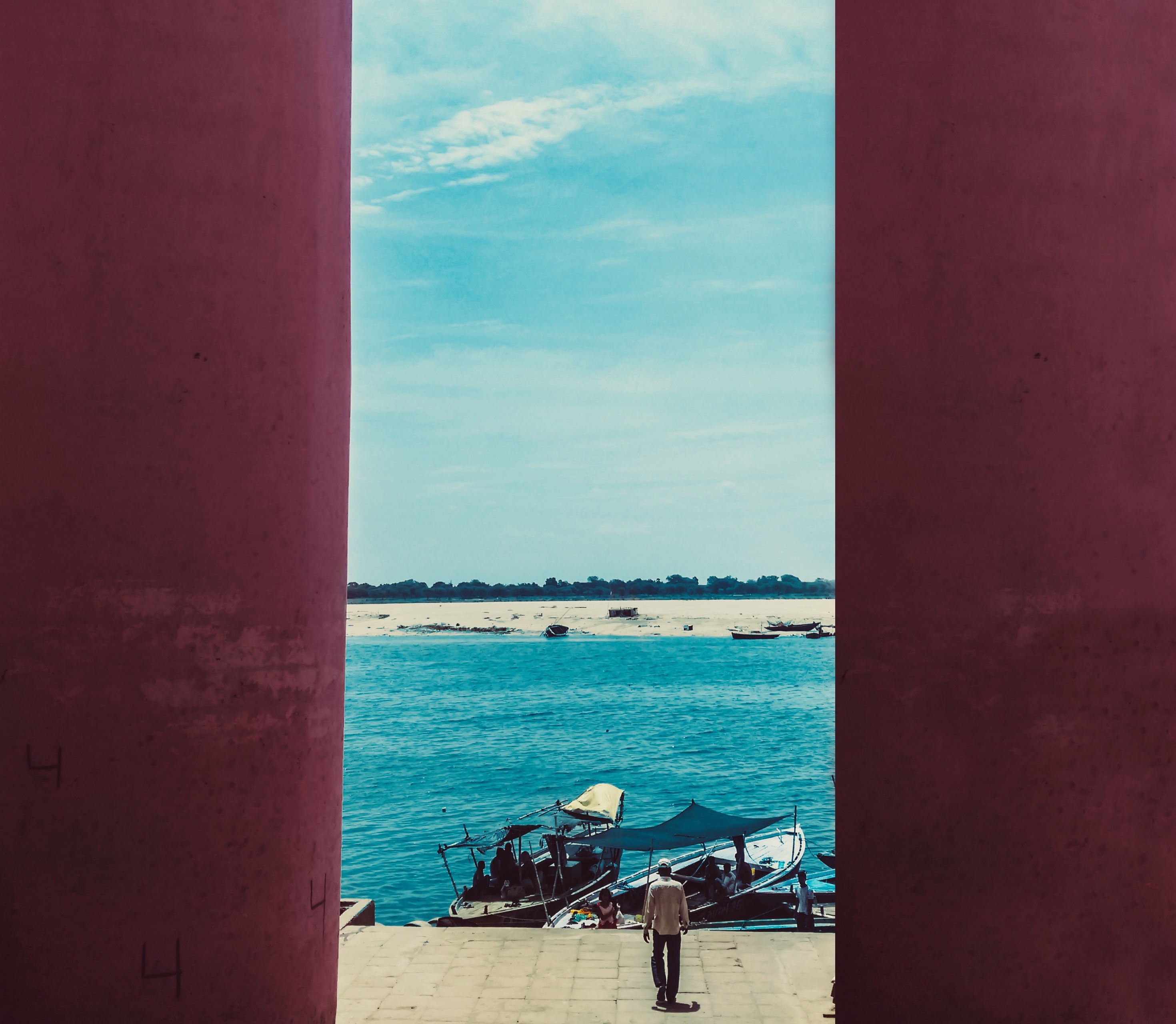
Some say if you want to experience true Indian culture, you go to Varanasi – I think they’re right. Varanasi is the epitome of the ‘Indian experience.’ The long haired, bearded sadhus, with their calm expressions, are iconic. You find plenty of them just chilling on the Gangaghat river.
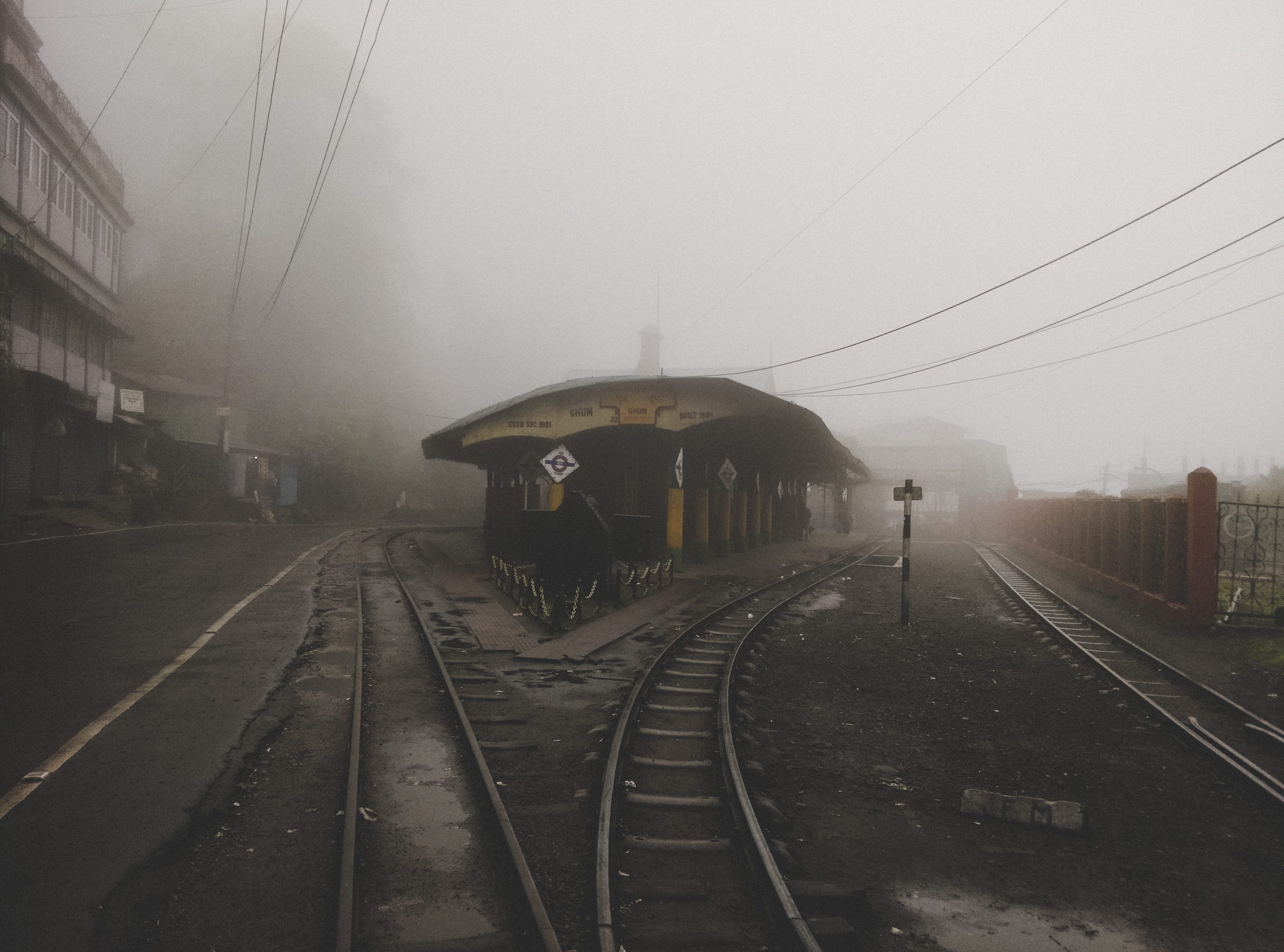
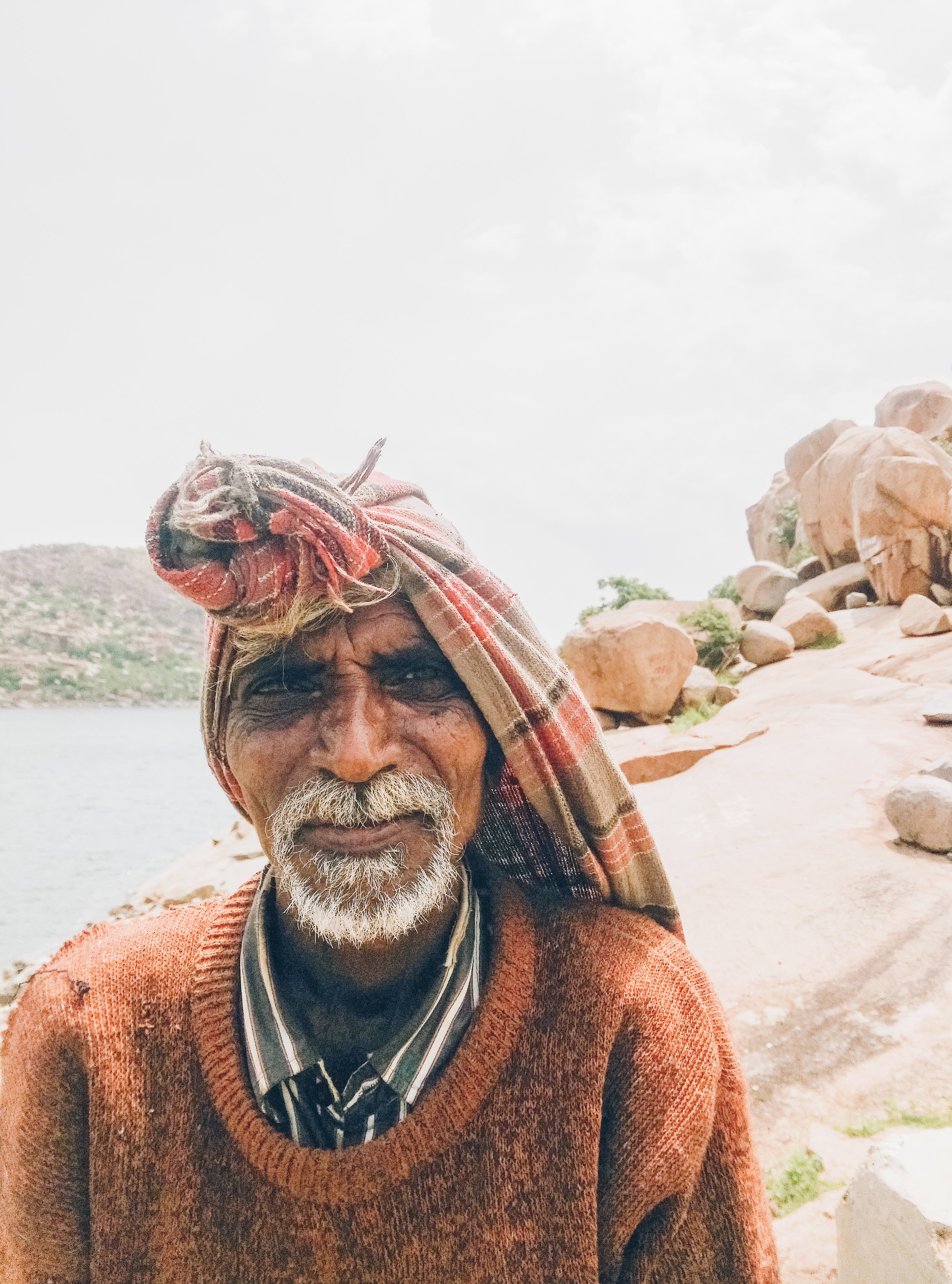
The pyres of Varanasi [which sees people ritualistically burn the dead] are also a really important thing to witness. It’s possible to have epiphanies while watching the bodies burn to ashes.
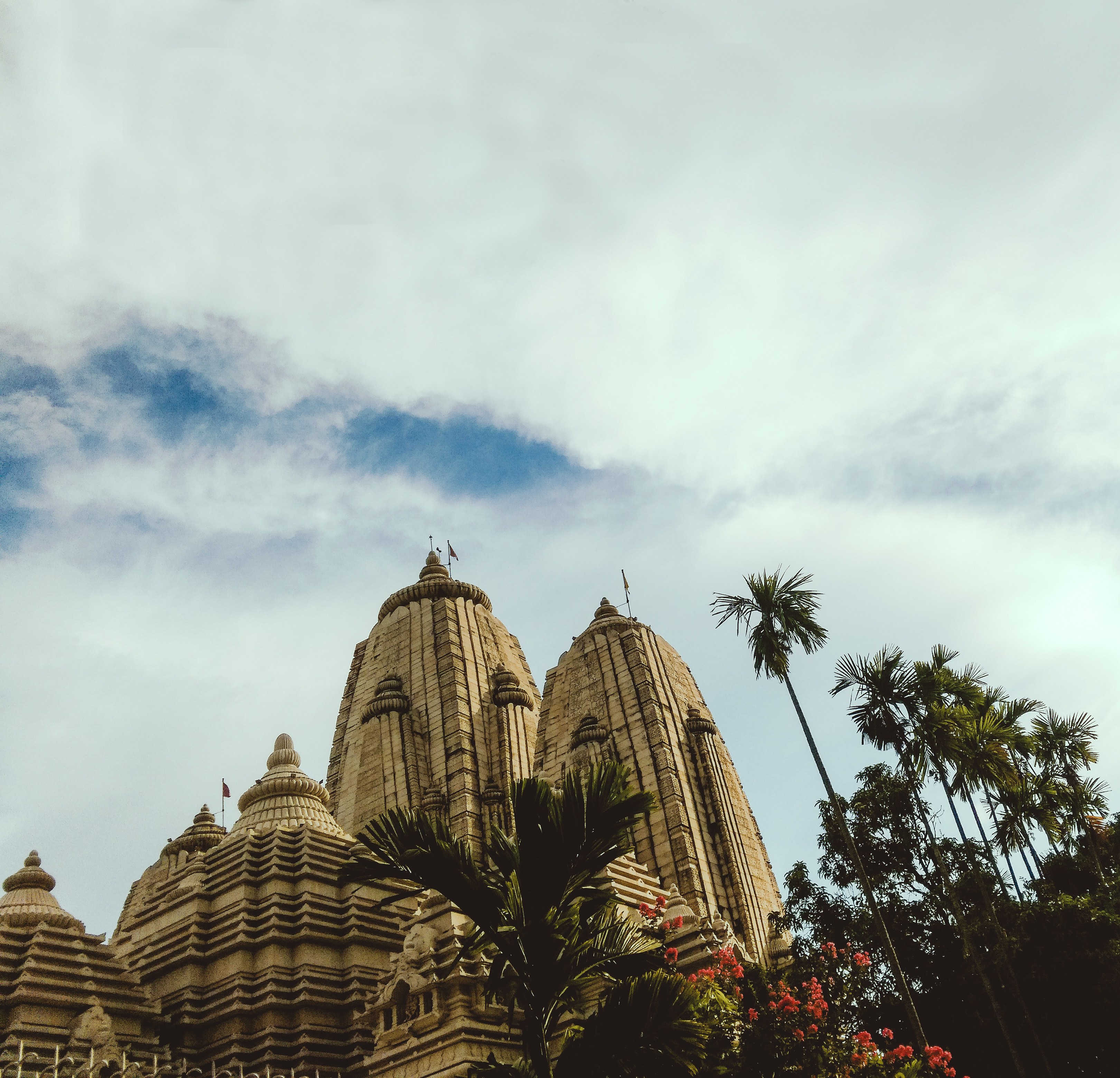
The village of Hampi, in the south, is unique in its own ways. It’s a Unesco world heritage site, with vast landscapes covered with stone boulders. The temples and historical sites there are from the Vijayanagara Empire, dating back to the 14th century. It’s a bewitching place – like a city frozen in time.
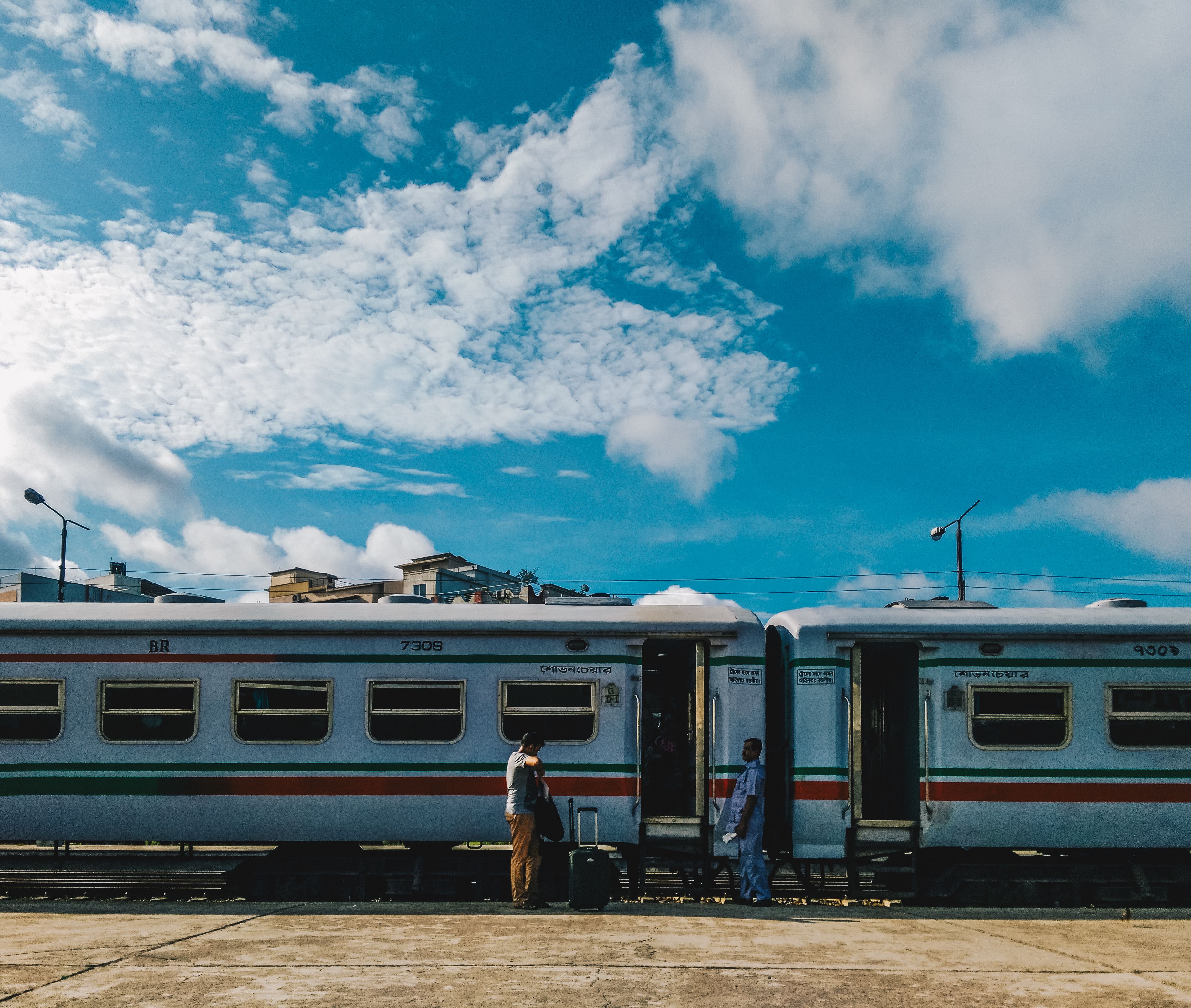
Travelling through New Delhi and Kolkata were similar experiences. Both are India’s major cities; their infrastructure and transportation systems are much more developed. Watching the sunset by the Howrah Bridge felt dreamy.
If you are planning to go India, don’t be afraid to explore and find new places that you haven’t read about on the Internet. Set yourself up for a journey of a lifetime, and serious spiritual discovery.
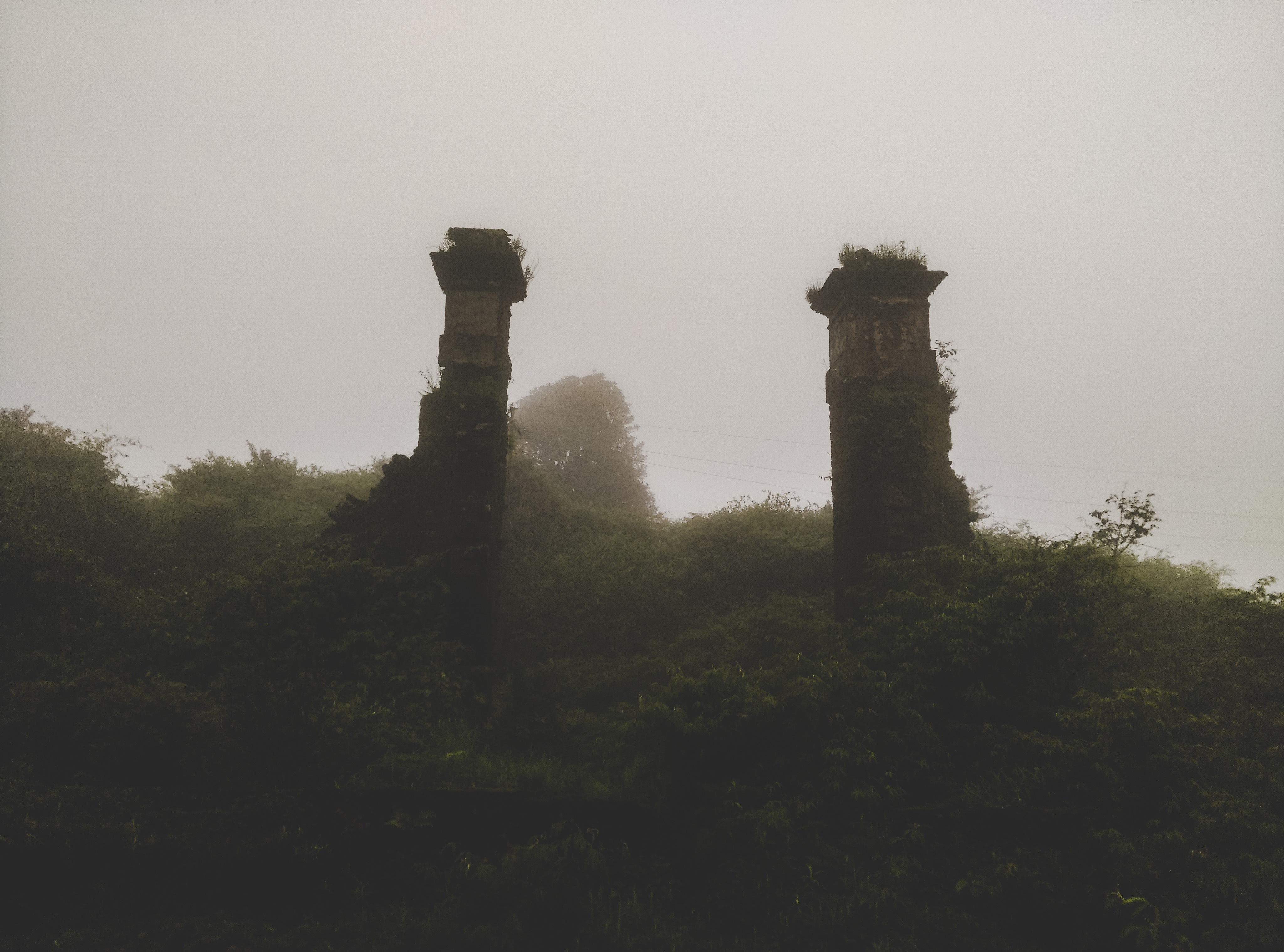
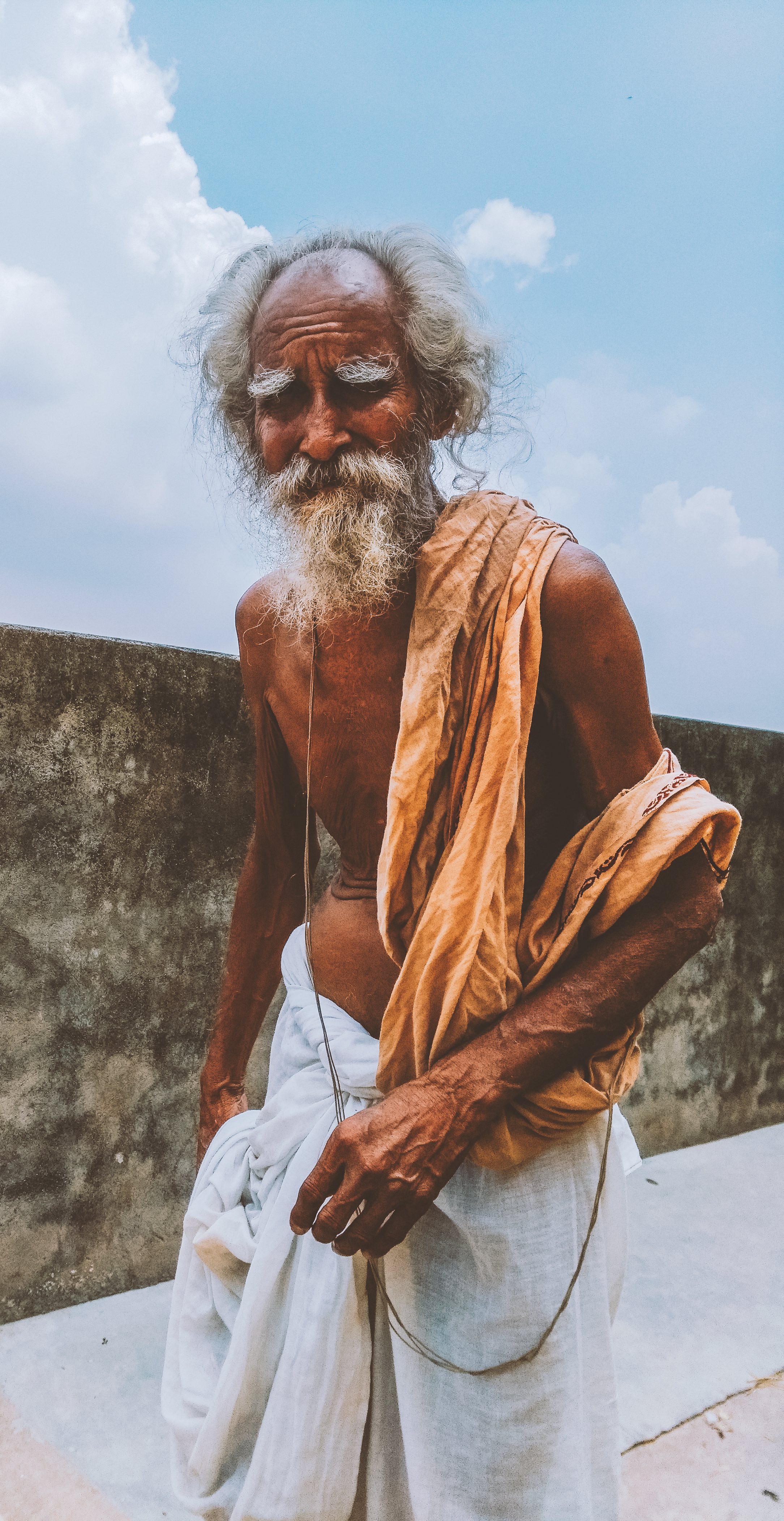
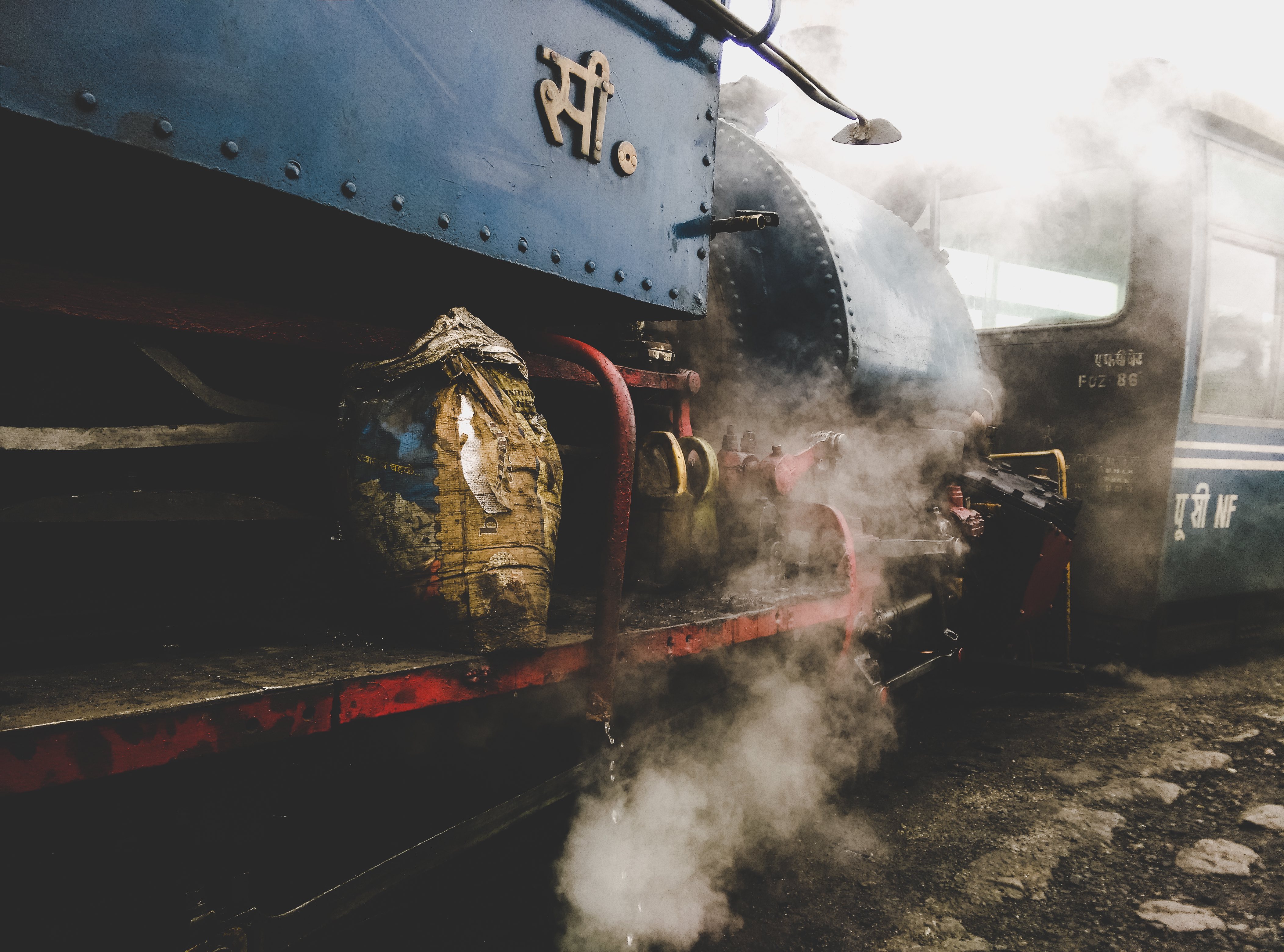
See more of Mehdi Hasan’s work on his official website or follow him on Instagram.
Enjoyed this article? Like Huck on Facebook or follow us on Twitter.
You might like

Inside the Los Angeles scene kid revival
It Starts With Us — For the cover of Huck 84, photographer Alexis Gross and writer Anna Zanes meet the latest faces of scene, who are finding freedom to express themselves through its technicolour, unafraid aesthetic.

Introducing our new issue of Huck Magazine: It Starts With Us
Huck 84 — For our second 20th anniversary issue, we spotlight 20 people and groups providing the world with a hopeful future.

The sharp rise of video game photography
Point, shoot — As the entertainment medium’s fidelity levels increase and developers build more powerful tools, a growing community of gamers are pushing the boundaries of image making in virtual worlds. Vicky Jessop meets people at the forefront of the emerging artform.

Joyous photos from the heart of the UK’s radical free festival movement
Common Grounds — The photographer has been capturing British counterculture for the past half century. A new exhibition looks at his archive sitting at the intersection of music, community and grassroots protest.

The lasting community legacy of a legendary Californian boxing gym
Moretón — Since opening in the ’80s, the Coachella Valley Boxing Club has trained multiple world champions, while providing a vital hub for local youth. In his new photobook, Darren Vargas documents its tight-knit, Chicano-led community, while also weaving a deeply personal story.

Inside the grunge golden age with Hole’s former bassist
My ’90s Rock Photographs — Melissa Auf der Maur’s new photobook is a sprawling visual memoir of her time at the heart of the US scene, from Tinker to The Smashing Pumpkins.


