The Travel Diary: Uzbekistan's man-made water crisis captured in beautiful stills
- Text by Marco Barbieri
- Photography by Marco Barbieri

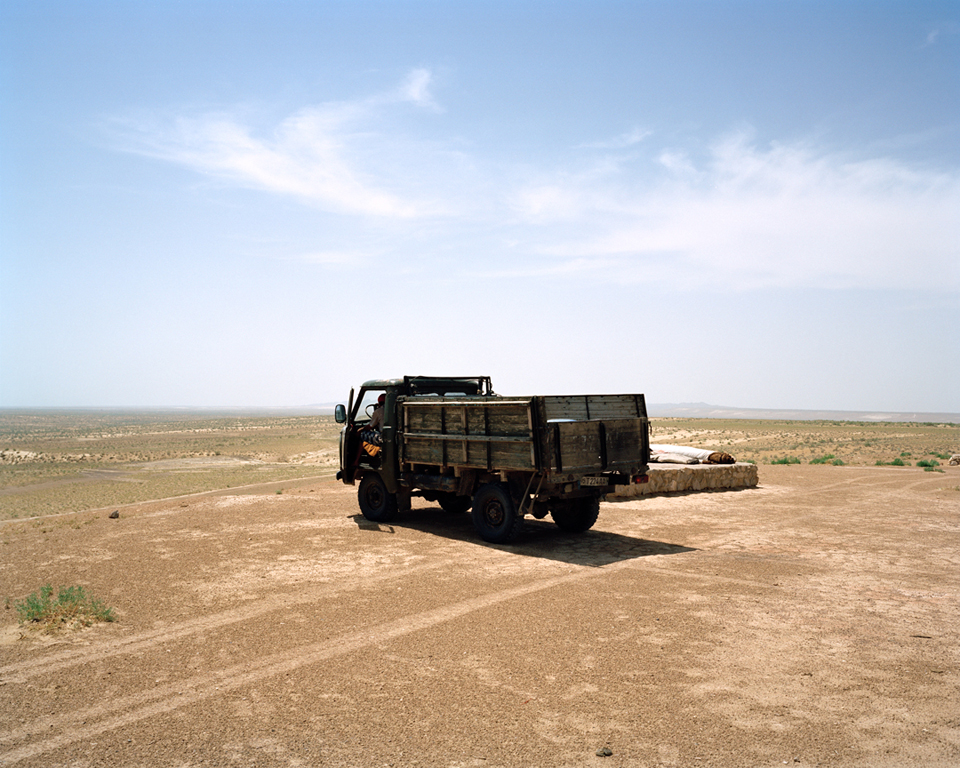
Uzbekistan is Central Asia’s most populous country, a one-party “democracy” for the last 26 years and one of only two double landlocked countries in the world. I initially travelled to Uzbekistan on a journey to reach the Aral Sea, a mass of water that is rapidly receding as the result of one of the biggest (and more overlooked) man-made environmental disasters on earth. But when I got to Central Asia the project quickly evolved into an essay about water, power and how appearances can deceive.
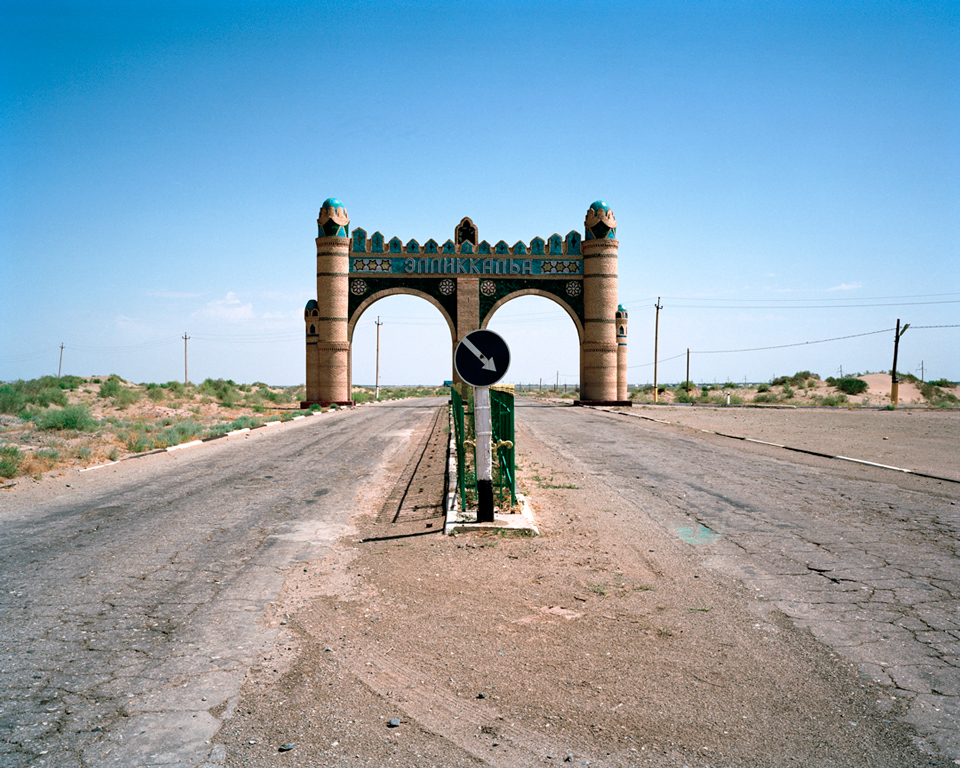
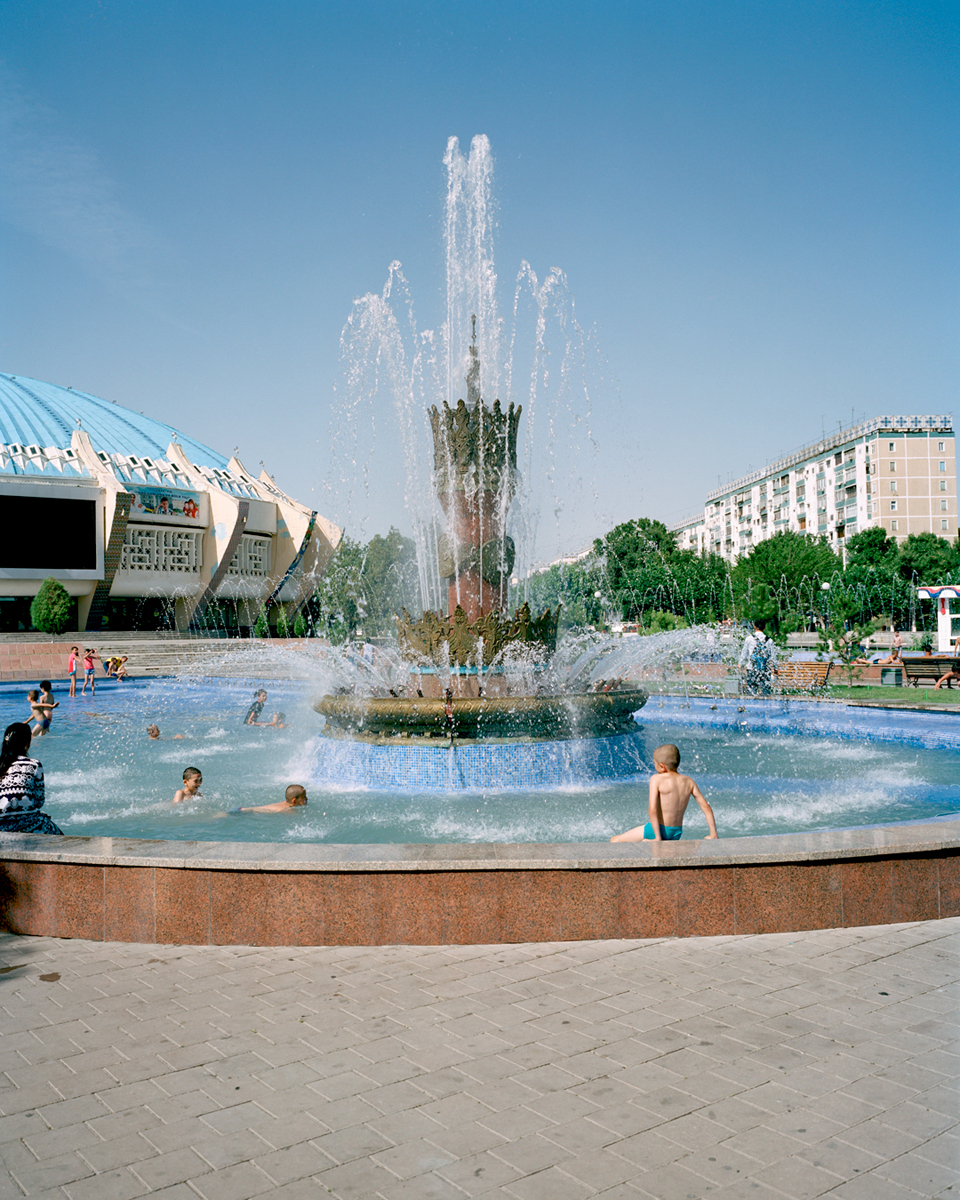
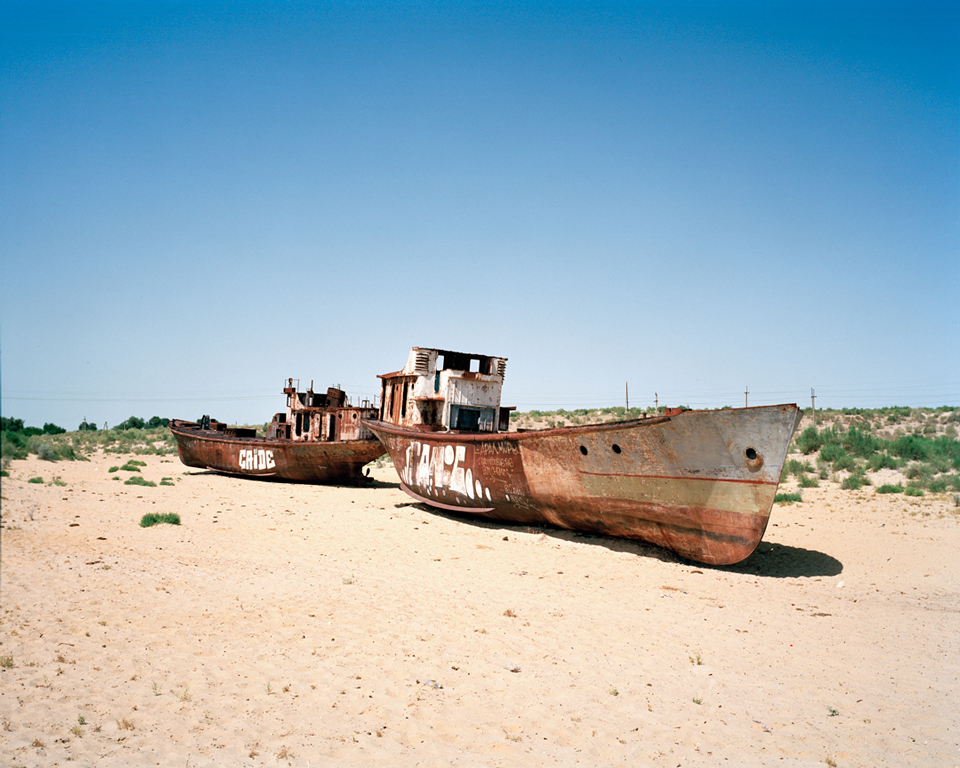
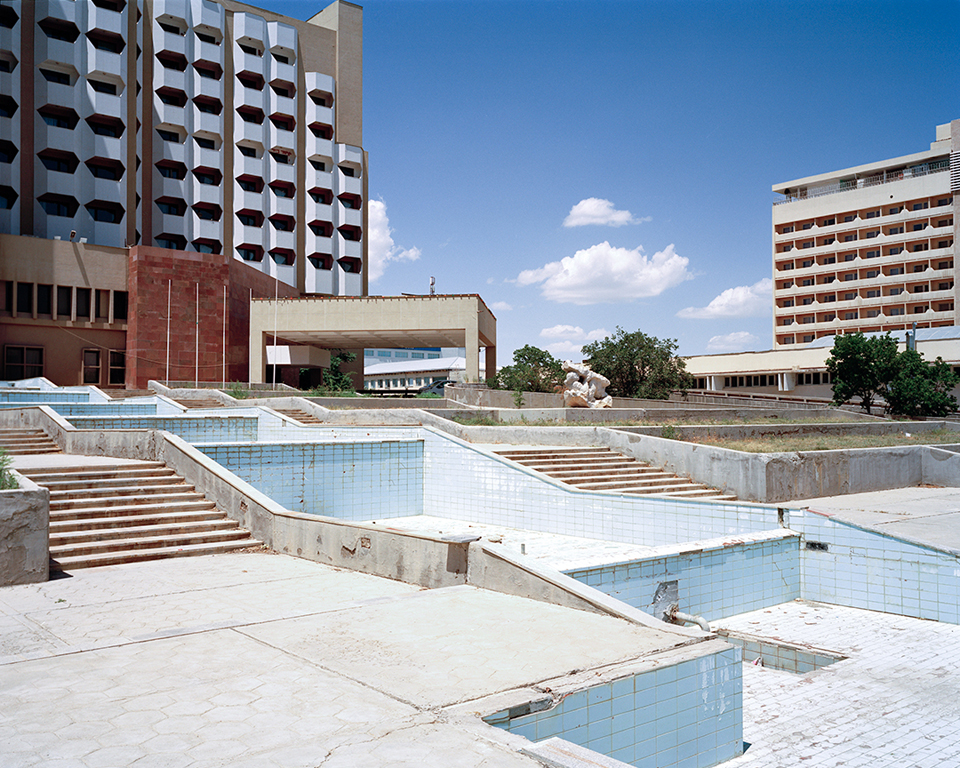
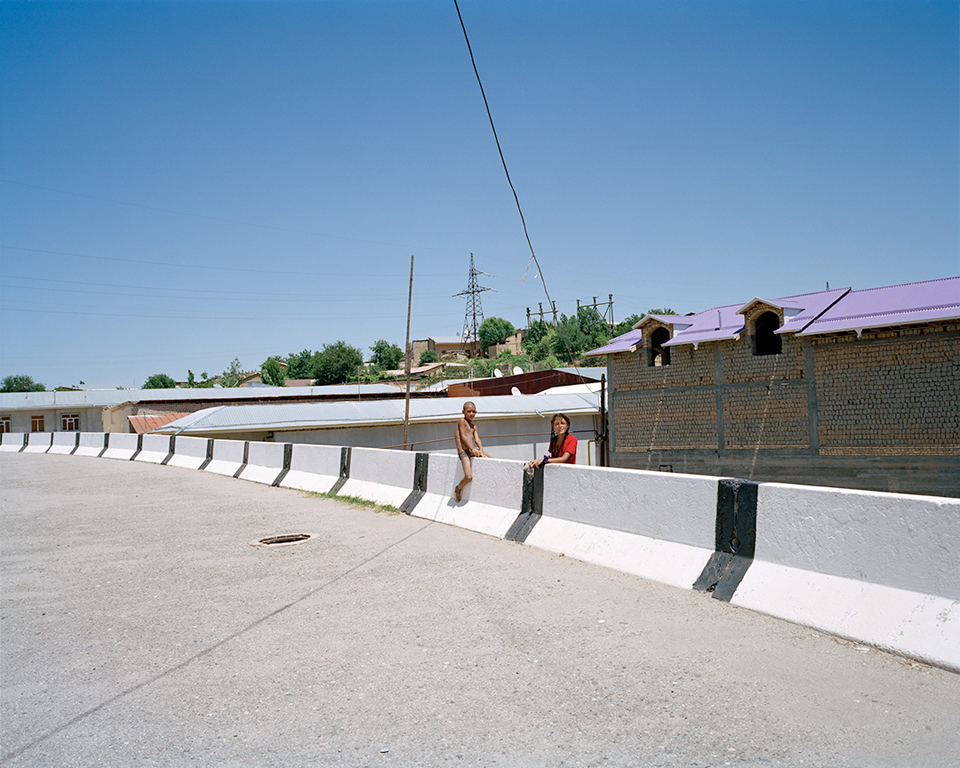
I was confronted with a landscape that was far from the desert environment I was expecting. In the cities, lush gardens and pompous fountains were surrounded by architectural remnants of the Soviet past while clean avenues were dotted by police and military personnel. The land was literally manicured in front of me by men and women cutting it leaf by leaf under the sun.
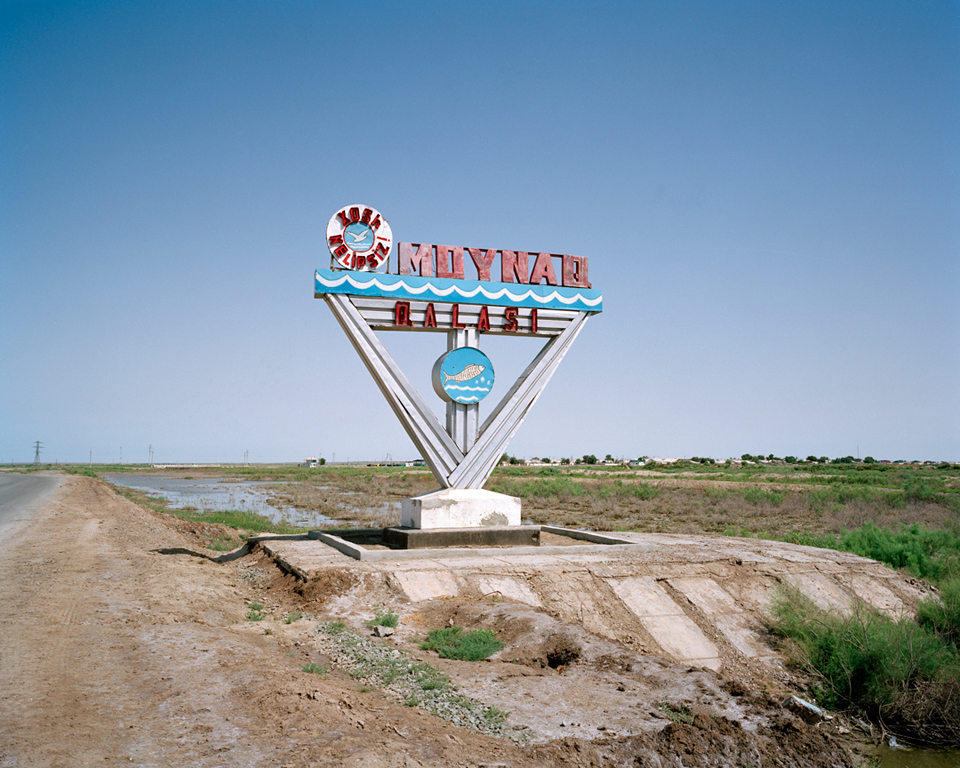
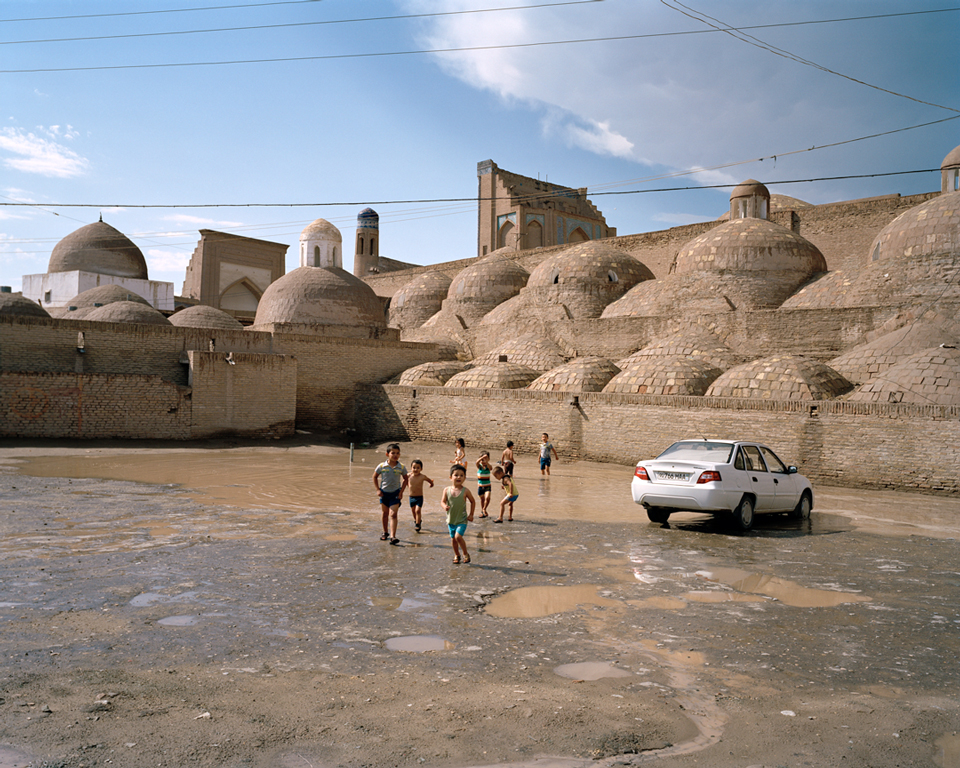
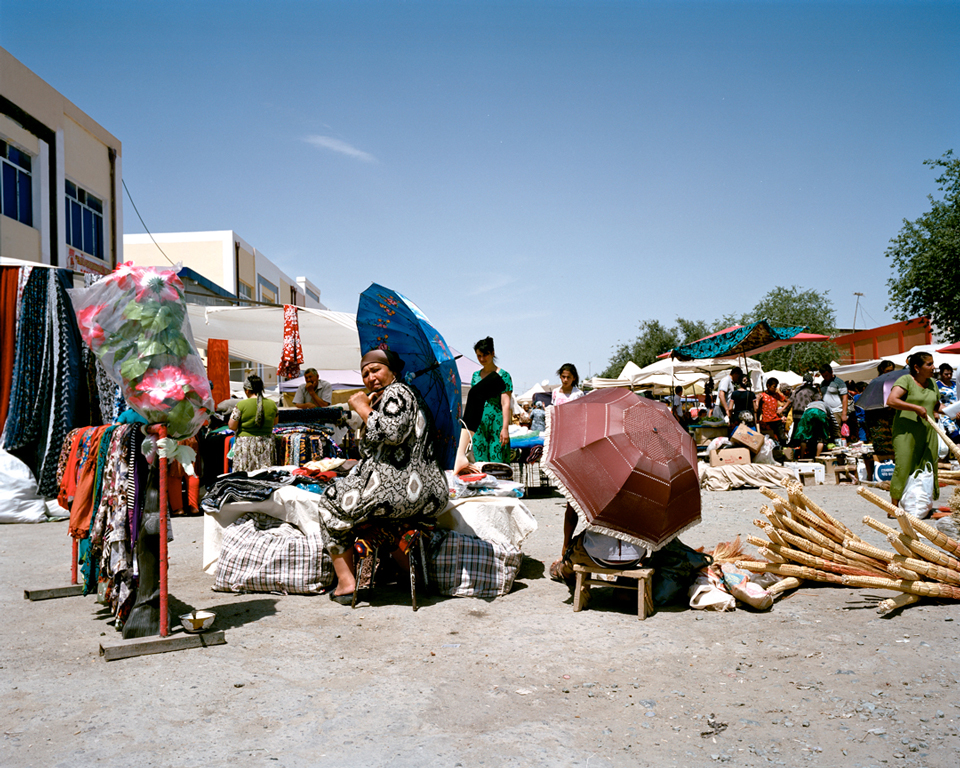
Nowhere was water scarcity more obvious than in the North-Western part of the country. The area was highly affected by the Soviet government decision to transform Uzbekistan into a cotton heaven in the 1960s: canals were built using the water from the Syr Darya and Amu Darya, the two main rivers of the country, and the land became green in other regions. Cotton exports became so important that the plant made it onto the state emblem. But the upshot of this manmade development is unfolding today as an environmental disaster: the Aral Sea deprived of its water intake is rapidly disappearing off the map.
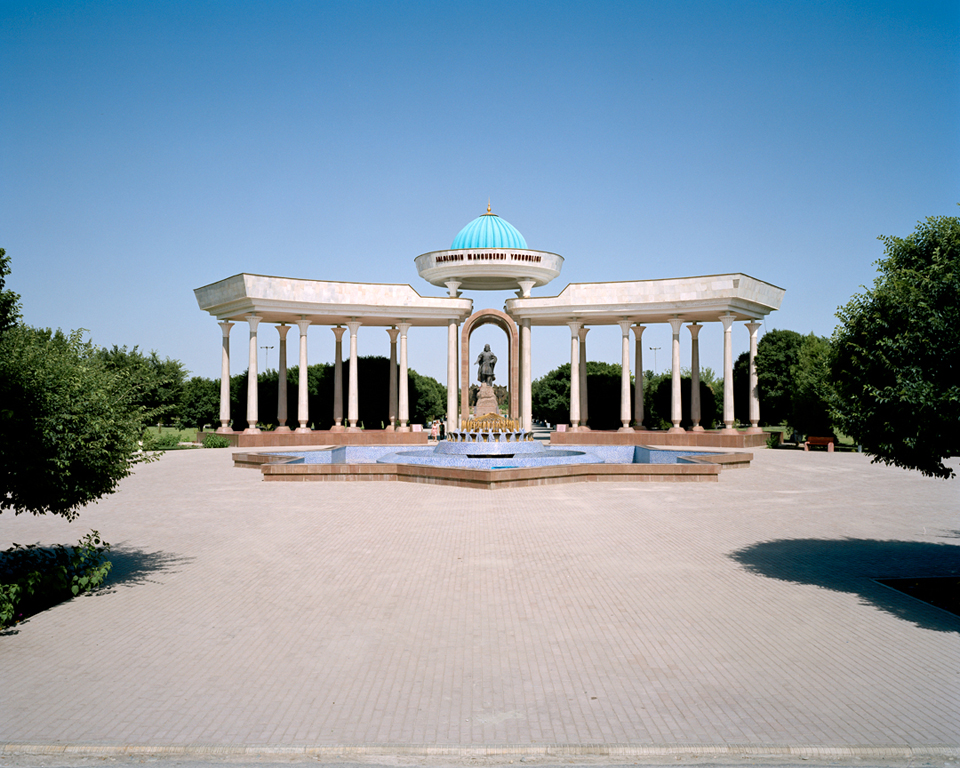
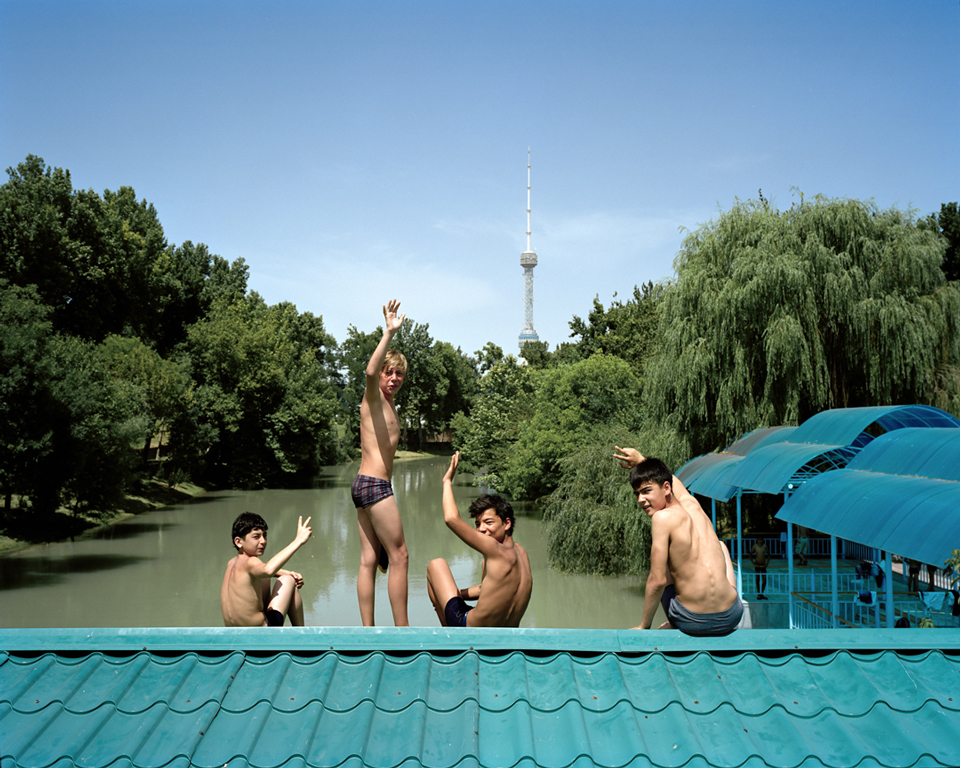
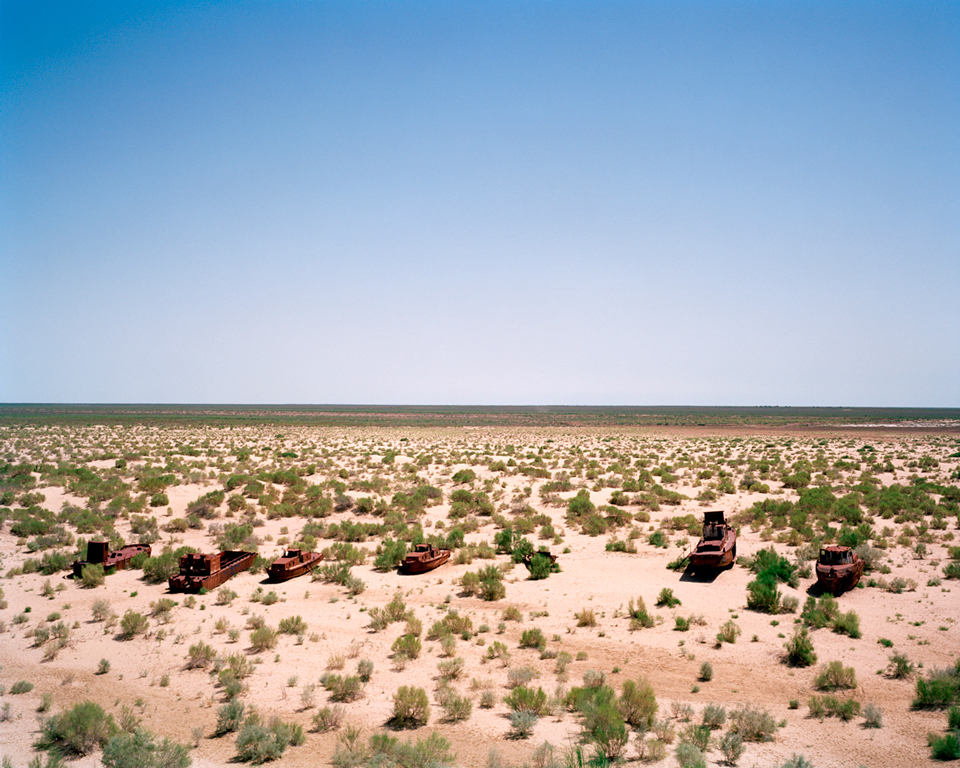
I am usually interested in places where politics play a fundamental role in everyday life.
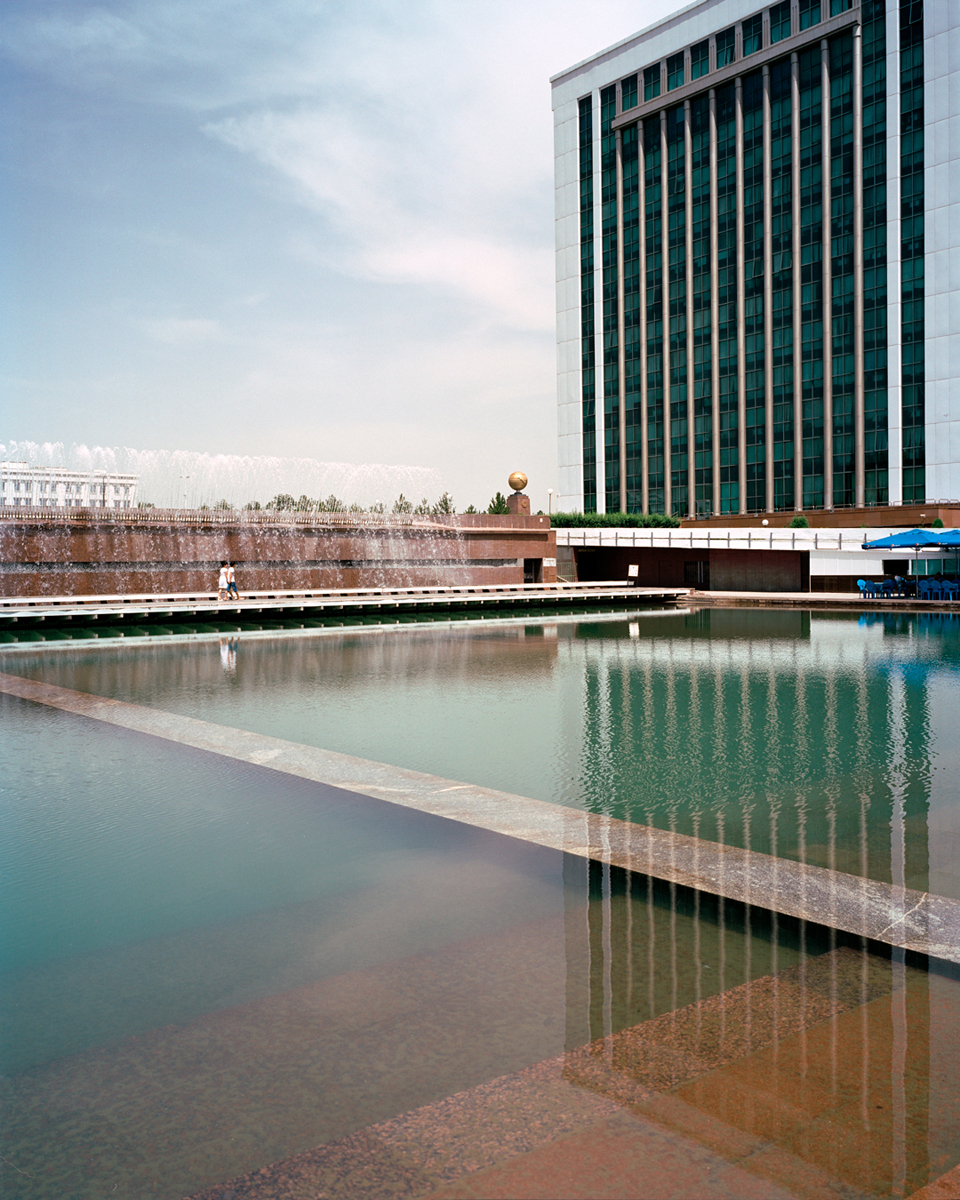
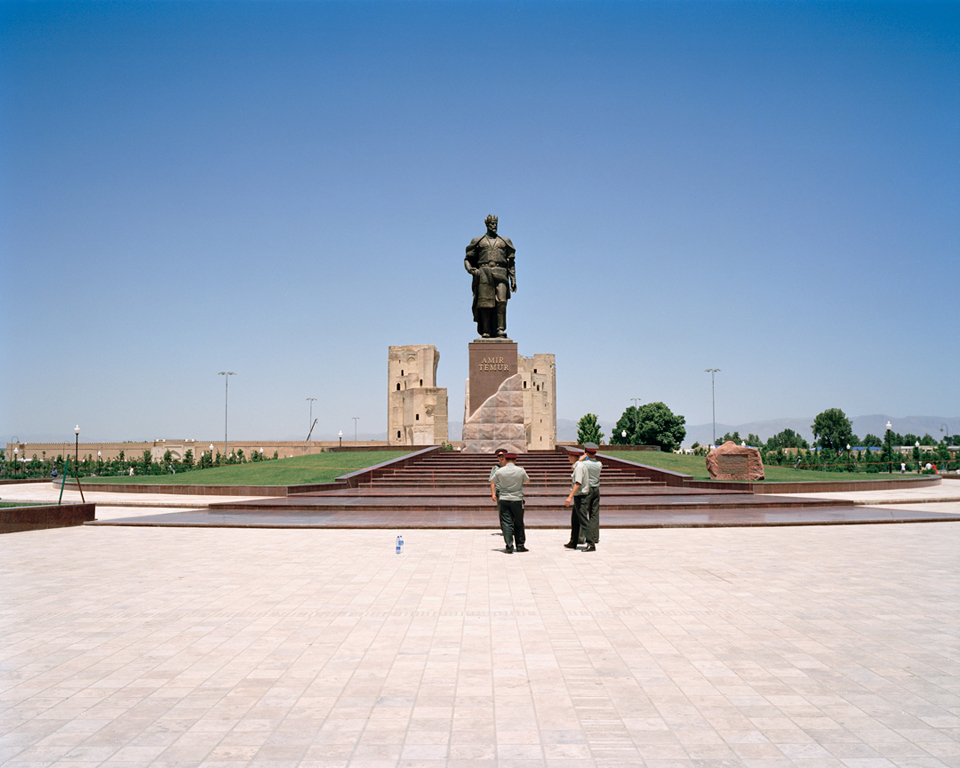
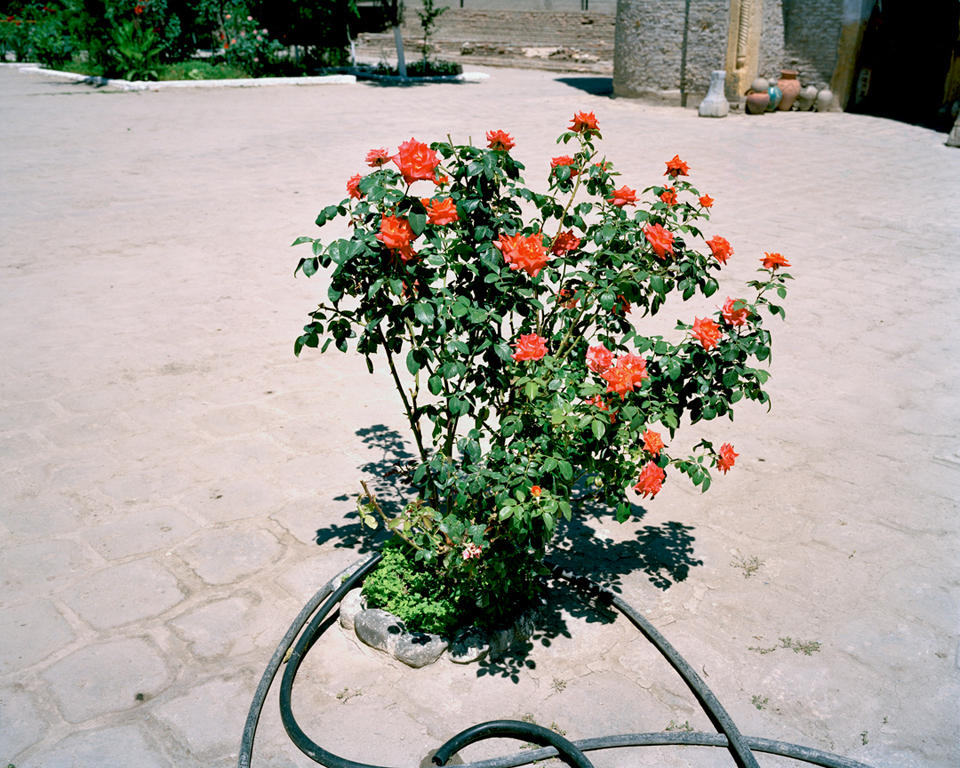
But things may be changing now: on September 1, it was announced that the long serving president died. Islam Karimov was in control from 1990 to 2016 and made sure to keep it this way by making opposition impossible, often using radical Islam as an excuse to block down freedom of speech. In 2005, hundreds of people were killed by government troops during a demonstration that became known as the Andijan massacre: protests were a thing of the past.
Marco Barbieri is a photographer based in London.
You might like

In photos: Black Texas life since emancipation
Kinship & Community — A new photobook and exhibition showcases the rich culture, history and community of African American folks in the Lone Star State, whose existence in the region predates colonial Britain.
Written by: Miss Rosen

Youthful joy & end-of-era poignancy at a London school prom
Leavers — For several years, Lewis Khan documented young people as they celebrated the last of their school days and the completion of their exams. The series is now collated in a new self-published photobook and short film.
Written by: Zoe Whitfield

Harry Gruyaert’s vintage, kaleidoscopic scenes of New York
A Sense of Place — For 50 years, the Belgian photographer and Magnum Photos member has been capturing NYC’s colourful chaos. A new photobook and exhibition showcase his unique, technicolour view of the city.
Written by: Miss Rosen

In the pit at one of the UK’s last stock car & banger speedways
Stock Car Racing Isn’t Dead — Photographer Liam McCarthy spent time in and around the Arlington Raceway’s circuit, capturing the diehard community that keeps the sport alive.
Written by: Isaac Muk

Inside Lower Duck Pond, the nicest town on the internet
/r/HaveWeMet — With a population of 2,500 and no fixed location, the subreddit is a space for roleplaying citizens to solve mysteries, host fictional events and ultimately connect. In an internet that’s often divided and toxic, Vicky Jessop hangs out in one of its most wholesome corners.
Written by: Vicky Jessop

A major Nan Goldin exhibition is coming to London
You Never Did Anything Wrong — Opening at the Hayward Gallery in November, the show will debut a new film from the artist and activist, alongside a slate of recent work.
Written by: Jack Dennison-Thompson


