A portrait of UK life on the edges of gentrification
- Text by HUCK HQ
- Photography by Stephen Burridge

When photographer Stephen Burridge was young, his father, then a London taxi driver, would often take him driving through the capital’s winding roads. Burridge remembers gazing out of the cab’s window with endless curiosity: “I just had this affinity with watching people on the streets and looking at their mannerisms,” he recalls.
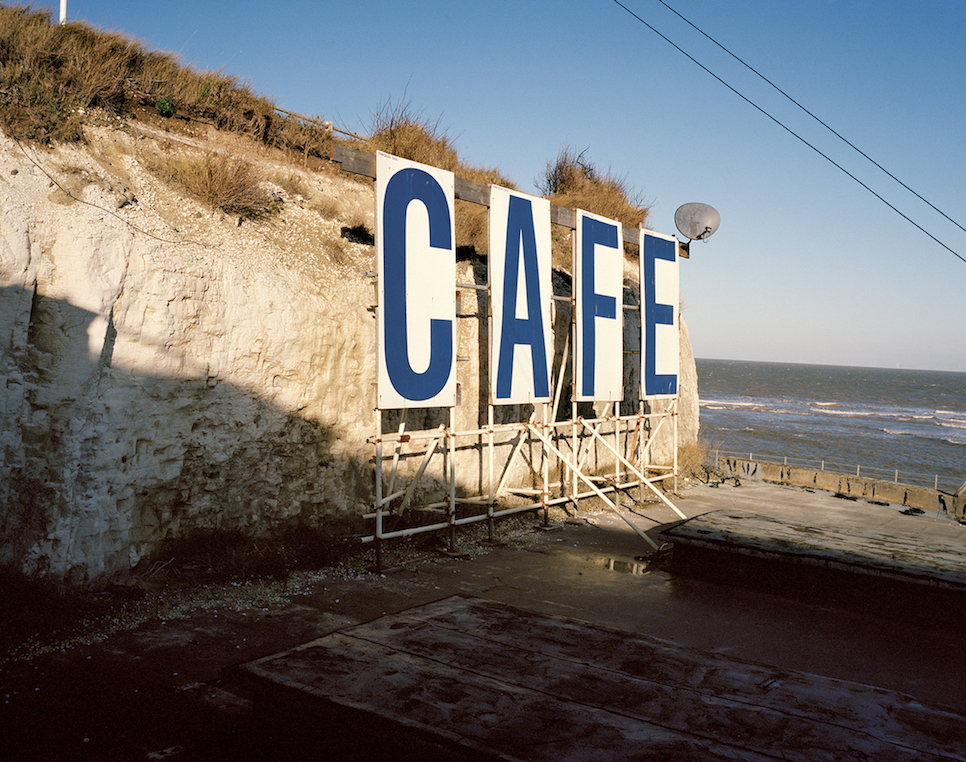
These journeys would grow into Burridge’s love of photographing the streets. “I continued but in a different aspect, with the camera instead of a taxi,” he says. Burridge has since spent much of his career capturing the UK’s diverse, primarily working-class neighbourhoods, among them Deptford in South London, Roman Road and Bethnal Green in East London, and the UK’s coastal regions of Blackpool and South Bay.
These photographs now form a series entitled Homegrown – a reference, Burridge says, to the “authentic, real approach” of being a Londoner photographing his own streets and integrating with the communities that comprise the project.
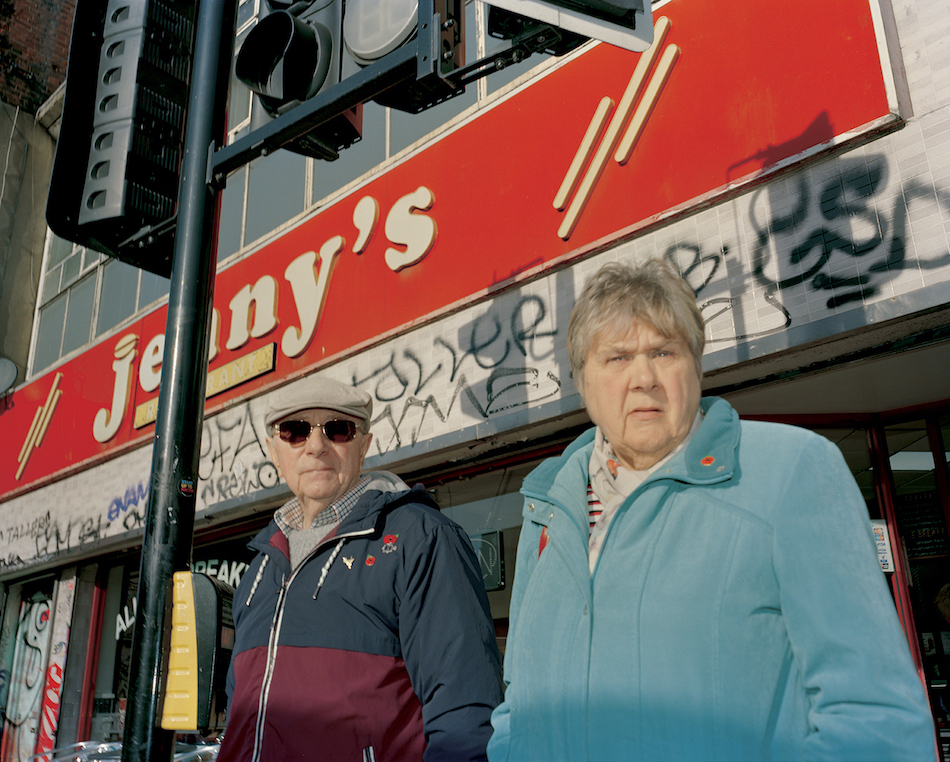
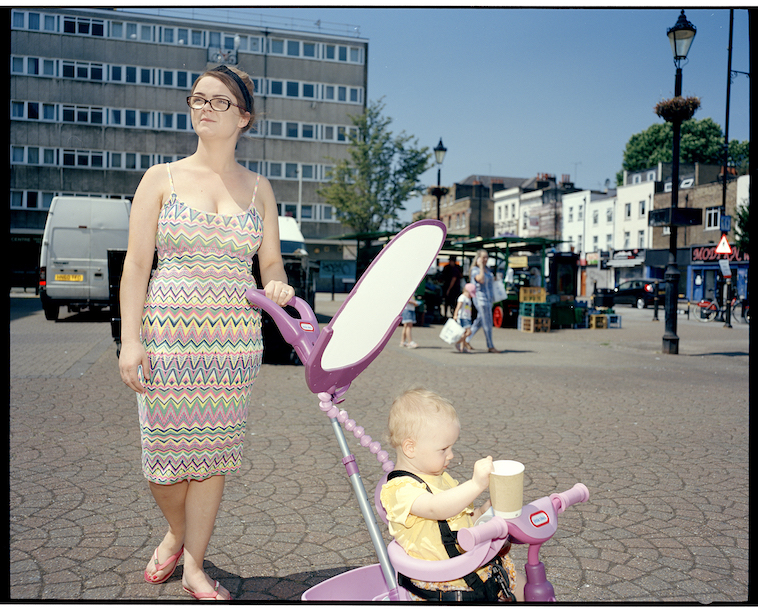
It was through photography that Burridge first became acquainted with Britain’s class system, and in this sense, his work has always had a political dimension. “It’s become a personal challenge of mine to break-down facades, to get close to the people in these communities and to show the individual characteristics of an area.”
Burridge speaks about his role as a photographer with a sense of duty – that being to preserve the memory of areas from the slow creep of gentrification. “The very purpose of gentrification is to take away the soul and life of an area, to commercialise it, and use it as a commodity,” he says. “To show the beauty of these misaligned areas – which are becoming few and far between – is an art form in itself.”
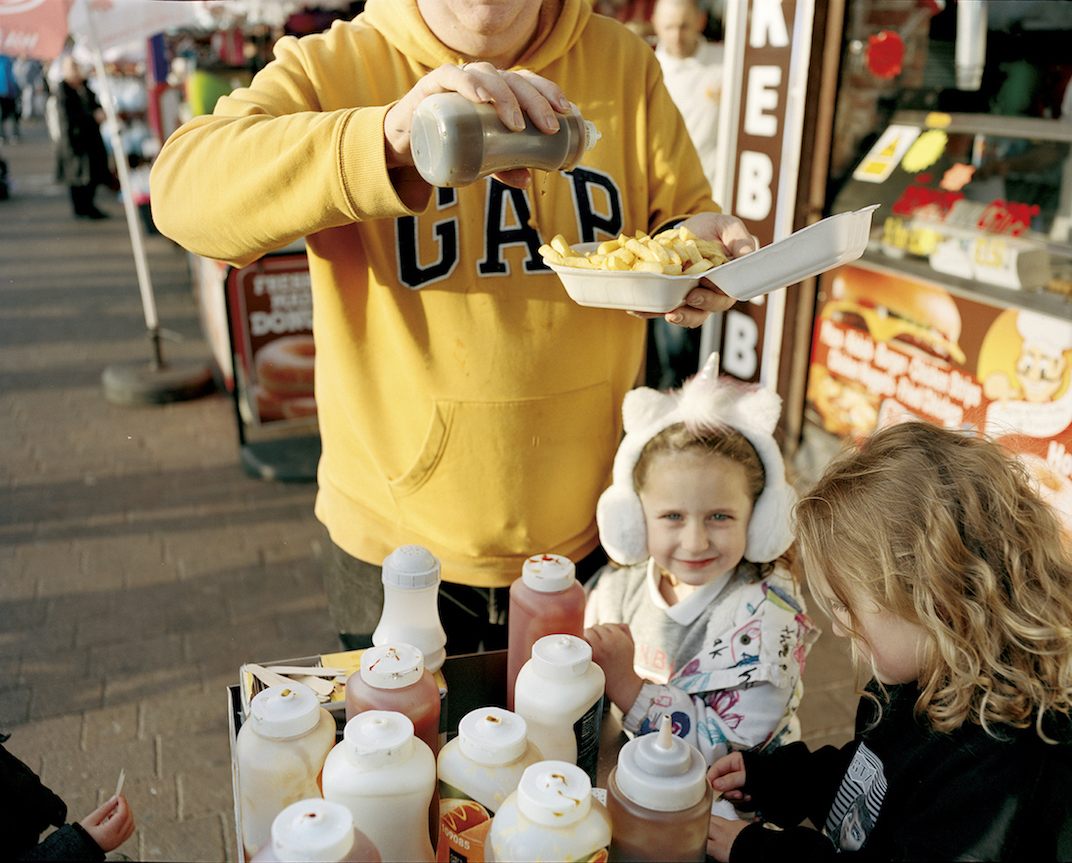
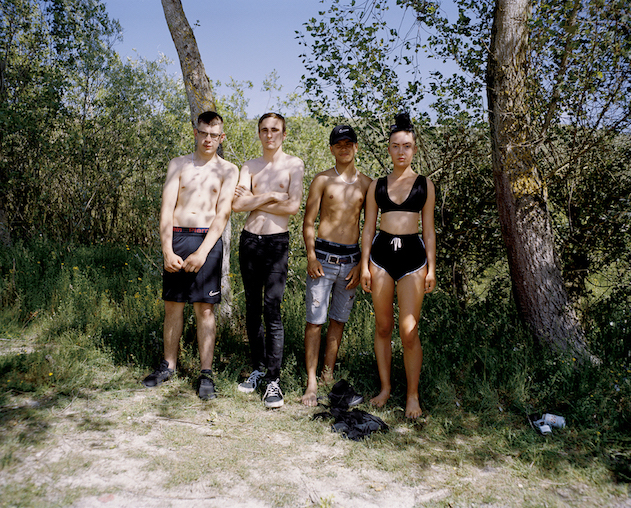
For this reason, he avoids shooting wealthier suburbs, which he describes as homogenised in their appearance. Instead, he chooses to document the “unconventional eloquence” of those existing on the margins of capitalism, whether it’s London’s bustling street markets or takeaways on the beachfront.
His photographs, he says, are a mixture of “semi-arranged” pictures, where he asks to shoot his subject, and “serendipity”, which involves waiting for the right moment to photograph a person without them knowing. It is these chance encounters, Burridge says, that allow for the “nuanced and brutal imagery” that has become a trademark of his work.
In the past, British documentary photography depicting the working classes has attracted criticism for its voyeurism and distance from the lived reality of its subjects. But Burridge’s work offers nuance, something he owes to his own background and compassion for the people behind his lens.
“I have close ties with these groups and I have a natural connection with them,” he says. “Instead of looking down on, I photograph in an intrinsically appreciative way.”


See more of Stephen Burridge’s work on his official website, and follow him on Instagram.
Enjoyed this article? Like Huck on Facebook or follow us on Twitter.
You might like

In photos: Black Texas life since emancipation
Kinship & Community — A new photobook and exhibition showcases the rich culture, history and community of African American folks in the Lone Star State, whose existence in the region predates colonial Britain.
Written by: Miss Rosen

London’s largest indoor skatepark to be demolished for padel courts
Better Extreme — The Barking skatepark’s fate follows that of similar indoor spaces in recent years, with operators GLL citing falling visitor numbers as the reason behind the decision.
Written by: Isaac Muk

Youthful joy & end-of-era poignancy at a London school prom
Leavers — For several years, Lewis Khan documented young people as they celebrated the last of their school days and the completion of their exams. The series is now collated in a new self-published photobook and short film.
Written by: Zoe Whitfield

Harry Gruyaert’s vintage, kaleidoscopic scenes of New York
A Sense of Place — For 50 years, the Belgian photographer and Magnum Photos member has been capturing NYC’s colourful chaos. A new photobook and exhibition showcase his unique, technicolour view of the city.
Written by: Miss Rosen

In the pit at one of the UK’s last stock car & banger speedways
Stock Car Racing Isn’t Dead — Photographer Liam McCarthy spent time in and around the Arlington Raceway’s circuit, capturing the diehard community that keeps the sport alive.
Written by: Isaac Muk

Inside Lower Duck Pond, the nicest town on the internet
/r/HaveWeMet — With a population of 2,500 and no fixed location, the subreddit is a space for roleplaying citizens to solve mysteries, host fictional events and ultimately connect. In an internet that’s often divided and toxic, Vicky Jessop hangs out in one of its most wholesome corners.
Written by: Vicky Jessop


