Vintage photos of London street life at the turn of the millennium
- Text by Miss Rosen
- Photography by Joan Piekny

London 1995-2005 — In her new photobook, Joan Piekny reflects on a decade shooting the styles and subcultures of the UK capital’s streets, just before technology .
Back in the 1990s, photographer Joan Piekny was working in New York City as an art director, collaborating with photographers directing fashion and beauty shoots. She naturally gravitated to the work of Saul Leiter and William Klein, whose infectious blend of fashion and street photography elevated both genres to new realms. But it was street photographers Robert Frank, Garry Winogrand, and Leon Levinstein who instilled a sense of urgency the Piekny strove to reach – raw and tender, gutsy and humane, striking a pitch perfect emotional resonance while revealing a deeper truth about humanity.
Intuitively drawn to street photography, Piekny revels in the moments of casual glamour unfolding on the world stage day and night. “Street photography has become for me a way of being in the world, and of responding to others around me,” she says. “I want to capture the particular reality of my subjects as I document our times. I identify with my subjects in some way, with their presence, or with their energy, and look for those especially who emit some kind of emotion.
Piekny frequently travelled to London for business and pleasure, delighting in the majestic drama of everyday life unfolding on the streets against the grandeur of its historic cityscape. Now she looks back at the era in London 1995 – 2005 (Café Royal Books), an intimate portrait of British street style at the millennium. “The most important thing was that London possessed a cast of eccentric characters,” Piekny says. “Back in 1995 I found most Londoners unconventional but the youth subcultures with their rebellious dress and behaviour attracted me the most. I loved the contrast between the youth culture against the English sense of tradition.”


Like Shirley Baker in the ’80s, Piekny naturally gravitated towards Camden Town, where punk and alt rock reigned supreme. “My work grew out of an attempt to present the unique ways individuals shape their identities,” she says. Pointing to her photograph ‘Rockabilly Dudes’, Piekny continues, “In the mid-’90s, to appear in rockabilly style was an expression of their longing to be in a more genuine rock & roll era, identifying with cult figures of the past, and in turn creating a subculture of their own.”
While the youth culture, fashion, and art maintained the rebellious spirit of punk, Piekny was also drawn to the old guard, whose idiosyncrasies readily lent themselves to the photographic arts. “I would approach each image as an intimate view of a subject encountered on the street in a series of urban locations particular to each,” she says. “Hanging around central London in the vibrant neighbourhood of Holborn, I would photograph the London commuters, and also I went to Covent Garden to walk about in the theatre district, an area that was always populated with interesting characters, to observe the scene.”
Piekny remembers a deep feeling of connection with life on the streets before technology disrupted the natural flow of life. “Back in the ’90s, the vibe was different,” she says. “People would hang around on the streets, taking a break from work to smoke a cigarette, people watch, and sometimes strike up conversations. There was eye contact, communication, and people were more approachable. In the earlier era the only distraction was people lost in their own thoughts, and that could create a beautiful mood to photograph.”


London 1995 – 2005 by Joan Piekny is published by Café Royal Books.
Miss Rosen is a freelance arts and photography writer, follow her on X.
Buy your copy of Huck 83 here.
Enjoyed this article? Follow Huck on Instagram for more from the cutting edge of sport, music and counterculture.
Support stories like this by becoming a member of Club Huck.
You might like

An evening with the South London Warlords
The art of war — From Warhammer to Burrows and Badgers, the small Dulwich community has been fortifying defences and launching invasions since 1971. Ryan Loftus dives into the wonderful world of wargaming.
Written by: Ryan Loftus

In photos: The colourful, foreboding techno-optimism of the ’90s
A Visual History — Henry Carroll’s new book traces the roots of unfettered, present-day neoliberalism through images from the 20th century’s final decade, raising questions about how we arrived at where we are today.
Written by: Miss Rosen

Jesse Glazzard’s messy portrait of queer friends, lovers and chosen family
The Sound of Dirt and Beauty — The photographer’s debut monograph explores tender, unpolished moments shaped by the people who he surrounds himself with, while offering a window into the UK’s working-class LGBTQ+ community.
Written by: Sunny Sunday
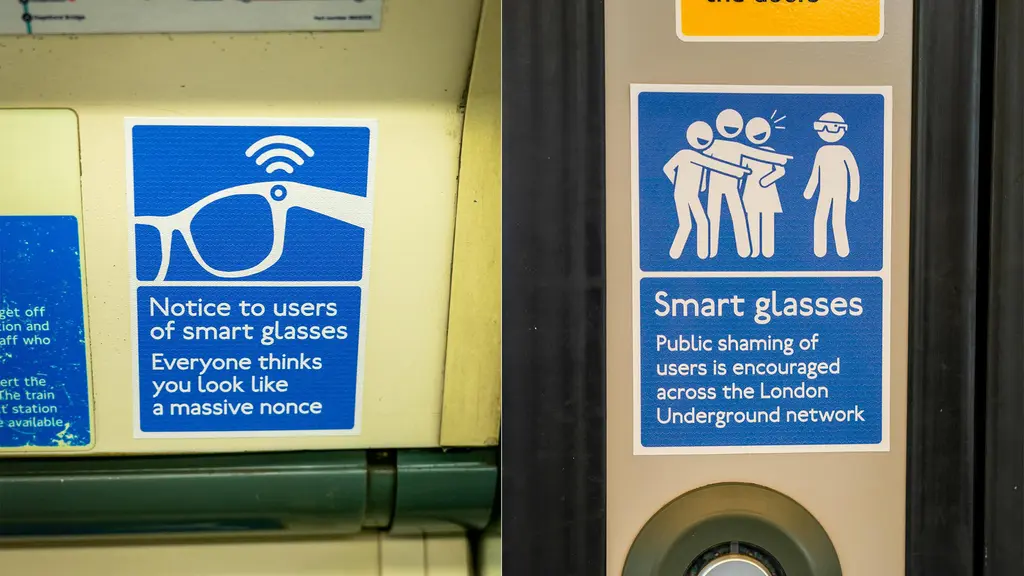
Activists slam “pervert glasses” in new guerrilla campaign
Everyone Hates Elon — Stickers have appeared on the London Underground network, criticising the wearable technology’s covert filming capabilities.
Written by: Isaac Muk

Behind the curtain at Alternative Miss World 1981
Olympia glamour — Running a subversive take on the traditional beauty pageant, the Andrew Logan organised event prioritised underground creativity and invention. Photographer David Corio went behind the scenes at its biggest edition.
Written by: Miss Rosen

Dan Lacey: “BMX is forever evolving”
Overground — Steph Pomphrey caught up with the two-wheel legend after his latest meet in east London, chatting about fatherhood, music and action sports within the outdoor industry.
Written by: Steph Pomphrey


