#WearWhatYouWant: Protest in London over French burkini ban
- Text by Michael Segalov
- Photography by Theo McInnes

Heading down to the beach on a sunny afternoon is one of life’s greatest pleasures: the sun, the sea, the sand? It’s heavenly. Well, that’s the idea anyway, although armed police officers confronting you simply for the way you’re dressed as you lie back on a towel probably tarnishes the rest and relaxation that this should offer.
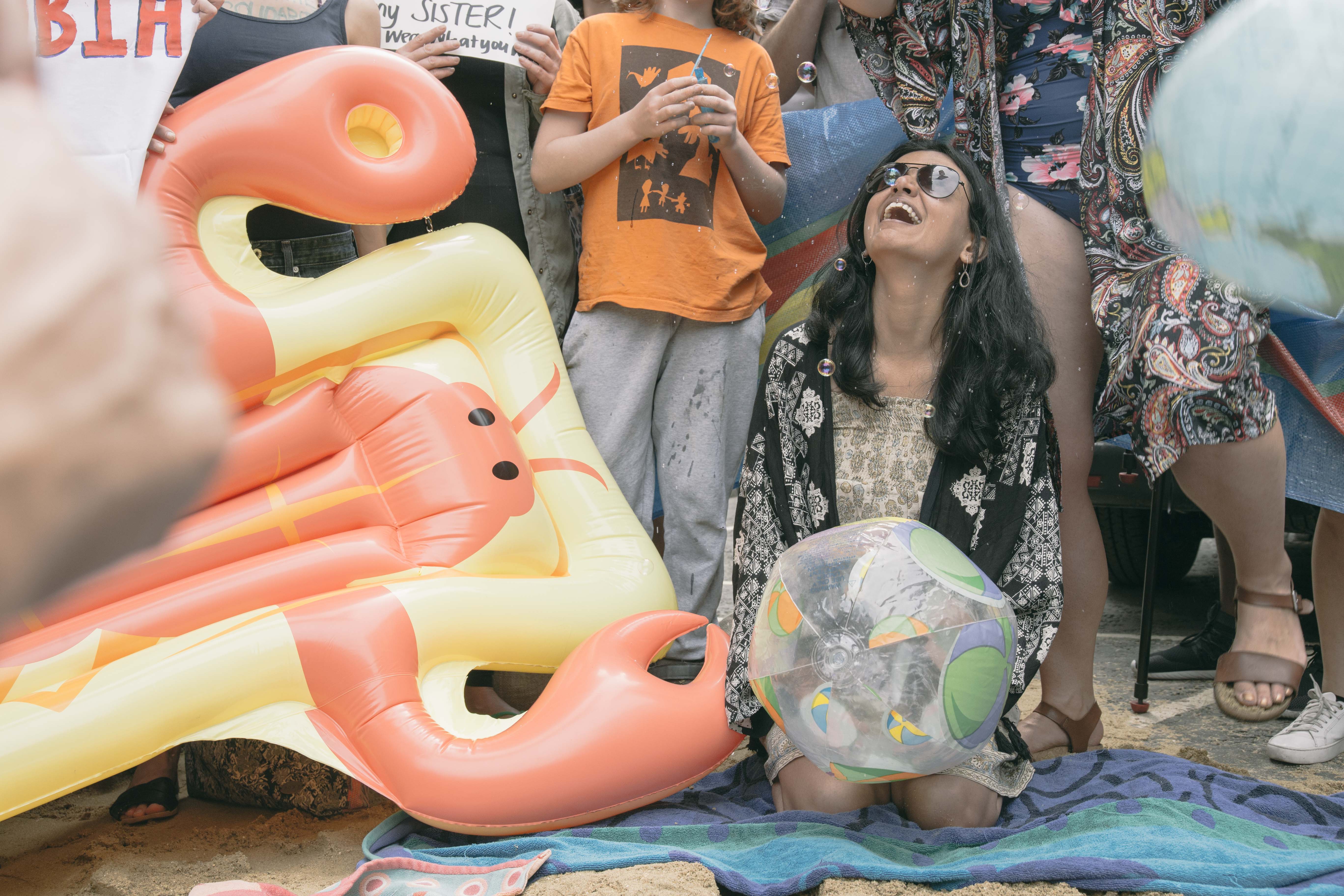
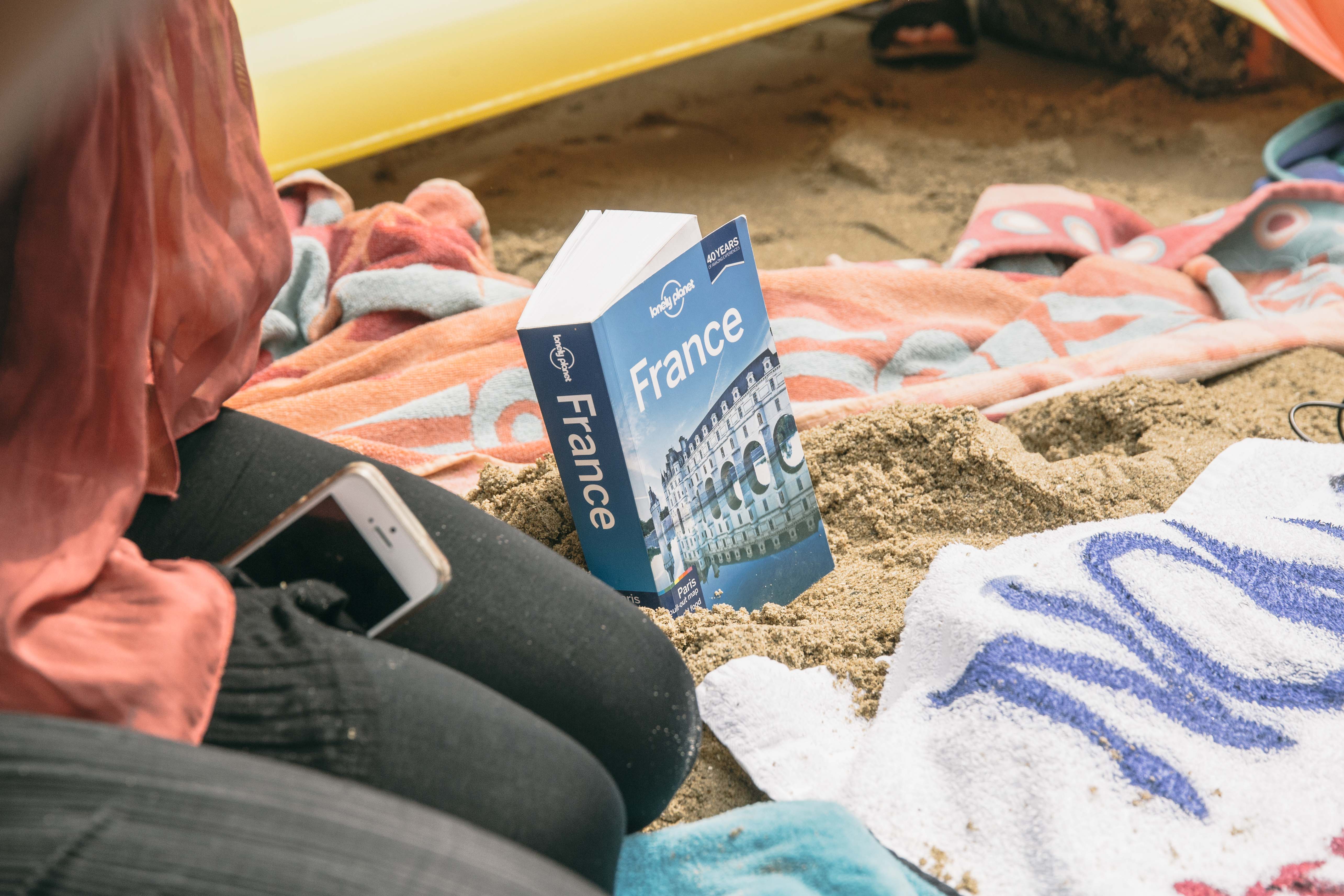
With authorities in 15 French towns implementing a ban on the “burkini”, this is the uncomfortable reality that Muslim women are now facing. The pseudo-facsist response by French officials to the style of beachwear – an item of clothing that covers the body and head in accordance with Islamic principles – is now seeing Muslim women forced to undress themselves in public.
The policy in the French city of Nice makes for distressing reading: the ban is on clothing that “overtly manifests adherence to a religion at a time when France and places of worship are the target of terrorist attacks”. It seems the prejudice that sees the Muslim community blamed for the acts of terrorists is once again enshrined in law.
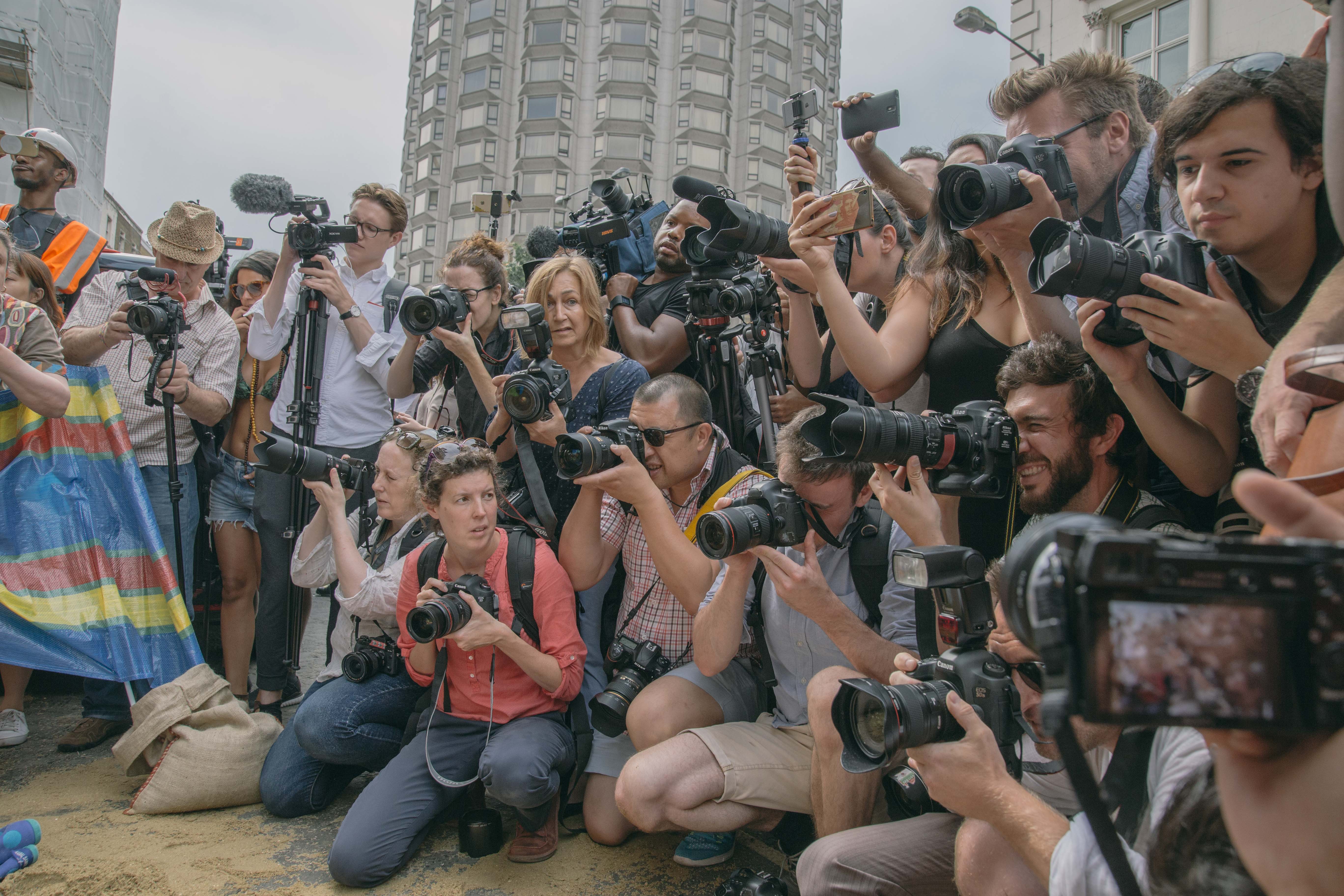
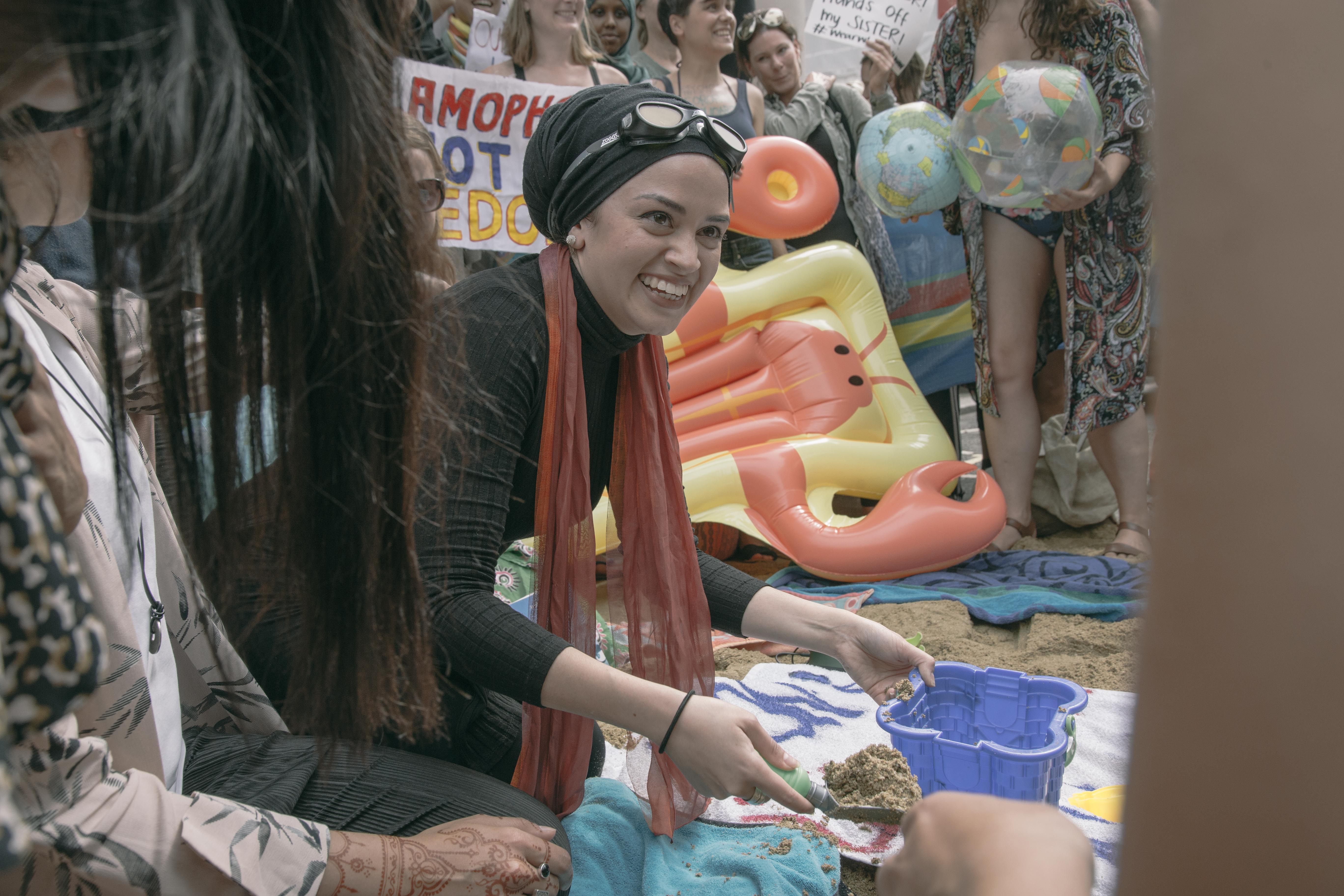
Images that surfaced this week of four armed officers confronting a woman on a beach in Nice, Southern France, have sparked outrage and alarm around the world.
Around 100 women headed down to the French Embassy in Knightsbridge, West London today, to express their anger at what seems to be an explicitly Islamophobic policy that hinders the rights of the French population to dress in clothing that they feel comfortable in. Chants and cheering echoed through the busy street, as concerned looking diplomats and officials watched on through the windows above.
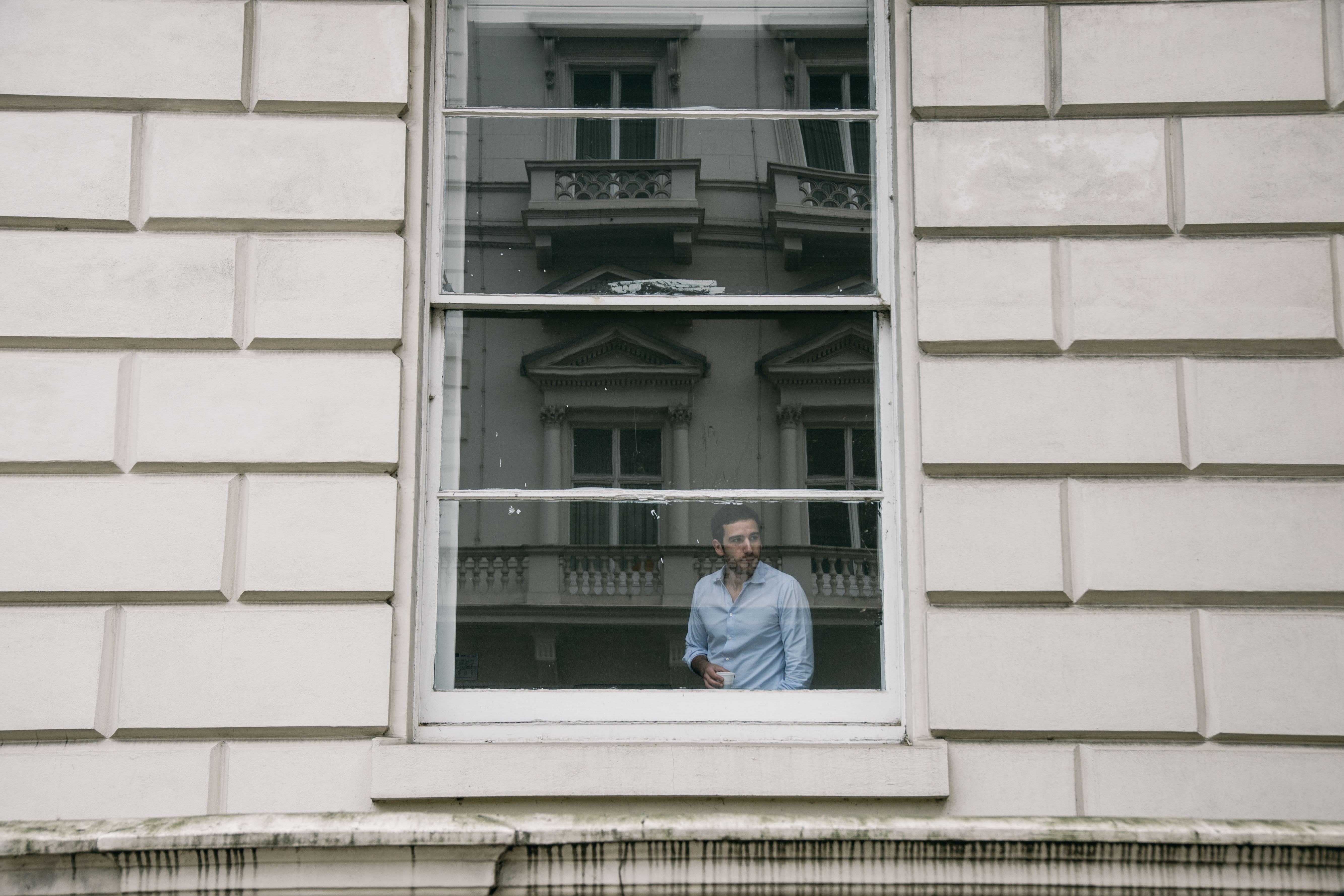
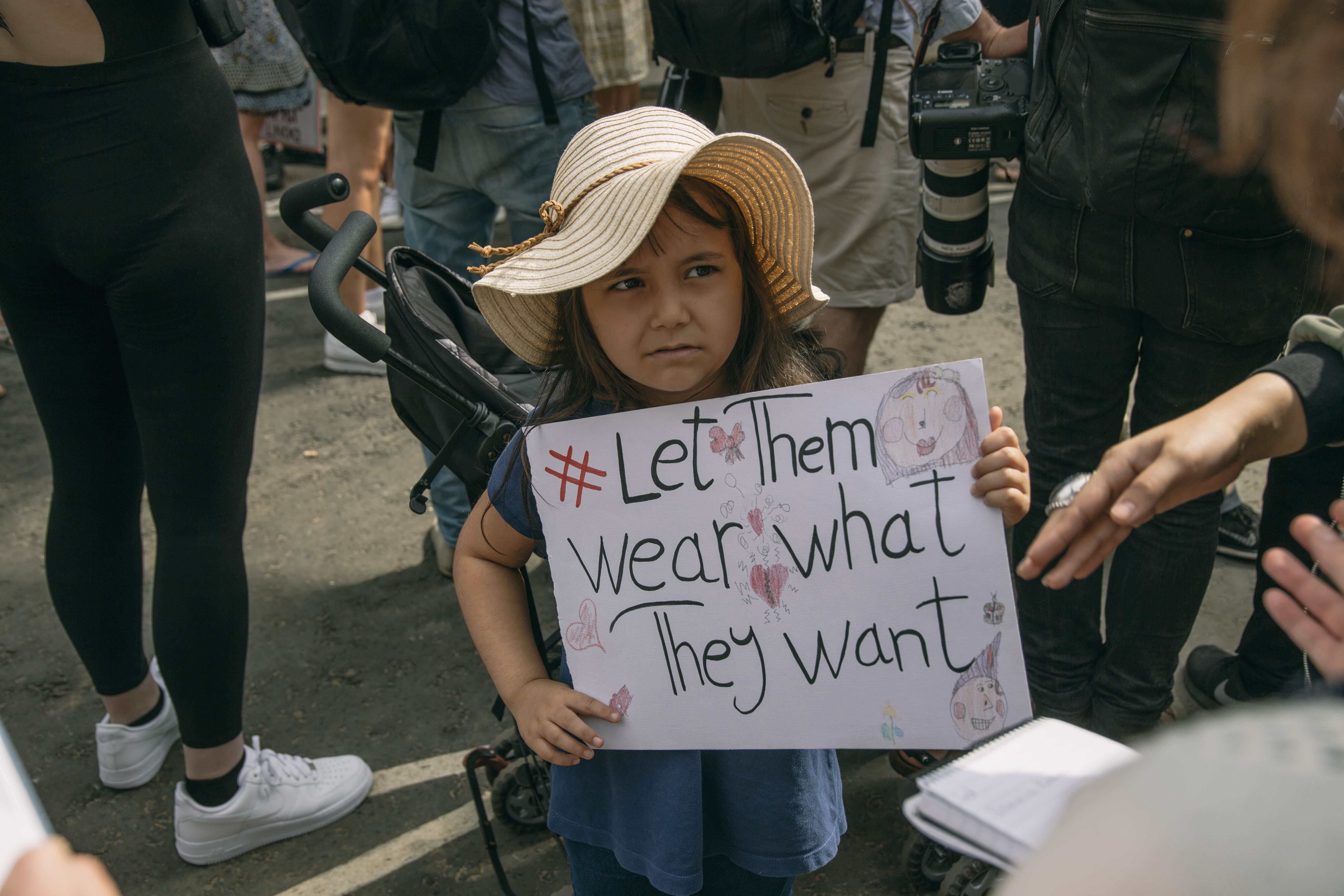
“We set up the event to show solidarity with Muslim women, not only in France, but around the world”, explained Fariah, one of the women attending the event. “The ban on burkinis contradicts all those values that France claims to uphold – liberty, equality, and fraternity. If a woman is free to expose her body, why isn’t she free to cover it up? Women should be allowed to wear what they want, when they want.”
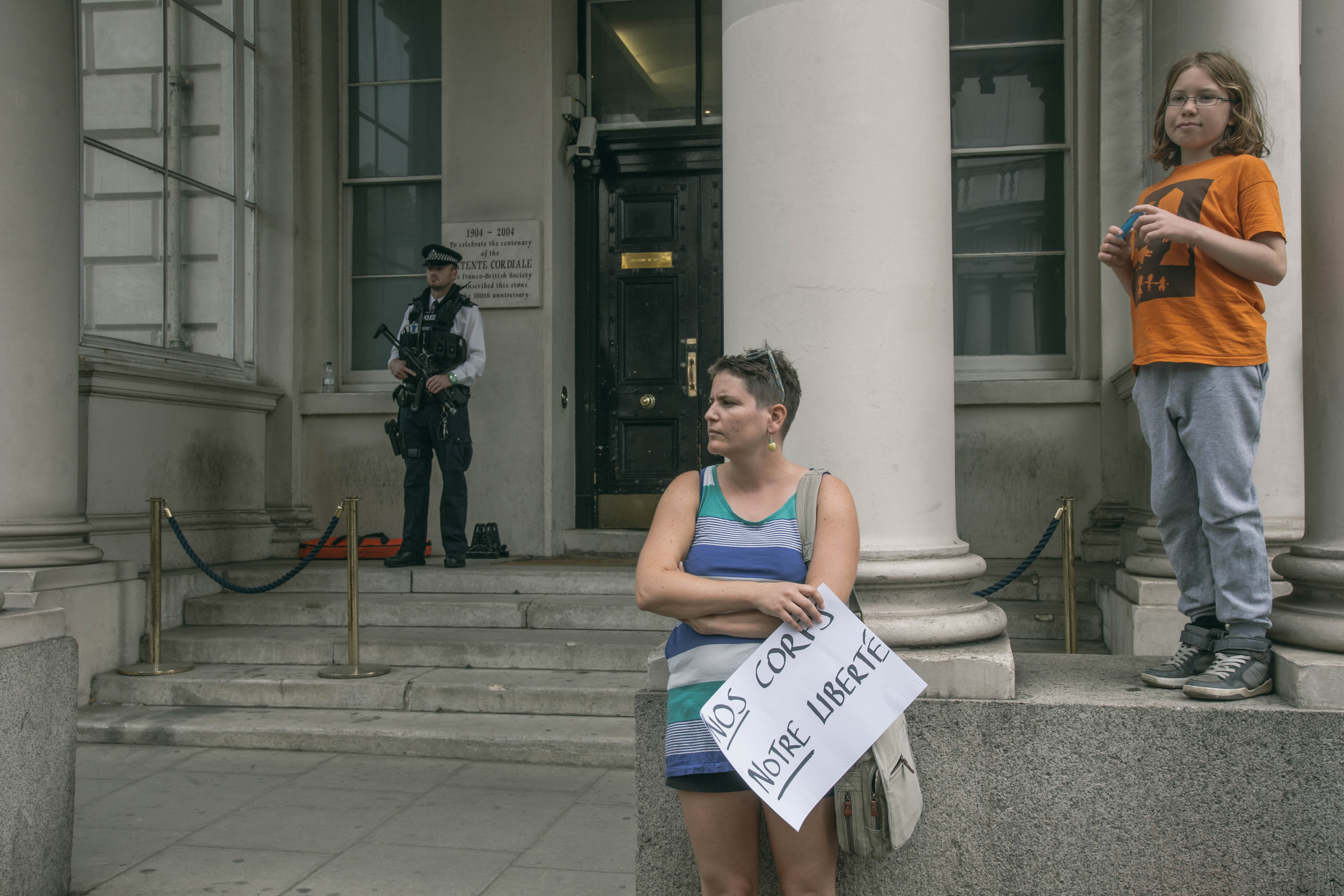
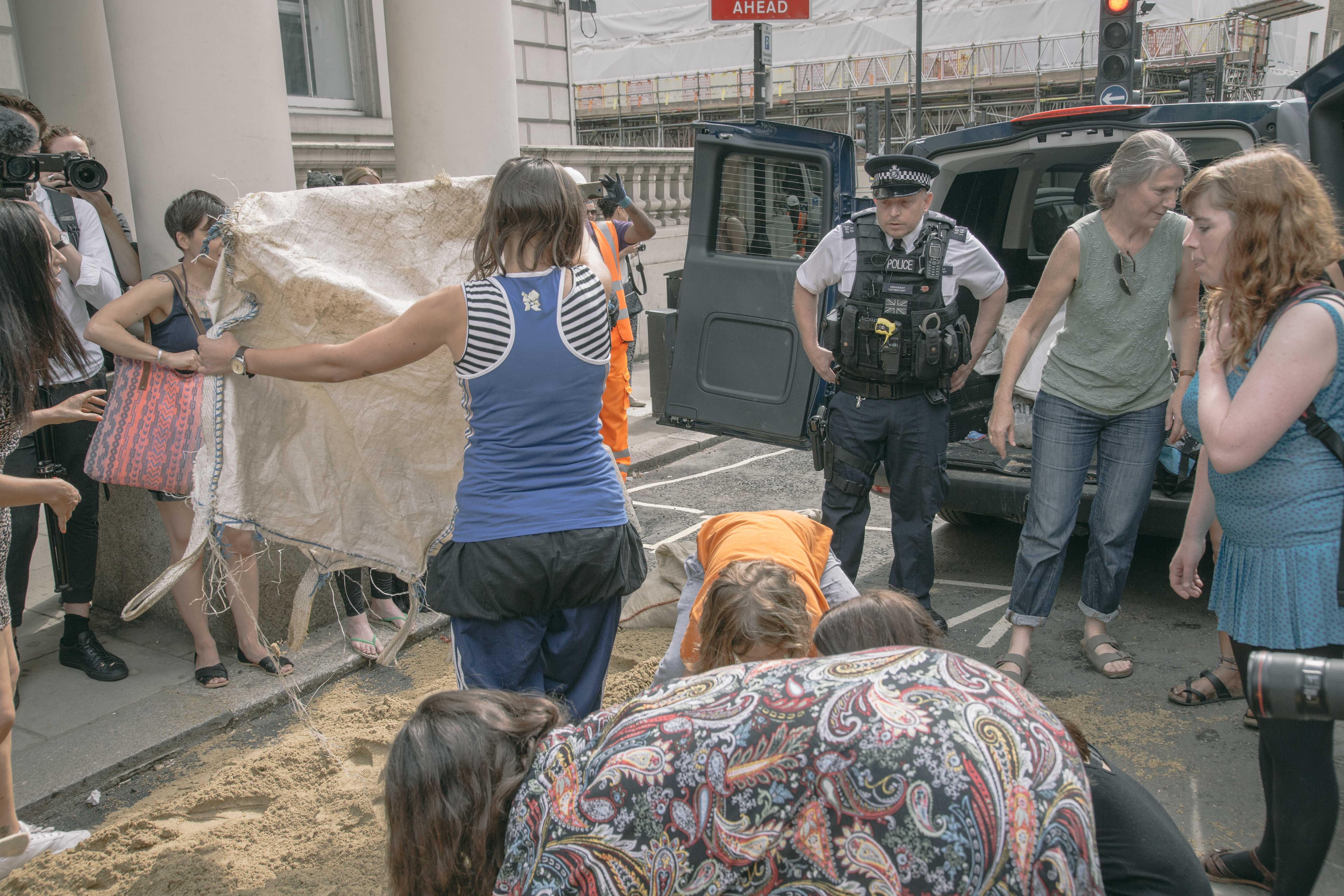
A beach ball was thrown around the crowd, who stood on sand poured onto the tarmac, as women explained why they’d attended the action. Organisers say the message is simple: women have the right to wear whatever they want, regardless of their religion or your prejudice.
Enjoyed this article? Like Huck on Facebook or follow us on Twitter.
You might like

London’s largest indoor skatepark to be demolished for padel courts
Better Extreme — The Barking skatepark’s fate follows that of similar indoor spaces in recent years, with operators GLL citing falling visitor numbers as the reason behind the decision.
Written by: Isaac Muk

Youthful joy & end-of-era poignancy at a London school prom
Leavers — For several years, Lewis Khan documented young people as they celebrated the last of their school days and the completion of their exams. The series is now collated in a new self-published photobook and short film.
Written by: Zoe Whitfield

A major Nan Goldin exhibition is coming to London
You Never Did Anything Wrong — Opening at the Hayward Gallery in November, the show will debut a new film from the artist and activist, alongside a slate of recent work.
Written by: Jack Dennison-Thompson

Tender portraits of women serving life sentences in America
Looking Inside — While working as a public defender attorney in New York State, Sara Bennett found dilapidated prisons and forgotten people. Her new photobook harnesses the power of images and shines a humanising light on those imprisoned for serious crimes and their reintegration into society, while asking questions of the USA’s incarceration system.
Written by: Miss Rosen

Activists replace Union Jacks with ‘Tax The Rich’ flags in Farage’s Clacton
Take Back Power — It comes after the Reform UK leader resigned as an MP and triggered a by-election in the constituency, following scrutiny over a £5 million donation that he had not declared.
Written by: Ella Glossop

Tish Murtha’s searing documentation of broken Britain
Vandalism on a Grand Scale — Capturing youth unemployment and poverty in north-east England during the ’80s, the photographer never lived to see her work published. A new photobook by British Culture Archive brings her eye-opening work to light.
Written by: Miss Rosen


