The white photographer who documented the rise and fall of the Black Panthers
- Text by Alex King
- Photography by Stephen Shames, Courtesy of Steven Kasher Gallery

When Martin Luther King delivered his era-defining ‘I Have A Dream’ speech at the Lincoln Memorial in Washington D.C. in 1963, he declared: “In a sense we’ve come to our nation’s capital to cash a check… a promise that all men, yes, black men as well as white men, would be guaranteed the “unalienable Rights” of “Life, Liberty and the pursuit of Happiness.”
When King was assassinated in Memphis in 1968, America had yet to honour this check – but a powerful new force had emerged to call on the US to settle its enormous debts to African-Americans.
Founded by Huey P. Newton and Bobby Seale in October 1966, the Black Panther Party was the most radical challenge to the deeply-entrenched racism of the American system and the loudest call for black political self-determination and respect.

A boy salutes the Panthers, New Haven County Courthouse, May 1, 1970
With their black berets and armed self-defence units, the Panthers struck fear into the hearts of white America, but there was much more to the party than guns and swagger: they organised voter registration drives, fielded political candidates, organised boycotts of racist businesses, ran free food programmes and much more besides.
The defining visual record of the Black Panthers was produced by an unlikely figure, Stephen Shames, who was a white student at University of California Berkeley when he shot his first picture of Bobby and Huey selling Mao’s Little Red Book in San Francisco in 1967. Captivated by their charisma and confidence, Stephen went on to document the Panthers over the next seven years.

Kathleen Cleaver at a Free Huey rally in DeFremery Park, Oakland, 1968

Panthers stand just offstage at a Free Huey rally in DeFremery Park, Oakland, 1968. Che Brooks (arms folded) was a San Francisco Panther who went to San Quentin State Prison and started the prison chapter.
He documented their rise and effective collapse, brought on by a combination of political in-fighting and immense outward pressure from the authorities in the mid-‘70s. Published on the 50th anniversary of the party’s founding, Stephen co-authored Power to the People: The World of the Black Panthers with Bobby Seale, to reveal the breadth of his archive and provoke a reassessment of the Panthers and their legacy.

People’s Free Food Program, Palo Alto, 1972

Panther Jerry “Odinka” Dunigan talks to kids while they eat breakfast on Chicago’s South Side, November 1970

George Jackson’s coffin carried into St. Augustine’s Episcopal Church, Oakland, August 28, 1971

The Lumpen, the Panthers’ singing group, performs at the boycott of Bill’s Liquors, Oakland, 1971. Clark Bailey, known as Santa Rita, is dancing. Michael Torrence (front) and James Mott (back) are drumming.
Power to the People: The World of the Black Panthers by Bobby Seale and photographer Stephen Shames is published by Abrams.
Enjoyed this article? Like Huck on Facebook or follow us on Twitter.
You might like

Jesse Glazzard’s messy portrait of queer friends, lovers and chosen family
The Sound of Dirt and Beauty — The photographer’s debut monograph explores tender, unpolished moments shaped by the people who he surrounds himself with, while offering a window into the UK’s working-class LGBTQ+ community.
Written by: Sunny Sunday
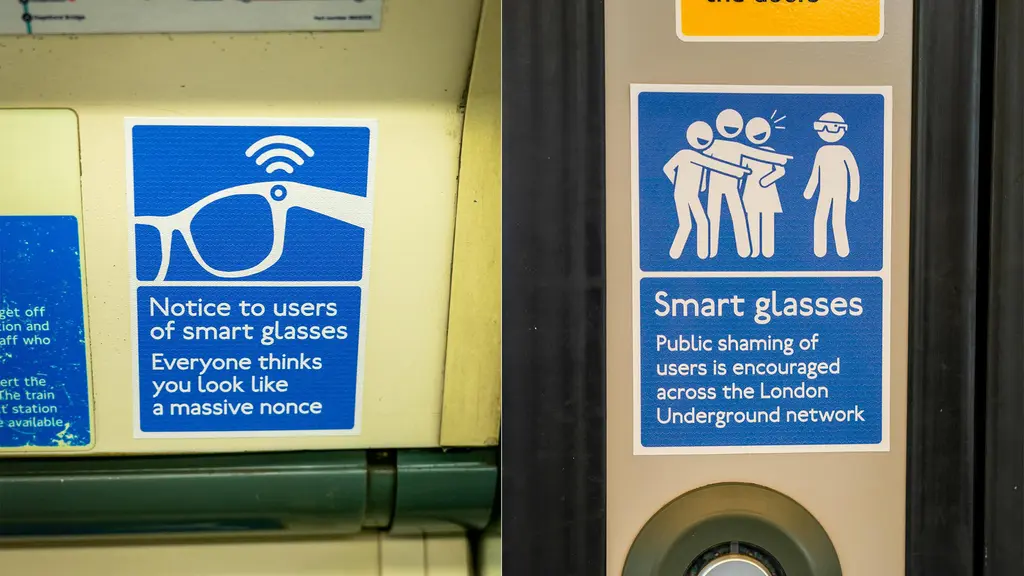
Activists slam “pervert glasses” in new guerrilla campaign
Everyone Hates Elon — Stickers have appeared on the London Underground network, criticising the wearable technology’s covert filming capabilities.
Written by: Isaac Muk

Behind the curtain at Alternative Miss World 1981
Olympia glamour — Running a subversive take on the traditional beauty pageant, the Andrew Logan organised event prioritised underground creativity and invention. Photographer David Corio went behind the scenes at its biggest edition.
Written by: Miss Rosen

New exhibition highlights British radical living over 200 years
Earthly Paradise — Taking place at the William Morris Gallery, it explores the homes and lives of artists, writers, musicians and more, as well as the conditions that allowed them to thrive.
Written by: Isaac Muk

What life on the Strait of Hormuz is really like
Southern Winds — Bandar Abbas based photographer Morteza Niknahad has been capturing the diverse communities and stories of his local region since he first picked up a camera. His new series highlights the human impact of war.
Written by: Isaac Muk

Pink Floyd’s Roger Waters joins team of new Palestinian resistance documentary
Freedom Theatre — Directed by Rishi Pelham, the film spotlights a theatre operating in the Jenin refugee camp.
Written by: Ella Glossop


