Why strippers are going on strike for workers’ rights
- Text by Lydia Morrish
- Photography by Juno Mac

Most Londoners will be in the pub come sundown on Friday. But Soho’s strippers have a different evening planned.
The rally, which will coincide with sister protests in Cardiff, Liverpool, Leeds, Brighton, Edinburgh and Bristol, will close with four strippers on strike dancing defiantly by a London landmark to demand an end to unfair working conditions. It’s part of the third global Women’s Strike protest against reproductive, or “feminised”, labour that is essential but often unseen and undervalued, such as cooking, cleaning and caring. Thousands of women and feminist allies across 50 countries will put down their pens, close their laptops and walk out of work, regardless of whether they get paid or not.
“Women around the world will be causing disruption and taking to the streets to show how powerful they can be,” says Louise, a 34-year-old stripper and one of the organisers of the London protest, which will have speakers throughout and finish with an after-party in Dalston. “[The strike is an opportunity] for us to reclaim our voices.”
Activists argue that government policies fail to take into account their experiences. They say the lack of consideration of sex work as a legitimate job and the conflation of consensual sex work with sex-trafficking leads to them being treated as either criminals or victims, but never in-between.
Currently, there are around 80,000 sex workers in the UK, 70 per cent of whom are single mothers. One in three strippers are students paying for their education. “Many strippers are mothers, studying degrees or starting businesses,” says Louise, who works one to five times per week in strip clubs around the country, including in Bristol and Birmingham. “A lot of women need flexibility and control over their work hours to fit in with the demands of life.”
Strippers and sex workers around the country are pushing for labour unions – worker-led organisations that push for better conditions – to welcome sex workers. While the United Voices of the World union is inclusive, most sex workers aren’t union members. Since laws changed in 2012 to require strip clubs to have their licences reevaluated annually, councils have become stricter. Strip clubs are increasingly facing scrutiny across the country, with all but one venue closed down in Sheffield, two out of four left in Bristol and London’s oldest club facing closure.
While campaigners oppose strip clubs in the name of women’s rights, they don’t take into account the lived experiences of dancers who rely on venues for work, says Louise. “None of the dancers were asked to speak [during closure hearings] even though it’s their workplace.”
“If we are a recognised, unionised workforce, councils and local politicians will find it much harder to take away our workplaces,” says Louise, who believes councils act on “moral ideology rather than clubs doing anything wrong” when rejecting club licences. “Let’s remember they’re taking people’s jobs,” she says.
Sage Woodford*, a 34-year-old queer sex worker and activist based in London, helped organise the strike. She says she wanted to send a message that sex work is a labour rights issue and should be treated as such.
“We’re hoping it will make visible our dissatisfaction with the way feminised labour across the world is undervalued and often not recognised as work,” says Sage, who didn’t want to be identified by their real name to be able to talk more honestly about issues with the sex industry.
“As sex workers, it’s difficult for us to reassure our clients we want to be with them whilst talking about how the industry could be improved.”
This is part of the reason Sage and other sex workers will be making noise about their rights on Friday. “A lot of discourse around sex work talks about sending a message about what’s acceptable in society,” she adds, “erasing the practical reasons people need to use survival strategies like sex work.”
Sage stresses that most sex workers enter the industry consensually, or because they feel better off doing sex work over other low-paid work: “people’s needs are not being met, so they end up forced to do sex work in unsafe conditions and find themselves being policed for just trying to survive.”
But women of all backgrounds will be standing together at Friday’s strike and marching for the common injustices they face, from sexual harassment to emotional labour.
“The way we’re invisibly relied on,” says Sage, “but not given our due for the work we do, is why this is so necessary.”
*Some names have been changed for privacy reasons.
Follow Lydia Morrish on Twitter.
Enjoyed this article? Like Huck on Facebook or follow us on Twitter.
You might like

Is Field Maneuvers the most fun time ever? Yes probably
Collective joy — Huck’s art director Samuel White went to the 2026 edition, braving a wet start and interviewing FLINTA* collective and arm wrestling legends Uhaul Dyke Rescue in the process.
Written by: Samuel White

Jesse Glazzard’s messy portrait of queer friends, lovers and chosen family
The Sound of Dirt and Beauty — The photographer’s debut monograph explores tender, unpolished moments shaped by the people who he surrounds himself with, while offering a window into the UK’s working-class LGBTQ+ community.
Written by: Sunny Sunday
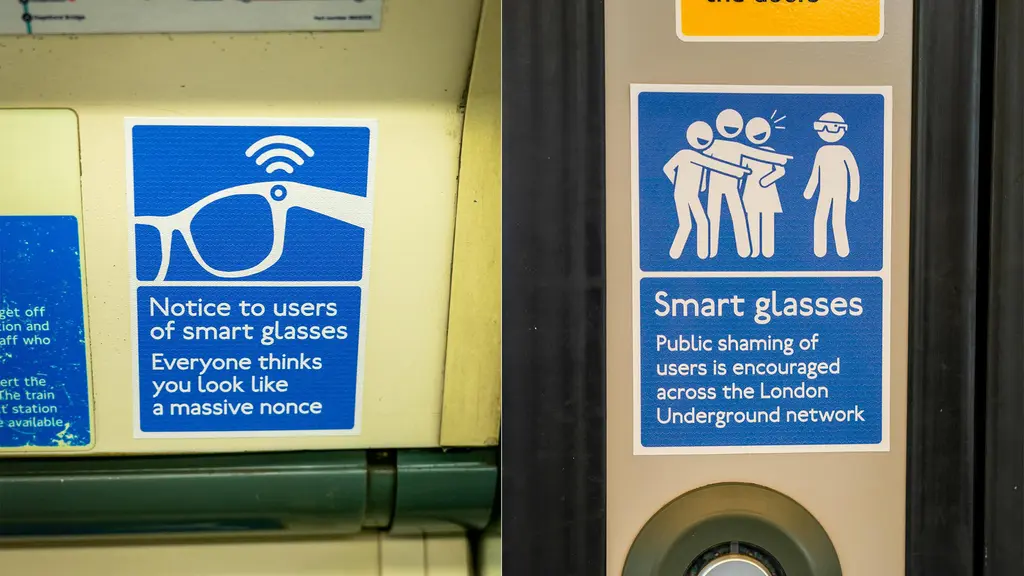
Activists slam “pervert glasses” in new guerrilla campaign
Everyone Hates Elon — Stickers have appeared on the London Underground network, criticising the wearable technology’s covert filming capabilities.
Written by: Isaac Muk

Behind the curtain at Alternative Miss World 1981
Olympia glamour — Running a subversive take on the traditional beauty pageant, the Andrew Logan organised event prioritised underground creativity and invention. Photographer David Corio went behind the scenes at its biggest edition.
Written by: Miss Rosen

Dan Lacey: “BMX is forever evolving”
Overground — Steph Pomphrey caught up with the two-wheel legend after his latest meet in east London, chatting about fatherhood, music and action sports within the outdoor industry.
Written by: Steph Pomphrey

The battle for the soul of lockpicking
Under locksport and key — In recent years, breaking locks for fun has grown from a niche hobby into an activity followed by millions of people. As it has matured, so have tensions over who sets the rules.
Written by: Jack Dennison-Thompson


