Remembering the incredible women of America’s last crusade
- Text by Miss Rosen
- Photography by Jill Freedman

On April 4, 1967, Dr. Martin Luther King Jr. delivered a speech titled “Beyond Vietnam” at Riverside Church in New York City. Turning the focus from civil rights to human rights, he called for an end to the war, and renewed focus on fighting the enemies within the United States borders: poverty, injustice, and insecurity. One year later, to the day, he was assassinated – a crime for which the US government was finally found guilty in a court of law in 1999.
In the final month of his life, Dr. King called for a national demonstration that would “confront the power structure massively.” Following his death, “The Last Crusade” went forward, and 3,000 people came from across the land to set up a camp called “Resurrection City” on the Washington Mall. They lived in wooden shanties that stood for six weeks in 1968.
The Poor People’s Campaign, as it was officially known, was organised to draw attention to the poverty affecting people of all ethnicities in the United States. “They murdered Dr. King and I was furious,” photographer Jill Freedman remembers. “I had to go.”
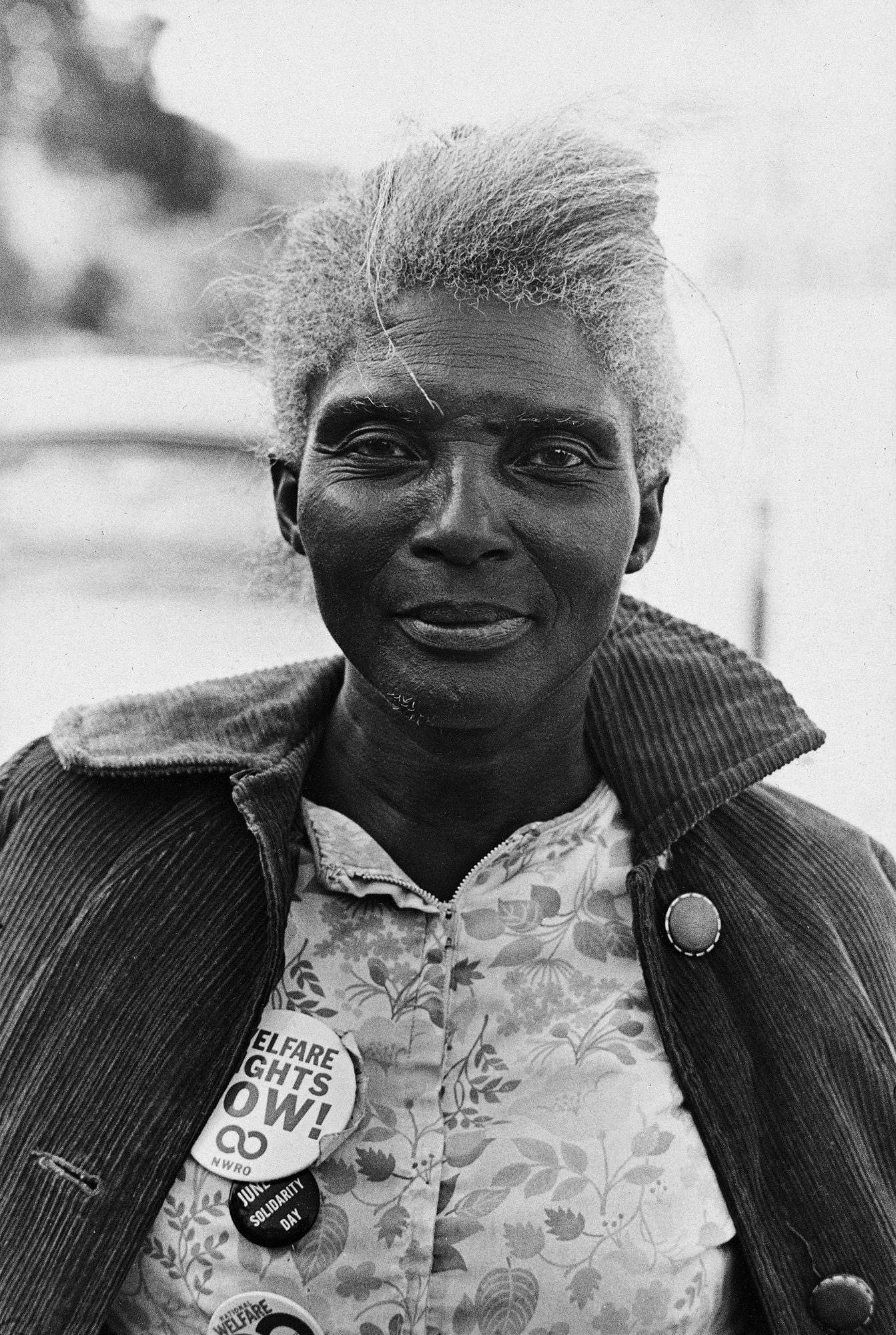
Resurrection City, 1968. Courtesy Steven Kasher Gallery, New York
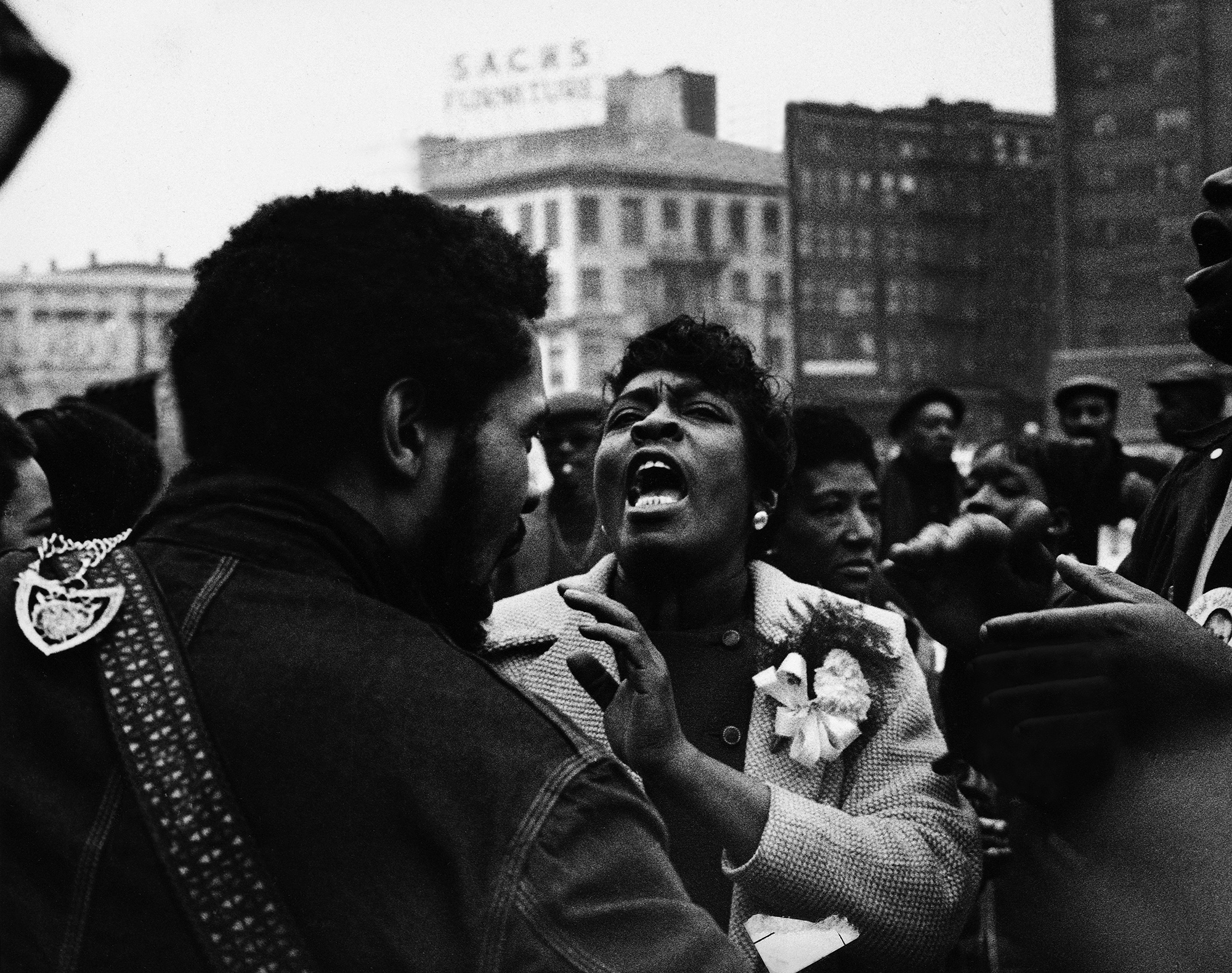
Resurrection City, 1968. Courtesy Steven Kasher Gallery, New York
A self-taught photographer at the very start of her career, Freedman quit her job as a copywriter at an advertising agency, rolled up 100 feet of Tri-X film into cartridges, and headed down to DC. She lived in the camp from start to finish.
Her work, which was first published in 1970, has just been re-released by Damiani as Resurrection City, 1968, in conjunction with an exhibition at Steven Kasher Gallery, New York (October 26 – December 22, 2017).
At the heart of the movement were the women, who held the camps down and marched on the frontline, where they were subject to arrests and police brutality. “Women were the backbone. You look at the strength of those old ladies from Mississippi – holy shit!” Freedman recalls. “It was very fucking rough. It rained every day and it was freezing. When it stopped raining, it became a swamp and was a million degrees out. I never thought of it as joining the movement so much as documenting what was going on. I was there to do what I thought of as a job.”
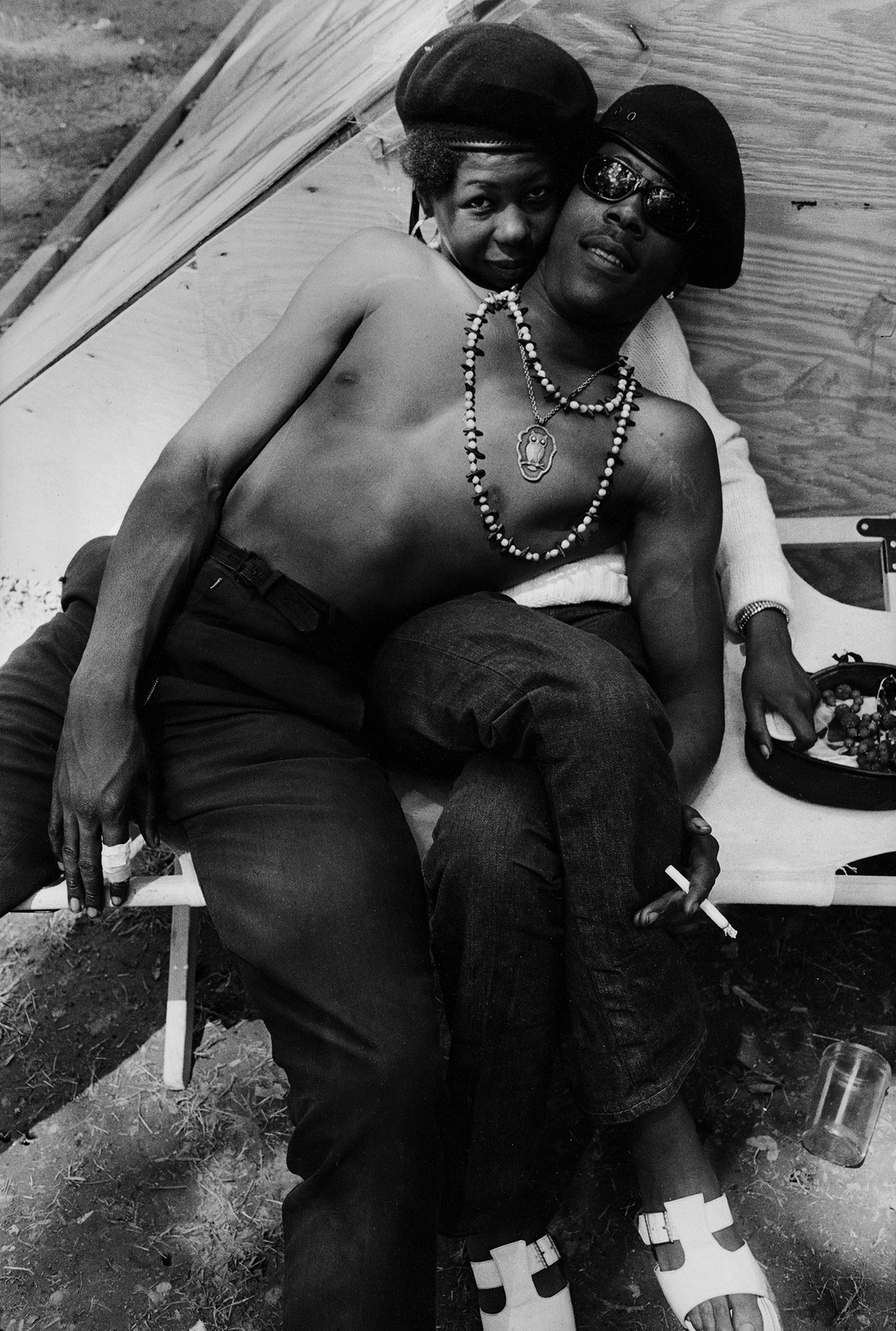
Resurrection City, 1968. Courtesy Steven Kasher Gallery, New York
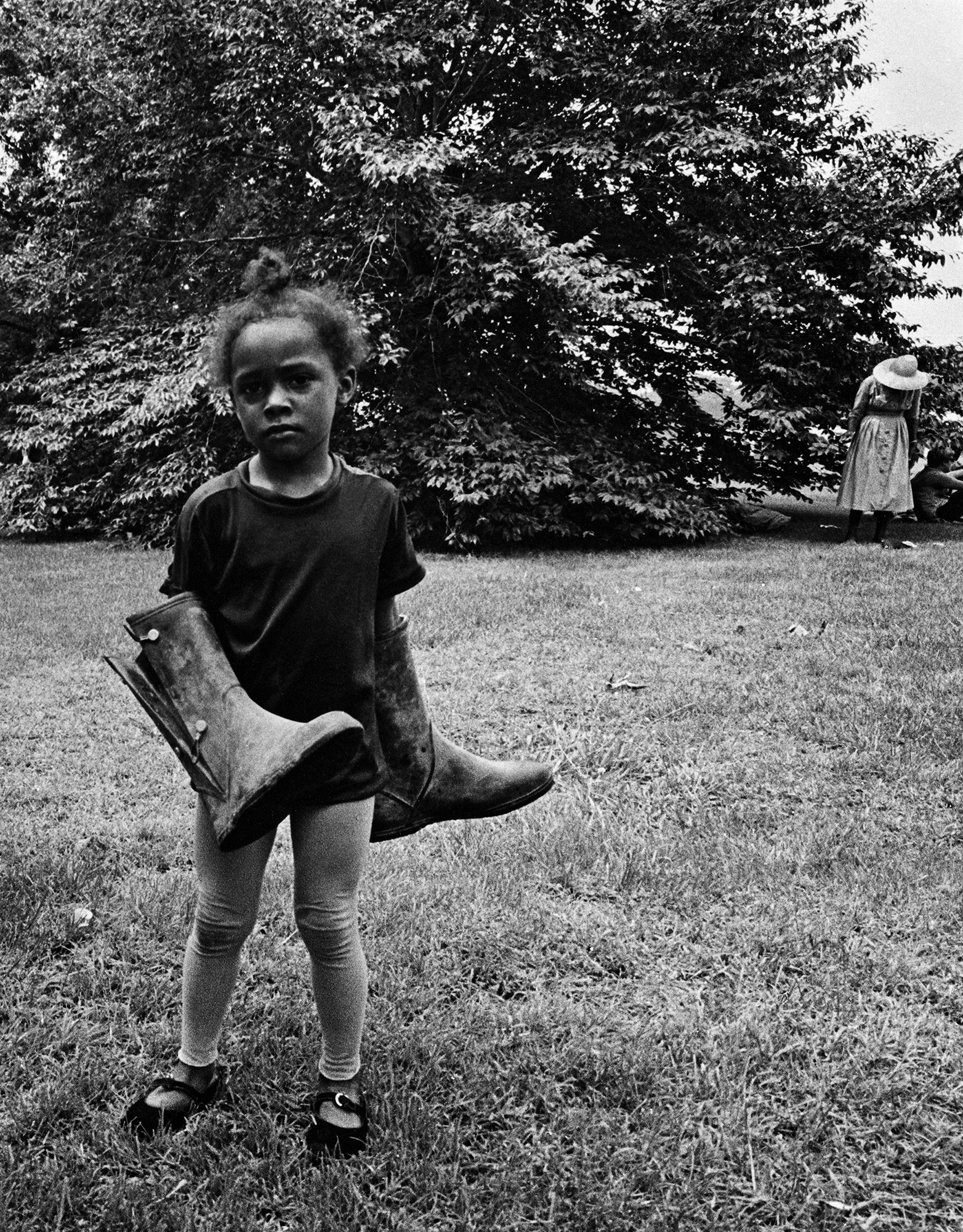
Resurrection City, 1968. Courtesy Steven Kasher Gallery, New York
That job required Freedman to create a portrait of the people as they were, avoiding the clichés that focused on celebrity sightings and power moves in the wake of Dr. King’s death. In Freedman’s work, there are no stereotypes – just people who chose to live in abject poverty on the nation’s stage.
“The daily job was to make yourself seen and demonstrate,” Freedman recalls. “No more invisible poor was the idea of the campaign. It was all demands: the right to have food, education, housing, and medical attention. That’s why Dr. King was killed. Now he was a threat.”
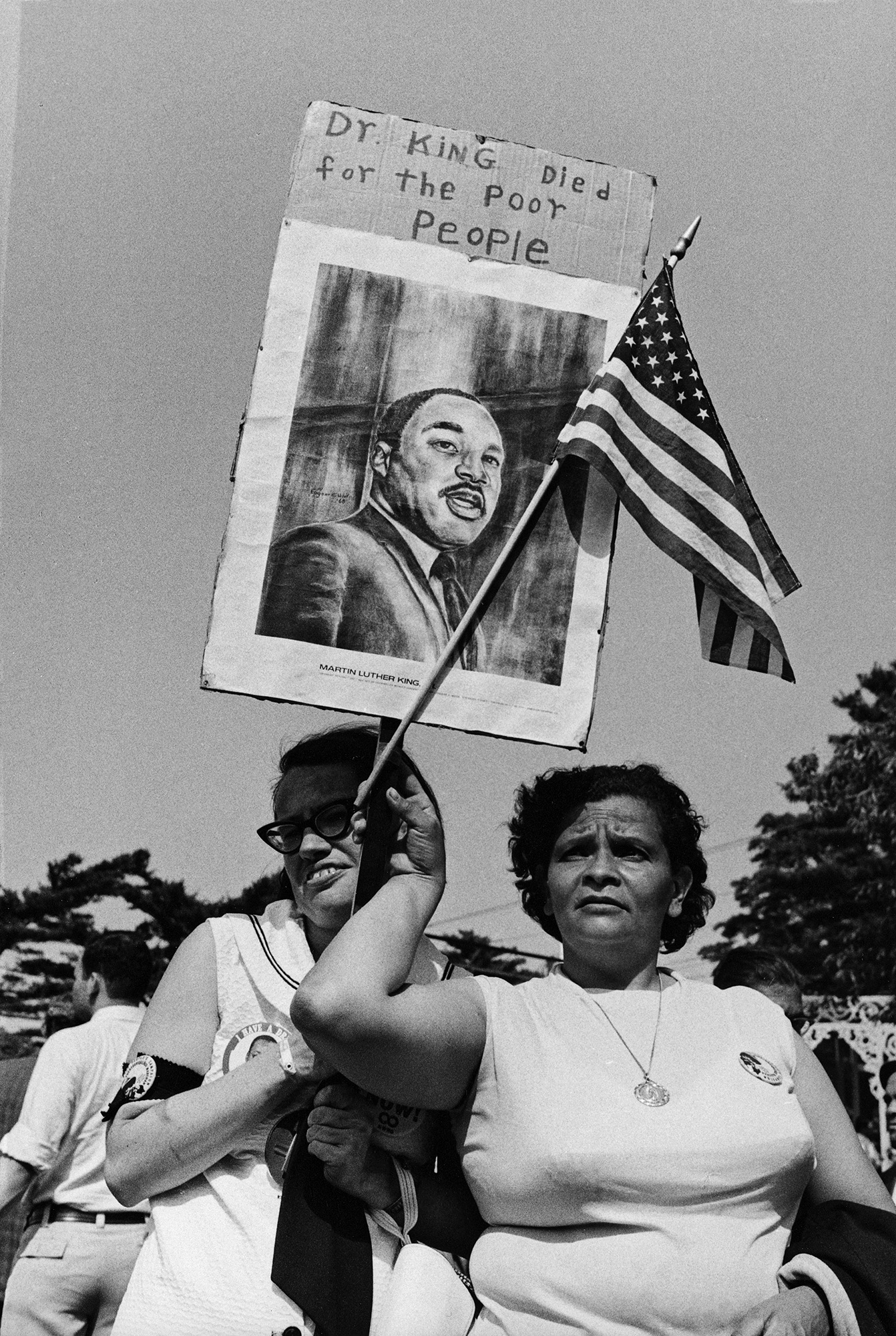
Resurrection City, 1968. Courtesy Steven Kasher Gallery, New York
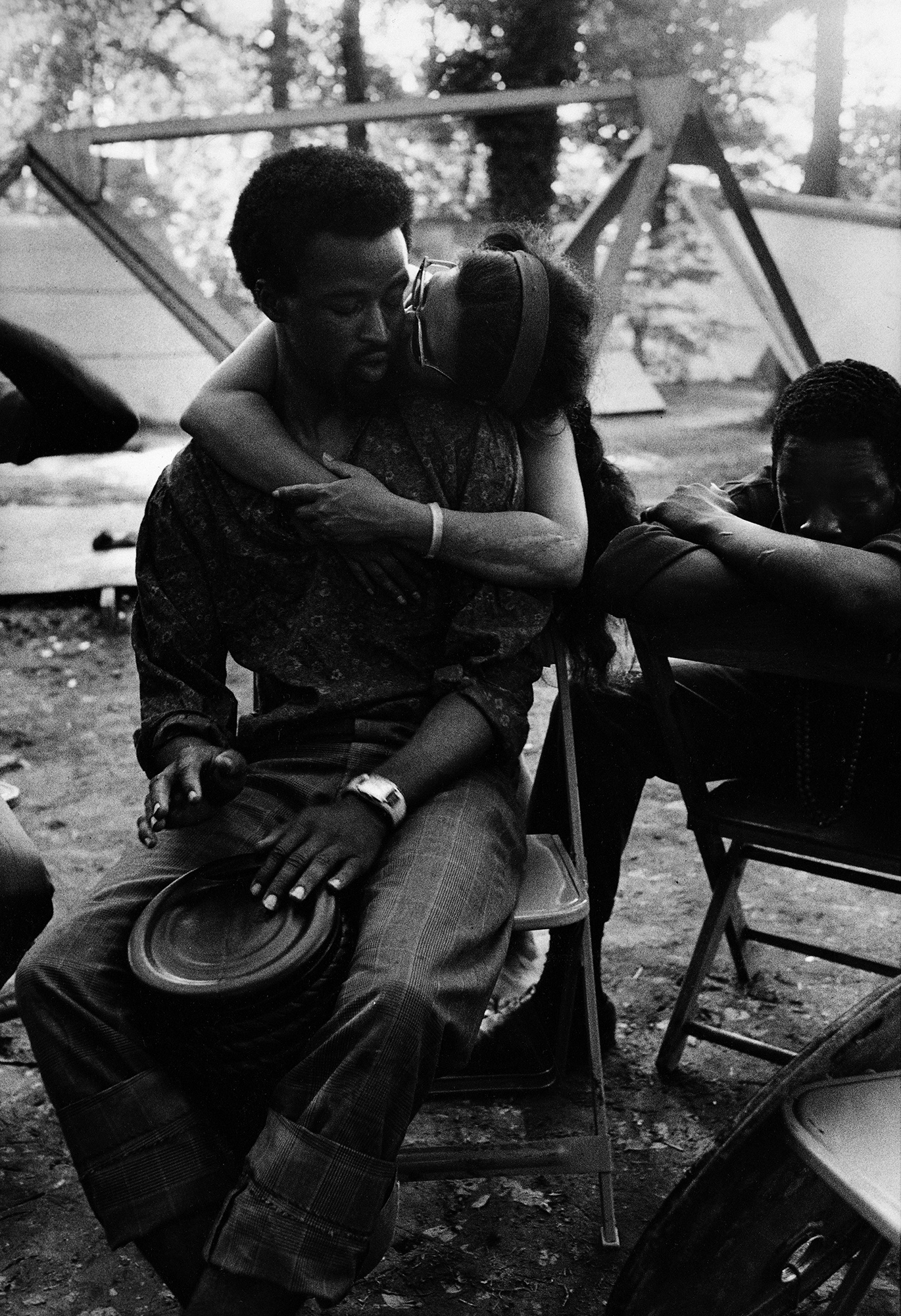
Resurrection City, 1968. Courtesy Steven Kasher Gallery, New York
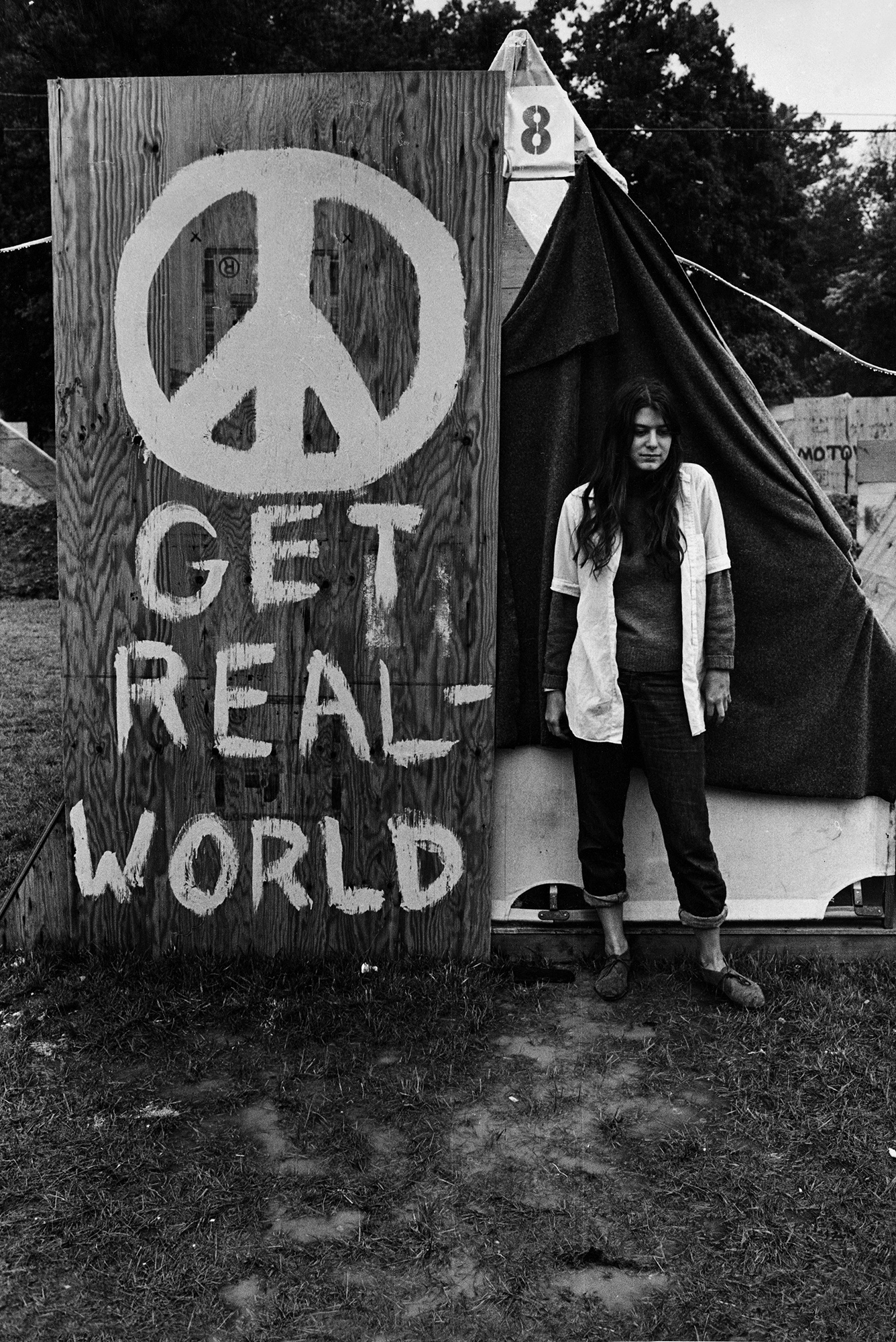
Resurrection City, 1968. Courtesy Steven Kasher Gallery, New York
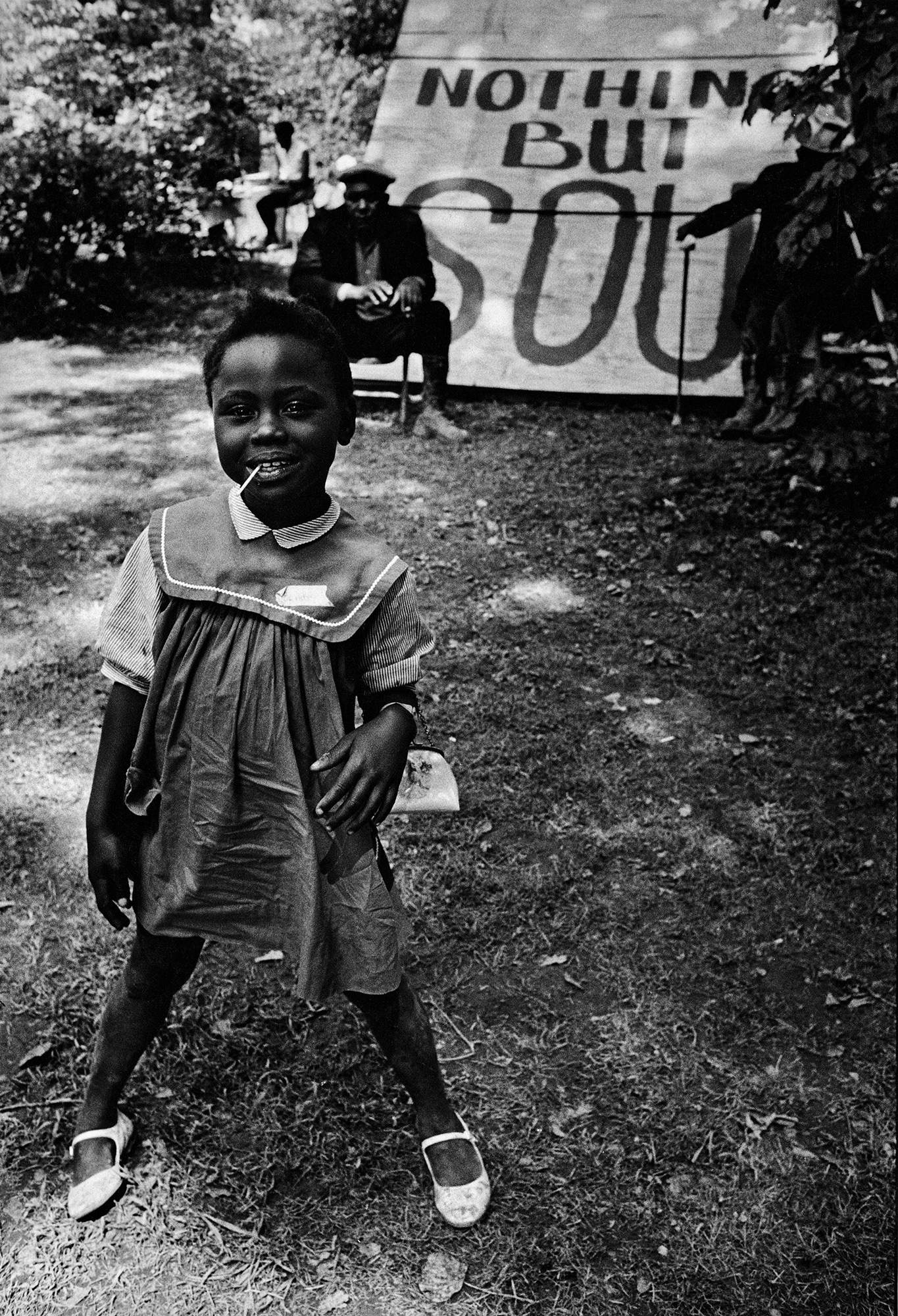
Resurrection City, 1968. Courtesy Steven Kasher Gallery, New York
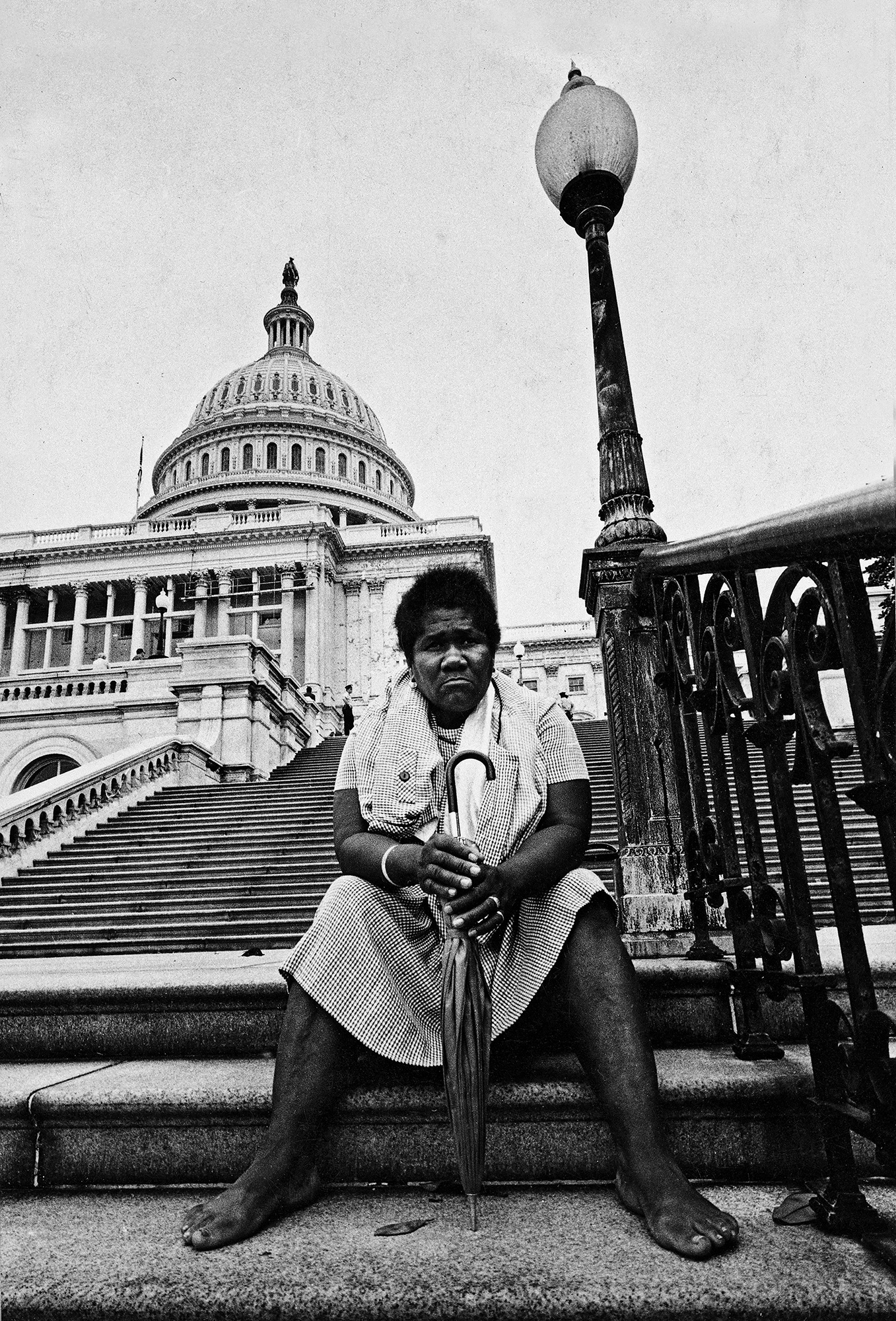
Resurrection City, 1968. Courtesy Steven Kasher Gallery, New York
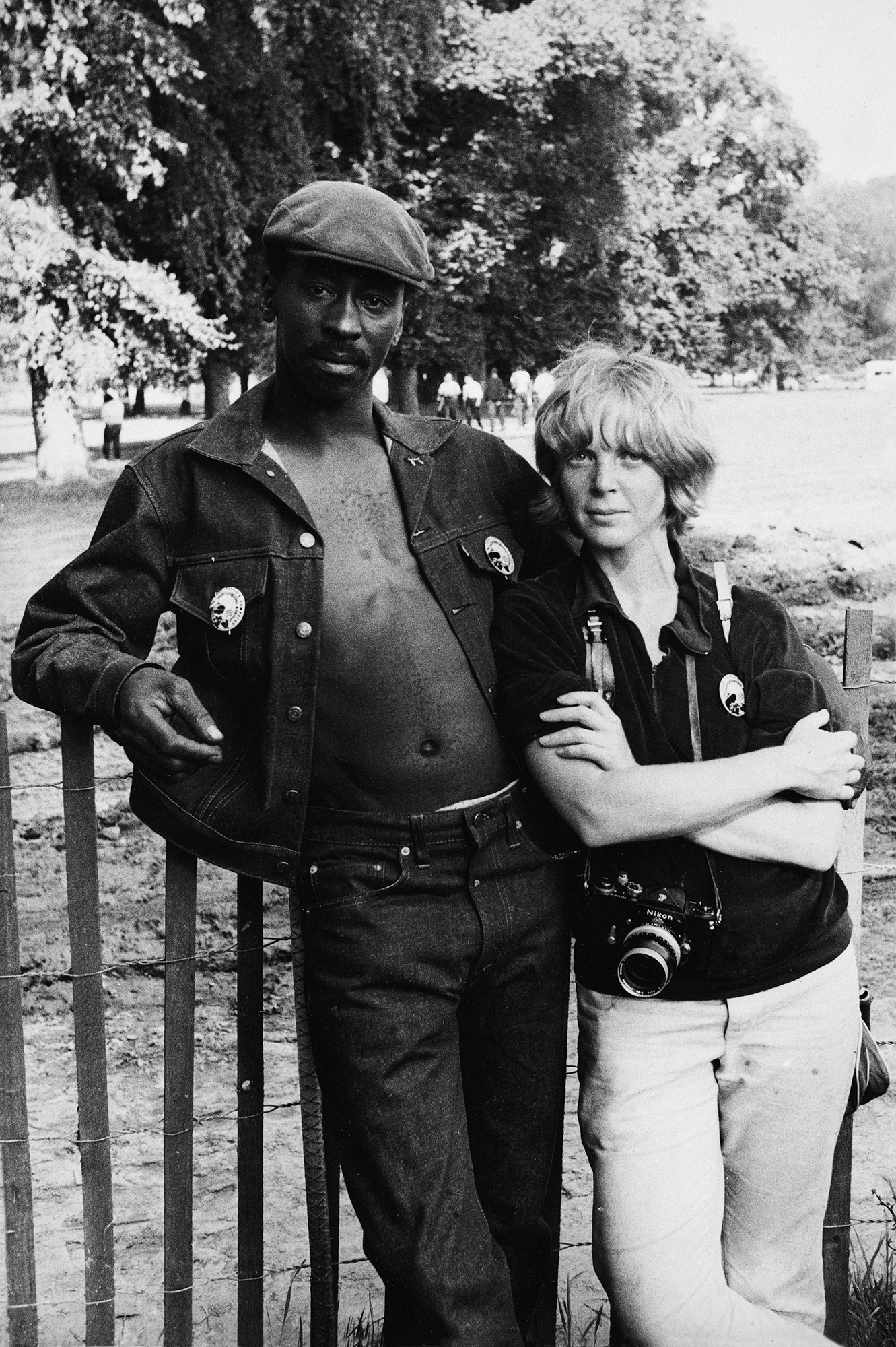
Resurrection City, 1968. Courtesy Steven Kasher Gallery, New York
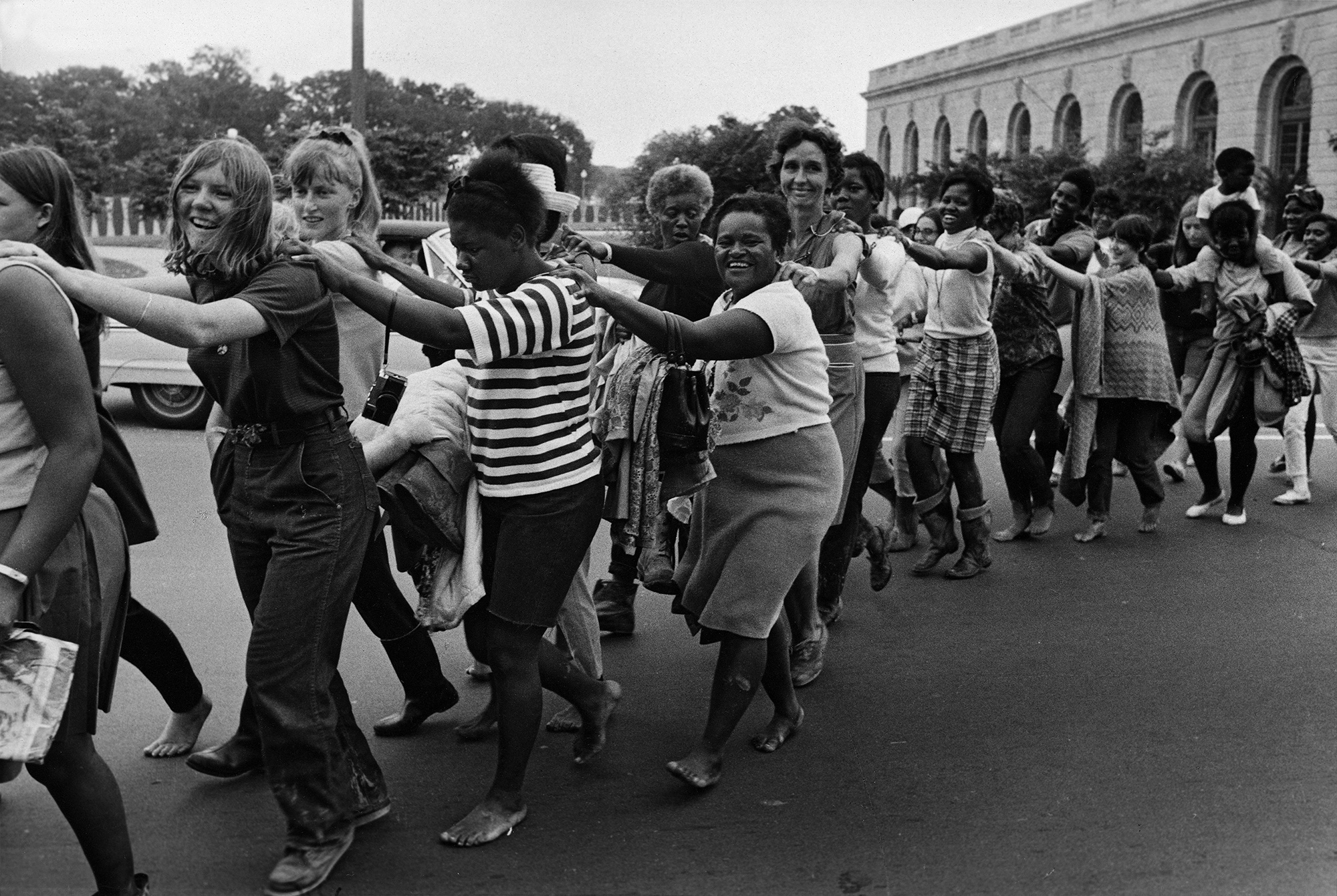
Resurrection City, 1968. Courtesy Steven Kasher Gallery, New York
Resurrection City, 1968 is out now on Damiani, and on display at New York’s Steven Kasher Gallery until December 22.
Follow Miss Rosen on Twitter.
Enjoyed this article? Like Huck on Facebook or follow us on Twitter.
You might like

In photos: Black Texas life since emancipation
Kinship & Community — A new photobook and exhibition showcases the rich culture, history and community of African American folks in the Lone Star State, whose existence in the region predates colonial Britain.
Written by: Miss Rosen

Youthful joy & end-of-era poignancy at a London school prom
Leavers — For several years, Lewis Khan documented young people as they celebrated the last of their school days and the completion of their exams. The series is now collated in a new self-published photobook and short film.
Written by: Zoe Whitfield

Harry Gruyaert’s vintage, kaleidoscopic scenes of New York
A Sense of Place — For 50 years, the Belgian photographer and Magnum Photos member has been capturing NYC’s colourful chaos. A new photobook and exhibition showcase his unique, technicolour view of the city.
Written by: Miss Rosen

In the pit at one of the UK’s last stock car & banger speedways
Stock Car Racing Isn’t Dead — Photographer Liam McCarthy spent time in and around the Arlington Raceway’s circuit, capturing the diehard community that keeps the sport alive.
Written by: Isaac Muk

Inside Lower Duck Pond, the nicest town on the internet
/r/HaveWeMet — With a population of 2,500 and no fixed location, the subreddit is a space for roleplaying citizens to solve mysteries, host fictional events and ultimately connect. In an internet that’s often divided and toxic, Vicky Jessop hangs out in one of its most wholesome corners.
Written by: Vicky Jessop

A major Nan Goldin exhibition is coming to London
You Never Did Anything Wrong — Opening at the Hayward Gallery in November, the show will debut a new film from the artist and activist, alongside a slate of recent work.
Written by: Jack Dennison-Thompson


