Where are the world’s most creative fashion subcultures?
- Text by Alex King
- Photography by Daniele Tamagni

If you’re searching for innovation and creativity in fashion, don’t start at the catwalk – or in the wealthy West. “The street is the theatre of life,” explains photographer Daniele Tamagni, and it’s in the streets of the global south where you can discover fashion’s most vibrant subcultures.
In Fashion Tribes: Global Street Style, Daniele scoured three continents to document the burgeoning creativity that exists worlds away from the established fashion industry.
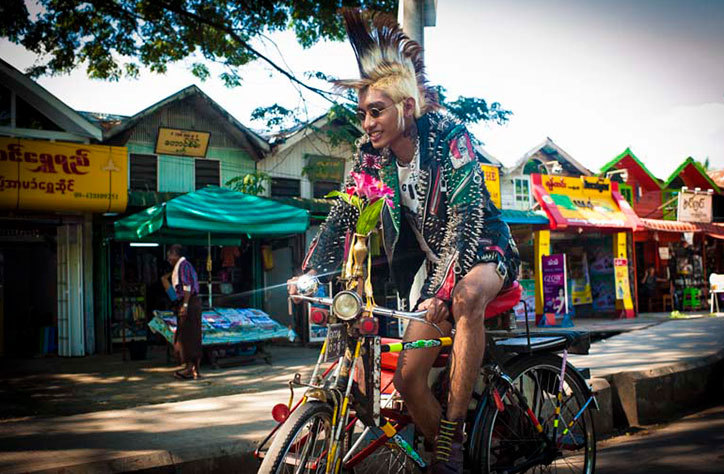
Burma Punks
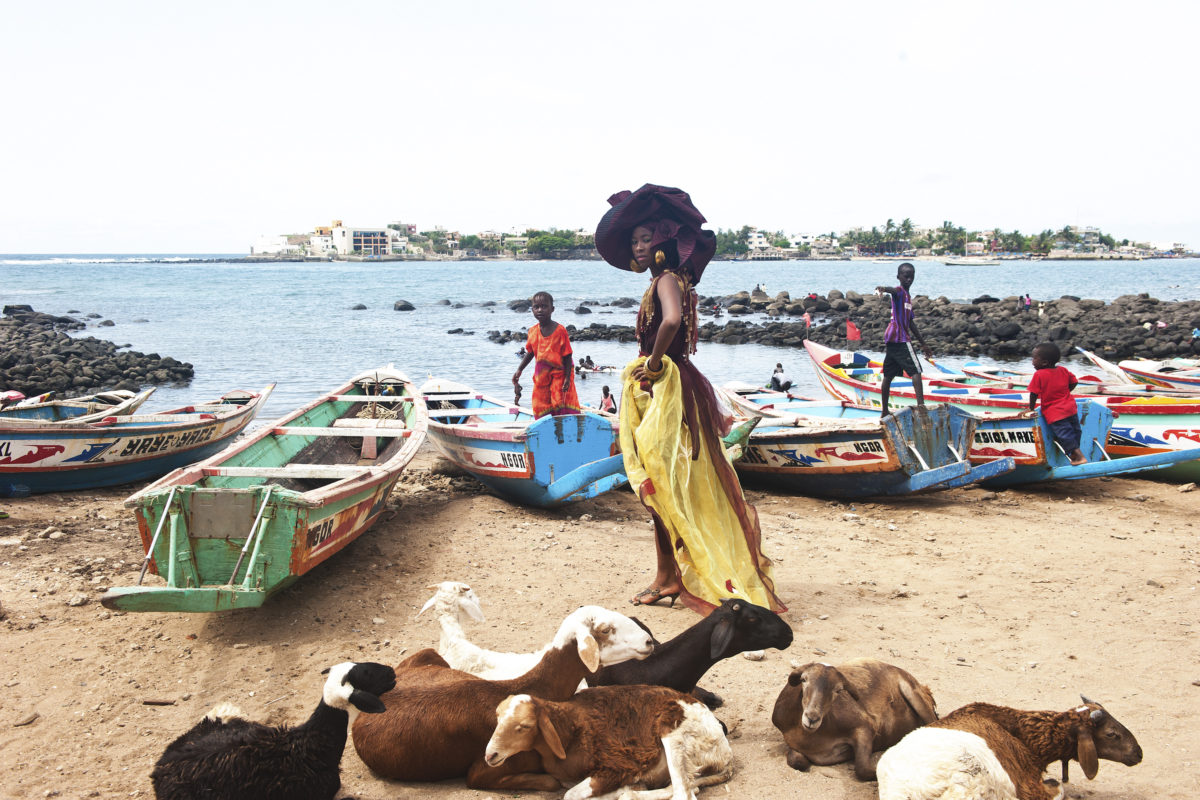
Fashion and the Dirriankhe
He shot the urban tribes for whom fashion means more than just keeping up with the season’s latest trends, but is a crucial pillar to their identity, such as the Afro-Metal Cowboys of Botswana and the smartly dressed Sapeurs of the Congo to the Burmese Punks and the Bolivian Cholita female wrestlers.
“I’m not looking for exoticism, there is a lot of respect for the cultures, the people,” Daniele explains. “I look at documenting these subcultures with a social-anthropological approach – not through the eyes of a fashion photographer. I’m more interested in going deeper and trying to shatter preconceptions. For me, fashion is a key metaphor to understand people and explore their identities.”
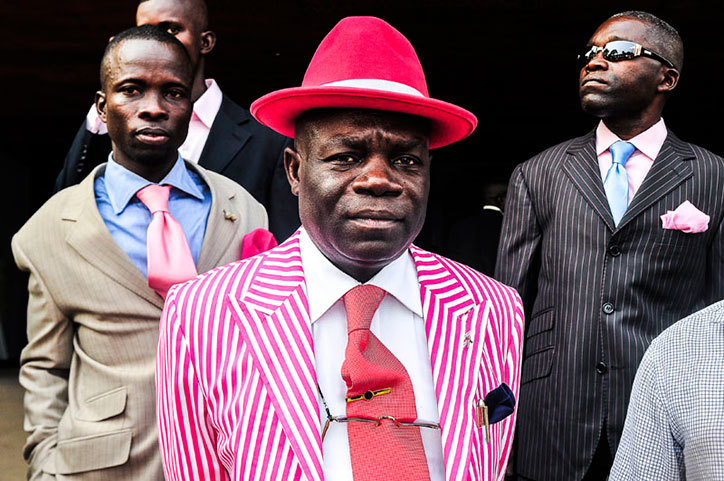
The Gentlemen of Bacongo, Congo-Brazzaville
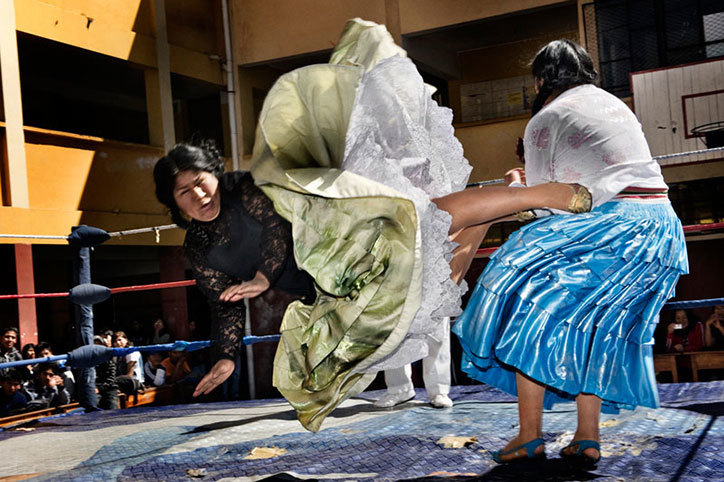
Flying Cholitas, Bolivia
Much of Daniele’s work has focussed on Africa and his previous book The Gentlemen of Bacongo featured the sapeurs in the Bacongo suburb of Brazzaville in The Congo. When we meet at Somerset House in London, where Daniele’s Fashion Tribes images are being displayed at the 1:54 African Contemporary Art Fair, he proudly displays the first proof of his new project, Mtindo Stylemovers Rebranding Africa, a study of the emerging fashion industry in Nairobi, Kenya
“As a photographer, I have always been fascinated by African culture,” Daniele says. “I’m from Milan, which is famous for fashion, but when I look to Africa I always find something new and original. There’s an exciting new generation bursting with creativity. Africa is a changing continent – and there are many different Africas – but I’ve had the opportunity to see immense positive change since I began working there and fashion is just one aspect of this evolution.”
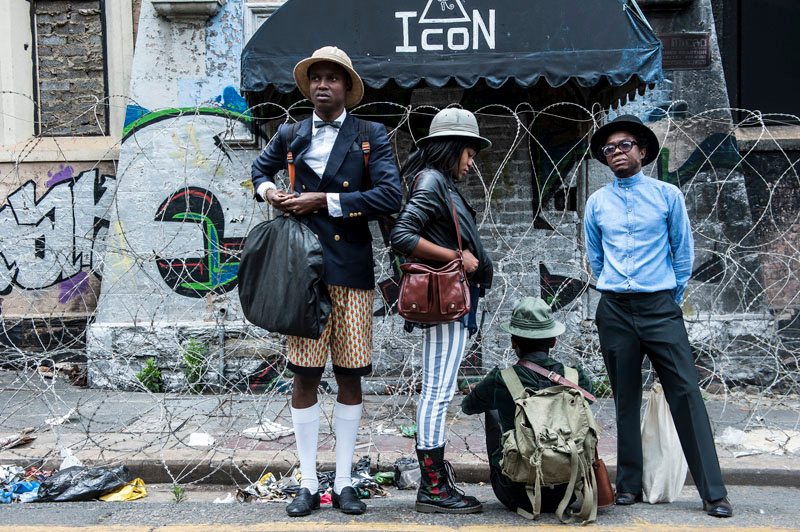
Johannesburg, South Africa
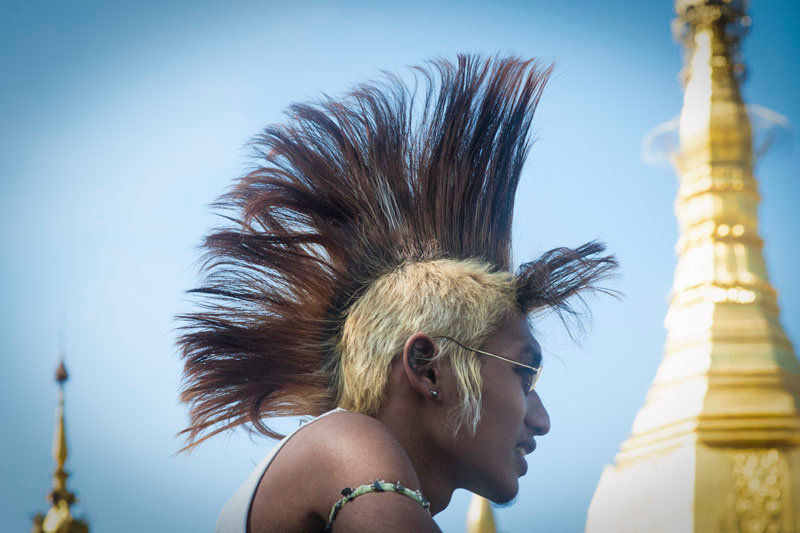
Burma Punks
In his photographs of the Congolese Sapeurs, South African dandies and Botswanan Afro-Metal Cowboys, along with emerging designers, Daniele has documented one manifestation of Africa’s recent creative renaissance. Outsiders are “rediscovering” Africa and the continent’s artists and designers are increasingly raising their voices to speak to a global audience on their own terms.
“The Sartists from Alexandria township in Johannesburg, South Africa are a great example of immense creativity coming from conditions of extreme poverty,” Daniele says. “They took old clothes from flea markets and older relatives and brought a new elegance and style, rebranding the township as something positive – and now they’re getting opportunities internationally. They turned their dreams into a new reality.”
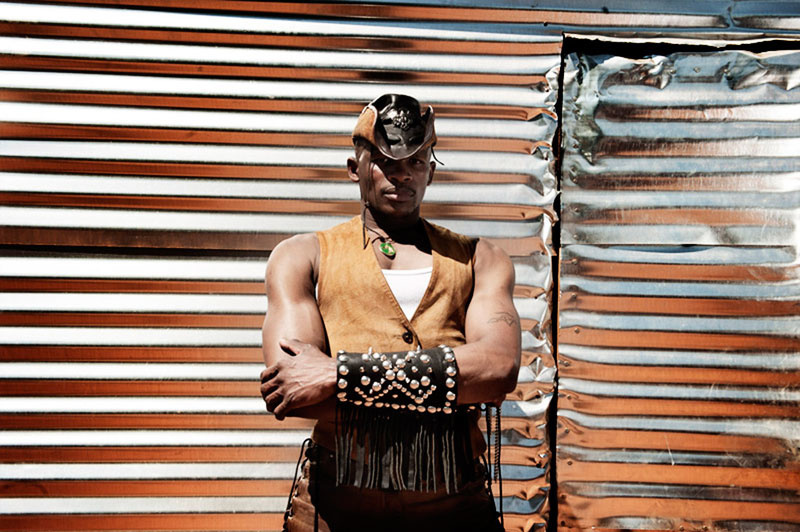
Afrometal Cowboys, Botswana
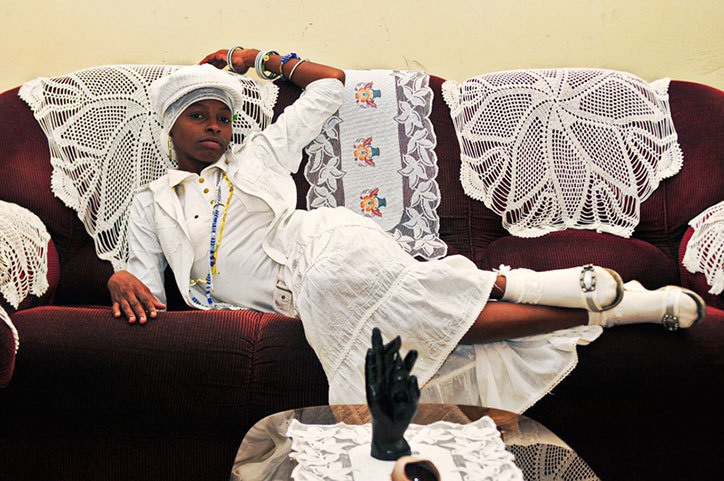
Havana, Cuba
Not just in Africa, but in each of the countries Daniele photographed in Fashion Tribes, he saw the power of fashion to build identity and challenge the lack of opportunities for young people. “What’s important isn’t the style itself, but what it means: a weapon to ask for respect and to be seen,” Daniele explains. “In a world where appearance is very important, street style can be used as a way bind a community together, gain opportunities and open up new possibilities – in the local community and in the eyes of the West.”
The hipster is arguably the first global subculture. The internet, and particularly social media like Instagram, has lead to a uniform aesthetic, leaving fixed gear bikes, exposed brickwork and flat whites in its wake as it conquers all. As the world becomes ever more inter-connected, is there a threat to the originality and authentic local flavour of youth subcultures?
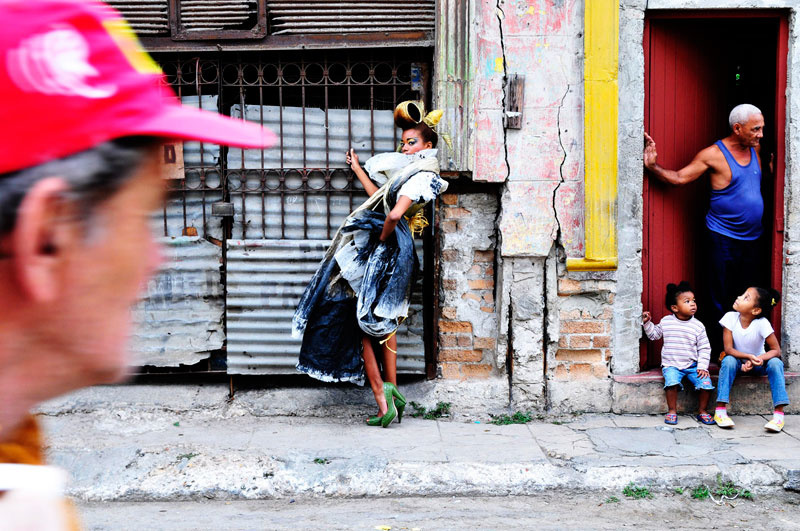
Havana, Cuba
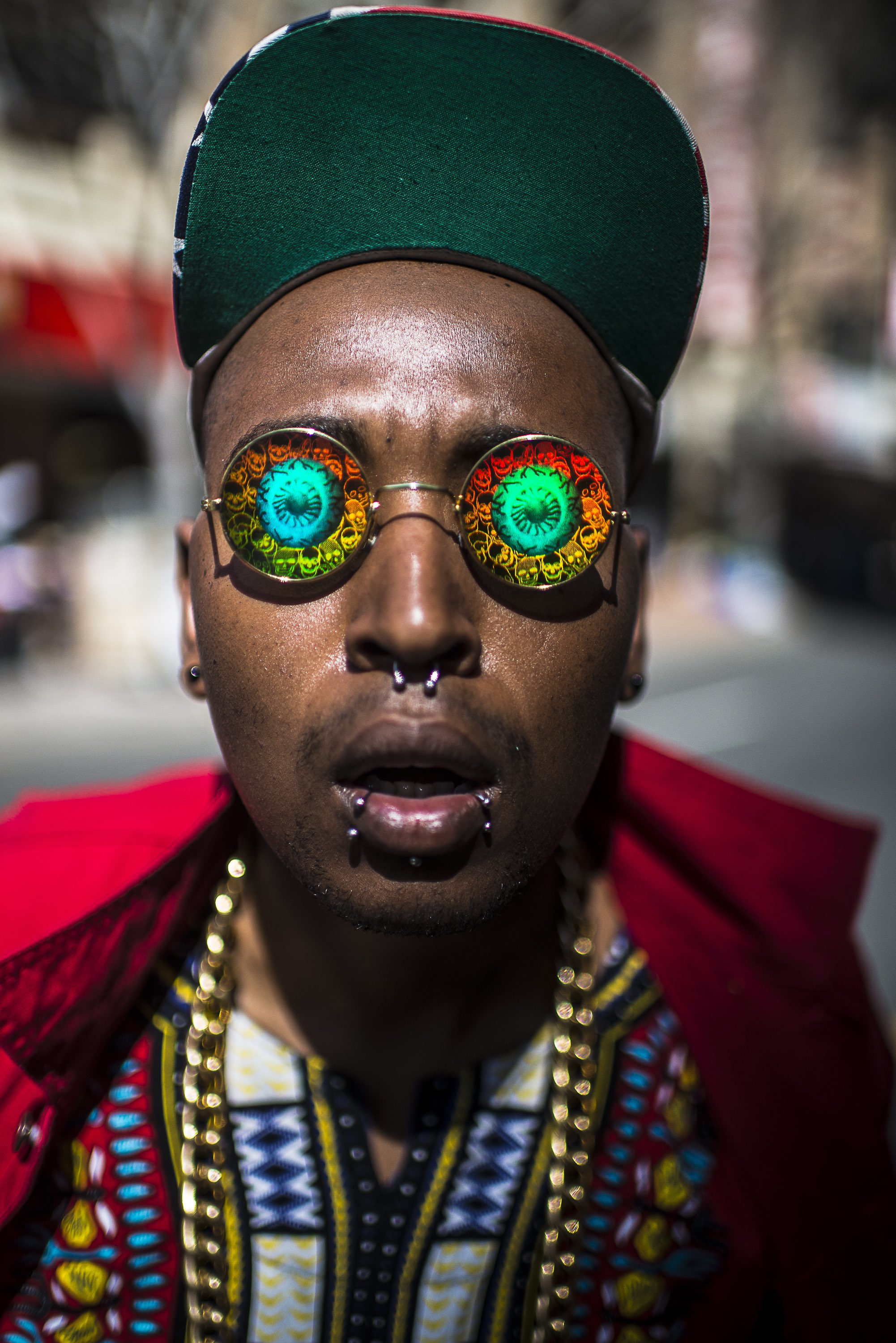
Jerry Moeng from Smagnor, Johannesburg
“Globalisation can be seen as a homogenising force, running in contrast to individuality,” Daniele explains. “This is a risk, but I think that what I documented in Fashion Tribes is exactly the opposite. The more communities have dialogue with the rest of the world, the less beholden they are to the past, the more able to be modern they become and the more confident in expressing their individuality.”
Fashion Tribes: Global Street Style is out now, published by Abrams.
Mtindo Stylemovers Rebranding Africa, published by Skira, will be launched 28 October 2016 at Volker Diehl gallery in Berlin.
Enjoyed this article? Like Huck on Facebook or follow us on Twitter.
You might like

Nick Haymes’s intimate portrait of his family’s life
Chronograph — Over 25 years, the photographer documented his son’s lives as they grew into adults. The resulting photobook is an exploration of the passage of time, as well as the optimism of youth.
Written by: Miss Rosen

Kristina Rozhkova’s scatty, confronting portrait of captivity
Gut Feeling — The Russian artist’s 2024 arrest and subsequent detention opened her eye towards the omnipresent dynamics of power and control. Her new photobook is a stark exploration of being trapped.
Written by: Isaac Muk

UK’s first ever Latino film festival is coming to London
LoLaFF — Taking place between October 2-6, it will feature 55 filmmakers from Latin America, with an opening night at the Barbican.
Written by: Isaac Muk

Shawn Walker’s layered, psychedelic vision of Harlem’s streets
From BeBop to Illusion — Using glass as a means to illuminate the city’s different layers, the longtime photographer and filmmaker is publishing his first monograph at the age of 86.
Written by: Miss Rosen

In photos: The enduring resistance of Notting Hill Carnival
Carnival of Resistance — A new photobook by Wayne Campbell and Wayne Crichlow reflects on the protest beginnings of Europe’s biggest street festival, along with the traditions keeping its original spirit alive today.
Written by: Isaac Muk

Washing strangers’ feet at Houghton Festival
Pedilavium — As part of artist Henry Krokatsis’s performance piece at the weekender, we sat down with over 30 others to clean the dusty digits of passersby, while reflecting on the power of collective ritual and human connection.
Written by: Isaac Muk


