
The town that I grew up in was officially named the Gold Coast by real estate developers.
Through urban planning, tourism boards, real estate and advertising, the town was structured to deliver a fantasy to the people who visited, as well as its residents.
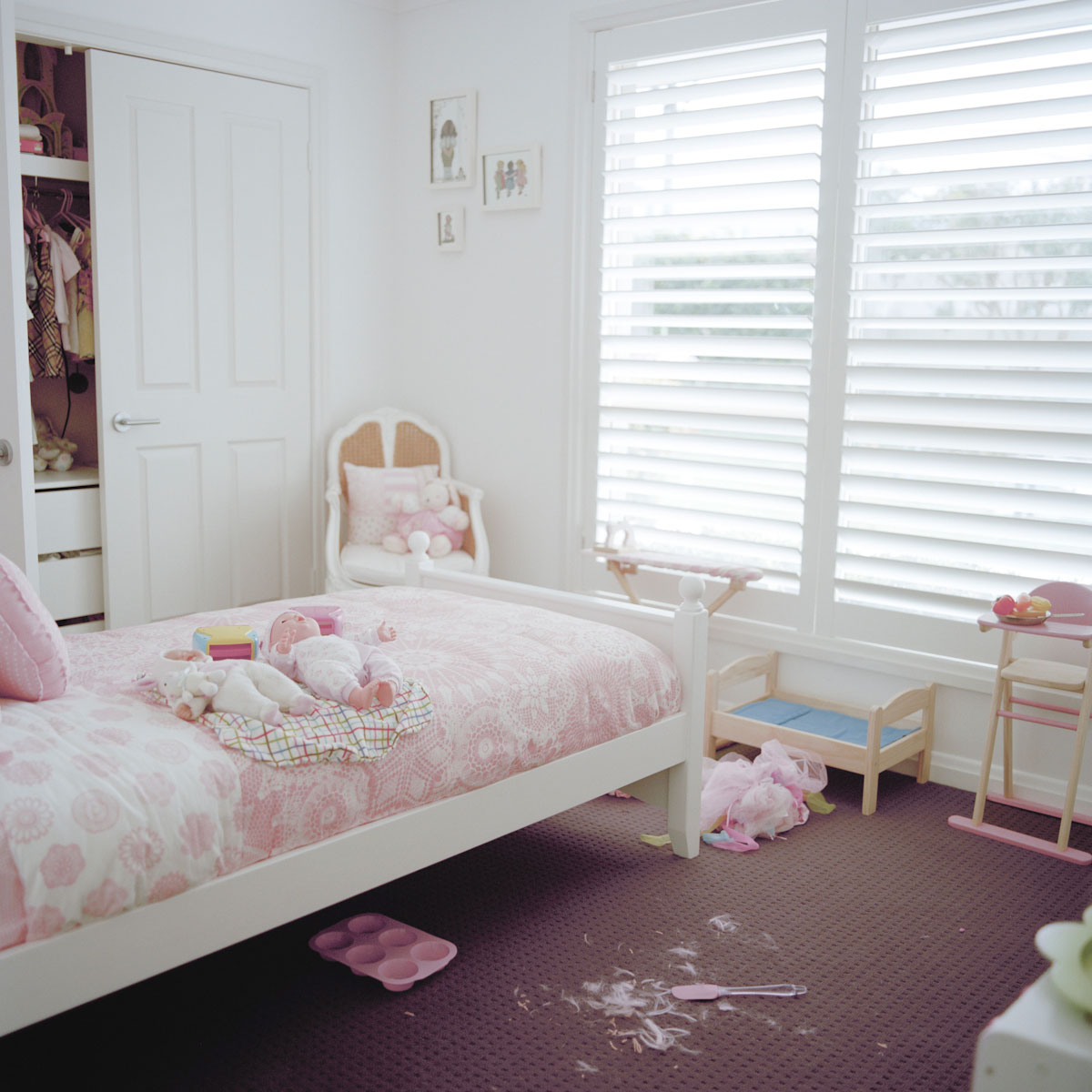
I thought that the drug trade, the rape, the violence, the sleazy underworld business was just a normal part of life. I thought that everyone lived this way.
In part it was because I had learned, through visual culture, that seedy places didn’t look like this. Dangerous places looked dark, filled with broken windows and alleyways.
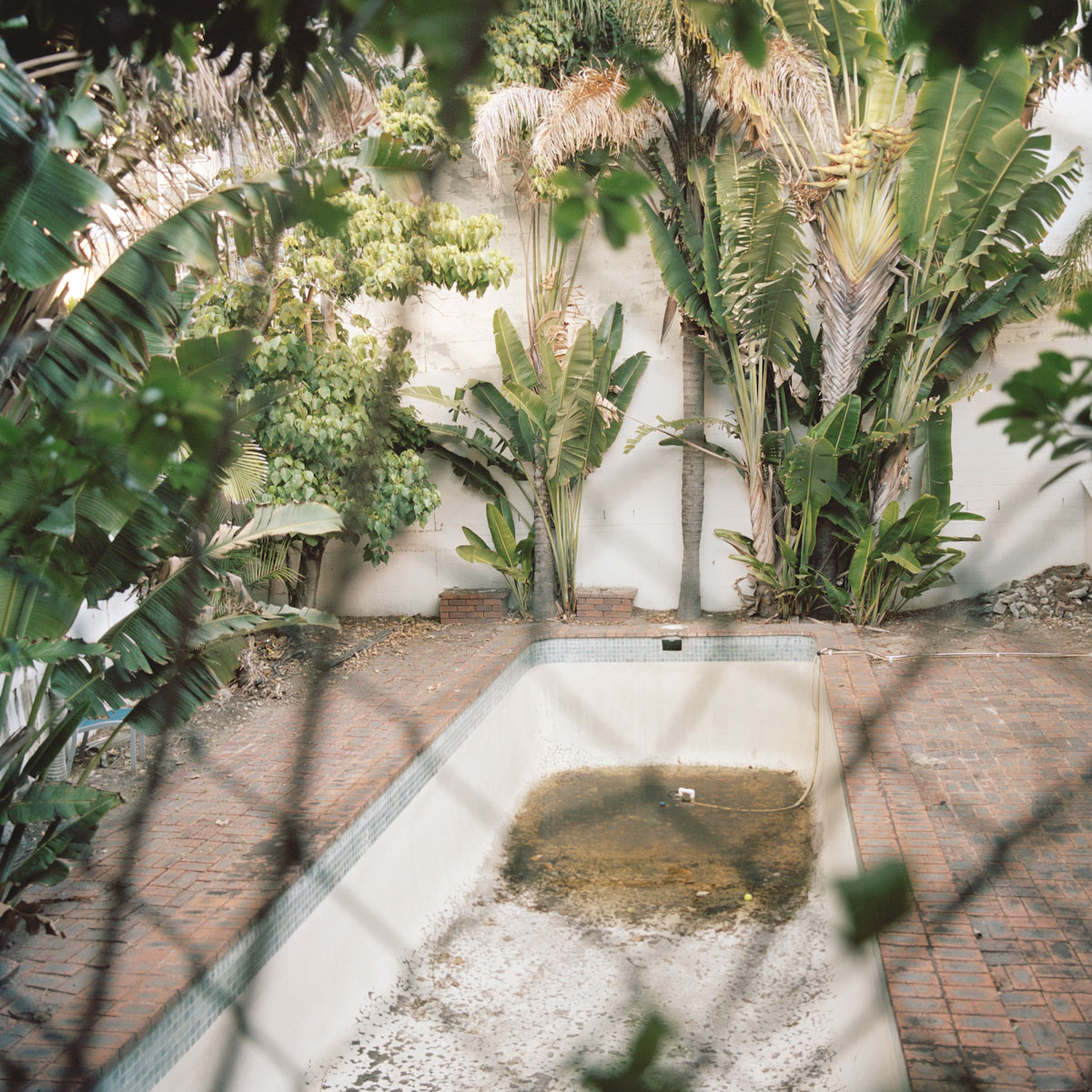
There was no reason to be wary when the sun shone down every day on white folk dressed in polo shirts, aqua swimming pools, luxury SUVs and endless white sand beaches.
By the time I was 13, I could get my hands on any kind of contraband I knew how to pronounce. I knew of at least two friends who had been gang raped by the time I was 17.
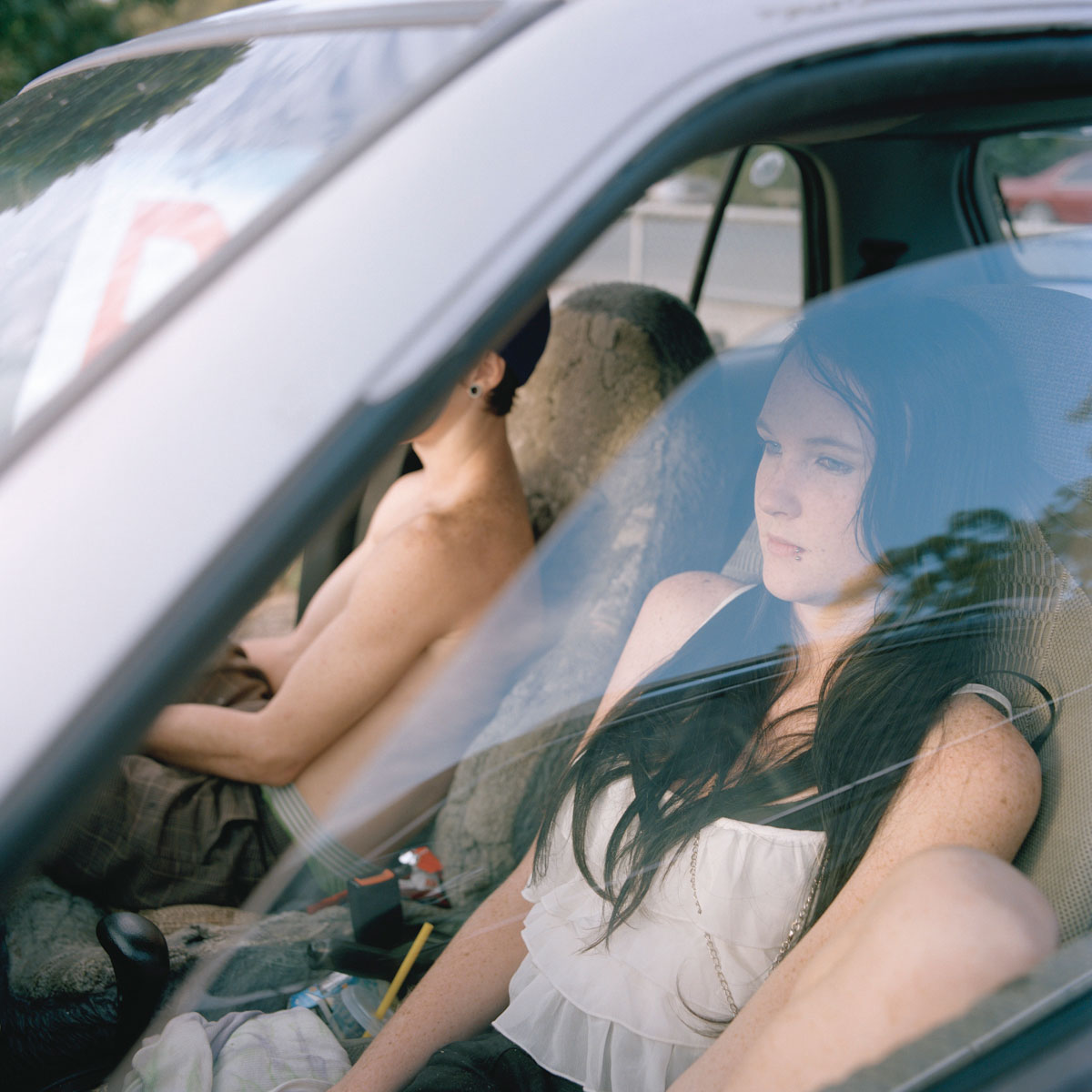
By the time I was 18, I’d seen two people get their throats cut and bleed to death in the living room of a friend’s house.
All of these events took place in homes that were designed and sold as a utopia of waterfront living.
They don’t tell you that the waterways that thread these neighbourhoods are literally populated by bull sharks.
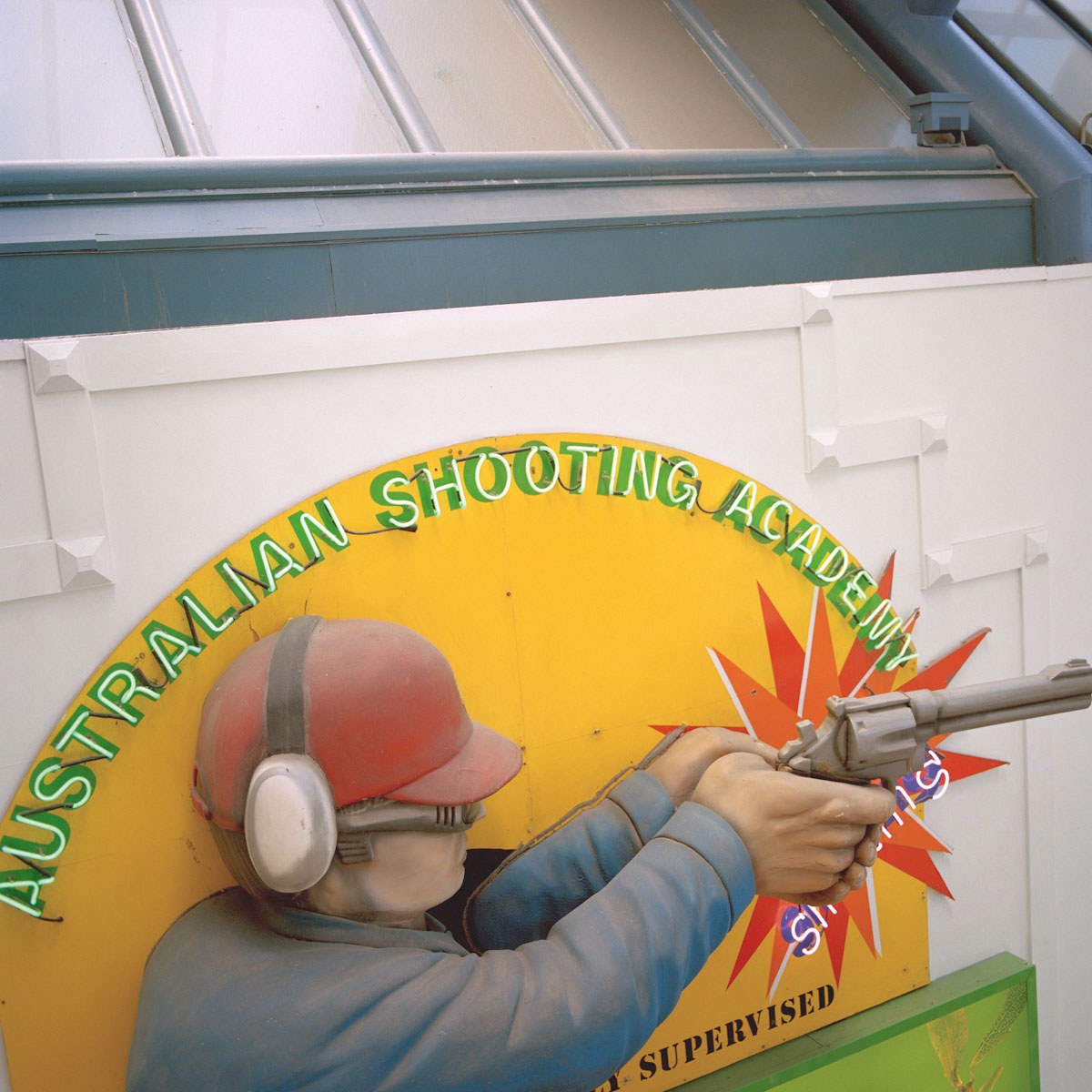
It wasn’t until I was 27 years old that I moved to another city with my family.
And it wasn’t until I was 30 that I felt compelled to go back to the Gold Coast to answer the questions that drove me to become a nomad, drawn to places like Florida and Atlantic City over and over again like some Lynchian Groundhog Day, photographing what I saw but never really being satisfied.
It was going back to ground zero that illuminated many things about who I am as a photographer and the issues that drive me.
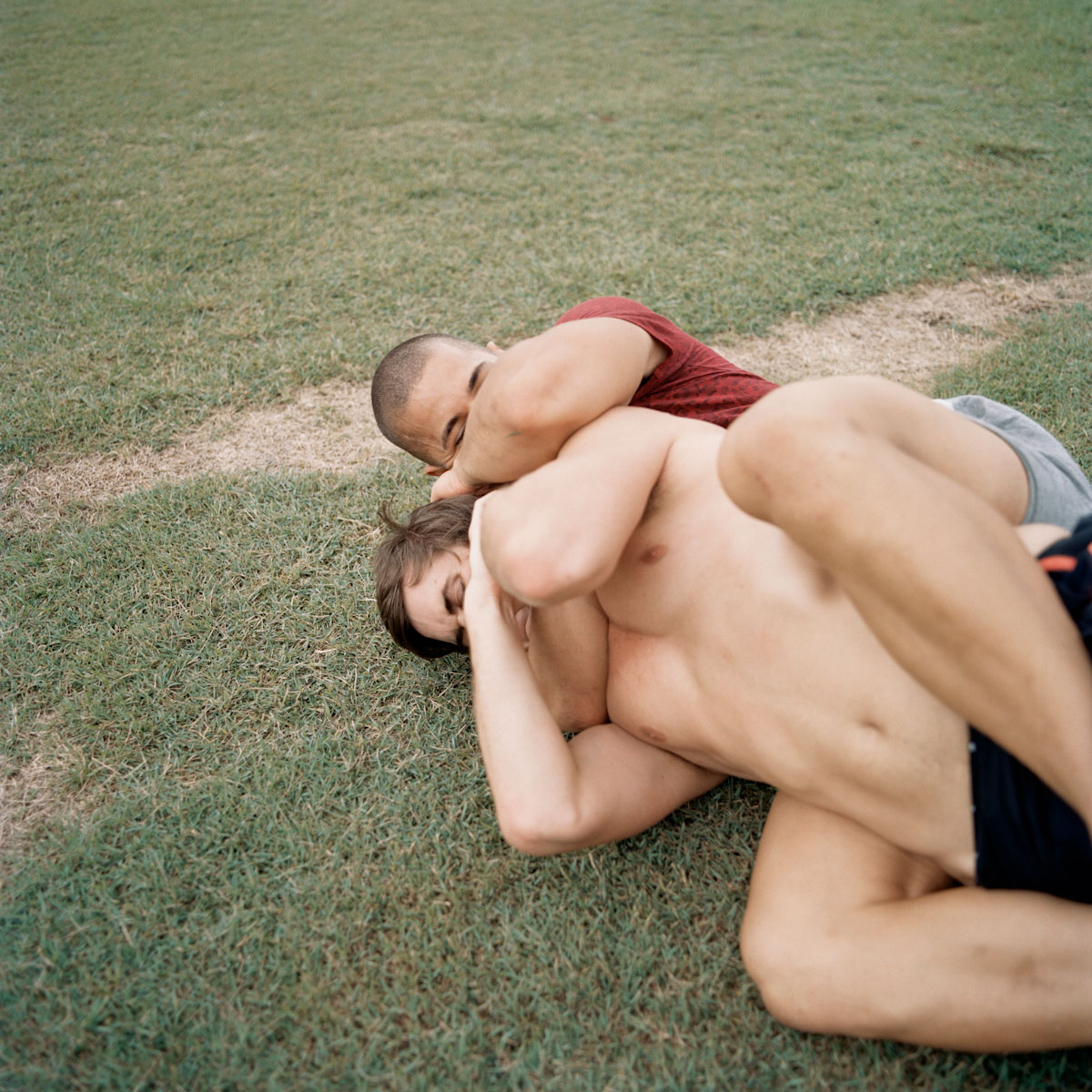
Going back and self-publishing my first book, my debut statement, about this town and my experience there has given me the answers that I need to move forward.
It has become a way for me to communicate to the outside world a fragility in the social fabric that we buy into.
Rich people can steal, white men can kill and people can cook meth in a home with a pool and a nice front lawn.
This story originally appeared in Huck 46 – The Documentary Photography Special II. Get it from the Huck Shop or subscribe to make sure you don’t miss another issue.
Check out the portfolio of photographer Ying Ang or buy her Gold Coast book.
Enjoyed this article? Like Huck on Facebook or follow us on Twitter.
You might like

In photos: Black Texas life since emancipation
Kinship & Community — A new photobook and exhibition showcases the rich culture, history and community of African American folks in the Lone Star State, whose existence in the region predates colonial Britain.
Written by: Miss Rosen

Youthful joy & end-of-era poignancy at a London school prom
Leavers — For several years, Lewis Khan documented young people as they celebrated the last of their school days and the completion of their exams. The series is now collated in a new self-published photobook and short film.
Written by: Zoe Whitfield

Harry Gruyaert’s vintage, kaleidoscopic scenes of New York
A Sense of Place — For 50 years, the Belgian photographer and Magnum Photos member has been capturing NYC’s colourful chaos. A new photobook and exhibition showcase his unique, technicolour view of the city.
Written by: Miss Rosen

In the pit at one of the UK’s last stock car & banger speedways
Stock Car Racing Isn’t Dead — Photographer Liam McCarthy spent time in and around the Arlington Raceway’s circuit, capturing the diehard community that keeps the sport alive.
Written by: Isaac Muk

Inside Lower Duck Pond, the nicest town on the internet
/r/HaveWeMet — With a population of 2,500 and no fixed location, the subreddit is a space for roleplaying citizens to solve mysteries, host fictional events and ultimately connect. In an internet that’s often divided and toxic, Vicky Jessop hangs out in one of its most wholesome corners.
Written by: Vicky Jessop

A major Nan Goldin exhibition is coming to London
You Never Did Anything Wrong — Opening at the Hayward Gallery in November, the show will debut a new film from the artist and activist, alongside a slate of recent work.
Written by: Jack Dennison-Thompson


