
The Russia you'll never see on postcards...

Alexander Petrosyan doesn’t think pictures can change the world, but he does believe they can help you understand it a little better.
Having received his first camera as a birthday gift at the age of 12, the photographer quit and came back to the practice several times before turning professional in 2000.
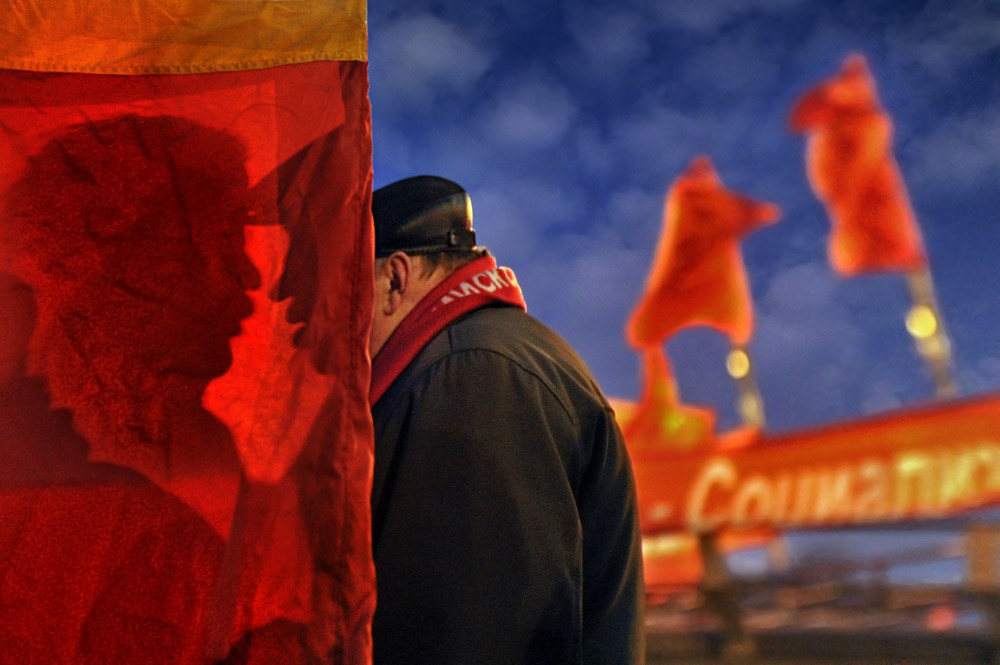
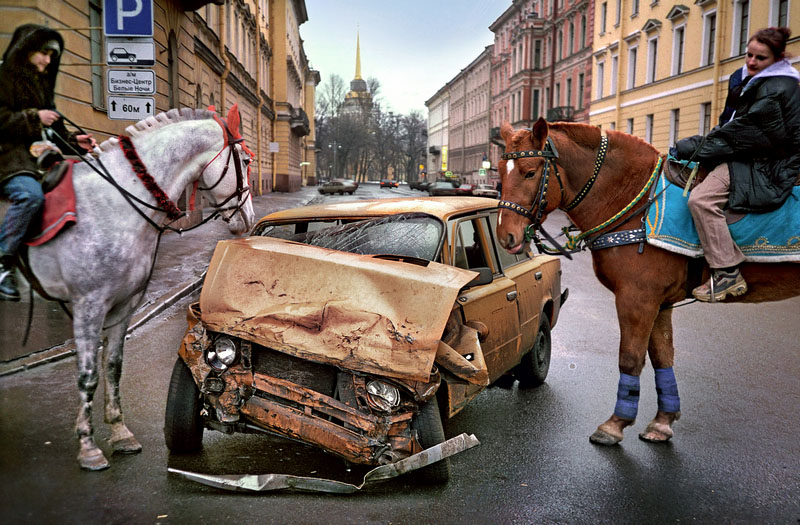
The one constant inspiration is the streets of St. Petersburg, where he has lived his entire life. The city’s historical centre consists of just a few dozen square miles and Alexander knows every corner by heart.
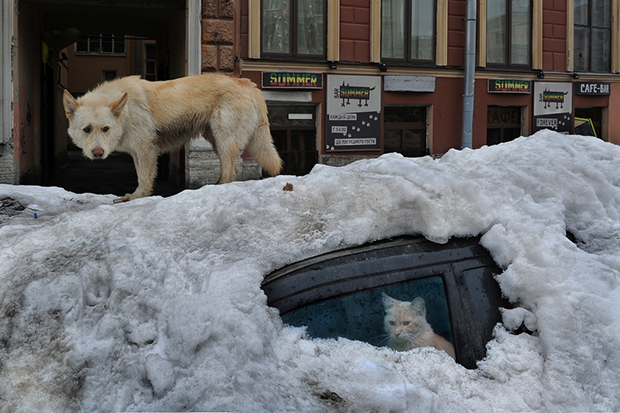
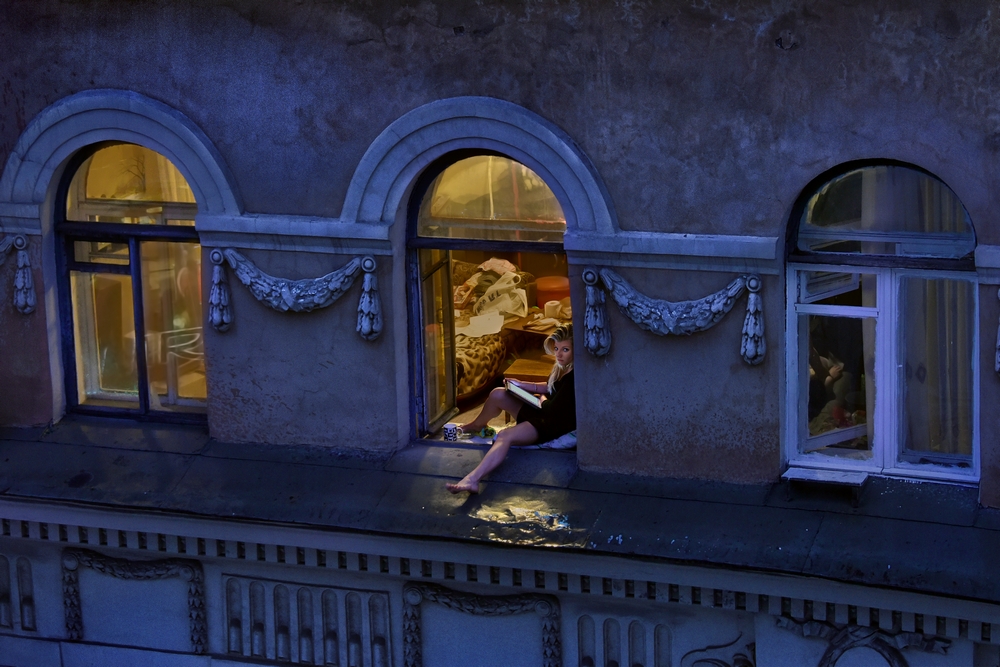
Any pictures he takes while travelling, he says, are best kept private – the eye of a tourist can only offer a fleeting glimpse from the outside. “This is my world,” he says of St. Petersburg.
It’s a city steeped in history, from the days of the Russian empire to its near destruction in World War II, from its phase as a provincial hinterland to its rebirth under Vladimir Putin.
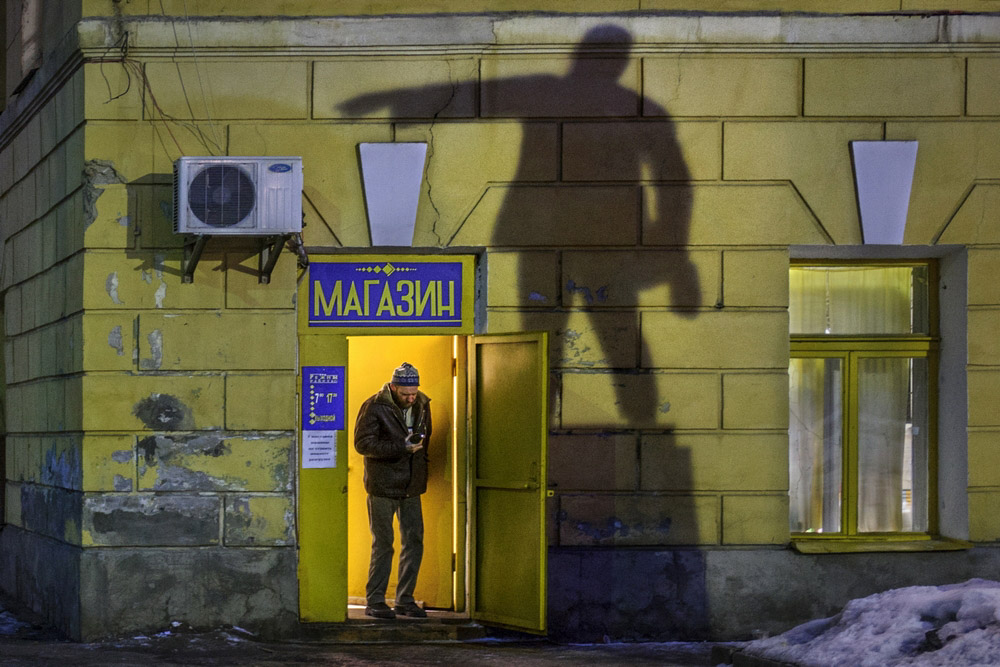
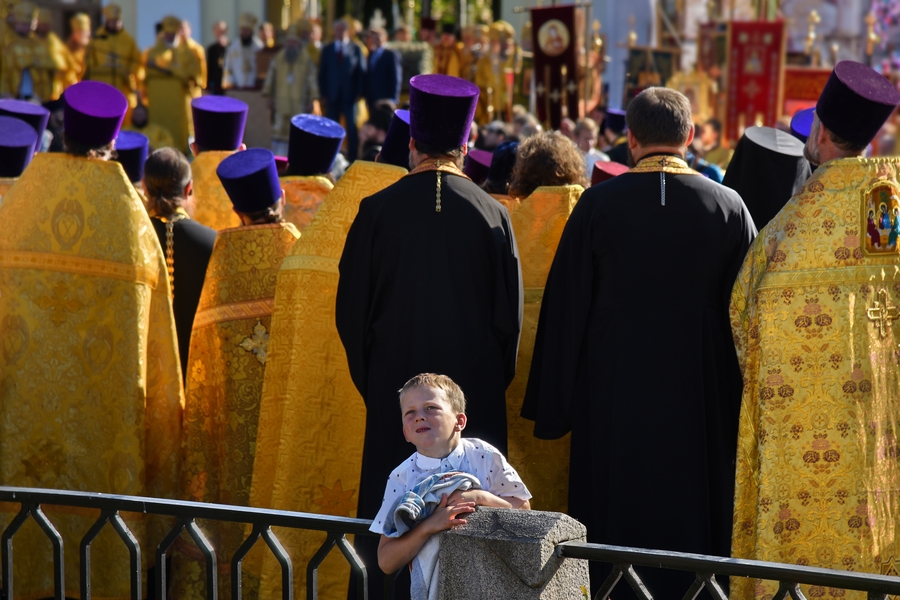
But as a place that’s shrouded in cold and darkness for most of the year, people try to get where they’re going with as little fuss as possible.
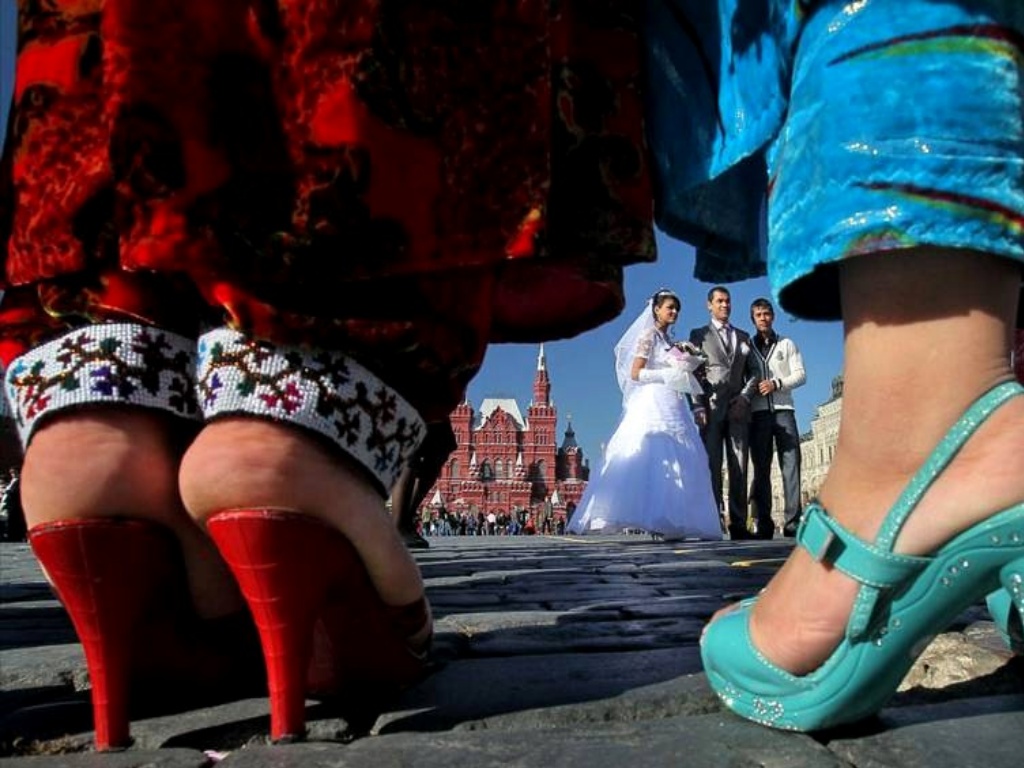
For Alexander, that routine briskness makes candid moments stand out even more, helping him refine an opportunist’s eye for detail.
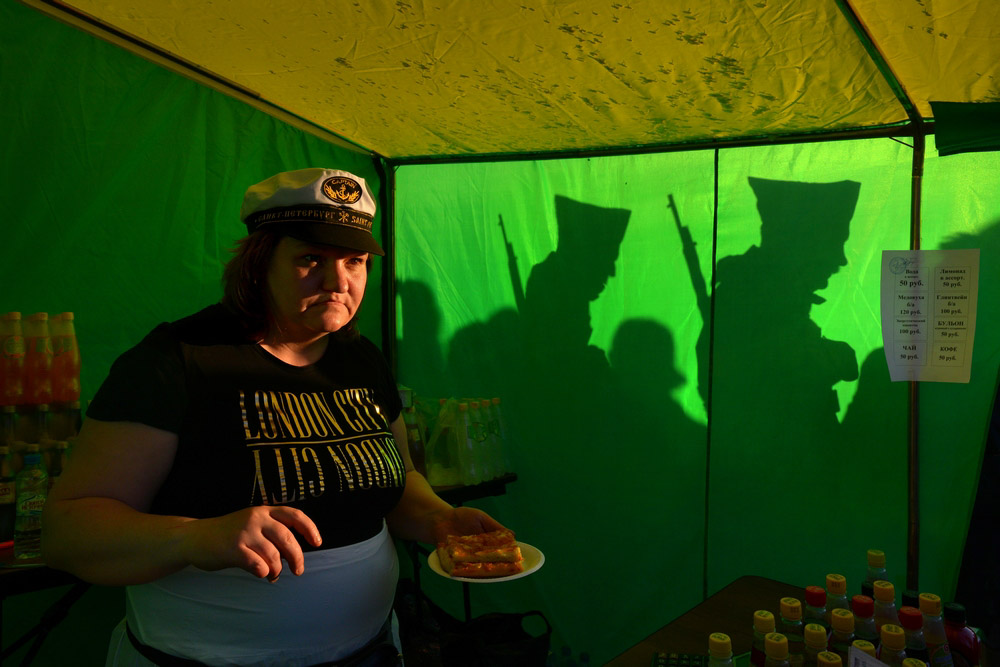
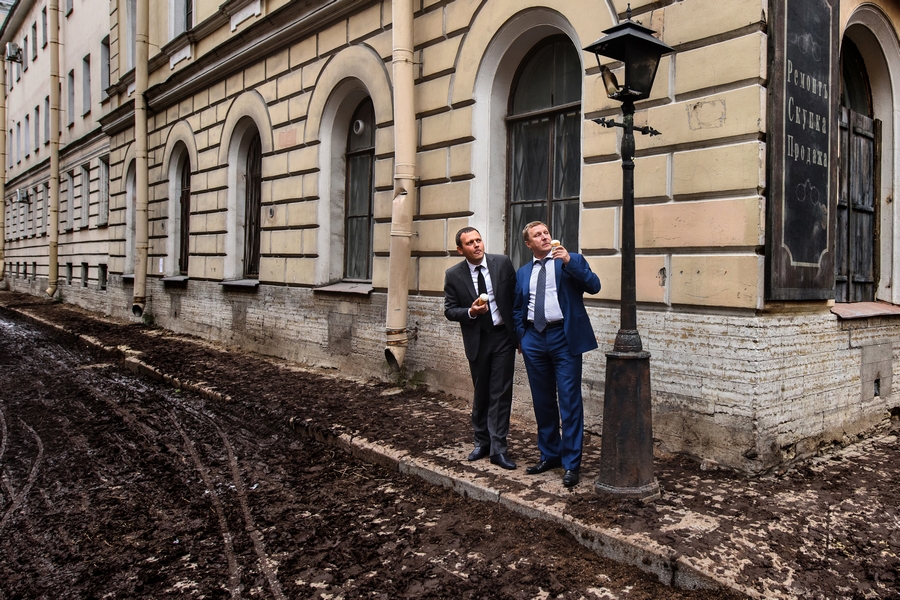
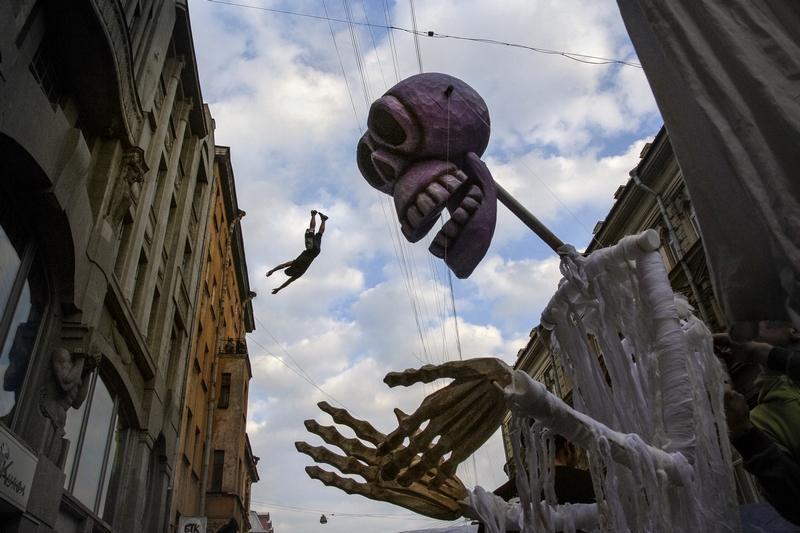
“Everyone sees life from their own angle but I’m always more interested in the paradoxical and unexpected,” he says.
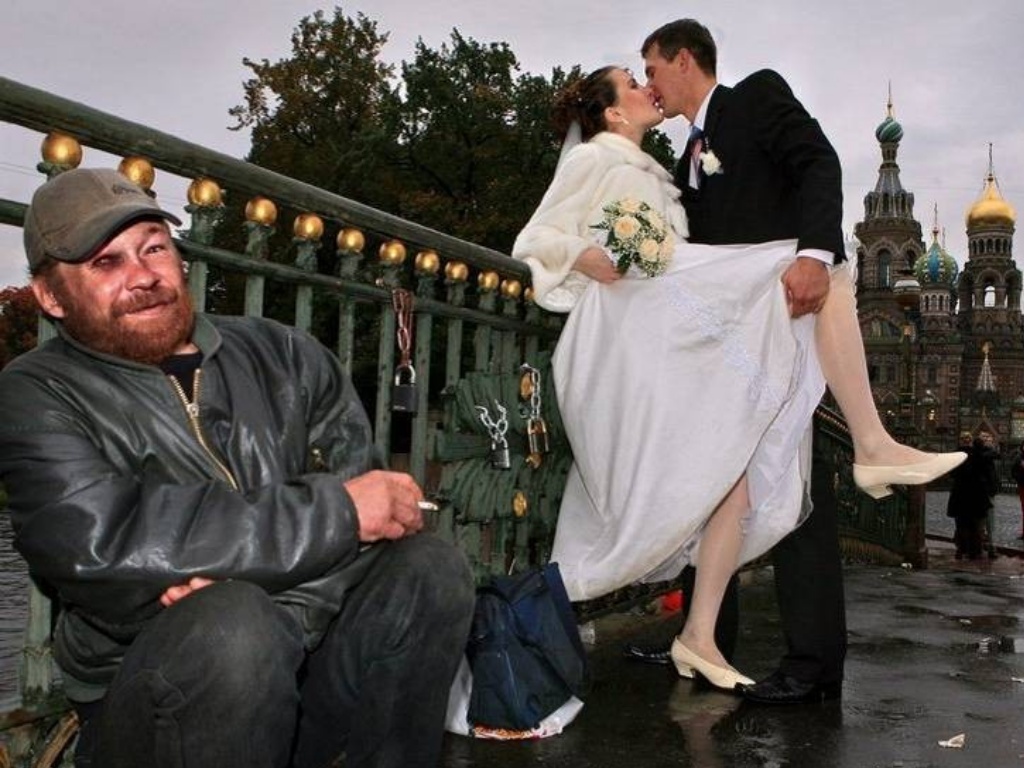
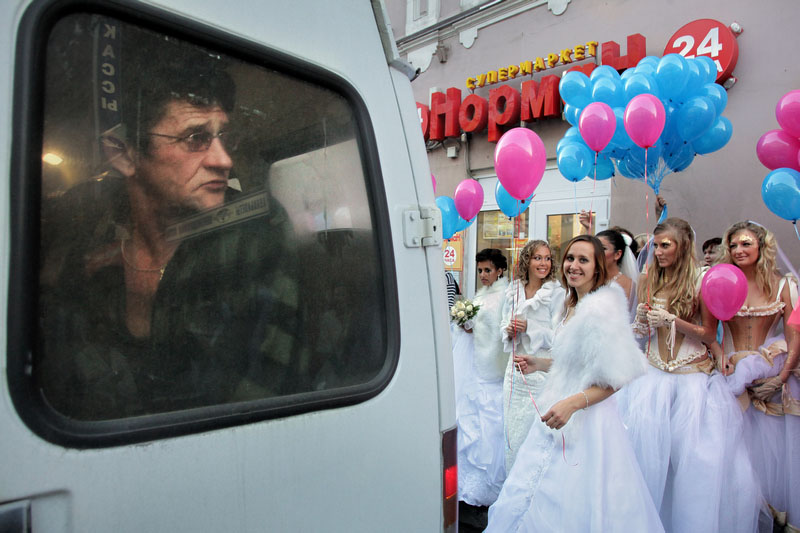
“Everything is unpredictable. Sometimes it feels right at the moment of shooting, but often that only happens years later.”
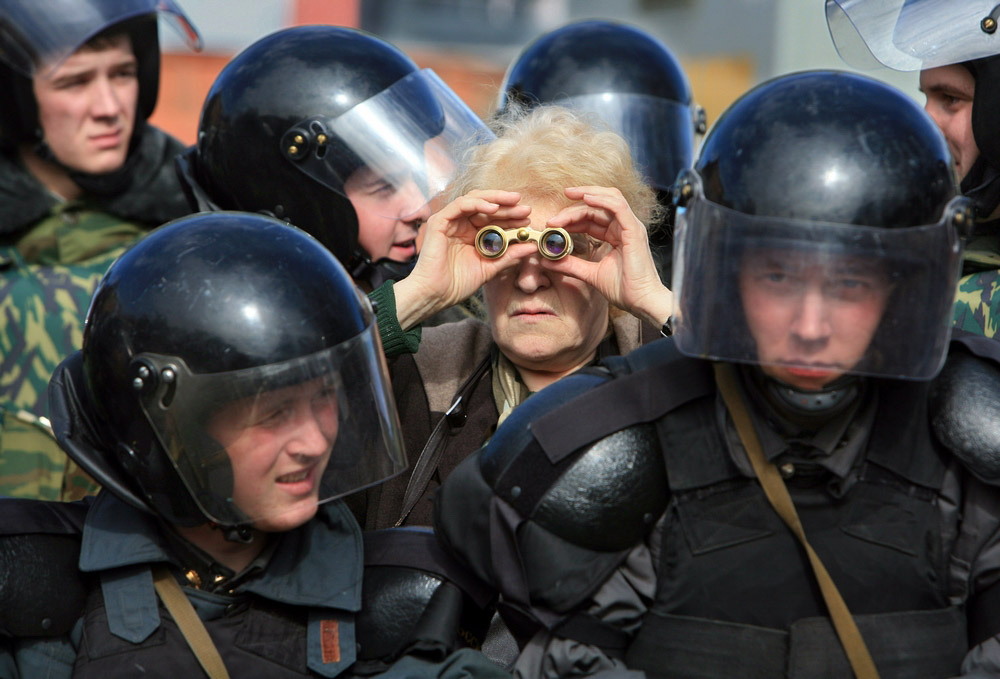
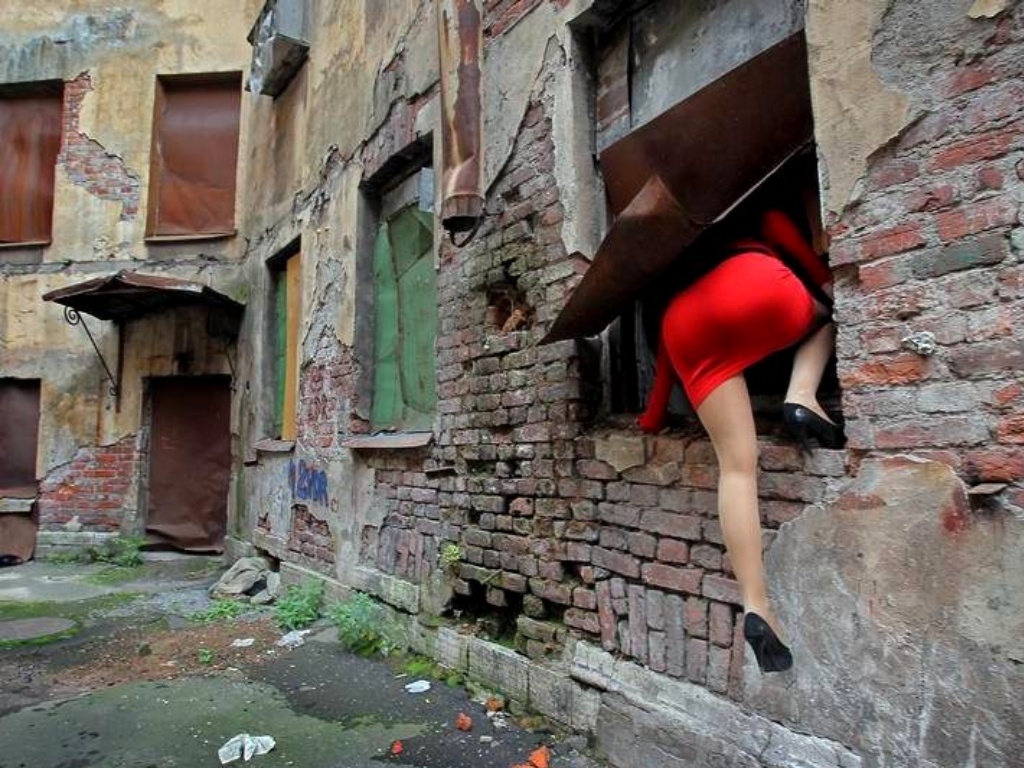
Now a full-time photojournalist for the Russian newspaper Kommersant, with work published in the likes of National Geographic and Newsweek, Alexander takes a camera with him everywhere – with a backup battery just in case the cold saps the life from his primary one.
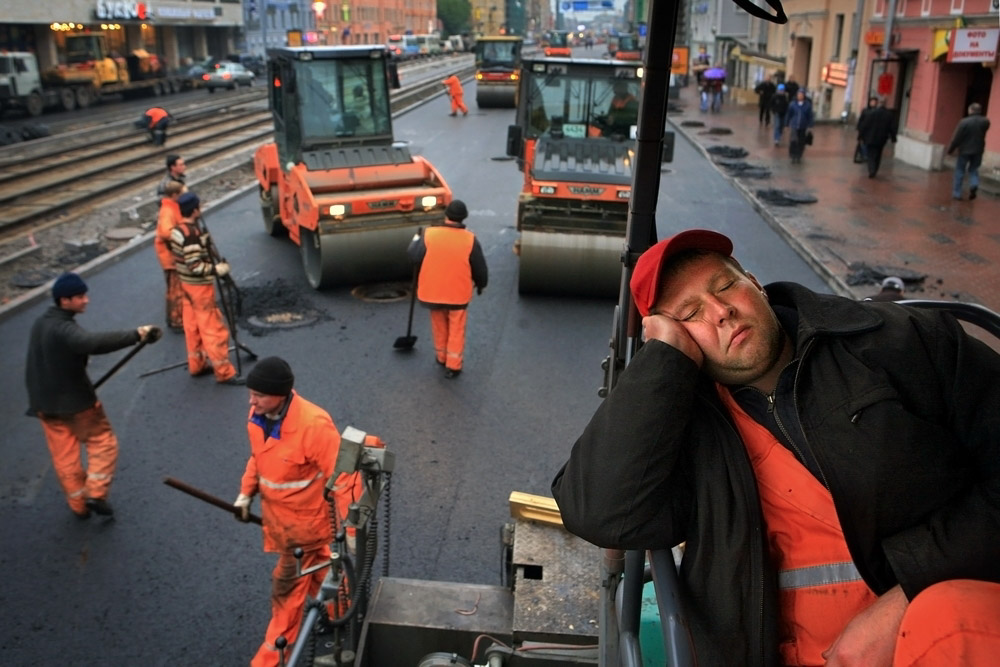
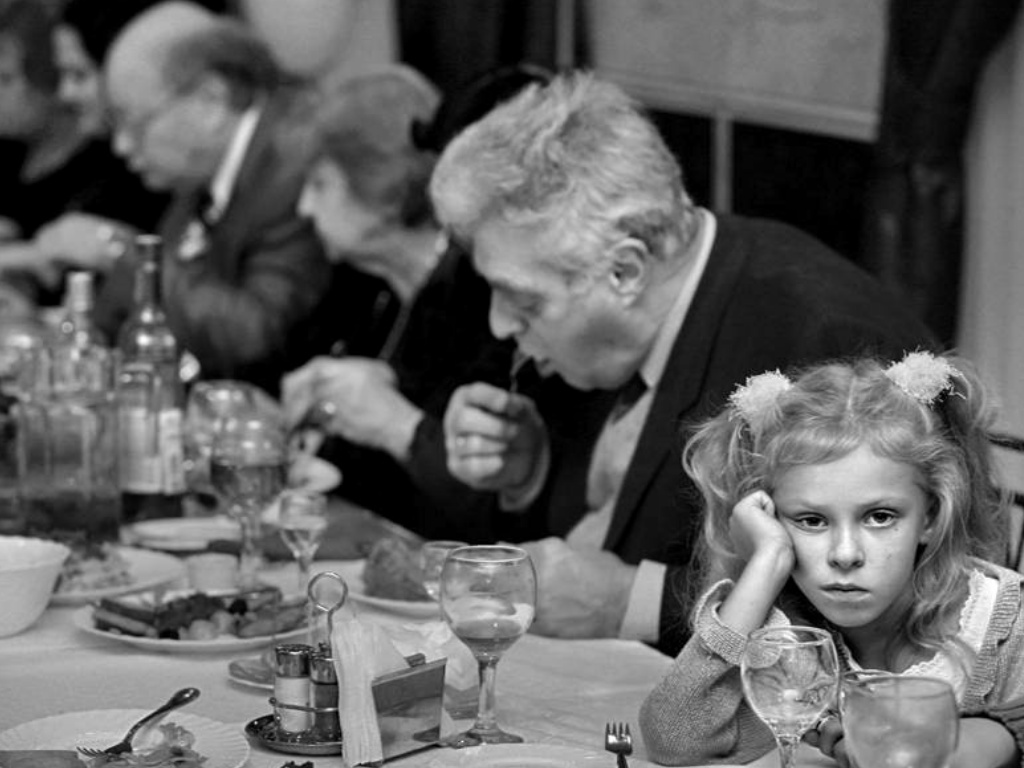
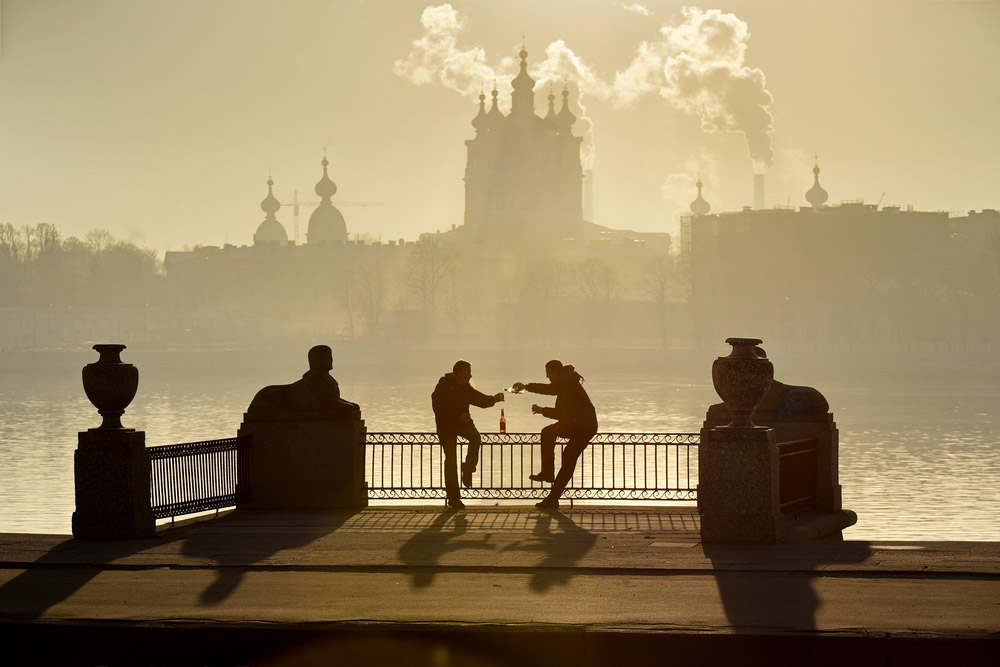
The pictures he takes feel like short stories – vignettes layered with detail and loaded with contrast, whether it’s a meeting of unlikely characters or just a comic scenario – but they’re not limited to chance encounters.
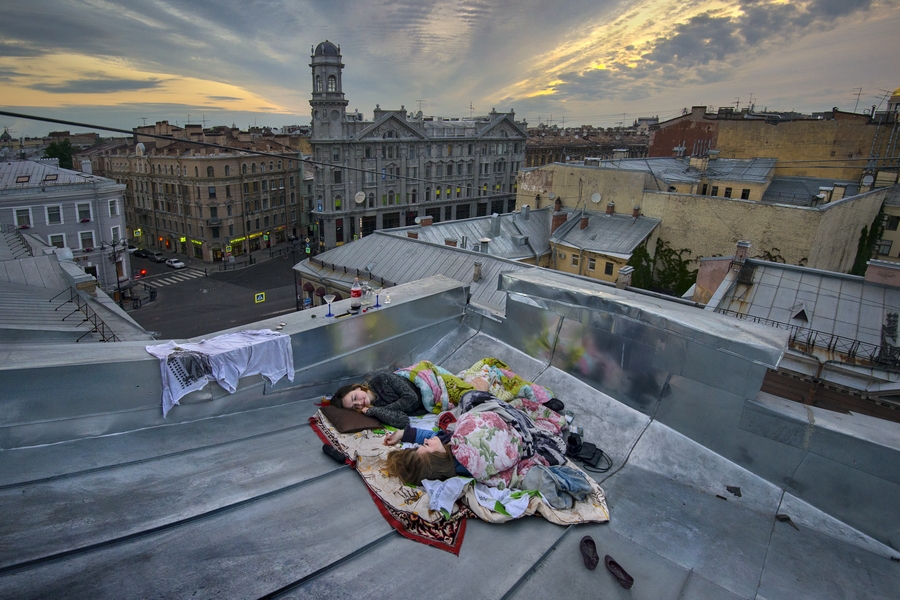
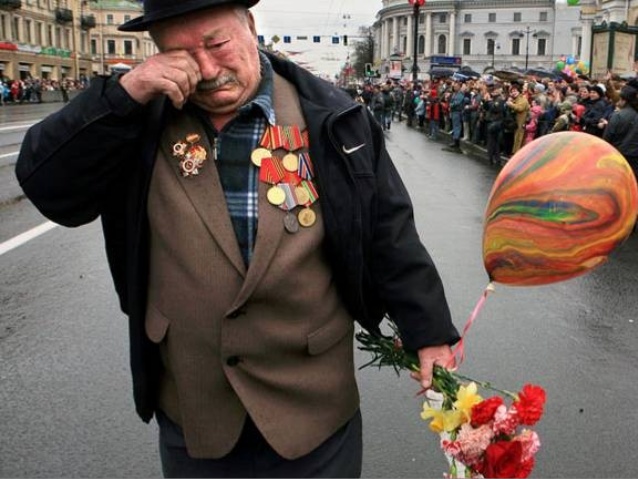
A skim through Alexander’s blog – its title translates as “the reality is a bit different than it really is” – peels back the capital’s character from every conceivable direction, whether it’s a rooftop panorama or a close-up of someone lying in the gutter.
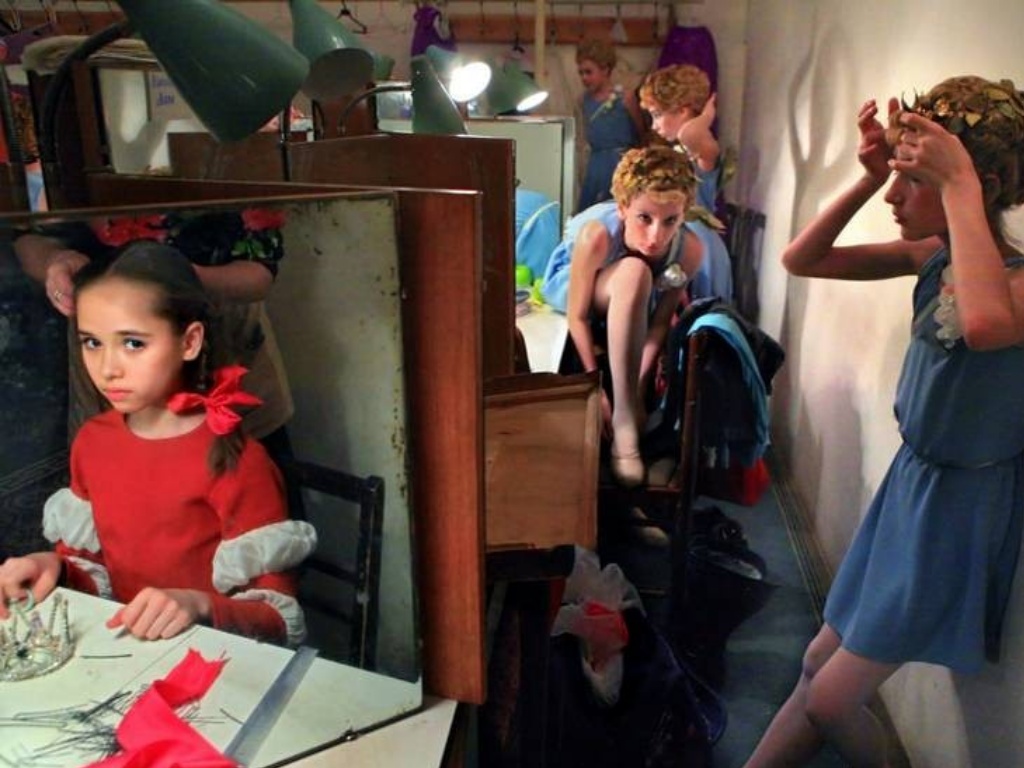
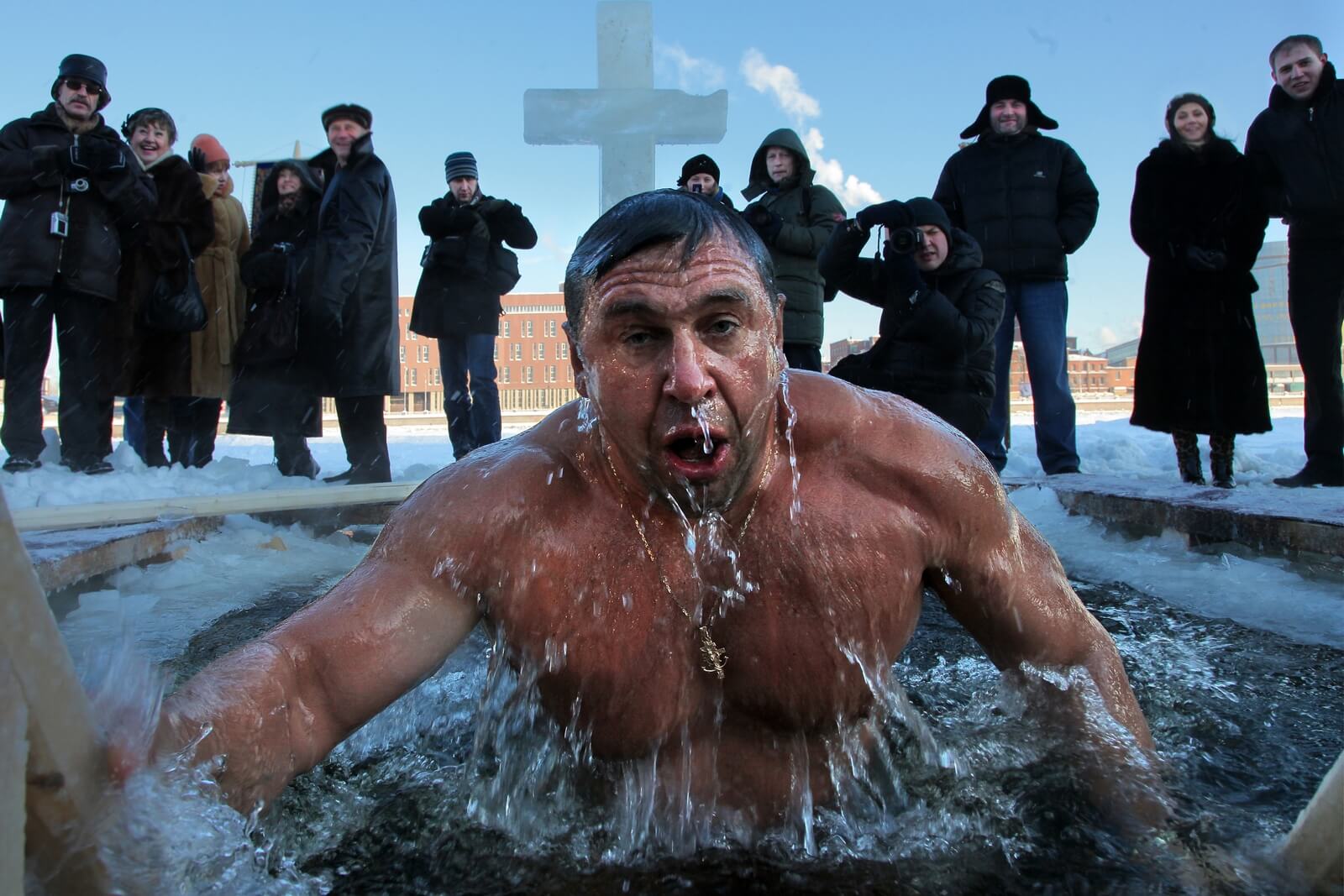
“Perception depends on many different factors,” he says. “But if the picture is taken with a certain energy, the viewer will feel it, regardless of geography and culture.”
“On the other hand you can probably be independent, impartial and strive for an unbiased opinion, but an indifferent photo will never touch the viewer.”
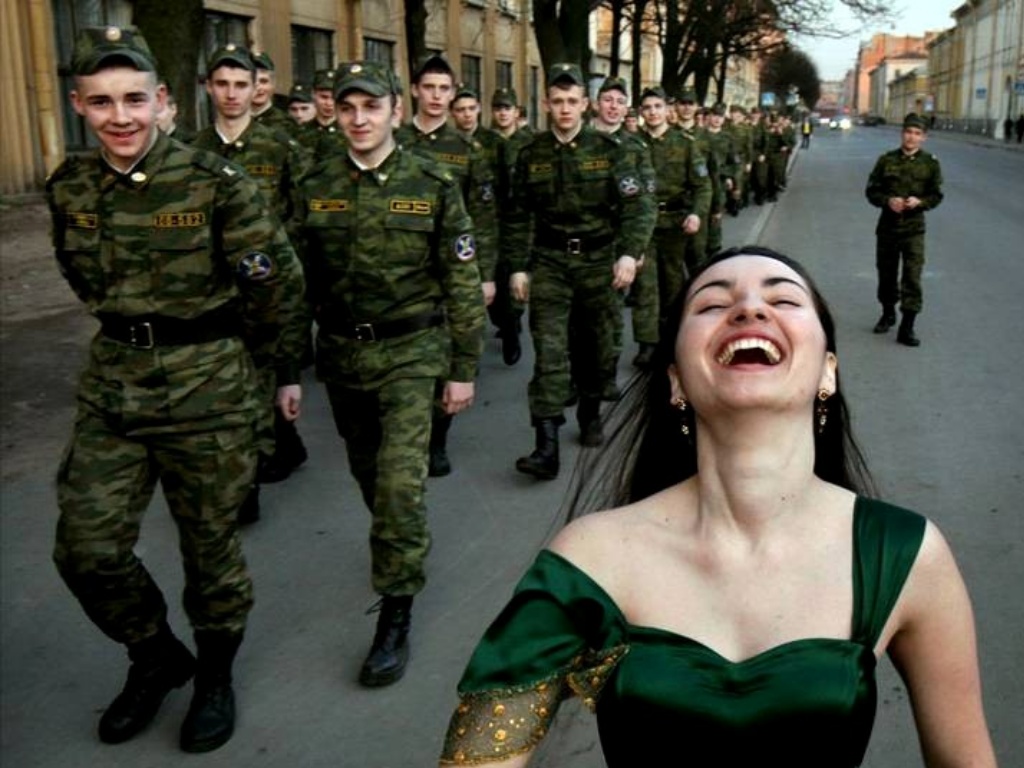
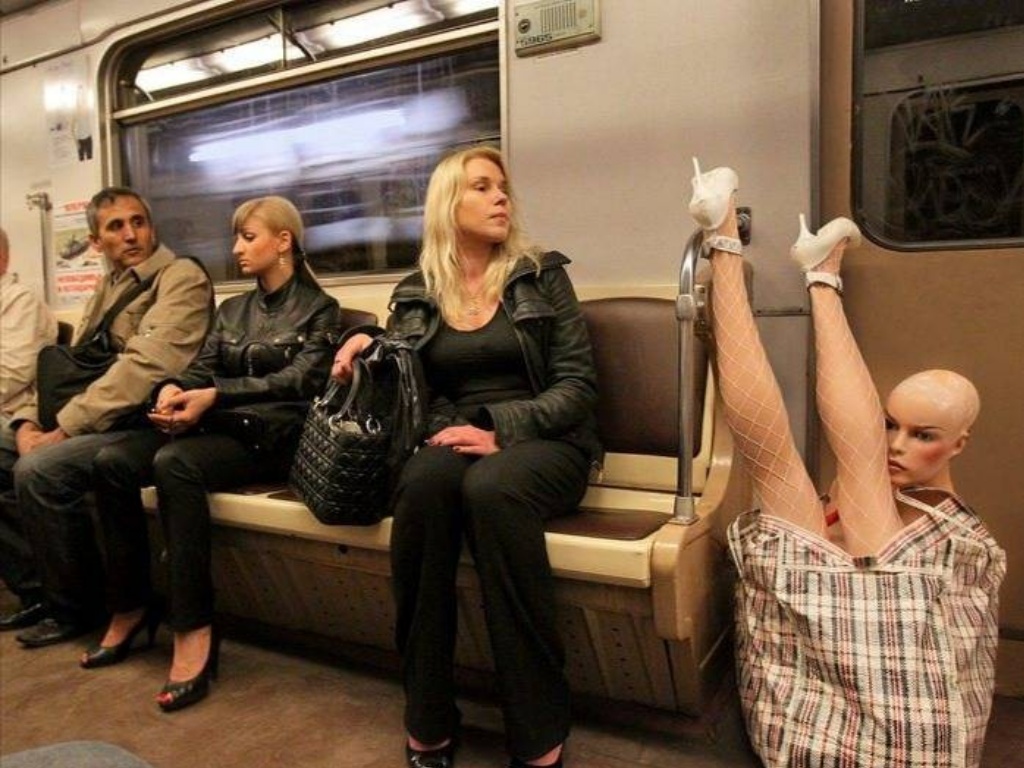
Alexander likens himself to a fisherman: surveying the scene with patience, knowing that there’ll be days of hard work that produce nothing and other times when everything falls your way.
The camera itself, he explains, is just a tool – one that should never get in the way or irritate the photographer with its shortcomings.
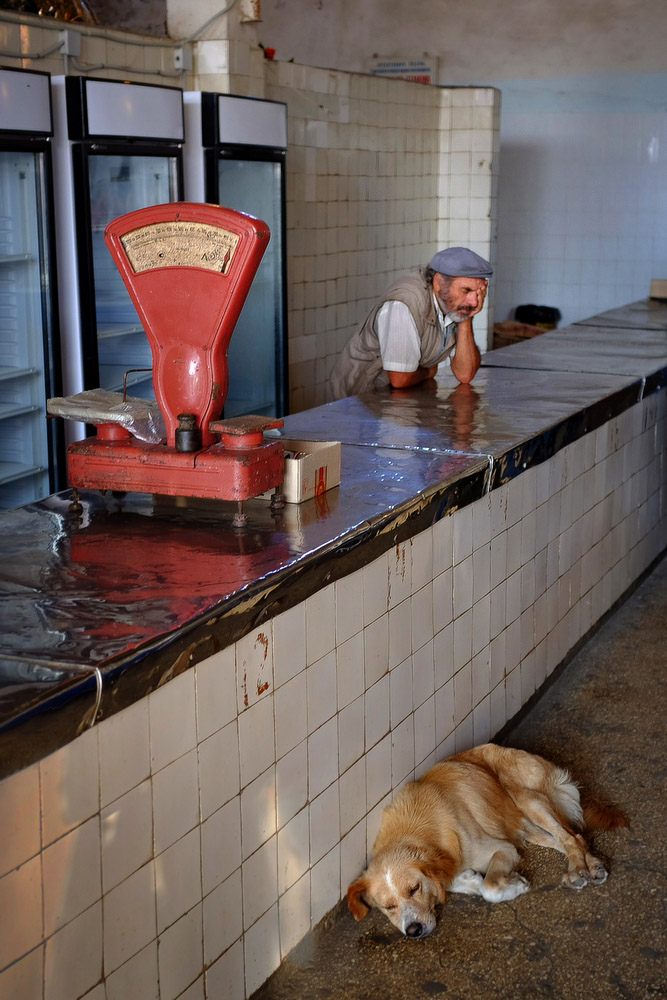
“To watch and analyse is much more important,” he says. “Nothing else really matters beyond constant practice.
“The most difficult thing is not to repeat yourself,” he says. “Get away from your own signature style and traditions; you have to update your thinking and seek change constantly.”
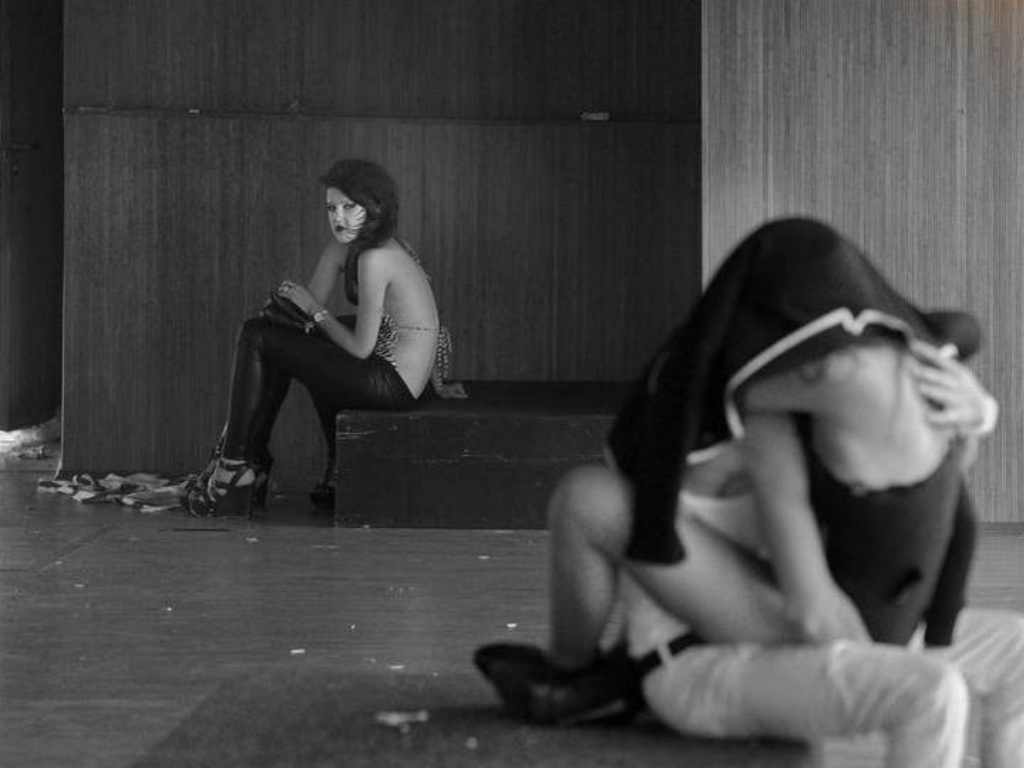
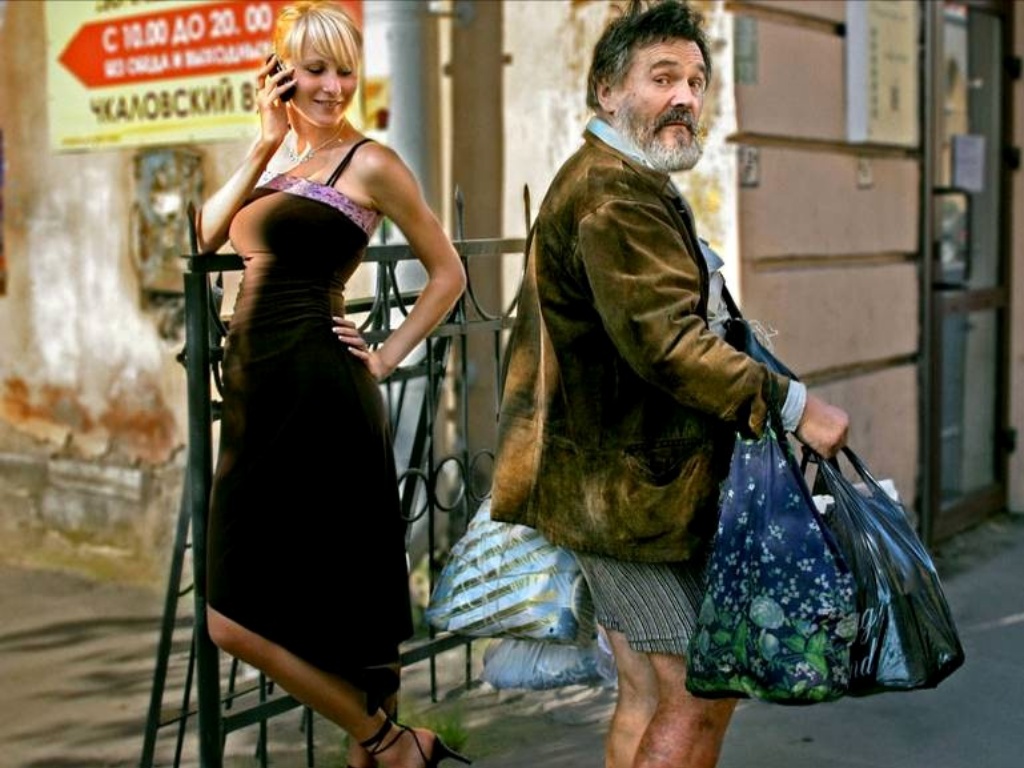
Having started out inspired by Henri as well as Russian greats Boris Smelov and Sergey Maximishin, Alexander has become one of St. Petersburg’s most renowned street photographers over the last few years.
But he remains a man of few words, resisting praise and preferring to let the images do the talking.
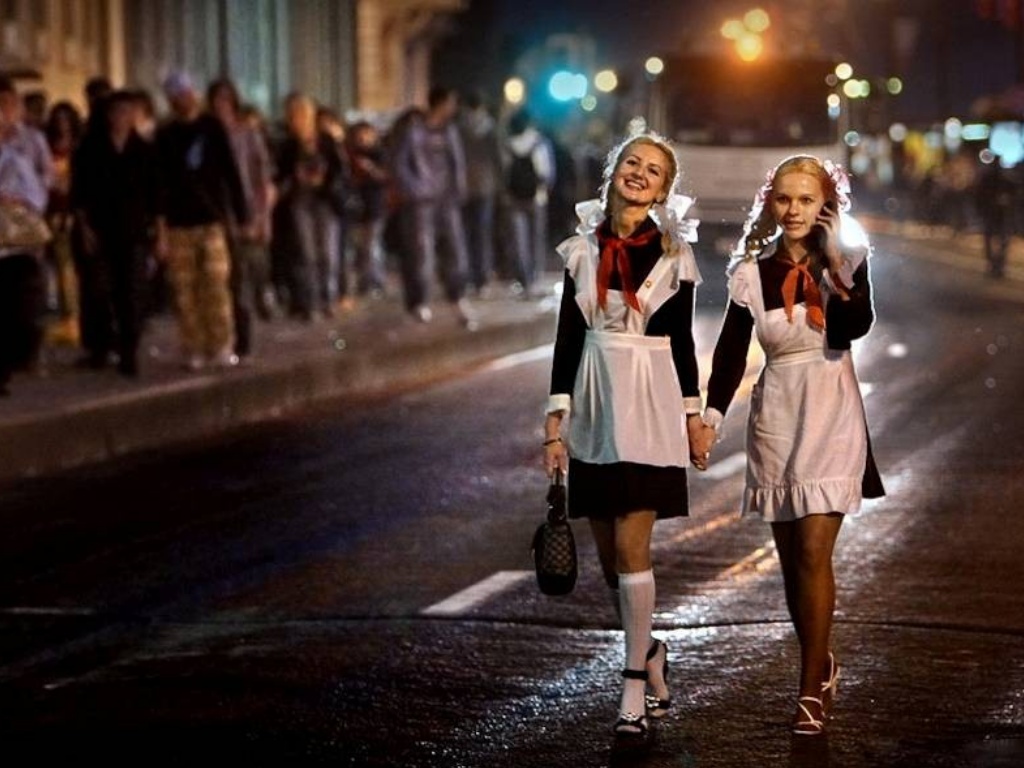
“I don’t see the point in being proud of something,” he says. “You can always try to improve even your greatest achievements.
“But to put it another way, let’s just say that I’m glad I still haven’t lost interest.”
Check out Alexander Petrosyan’s portfolio, browse his blog or follow him on Instagram.
Enjoyed this article? Like Huck on Facebook or follow us on Twitter.
You might like

What went down at Huck’s 20th birthday party
84 issues and counting — We took over east London’s Jaguar Shoes with friends old and new to celebrate two decades and our new issue, with Tony Bontana taking the decks for a special set.

Photos of friends, lovers and afters in Berlin’s party scene
Dreams and How to Keep Them – Vincent Wechselberger’s new monograph documents a decade of hedonism in the German capital, and the people he met along the way.

Inside the Los Angeles scene kid revival
The Rawring ’20s — For the cover of Huck 84, photographer Alexis Gross and writer Anna Zanes meet the latest faces of scene, who are finding freedom to express themselves through its technicolour, unafraid aesthetic.

Introducing our new issue of Huck Magazine: It Starts With Us
Huck 84 — For our second 20th anniversary issue, we spotlight 20 people and groups providing the world with a hopeful future.

The sharp rise of video game photography
Point, shoot — As the entertainment medium’s fidelity levels increase and developers build more powerful tools, a growing community of gamers are pushing the boundaries of image making in virtual worlds. Vicky Jessop meets people at the forefront of the emerging artform.

Joyous photos from the heart of the UK’s radical free festival movement
Common Grounds — The photographer has been capturing British counterculture for the past half century. A new exhibition looks at his archive sitting at the intersection of music, community and grassroots protest.


