The Batman of skateboarding
- Text by Anthony Pappalardo
- Photography by Jonathan Mehring

The charm and challenge of skating in New York City is that its spots have always been less than perfect.
The area beneath the Brooklyn Queens Expressway, for instance, became a de facto skate hub not because it was conducive to skating, but because the bridge conveniently blocked the elements.
Yet for all the BQE’s crustiness – pools of rusty garbage-water, pigeon shit and cast–off shrapnel from cars – it’s celebrated for that functional imperfection.
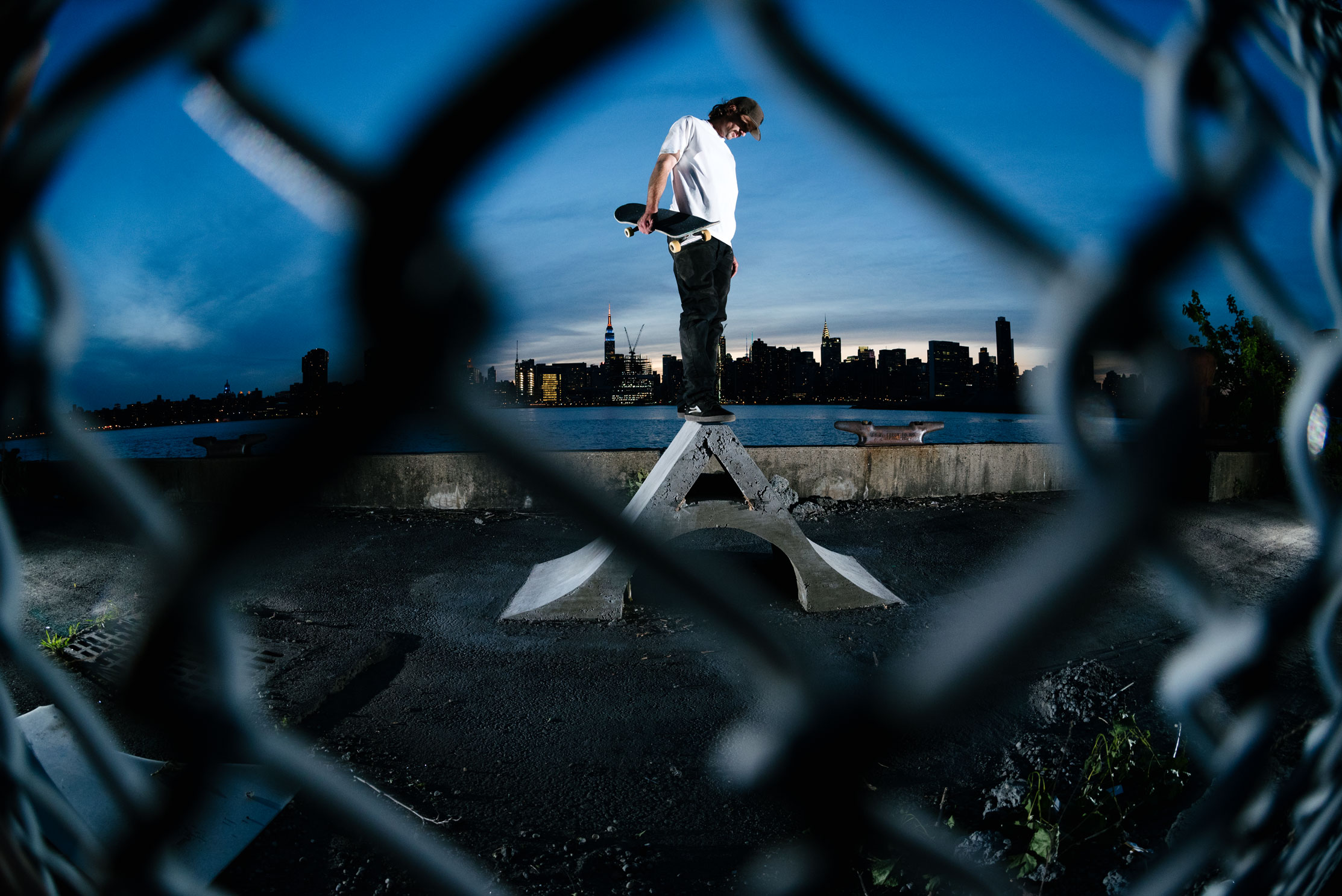
Spots like this become so common and localised, however, it’s easy to forget that someone had to build them using their own resources, tools and brawn – without any type of permission or permit.
Jerry Mraz is that someone. Originally from Jackson, Michigan, he moved to New York in 2004, aged 25, and almost immediately started building or fixing spots, carving out his place in the city’s skate history.
“I’ve always worked in construction trades of some form or another,” he says. “My grandfather was a union carpenter. He and I built my first ramp when I was about 10.
“It looked crazy but it worked just fine and, actually, it was beautiful. After that I’d always try to stash away certain items being discarded on the street to repurpose them into something I could skate.”
After graduating from school, Mraz moved to San Francisco and found work installing heating and ventilation units while also taking college classes in film and photography.
But these were just pursuits. He never felt a calling beyond making things with his hands.
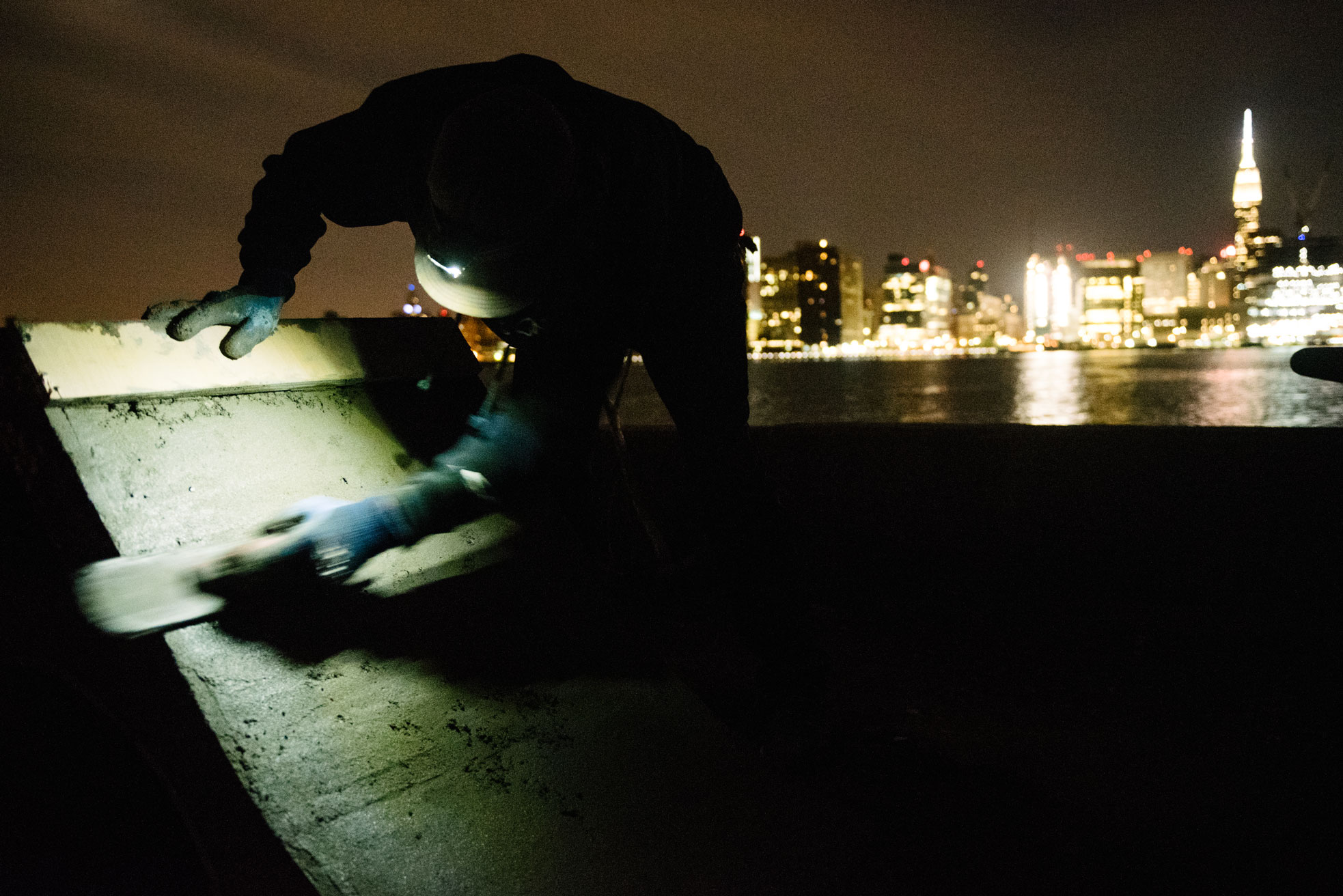
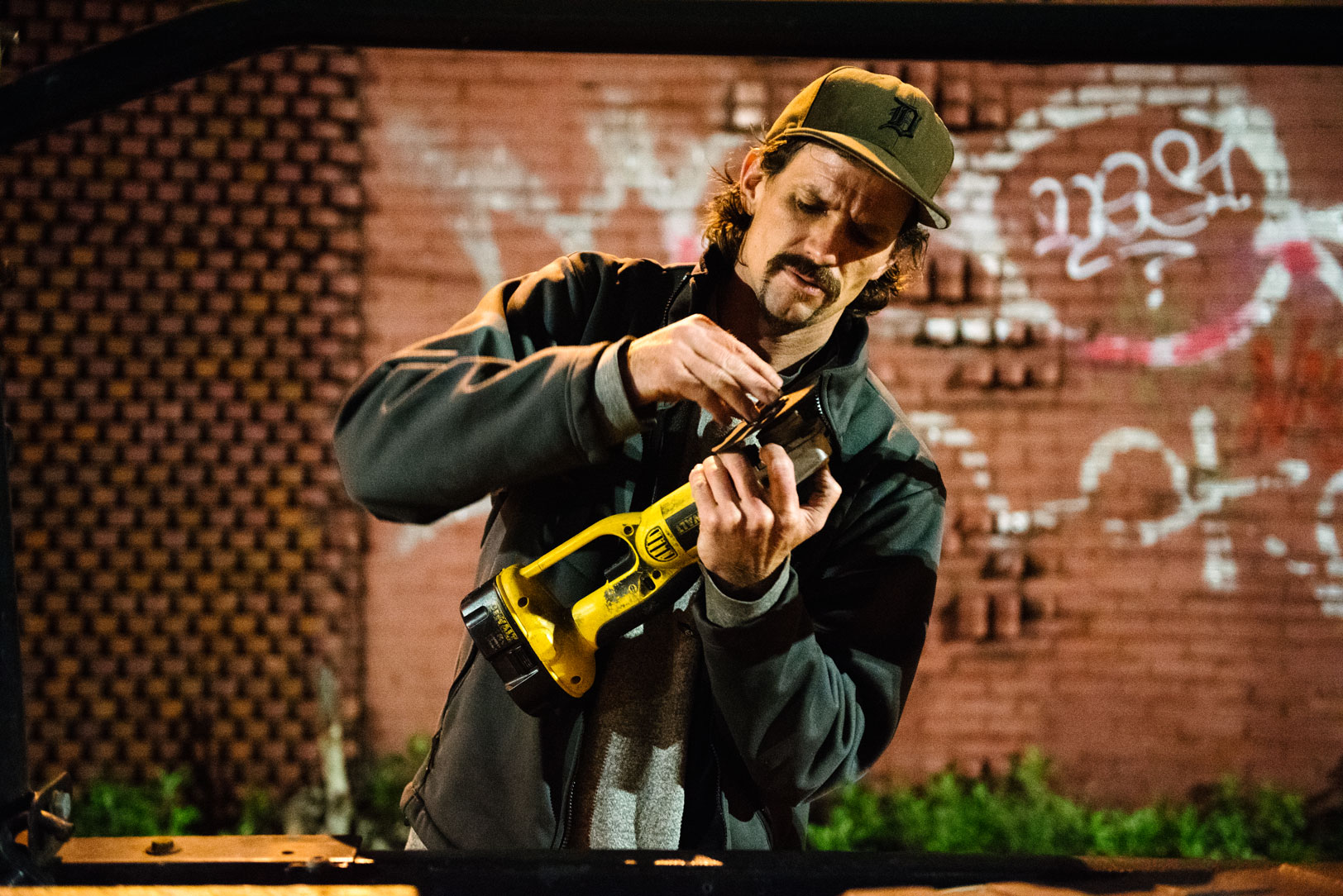
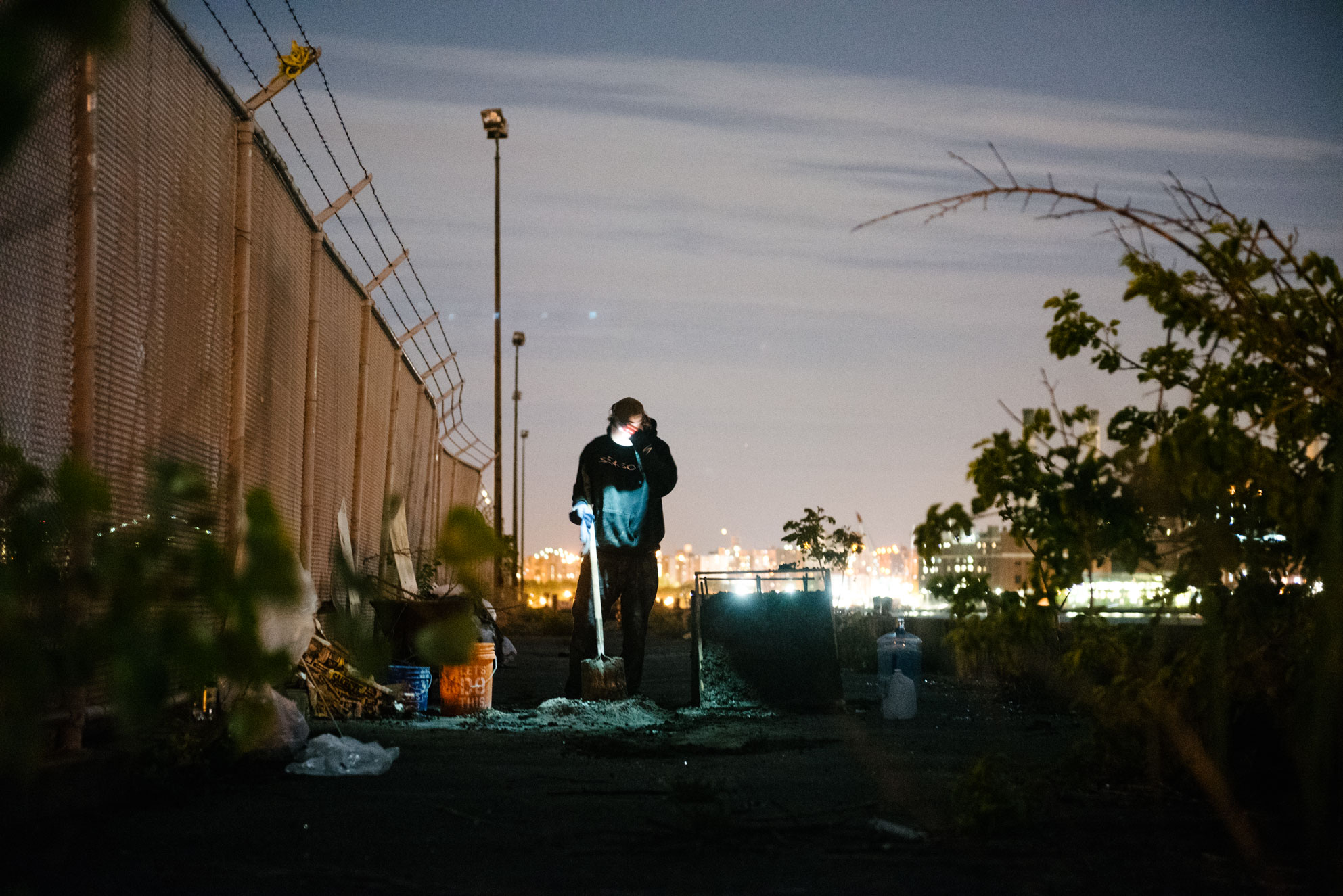
Today Mraz spends his time repairing or fabricating new skate structures by using quick-dry cement paid for by himself, tallying $6,000 in Home Depot receipts a year.
He even took up driving a taxi, partially to traverse as many streets as possible and study the city but also to make ends meet.
“I’m pretty good at consistently going out of the way to try to see some points of interest while driving, but that’s a horrible game plan when you’re driving a yellow cab to get by,” he says of his stint behind the wheel.
“When I got to New York, I started reading books about the history and that piqued my curiosity. Now I have a huge bucket list of places I hope to look at before they tear them out.”
Mraz is demure in responding to most questions, deflecting the attention to others he encounters and respects.
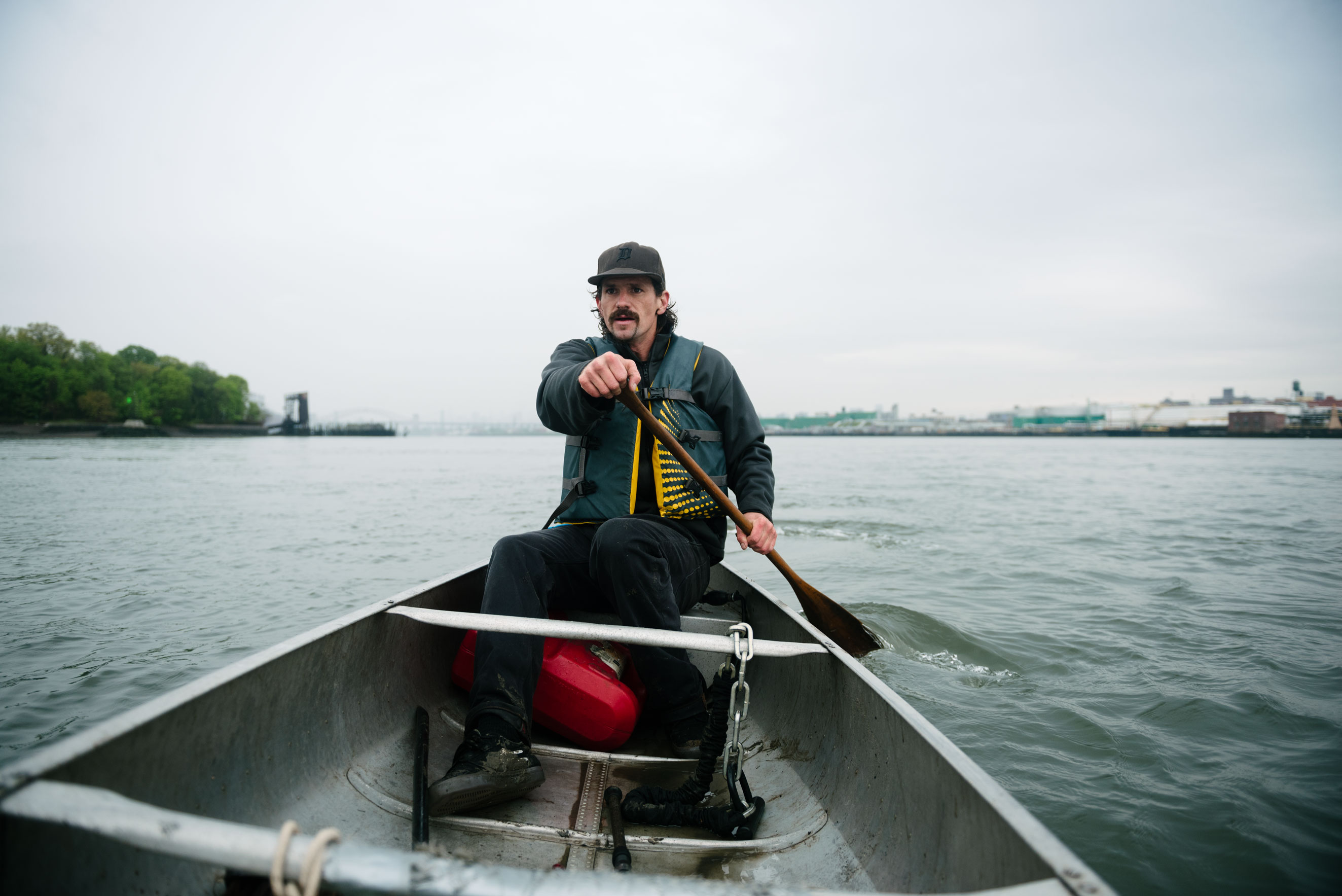
He speaks of the connections he makes with the locals in Greenpoint with the same enthusiasm as he does of plodding around abandoned buildings in Queens, and even bought a canoe and overboard motor to take his adventures off-land, soaking in the sulphurous air that permeates the rough edges of the boroughs as he canoes up and down the East River.
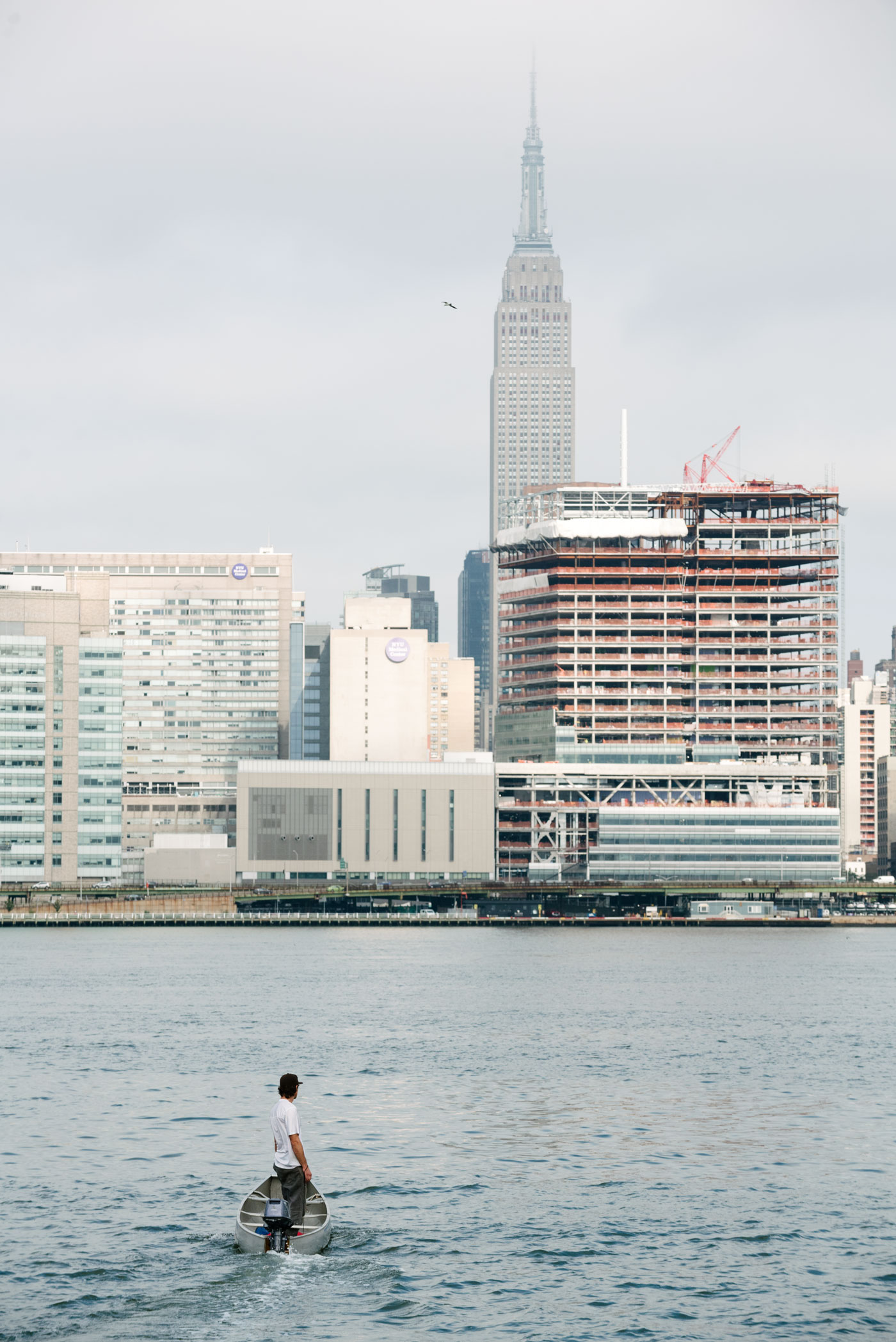
With the stoic soul of a 60-year-old, as well as an affinity for camo and neighbourhood history, Mraz is the type of character Joseph Mitchell would detail in The New Yorker: one that eschews the spotlight, but exudes charisma and has a story as deep as their connection to the city.
Now 37 and grounded in Brooklyn, he finds balance by spending time outside of New York, volunteering for non-profits like Make Life Skate Life, which specialise in building community skateparks around the world.
“Both La Paz, Bolivia and later Addis Ababa, Ethiopia, were so incredibly epic, to the point where you’d gasp any time you’d ponder [the projects] while they were actually happening.
“They both had a great group of local kids who had been looked over for a long time and barely had anything to work with in their amazing but rugged towns.”
Environment is the most overlooked aspect of skateboarding. For many East Coast skateboarders, the natural terrain informs their skating, rather than limiting or dictating it.
It’s about executing fundamental tricks in new ways on new things. For early Californian skateboarders in the ’60s and ’70s, it was mimicking their favourite surfers on schoolyard embankments, drainage ditches and empty backyard pools.
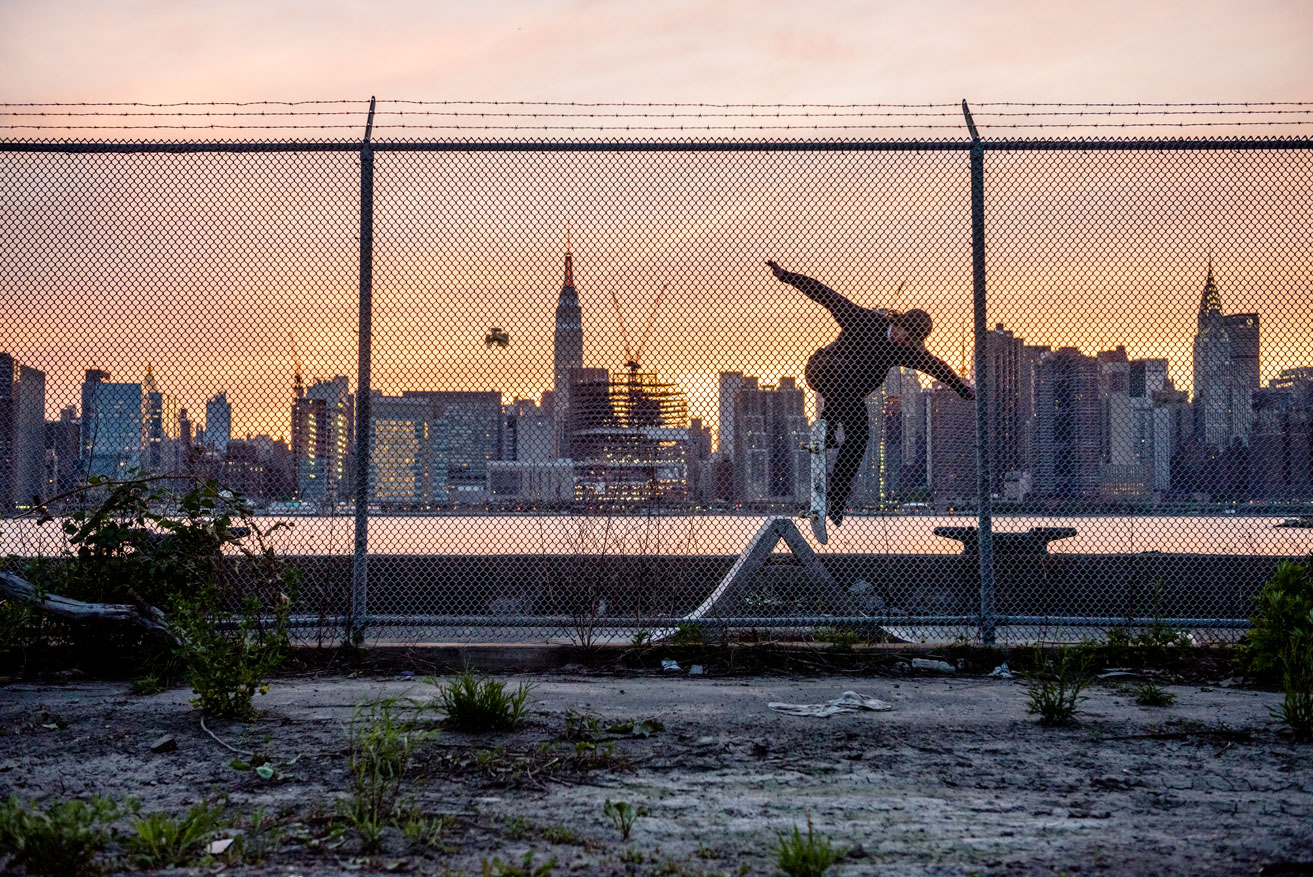
Some even get territorial about the spots they’ve found and fixed in the outer boroughs, going as far as swearing filmmakers to secrecy or destroying their builds once they’ve finished skating.
Mraz is much more egalitarian. Sure, he makes this shit on his own dime, often out in the cold by himself, but he’s compelled to do it for skateboarding, not for his ego.
“The truth is, I have rarely ever made spots in New York for any reason other than I thought it could potentially be a cool idea for something that I may film on at some point,” he says.
“Helping out on big-park builds in far-off countries that have been overlooked is some of the most rewarding stuff I’ve ever done by far. There’s really no comparison.
“The towns shrink before your eyes, people start coming out of the woodwork and somebody always steps up with the means to fix whatever problem we face that day.”
With a video part almost finished and an East Coast winter promising plenty of “white stuff”, Mraz seems upbeat and invigorated.
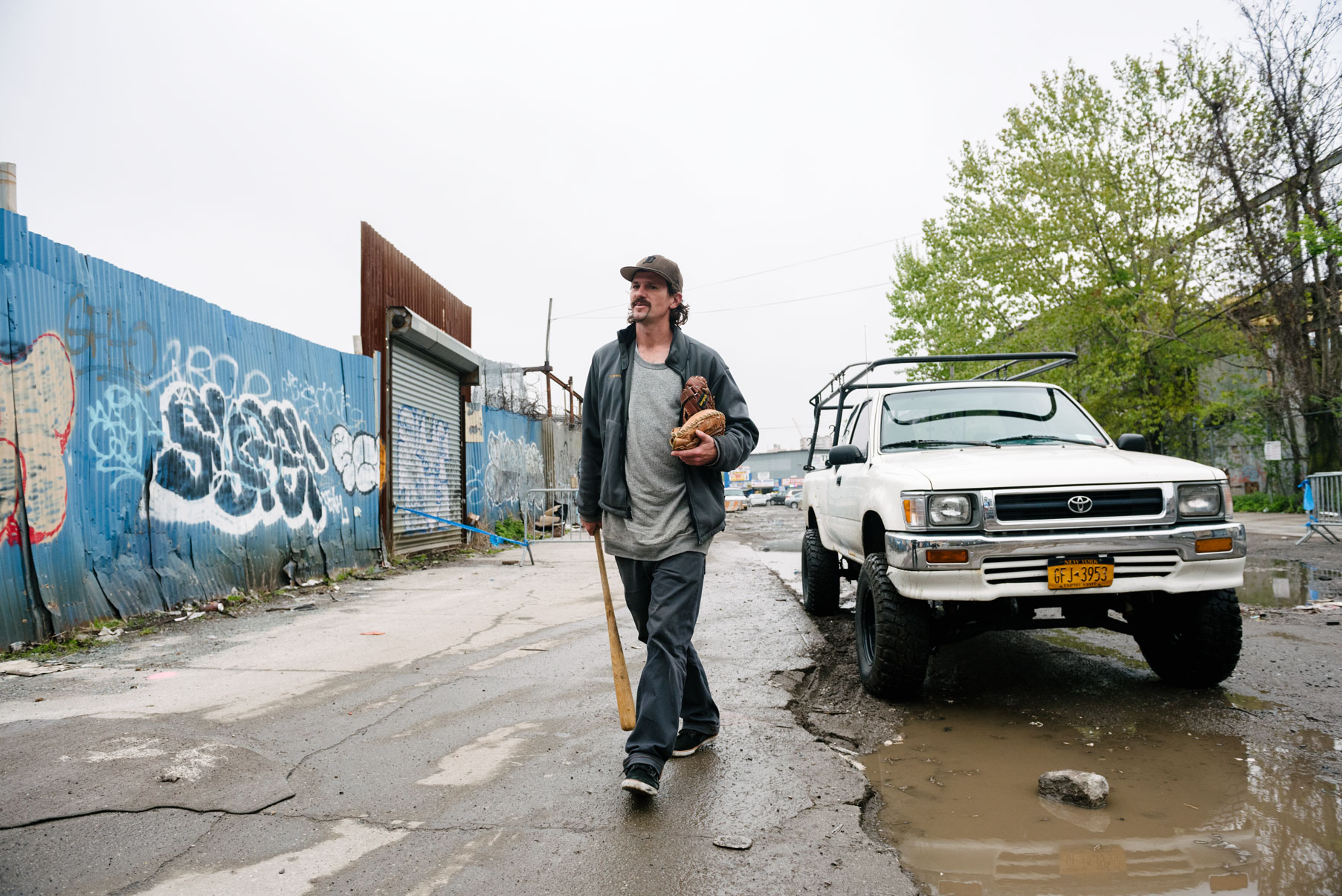
Once the snow renders most of the city unskateable, he’ll return to combing the streets and avenues in his Toyota truck, searching for what’s next.
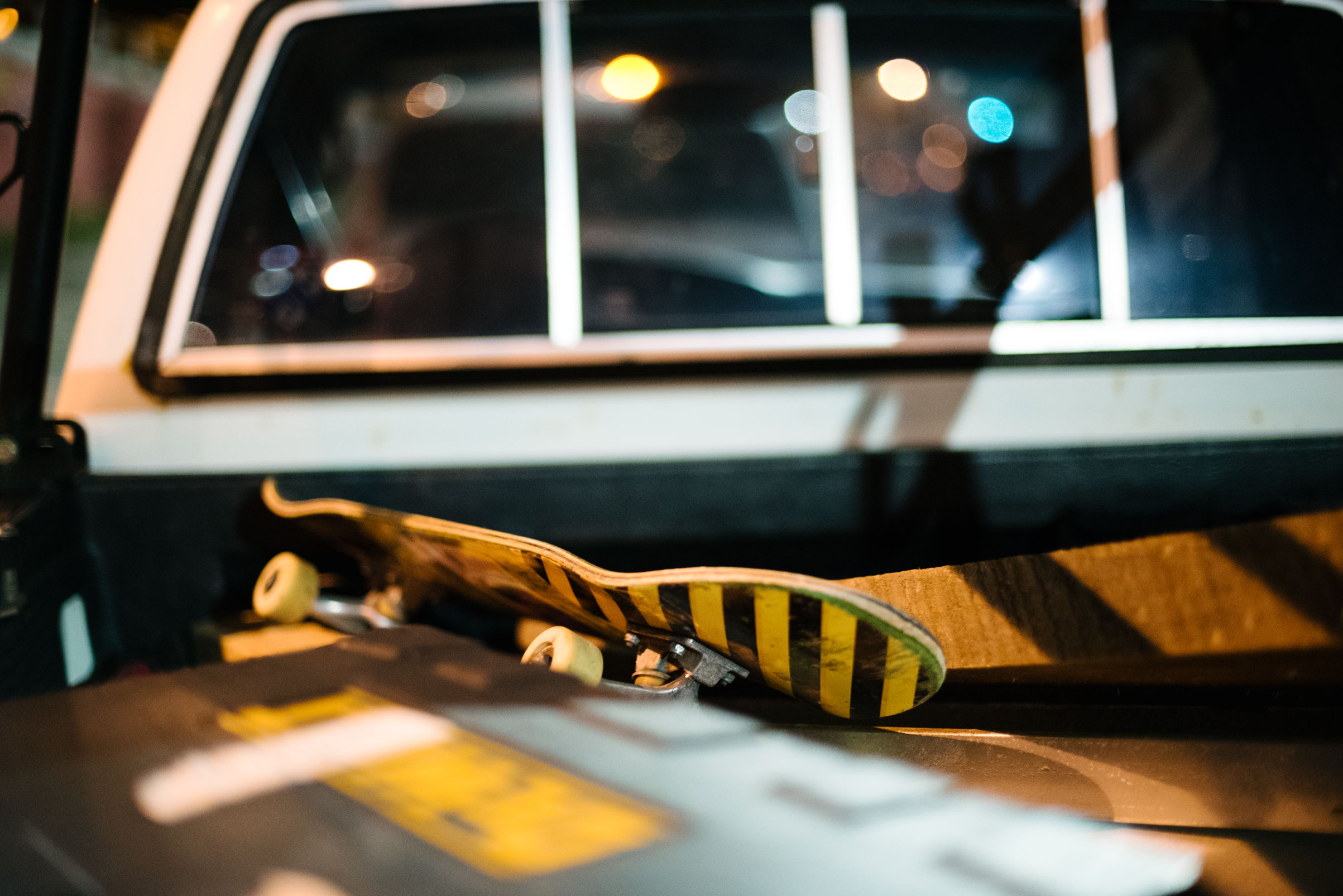
Despite the threat of being priced out of Greenpoint by another gastropub or “giant glass box” of a condo, Mraz knows that gaming this city means being able to keep some roots while still looking look forward.
“NYC was great when I first showed up because of the endless possibilities and new terrain to be sought out,” he says.
“It’s still the same if I just don’t let myself become too jaded and reclusive. There are still endless possibilities.”
This article appears in Huck 58 – The Offline Issue. Buy it in the Huck Shop now or subscribe today to make sure you never miss another issue.
Enjoyed this article? Like Huck on Facebook or follow us on Twitter.
You might like

Leticia Bufoni is one of the greatest skaters ever. Now she’s tearing up asphalt.
Vamos, Leticia! — The Brazilian trailblazer helped rewrite the rulebook for women in skateboarding – and now she’s setting the pace behind the wheel for Porsche. For Huck’s 20th Anniversary Issue, she reflects on shredding stereotypes, building a career in male-dominated spaces, empowering the next generation, and the lessons that defined her journey.
Written by: Tracy Kawalik

Wu-Tang Clan forever, and ever
The Final Chamber — RZA, the spiritual leader of one of the most important hip hop groups of all time explains why they won’t rest until their legacy is secured.
Written by: Yoh Phillips

The wild, gruelling beauty of fell running
Winner Gets Cake — With no marked route and often brutal conditions, the “quintessentially British sport” is the subject of a new joint film by TCO and Rab. Hannah Bentley explores its vertical climbs, downhill dashes and punk roots.
Written by: Hannah Bentley

Dropping in at Lahore’s first ever public skatepark
Skate Pakistan — Set right in the centre of Pakistan’s capital city, the free-to-use space has started a mini youth revolution in the country. Z. Raza-Sheikh tracks how it came to open its doors.
Written by: Z. Raza-Sheikh

Lisette Model’s ’50s jazz pictures were nearly lost to McCarthyism
The Jazz Pictures — A landmark new book edited by Audrey Sands uncovers nearly 1,500 photographs from the genre’s golden age previously thought to be lost. Featuring the likes of Billie Holliday, Miles Davis and Louis Armstrong, they tell both a story of music and resistance in the face of oppression.
Written by: Miss Rosen

Greer Lankton’s dolls are more human than you think
Could It Be Love — A staple figure in New York’s ’80s East Village scene, her art shocked and confronted. Now, three decades after her death, a new monograph anthologises her work, which explores the darker sides of human life, but also finds beauty within the strange.
Written by: Miss Rosen


