A tribute to South Australia’s west coast – a surf paradise
- Text by Thomas Ling
- Photography by Thomas Ling

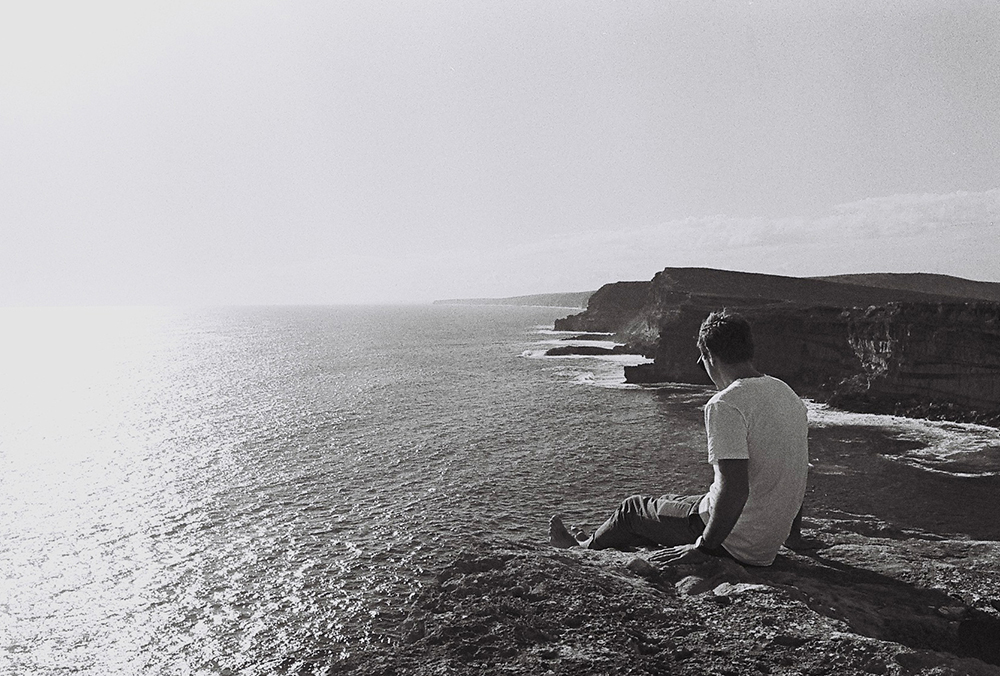
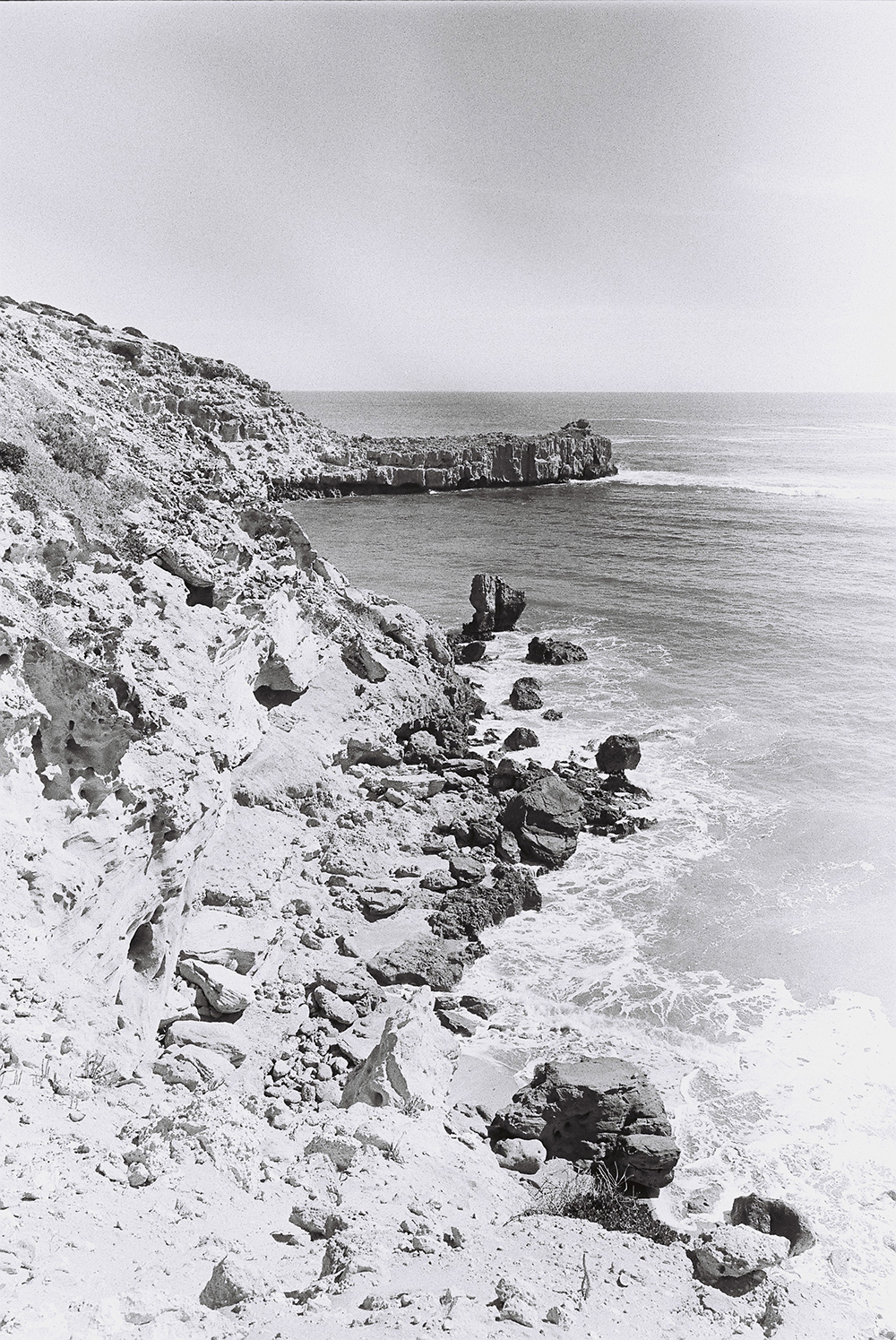
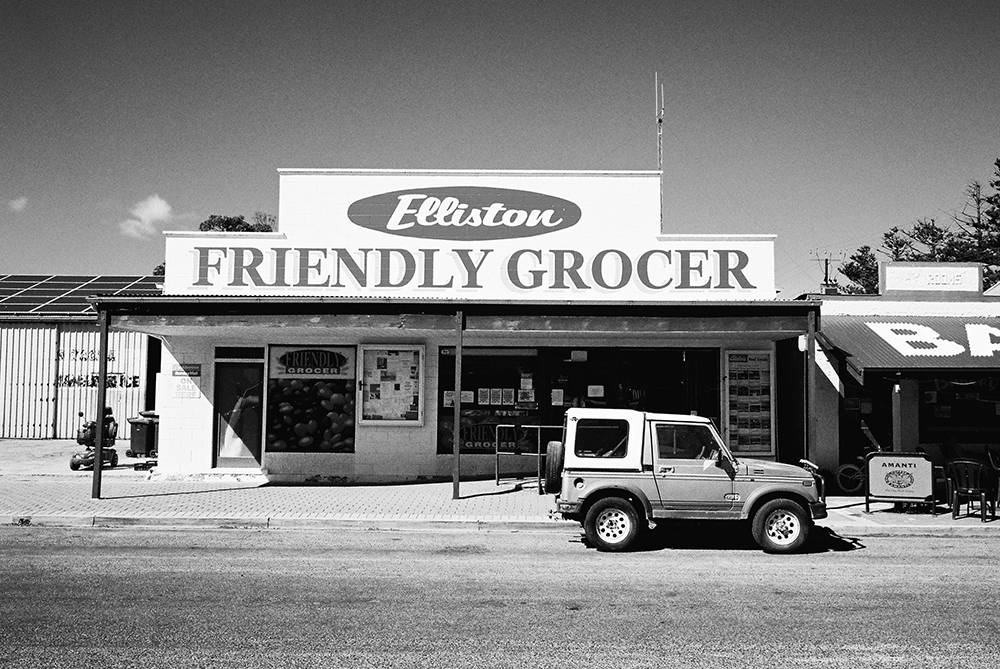
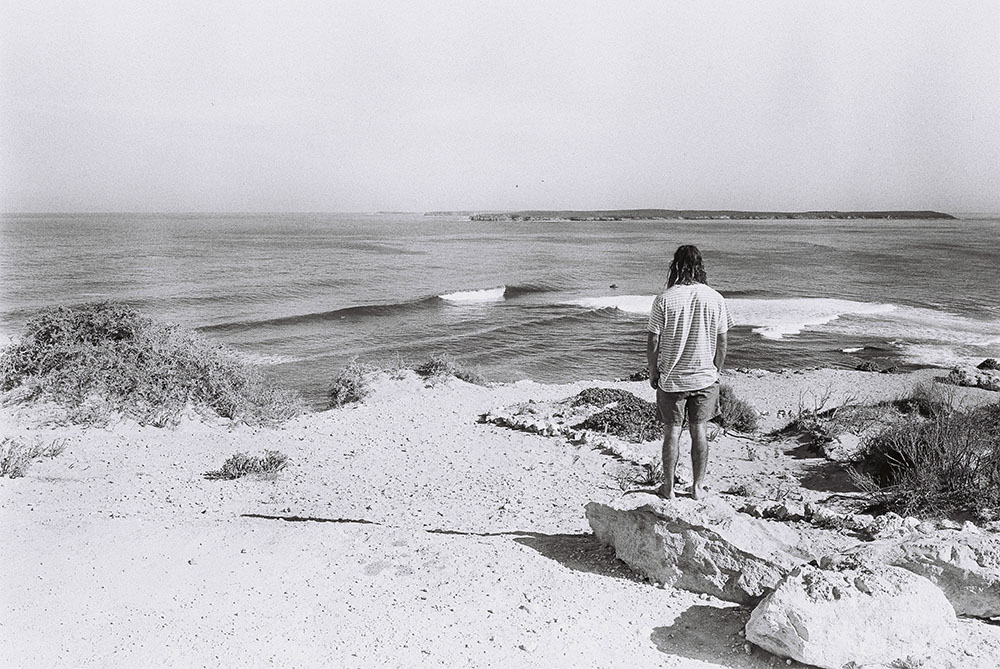
Much of the countryside on the South Australian west coast is desolate and remote. 800 kilometres from Adelaide, it nears the last frontier of civilisation, before entering the Great Australian Bight.
For hundreds of years, this coastline has been home only to farmers and travellers. It’s not until recent years, upon discovery of the number of world-class surf setups, that people have travelled from around Australia and internationally to taste what the Southern Ocean has to offer.
The social dynamic evident throughout surfing communities on the west coast is constantly changing. Local surfers have attempted to maintain a sense of ownership and possession towards certain locations, yet there’s still an increasing number who travel thousands of kilometres to experience what is one of the most harshly beautiful environments in Australia.
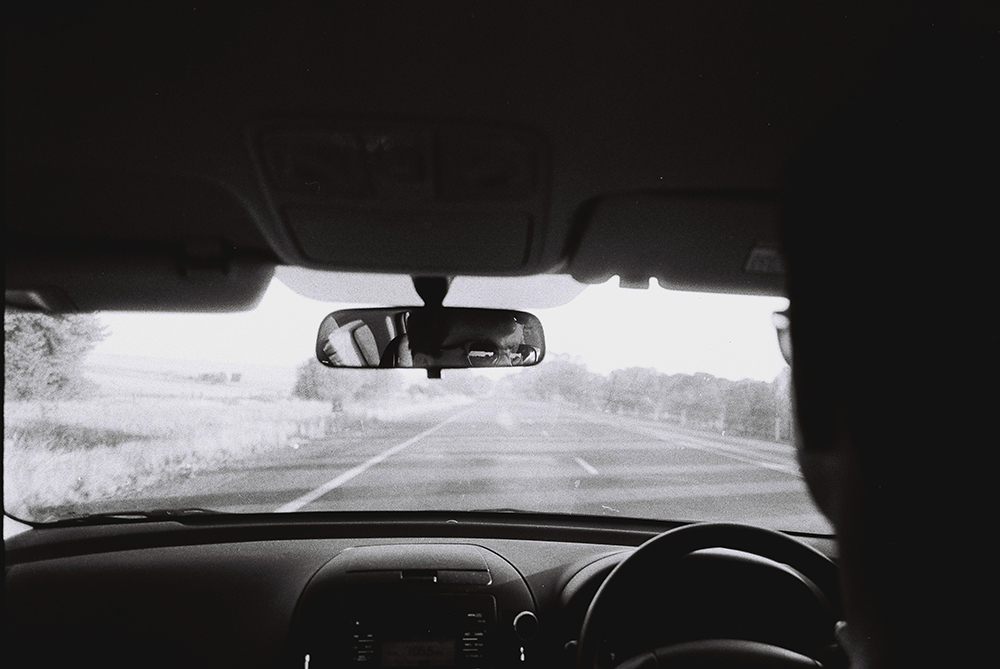
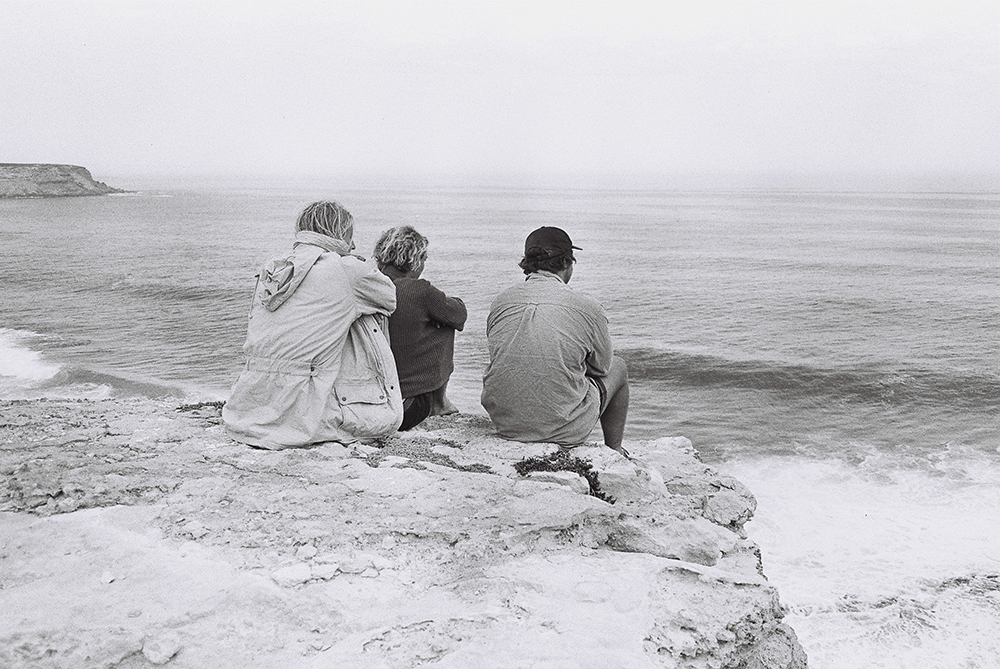
It’s not the increased foot traffic that poses the most risk to the local environment, though. It is the ever-increasing threat of exploitation due to offshore oil drilling. Prior to pulling out of its bid to drill in the Bight, BP admitted that their modelling suggested that if there was an oil spill, there would be very little anyone could do about it.
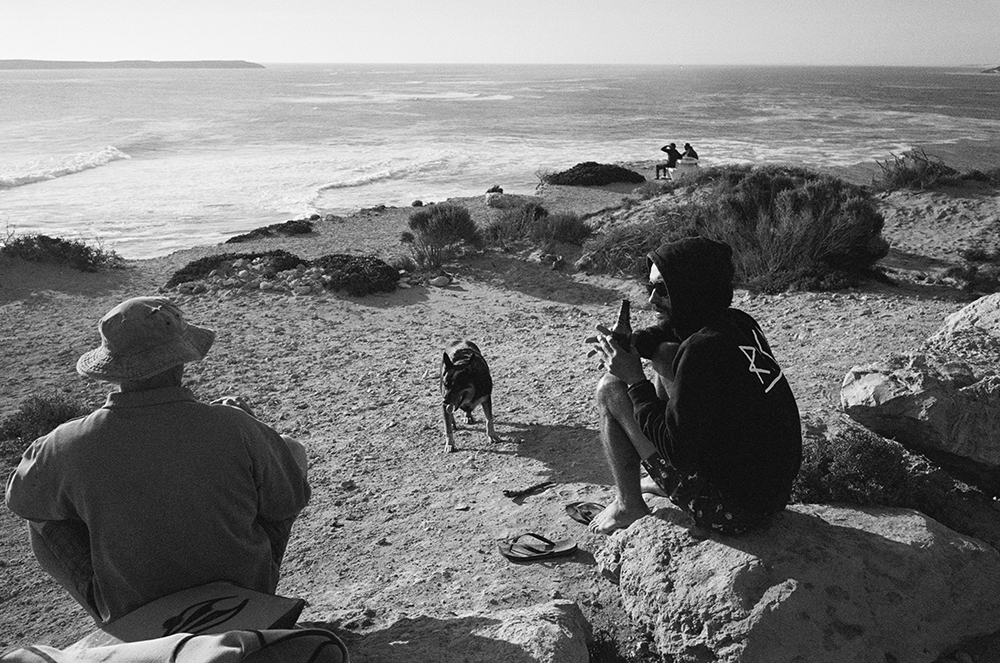
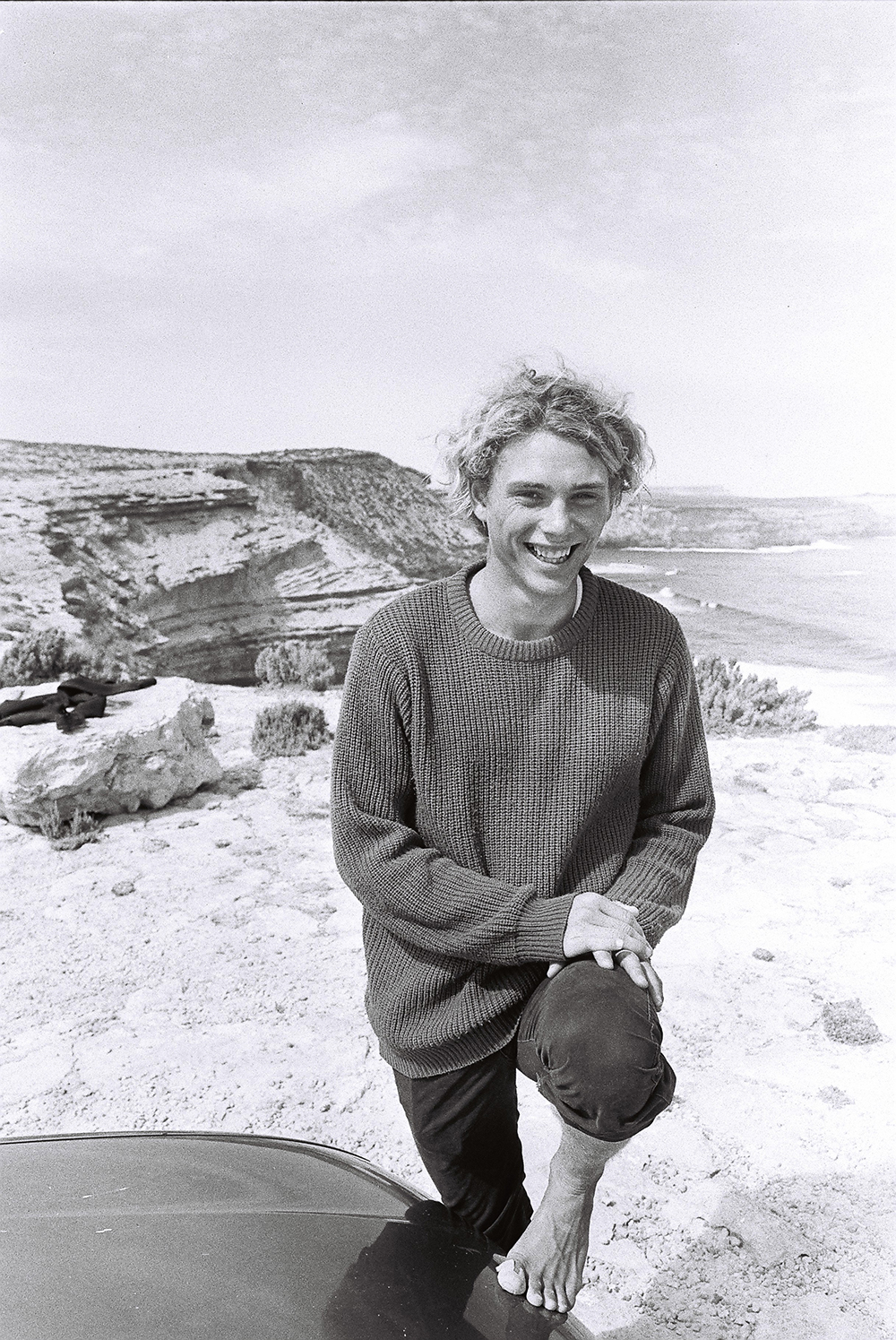
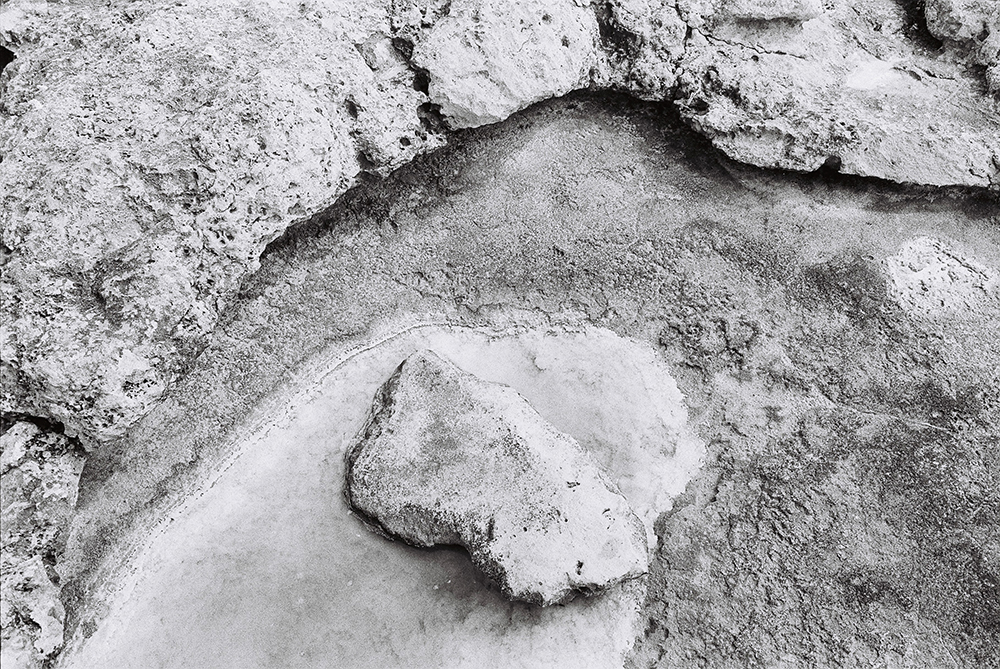
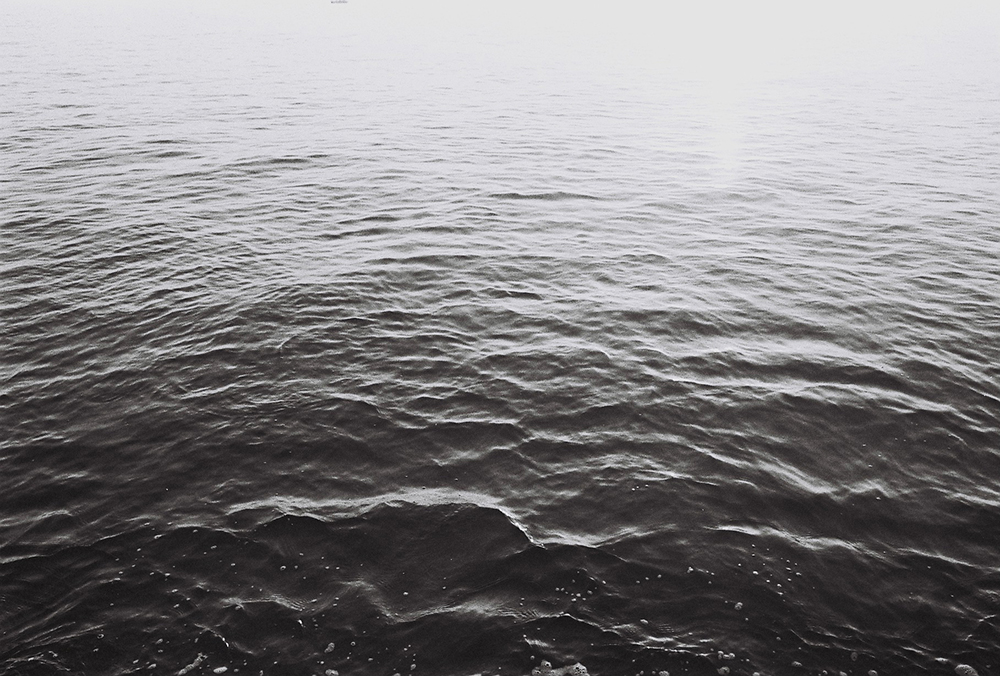
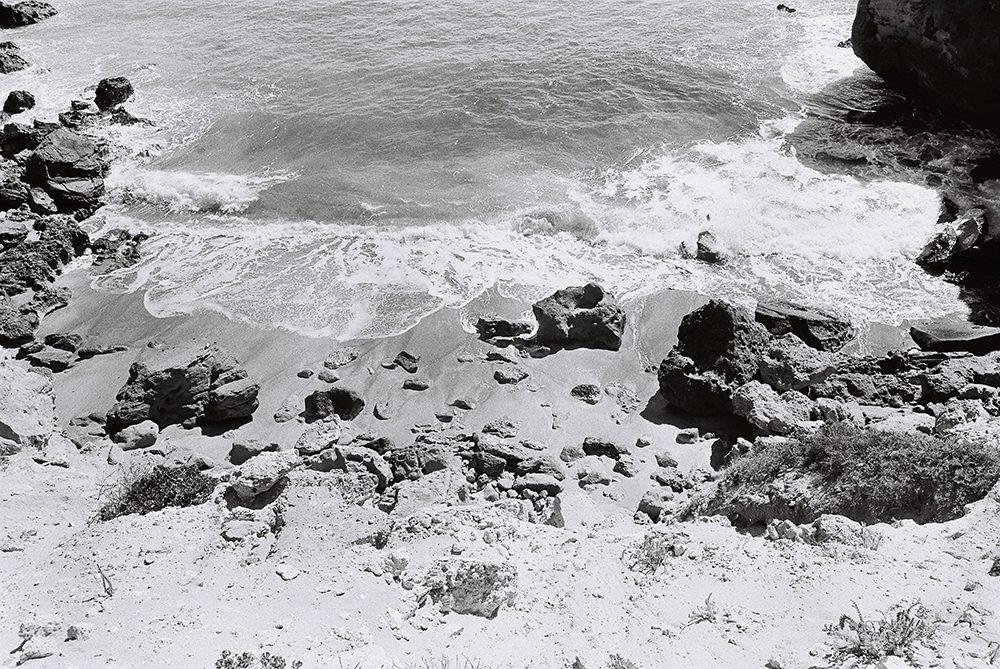
Patagonia recently released their Never Town conservation surf film, exploring what these coastlines at risk mean to surfers. It served as a call to arms for activism against the misuse of natural environments. The aim of my photographs is to support this message further, and to highlight the importance of the South Australian coastline – not only for environmental reasons, but for the spiritual significance to the people that travel there.
See more of Thomas Ling’s work on his official website, or follow him on Instagram.
Enjoyed this article? Like Huck on Facebook or follow us on Twitter.
You might like

UK’s first ever Latino film festival is coming to London
LoLaFF — Taking place between October 2-6, it will feature 55 filmmakers from Latin America, with an opening night at the Barbican.
Written by: Isaac Muk

Shawn Walker’s layered, psychedelic vision of Harlem’s streets
From BeBop to Illusion — Using glass as a means to illuminate the city’s different layers, the longtime photographer and filmmaker is publishing his first monograph at the age of 86.
Written by: Miss Rosen

In photos: The enduring resistance of Notting Hill Carnival
Carnival of Resistance — A new photobook by Wayne Campbell and Wayne Crichlow reflects on the protest beginnings of Europe’s biggest street festival, along with the traditions keeping its original spirit alive today.
Written by: Isaac Muk

Washing strangers’ feet at Houghton Festival
Pedilavium — As part of artist Henry Krokatsis’s performance piece at the weekender, we sat down with over 30 others to clean the dusty digits of passersby, while reflecting on the power of collective ritual and human connection.
Written by: Isaac Muk

Inside Yoshiwara, Japan’s oldest red light district
Asasuka soaplands — Despite numerous fires and harshening sex work laws, the centuries old area continues to persevere in East Tokyo. Manami Okazaki traces its history and meets people who shape its present.
Written by: Manami Okazaki

Lost photos from the heyday of punk and new wave
Crash Bang — DB Burkeman’s latest photobook unearths photographs from his younger years as an aspiring music photographer, which sat undeveloped in his family home for decades.
Written by: Miss Rosen


