
Why are the G20 protesters being portrayed as ‘militants’?

Last weekend, Hamburg played host to the ninth G20 leader’s summit. With representatives from the world’s biggest economies congregating to discuss global economic growth, the backlash – like every year – was inevitable. Thousands of protesters, unhappy with the ruinous effects of capitalism, swept the city’s streets to make their voices heard. The reported result? Looted shops, burnt buildings, and violent police clashes.
The damage – which is expected to cost Germany millions of euros – was widely covered in the press, with many publications referring to the demonstrators as “militants” and “left-wing extremists.” Unfortunately, this meant that the protest’s peaceful participants, who made up an overwhelming majority of the 100,000 in attendance, were almost completely dismissed.
“There were all sorts of protesters, the majority being peaceful and creative – but they didn’t make it into the news, which is a pity,” explains Piotr Pietrus. The Polish-born, Berlin-based photographer was attending the weekend’s protest as an impartial observer, taking a selection of dreamy, vibrant portraits of the participants. However, he admits to being shocked at the lack of correlation between his experiences, the media reports, and the government reaction.


“So many positive efforts were overshadowed by the riots,” Piotr recalls. “On Friday night, I saw half the street burning and stores being looted. It’s these events that are highlighted in the news. Most of the people involved in these actions were regular drunken guys who weren’t even dressed in black. In fact, according to many witnesses, the so-called ‘militant’ activists were trying to stop people from looting or setting things on fire.”
Portraying the anti-capitalist protesters as radical, extreme, and militant seems like a crude dismissal of a legitimate cause. After all, of the hundreds of thousands out protesting, only a handful (225 rioters) were taken into custody – yet negative portrayals still dominated the global press. A few days after the summit, the German justice minister, Heiko Maas, even made the call for more federal money to be put into the prevention of “left-wing extremism.” Does Piotr feel like this reaction is warranted?
“I think that many politicians see an opportunity to profit from quick, one-dimensional interpretations,” he says, before ominously adding: “It doesn’t escape me that we are only a few months before the German elections. This issue will have a big effect on the outcome.”


Enjoyed this article? Like Huck on Facebook or follow us on Twitter.
You might like

Signs of solidarity as London marks three years of genocide in Palestine
Never forget — 250,000 people gathered on Saturday as Israeli attacks have continued in Gaza and the West Bank. Daisy Schofield photographed the diverse people and placards in attendance.

Landmark new exhibition is celebrating 50 years of female punk
God Save the Queens — The Museum of Youth Culture is bringing together rare photography, archive material and a one-night-only supergroup featuring members of X-Ray Spex, The Slits and The Raincoats.

Photographing America’s 20th century rebels
Rebels With a Cause — A new monograph looks back at Jean-Pierre Laffont’s extensive archive documenting counterculture, art, activism and more, shaping the country as it is today.

The long history of slop in music
Top of the Slops — The term might be everywhere now, but the act of copying and enshittifying has been around for decades, explains Ian McQuaid.

Sports Banger is throwing a party to mark 90 years since the Battle of Cable Street
“Fascists hate dancing” — The October event will bring DJs, live music, sound system culture and anti-fascist politics together in East London.
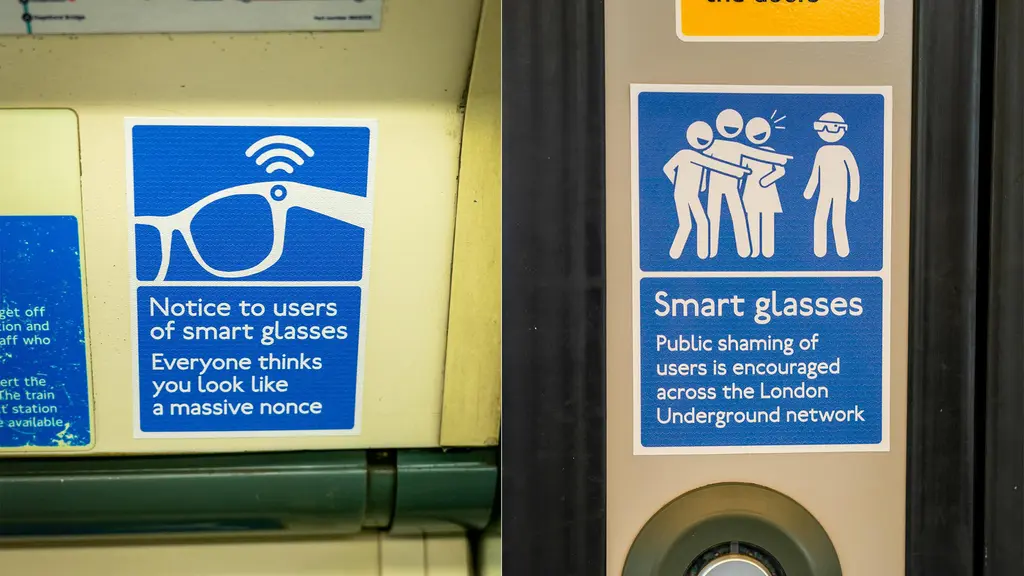
Activists slam “pervert glasses” in new guerrilla campaign
Everyone Hates Elon — Stickers have appeared on the London Underground network, criticising the wearable technology’s covert filming capabilities.


