
Inside the fight to end period poverty in the UK
In the UK, one in four girls or women have at some point been unable to afford period products. But compared to how astoundingly widespread the problem is, period poverty is an issue scarcely talked about, in part owed to the taboo that still surrounds menstruation. Bloody Good Period, an organisation founded in 2016, has been fighting to normalise conversations around periods, and to remind people that sanitary products aren’t a luxury – they’re a necessity.
The organisation are currently partnered with 50 drop-in centres for asylum seekers and refugees around the country, getting period products to over 1500 people every month. Huck first met Bloody Good Period in 2018, for Beyond The Screen – a video series following six grassroots communities led by people organising online and affecting real-world change.
In the 2018 video, the organisation’s founder, Gabby Edlin, explained how their team of volunteers process, count and pack thousands of orders for period products. But two years on, in the midst of a pandemic, Bloody Good Period were forced to send their volunteers home.
“That was a really heartbreaking moment,” Edlin remembers. “What feels like the lifeblood of Bloody Good Period had to be closed down to keep people safe.”
What’s more, COVID-19 has exacerbated period poverty globally, with financial devastation leaving many struggling to afford products and schools and community centres that distribute forced to shut. Women are increasingly turning to pillowcases and tea towels as a substitute for sanitary products, it’s been reported. “It’s stark how many people can’t access products,” says Edlin of the recent surge in demand.
With their services made all the more vital, Bloody Good Period was forced to swiftly rethink its business model. Thankfully, an outpouring of support has made it possible for the charity to adapt, and to maintain what Edlin describes as their “efficient, fast-moving system.”
To find out how they’ve managed to sustain their organisation through tumultuous times, watch our second episode of Beyond The Screen In Lockdown above.
Follow Bloody Good Period on Twitter and donate to their organisation here.
You might like

Signs of solidarity as London marks three years of genocide in Palestine
Never forget — 250,000 people gathered on Saturday as Israeli attacks have continued in Gaza and the West Bank. Daisy Schofield photographed the diverse people and placards in attendance.

Landmark new exhibition is celebrating 50 years of female punk
God Save the Queens — The Museum of Youth Culture is bringing together rare photography, archive material and a one-night-only supergroup featuring members of X-Ray Spex, The Slits and The Raincoats.

Photographing America’s 20th century rebels
Rebels With a Cause — A new monograph looks back at Jean-Pierre Laffont’s extensive archive documenting counterculture, art, activism and more, shaping the country as it is today.

Sports Banger is throwing a party to mark 90 years since the Battle of Cable Street
“Fascists hate dancing” — The October event will bring DJs, live music, sound system culture and anti-fascist politics together in East London.
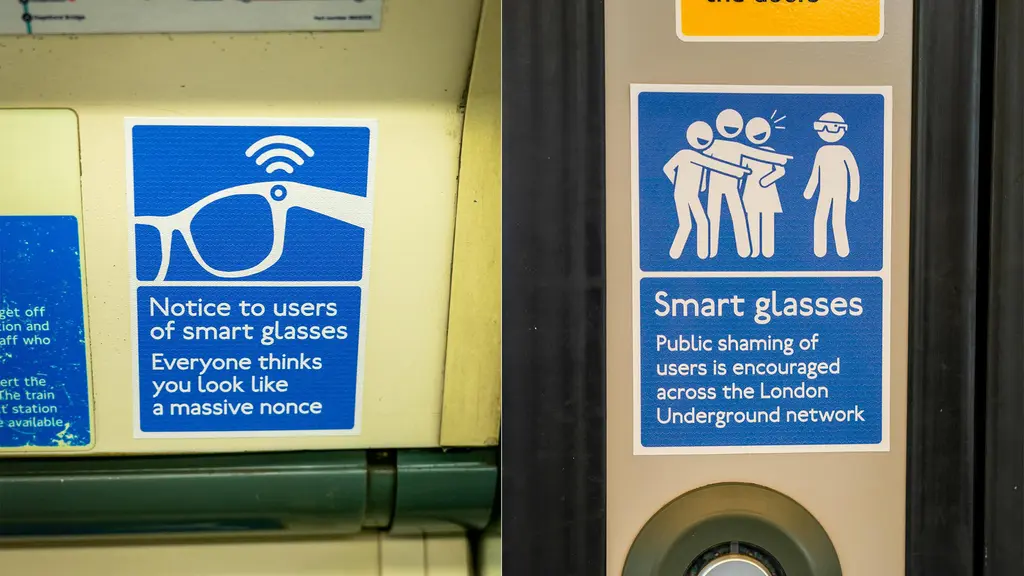
Activists slam “pervert glasses” in new guerrilla campaign
Everyone Hates Elon — Stickers have appeared on the London Underground network, criticising the wearable technology’s covert filming capabilities.

New exhibition highlights British radical living over 200 years
Earthly Paradise — Taking place at the William Morris Gallery, it explores the homes and lives of artists, writers, musicians and more, as well as the conditions that allowed them to thrive.


