Why we need to reform the UK’s Gender Recognition Act
- Text by Lee Hurley
- Illustrations by Vice / Recognise Me

The Gender Recognition Act 2004 allows transgender people to be legally recognised by the state as their ‘preferred’ gender. It was ground-breaking legislation for trans people when it was first introduced, but now it is no longer fit for purpose.
The GRA currently requires that transgender people sit through months of extensive and intrusive interviews with psychiatrists, undergo invasive medical checks, receive a clinical diagnosis of gender dysphoria and ‘prove’ that we have been living as our ‘preferred’ gender for two years, before a panel of strangers decides if we are who we say we are. There is a campaign underway to change this to a process that allows transgender people to self-certify and, in response, the UK government launched a public consultation to determine how the Act should be reformed.
A system of self-certification, as they currently have in the Republic of Ireland, is exactly what it sounds like. A trans person says they are male/female/non-binary and we trust that they know themselves better than any “expert.” At present, non-binary people have no legal recognition at all under the current GRA.
I am a transgender man. When I realised I was attracted to women when I was a teenager, I didn’t have to seek anyone’s permission to come out as a lesbian. I didn’t need a medical diagnosis, nor did I need to demonstrate that I had been living as a lesbian for two years before I was granted the full gamut of lesbian privileges. No doctors wanted to see my genitals. I didn’t have to tell psychiatrists about every sexual partner, fantasy or what I masturbated to. I realised I was a lesbian, so I told people and that was enough. When it comes to my gender, however, I had to do all those things and more.
Scare stories abound about what this will mean in terms of men trying to access women-only spaces, but the reality is this act only harms trans people. It treats us like medical freaks and reinforces society’s view that there is something ‘wrong’ with us.
A move to a system of self-certification would not only demonstrate that society trusts trans people to know what is in our own best interests, but it would also send a message that we do not need other people’s approval to be who we truly are.
Recognise Me, a new campaign from Vice and Stonewall, is calling on the UK Government to make these changes to the Gender Recognition Act. You have until 11 pm on Friday (October 19th) to speak up for trans rights and reform it.
Follow Lee Hurley on Twitter.
Enjoyed this article? Like Huck on Facebook or follow us on Twitter.
You might like

The raw, fledgling intimacy of Peter Hujar’s contact sheets
Hujar:Contact — A new photobook highlights the process of the legendary queer photographer, and his process of growing into the artist he ultimately became.
Written by: Miss Rosen

Is Field Maneuvers the most fun time ever? Yes probably
Collective joy — Huck’s art director Samuel White went to the 2026 edition, braving a wet start and interviewing FLINTA* collective and arm wrestling legends Uhaul Dyke Rescue in the process.
Written by: Samuel White

Jesse Glazzard’s messy portrait of queer friends, lovers and chosen family
The Sound of Dirt and Beauty — The photographer’s debut monograph explores tender, unpolished moments shaped by the people who he surrounds himself with, while offering a window into the UK’s working-class LGBTQ+ community.
Written by: Sunny Sunday
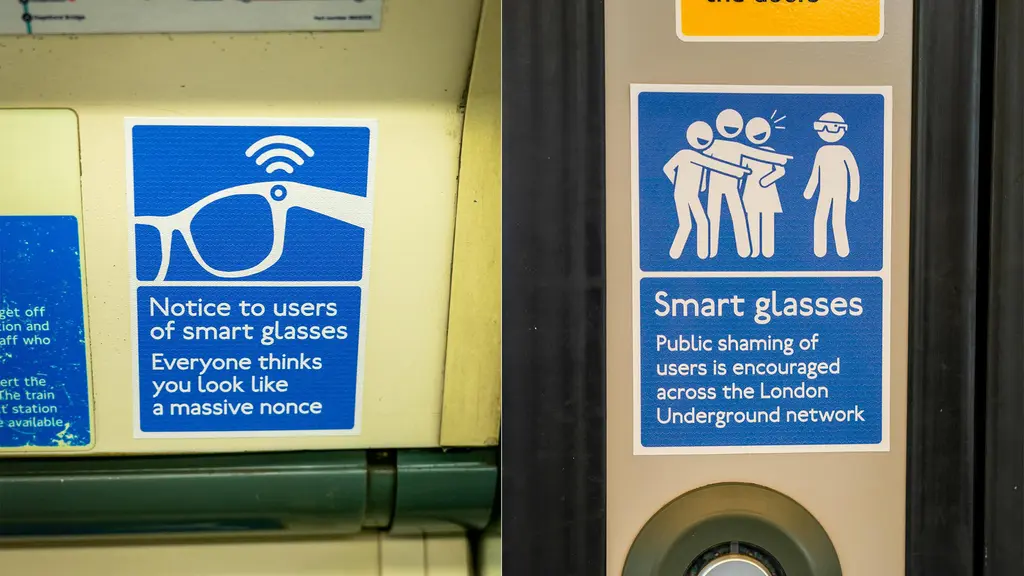
Activists slam “pervert glasses” in new guerrilla campaign
Everyone Hates Elon — Stickers have appeared on the London Underground network, criticising the wearable technology’s covert filming capabilities.
Written by: Isaac Muk

New exhibition highlights British radical living over 200 years
Earthly Paradise — Taking place at the William Morris Gallery, it explores the homes and lives of artists, writers, musicians and more, as well as the conditions that allowed them to thrive.
Written by: Isaac Muk

Pink Floyd’s Roger Waters joins team of new Palestinian resistance documentary
Freedom Theatre — Directed by Rishi Pelham, the film spotlights a theatre operating in the Jenin refugee camp.
Written by: Ella Glossop


