The queer fighters on the frontlines in Ukraine
- Text by Alex King
In the early hours of February 24, 2022, cruise missiles hammered down on Kyiv and across Ukraine – announcing that Russia’s full-scale invasion had begun.
Each and every Ukrainian had to make a choice: What are you going to do? What are you going to do to resist?
Many queer people joined the hundreds of thousands of Ukrainians – most with little-to-no prior military training – who presented themselves for duty in the first days of the invasion and were handed weapons.
Queer Fighters of Ukraine reveals the experiences of young, queer soldiers after over a year of full-scale war. Former LGBTQ+ activists and queer party DJs now in units near the frontlines share their perspectives on balancing queer identities with life in the military.


Those who did not join the army found other ways to resist: many queer spaces were transformed into shelters, volunteering and mutual aid hubs, or centres for collecting supplies for civilians and the military.
Angelika Ustymenko is a non-binary artist and filmmaker, and the driving force behind the Rebel Queers collective. Before the full-scale invasion, they confronted patriarchy and homophobia by scrawling provocative slogans on the walls of Kyiv: ‘Queer Sex,’ ‘Make QueerPunk Again,’ and ‘Be Queer, Do Crime, Hail Satan.’
Determined to support their community and continue queer resistance, they felt compelled to document the experiences of queer soldiers fighting to defend Ukraine. In the summer of 2022, they shot and released Ukrainian Queer Fighters for Freedom.

After the first anniversary of the full-scale invasion, Angelika joined forces with Huck Docs to begin a new phase of their documentary project. Together, we travelled thousands of kilometres across Ukraine on trains and rickety local buses to interview Daria, an activist from Kharkiv now stationed in Donetsk Oblast; Andrii, a military psychoanalyst in Dnipro; Mark, a non-binary DJ and producer in Dnipropetrovsk Oblast, and Alexia, a trans soldier recovering from her injuries at a hospital in the Netherlands.
“The stories I have recorded really resonate with me,” Angelika explains, about the film which became Queer Fighters of Ukraine. “We have different stories and different experiences but it’s like we’re all in the same book. Each person’s story is unique and when you hear them speak, you can feel this emotional connection. I just had to tell these stories and show Ukrainian society that queer people are also fighting. It’s important for the world to understand our context better and see what’s going on here.”


Ever since the Euromaidan uprising (also known as the Revolution of Dignity in Ukraine) succeeded in ousting the Russian-backed president Viktor Yanukovych in February 2014, young Ukrainians have been fighting for a brighter, more progressive future – and they have been winning. Queer visibility has been hard-won in Ukraine, but activists have shifted attitudes immensely in just a few short years. Gay, lesbian and trans soldiers now serve openly in the Ukrainian military, which would be impossible in Russia.
With so many queer people serving in the military, pressure for civil partnerships has been building because partners are currently denied legal recognition in case of death or serious injury – a burning injustice. Today, queer Ukrainians are fighting not just for the defence and liberation of Ukraine – but for equality and queer liberation, too.

Graffiti has felt irrelevant for Angelika since the full-scale invasion. But after interviewing Daria in Donetsk Oblast, and as air raid sirens echo throughout the empty village, they finally know what they want to write. Pulling out a paint pen, they scrawl on the bus station wall: “Борітеся – поборете!” A famous line from 19th century Ukrainian poet and artist Taras Shevchenko: “Keep fighting – you are sure to win!”
Subscribe to Huck Docs on YouTube.
Queer Fighters of Ukraine is directed by Alex King and Angelika Ustymenko. Edited by Lidia Ravviso.
You might like

Is Field Maneuvers the most fun time ever? Yes probably
Collective joy — Huck’s art director Samuel White went to the 2026 edition, braving a wet start and interviewing FLINTA* collective and arm wrestling legends Uhaul Dyke Rescue in the process.
Written by: Samuel White

Jesse Glazzard’s messy portrait of queer friends, lovers and chosen family
The Sound of Dirt and Beauty — The photographer’s debut monograph explores tender, unpolished moments shaped by the people who he surrounds himself with, while offering a window into the UK’s working-class LGBTQ+ community.
Written by: Sunny Sunday
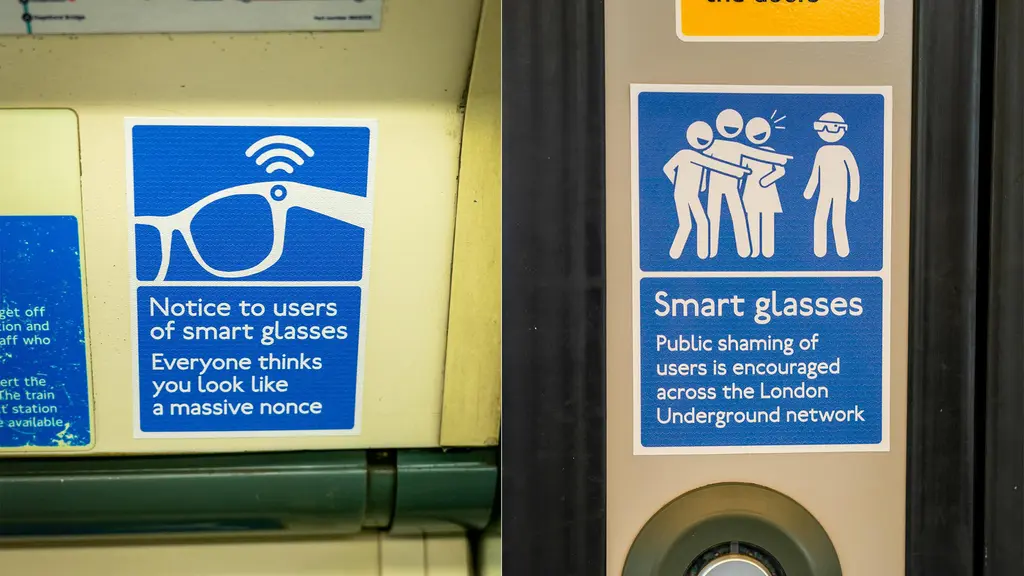
Activists slam “pervert glasses” in new guerrilla campaign
Everyone Hates Elon — Stickers have appeared on the London Underground network, criticising the wearable technology’s covert filming capabilities.
Written by: Isaac Muk

New exhibition highlights British radical living over 200 years
Earthly Paradise — Taking place at the William Morris Gallery, it explores the homes and lives of artists, writers, musicians and more, as well as the conditions that allowed them to thrive.
Written by: Isaac Muk

Pink Floyd’s Roger Waters joins team of new Palestinian resistance documentary
Freedom Theatre — Directed by Rishi Pelham, the film spotlights a theatre operating in the Jenin refugee camp.
Written by: Ella Glossop

Just Stop Oil holds first protest in 17 months
No new drilling — Having previously said that it was “hanging up the hi-vis”, the climate activist group has blocked a road outside Parliament to protest Andy Burnham opening the door for new oil and gas extraction licenses in the North Sea.
Written by: Ella Glossop


