Inside a ‘90s art school student house
- Text by HUCK HQ
- Photography by Marc Vallée

“I was certainly living a hedonistic life during the ‘90s,” says photographer Marc Vallée, reflecting on his time studying for a fine art MA at London Guildhall University, where he enrolled in 1997. “I’d go clubbing every night of the week at queer alternative clubs that crossed over with the art school, drinking and dancing to guitar-based music or hip hop.”
It was also a period marred by devastating loss: “I’d gone through a pretty horrific time in the 80s and early 90s, of losing a lot of friends, lovers, boyfriends to AIDS,” he says. “A lot of the work I was producing on the degree was very AIDS-related. It was very cathartic.”
When he wasn’t frequenting the many bars dotted around Soho, Marc would often hang out at his friends’ Jamie and Lloyd’s dilapidated house in Stratford, East London. “For the life of me, I can’t remember whether me and Jamie met in a club or at art school [Jamie was also studying fine art], and neither can he,” says Marc. Either way, the two men have remained friends to this day.
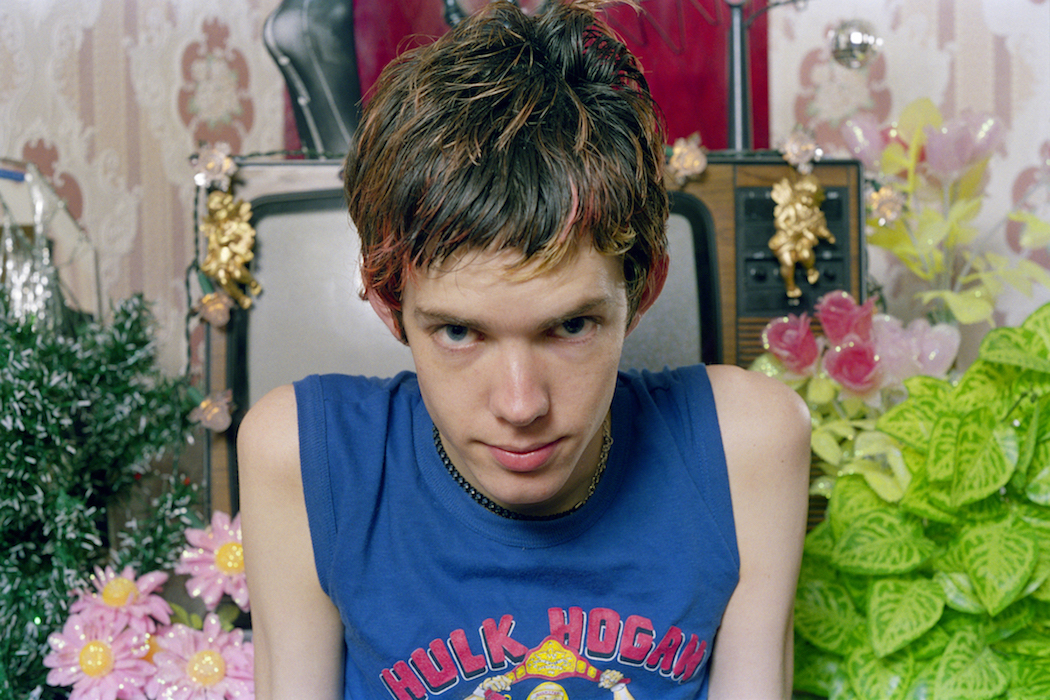
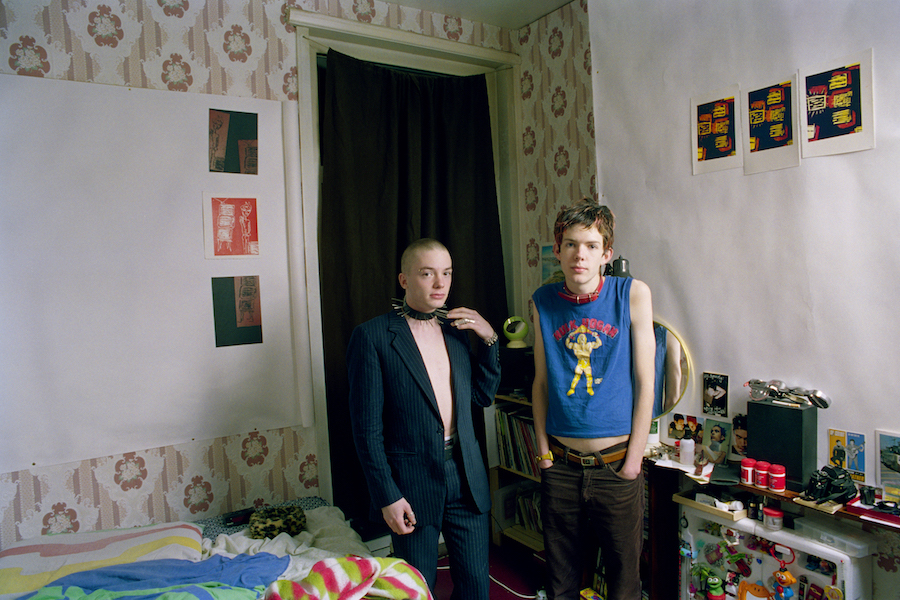
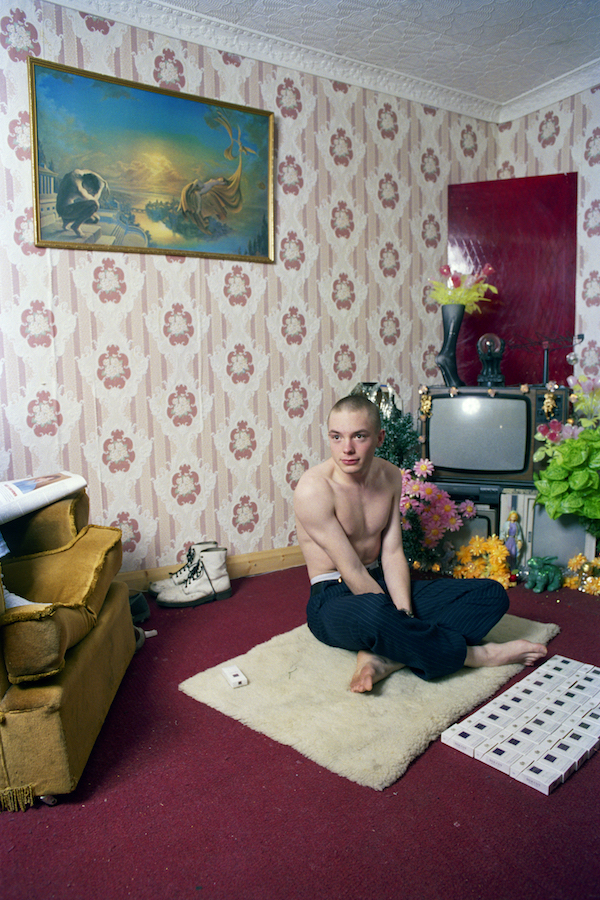
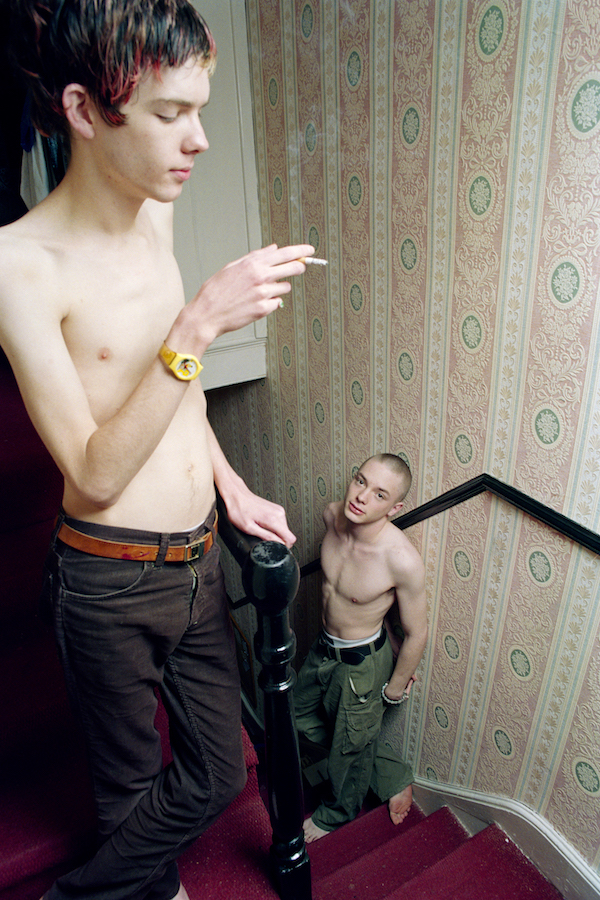
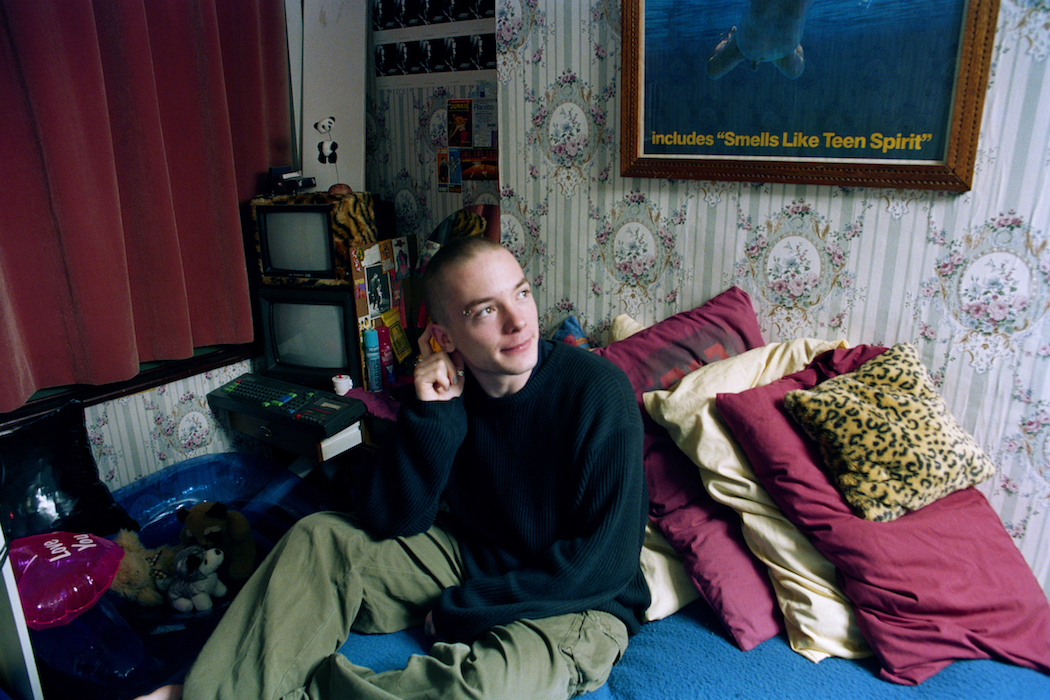
On one occasion in 1998, Marc, then in his late-20s, decided to shoot the housemates as part of a project for his MA. These photos now comprise a zine, titled When I was at Art School in the 90s.
Writing in the foreword for the zine, Jamie remembers days spent in the house “constantly dying our hair, pretending the matted stray cat was ours, planting a garden of plastic flowers in the living room”. Marc was, Jamie recalls, “a little older and more worldly than us [me and Lloyd]. He carried a skateboard and had met Derek Jarman.”
Marc remembers one day dragging a set of lights to the house for the shoot. While the photos were planned, they appear to show the young men in their natural habitat, trying on various outfits and different styles, pretending to be lovers, in a carefree creative display. The rawness of the images, combined with Jamie and Lloyd’s distinct nonchalance, speaks to the punk, grunge aesthetic synonymous with the decade.
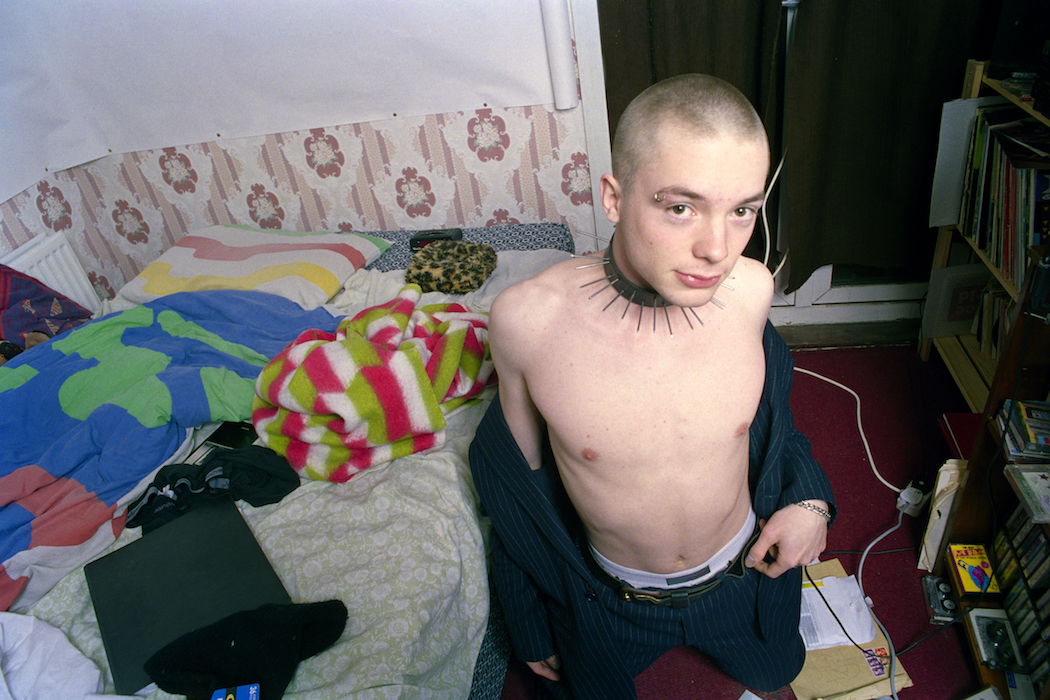
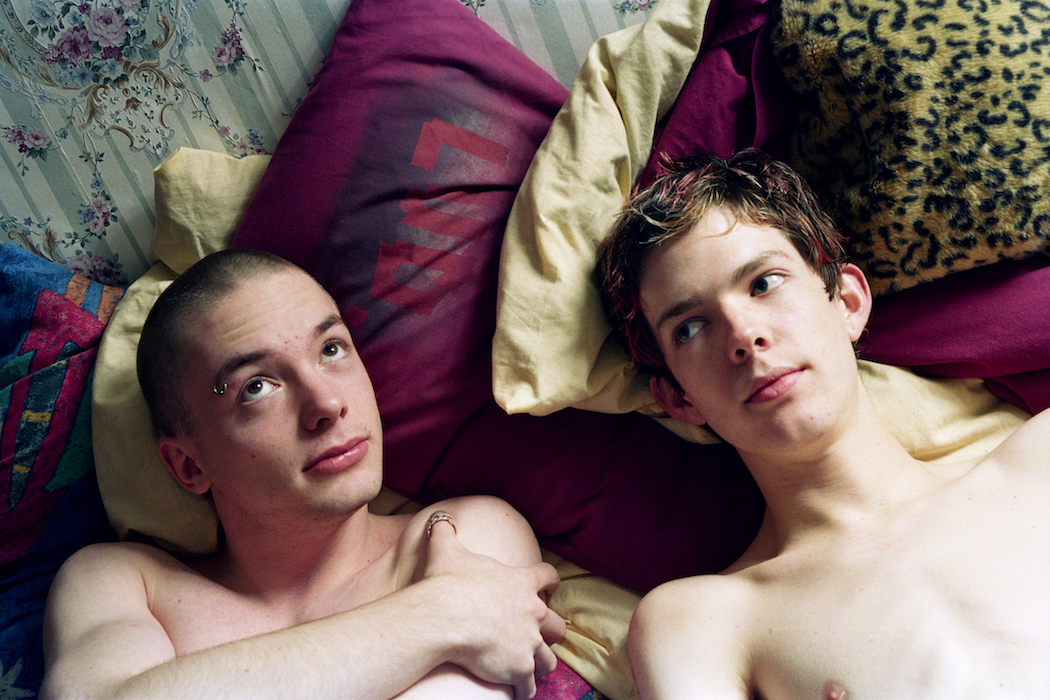
Marc remembers art school as an accepting haven for LGBTQ+ students: “We were very ourselves. I mean, you always had the serious straight boy who was usually a sculptor,” he says. “But I never felt any kind of feeling of being closeted.” Outside of art school, things were different, though. London was, Jamie describes, “a dangerous landscape for an eyelinered young homo to be flitting about… My wanderings were tinged with fear”.
Amid this at times hostile climate, Marc’s photos give the sense of two renegades discovering themselves on the fringes of society. But rather than over-romanticise this golden age for British art schools, in the zine’s forward, Jamie honestly recalls the realities of being a young, broke student. “Everyone else moved out [of the house] before the lease was up,” he remembers. “I was left in the dark, rummaging behind damp couch cushions in search of coins for the electric meter”.
The photos bridge this gap between reality and an imagined past, tinged with nostalgia. “Revisiting these pictures I realise they’re not just about the erotics of half-naked pasty twinks lounging around (although they certainly are about that),” reflects Jamie. “[They] seem to invite us into an almost spectral realm between the real and unreal, a sort of photographic witching hour.”
 Enjoyed this article? Like Huck on
 You might like

Exploring girlhood and land ancestry in Sudan’s cotton fields
Cotton Queen – A new feature debut from filmmaker Suzannah Mirghani explores the legacy of colonialism and the fight for self-determination through the tender eyes of a teenage girl.
Written by: Roxana Diba

Portraits of gay bears through a rooftop hatch
Big Boys On My Roof™ — Growing up, Anthony Stockdale struggled with his love for bigger men. His new photo series celebrates the bear community.
Written by: Anthony Stockdale

In photos: Lives of solitude at the world’s edge
Coirón — Pie Aerts’s new photobook documents years spent in close quarters with puesteros in Patagonia – a group of aging gauchos who live almost completely isolated existences.
Written by: Isaac Muk

The raw, fledgling intimacy of Peter Hujar’s contact sheets
Hujar:Contact — A new photobook highlights the process of the legendary queer photographer, and his process of growing into the artist he ultimately became.
Written by: Miss Rosen

Is Field Maneuvers the most fun time ever? Yes probably
Collective joy — Huck’s art director Samuel White went to the 2026 edition, braving a wet start and interviewing FLINTA* collective and arm wrestling legends Uhaul Dyke Rescue in the process.
Written by: Samuel White

Jesse Glazzard’s messy portrait of queer friends, lovers and chosen family
The Sound of Dirt and Beauty — The photographer’s debut monograph explores tender, unpolished moments shaped by the people who he surrounds himself with, while offering a window into the UK’s working-class LGBTQ+ community.
Written by: Sunny Sunday


