10 Latinx photographers share their vision of El Barrio
- Text by Miss Rosen

In the years following World War II, America’s Latinx communities were becoming increasingly marginalised and misrepresented.
The Latinx immigrants joined African Americans who fled the South during the Great Migration, one of the largest, most rapid movements in history. Cities became the point of arrival for millions of migrants, who entered into established communities where their cultures took root, such as Spanish Harlem, the South Bronx, and East Los Angeles.
Many of their stories have largely gone untold, and E. Carmen Ramos, Smithsonian American Art Museum’s deputy chief curator and curator of Latino art, aims to correct this.
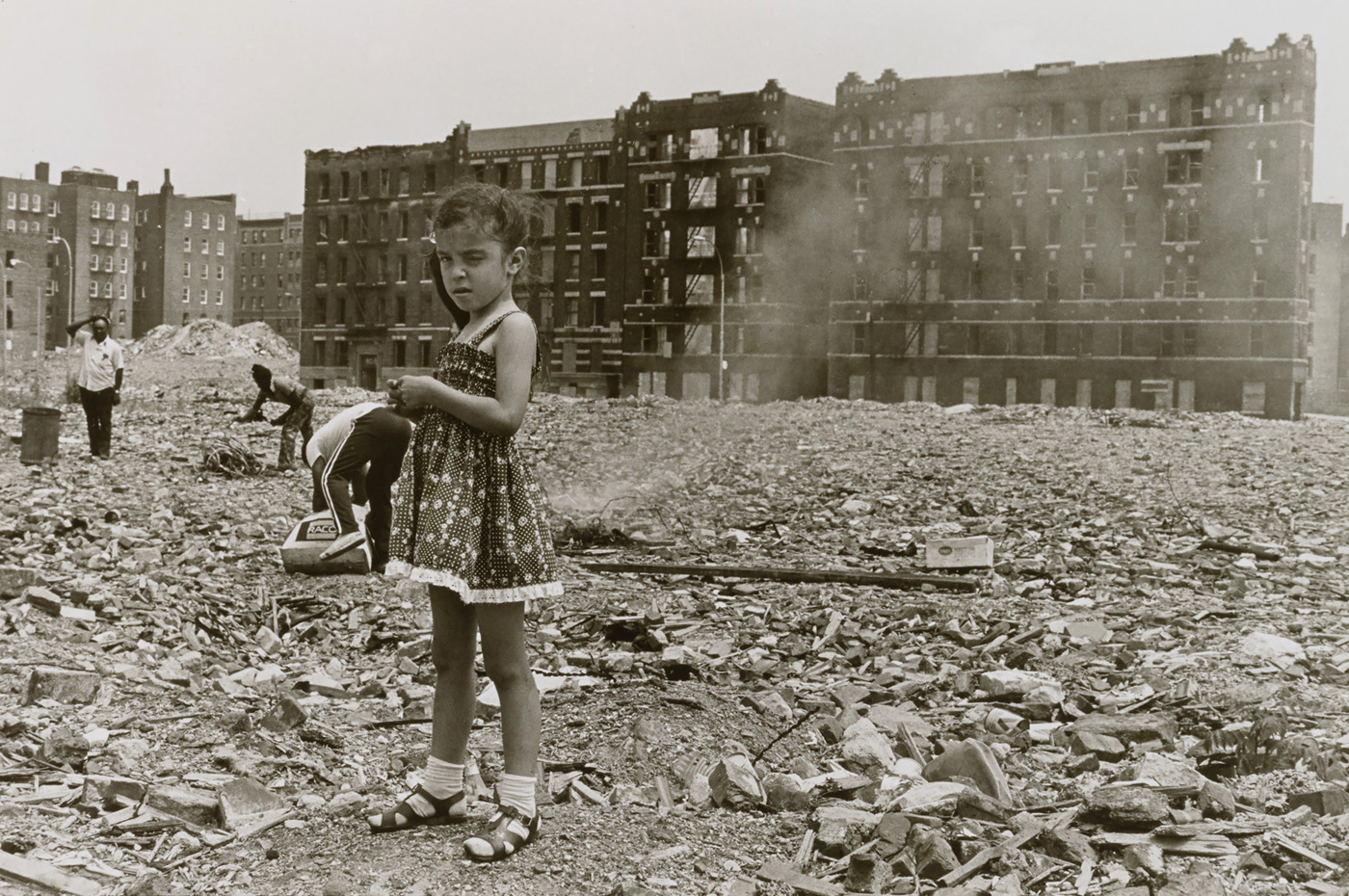
Perla de Leon, My Playground, 1980
In Down These Mean Streets: Community and Place in Urban Photography, Ramos has organised the work of 10 Latinx photographers – Manuel Acevedo, Oscar Castillo, Frank Espada, Anthony Hernandez, Perla de Leon, Hiram Maristany, Ruben Ochoa, John Valadez, Winston Vargas, and Camilo José Vergara – who documented their communities as insiders.
“The exhibition was inspired by the acquisition of works by Frank Espada, who passed away in 2014,” Ramos reveals. “I was familiar with his work but hadn’t studied it closely, and I had an opportunity to meet with the family and look at the work in a closer way. Frank is like a lot of other Latinx artists — there isn’t a lot of scholarship on his work that positions him in the history of photography, or anything. I had to do that work on my own.”
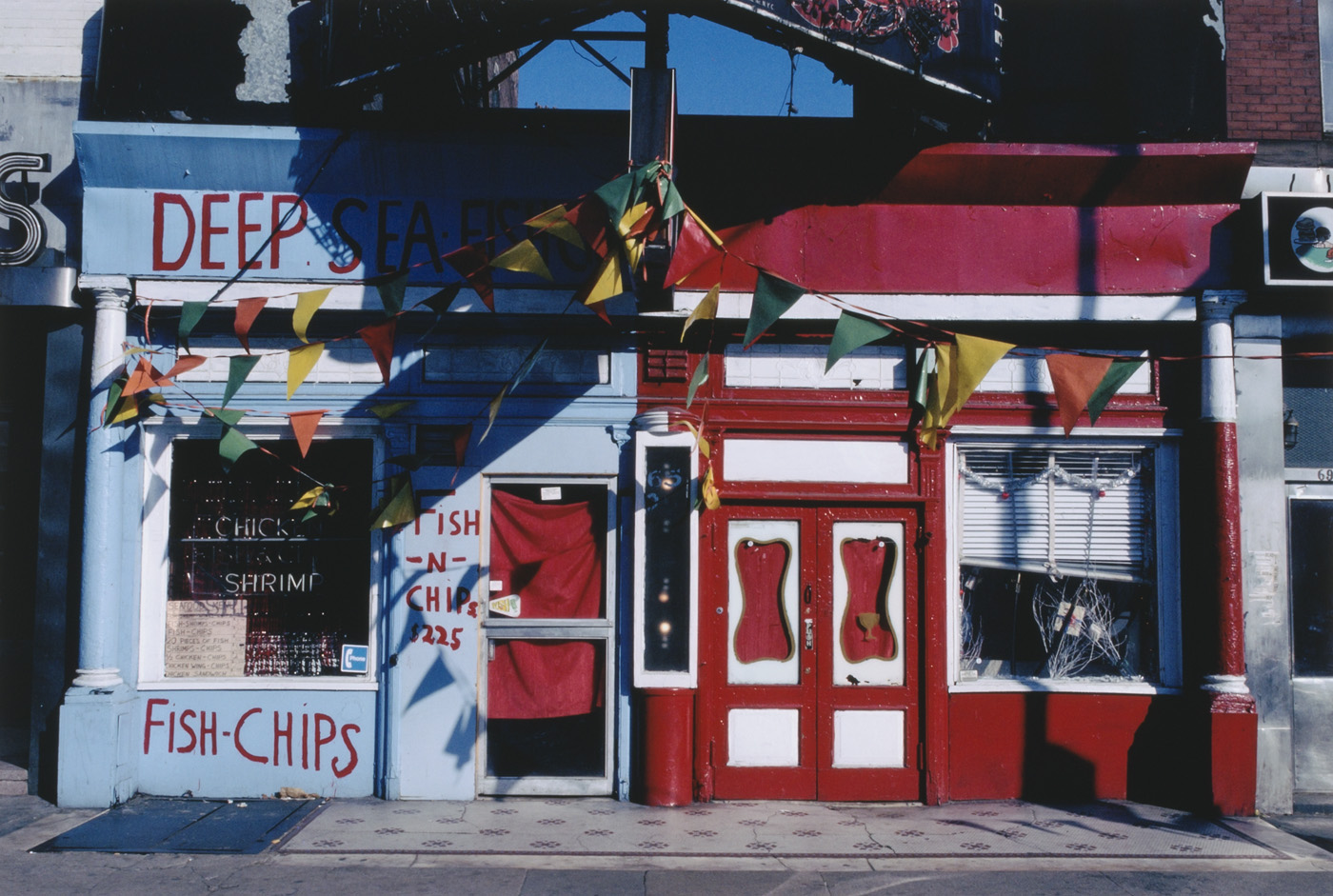
Camilo José Vergara, 65 East 125th Street, Harlem, 1980
Drawn to different approaches, Ramos brought together a group of artists to create a multi-faceted look at the struggles and triumphs of Latinx life in a profoundly human way.
“One of my favourite images is by Perla de Leon, which is an image of a casita built on top of the rubble of a demolished building in the South Bronx. The casita, which is meant as a community-gathering site, was it is painted with the flags of all the different immigrant communities that are living there. The community was staking its claim to this space at a time when the South Bronx was on fire.”
“I felt there was a real connection between the perspective of Piri Thomas writing his book and the perspectives of the artists in this exhibition. They are acknowledging the neglect, but they are also reading the space in a way that affirms the perspective of the communities they were photographing. There is a critique at the same time there is a love of the communities that existed there.”
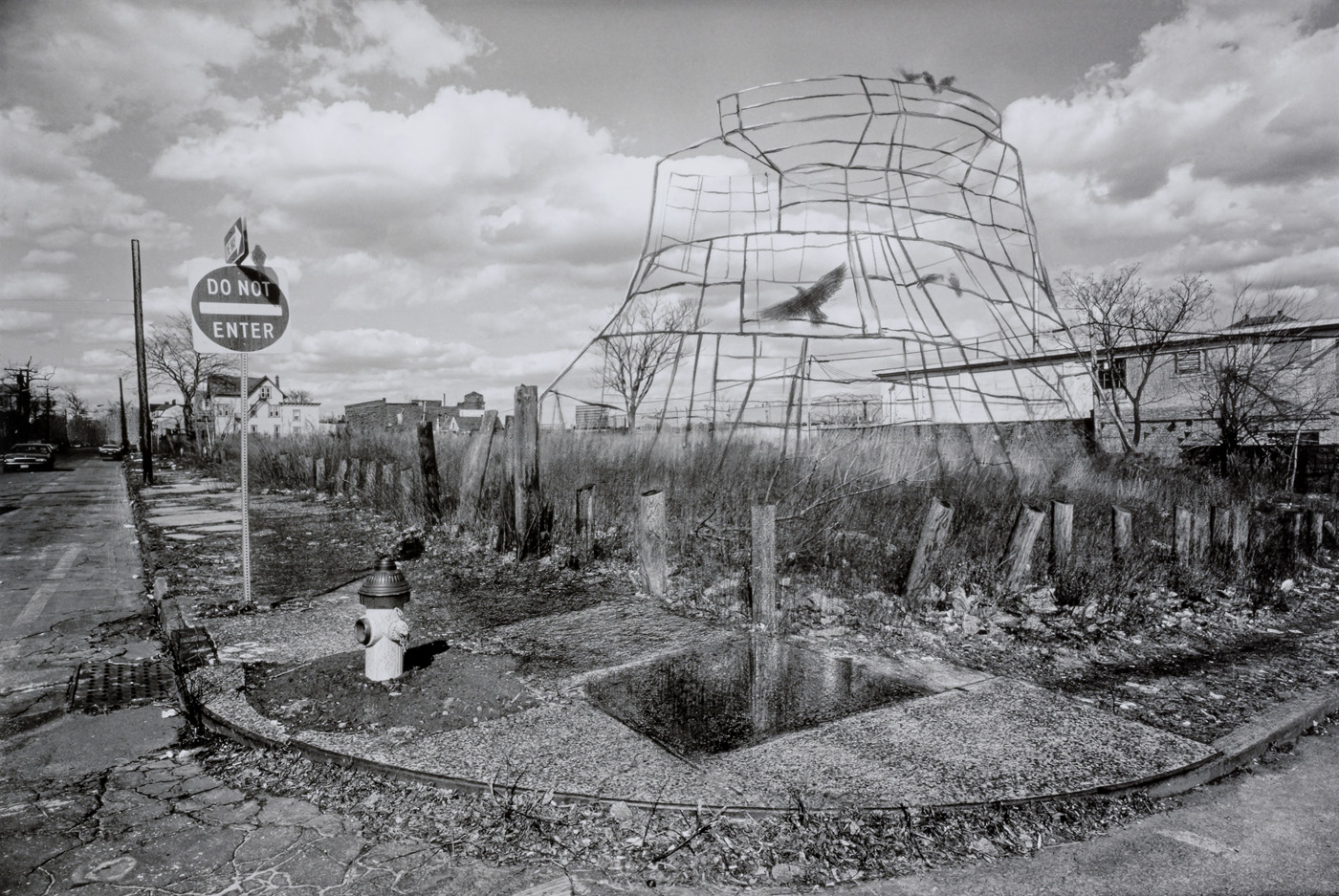
Manuel Acevedo, Altered Sites #7, 1998
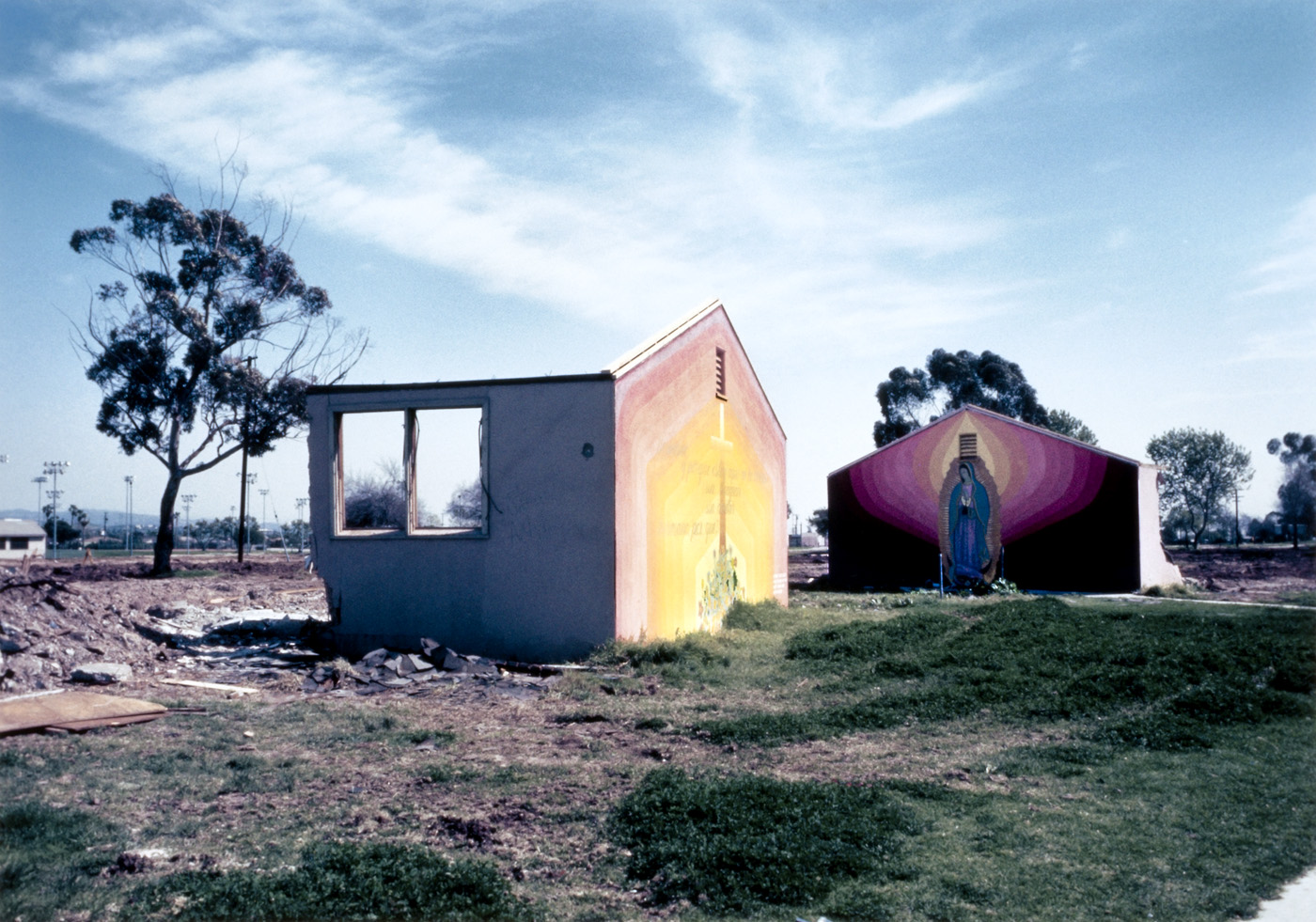
Oscar R. Castillo, Shrine of the Virgin of Guadalupe at Maravilla Housing Project, Mednik Avenue and Brooklyn
Avenue, East Los Angeles, early 1970s
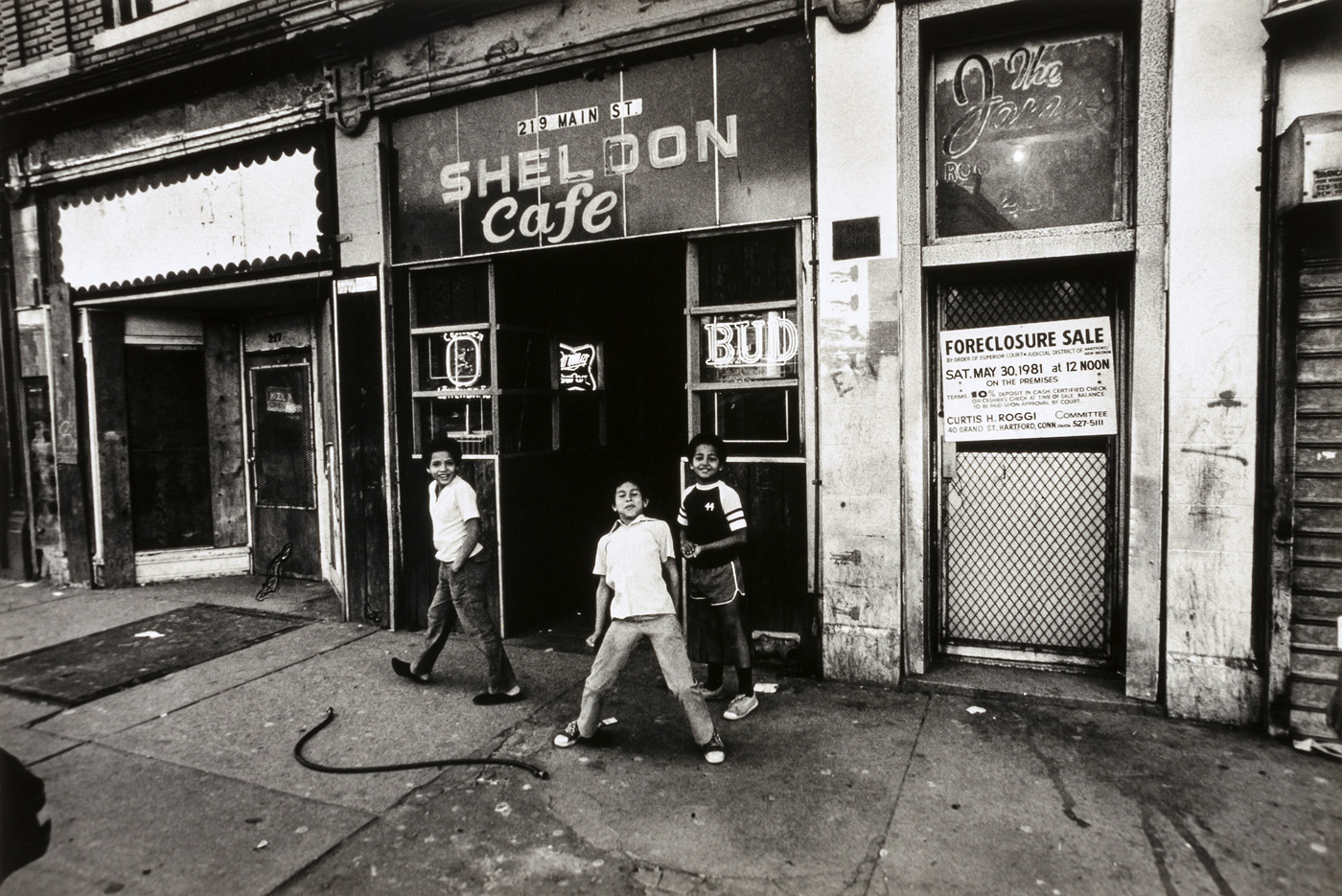
Frank Espada, Untitled (Three boys, Sheldon Cafe, Hartford, Connecticut), 1981
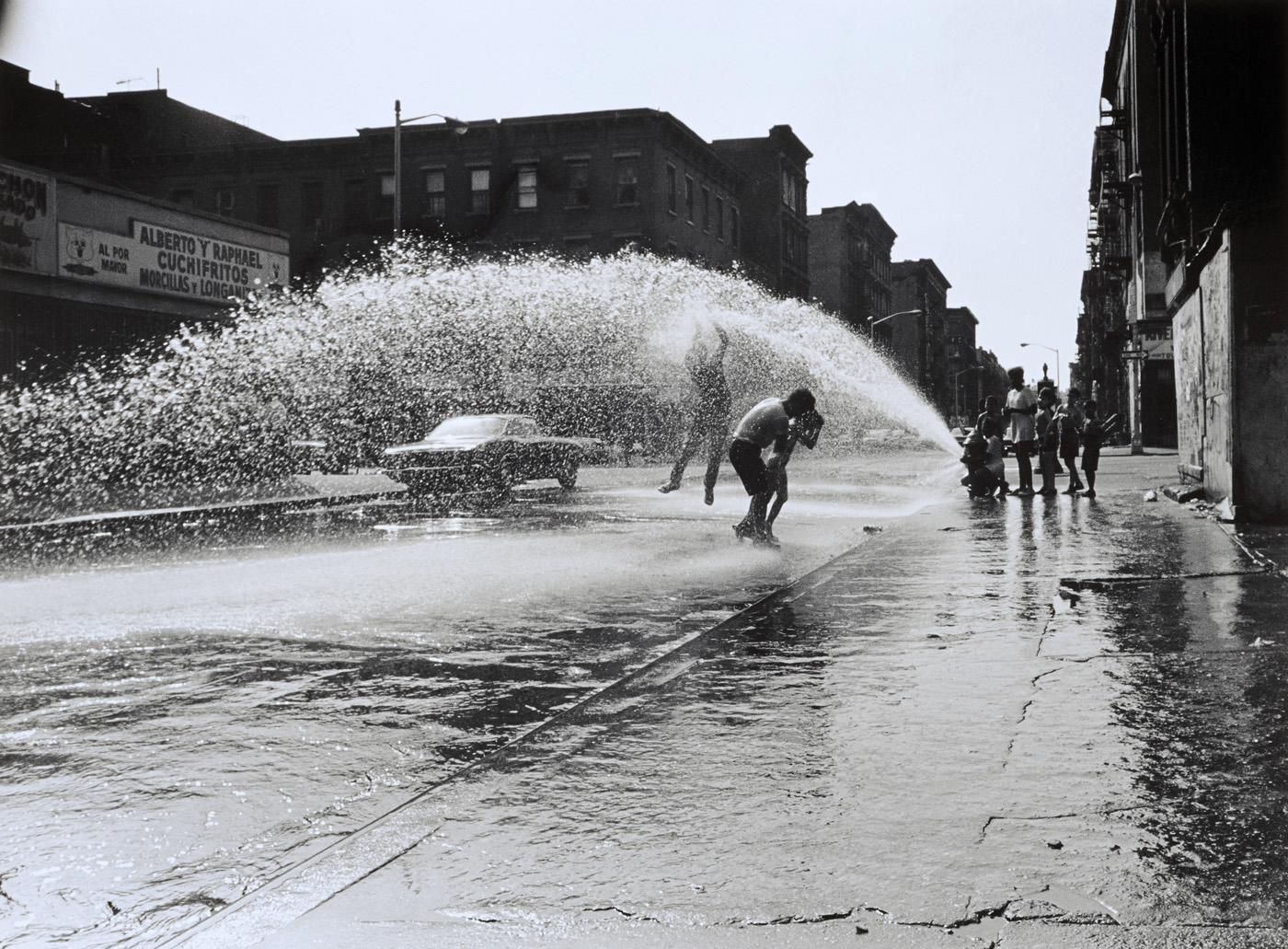
Hiram Maristany, Hydrant: In the Air, 1963
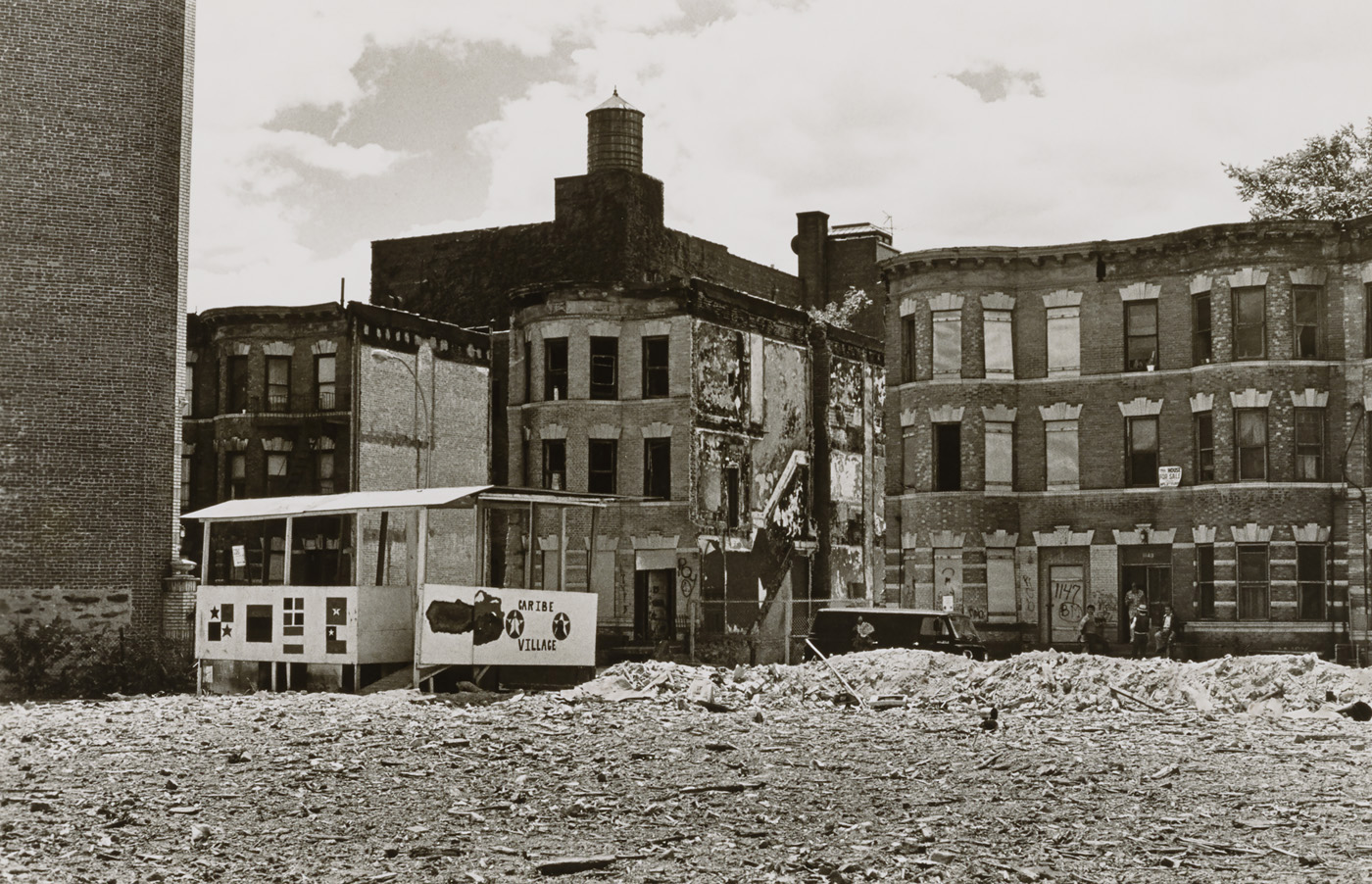
Perla de Leon, Caribe Village, South Bronx, 1980
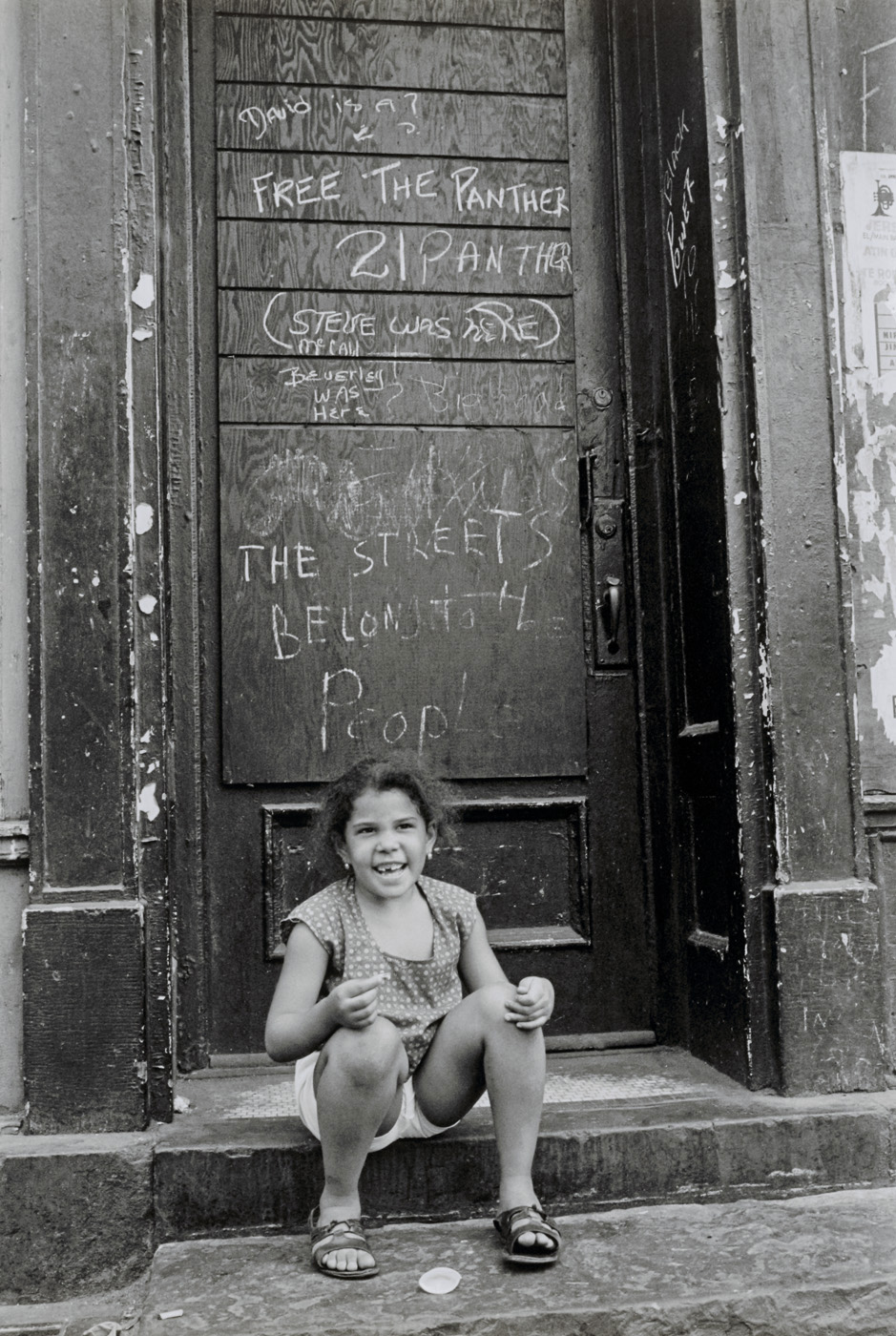
Winston Vargas, Child Playing, Washington Heights, New York, 1970
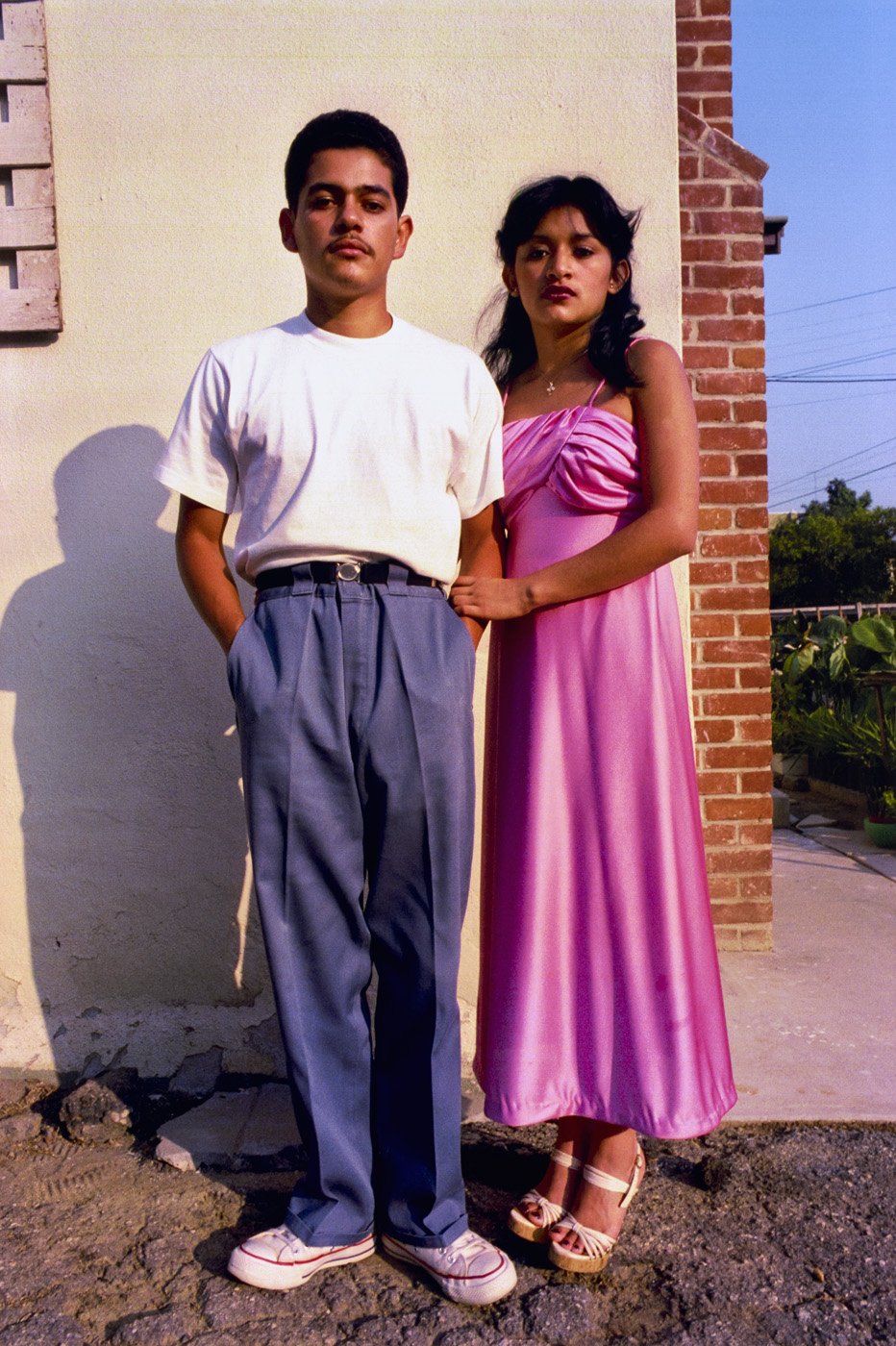
John M. Valadez, Couple Balam, from the East Los Angeles Urban Portrait Portfolio, ca. 1978
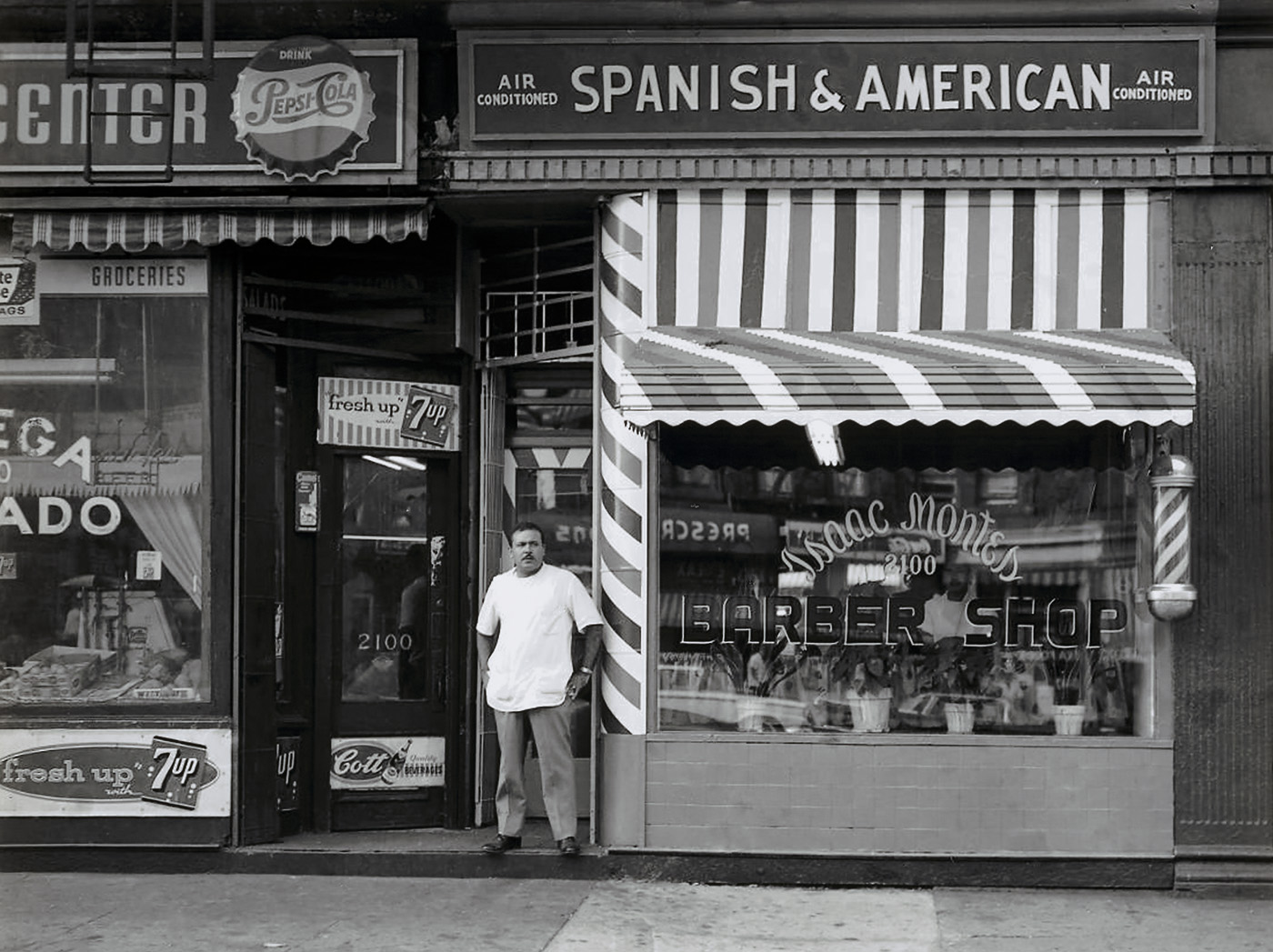
Winston Vargas, Barbershop, Washington Heights, New York, 1961
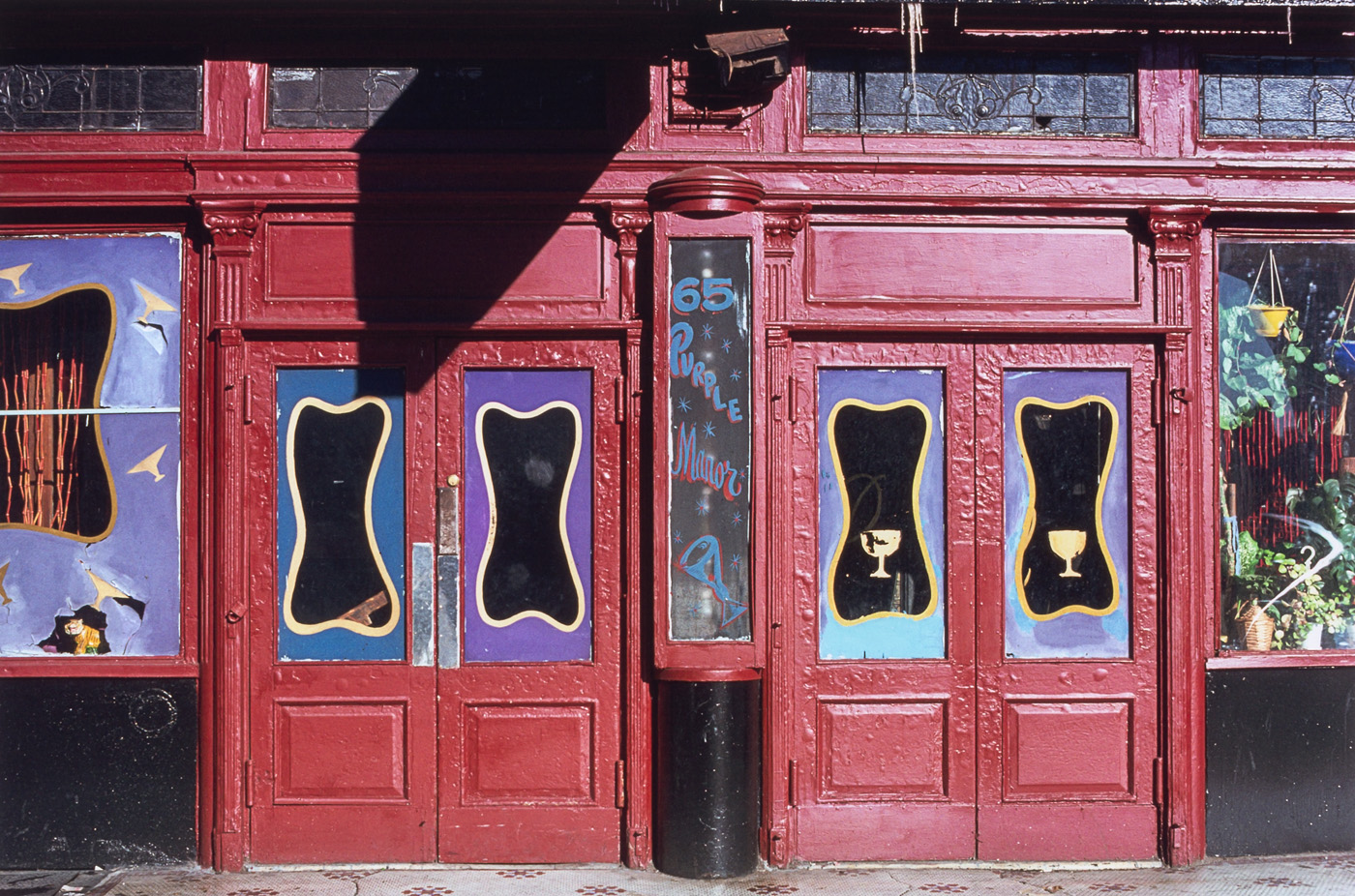
Camilo José Vergara, 65 East 125th Street, Harlem, 1977
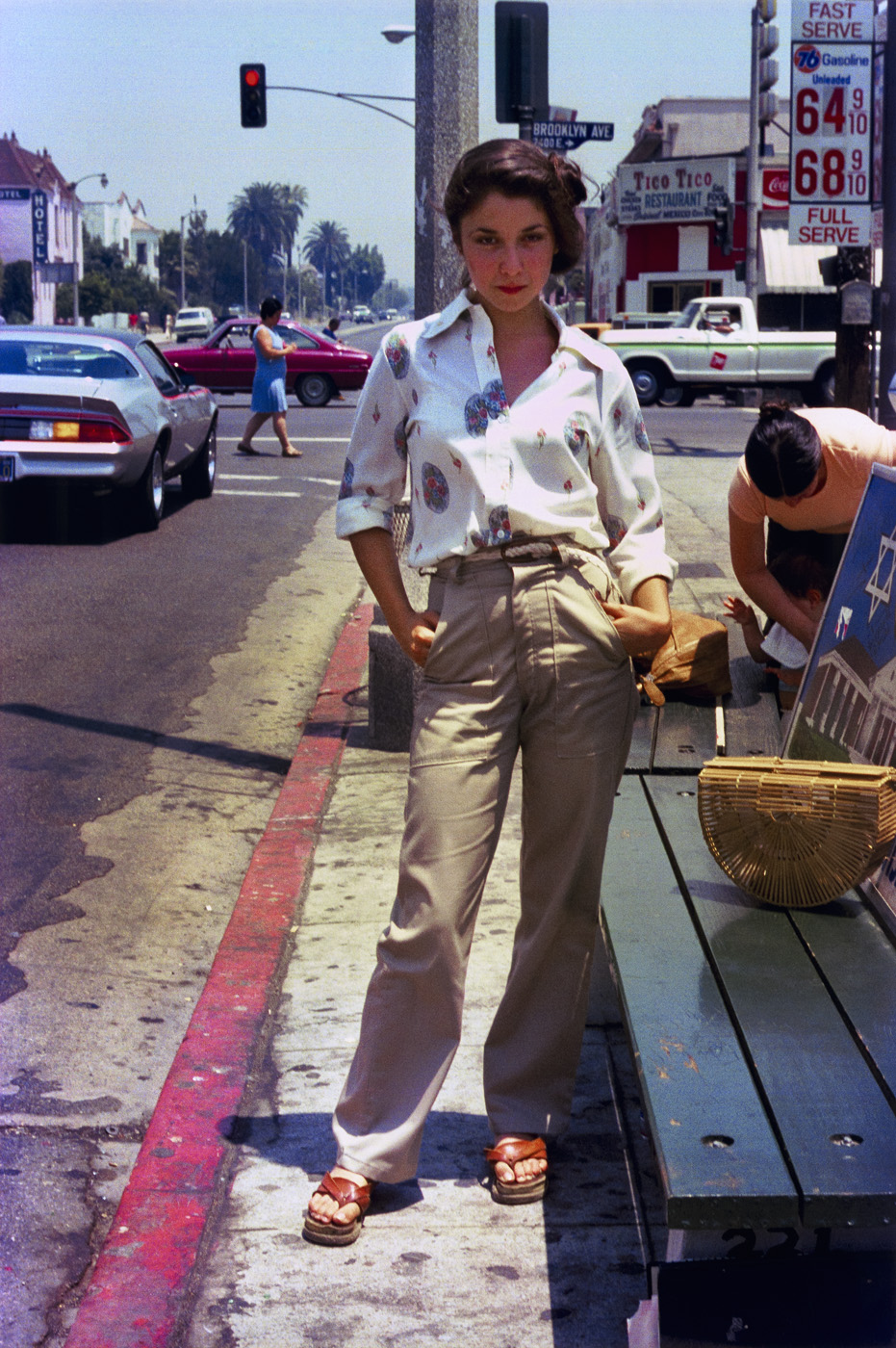
John M. Valadez, Brooklyn and Soto, from the East Los Angeles Urban Portrait Portfolio, ca. 1978
Down These Mean Streets: Community and Place in Urban Photography is on view at El Museo del Barrio, New York, now through January 6, 2019.
Follow Miss Rosen on Twitter.
Enjoyed this article? Like Huck on Facebook or follow us on Twitter.
You might like

The last days of St Agnes Place, London’s longest ever running squat
Off the grid — Photographer Janine Wiedel spent four years documenting the people of the Kennington squat, who for decades made a forgotten row of terraced houses a home.
Written by: Isaac Muk

How Japan revolutionised art & photography in the ’60s and ’70s
From Angura to Provoke — A new photobook chronicles the radical avant-garde scene of the postwar period, whose subversion of the medium of image making remains shocking and groundbreaking to this day.
Written by: Miss Rosen

Artifaxing: “We’ve become so addicted to these supercomputers in our hands”
Framing the future — Predominantly publishing on Instagram and X, the account is one of social media’s most prominent archiving pages. We caught up with the mysterious figure behind it to chat about the internet’s past, present and future, finding inspiration and art in the age of AI.
Written by: Isaac Muk

The lacerating catharsis of body suspension in Hong Kong
Self-Ferrying — In one of the world’s most densely packed cities, an underground group of young people are piercing their skin and hanging their bodies with hooks in a shocking exploration of pain and pleasure. Sophie Liu goes to a session to understand why they partake in the extreme underground practice.
Written by: Sophie Liu

What we’re excited for at SXSW 2026
Austin 40 — For the festival’s 40th anniversary edition, we are heading to Texas to join one of the biggest global meetups of the year. We’ve selected a few things to highlight on your schedules.
Written by: Huck

In photos: The boys of the Bibby Stockholm
Bibby Boys — A new exhibition by Theo McInnes and Thomas Ralph documents the men who lived on the three-story barge in Dorset, giving them the chance to control their own narrative.
Written by: Thomas Ralph


