A visual ode to Leicester’s South Asian community
- Text by Isaac Muk
- Photography by Kavi Pujara

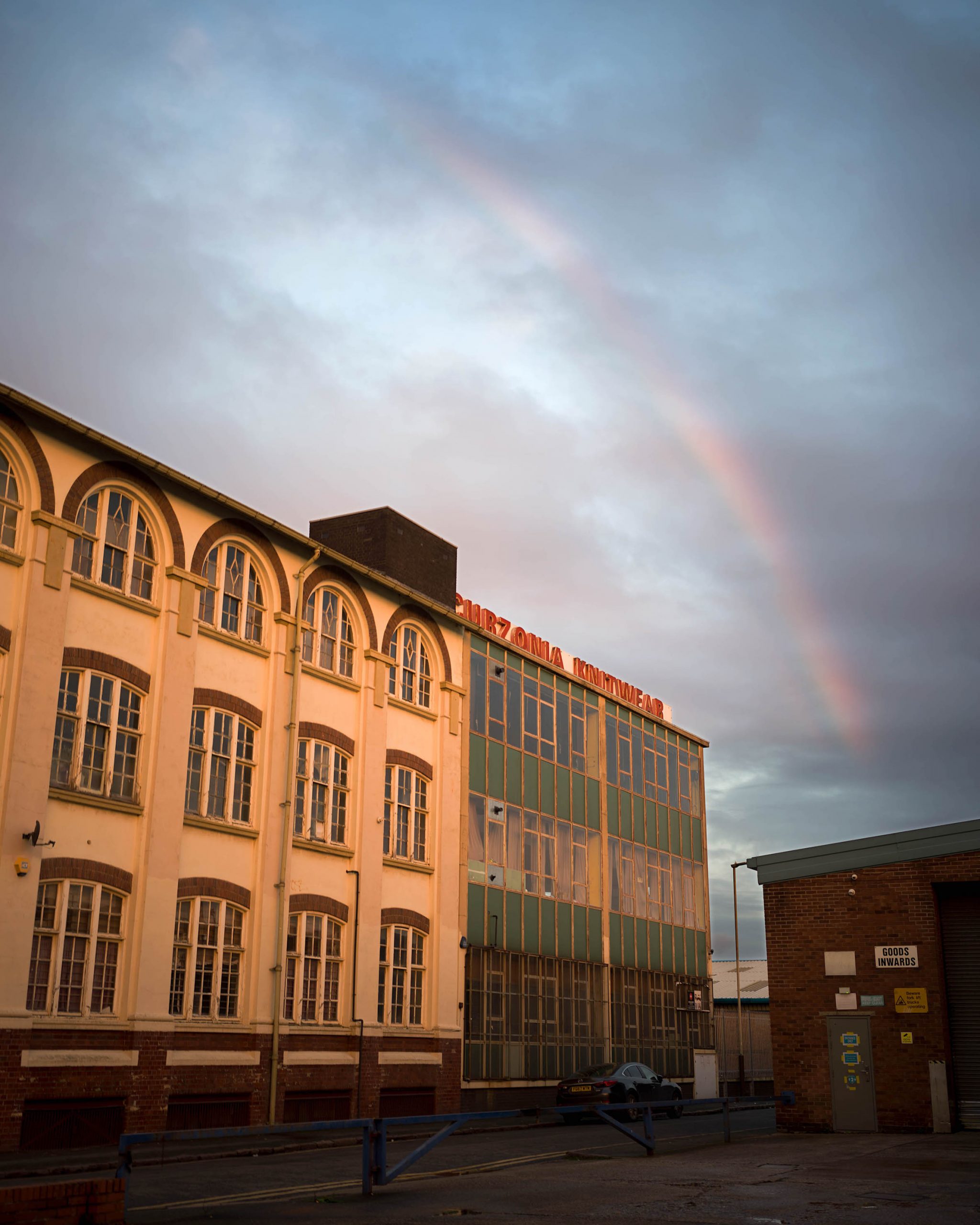
In 1979, when Kavi Pujara was seven years old, he used to have to walk home from school in Leicester on his own. While his mother would take him in the morning, come the ringing of the end-of-day bell, she would be working at a local knitwear factory, and he’d have to make the 15-minute trek solo.
Despite the short distance, it was one that was chocked full of obstacles. After a walk down the school driveway, a group of older boys and their “tough” younger siblings would hang out, and they wouldn’t let him pass easily.
“They were doing something called paki bashing,” says Pujara. “Which was a popular sport at the time. Essentially white kids would chase down and beat up brown kids.”
Not seeing himself as the most dominant brawler, he would sprint if any aggression broke out knowing that if he reached Laura, the lollipop lady, he’d make it home safe. It was a particularly tough time to be an Asian or Black person in Leicester, but also England, at the time, with far-right groups such as The National Front having risen to prominence.
“I was a slightly chubby kid,” Pujara says. “I had my nose broken, cut lips, sleeves torn – all of this kind of stuff – I didn’t realise how much I normalised it.”
Now a photographer, he reconnected with Laura recently, and while taking her portrait and reminiscing about his past, the memory of running to her as a beacon of safety came back to him. “It wasn’t until that moment that I really started to think about some of the racism that I’d experienced growing up in the ’70s,” he says. “I’d somehow buried it deep inside. Because it was so hard to be a person of colour, at 18 I’d felt that it was my Indianness that was stopping me from being my whole self – so I left.”
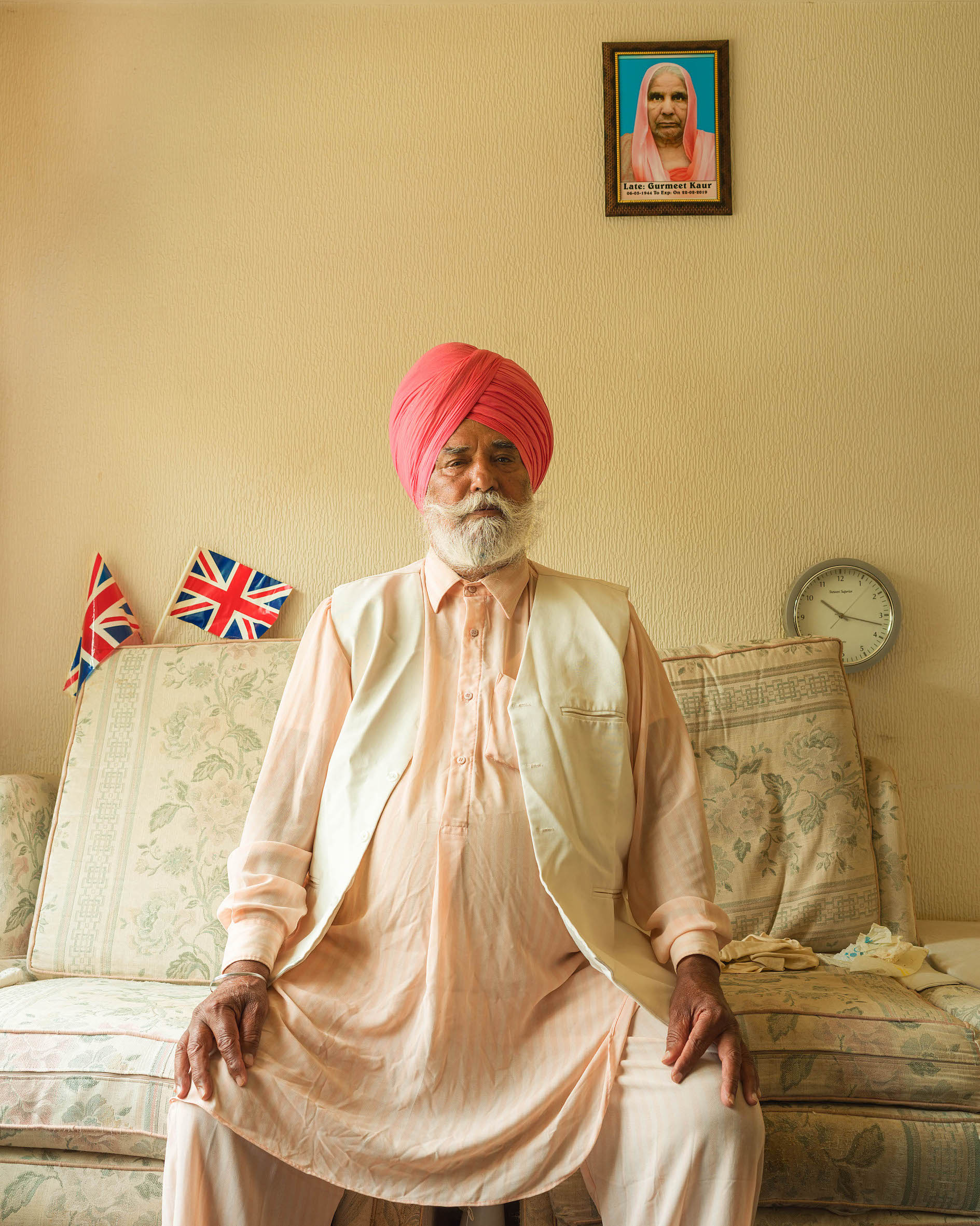
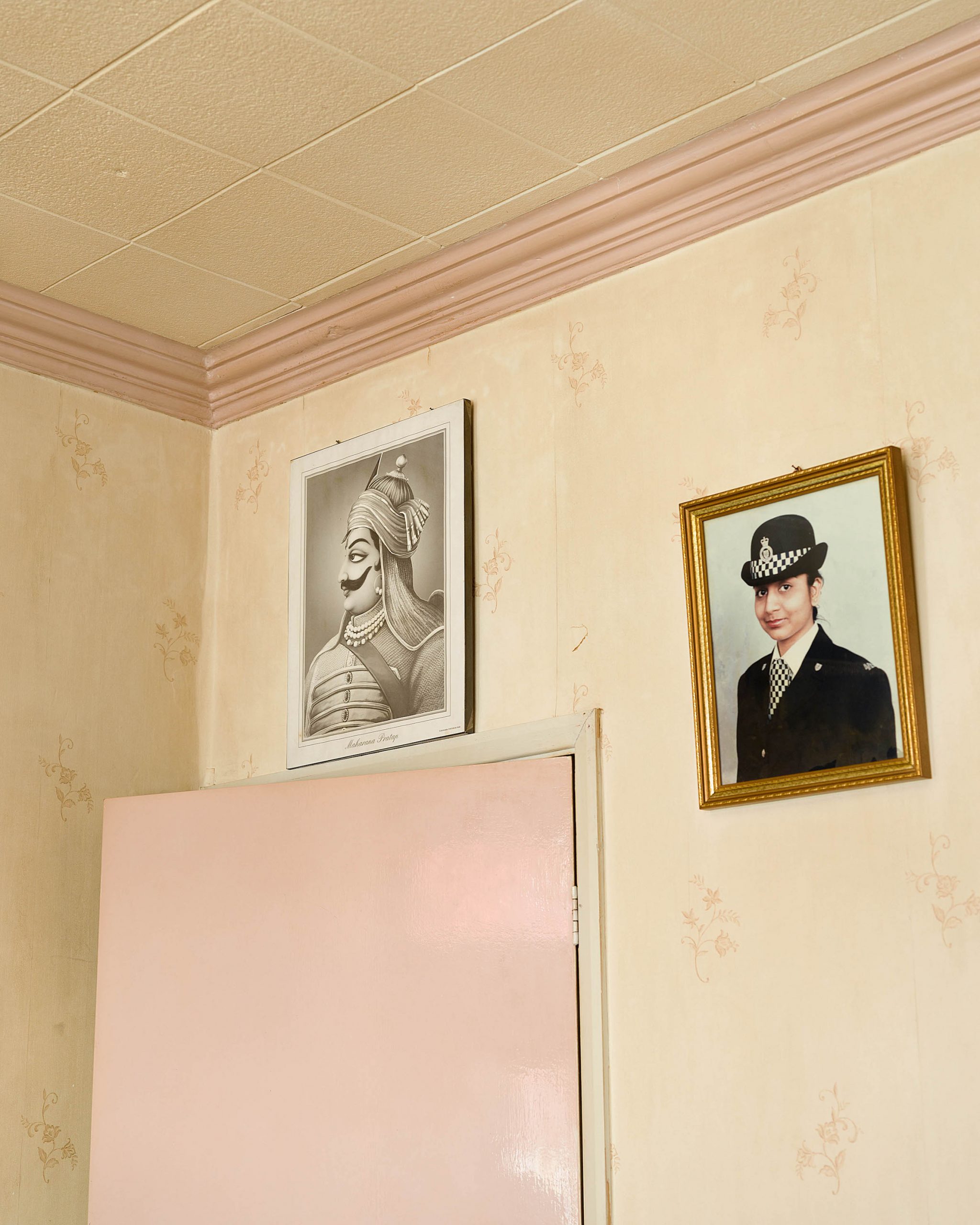
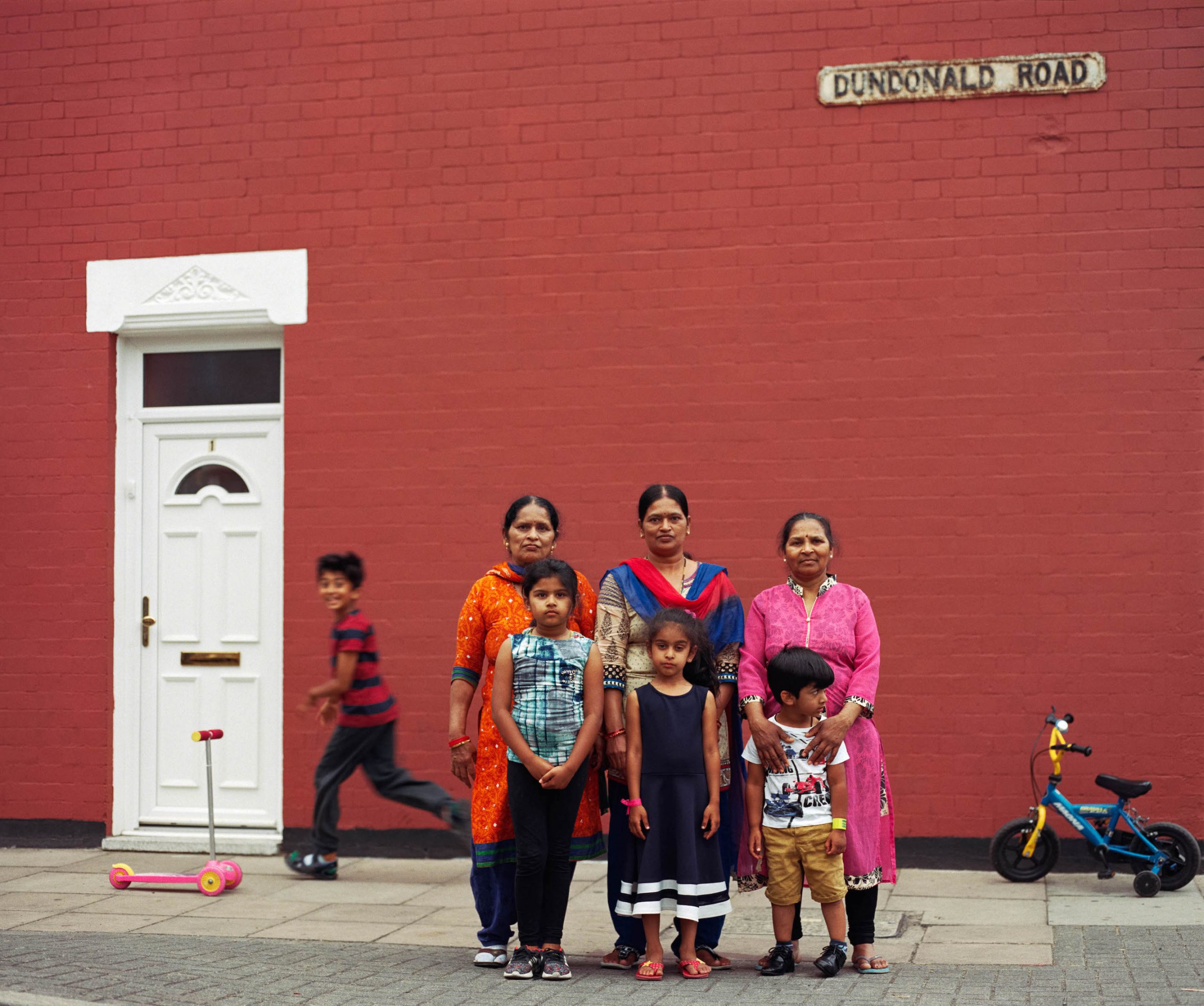
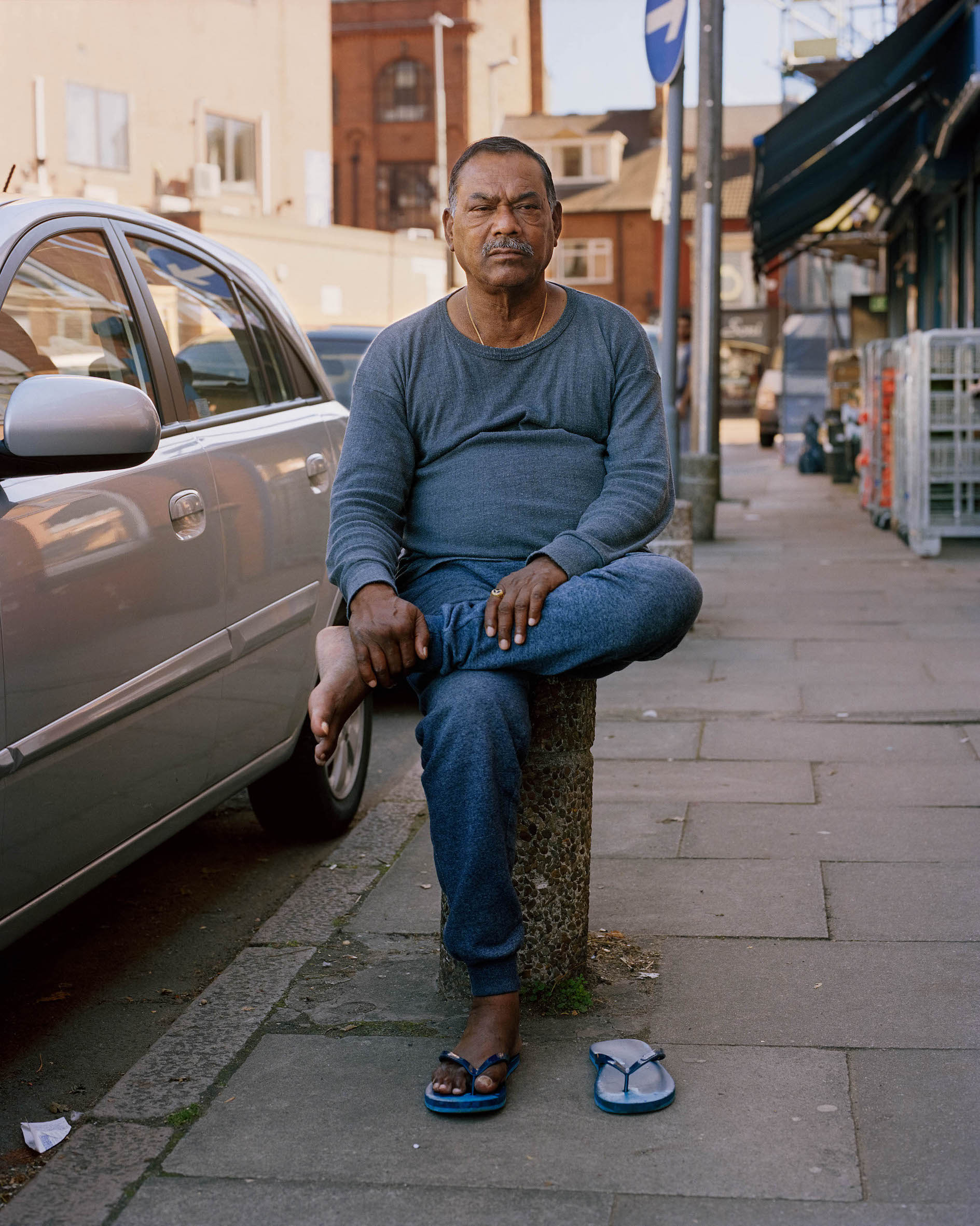
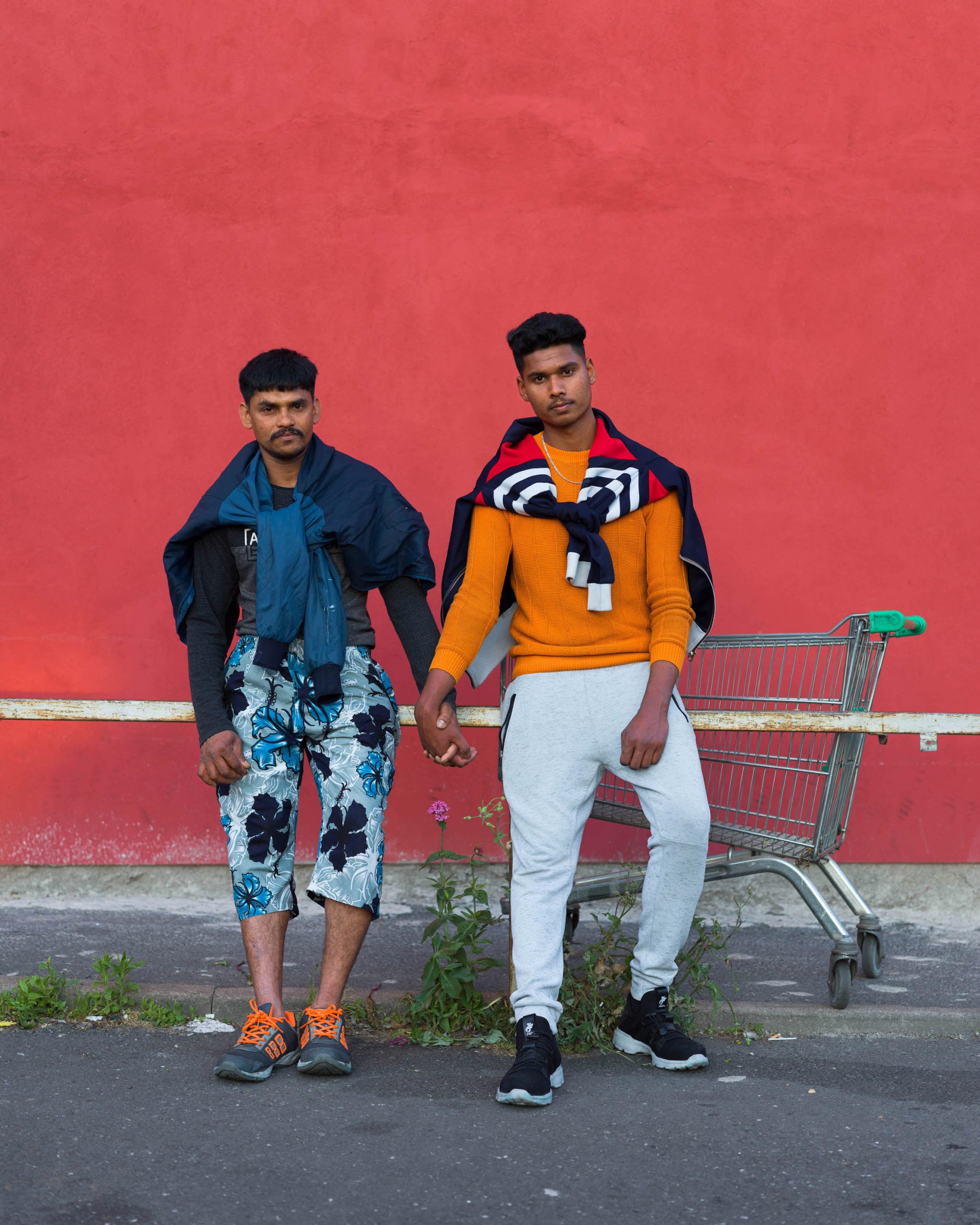
Having moved to London as soon as he reached adulthood, Pujara has spent the last six years reconnecting with and reimagining the city that he grew up in through his photographic lens, especially the South Asian community that he left behind. The result is his debut monograph This Golden Mile, a vivid documentation into the titular, predominantly Indian neighbourhood that spans the majority of Belgrave Road just north of Leicester’s city centre.
As well as photographing people on the street, Puraja was invited into the homes and shops of his subjects while making the project. The resulting shots are intimate, personal, and an illuminating insight into the diversity of characters who make up the city’s largely Gujarati-speaking Indian community. People of all ages, genders and sexualities are shot in the book, each with their own interpretations of the migrant experience in Britain.
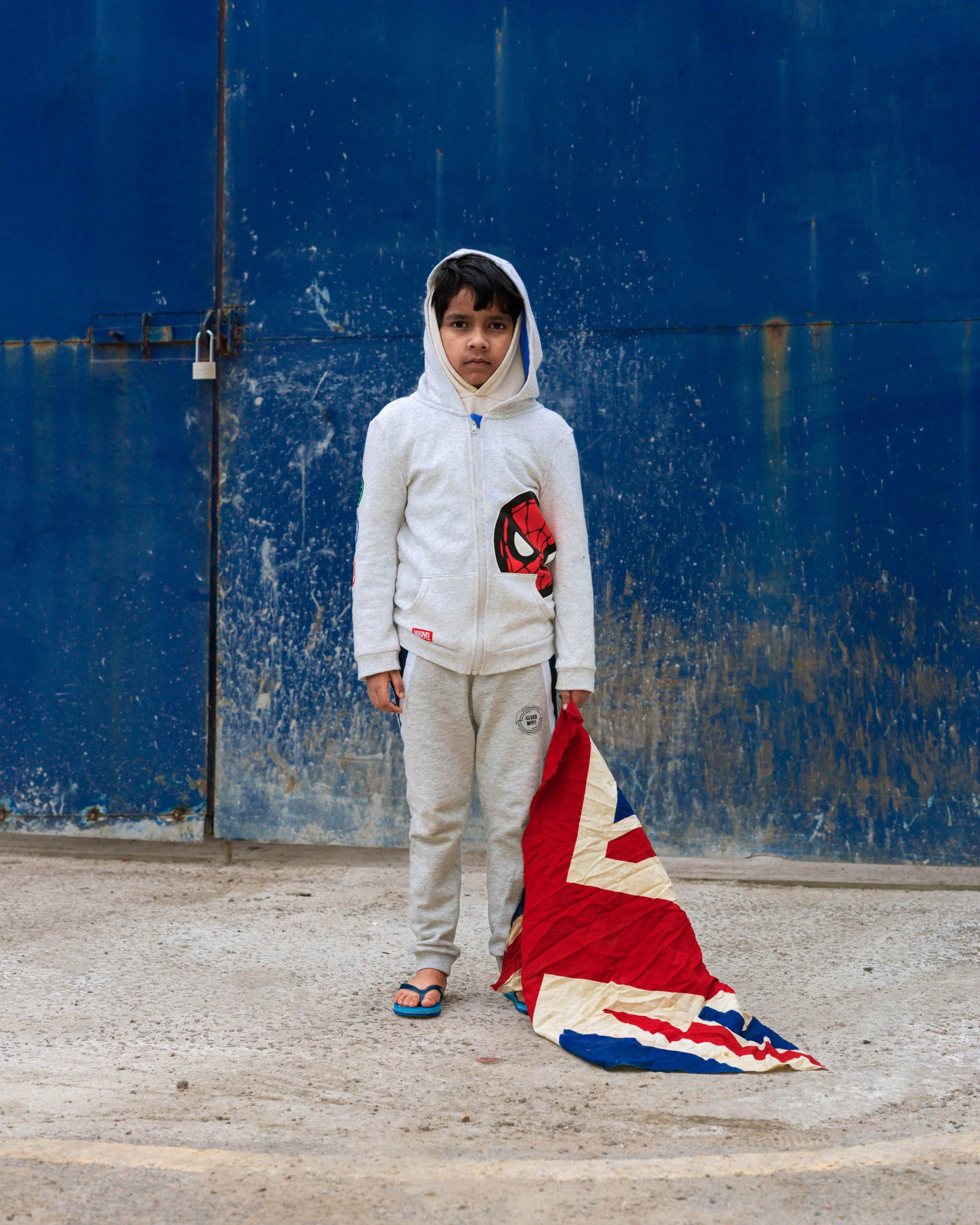
“I can’t understate how important it is for minority communities to be seen,” says Pujara. “To have your experience reflected back on you on a gallery wall or within a book affirms your place in society.”
Although most people of different backgrounds and heritage in Leicester live in relative harmony, tensions flared up recently when violence broke out between Hindu and Muslim groups in September. Pujara stresses that the episode does not reflect daily life on the Golden Mile. “In India we have right wing Hindu fundamentalists that are letting hate speech going unchallenged,” he says. “It’s the same populism that was here when Brexit was being voted on, when Trump came to power – in India it is still happening. I think that’s where it came from, it’s an outside thing.
“My parents will still go to the Muslim area to buy okra is the price is cheaper – last week I was at an Indian snack place for Gujurati food buying a load of samosas, and the person standing in front of me was a Muslim person” he continues. “On a day-to-day level it was a moment, and I think we can move past it – I’m hoping we can move past it.”


Follow Isaac Muk on Twitter.
Enjoyed this article? Like Huck on Facebook or follow us on Twitter and Instagram.
You might like

How Japan revolutionised art & photography in the ’60s and ’70s
From Angura to Provoke — A new photobook chronicles the radical avant-garde scene of the postwar period, whose subversion of the medium of image making remains shocking and groundbreaking to this day.
Written by: Miss Rosen

Artifaxing: “We’ve become so addicted to these supercomputers in our hands”
Framing the future — Predominantly publishing on Instagram and X, the account is one of social media’s most prominent archiving pages. We caught up with the mysterious figure behind it to chat about the internet’s past, present and future, finding inspiration and art in the age of AI.
Written by: Isaac Muk

The lacerating catharsis of body suspension in Hong Kong
Self-Ferrying — In one of the world’s most densely packed cities, an underground group of young people are piercing their skin and hanging their bodies with hooks in a shocking exploration of pain and pleasure. Sophie Liu goes to a session to understand why they partake in the extreme underground practice.
Written by: Sophie Liu

What we’re excited for at SXSW 2026
Austin 40 — For the festival’s 40th anniversary edition, we are heading to Texas to join one of the biggest global meetups of the year. We’ve selected a few things to highlight on your schedules.
Written by: Huck

In photos: The boys of the Bibby Stockholm
Bibby Boys — A new exhibition by Theo McInnes and Thomas Ralph documents the men who lived on the three-story barge in Dorset, giving them the chance to control their own narrative.
Written by: Thomas Ralph

Huck’s 20th Anniversary Issue, Wu-Tang Clan is here
Life is a Journey — Fronted by the legendary Wu-Tang Clan’s spiritual leader RZA, we explore the space in between beginnings and endings, and the things we learn along the way.
Written by: Huck


