A portrait of teenage resistance in Brazil
- Text by Miss Rosen
- Photography by Alicia Esteves

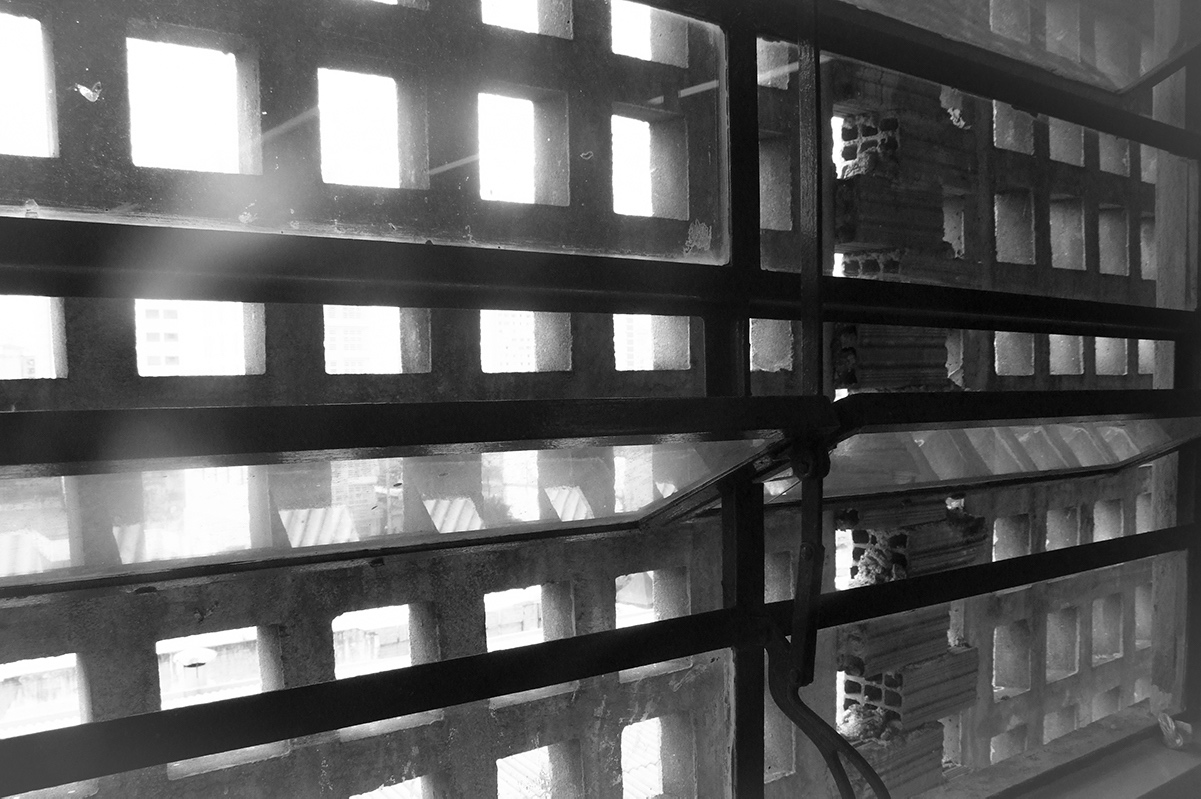
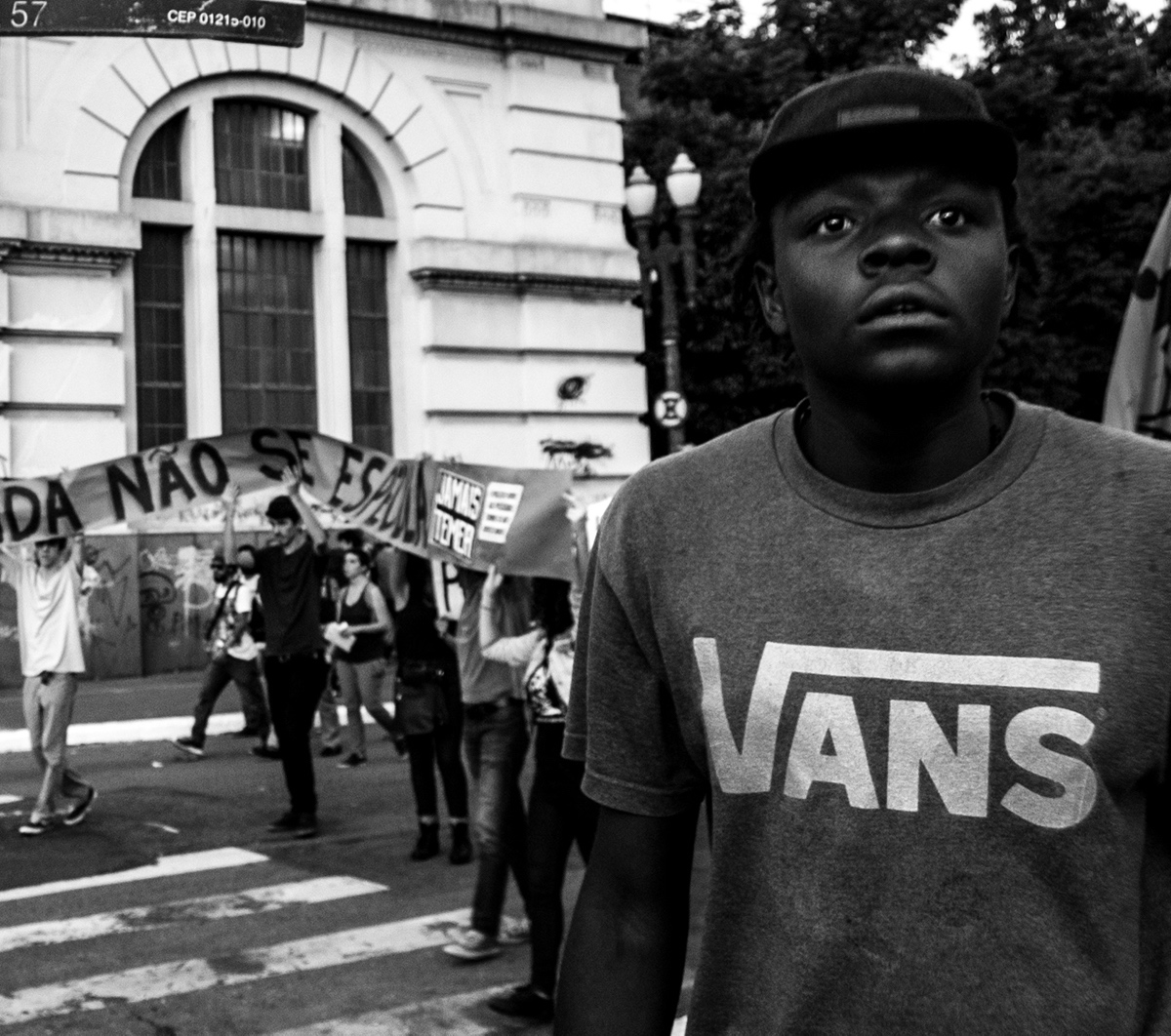
When the São Paulo government proposed closing over 100 public schools in October 2015, high school students rose up in rebellion against the state. After tagging a series of hostile street protests they took it to the next level. Over the next three months, they organised occupations of the schools themselves – climbing over school walls, breaking the locks, barricading the doors, and declaring: “the school is ours.”
“The reorganisation project was so absurd that it felt like everyone was against it; the community, intellectuals, students and teachers,” says Brazilian photographer Alicia Esteves.
Soon a booklet – translated into Portuguese from a Chilean leaflet made by students who occupied their schools in 2006 – began to circulate through the hands of students in São Paulo.
“Suddenly the first school was occupied, and then another one,” Esteves remembers. “10 schools were occupied, and then more than 100 schools. At the end over 250 schools were occupied. I had just got my first digital camera around this time and thought I could help the occupation by photographing it.”
Esteves’s photographs are included in When It Breaks It Burns, a play from coletivA ocupação, a group of 15 student activists who were involved in the movement. The performance sees them re-enact this historic moment in Brazilian history through live music and dance, for an immersive theatre experience.
“We all knew each other in one way or another,” Esteves says of the members of coletivA ocupação, “but we were all together for the first time in the occupation of the Paula Souza Center, an administrative building, which was occupied less than a year after the occupations of public schools. Martha, our director, was filming and supporting the fight. She came up with the idea of doing a performance to tell what we had experienced.”
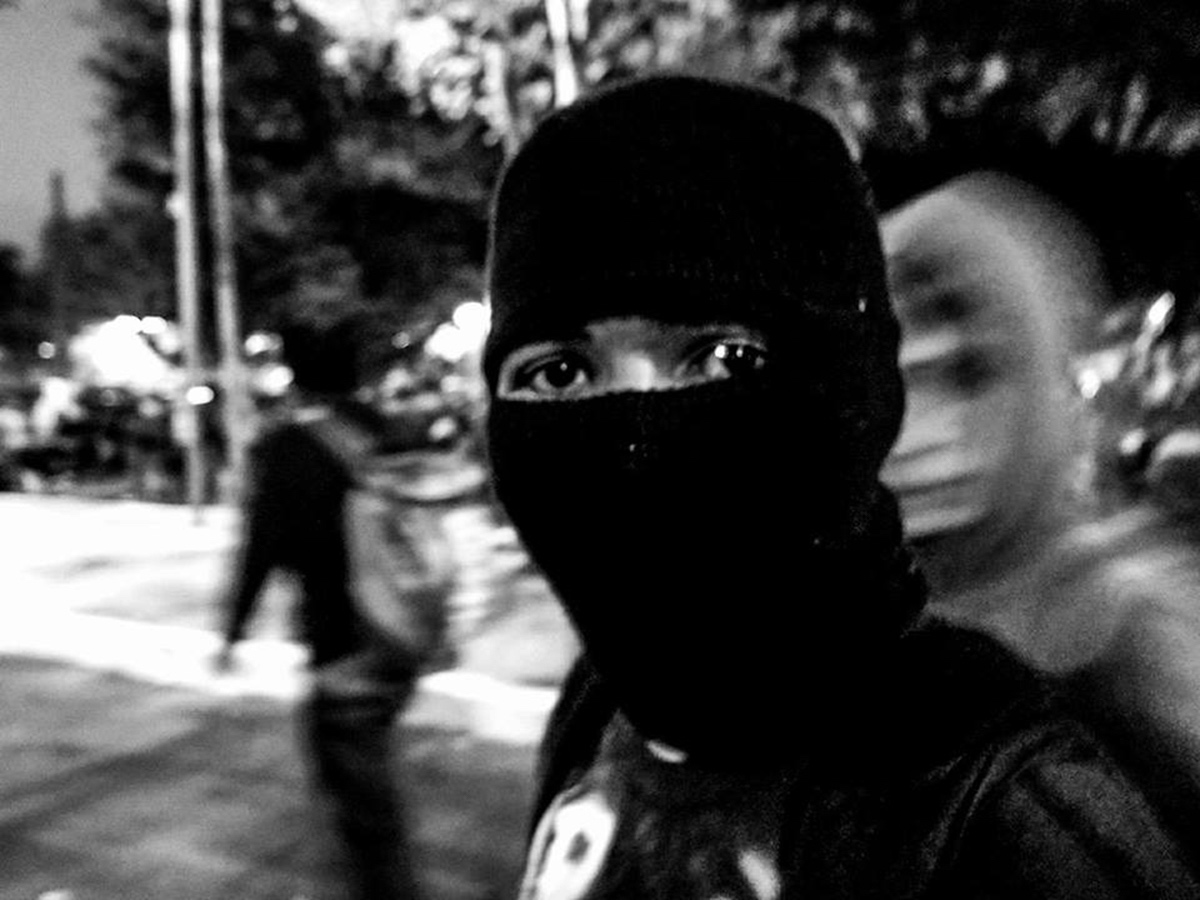
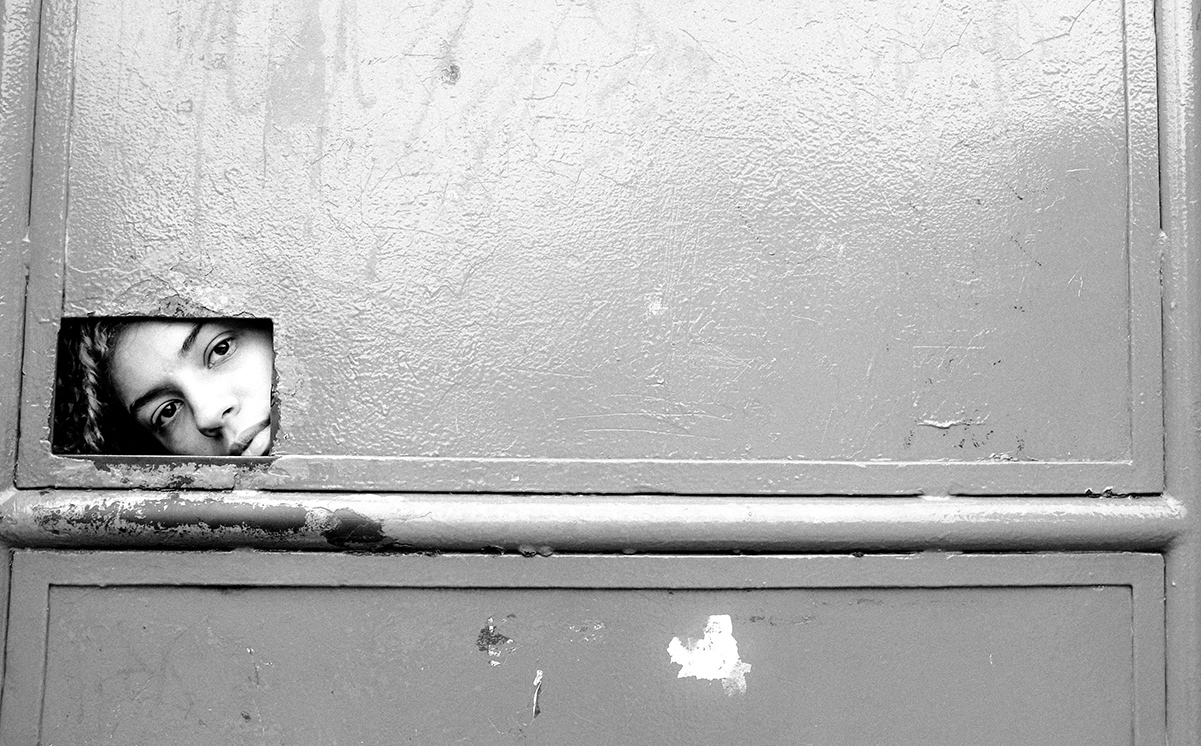
Esteves first occupied Silvio Xavier Antunes High School in the north of the city alongside at least 30 other activists. A few weeks later she went to Fidelino de Figueiredo High School, in the centre of the city.
Due to police violence in the early occupations, the students obtained a court order that protected the occupations from the police “It was our first victory,” Esteves says. “We were reclaiming physically and collectively our own futures. There was this feeling of invulnerability. The occupied schools were our sacred territory, where we were collectively creating our desires and agreements.”
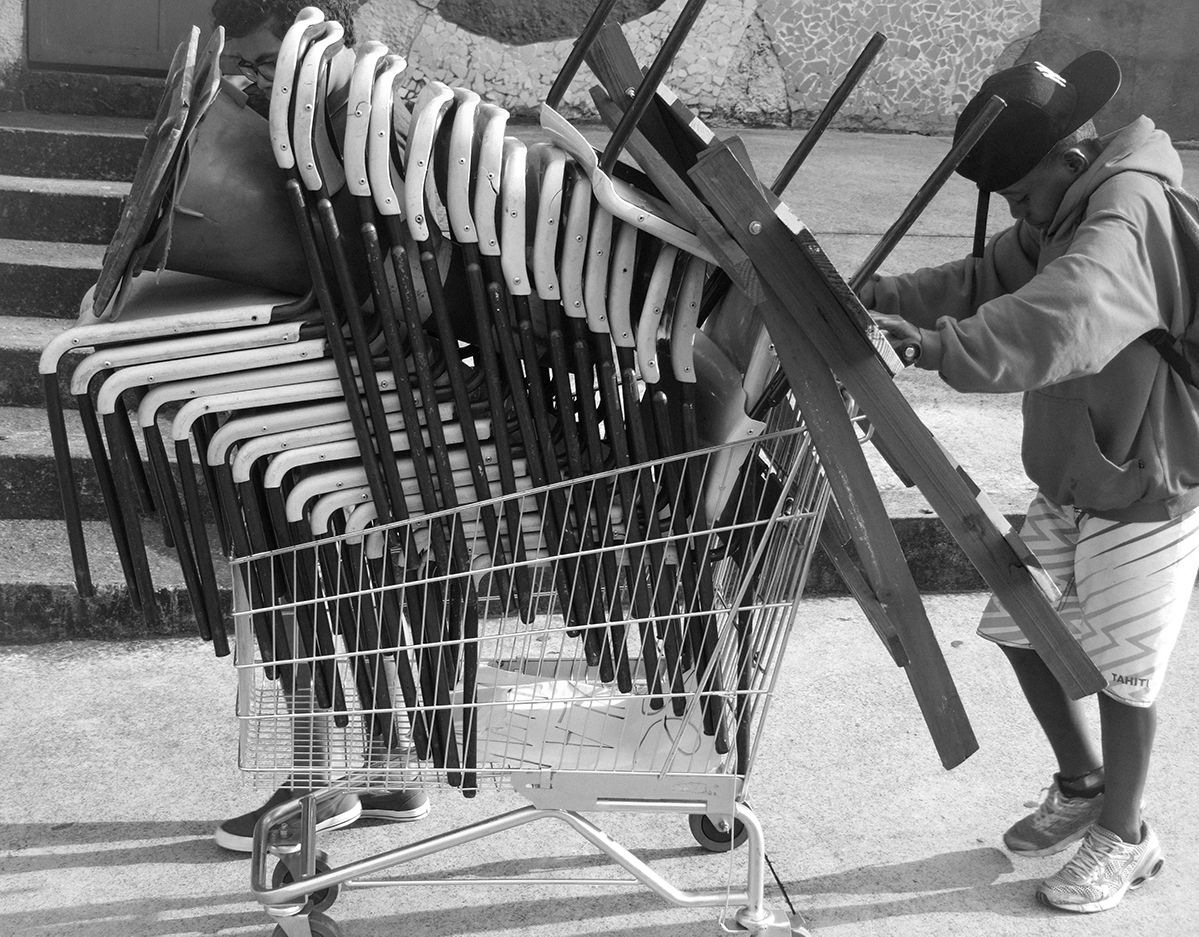
During the occupation, the students made decisions collectively, organising commissions for food, cleaning, communication and security. They became agents in their own education, discarding the traditional model in favour of creating a decentralised environment where they could teach themselves anything – from how to cook rice for 20 people, to the tenets of Marxism.
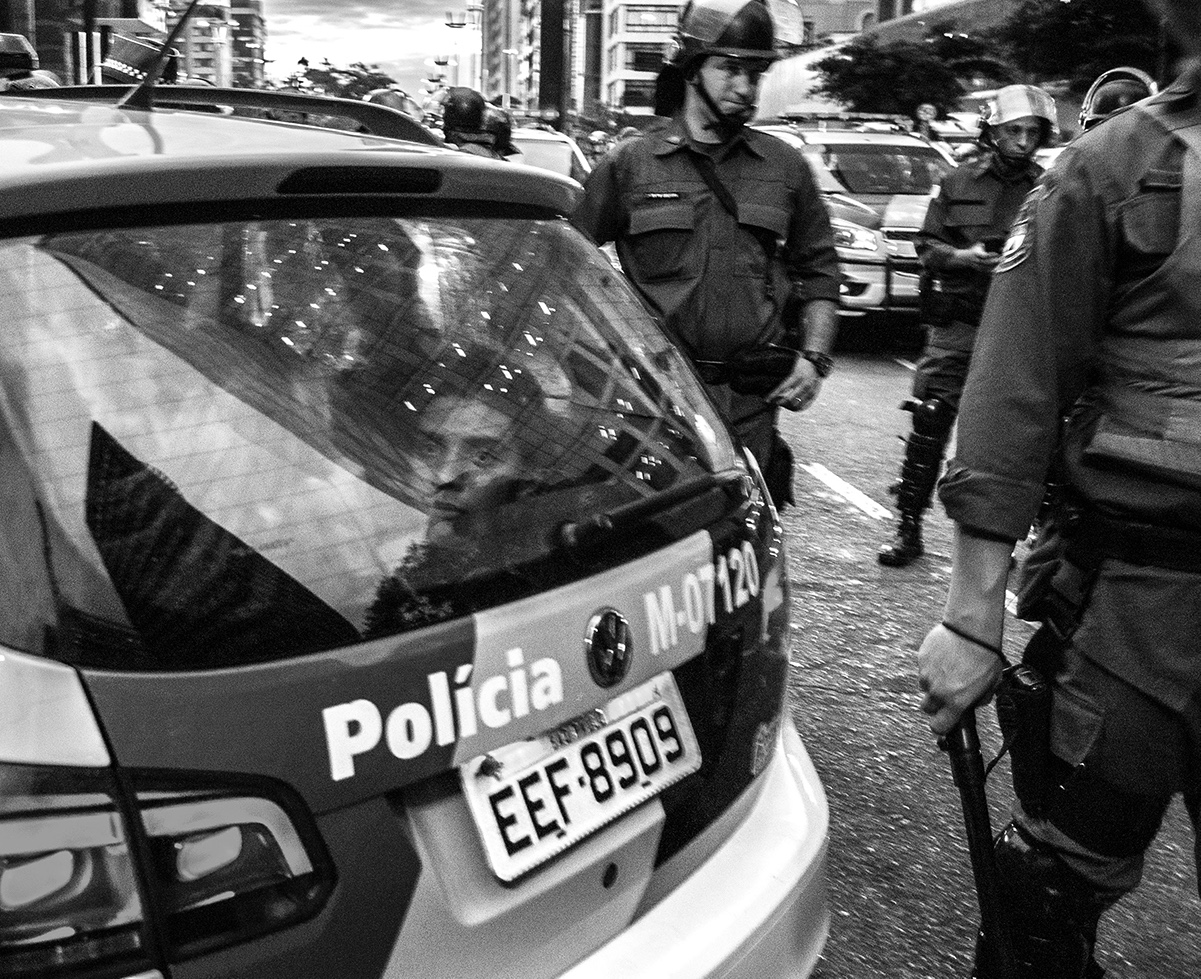
“The government responded very violently,” Esteves says, noting that then-Governor Geraldo Alckimin was infamous for being violent towards social movements. “The police could not enter the occupation so they attacked us on the street. A friend was kidnapped. We spent the night in despair until he reappeared bleeding on a road. The police showed him a folder with pictures of students and supporters and when he declined to identify them, they beat him up.”
Many occupants, then only 14-20 years old, have developed PTSD and anxiety as a result. Yet, as coletivA ocupação reveals, they have not given up hope. “Everything is possible when you are not alone,” Esteves adds. “Find the others and you will know what to do.”
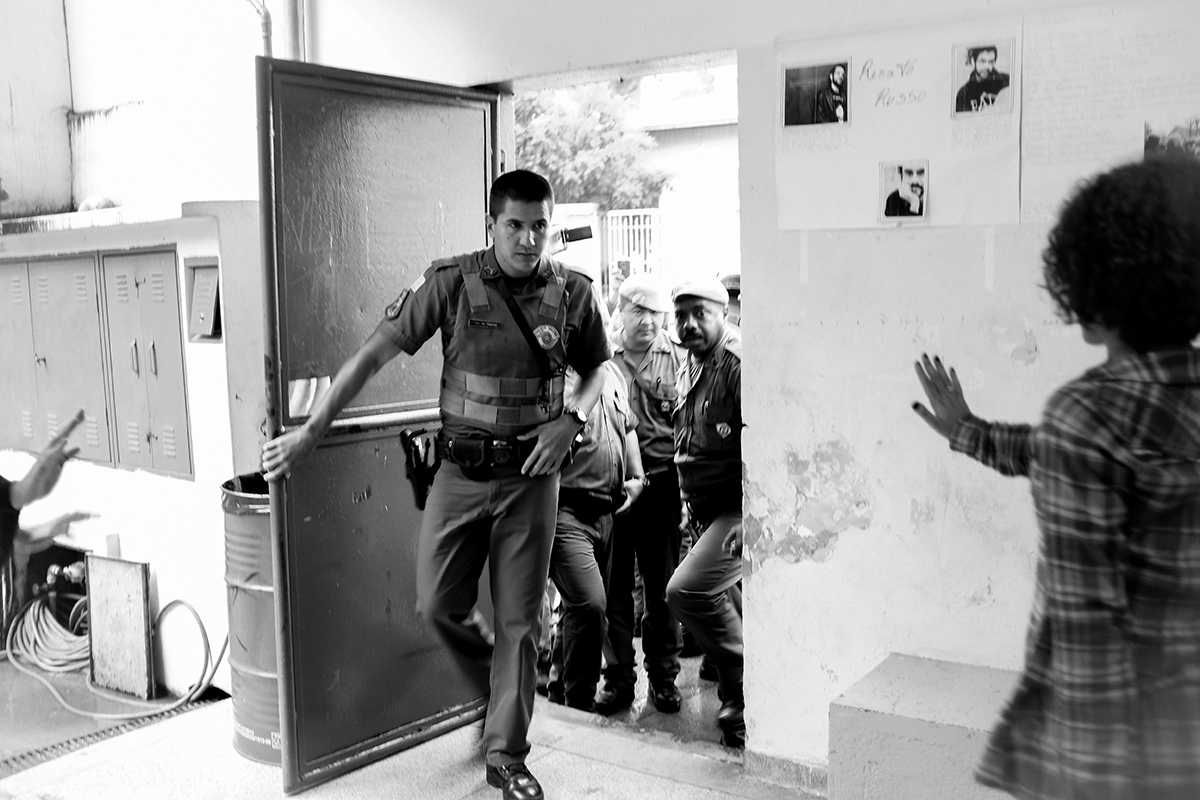
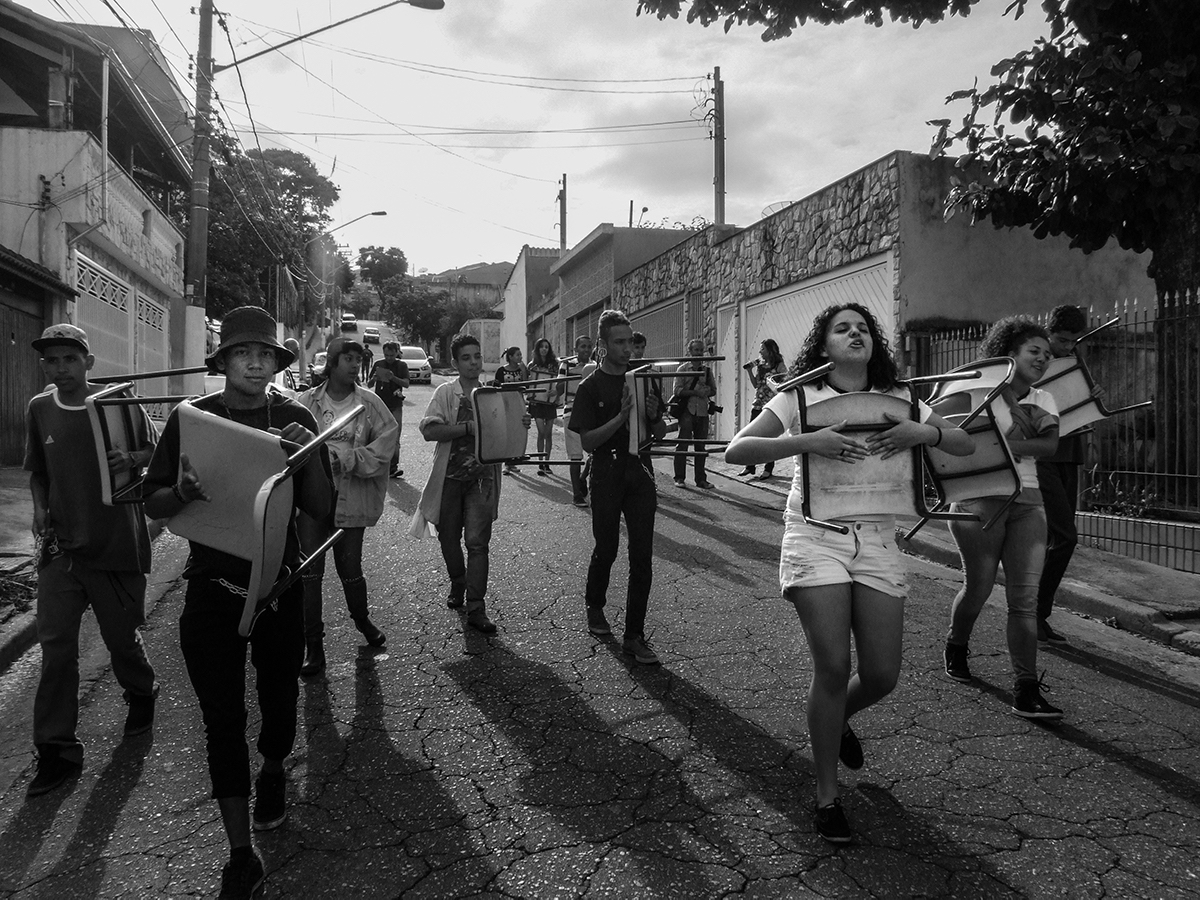
When It Breaks It Burns is at Battersea Arts Centre in London from February 19-26, 2020.
Follow Miss Rosen on Twitter.
Enjoyed this article? Like Huck on Facebook or follow us on Twitter.
You might like

In photos: Black Texas life since emancipation
Kinship & Community — A new photobook and exhibition showcases the rich culture, history and community of African American folks in the Lone Star State, whose existence in the region predates colonial Britain.
Written by: Miss Rosen

Youthful joy & end-of-era poignancy at a London school prom
Leavers — For several years, Lewis Khan documented young people as they celebrated the last of their school days and the completion of their exams. The series is now collated in a new self-published photobook and short film.
Written by: Zoe Whitfield

Harry Gruyaert’s vintage, kaleidoscopic scenes of New York
A Sense of Place — For 50 years, the Belgian photographer and Magnum Photos member has been capturing NYC’s colourful chaos. A new photobook and exhibition showcase his unique, technicolour view of the city.
Written by: Miss Rosen

In the pit at one of the UK’s last stock car & banger speedways
Stock Car Racing Isn’t Dead — Photographer Liam McCarthy spent time in and around the Arlington Raceway’s circuit, capturing the diehard community that keeps the sport alive.
Written by: Isaac Muk

Inside Lower Duck Pond, the nicest town on the internet
/r/HaveWeMet — With a population of 2,500 and no fixed location, the subreddit is a space for roleplaying citizens to solve mysteries, host fictional events and ultimately connect. In an internet that’s often divided and toxic, Vicky Jessop hangs out in one of its most wholesome corners.
Written by: Vicky Jessop

A major Nan Goldin exhibition is coming to London
You Never Did Anything Wrong — Opening at the Hayward Gallery in November, the show will debut a new film from the artist and activist, alongside a slate of recent work.
Written by: Jack Dennison-Thompson


