Down and out: Capturing the punk spirit of '70s London
- Text by Miss Rosen
- Photography by Miron Zownir

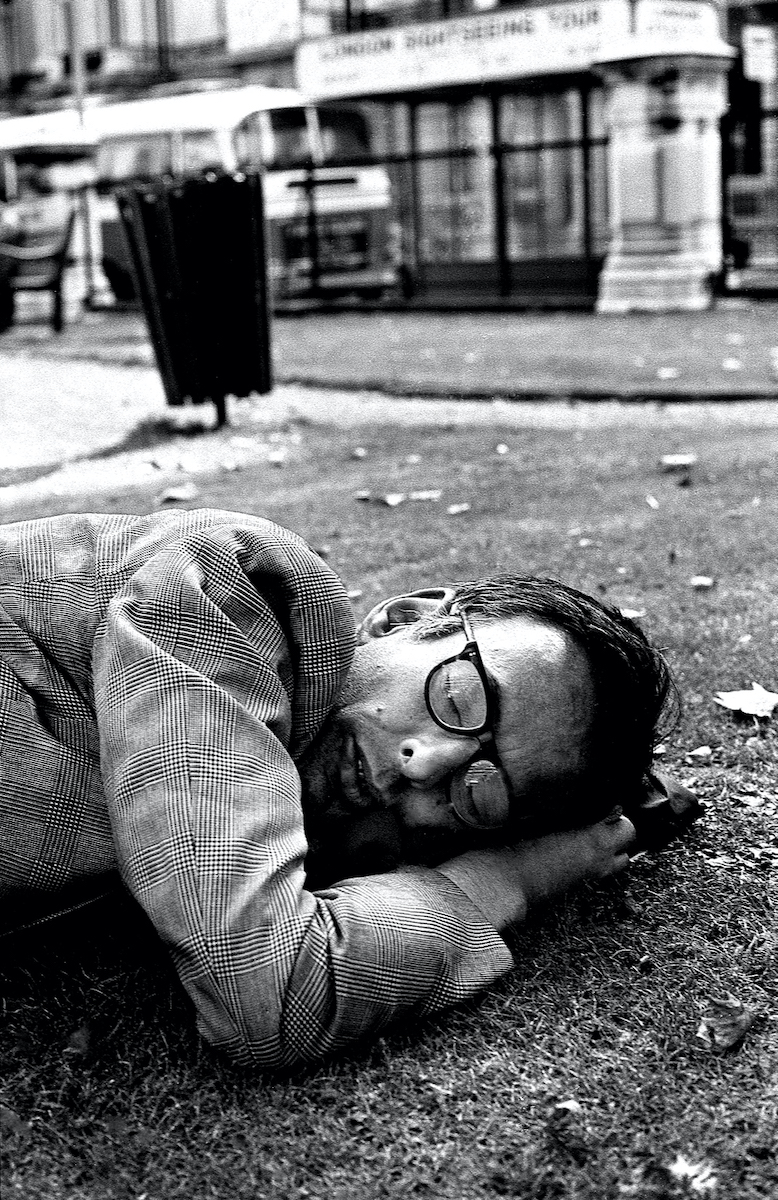
In 1978, as trade unions organised widespread strikes and the economy fell into a period of staggering decline, the UK was barrelling towards the Winter of Discontent. With inflation rising, the Troubles in Northern Ireland escalating, and independence movements across the world in full swing it looked as though the sun had finally set on the British Empire.
That year, German photographer Miron Zownir packed a bag and hitchhiked his way through a heavy snowstorm from Berlin via Brussels and Ostend to London. As Zownir remembers it, “After almost three years in Berlin being rejected in film school, surviving from underpaid temp jobs, feeling kind of oppressed by that grey, seemingly futureless, walled in spirit, I was open for any change and London sounded as good or better than any other city in Europe.”
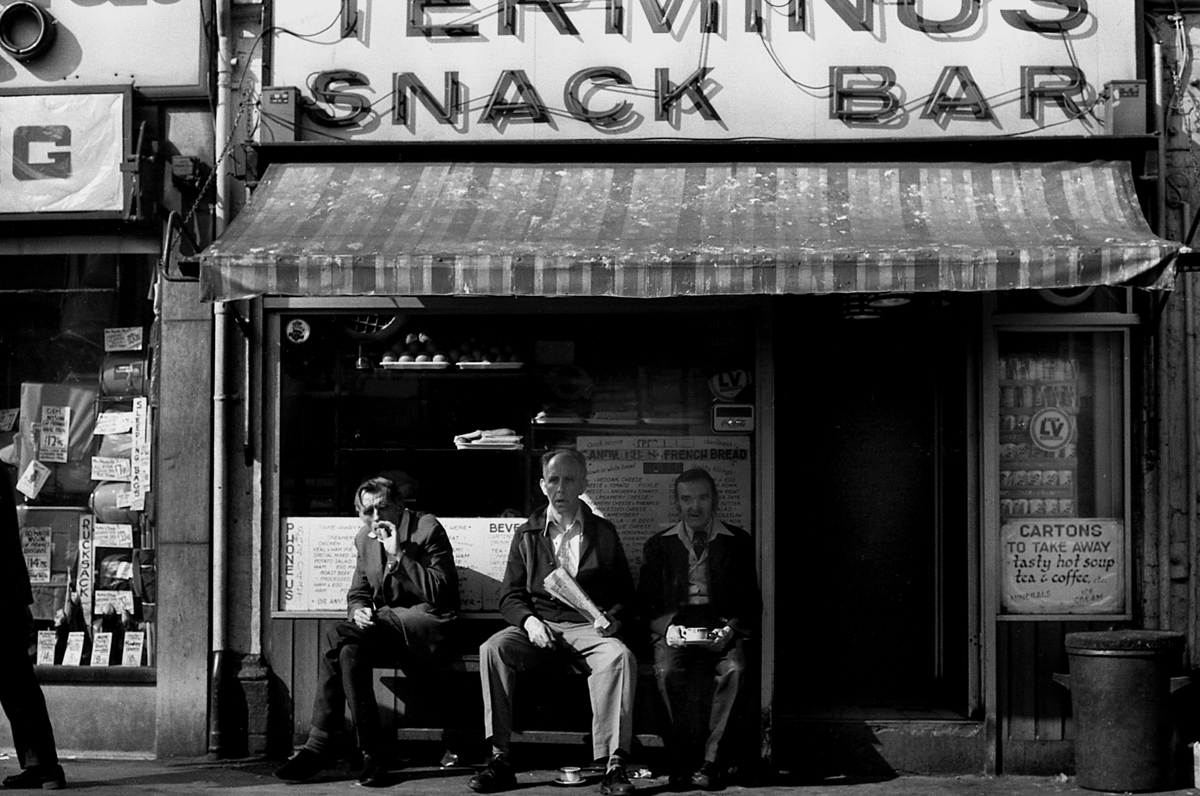
After finding a cheap flat in Earls Court, Zownir hitchhiked back to Berlin, borrowed his brother’s Volkswagen, and moved his things to London. Hailed by Terry Southern as the “Poet of Radical Photography,” Zownir embraced the emerging punk scene of the city, a distinctive mix of anarchy and utopia where the have-nots raged against the machine.
“In 1978 punk was very present, self-conscious and loud. But it started years earlier in the low-income areas of the big industrial centres in England, Belfast, and Dublin. It was a mixture of skinheads, anarchistic dropouts and nihilists,” Zownir says.
“I was intrigued by [punk’s] anti-establishment spirit, straightforward attitude and simple, basic, authentic and merciless music. Every punk seemed to carry ‘Nobody deserves a break’ as his motto. It was a cry out of the underdogs, an open revolt for a cultural change.”
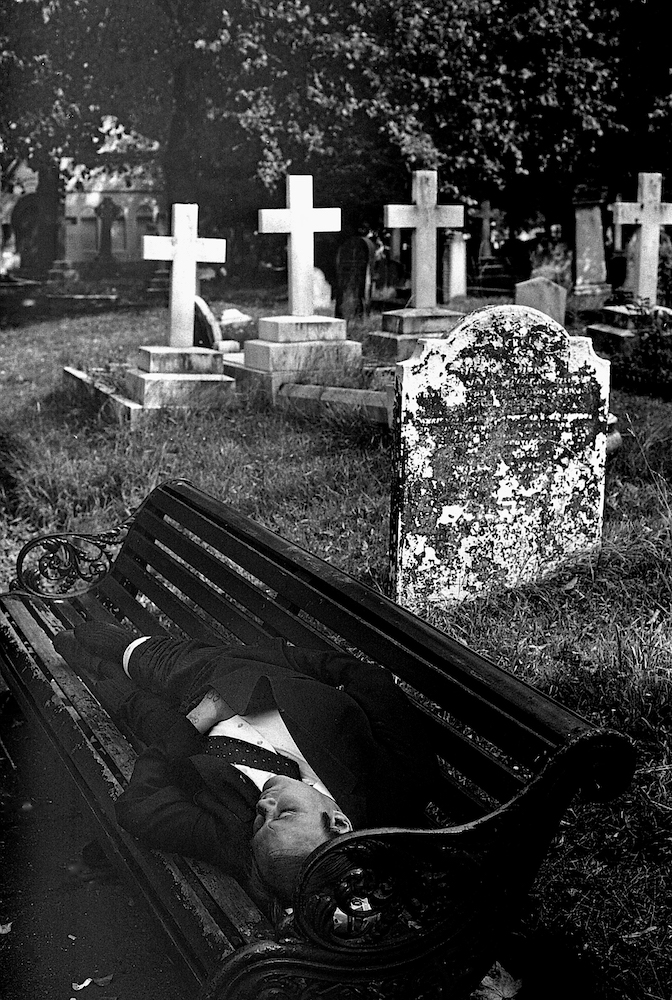
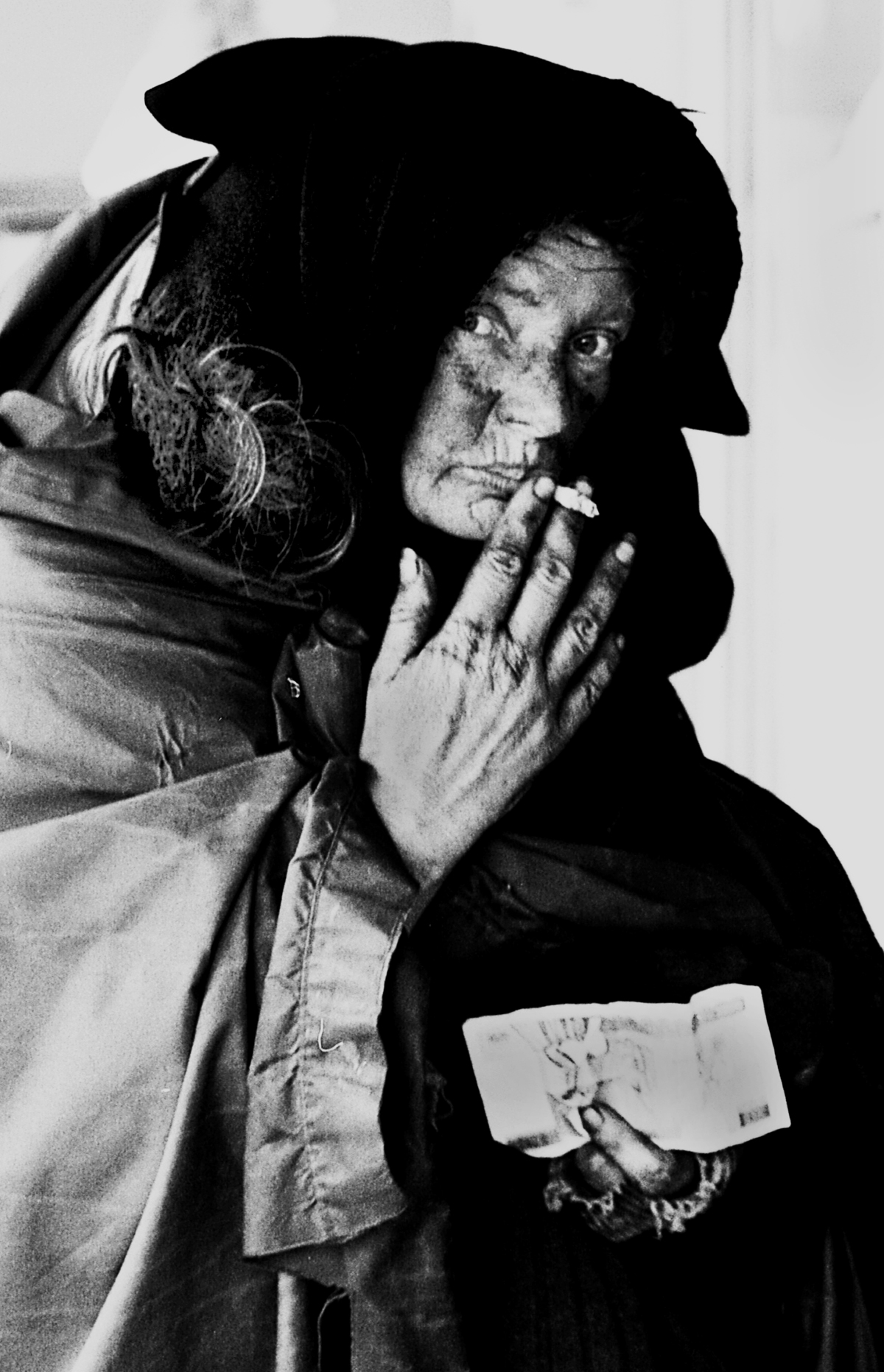
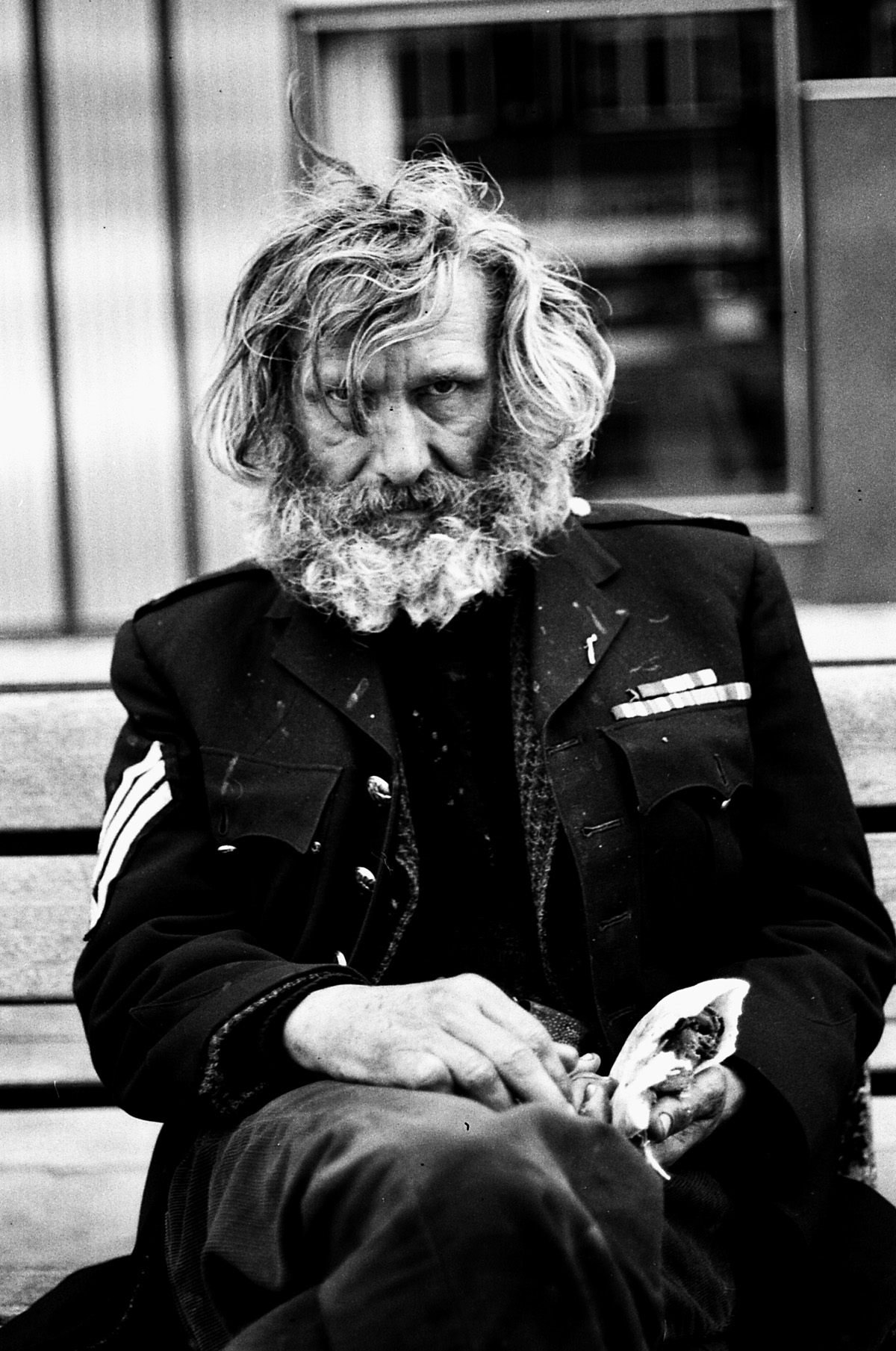
Zownir’s photographs offer a portrait of London that echoes George Orwell’s 1933 memoir, Down and Out in Paris in London, which explores the lives of the homeless with an intimacy and tenderness rarely afforded to them. “Money has become the grand test of virtue. By this test, beggars fail, and for this, they are despised,” Orwell writes.
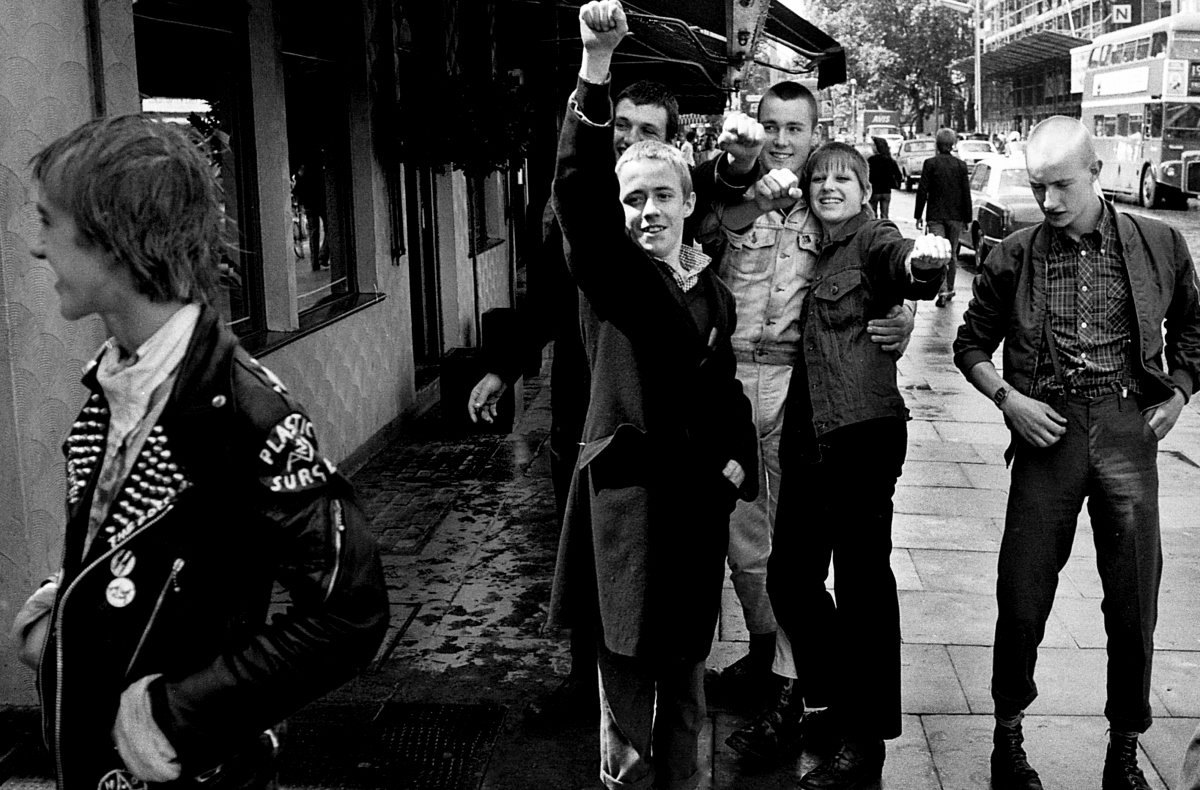
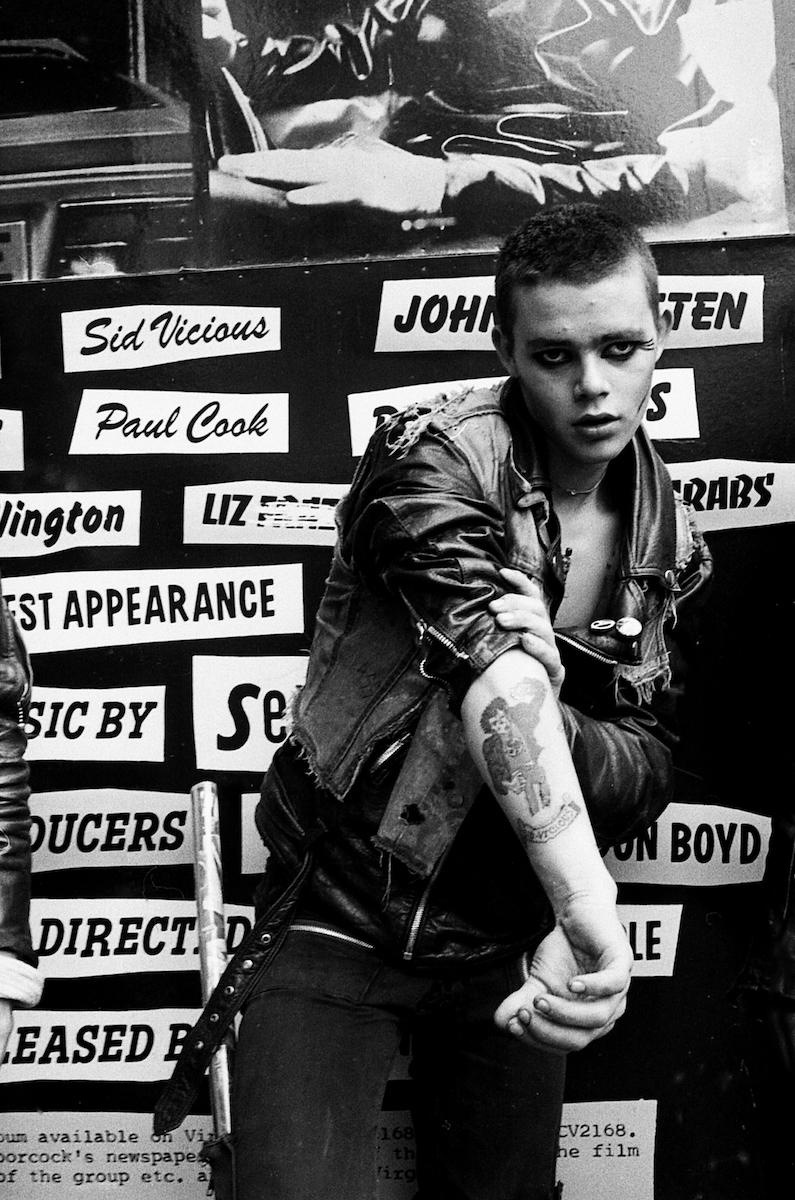
In this work, both Orwell and Zownir recognized the fundamental humanity and dignity that belies those forced to survive in the margins of society. “People who go to the extremes have to make it or burn out and end up in the gutter, as unfortunately many punks did. And the spirit that survived is a relic of the past.” Zownir says.
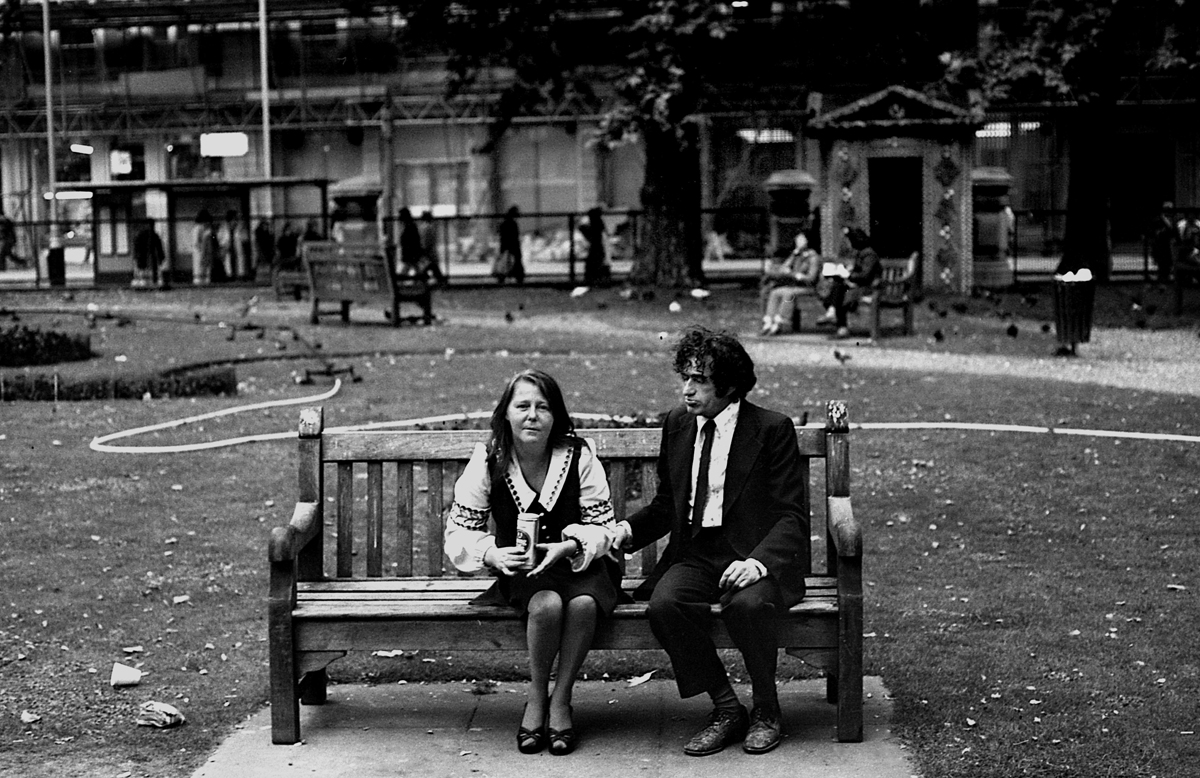
Despite the poor sanitation, dilapidated buildings, pollution, and abundance of crime, Zownir sees the ‘70s as a more fertile time. “Who could today hitchhike to London, get an affordable flat, a temp job or even social support and use his free time to take photos?” he asks.
“There were many loopholes, squatters, even some hippie spirit left — more analogue communication, less isolation, more funk, more hope and even the hate was concentrated to one clear nemesis and not diffused by multitudes of real and imaginary enemies. All in all, it was a much less polarised time.”
Follow Miss Rosen on Twitter.
Enjoyed this article? Like Huck on Facebook or follow us on Twitter.
You might like

The raw, fledgling intimacy of Peter Hujar’s contact sheets
Hujar:Contact — A new photobook highlights the process of the legendary queer photographer, and his process of growing into the artist he ultimately became.
Written by: Miss Rosen

Jesse Glazzard’s messy portrait of queer friends, lovers and chosen family
The Sound of Dirt and Beauty — The photographer’s debut monograph explores tender, unpolished moments shaped by the people who he surrounds himself with, while offering a window into the UK’s working-class LGBTQ+ community.
Written by: Sunny Sunday
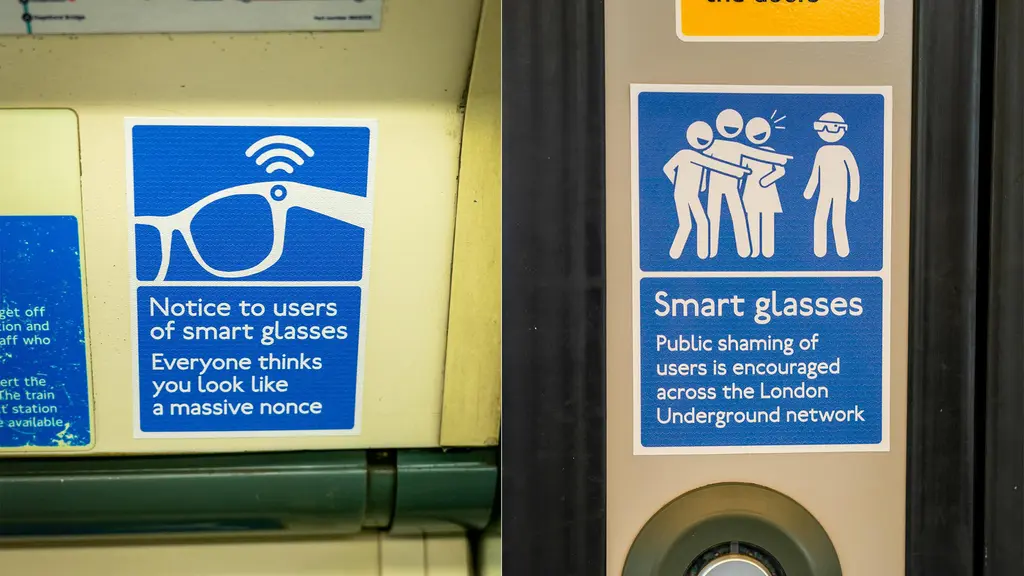
Activists slam “pervert glasses” in new guerrilla campaign
Everyone Hates Elon — Stickers have appeared on the London Underground network, criticising the wearable technology’s covert filming capabilities.
Written by: Isaac Muk

Behind the curtain at Alternative Miss World 1981
Olympia glamour — Running a subversive take on the traditional beauty pageant, the Andrew Logan organised event prioritised underground creativity and invention. Photographer David Corio went behind the scenes at its biggest edition.
Written by: Miss Rosen

Dan Lacey: “BMX is forever evolving”
Overground — Steph Pomphrey caught up with the two-wheel legend after his latest meet in east London, chatting about fatherhood, music and action sports within the outdoor industry.
Written by: Steph Pomphrey

The battle for the soul of lockpicking
Under locksport and key — In recent years, breaking locks for fun has grown from a niche hobby into an activity followed by millions of people. As it has matured, so have tensions over who sets the rules.
Written by: Jack Dennison-Thompson


