Why this photographer risks her life to document war and crisis around the world
- Text by Lynsey Addario
- Photography by Lynsey Addario

Everyone has their own reasons for covering war. There are people who do this job because they like to live on the edge or because they’re running away from something. My reasons are more politically or sociologically driven.
I remember walking into a Sebastião Salgado exhibition, seeing these wall-sized photos and being completely overcome with emotion. I had just started photography and was shocked that an image could have such an effect on me. Realising the power of a photograph to tell stories was life-altering. I thought, ‘This is something I want to do as a means of communication.’
It wasn’t until a few years ago, when I sat down to write a book and used my photos as a reference, that I began looking at my body of work collectively. The main topics I’ve covered repeatedly are women’s issues, refugees and civilians in war. For me, those subject matters are my voice – they’re powerful enough that I don’t need to insert myself.
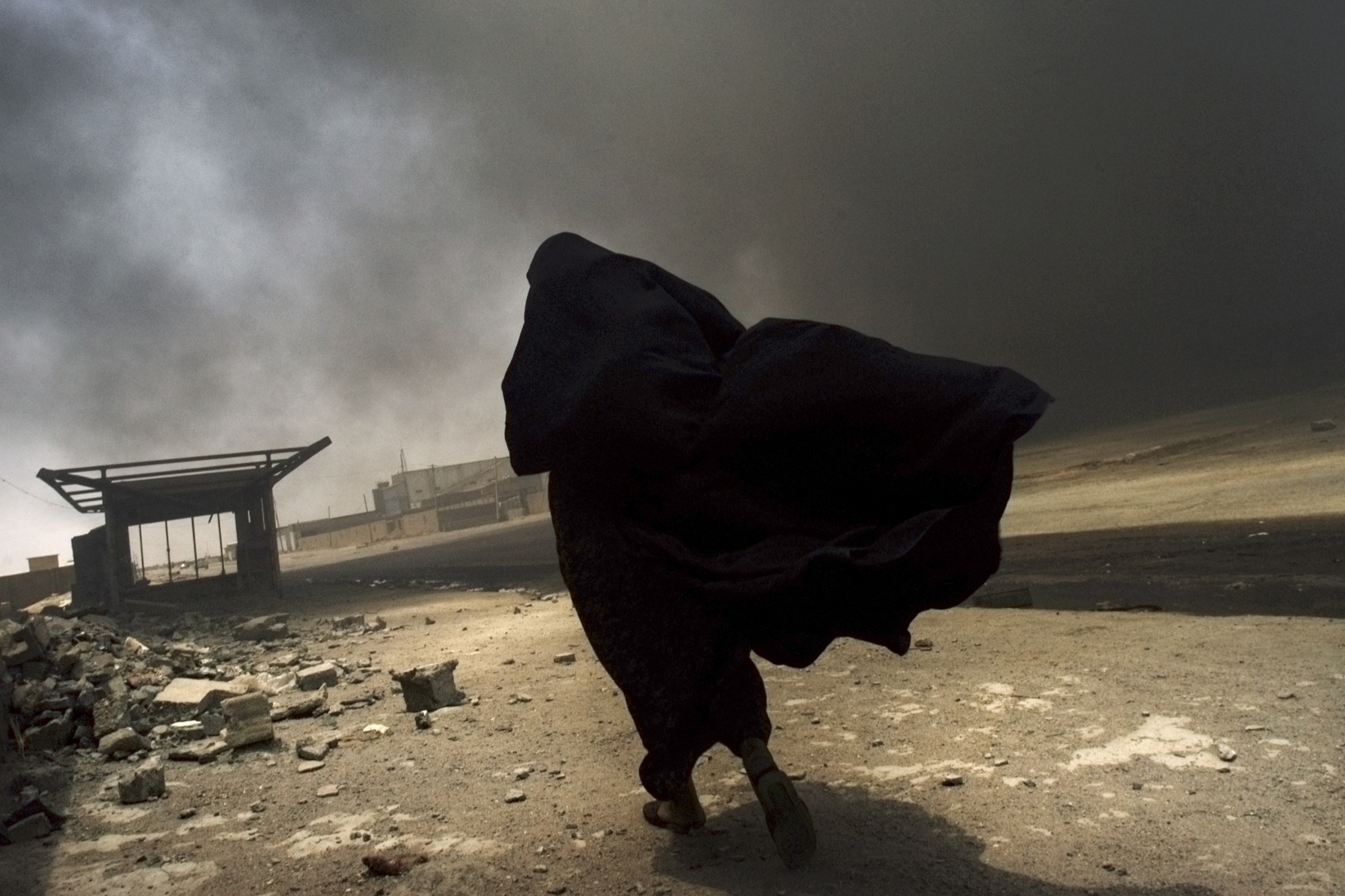
An Iraqi woman searches for her husband at the site of a liquid-gas factory fire, allegedly set by looters in Basra, May 2003.
I never want to be in a situation where I’m covering something out of habit. I have to feel passionately about whatever I’m doing in order to do justice to the people I cover. And you better have a reason for doing this work, because it’s not easy.
Yes, it’s adventurous and fun but most people, unless it’s another photojournalist, can’t conceive of why I would live my life like this. For years, I didn’t have an answer apart from, ‘It’s what I believe in.’ There are so many people who go through life and never find a calling but anyone who is driven by something larger than themselves will understand.
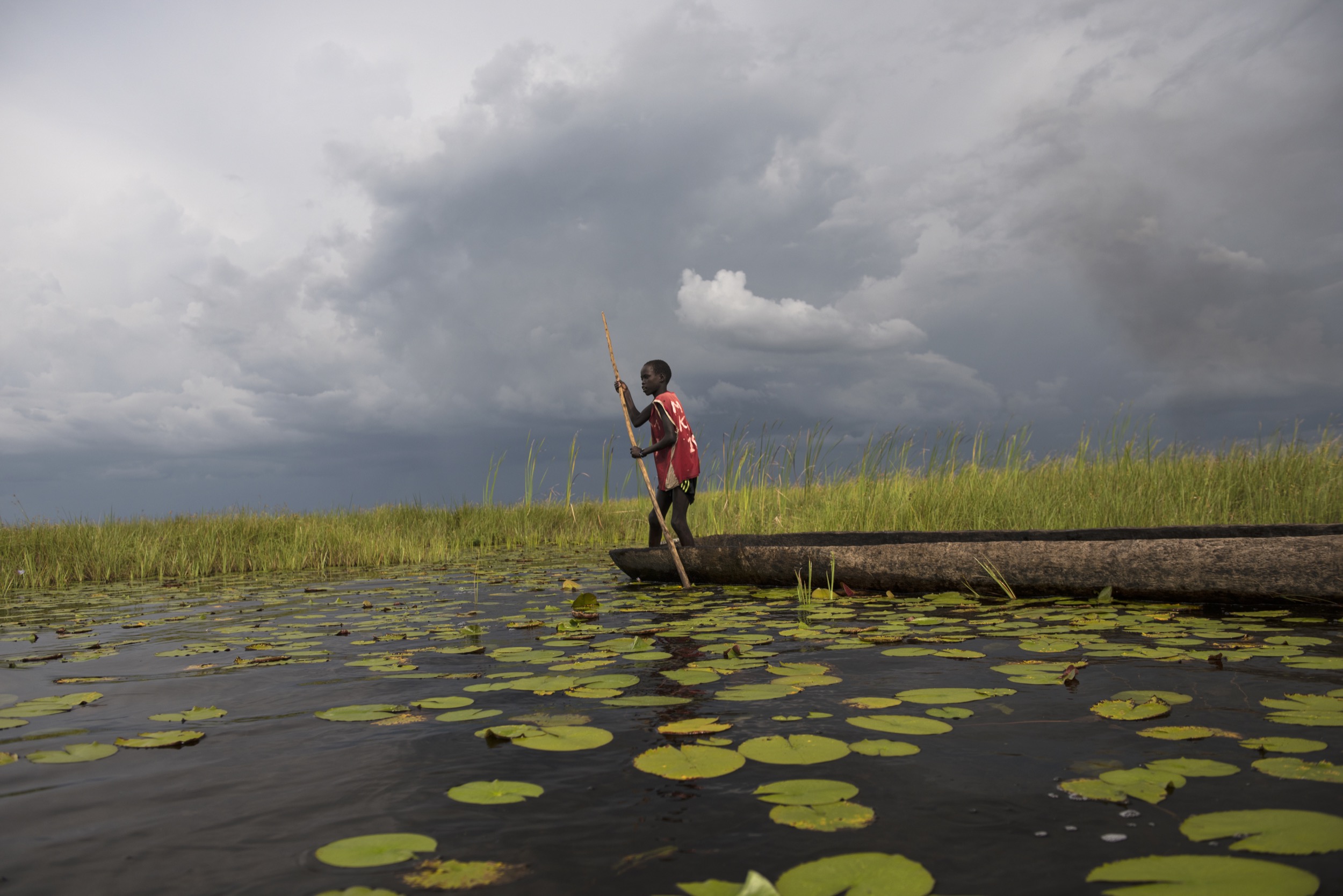
Nine-year-old Chuol fishes for tilapia in a vast swamp in South Sudan after fighters swept into his village, September 2015.
Growing up, my family home was filled with people who were considered on the margins of society, like men who dressed as women. And in 1970s Connecticut, that was quite a big deal. I was always taught to respect people for who they are and I think that helps substantially in the work I do because I can feel comfortable around anyone.
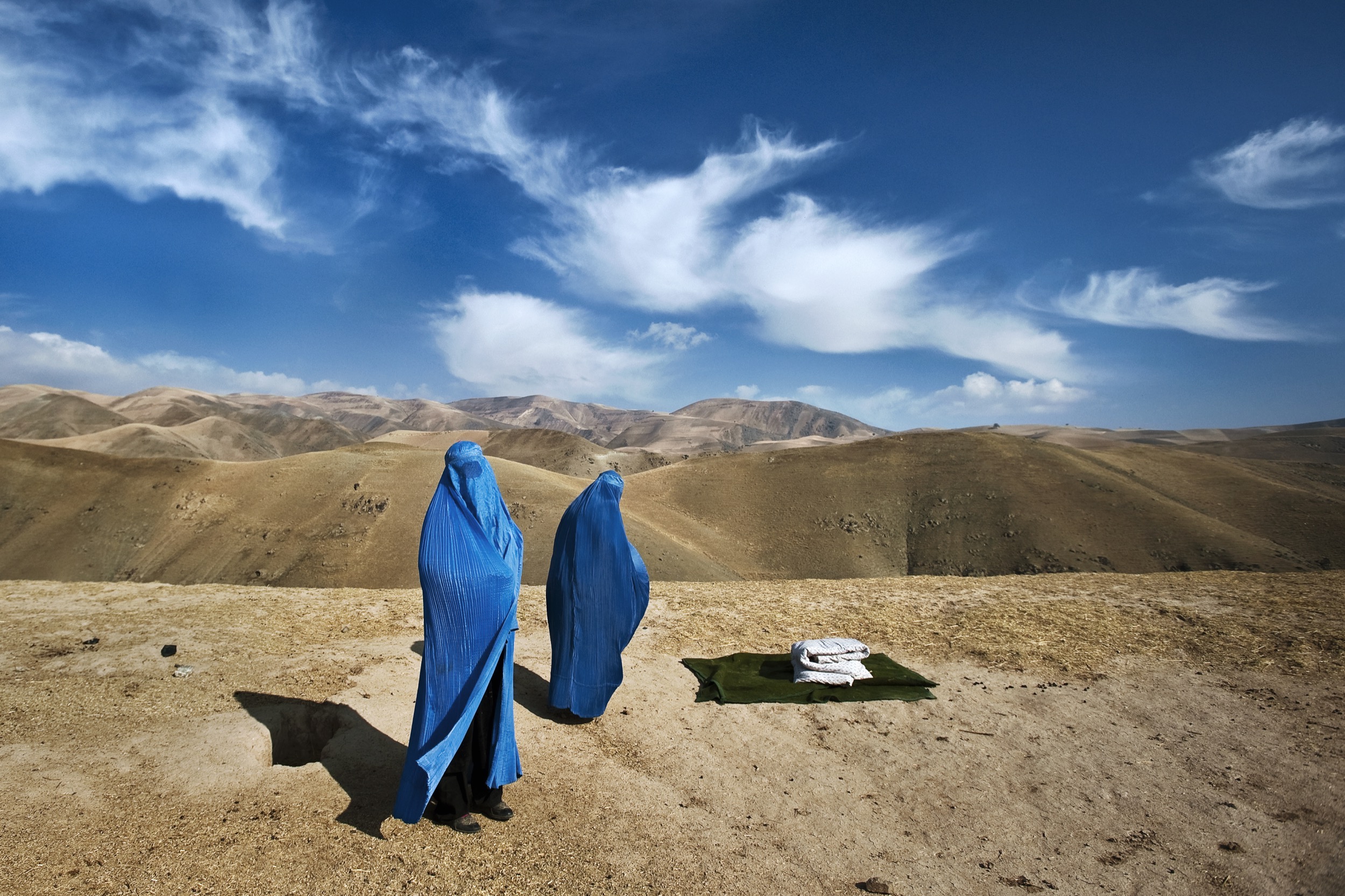
Noor Nisa, accompanied by her mother, prepares to give birth after their car broke down in Badakhshan Province, Afghanistan, November 2009.
I never studied photography but there is an inherent responsibility to learn about the countries and cultures that you cover. It’s not just about taking a pretty picture. You have to know that if you photograph a woman in Afghanistan without her family’s consent, you can get her killed.
I’m the first person to admit that this job, as selfless as it may be, is also incredibly selfish. What we put our loved ones through is horrific. My husband, mother, father and sisters have to wonder if I’m going to come home. When I’m in survival mode somewhere, I’m trying to get through each moment by staying alive. I’m not seeing how what happens to me affects friends and family.
But when photojournalists Tim Hetherington and Chris Hondros were killed in Libya, it felt like my world came crashing down. I realised that so much of this job comes down to luck. We [a group of four New York Times journalists] should’ve been killed in Libya. We stayed too long and made decisions that led to our kidnapping and ultimately the death of our driver. But I talk about these things openly because I think that asking questions and thinking back over what happened is important.
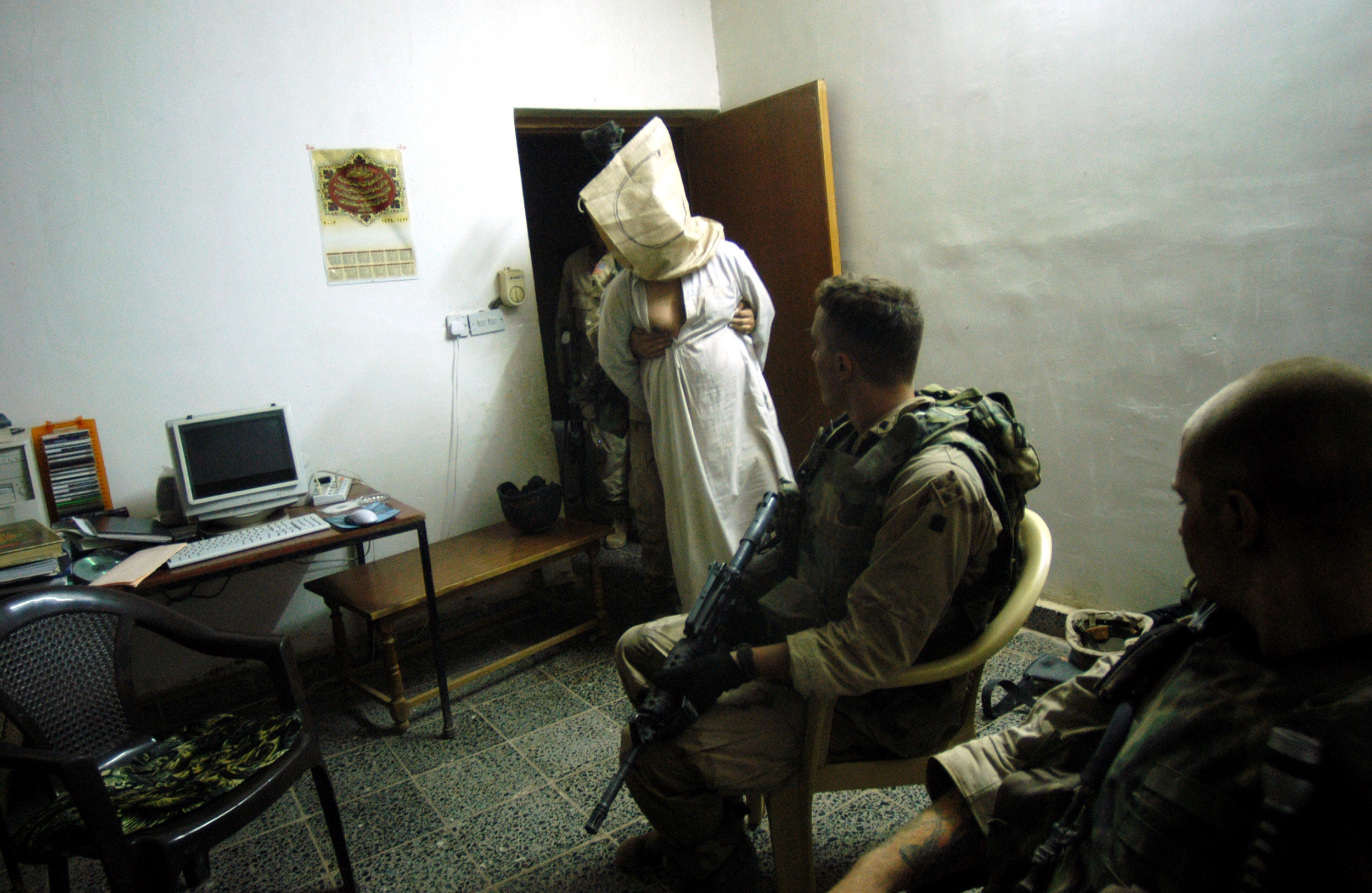
US soldiers stand over detained Iraqis, believed to be supporters of former Iraqi leader Saddam Hussein, 30km north of Baghdad, June 2003.
As much as I try to be tough and hold myself together, the longer I do this, the more emotional I am. I’ve seen so many people die over the years. It doesn’t get easier but I just learn to manage.
In the case of Staff Sgt. Larry Rougle, who was killed in Afghanistan by the Taliban in 2007, I had come to know him over several months and, in the moment of his death, the futility of war was so apparent to me. It seemed like such a waste of life. My answer to that is just to let myself cry and keep shooting. I have to stay focused. This is what I need to be doing with my life.
I believe people need to have perspective. I wasn’t aware of the inequality that exists around the world until I started travelling and seeing injustices first-hand. So many are born into situations of hardship that I think it’s our responsibility to understand or at least be aware of what’s happening and, if possible, to do something about it.
It’s What I Do: A Photographer’s Life of Love and War is published by Corsair.
This article appears in Huck 57 – The Documentary Photo Special IV. Subscribe today so you never miss another issue.
Enjoyed this article? Like Huck on Facebook or follow us on Twitter.
You might like

The last days of St Agnes Place, London’s longest ever running squat
Off the grid — Photographer Janine Wiedel spent four years documenting the people of the Kennington squat, who for decades made a forgotten row of terraced houses a home.
Written by: Isaac Muk

How Japan revolutionised art & photography in the ’60s and ’70s
From Angura to Provoke — A new photobook chronicles the radical avant-garde scene of the postwar period, whose subversion of the medium of image making remains shocking and groundbreaking to this day.
Written by: Miss Rosen

Artifaxing: “We’ve become so addicted to these supercomputers in our hands”
Framing the future — Predominantly publishing on Instagram and X, the account is one of social media’s most prominent archiving pages. We caught up with the mysterious figure behind it to chat about the internet’s past, present and future, finding inspiration and art in the age of AI.
Written by: Isaac Muk

The lacerating catharsis of body suspension in Hong Kong
Self-Ferrying — In one of the world’s most densely packed cities, an underground group of young people are piercing their skin and hanging their bodies with hooks in a shocking exploration of pain and pleasure. Sophie Liu goes to a session to understand why they partake in the extreme underground practice.
Written by: Sophie Liu

What we’re excited for at SXSW 2026
Austin 40 — For the festival’s 40th anniversary edition, we are heading to Texas to join one of the biggest global meetups of the year. We’ve selected a few things to highlight on your schedules.
Written by: Huck

In photos: The boys of the Bibby Stockholm
Bibby Boys — A new exhibition by Theo McInnes and Thomas Ralph documents the men who lived on the three-story barge in Dorset, giving them the chance to control their own narrative.
Written by: Thomas Ralph


