
An intimate portrait of a woman’s ‘second puberty’

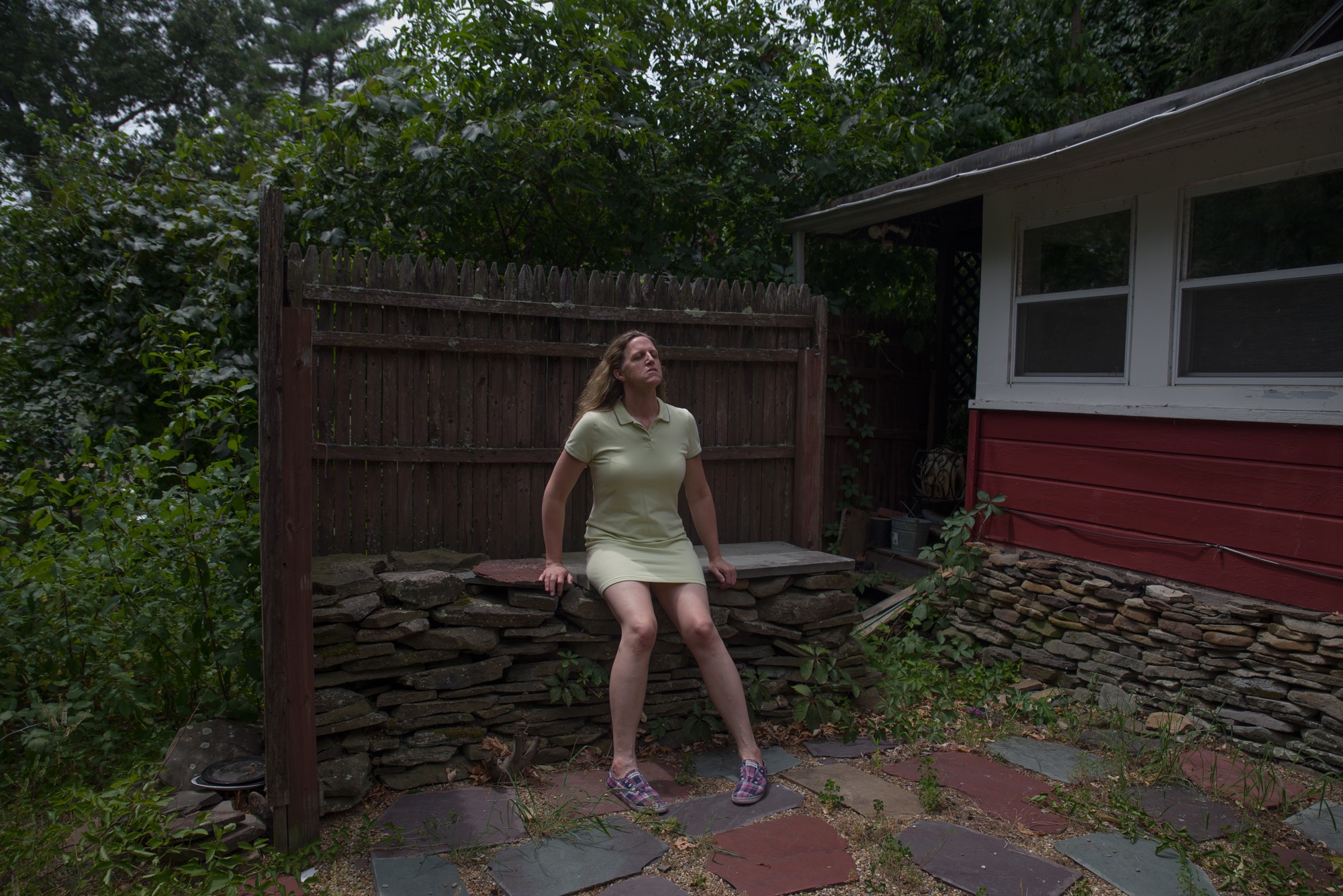
In 2013, photographer Jennifer Loeber began photographing Lorelei Erisis, a middle-aged trans woman in the midst of what she called her “second puberty.”
Loeber – based in New York – first met Lorelei in the ’80s when they attended summer camp together as teens. Although they retained several mutual friends, the two eventually lost touch during college and remained out of contact for over 20 years.
“I ended up reconnecting with her on Facebook,” Loeber explains. “And it was then that I found out that she had transitioned from Robert to Lorelei.”
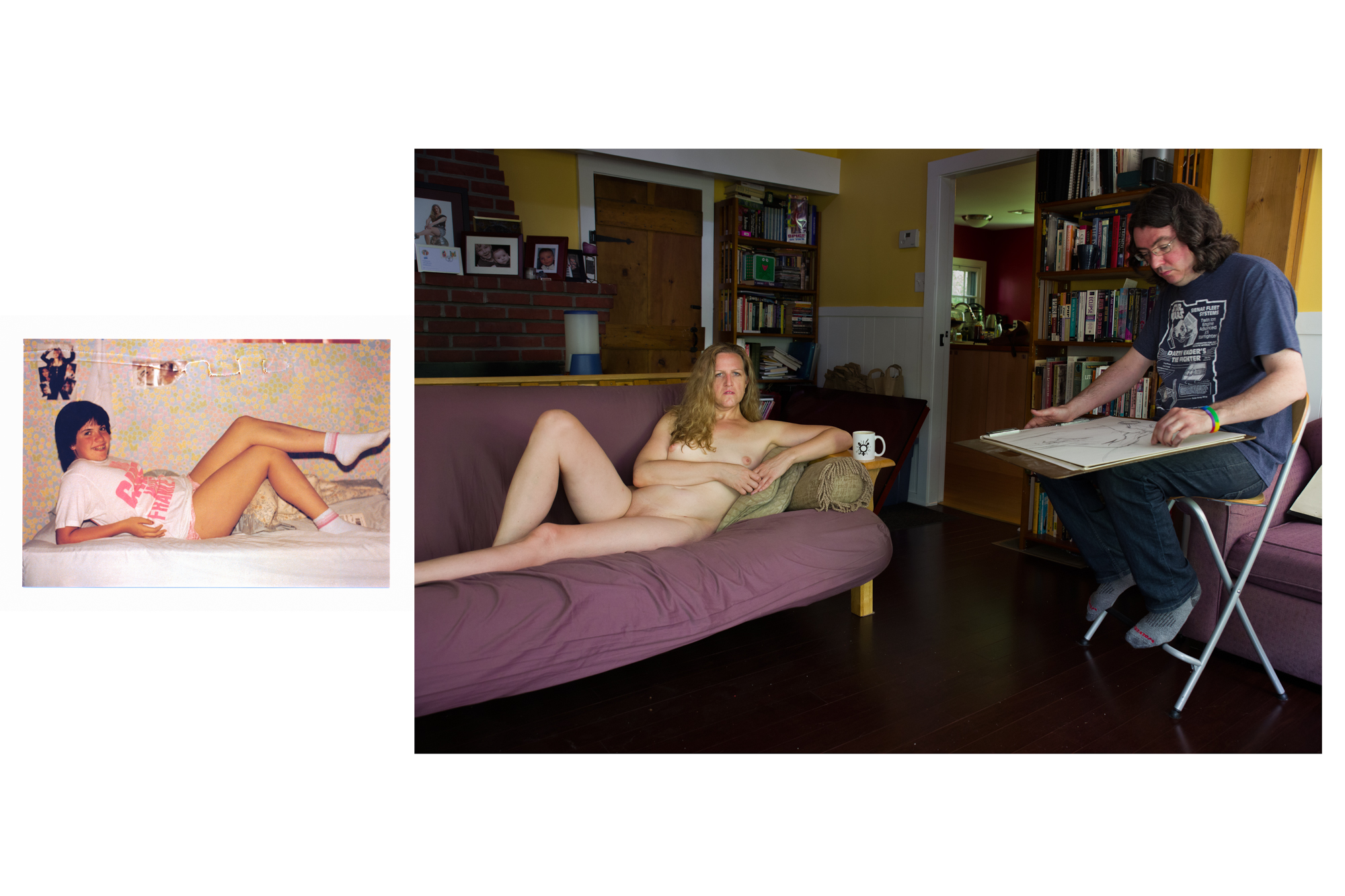
“At the time, I was shooting a nude series, so I asked her if she would be interested in posing for that. Considering we hadn’t spoken in 20 years, I expected her to be like ‘no’, but she said yes immediately.”
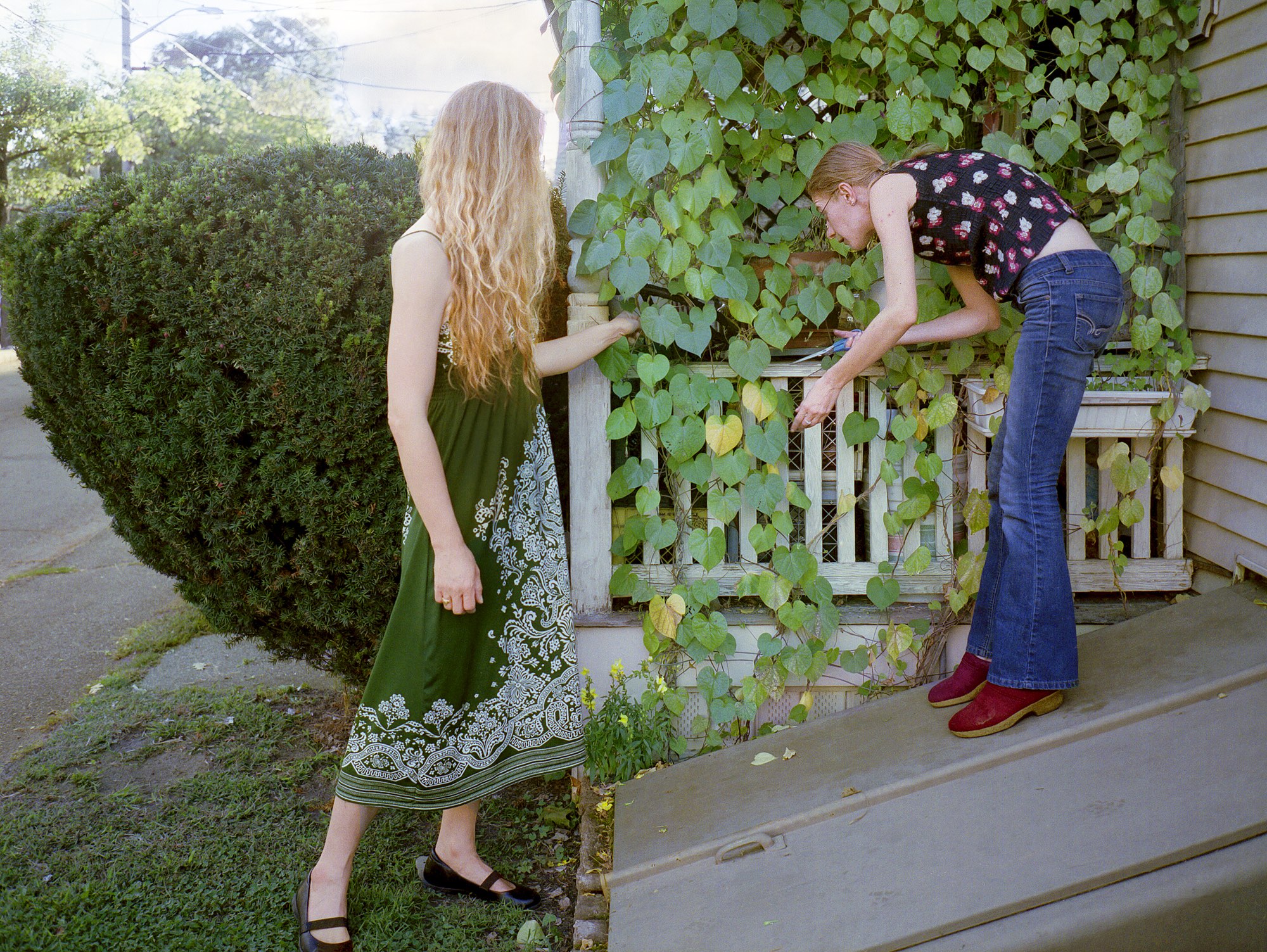
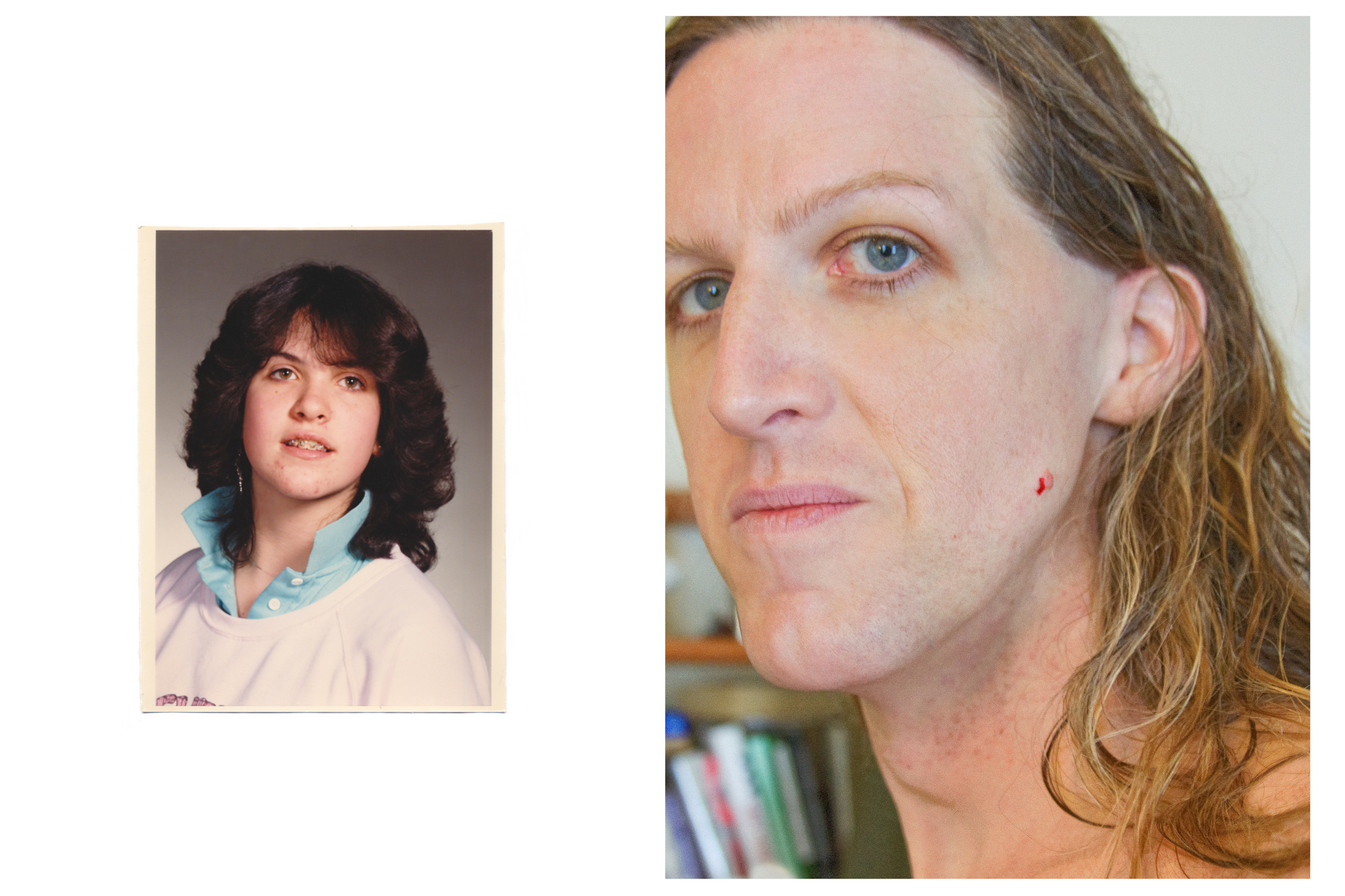
At the time, Lorelei was due to visit New York to perform in a comedy show, so it was arranged that she would stay at Loeber’s apartment for the weekend she was in town. When she eventually arrived, the two old friends wasted no time in catching up.
“By the end of that weekend,” Loeber continues, “I was like, ‘I think your story is more than just this one image – would you be interested in having me follow you with a camera?’ …She was like, ‘yeah, sure.’”
The subsequent series – titled Gyrle – ended up encompassing five years of shooting, with Jennifer making three to four trips per year to Lorelei’s home in Massachusetts, as they simultaneously rekindled their old friendship and renegotiated a new one.
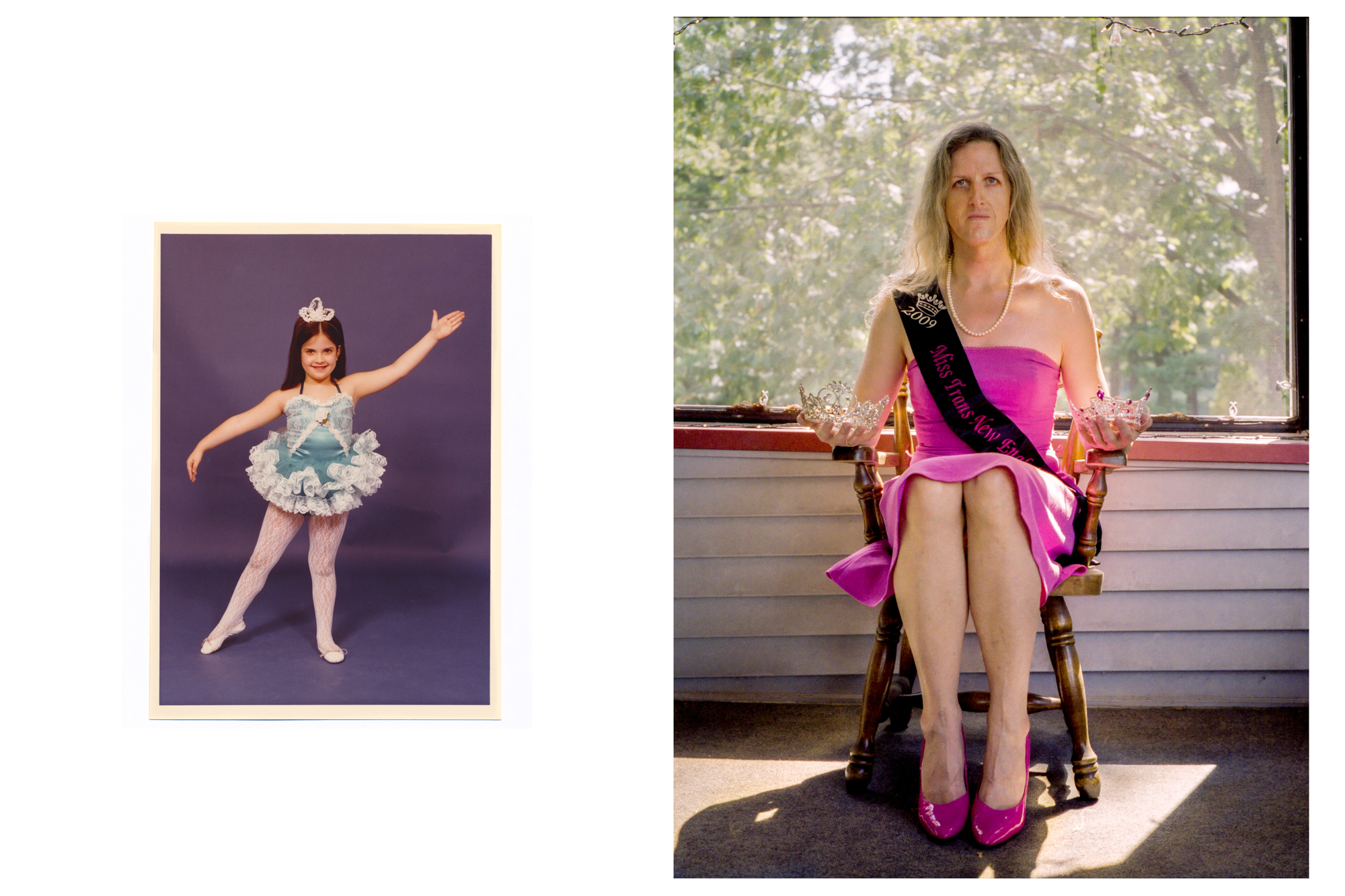
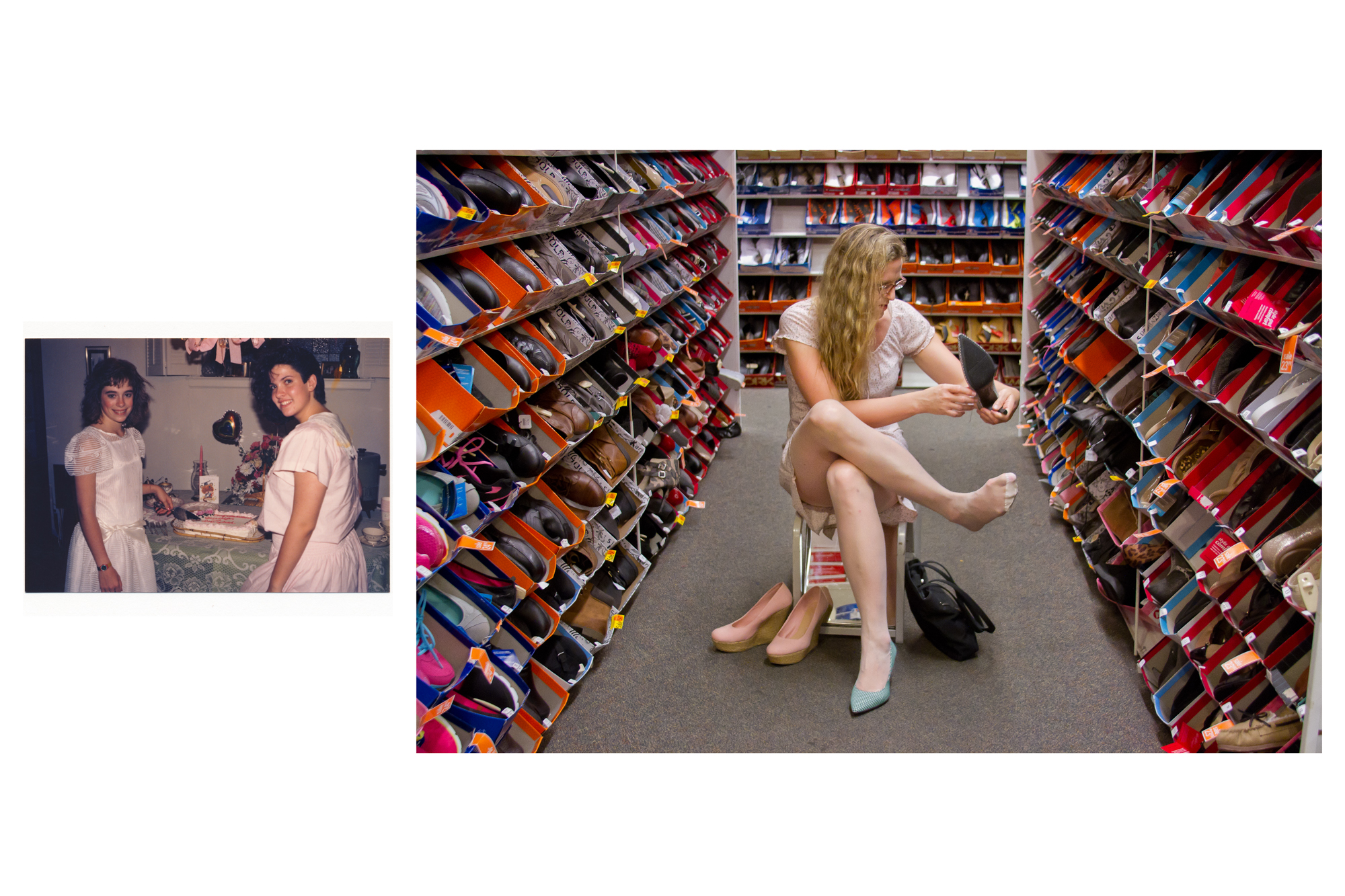
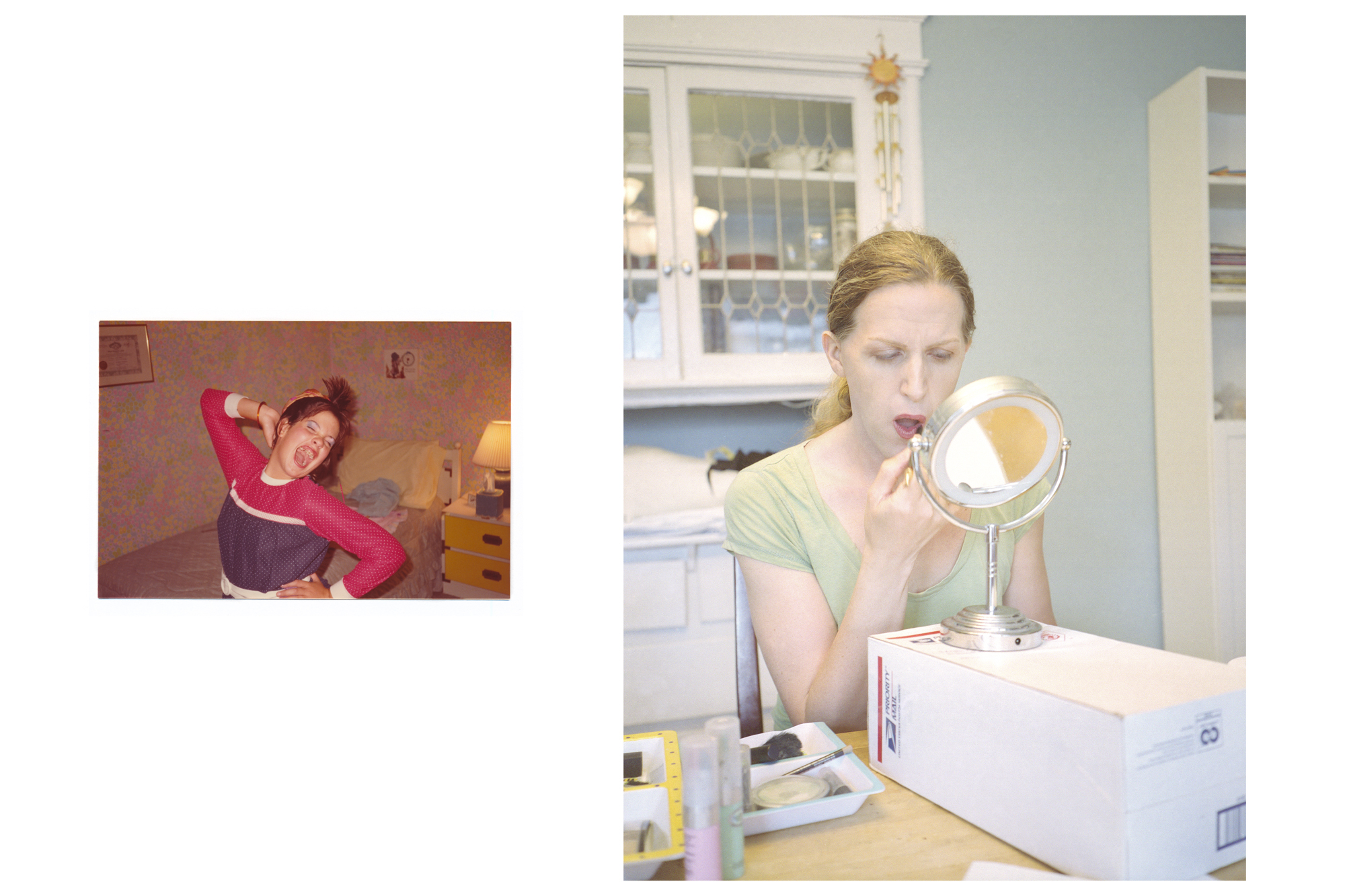
As a body of work, the project explores and questions different ideas of gender expression: Loeber places photographs of Lorelei alongside archival images of herself as a teen, illustrating two individual journeys of girls navigating the universal experiences of womanhood.

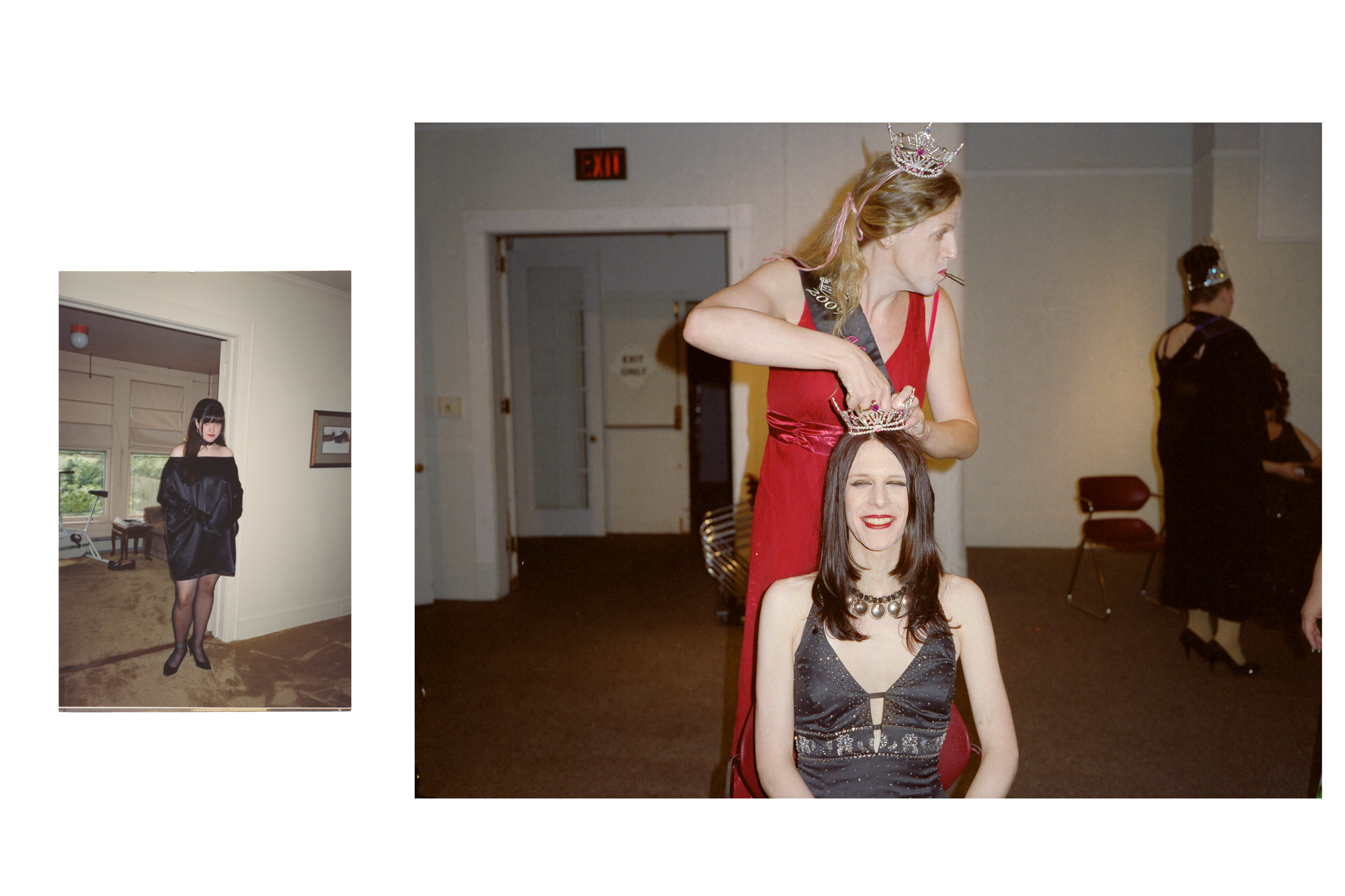
Visually speaking, too, the two journeys mirror each other as they intersperse – be it a certain pose, expression or event depicted – further entangling their two stories.
“It wasn’t until we started shooting that I started to see so many similarities to my own adolescence, and puberty, and all that stuff you go through as a girl: figuring out how to be a woman in the world,” Loeber says.
“When it comes to [depictions of] trans people, especially some of the photography projects I’ve seen, the differences seem to be the things that are most important. I don’t think that’s what it should be. I think the similarities help reframe people’s ideas of gender.”


See more of Jennifer Loeber’s work on her official website.
Enjoyed this article? Like Huck on Facebook or follow us on Twitter.
You might like

What went down at Huck’s 20th birthday party
84 issues and counting — We took over east London’s Jaguar Shoes with friends old and new to celebrate two decades and our new issue, with Tony Bontana taking the decks for a special set.

Photos of friends, lovers and afters in Berlin’s party scene
Dreams and How to Keep Them – Vincent Wechselberger’s new monograph documents a decade of hedonism in the German capital, and the people he met along the way.

Inside the Los Angeles scene kid revival
The Rawring ’20s — For the cover of Huck 84, photographer Alexis Gross and writer Anna Zanes meet the latest faces of scene, who are finding freedom to express themselves through its technicolour, unafraid aesthetic.

Introducing our new issue of Huck Magazine: It Starts With Us
Huck 84 — For our second 20th anniversary issue, we spotlight 20 people and groups providing the world with a hopeful future.

The sharp rise of video game photography
Point, shoot — As the entertainment medium’s fidelity levels increase and developers build more powerful tools, a growing community of gamers are pushing the boundaries of image making in virtual worlds. Vicky Jessop meets people at the forefront of the emerging artform.

Joyous photos from the heart of the UK’s radical free festival movement
Common Grounds — The photographer has been capturing British counterculture for the past half century. A new exhibition looks at his archive sitting at the intersection of music, community and grassroots protest.


