The Gidi Tribe: Nigeria’s most exciting new youth movement
- Text by HUCK HQ
- Photography by Tom Saater

Chinedu Okeke and Oriteme Banigo started Gidi Culture Fest back in 2014, after feeling increasingly frustrated by the lack of community spaces available for young, culturally savvy Nigerians.
Now, five years later, the annual one-day festival has established itself as one of the biggest music events in the country: doubling in size with each outing, and shifting the world’s perceptions of young African culture.
“Gidi Fest started out of frustration of there not being enough outdoor events that brought the youth together,” explains Okeke. “We wanted to create a safe place that would allow the youth to channel their energy towards something positive. More than a festival, it was about a movement.”
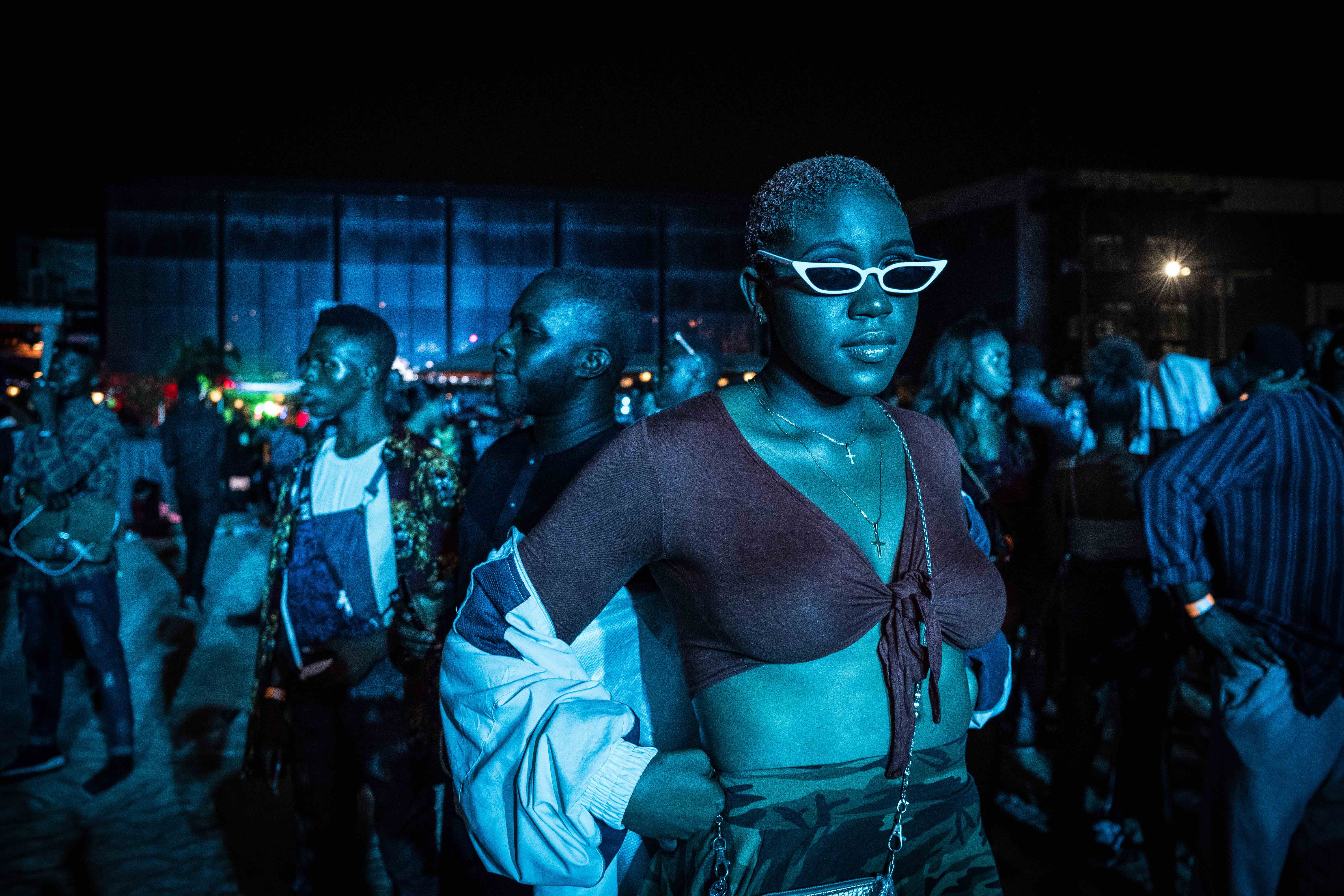
The multi-sensory art, music and cultural experience took place in Lagos at the end of March this year, with over 10,000 fans in attendance. According to Okeke and Banigo, these fans are known as the ‘Gidi Tribe’ – a group of young, impeccably dressed individuals who are uniting to “push boundaries”, refresh Nigeria’s cultural scene, and “rewrite the status quo.”
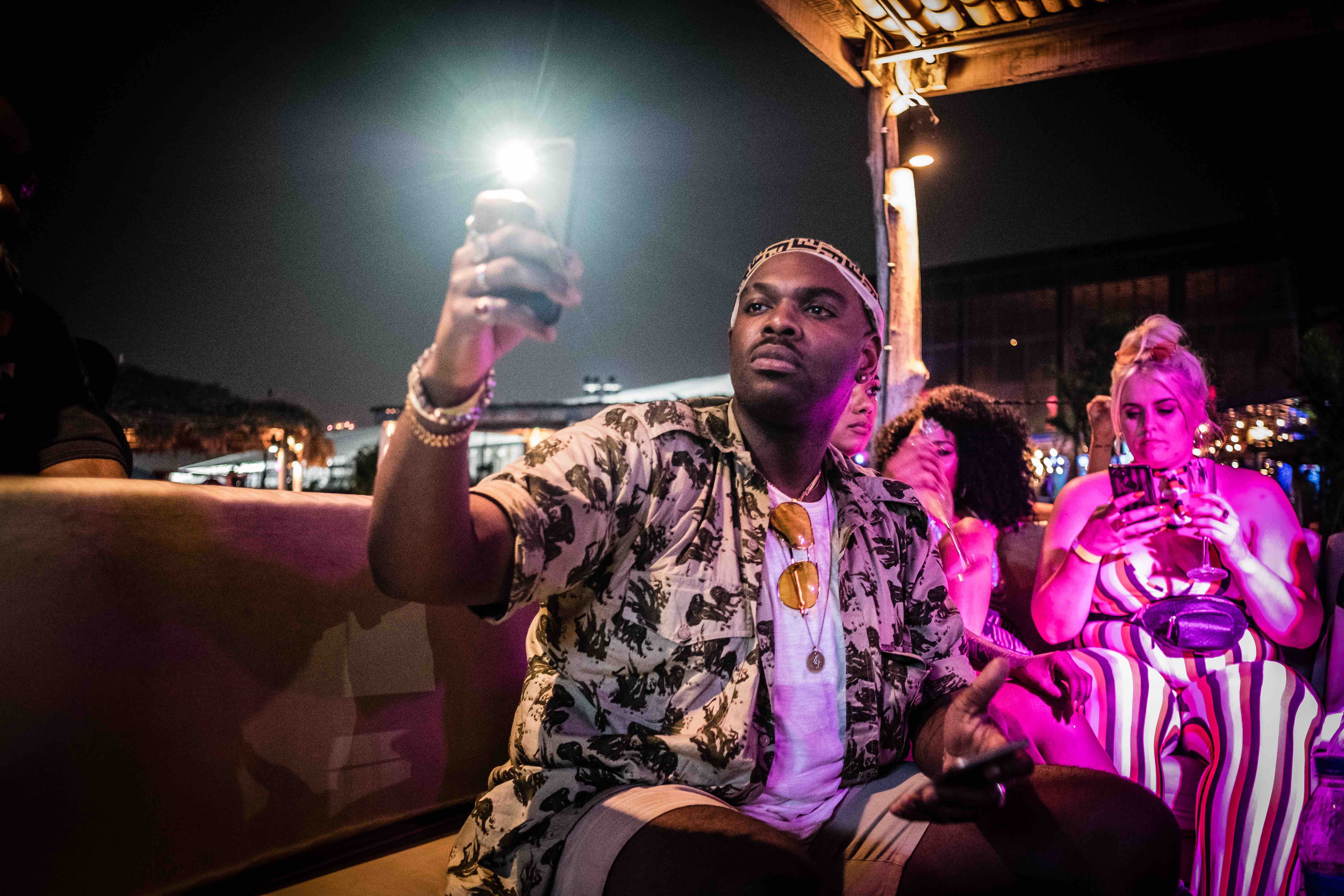
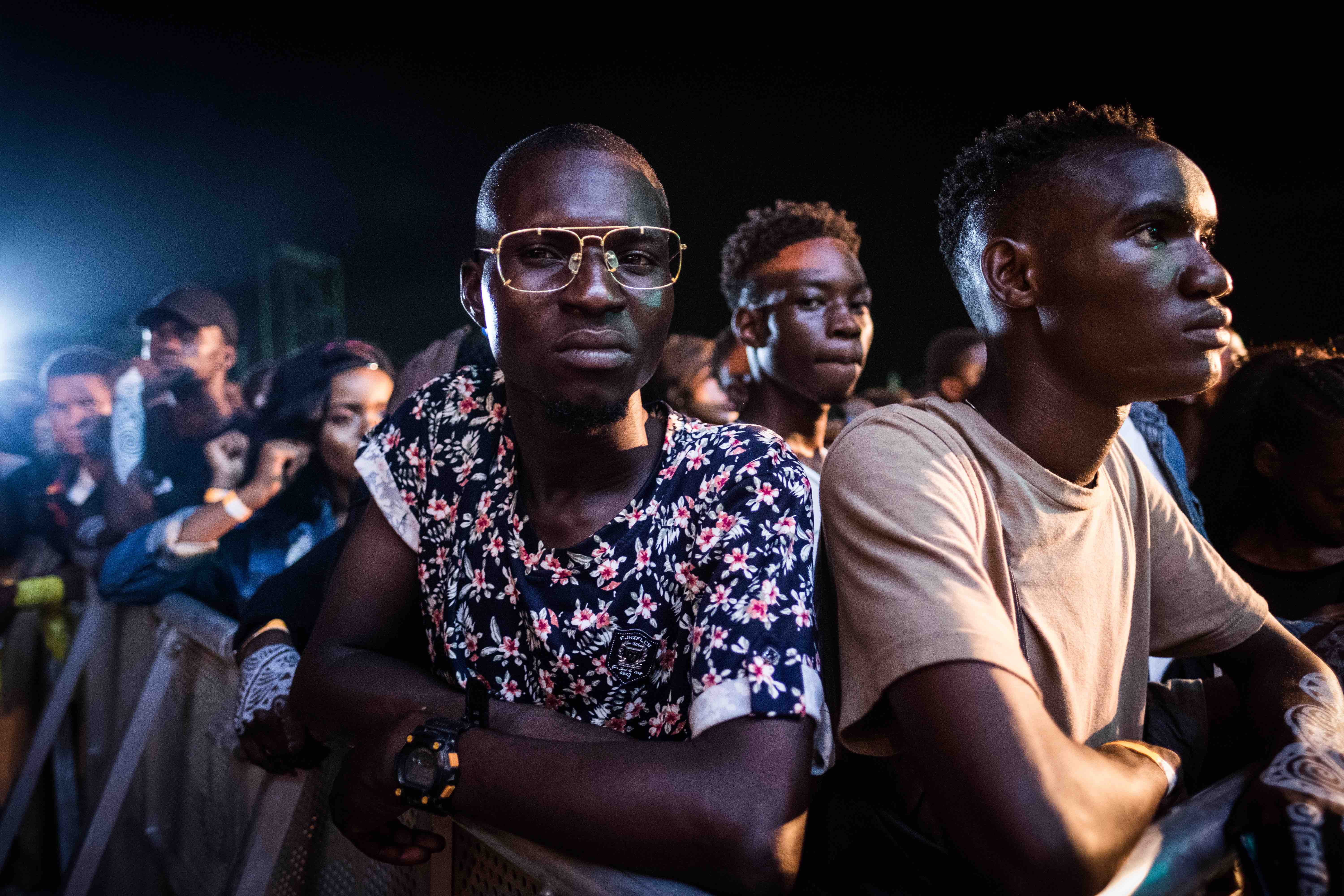
The festival hopes to transform Nigeria into a major cultural force, not only by inviting global artists to play in the country, but by helping to strengthen the backbone of Africa’s live music business. Ticket sales will help fund new initiatives, and will go towards driving sustainable “economic growth” on the continent.
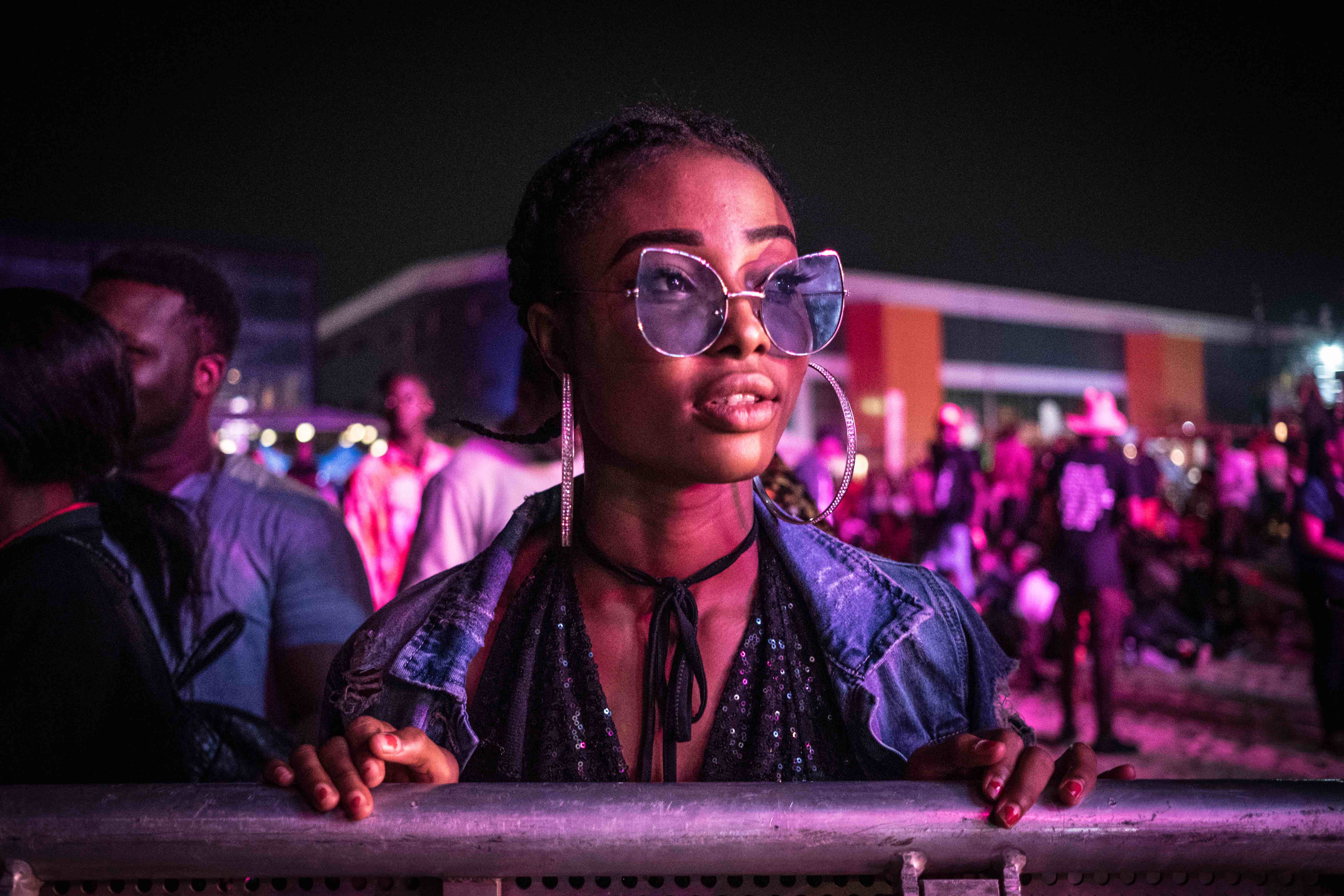
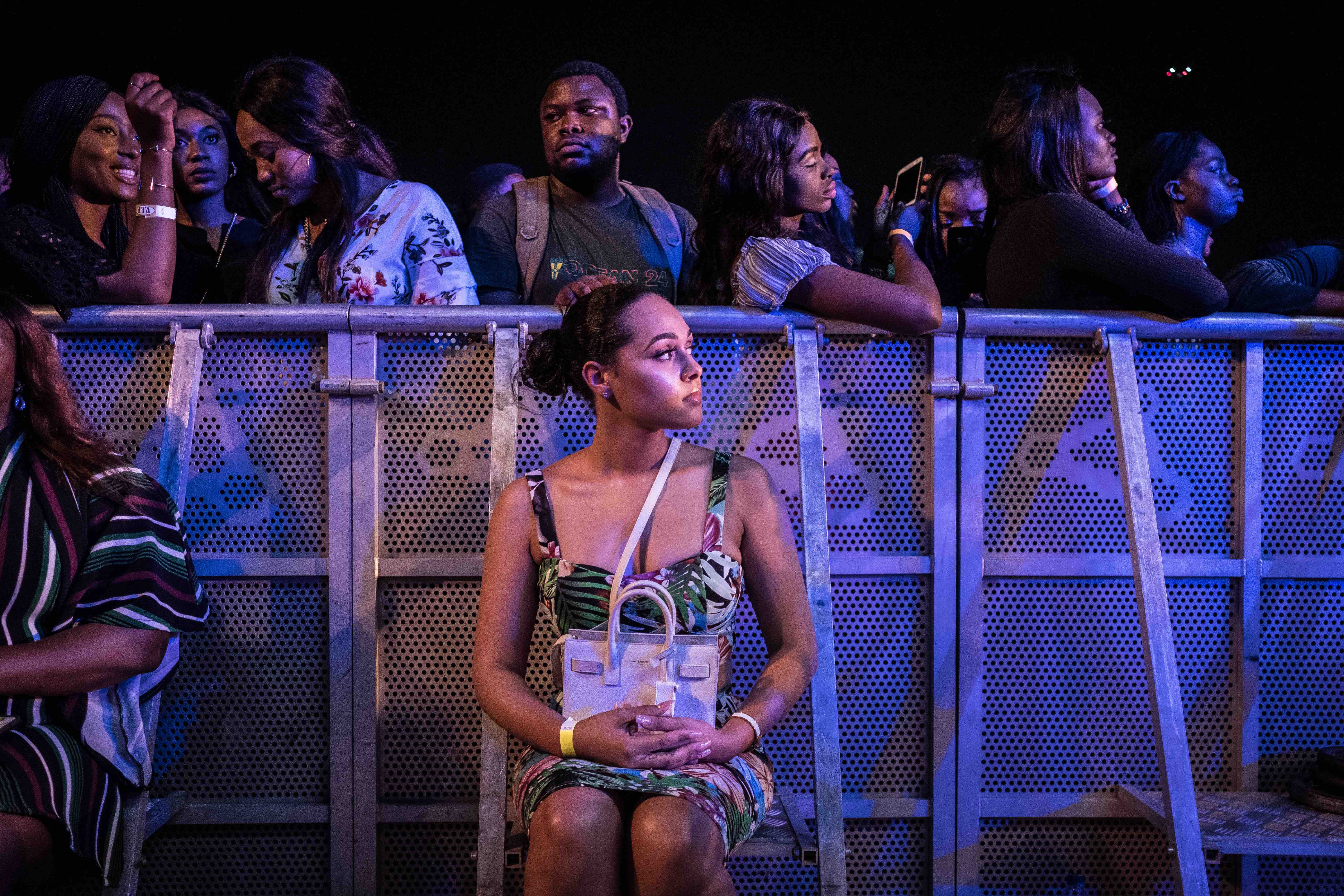
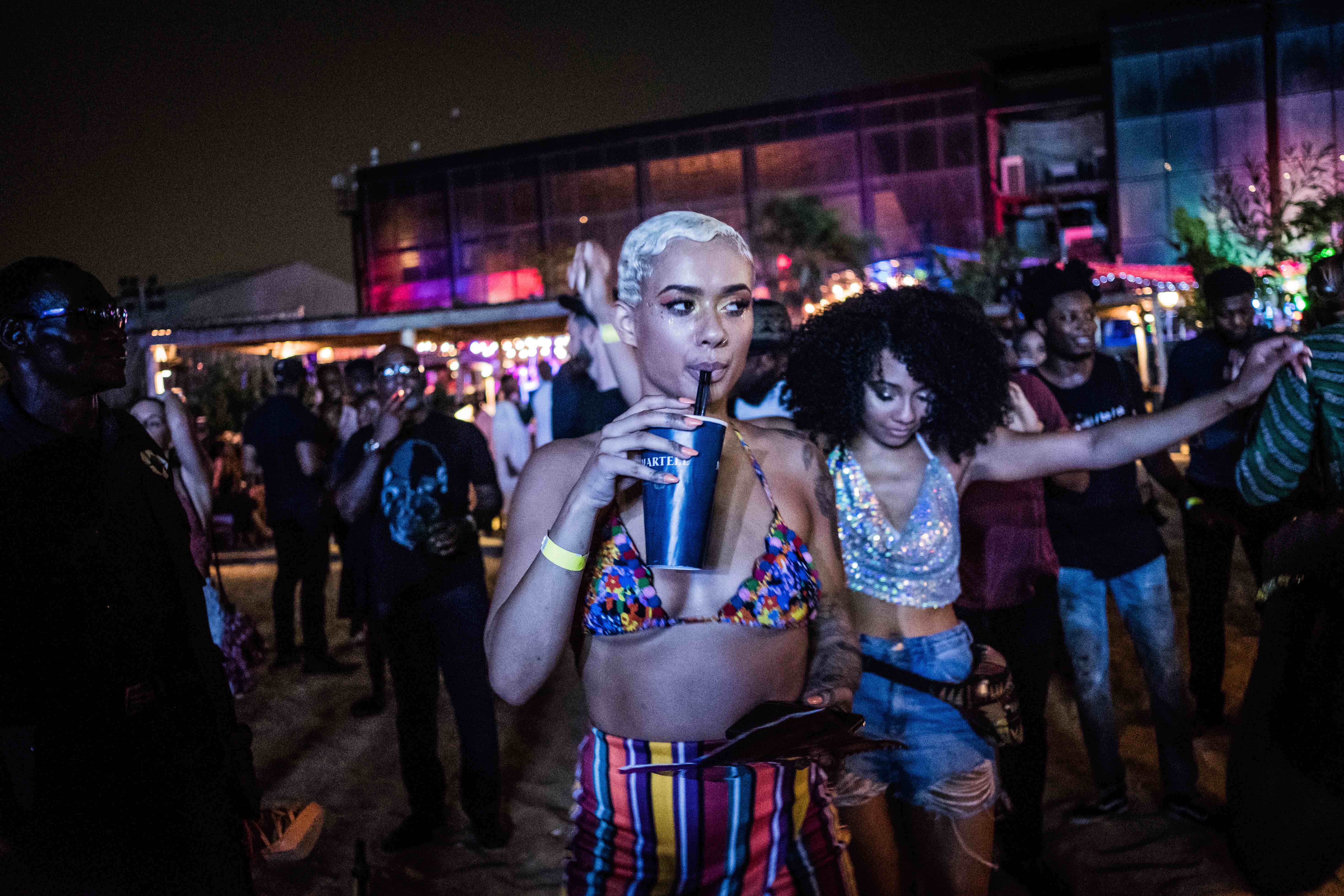
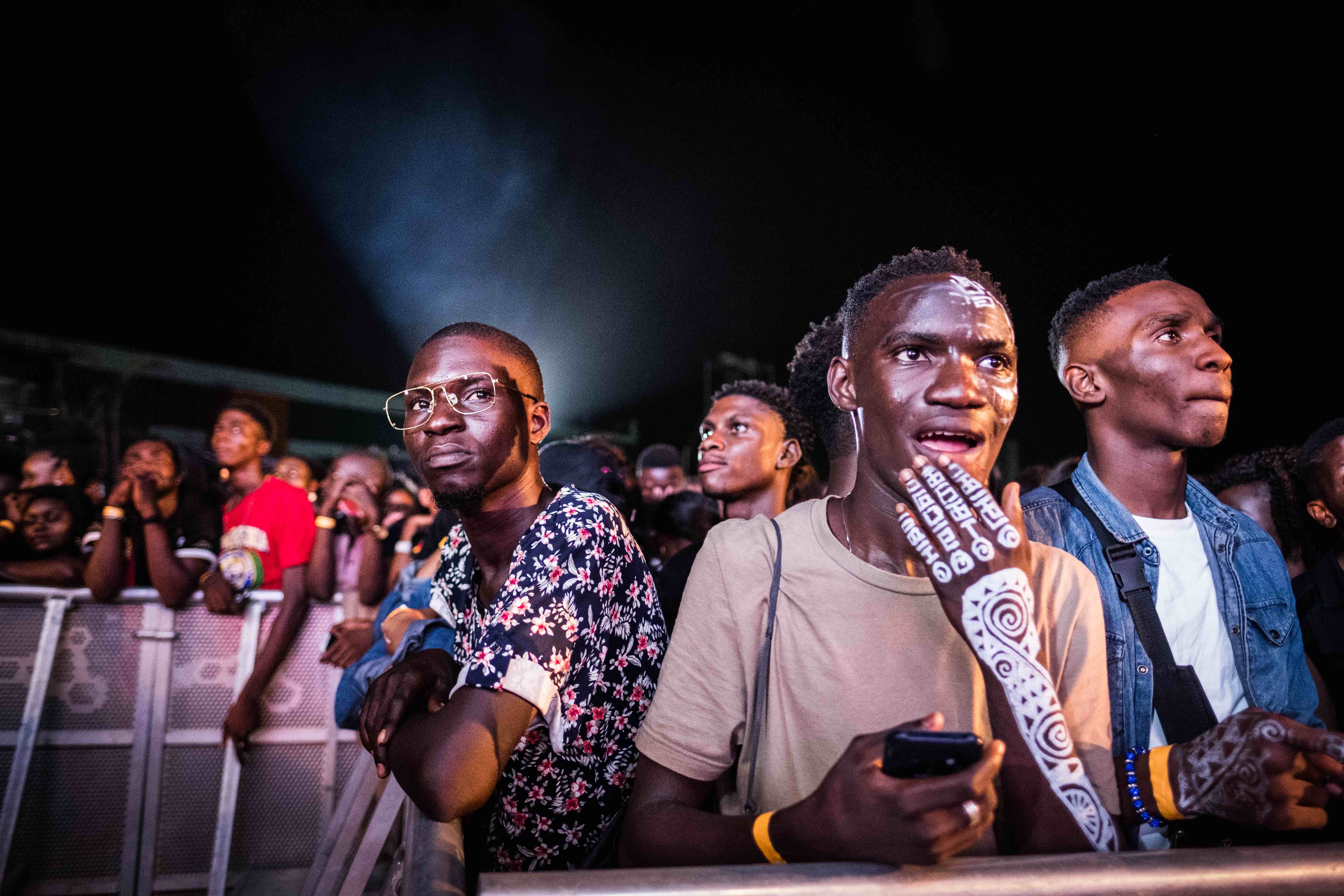
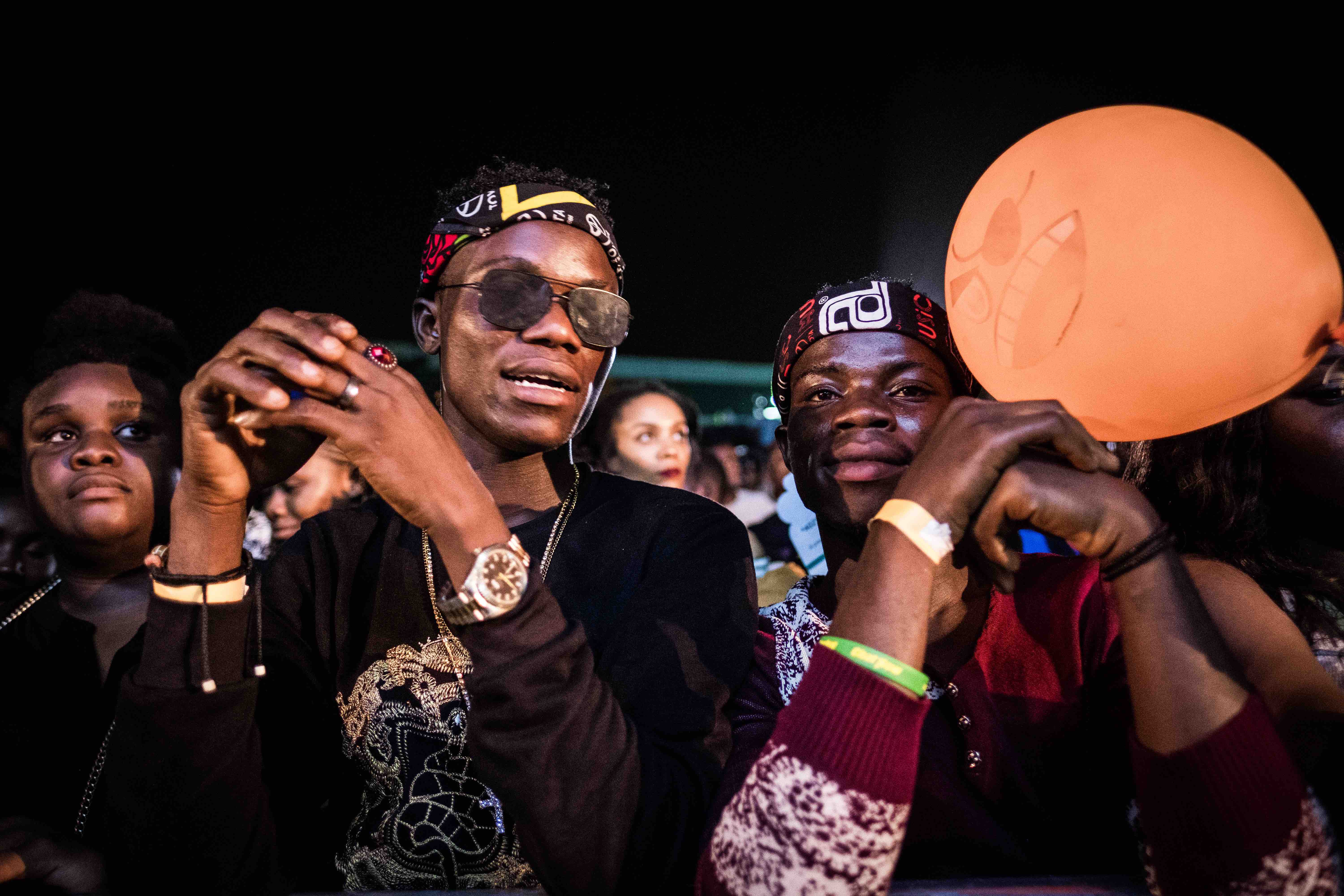
“There are so many reasons why Gidi is such a unique experience,” says Everyday Africa photographer Tom Saater, who attended the festival for the first time this year, taking portraits of the hyper-stylish crowds for Huck. “When I arrived, the atmosphere was colourful and festival goers were really energetic. As the night drew in the vibe of the festival became more electrifying.”
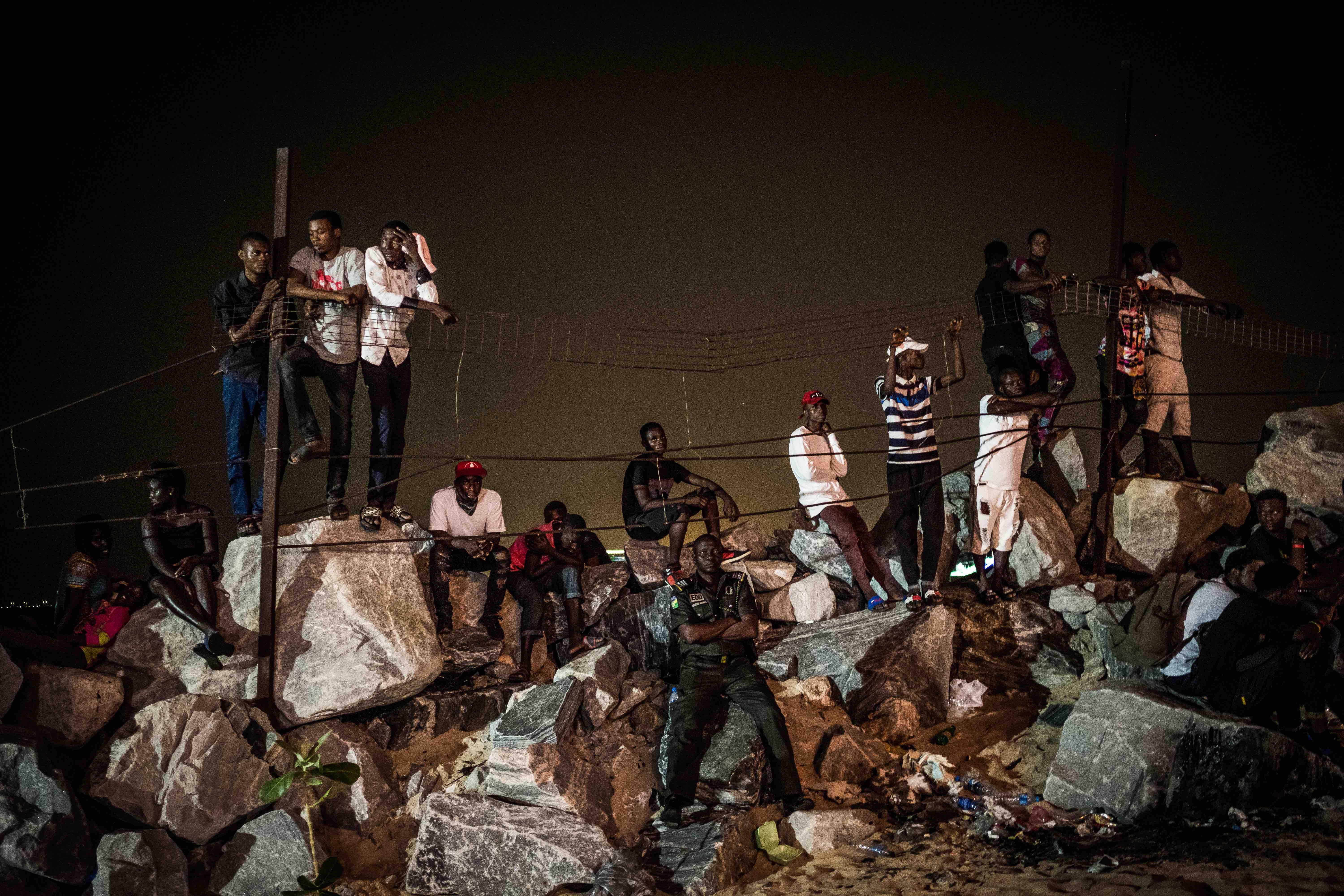
This year’s lineup included some of the biggest names from across the afrobeat, hip-hop and gqom worlds, with Diplo, Burna Boy and Nneka all headlining on the main stage this year. “The first thing you notice about the crowd is how they were all very fashionable looking,” adds Saater. “Interestingly, the audience was quite diverse. Lagos has quite a big wealth and class disparity but it seemed that festival brought everyone together.”
“People from all sorts of backgrounds were partying next to each other having an amazing time.”
Learn more about Gidi Culture Festival on its official website.
See more of Tom Saater’s work on his official website, or follow him on Instagram.
Enjoyed this article? Like Huck on Facebook or follow us on Twitter.
You might like

Is Field Maneuvers the most fun time ever? Yes probably
Collective joy — Huck’s art director Samuel White went to the 2026 edition, braving a wet start and interviewing FLINTA* collective and arm wrestling legends Uhaul Dyke Rescue in the process.
Written by: Samuel White

Jesse Glazzard’s messy portrait of queer friends, lovers and chosen family
The Sound of Dirt and Beauty — The photographer’s debut monograph explores tender, unpolished moments shaped by the people who he surrounds himself with, while offering a window into the UK’s working-class LGBTQ+ community.
Written by: Sunny Sunday

Behind the curtain at Alternative Miss World 1981
Olympia glamour — Running a subversive take on the traditional beauty pageant, the Andrew Logan organised event prioritised underground creativity and invention. Photographer David Corio went behind the scenes at its biggest edition.
Written by: Miss Rosen

New exhibition highlights British radical living over 200 years
Earthly Paradise — Taking place at the William Morris Gallery, it explores the homes and lives of artists, writers, musicians and more, as well as the conditions that allowed them to thrive.
Written by: Isaac Muk

What life on the Strait of Hormuz is really like
Southern Winds — Bandar Abbas based photographer Morteza Niknahad has been capturing the diverse communities and stories of his local region since he first picked up a camera. His new series highlights the human impact of war.
Written by: Isaac Muk

Green Man is more than a music festival
Planting roots — For nearly a quarter century, the fiercely independent weekender has been flying the flag for Welsh arts and music. As an ecosystem now bubbles around it, Anna Stafford meets the people who keep the fire burning.
Written by: Anna Stafford


