Blurring fantasy and reality in America's poorest region
- Text by Stacy Kranitz
- Photography by Stacy Kranitz

I use photography to examine and reflect on a legacy of representations of poverty. But I may not be the photographer you want me to be.
I am not filled with a noble desire to show the world a certain type of injustice in hopes of remedying it. I’m not interested in a narrative of good versus evil.
The photographs in my project, As it was Give(n) to Me, are meant to engage in a rhetoric established by the early missionaries to Appalachia – a mountain range in the eastern US – and then reasserted by photographers and documentarians for nearly a century.
Seven years ago, I began travelling in large concentric circles through central Appalachia, meeting strangers, making friends and, sometimes, lovers.
Along the way, I learned how the problematic trajectory of representations of poverty in Appalachia had been activated through photography.
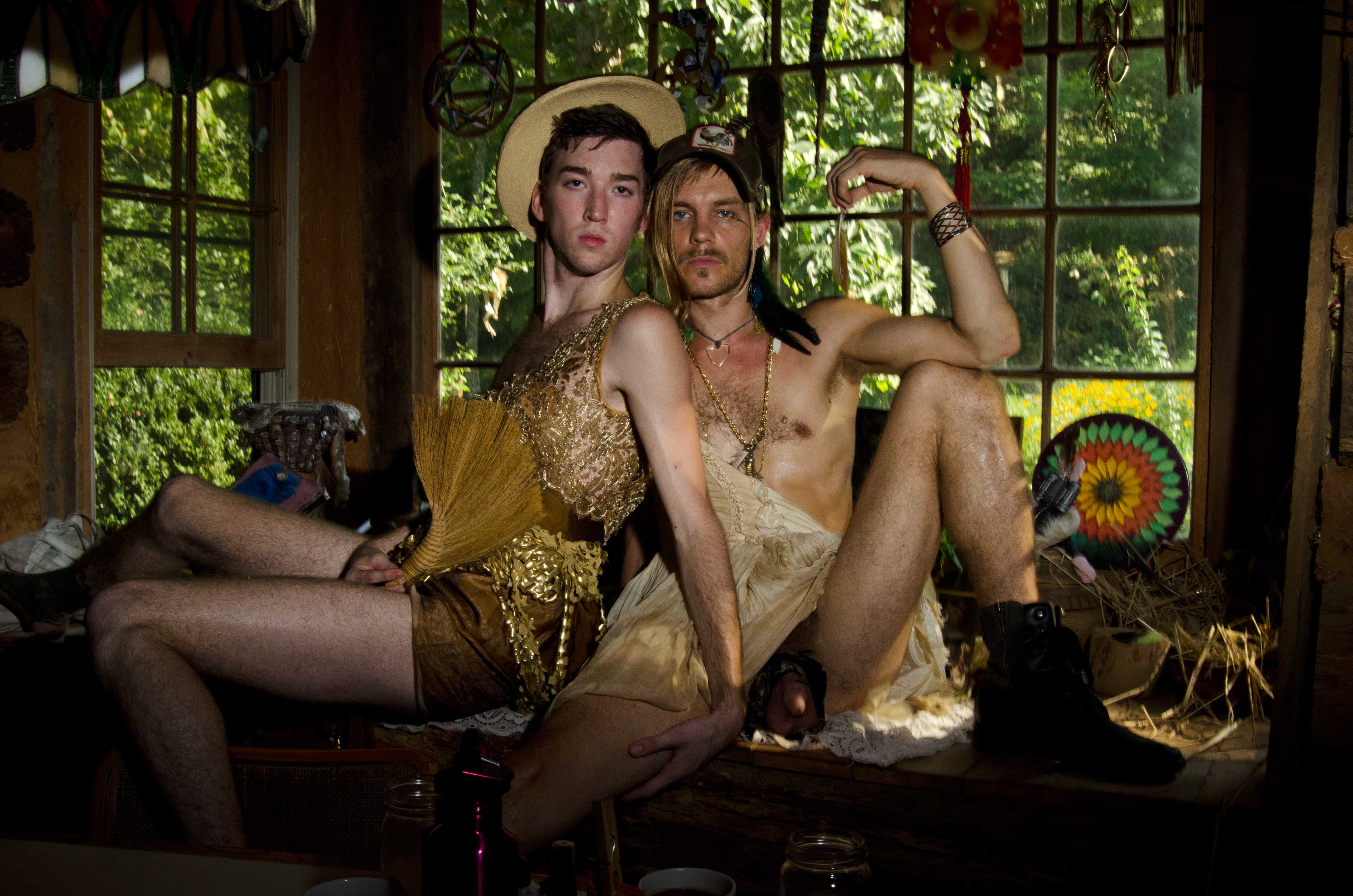
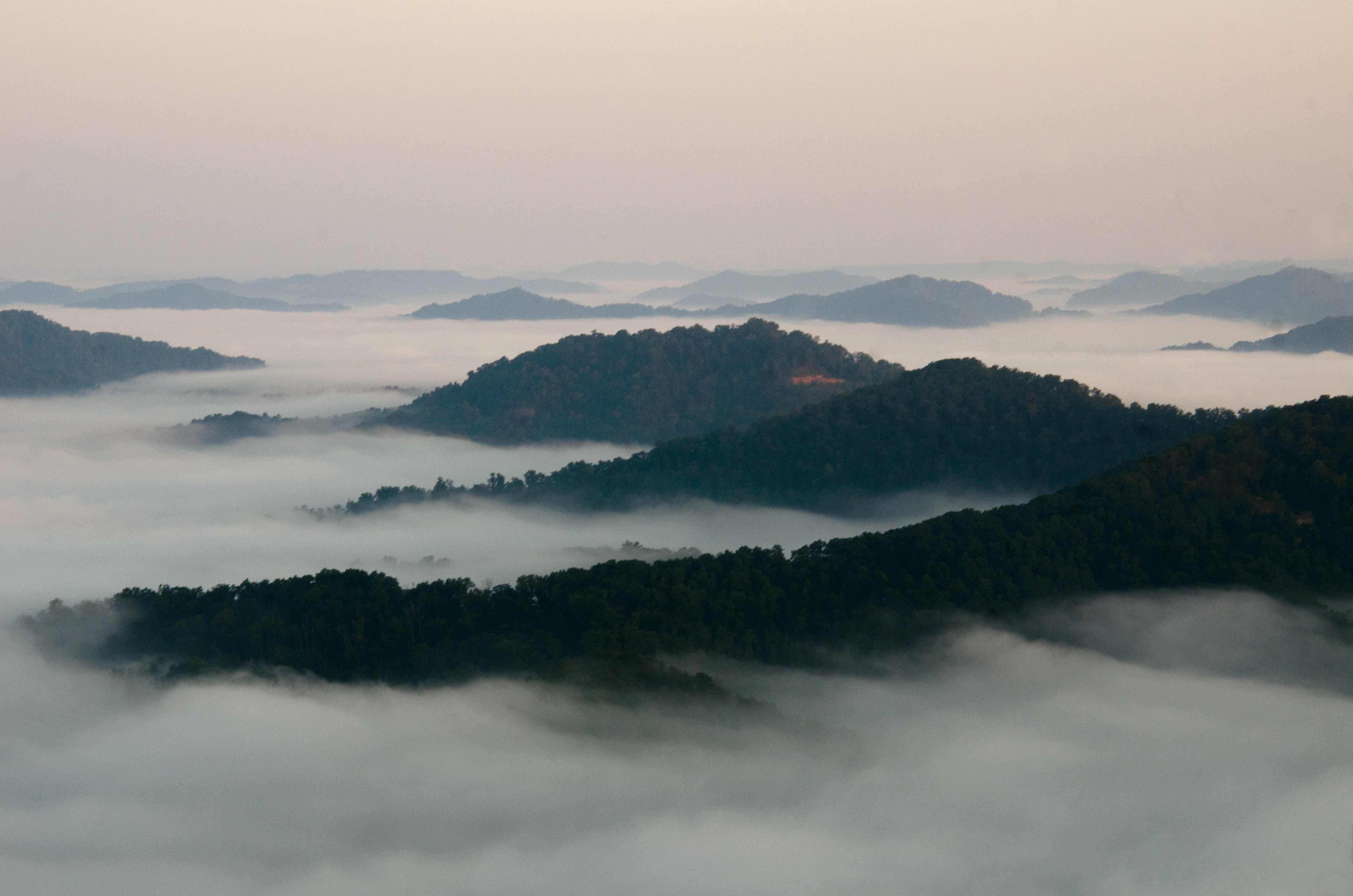
Since Lyndon B. Johnson announced the War on Poverty in 1964, photographers have portrayed Appalachia as the poster child for American poverty.
This image has haunted its people ever since. Those responsible for these misrepresentations likely had the best of intentions, but they contributed to unfair stereotypes of a rural group of people who already felt ostracised from the ‘Great Society’.
And there I was, another photographer utilising the medium that I knew exacerbated the problem.
I have always struggled with the documentary tradition. I find photojournalism’s strict ethical guidelines – meant to enforce a supposed impartiality – disingenuous.
I struggle with the way social documentarians impose judgment without acknowledging the complicated power dynamic between themselves and their subject.

It was not until I learned of writer James Agee and photographer Walker Evans’ work in Alabama, exploring the conditions of white sharecropper families, that I came to see a precedent for my work: one situated in the tenuous space between reality and constructed notions of truth.
Agee’s self-reflexive text acknowledges his role in depicting an exotic primitivism and the inevitable failure of such a project to impart any real understanding of the Other.
One New Year’s Eve, I visited my friend Pat at his home in West Virginia. There was a keg of beer and a bonfire.
It was cold and we got drunk and took lots of drugs. I tend to do the drugs my friends and subjects are doing while making my work.
This makes me feel like I am getting closer to someone else’s circumstances, though I am conscious that this may not be the case.
In the same vein, I freely offer my camera to people who express an interest in making images. At the party that night, I showed a young woman named Brooke how to use my camera.
At some point, after snorting a line of the government-funded prescription drug Subutex, I blacked out. Brooke was still taking pictures.
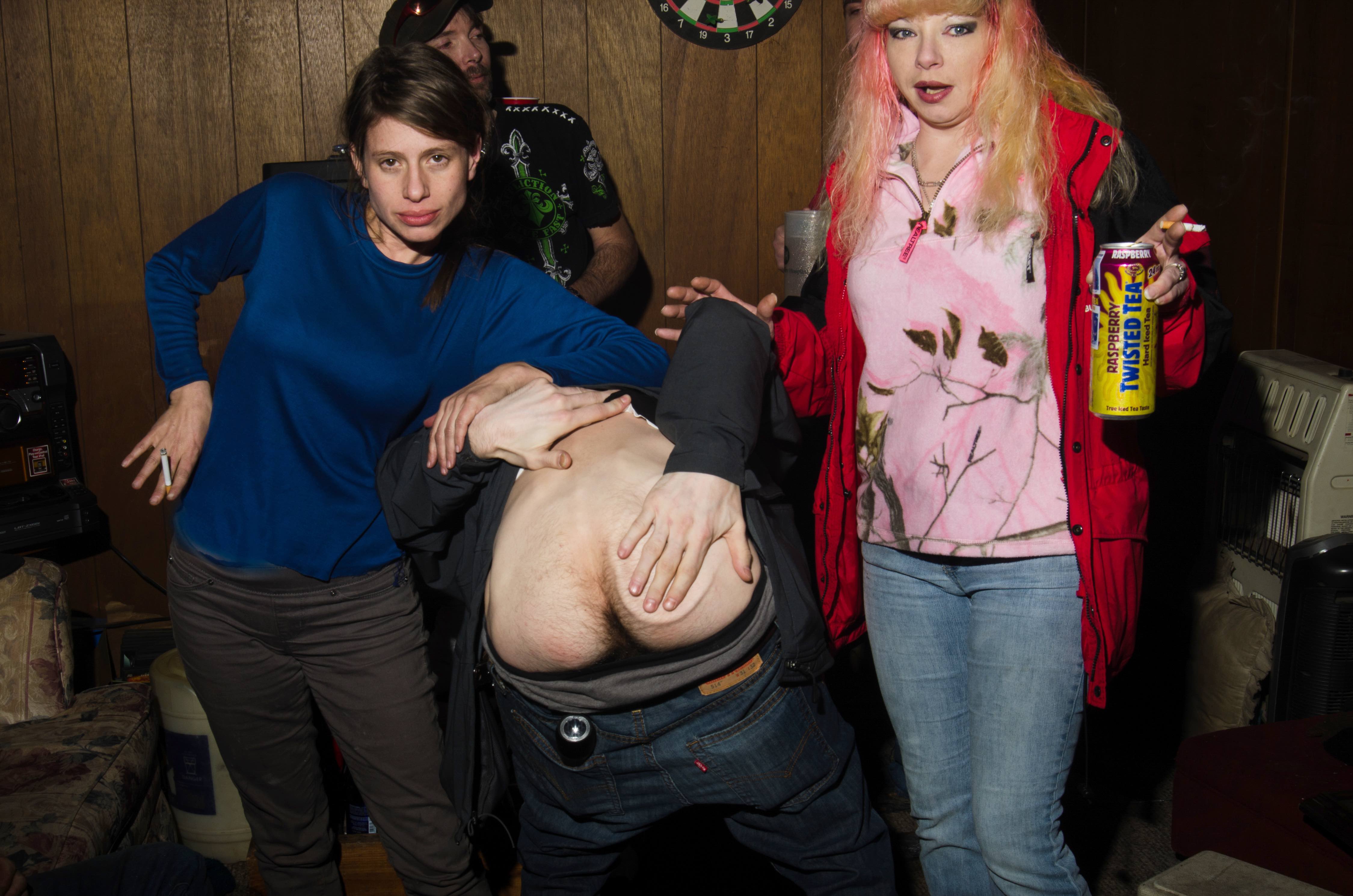
Stacy Kranitz at a party in West Columbia, West Virginia. Photo by Brooke.
I have no memory of this time, just a record of it.
All photographers have complicated interactions with constantly fluctuating power relationships, and because I am trying to make work about the shifting nature of this relationship I have become captivated by these images of myself in a state of utter vulnerability and obliviousness.
Brooke’s photographs represent the first time that I have been implicated in the relationship of consent that my subjects regularly endure at my request.
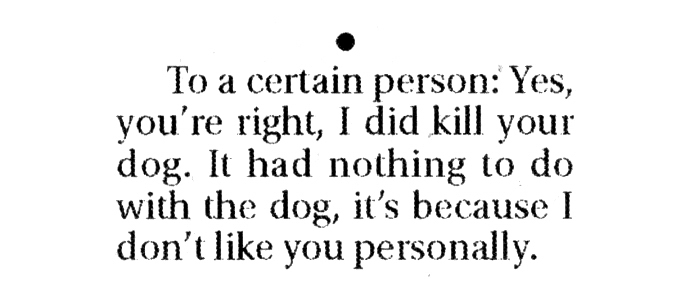
When I was a child I watched Christy, the TV miniseries based on a colour romance novel by Catherine Marshall.
It’s a seductive story about a young missionary who moves to a small community in the Great Smoky Mountains to teach poor mountain children how to read and write.
Christy is sure of herself and of her role to improve the lives of those around her, but as the narrative unfolds she learns that there are many versions of right and wrong and many ways to be good, true, kind, loved and loving.
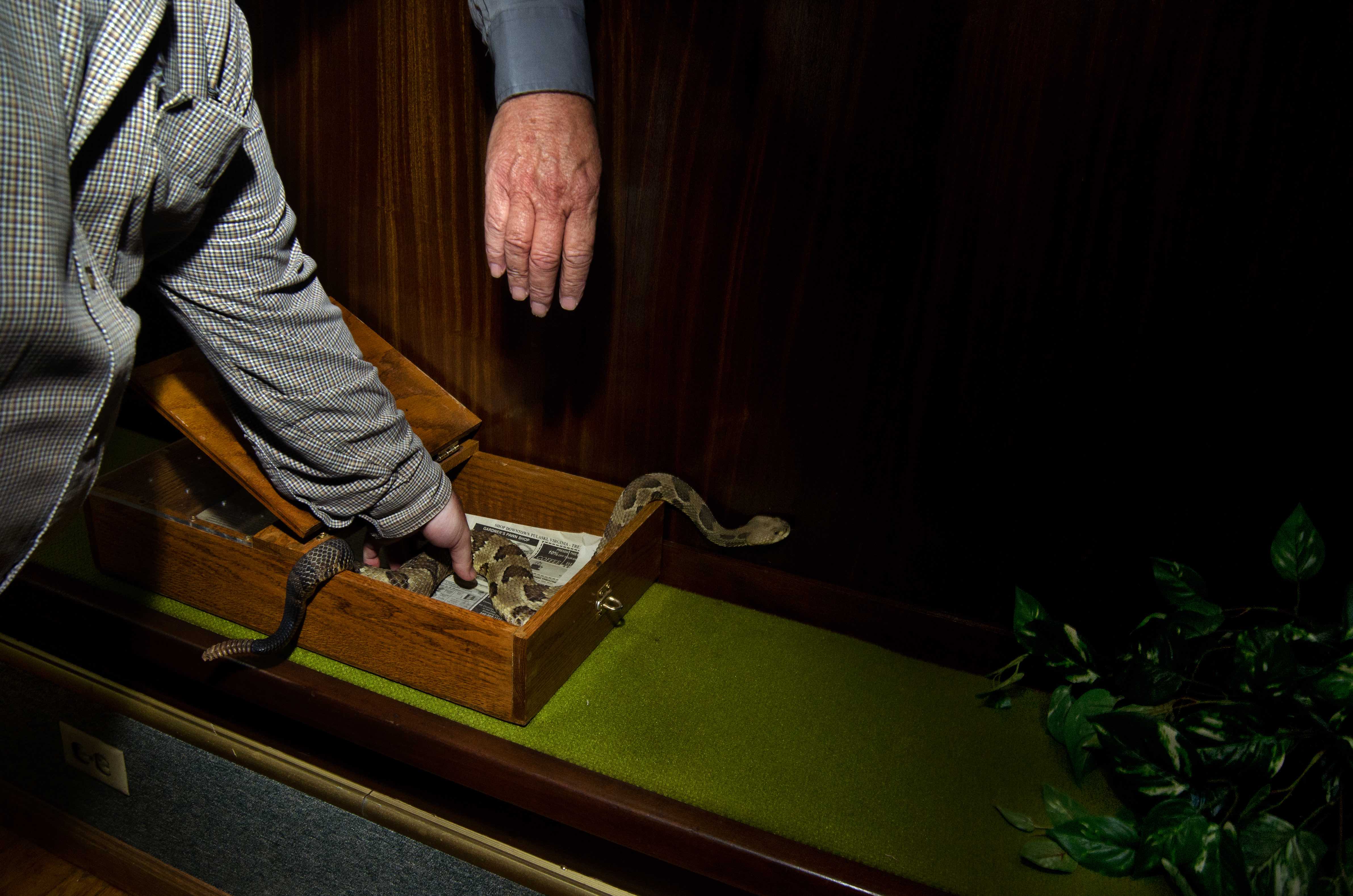
In revisiting this story, it became clear that, on some level, I had come to Appalachia to construct a fantasy world for myself.
My desire to explore my perceptions rivals my desire to provide an objective portrayal of where I am, especially since I know the idea of an objective reality is a fantasy.
Like Christy, my experiences have challenged what I’d long established as personal truths about the region, undoing my understandings of myself and revealing the complexity of this diverse network of communities.
So while I may not be the photographer you want me to be, my work exists to generate a conversation: a mission it has not failed in yet.
This article appears in Huck 57 – The Documentary Photo Special IV. Subscribe today so you never miss another issue.
Speak Your Piece, a book combining Kranitz’s Appalachian photographs with reader contributions to Kentucky’s Mountain Eagle newspaper, is published by Here Press.
Enjoyed this article? Like Huck on Facebook or follow us on Twitter.
You might like

The last days of St Agnes Place, London’s longest ever running squat
Off the grid — Photographer Janine Wiedel spent four years documenting the people of the Kennington squat, who for decades made a forgotten row of terraced houses a home.
Written by: Isaac Muk

How Japan revolutionised art & photography in the ’60s and ’70s
From Angura to Provoke — A new photobook chronicles the radical avant-garde scene of the postwar period, whose subversion of the medium of image making remains shocking and groundbreaking to this day.
Written by: Miss Rosen

Artifaxing: “We’ve become so addicted to these supercomputers in our hands”
Framing the future — Predominantly publishing on Instagram and X, the account is one of social media’s most prominent archiving pages. We caught up with the mysterious figure behind it to chat about the internet’s past, present and future, finding inspiration and art in the age of AI.
Written by: Isaac Muk

The lacerating catharsis of body suspension in Hong Kong
Self-Ferrying — In one of the world’s most densely packed cities, an underground group of young people are piercing their skin and hanging their bodies with hooks in a shocking exploration of pain and pleasure. Sophie Liu goes to a session to understand why they partake in the extreme underground practice.
Written by: Sophie Liu

What we’re excited for at SXSW 2026
Austin 40 — For the festival’s 40th anniversary edition, we are heading to Texas to join one of the biggest global meetups of the year. We’ve selected a few things to highlight on your schedules.
Written by: Huck

In photos: The boys of the Bibby Stockholm
Bibby Boys — A new exhibition by Theo McInnes and Thomas Ralph documents the men who lived on the three-story barge in Dorset, giving them the chance to control their own narrative.
Written by: Thomas Ralph


