The photographer spotlighting Iran's forgotten minorities
- Text by Niloufar Haidari
- Photography by Mahdi Ehsaei

German-Iranian photographer Mahdi Ehsaei clearly remembers the day he first became aware of the existence of Black Iranians. It was 2010 and like most summers, he and his family were on vacation in Shiraz, Iran. At a football match between the local team and a team from Hormozgan, a province in Iran’s South, Ehsaei noticed a fan of the opposition leading a chant that sounded different to any he had encountered before, and his interest was piqued.
“Before I started my research [for the Afro-Iran project] I had no idea that the history of people of African descent in Iran would stretch back hundreds of years”, Mahdi tells me over email. “I wasn’t the only one. Many people that I spoke to – both inside and outside of Iran – didn’t know that [Afro-Iranians] have lived in the country for centuries.”
Black Iranians make up an estimated 10-15% of Iran’s population of roughly 800,000 to 1 million people. These populations are mostly located in the South, in the Hormozgan, Khuzestan, and Sistan and Baluchestan provinces. “Unless you go to the South you almost won’t see any Black Iranians in the media or society, especially in northern parts of Iran”, explains Mahdi. “It was very difficult for me to find any books or information about this community; there was hardly any visual documentation existing. As I continued my research, I realized that this was an injustice.”
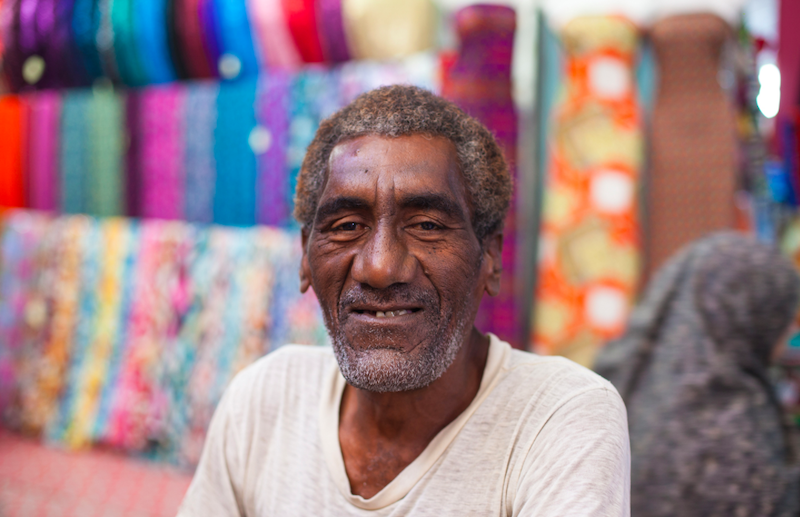
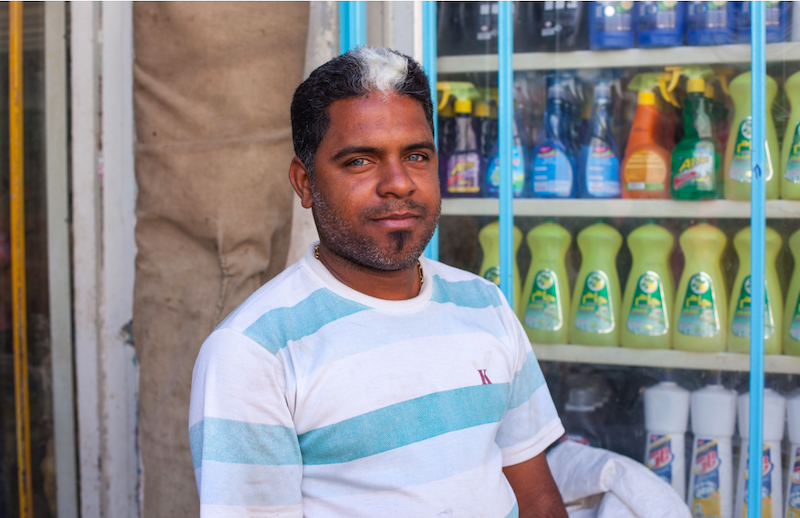
Now Ehsaei wants to rectify this with a new photography project and book, Afro-Iran. For the project, Ehsaei spent two months in Hormozgan getting to know the locals and building up trust with his subjects. “My main goal [with the project] was enlightenment; to spread the word about the existence of Iranians of African descent. The book shows new facets and faces, which are – for many – not the common picture of Iran. [It gives] a new perspective and shows a community that influenced the lifestyle and culture of a whole society in southern Iran, which is often overlooked in Iran’s history.”
Slavery and racism are still taboo topics in Iran, at best ignored and at worst explained away with simplistic deflections. Iran only officially abolished slavery in 1928, and the country’s involvement in the Indian Ocean slave trade has since largely been erased from the national consciousness. As a result, many Afro-Iranians themselves are unaware of their history, believing themselves to be darker-skinned simply due to the hot climate of the South.
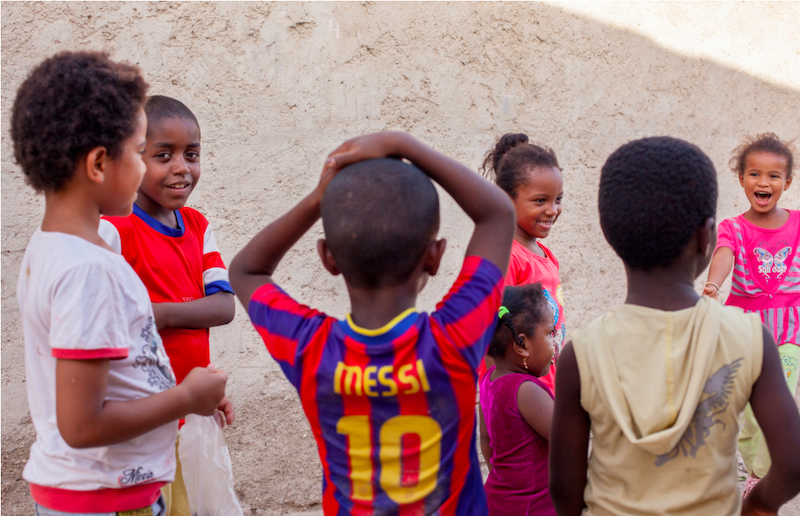
“From my many visits to Iran, I can say that – even though Iran [is] a very hospitable country with a very ethnically diverse population – a lot of Iranians face prejudices based on their race or [skin] colour. The BLM movement has shed more light on these kinds of topics and kick-started conversations on [the treatment of] minorities in Iran, in particular people of African or Afghan descent”, Mahdi says.
With the Afro-Iran project, Mahdi hopes to continue to spread awareness of this overlooked demographic. “It’s not only important to know that Afro-Iranians are part of Iran’s diverse population, but also knowing the historic facts – including Iran playing a role in the Indian Ocean slave trade between 1500–1900 and [Iranians] having African servants in their households. Efforts to unlock the history and present realities of Black people in Iran will hopefully lead to a greater understanding of this oft-neglected and forgotten minority.”
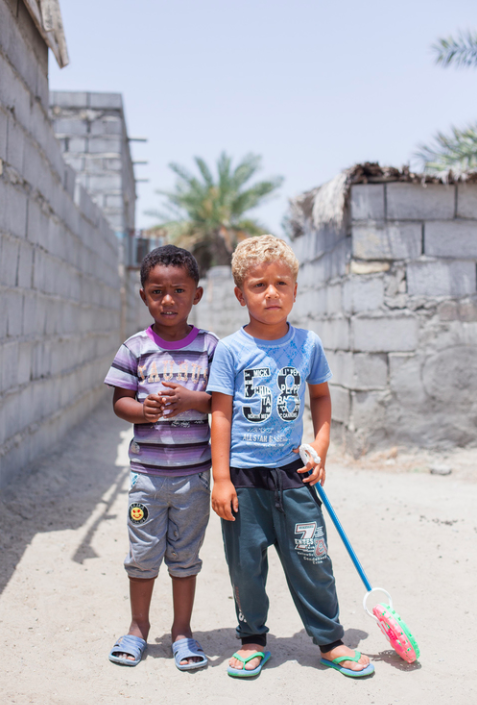
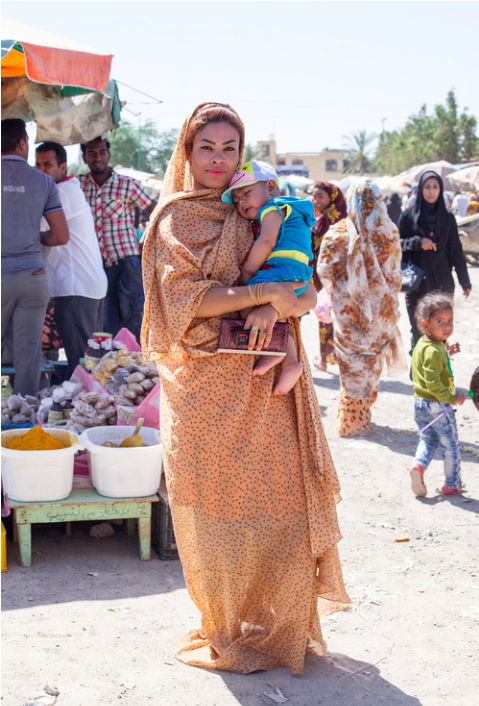
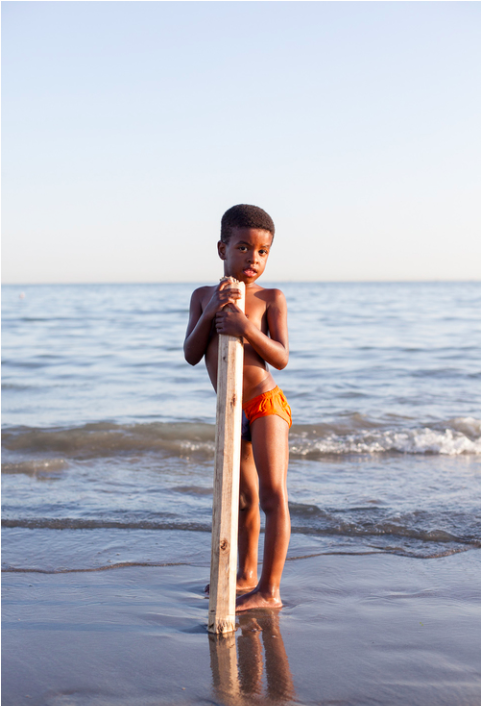
Afro-Iran is now available to purchase from Kehrer Verlag.
Enjoyed this article? Like Huck on Facebook or follow us on Twitter.
You might like

On the set of ‘La Bamba’, lost Latino legend Ritchie Valens’s biopic
The overnight rockstar — The Chicano rock & roll star exploded overnight in the late ’50s, but just as quickly he was gone, killed in a plane crash along with Buddy Holly. An ’80s biopic saw him immortalised on the big screen, which photographer Merrick Morton captured behind the scenes.
Written by: Miss Rosen

Louis Theroux’s ‘Manosphere’ shows men aren’t the problem, platforms are
No Ws for Good Men — The journalist’s new documentary sees him dive headfirst into the toxicities and machinations of the male influencer economy. But when young creators are monetarily incentivised to make more and more outrageous content, who really is to blame?
Written by: Emma Garland

In the 1960s, African photographers recaptured their own image
Ideas of Africa — An exhibition at the Museum of Modern Art explores the 20th century’s most important lensers, including Seydou Keïta, Malick Sidibé and Kwame Brathwaite, and their impact on challenging dominant European narratives.
Written by: Miss Rosen

Reynaldo Rivera’s intimate portrait of queer Latino love
Propiedad Privada — Growing up during the AIDS pandemic, the photographer entered a world where his love was not only taboo, but dangerous. His new monograph presents inward-looking shots made over four decades, which reclaim the power of desire.
Written by: Miss Rosen

In photos: The newsagents keeping print alive
Save the stands — With Huck 83 hitting shelves around the world, we met a few people who continue to stock print magazines, defying an enduringly tough climate for physical media and the high street.
Written by: Ella Glossop

Inside Bombay Beach, California’s ‘Rotting Riviera’
Man-made decay — The Salton Sea was created by accident after a failed attempt to divert the Colorado River in the early 20th century. Jack Burke reports from its post-apocalyptic shores, where DIY art and ecological collapse meet.
Written by: Jack Burke


