The photographer spotlighting Iran's forgotten minorities
- Text by Niloufar Haidari
- Photography by Mahdi Ehsaei

German-Iranian photographer Mahdi Ehsaei clearly remembers the day he first became aware of the existence of Black Iranians. It was 2010 and like most summers, he and his family were on vacation in Shiraz, Iran. At a football match between the local team and a team from Hormozgan, a province in Iran’s South, Ehsaei noticed a fan of the opposition leading a chant that sounded different to any he had encountered before, and his interest was piqued.
“Before I started my research [for the Afro-Iran project] I had no idea that the history of people of African descent in Iran would stretch back hundreds of years”, Mahdi tells me over email. “I wasn’t the only one. Many people that I spoke to – both inside and outside of Iran – didn’t know that [Afro-Iranians] have lived in the country for centuries.”
Black Iranians make up an estimated 10-15% of Iran’s population of roughly 800,000 to 1 million people. These populations are mostly located in the South, in the Hormozgan, Khuzestan, and Sistan and Baluchestan provinces. “Unless you go to the South you almost won’t see any Black Iranians in the media or society, especially in northern parts of Iran”, explains Mahdi. “It was very difficult for me to find any books or information about this community; there was hardly any visual documentation existing. As I continued my research, I realized that this was an injustice.”
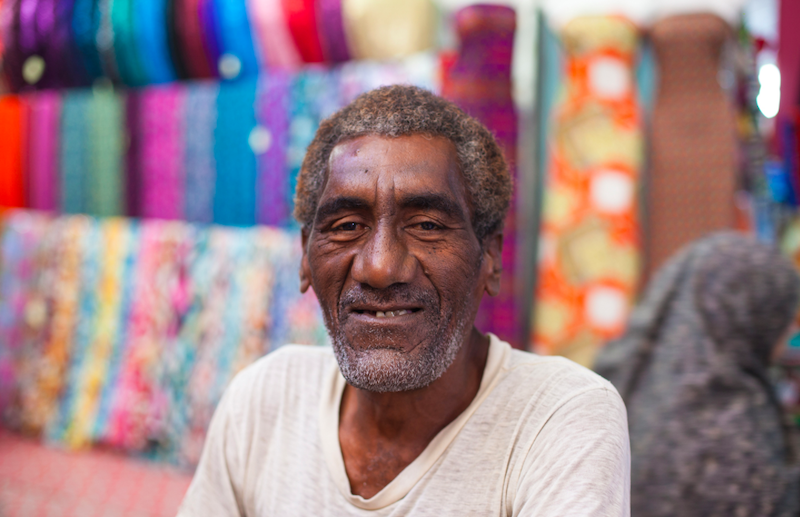
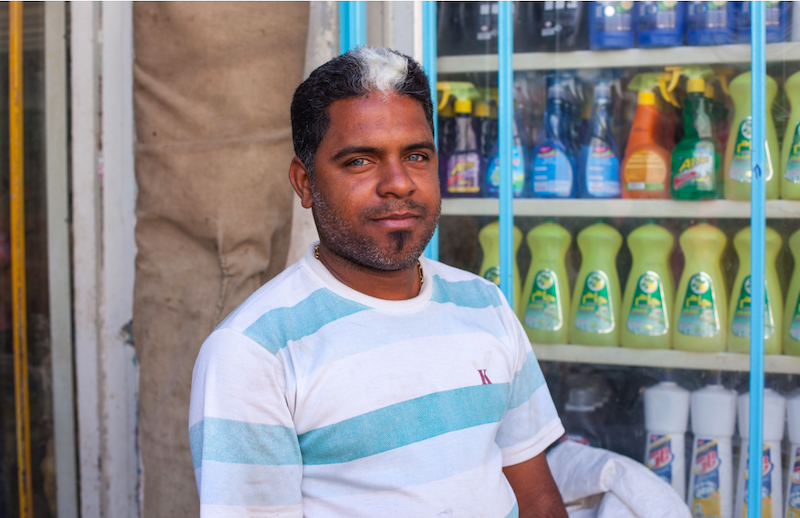
Now Ehsaei wants to rectify this with a new photography project and book, Afro-Iran. For the project, Ehsaei spent two months in Hormozgan getting to know the locals and building up trust with his subjects. “My main goal [with the project] was enlightenment; to spread the word about the existence of Iranians of African descent. The book shows new facets and faces, which are – for many – not the common picture of Iran. [It gives] a new perspective and shows a community that influenced the lifestyle and culture of a whole society in southern Iran, which is often overlooked in Iran’s history.”
Slavery and racism are still taboo topics in Iran, at best ignored and at worst explained away with simplistic deflections. Iran only officially abolished slavery in 1928, and the country’s involvement in the Indian Ocean slave trade has since largely been erased from the national consciousness. As a result, many Afro-Iranians themselves are unaware of their history, believing themselves to be darker-skinned simply due to the hot climate of the South.
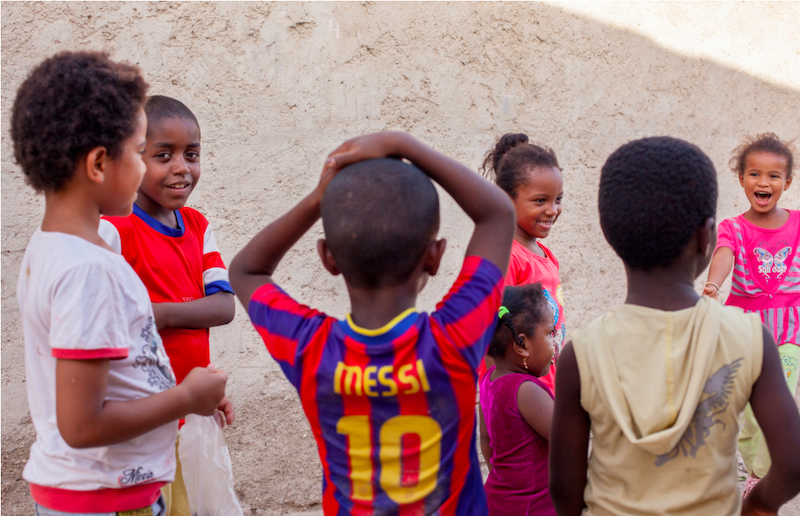
“From my many visits to Iran, I can say that – even though Iran [is] a very hospitable country with a very ethnically diverse population – a lot of Iranians face prejudices based on their race or [skin] colour. The BLM movement has shed more light on these kinds of topics and kick-started conversations on [the treatment of] minorities in Iran, in particular people of African or Afghan descent”, Mahdi says.
With the Afro-Iran project, Mahdi hopes to continue to spread awareness of this overlooked demographic. “It’s not only important to know that Afro-Iranians are part of Iran’s diverse population, but also knowing the historic facts – including Iran playing a role in the Indian Ocean slave trade between 1500–1900 and [Iranians] having African servants in their households. Efforts to unlock the history and present realities of Black people in Iran will hopefully lead to a greater understanding of this oft-neglected and forgotten minority.”
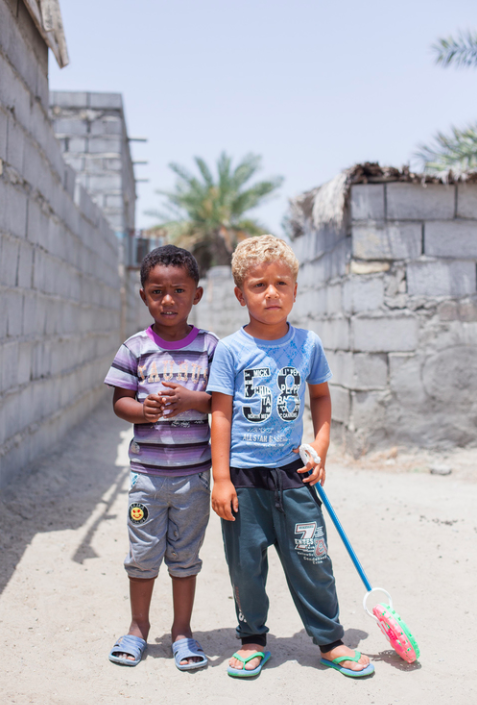
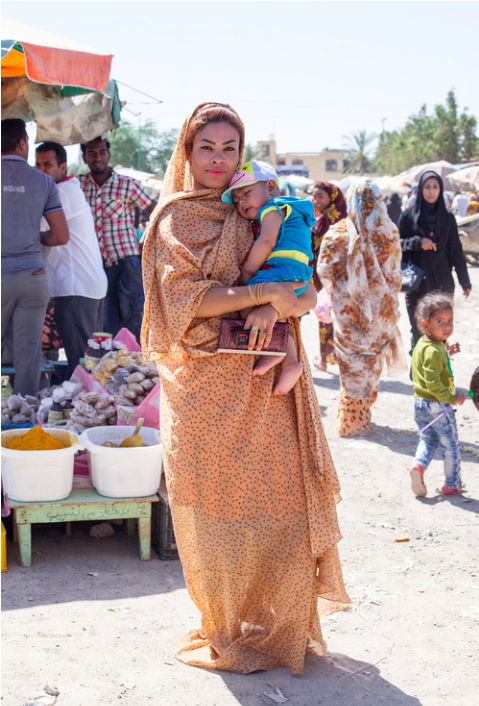
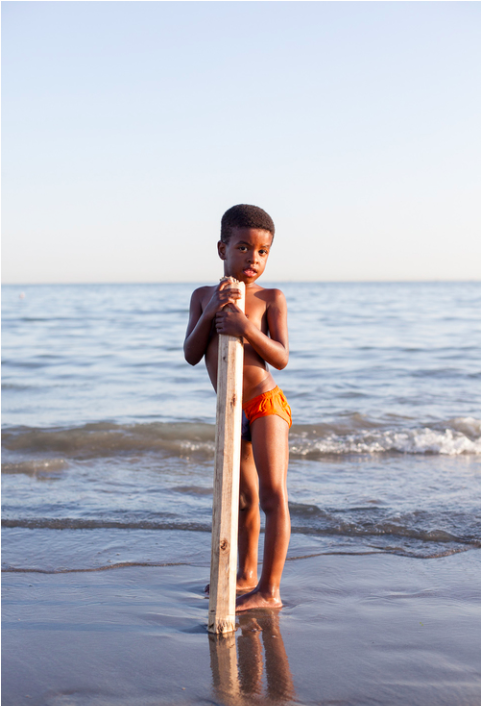
Afro-Iran is now available to purchase from Kehrer Verlag.
Enjoyed this article? Like Huck on Facebook or follow us on Twitter.
You might like

Behind the curtain at Alternative Miss World 1981
Olympia glamour — Running a subversive take on the traditional beauty pageant, the Andrew Logan organised event prioritised underground creativity and invention. Photographer David Corio went behind the scenes at its biggest edition.
Written by: Miss Rosen

New exhibition highlights British radical living over 200 years
Earthly Paradise — Taking place at the William Morris Gallery, it explores the homes and lives of artists, writers, musicians and more, as well as the conditions that allowed them to thrive.
Written by: Isaac Muk

What life on the Strait of Hormuz is really like
Southern Winds — Bandar Abbas based photographer Morteza Niknahad has been capturing the diverse communities and stories of his local region since he first picked up a camera. His new series highlights the human impact of war.
Written by: Isaac Muk

Nick Haymes’s intimate portrait of his family’s life
Chronograph — Over 25 years, the photographer documented his son’s lives as they grew into adults. The resulting photobook is an exploration of the passage of time, as well as the optimism of youth.
Written by: Miss Rosen

Kristina Rozhkova’s scatty, confronting portrait of captivity
Gut Feeling — The Russian artist’s 2024 arrest and subsequent detention opened her eye towards the omnipresent dynamics of power and control. Her new photobook is a stark exploration of being trapped.
Written by: Isaac Muk

UK’s first ever Latino film festival is coming to London
LoLaFF — Taking place between October 2-6, it will feature 55 filmmakers from Latin America, with an opening night at the Barbican.
Written by: Isaac Muk


