Photos capturing the wild world of Mexican rodeo
- Text by Eva Clifford
- Photography by Alex Kurunis

Like Pato in Argentina, Buzkashi in Afghanistan, and Skijöring in Switzerland, Mexico’s distinctly equestrian-themed national sport is one steeped in tradition. Charrería, as it’s known, was officially declared Mexico’s national sport in 1933, its origins stretching back to the arrival of horses from Spain in the 16th century. Born from the hacienda (ranch) culture, charreadas were traditionally held between farmworkers looking to flaunt their horse-riding and wrangling skills.
As many haciendas were destroyed in the Mexican Revolution of the early 20th century, a modern charreada was formed. Hosted in special arenas known as lienzos, contemporary charreadas include the events of the past four centuries, whilst merging new additions such as the Cala de Caballo – a form of dressage – and escaramuza, an event for female riders.
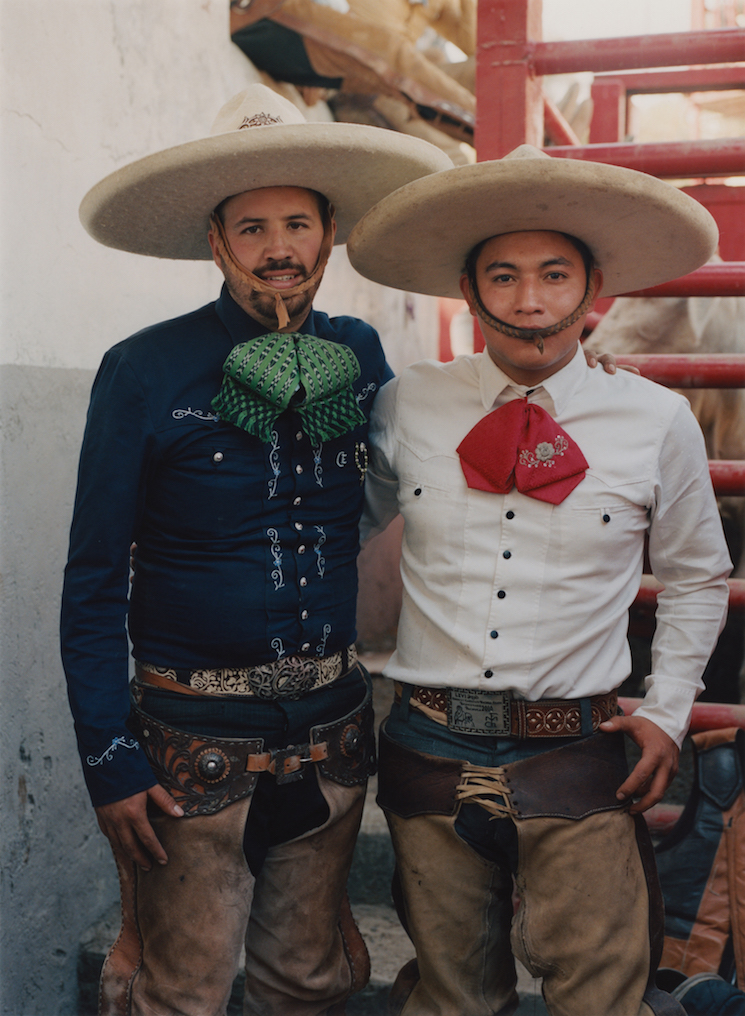
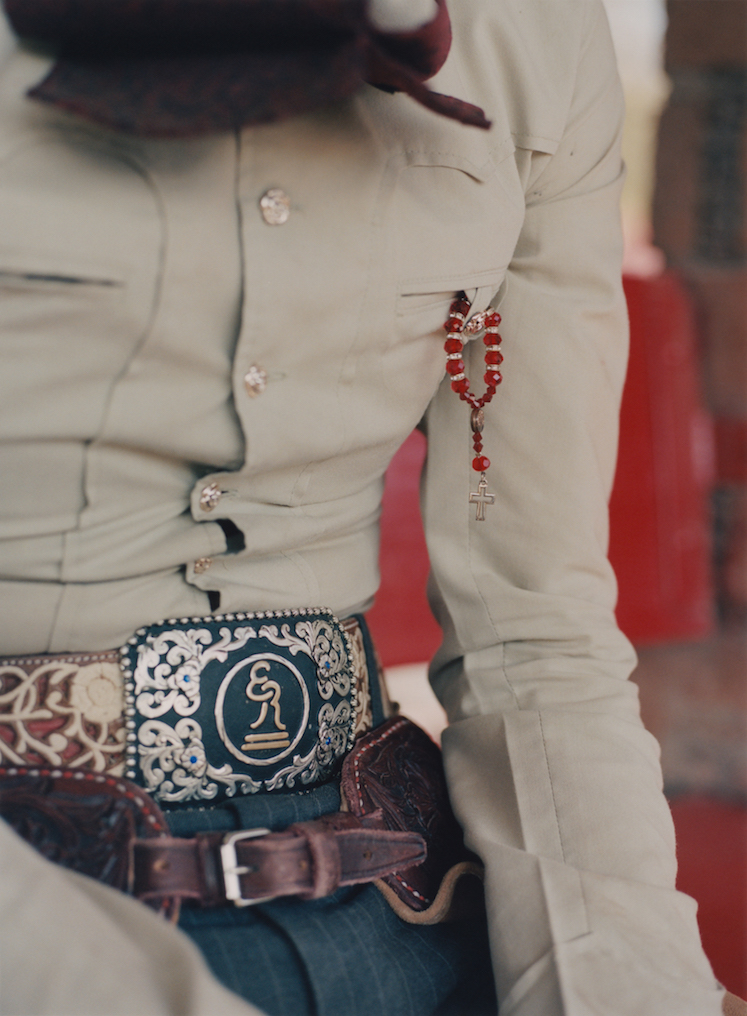
It was during a trip to Mexico in January 2020 that London-based photographer Alex Kurunis first stumbled across Charrería. “I went along with a friend,” he tells Huck. “I’d anticipated that it would be an interesting thing to document so I bought my camera with me, but I didn’t foresee how amazing the place would be.”
“Having shot a project in 2019 in Greece at a religious calendar event involving a horse race, I thought it may be interesting to follow up by exploring a different scenario and tradition with an equestrian focus,” he continues.
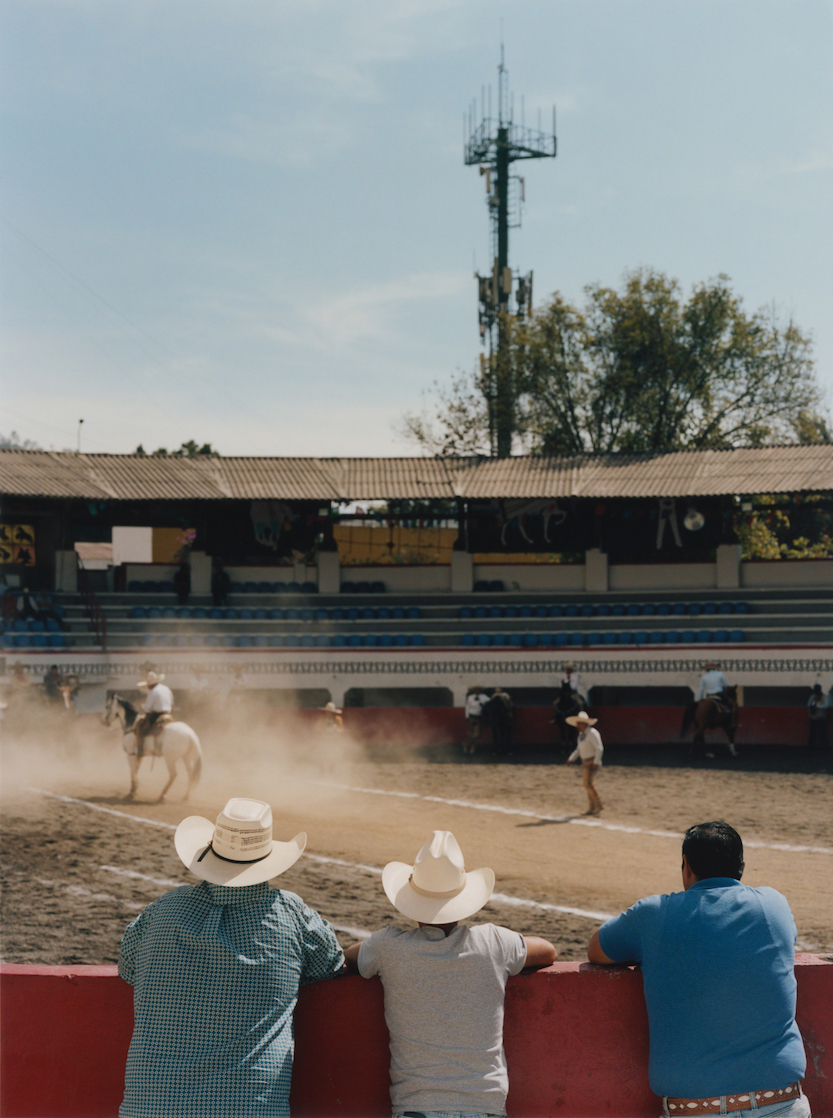
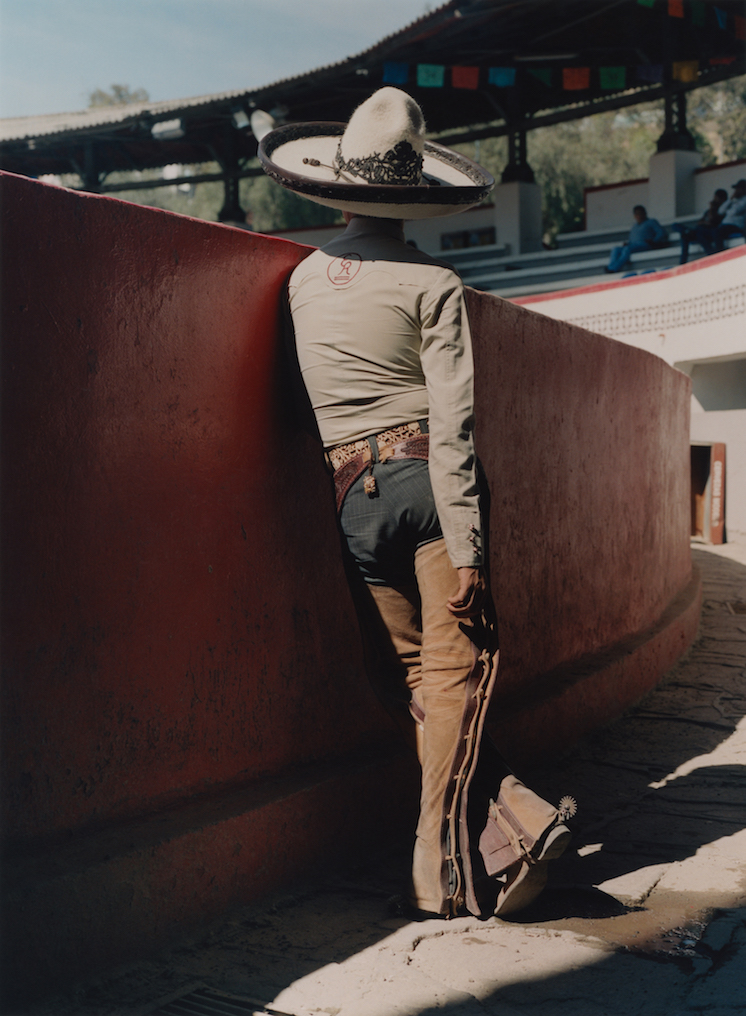
Over two consecutive Sundays, Kurunis visited Lienzo Charro de la Villa on the outskirts of Mexico City and was quickly taken with the energy inside the arena: the bustling crowd, the smells emanating from the grill, the commentator’s voice crackling over the intercom, and the vivid colours.
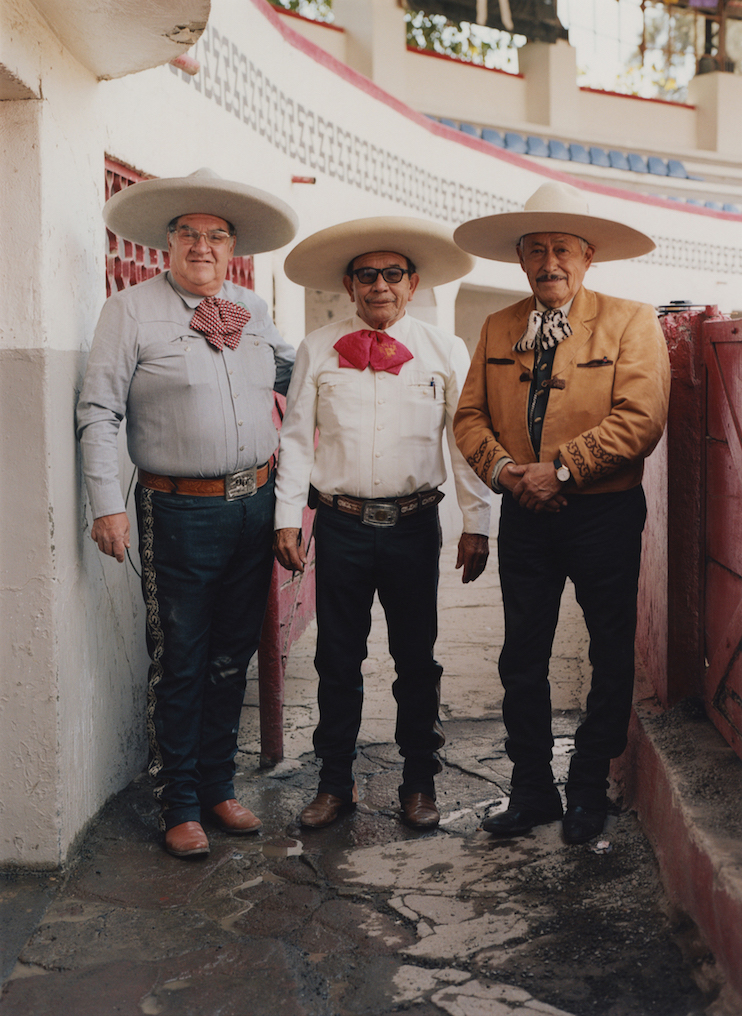
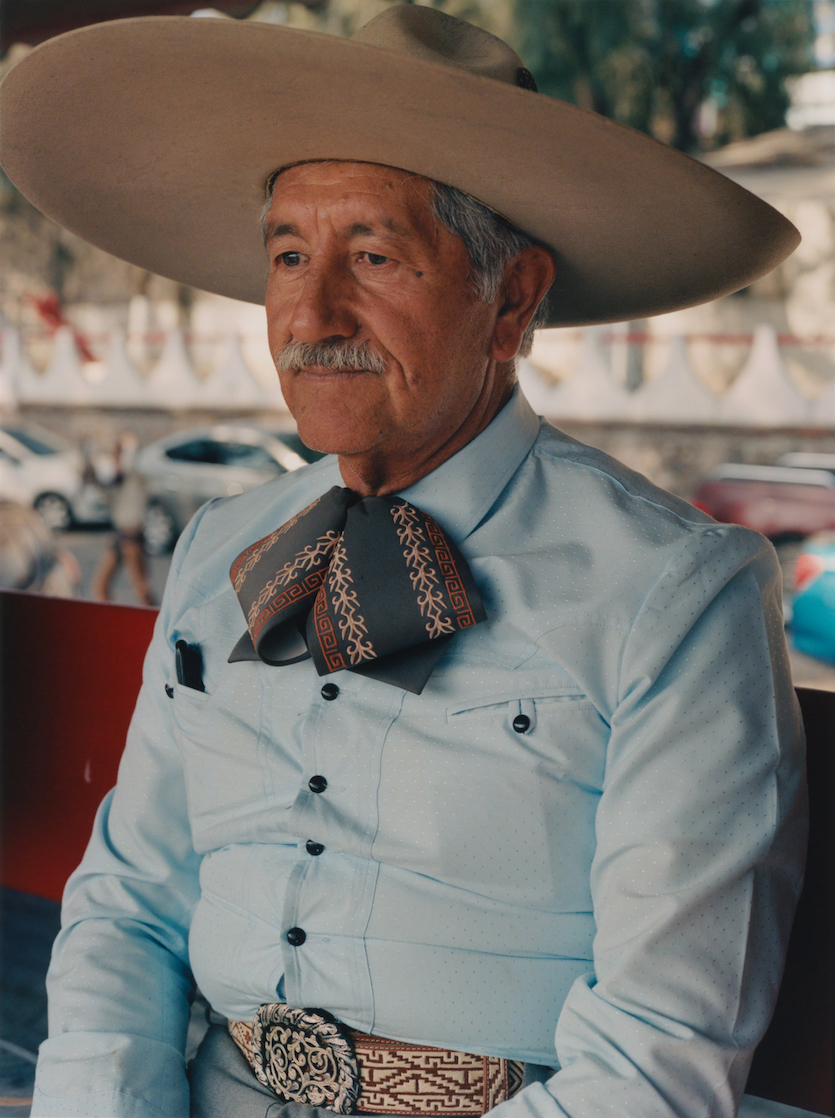
Like American rodeo, Charrería is a competitive sport consisting of a series of scored contests. Instead of being timed, riders are judged on the finesse, handling, execution and elegance of their performance (which all take precedence over speed). Almost as vital as the performance itself, are the costumes that riders wear for the event, which are highly elaborate and stylised.
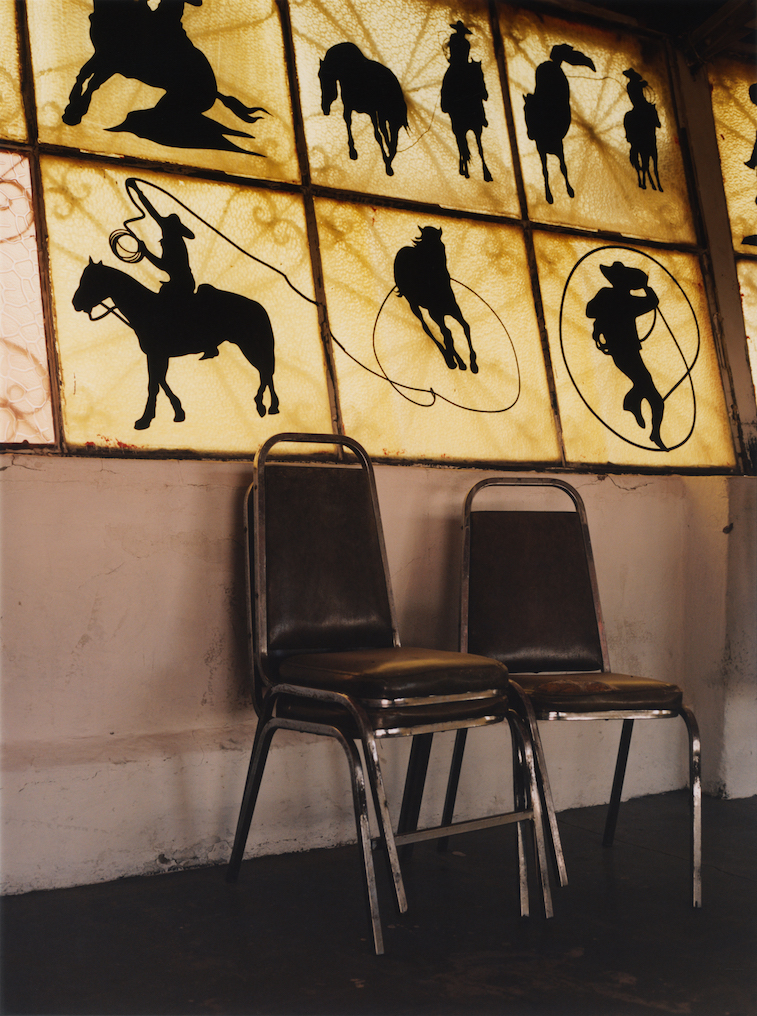
Teams usually compete across nine events, ranging from Piales en Lienzo (‘heeling’: throwing a lasso, letting a horse run through the loop and catching it by the hind legs) to El Paso de Muerte (‘the pass of death’: jumping from a tame horse to the back of a wild horse).
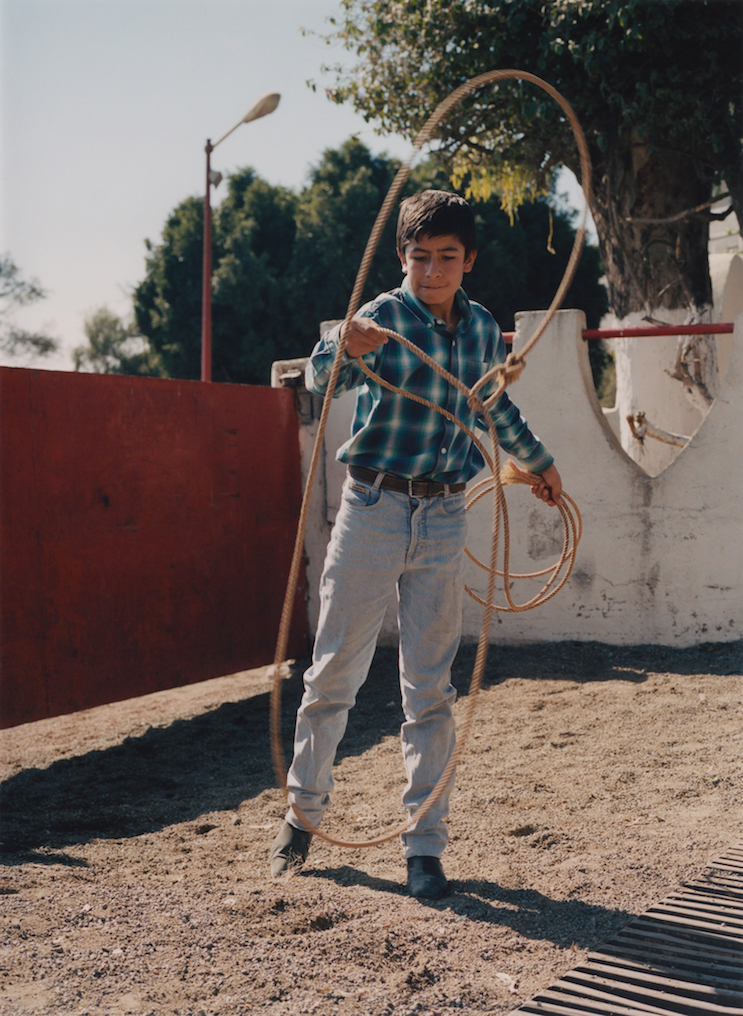
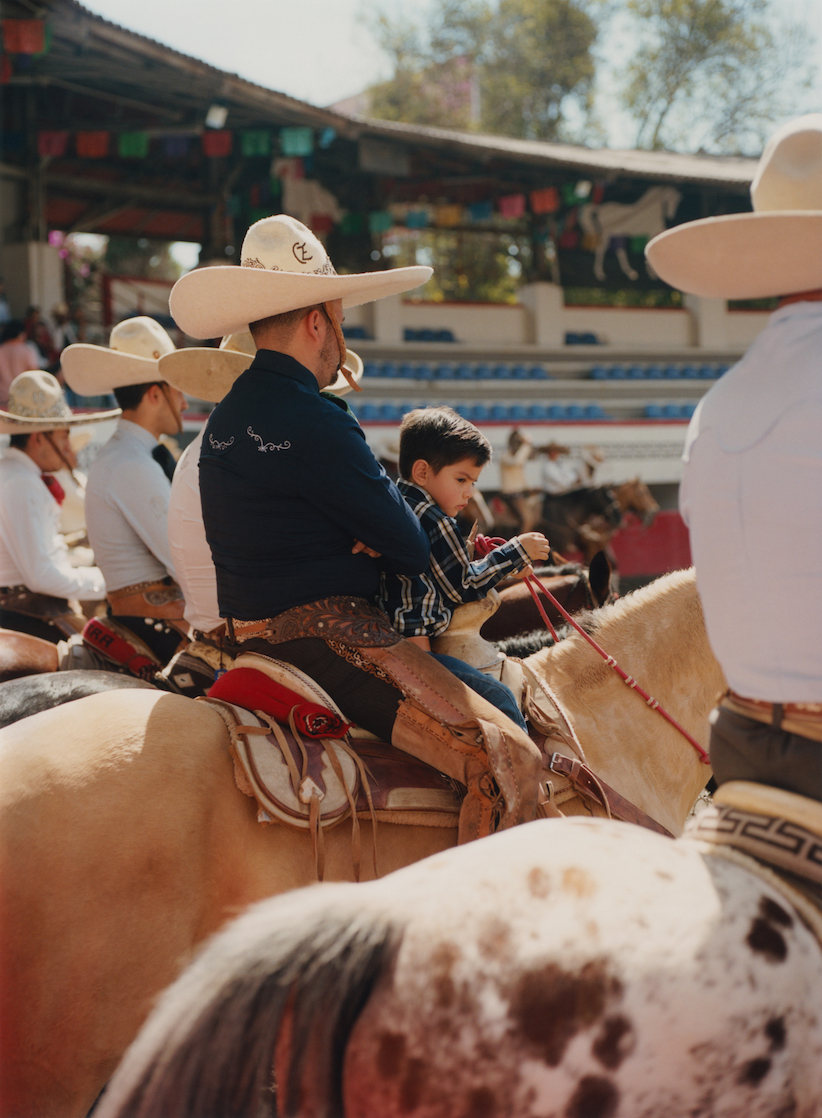
Walking the periphery of the arena, Kurunis chatted with both spectators and participants, from youngsters and teens to the older generations who come to watch and reminisce on their former riding days.
“There were a lot of young spectators who were there without their parents,” says Kurunis. “I met a group of young brothers whose older brother was competing and they were so aspiring to be like him. They were living and breathing the Charro lifestyle; you could really tell they were in awe of everything that was going on.”
“Kids and the younger generation are still really aspiring to be part of it. It’s not like some traditions that fade away – perhaps because it’s such an emblematic part of Mexican culture in many parts of the country.”
As the event stretched into late afternoon, Kurunis stayed on, noticing how it was only after the contests had ended that the sense of camaraderie really emerged. “People were staying behind and chatting, having a laugh; you could tell everyone was very familiar with one another and it was just such a lovely community,” he recalls.
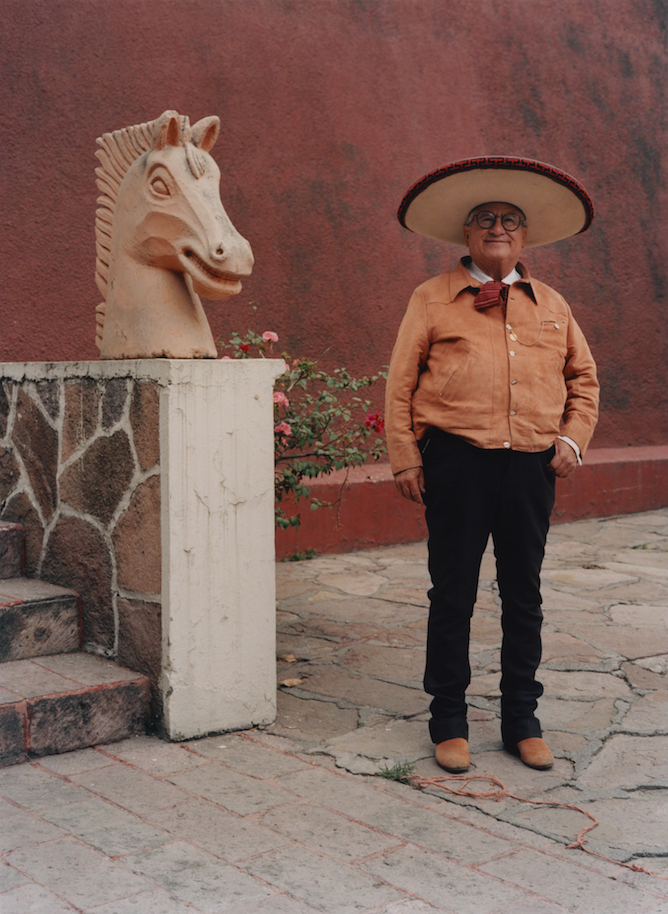
Another encounter that stuck out for Kurunis was meeting an older man named Elloy Salazar (photographed beside a stone statue of a horse). “He took me on a walk around the whole grounds telling me about its history and how he’d been a patron of the place for decades. He was an incredible character – you could really tell how proud he was to be part of it.”
To see more of Alex Kurunis’s work, visit his official website. All photos printed by Sarah England.
Enjoyed this article? Like Huck on Facebook or follow us on Twitter.
You might like

Portraits of gay bears through a rooftop hatch
Big Boys On My Roof™ — Growing up, Anthony Stockdale struggled with his love for bigger men. His new photo series celebrates the bear community.
Written by: Anthony Stockdale

In photos: Lives of solitude at the world’s edge
Coirón — Pie Aerts’s new photobook documents years spent in close quarters with puesteros in Patagonia – a group of aging gauchos who live almost completely isolated existences.
Written by: Isaac Muk

The raw, fledgling intimacy of Peter Hujar’s contact sheets
Hujar:Contact — A new photobook highlights the process of the legendary queer photographer, and his process of growing into the artist he ultimately became.
Written by: Miss Rosen

Guts, glory and goat tossing at the World Nomad Games
All eyes on Bishkek — From kok boru to eagle hunting, Kyrgyzstan’s global showcase spotlights ancient sports and celebrates local traditional culture, while also stiffening the regime’s ambitions, reports Antoine Goullin.
Written by: Antoine Goullin

Jesse Glazzard’s messy portrait of queer friends, lovers and chosen family
The Sound of Dirt and Beauty — The photographer’s debut monograph explores tender, unpolished moments shaped by the people who he surrounds himself with, while offering a window into the UK’s working-class LGBTQ+ community.
Written by: Sunny Sunday

Behind the curtain at Alternative Miss World 1981
Olympia glamour — Running a subversive take on the traditional beauty pageant, the Andrew Logan organised event prioritised underground creativity and invention. Photographer David Corio went behind the scenes at its biggest edition.
Written by: Miss Rosen


