The photography duo who shaped '90s music history
- Text by Miss Rosen
- Photography by Guzman

By the 1990s, the music industry had changed irrevocably. Vinyl was becoming a thing of the past as CDs came to the fore, and music videos skyrocketed in popularity, requiring artists to develop an aesthetic to embody their sound.
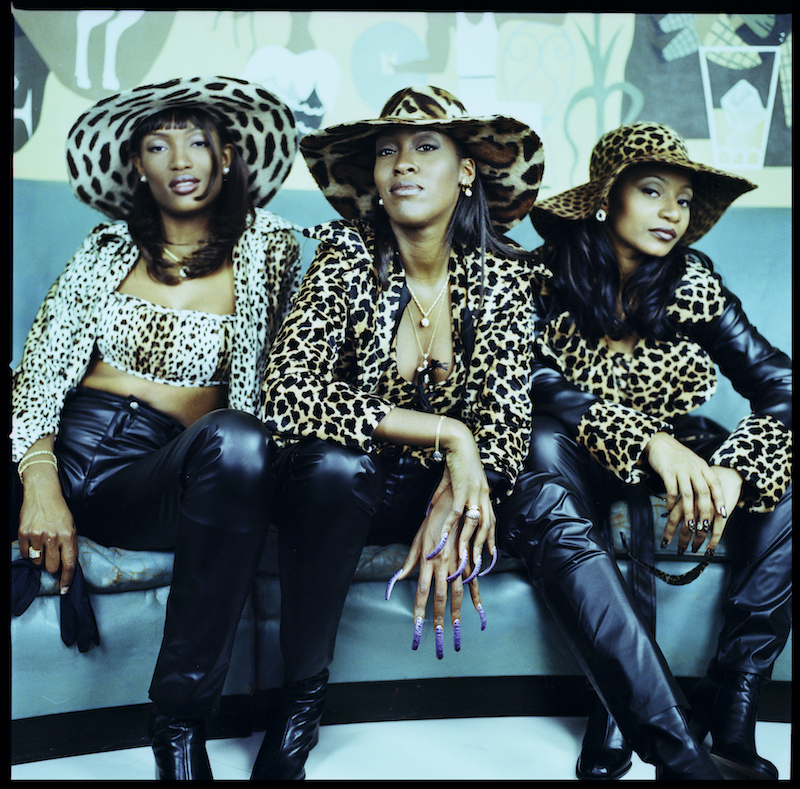
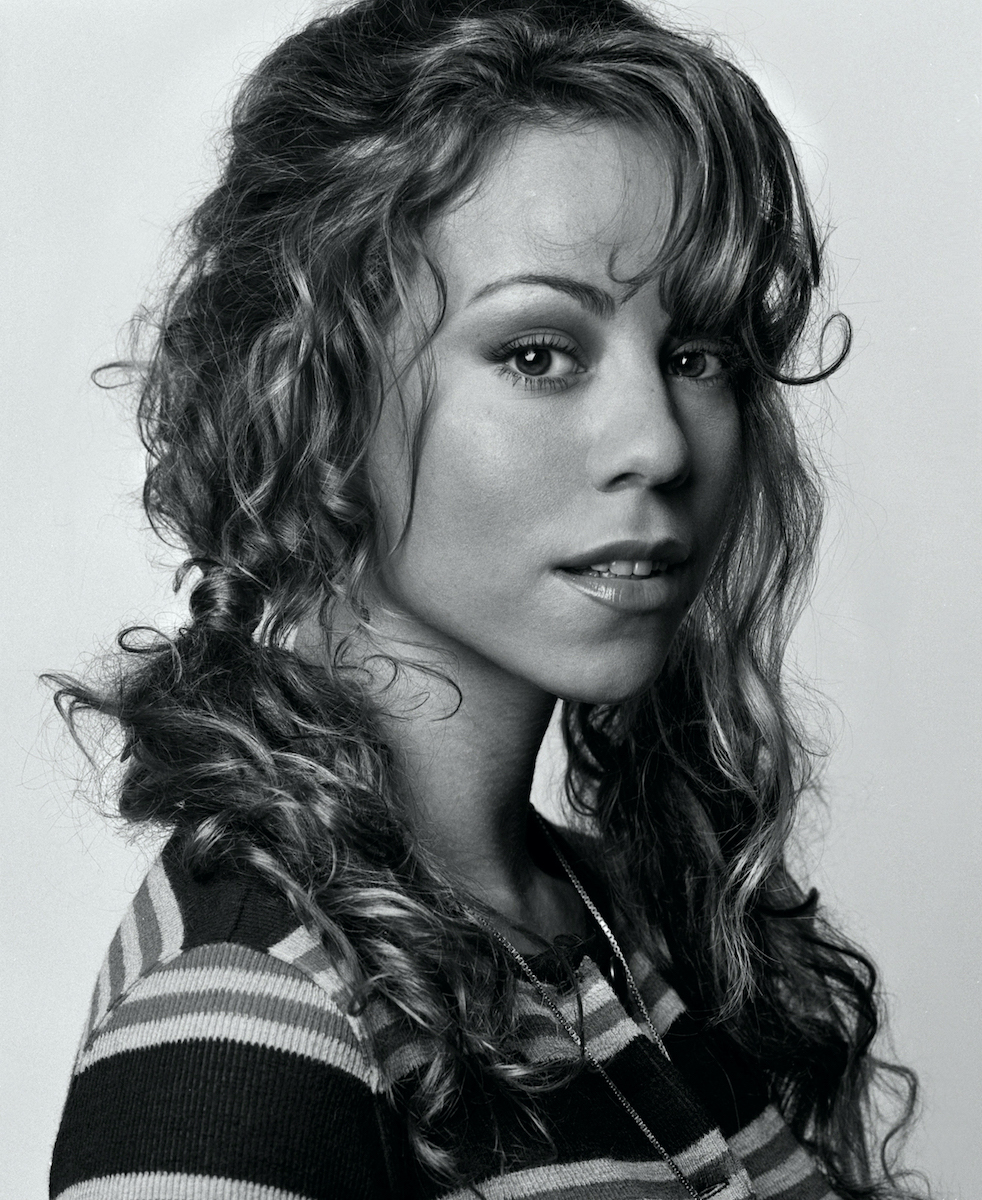
Guzman – the husband and wife photography duo of Constance Hansen and Russell Peacock – helped to define the look of the times with a series of iconic album and magazine covers for everyone from Fishbone to En Vogue.
The couple got their start in music photography with the cover of Debbie Harry’s 1986 album, Rockbird, collaborating with the likes of Stephen Sprouse and Andy Warhol. Three years later, they hit the big time, when they photographed the cover of Janet Jackson’s Rhythm Nation 1814 – a groundbreaking album that transformed the course of Hansen and Peacock’s careers.
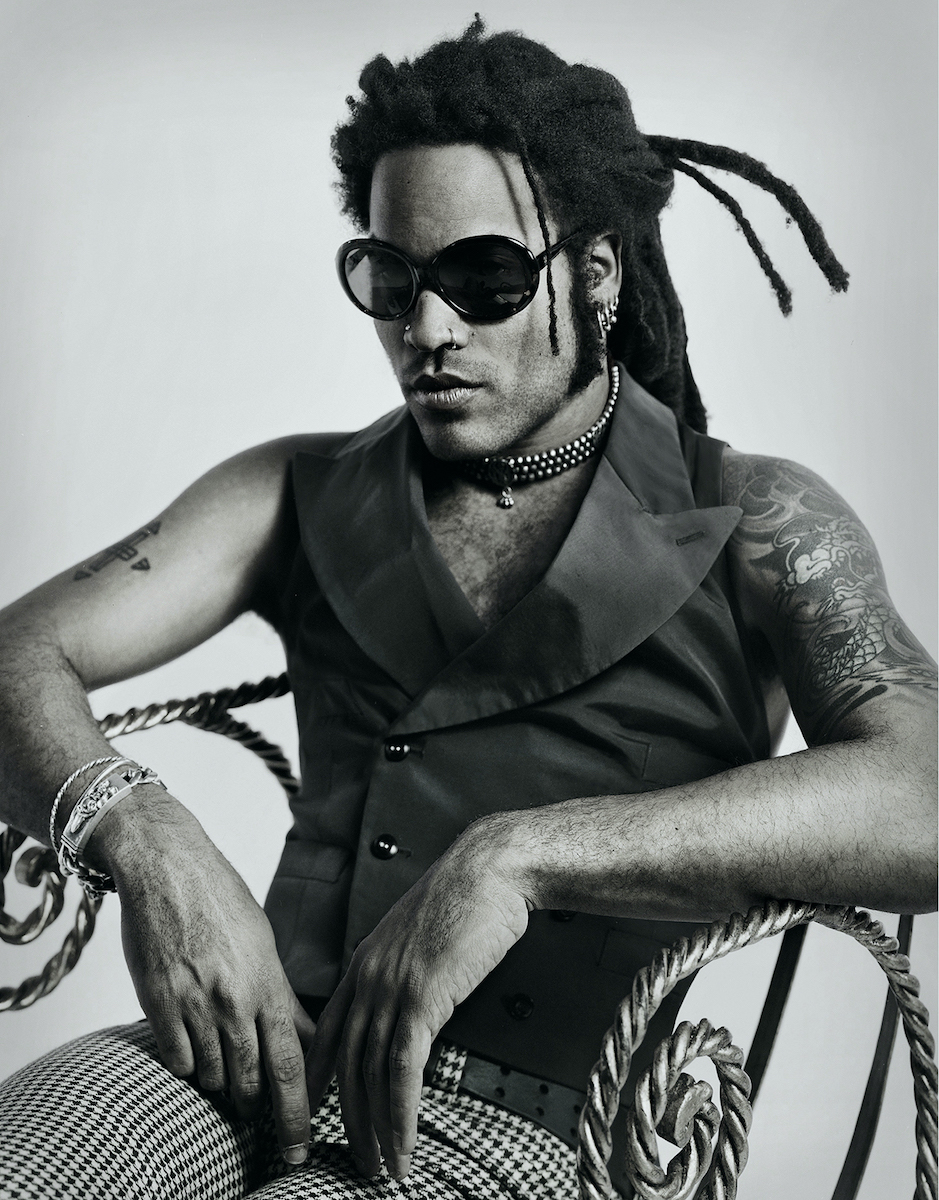
Throughout the ’90s, Guzman would go on to photograph some of the era’s biggest acts, among them Lenny Kravitz, Luther Vandross, SWV, and Salt-N-Pepa. Long before industry personnel began crowding photo shoots, photographers and artists collaborated in intimate settings.
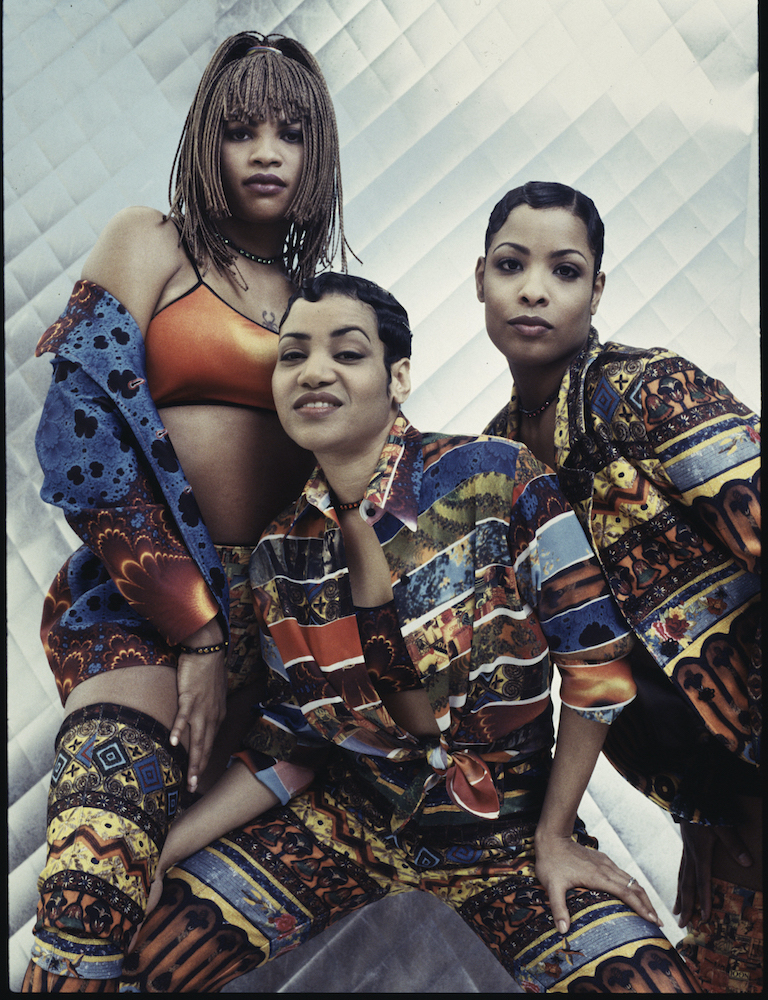
“You hooked up with the star,” Hansen says. “They would show up with family or by themselves. There was no separation between the star and the photo team.”
“The photo studios weren’t the big fabulous extravaganza they became by the late ’90s,” adds Peacock. “They were kind of run down, rough – just studios that haven’t been cleaned in 30 years. It was a lot more real. It changed quickly later in the decade.”
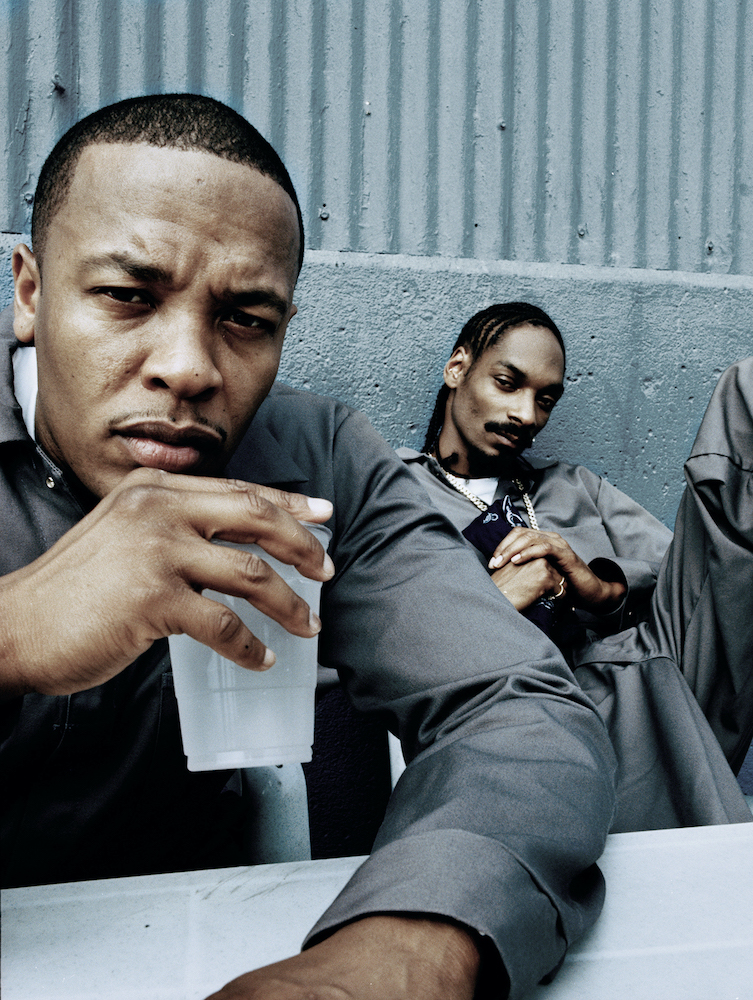
On set, artists often gave the photographers free rein to create a look to match their sound. For the “Dissecting the ’90s” cover story for Blaze magazine, Guzman decided to outfit Dr. Dre and Snoop Dogg in worker coveralls. “Every rapper was encrusted in bling and these guys were becoming moguls,” Peacock recalls. “We wanted them to be the opposite. By the end of the ’90s, most people were tired of all the labels and the luxury. It had come full circle.”
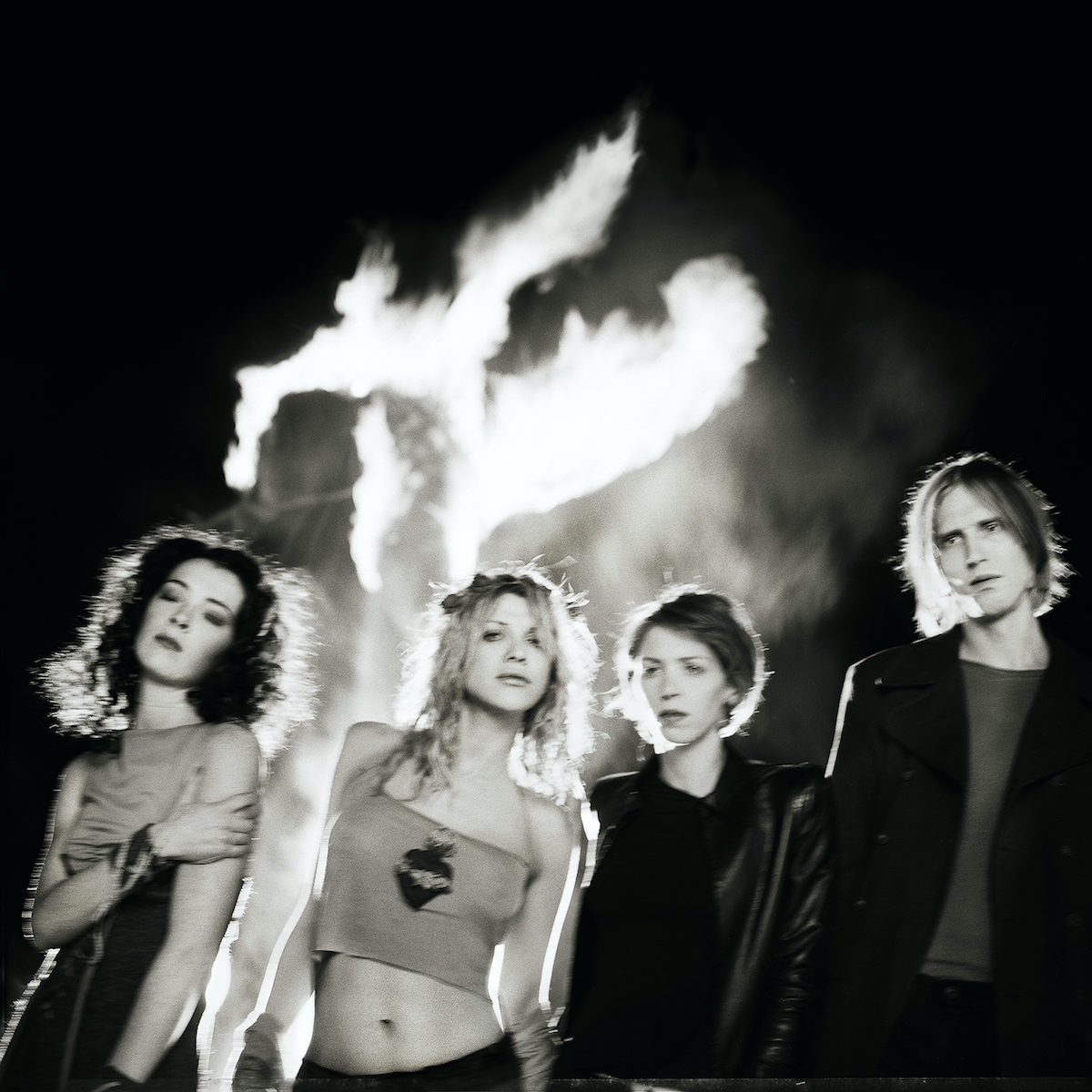
The ’90s began with the introduction of grunge – an aesthetic Guzman witnessed firsthand when they were flown out to Los Angeles to photograph Kurt Cobain and Courtney Love for the cover of Spin magazine in 1992. The story was conceptualised as a wholesome, family affair in response to Lynn Hirschberg’s notoriously debauched portrayal of the couple for the September issue of Vanity Fair in 1992.
“We went to their house. Courtney opened the door and there was guava pie and some Dunkin’ Donuts coffee. We thought we were going to do a domestic scene but there was nothing there. We opened the refrigerator and it was empty, except for a gallon of eyewash. It was the most beautiful, authentic rock and roll environment we were ever in,” Hansen says.
“Kurt stayed in bed the whole time. We hung out with him in his bedroom photographing his toys, him in bed, the baby,” she continues. “There was no pretense. Courtney was making rice-a-roni for him to eat. They were just real.”
Discover more of Guzman’s work here.
Follow Miss Rosen on Twitter.
Enjoyed this article? Like Huck on Facebook or follow us on Twitter.
You might like

How Japan revolutionised art & photography in the ’60s and ’70s
From Angura to Provoke — A new photobook chronicles the radical avant-garde scene of the postwar period, whose subversion of the medium of image making remains shocking and groundbreaking to this day.
Written by: Miss Rosen

Artifaxing: “We’ve become so addicted to these supercomputers in our hands”
Framing the future — Predominantly publishing on Instagram and X, the account is one of social media’s most prominent archiving pages. We caught up with the mysterious figure behind it to chat about the internet’s past, present and future, finding inspiration and art in the age of AI.
Written by: Isaac Muk

The lacerating catharsis of body suspension in Hong Kong
Self-Ferrying — In one of the world’s most densely packed cities, an underground group of young people are piercing their skin and hanging their bodies with hooks in a shocking exploration of pain and pleasure. Sophie Liu goes to a session to understand why they partake in the extreme underground practice.
Written by: Sophie Liu

What we’re excited for at SXSW 2026
Austin 40 — For the festival’s 40th anniversary edition, we are heading to Texas to join one of the biggest global meetups of the year. We’ve selected a few things to highlight on your schedules.
Written by: Huck

Wu-Tang Clan forever, and ever
The Final Chamber — RZA, the spiritual leader of one of the most important hip hop groups of all time explains why they won’t rest until their legacy is secured.
Written by: Yoh Phillips

In photos: The boys of the Bibby Stockholm
Bibby Boys — A new exhibition by Theo McInnes and Thomas Ralph documents the men who lived on the three-story barge in Dorset, giving them the chance to control their own narrative.
Written by: Thomas Ralph


