A visual ode to Leicester’s South Asian community
- Text by Isaac Muk
- Photography by Kavi Pujara

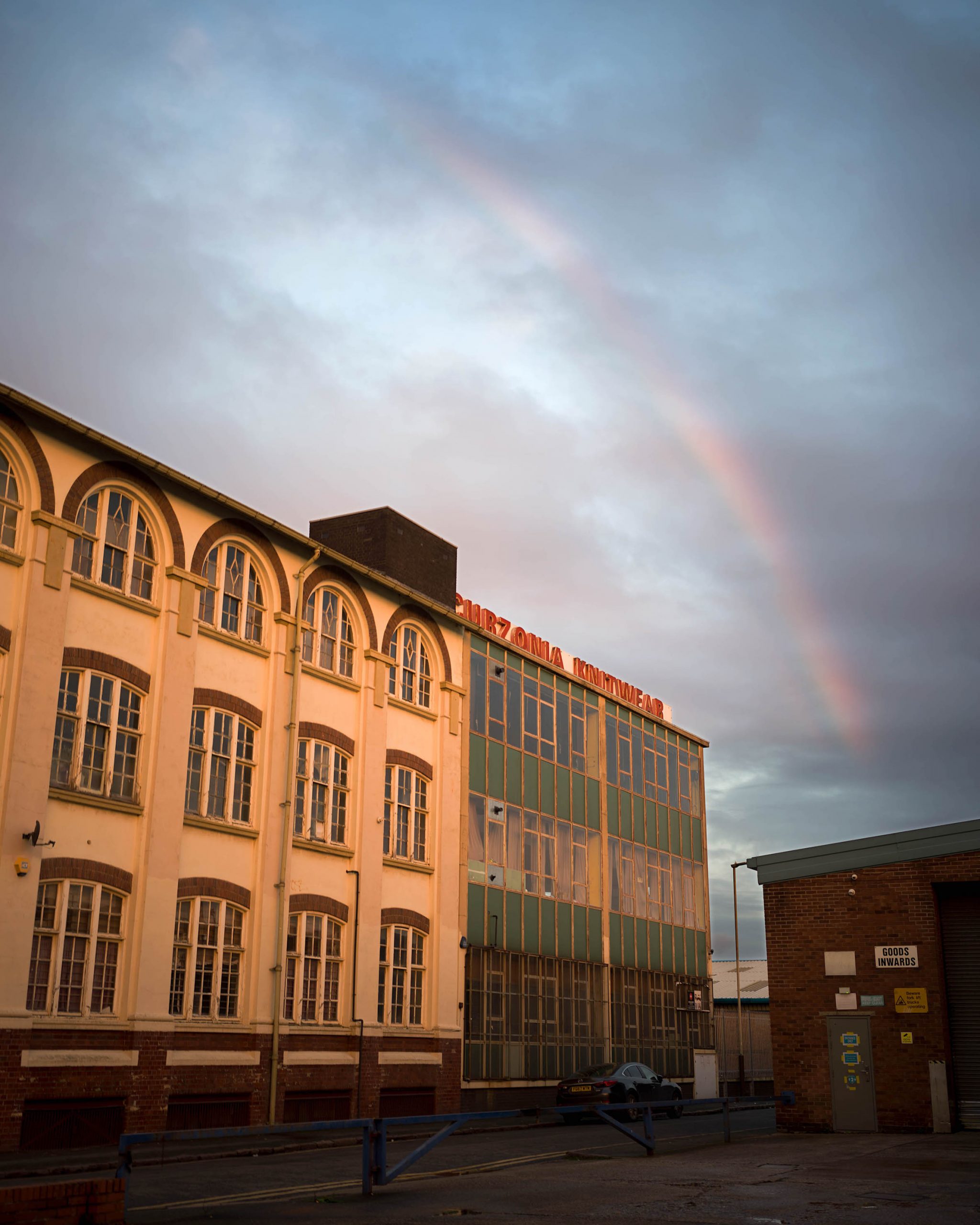
In 1979, when Kavi Pujara was seven years old, he used to have to walk home from school in Leicester on his own. While his mother would take him in the morning, come the ringing of the end-of-day bell, she would be working at a local knitwear factory, and he’d have to make the 15-minute trek solo.
Despite the short distance, it was one that was chocked full of obstacles. After a walk down the school driveway, a group of older boys and their “tough” younger siblings would hang out, and they wouldn’t let him pass easily.
“They were doing something called paki bashing,” says Pujara. “Which was a popular sport at the time. Essentially white kids would chase down and beat up brown kids.”
Not seeing himself as the most dominant brawler, he would sprint if any aggression broke out knowing that if he reached Laura, the lollipop lady, he’d make it home safe. It was a particularly tough time to be an Asian or Black person in Leicester, but also England, at the time, with far-right groups such as The National Front having risen to prominence.
“I was a slightly chubby kid,” Pujara says. “I had my nose broken, cut lips, sleeves torn – all of this kind of stuff – I didn’t realise how much I normalised it.”
Now a photographer, he reconnected with Laura recently, and while taking her portrait and reminiscing about his past, the memory of running to her as a beacon of safety came back to him. “It wasn’t until that moment that I really started to think about some of the racism that I’d experienced growing up in the ’70s,” he says. “I’d somehow buried it deep inside. Because it was so hard to be a person of colour, at 18 I’d felt that it was my Indianness that was stopping me from being my whole self – so I left.”
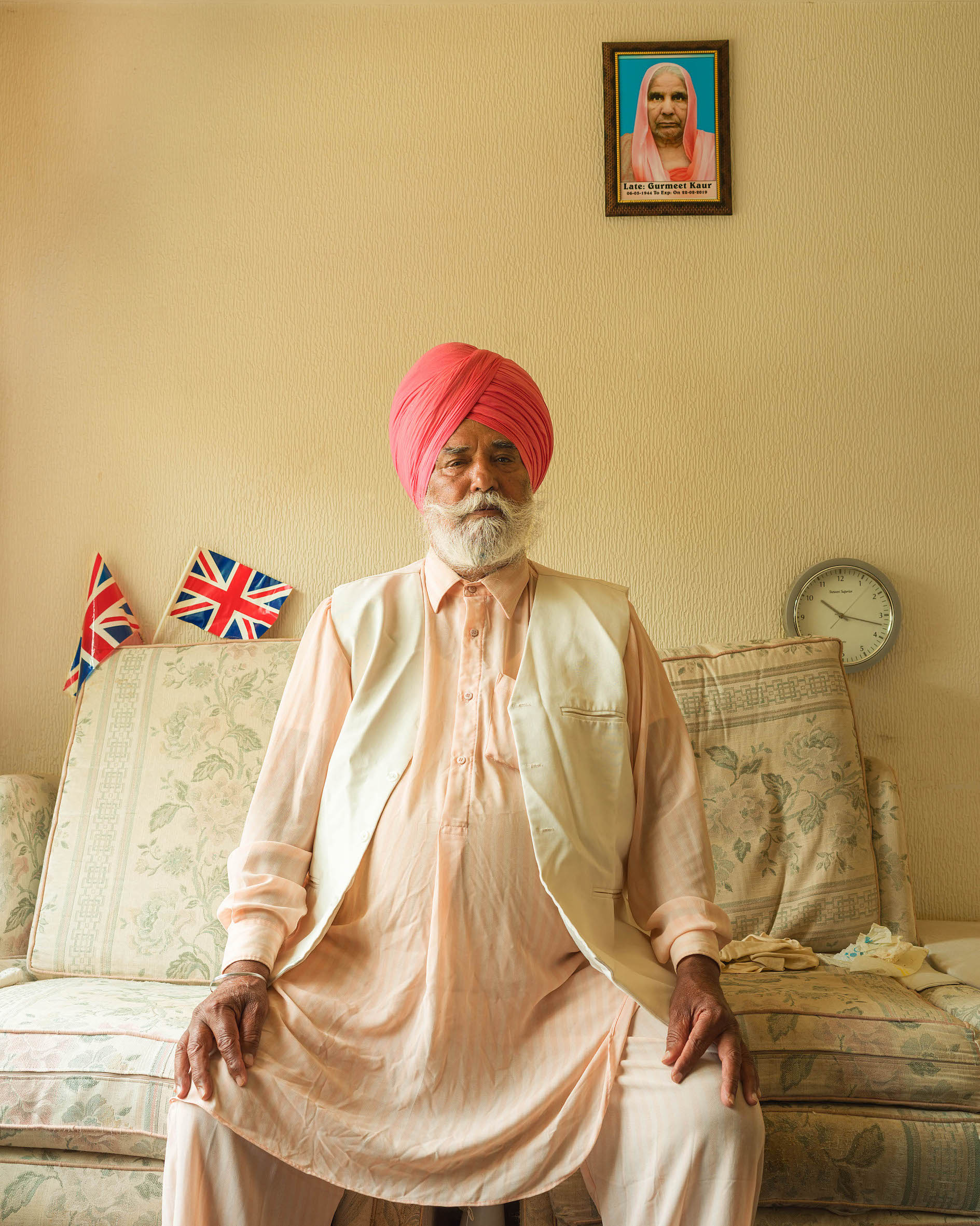
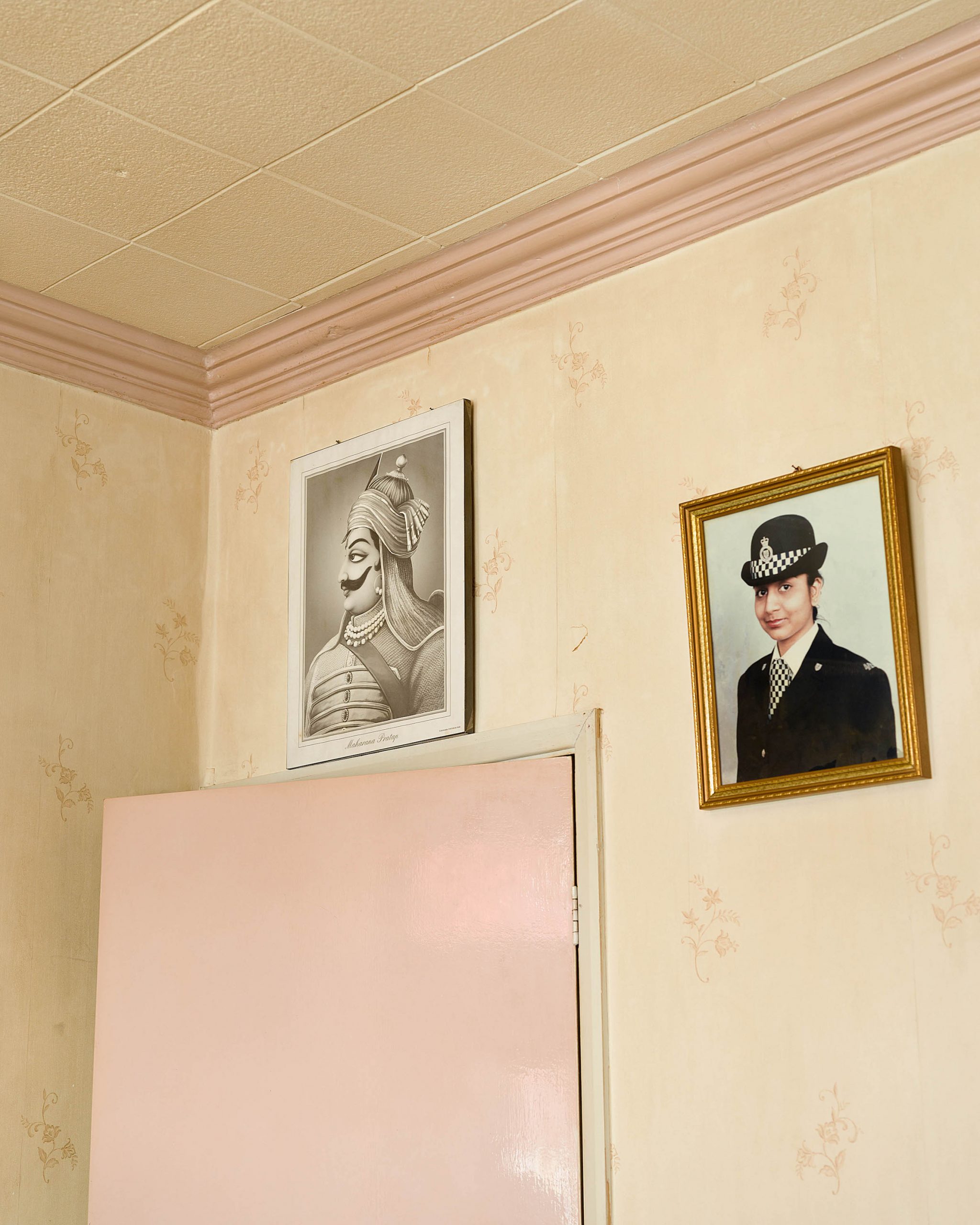
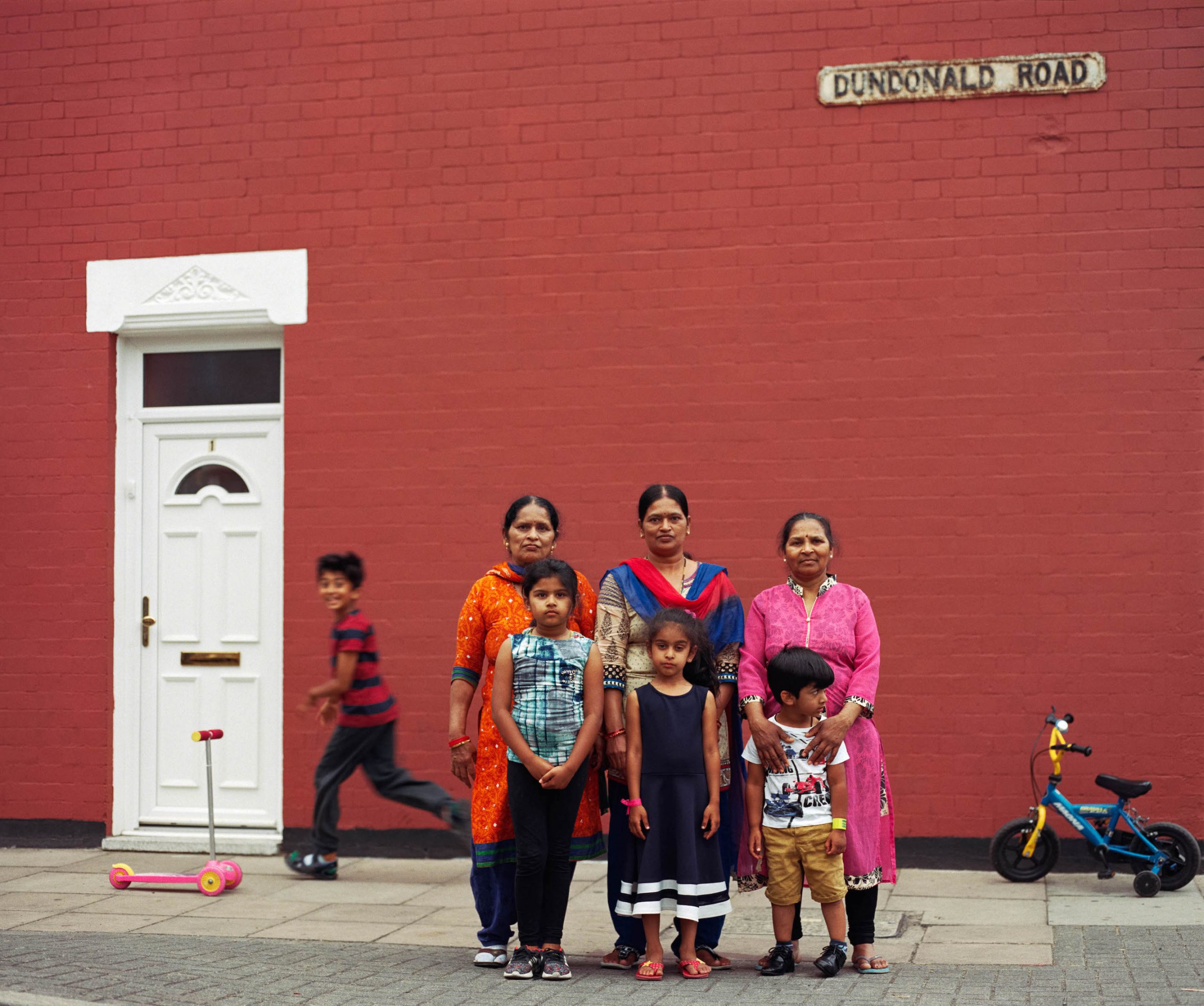
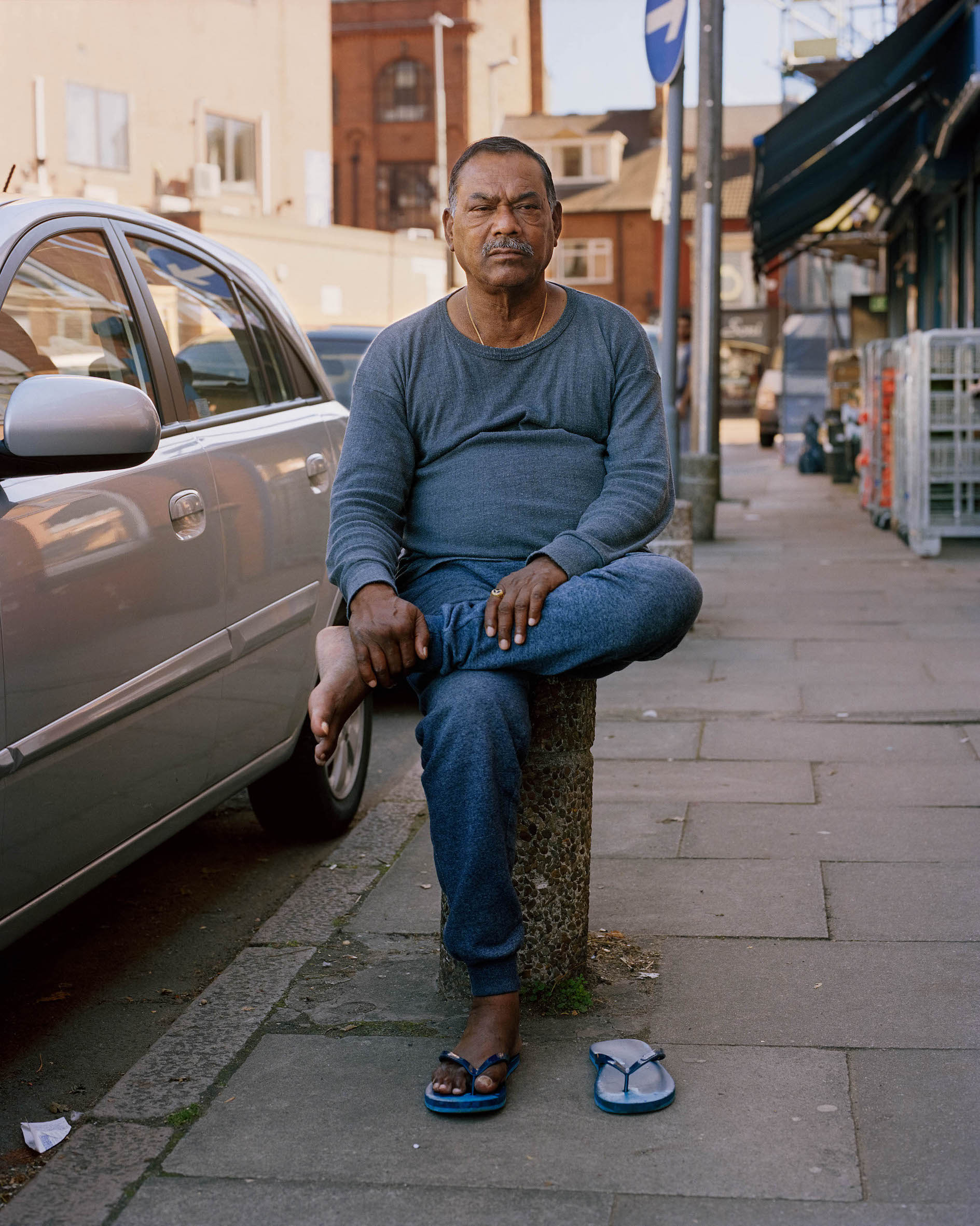
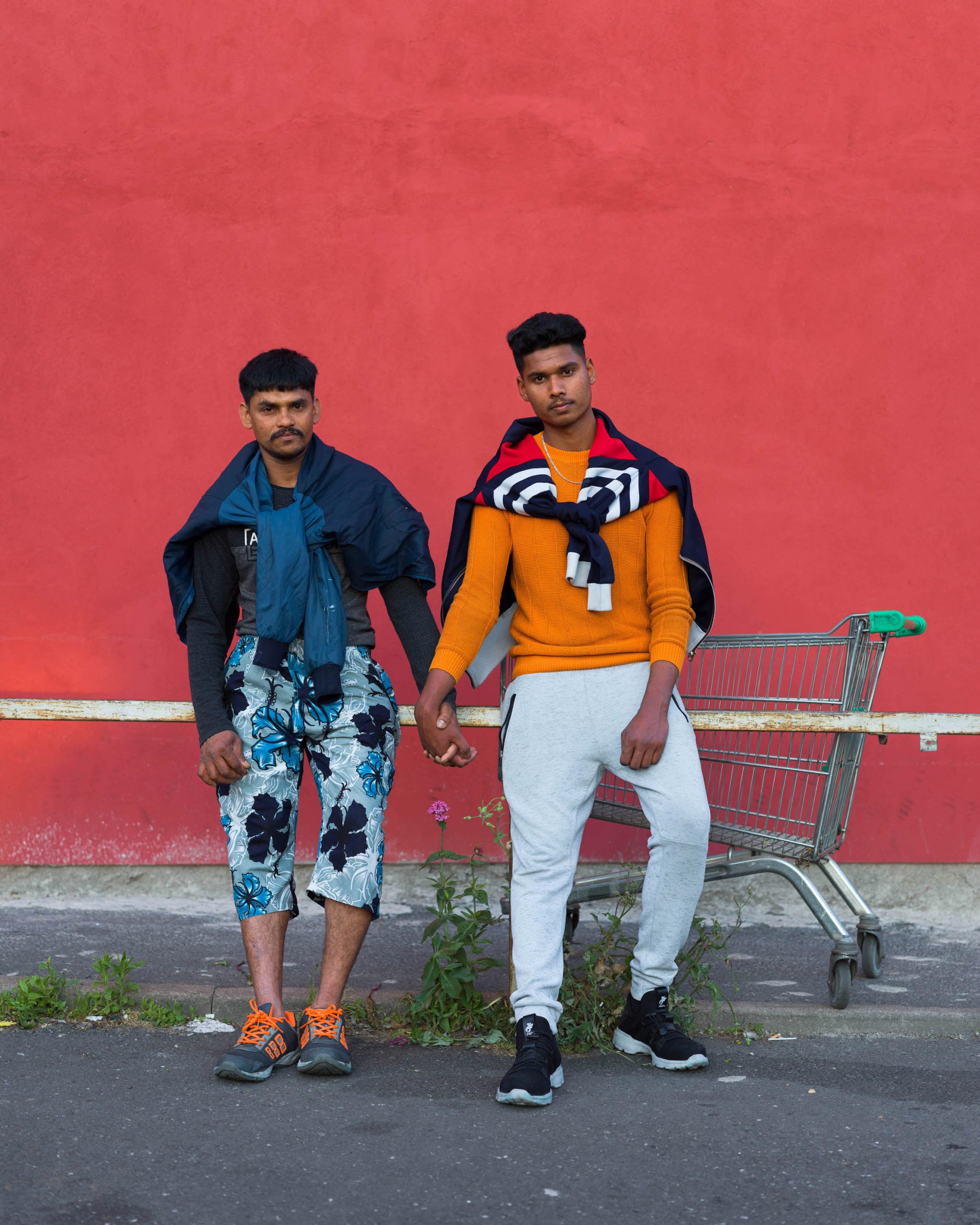
Having moved to London as soon as he reached adulthood, Pujara has spent the last six years reconnecting with and reimagining the city that he grew up in through his photographic lens, especially the South Asian community that he left behind. The result is his debut monograph This Golden Mile, a vivid documentation into the titular, predominantly Indian neighbourhood that spans the majority of Belgrave Road just north of Leicester’s city centre.
As well as photographing people on the street, Puraja was invited into the homes and shops of his subjects while making the project. The resulting shots are intimate, personal, and an illuminating insight into the diversity of characters who make up the city’s largely Gujarati-speaking Indian community. People of all ages, genders and sexualities are shot in the book, each with their own interpretations of the migrant experience in Britain.
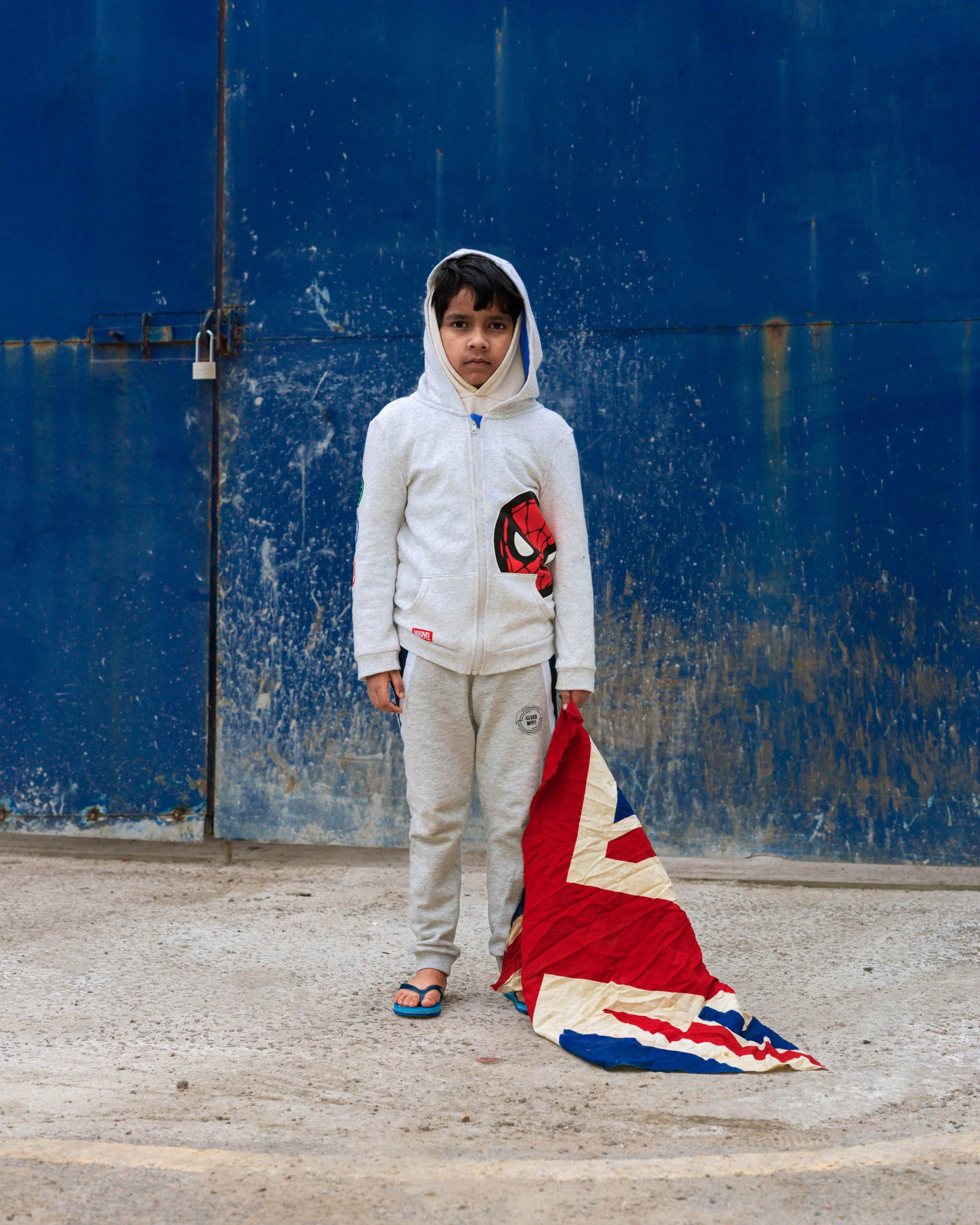
“I can’t understate how important it is for minority communities to be seen,” says Pujara. “To have your experience reflected back on you on a gallery wall or within a book affirms your place in society.”
Although most people of different backgrounds and heritage in Leicester live in relative harmony, tensions flared up recently when violence broke out between Hindu and Muslim groups in September. Pujara stresses that the episode does not reflect daily life on the Golden Mile. “In India we have right wing Hindu fundamentalists that are letting hate speech going unchallenged,” he says. “It’s the same populism that was here when Brexit was being voted on, when Trump came to power – in India it is still happening. I think that’s where it came from, it’s an outside thing.
“My parents will still go to the Muslim area to buy okra is the price is cheaper – last week I was at an Indian snack place for Gujurati food buying a load of samosas, and the person standing in front of me was a Muslim person” he continues. “On a day-to-day level it was a moment, and I think we can move past it – I’m hoping we can move past it.”


Follow Isaac Muk on Twitter.
Enjoyed this article? Like Huck on Facebook or follow us on Twitter and Instagram.
You might like

The raw, fledgling intimacy of Peter Hujar’s contact sheets
Hujar:Contact — A new photobook highlights the process of the legendary queer photographer, and his process of growing into the artist he ultimately became.
Written by: Miss Rosen

Jesse Glazzard’s messy portrait of queer friends, lovers and chosen family
The Sound of Dirt and Beauty — The photographer’s debut monograph explores tender, unpolished moments shaped by the people who he surrounds himself with, while offering a window into the UK’s working-class LGBTQ+ community.
Written by: Sunny Sunday

Behind the curtain at Alternative Miss World 1981
Olympia glamour — Running a subversive take on the traditional beauty pageant, the Andrew Logan organised event prioritised underground creativity and invention. Photographer David Corio went behind the scenes at its biggest edition.
Written by: Miss Rosen

New exhibition highlights British radical living over 200 years
Earthly Paradise — Taking place at the William Morris Gallery, it explores the homes and lives of artists, writers, musicians and more, as well as the conditions that allowed them to thrive.
Written by: Isaac Muk

What life on the Strait of Hormuz is really like
Southern Winds — Bandar Abbas based photographer Morteza Niknahad has been capturing the diverse communities and stories of his local region since he first picked up a camera. His new series highlights the human impact of war.
Written by: Isaac Muk

Nick Haymes’s intimate portrait of his family’s life
Chronograph — Over 25 years, the photographer documented his son’s lives as they grew into adults. The resulting photobook is an exploration of the passage of time, as well as the optimism of youth.
Written by: Miss Rosen


