A sexually charged look at masculinity in sport
- Text by Miss Rosen
- Photography by Karlheinz Weinberger

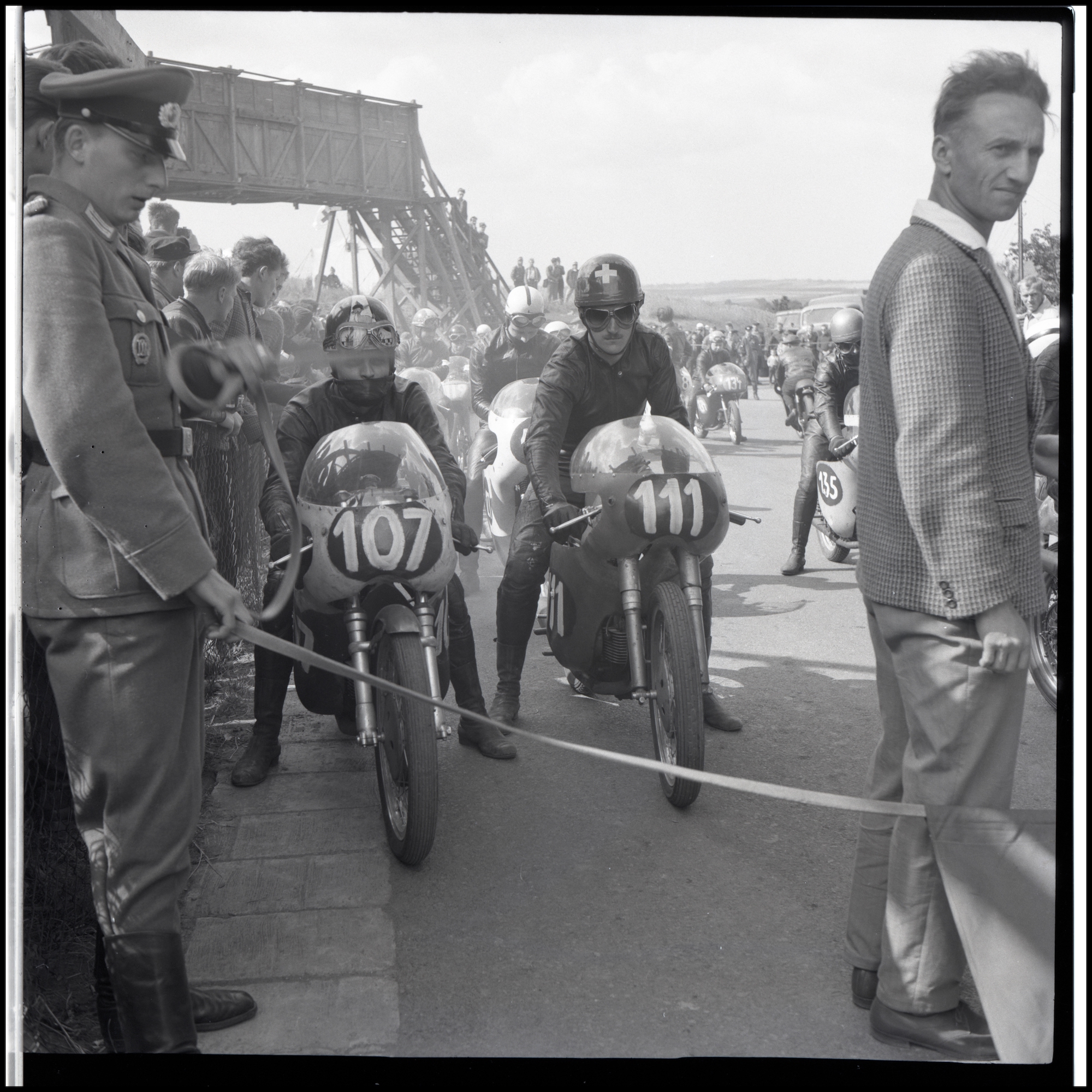
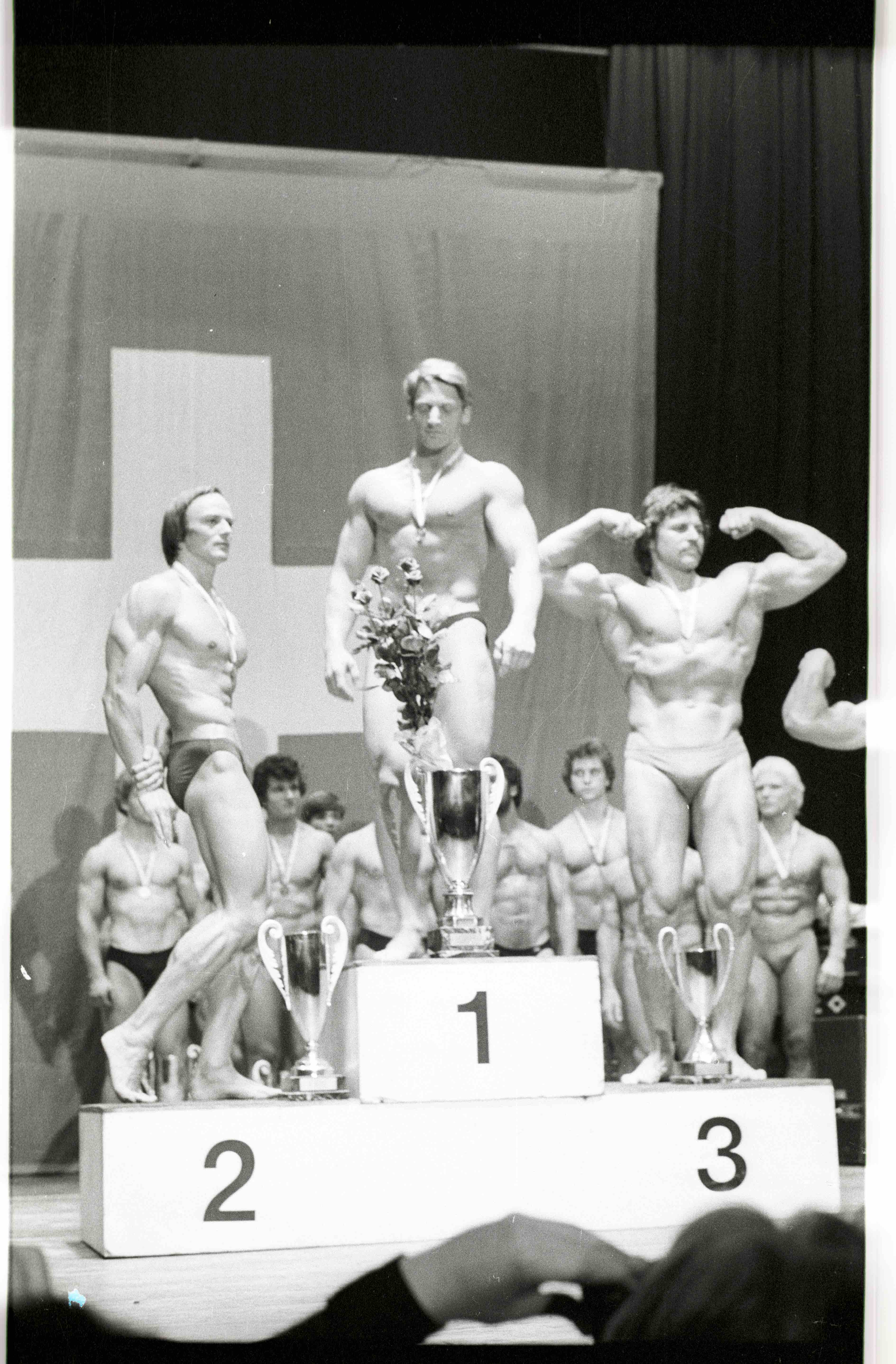
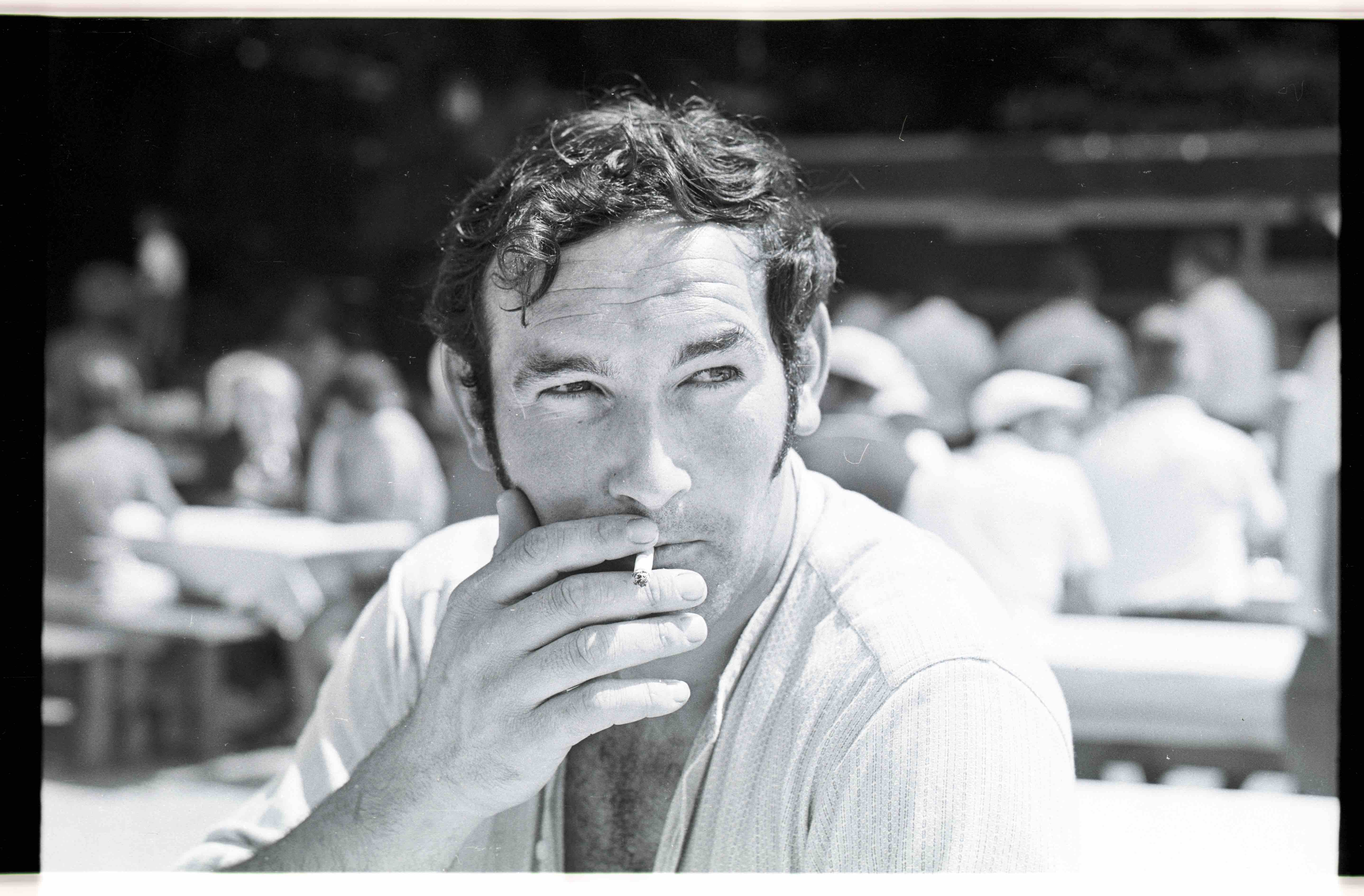
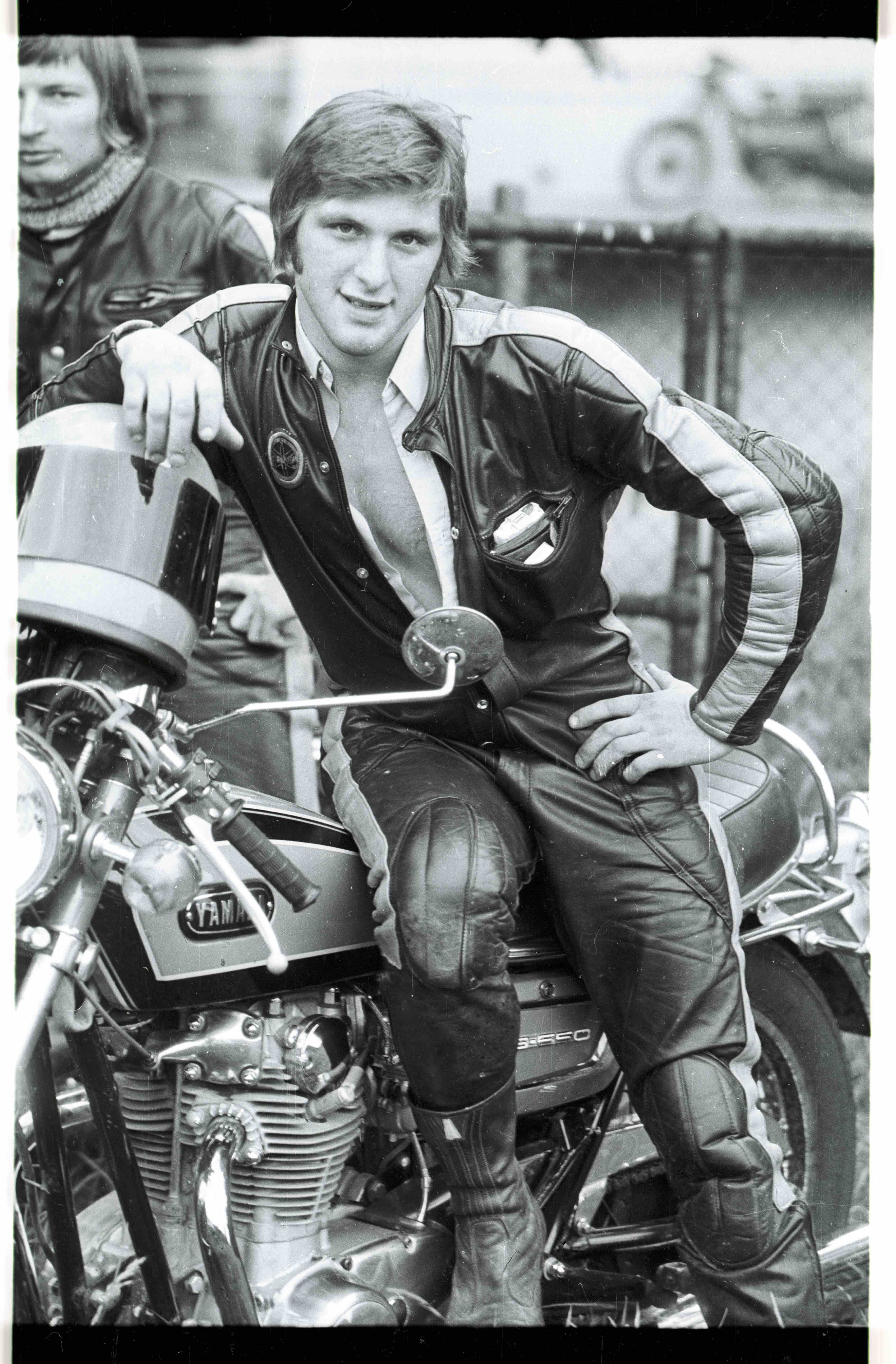
For Swiss photographer Karlheinz Weinberger (1921-2006), the camera was an all-access pass into a world where men openly expressed their true selves. Best known for his photos of rebels and rockers, Weinberger pursued the masculine ideal in its many forms, including the peak athletic physiques of the sporting world. In Karlheinz Weinberger, Volume # 2, Sports (Sturm & Drang), we’re whisked away and taken into a testosterone-fueled world filled with bodybuilders, wrestlers, weightlifters, motorcyclists, and football players drenched in pools of tension and sweat.
Curator Patrik Schedler, who cared for Weinberger artistically from 2000 until his death and manages the photographic estate, explains: “Weinberger was so interested in the relationships between men, their self-expression and their beauty.”
“With his camera, he was able to observe and work out all this very well. Weinberger said that he was able to photograph almost all the men he liked. In fact, they liked to be photographed, to show themselves, to pose.”
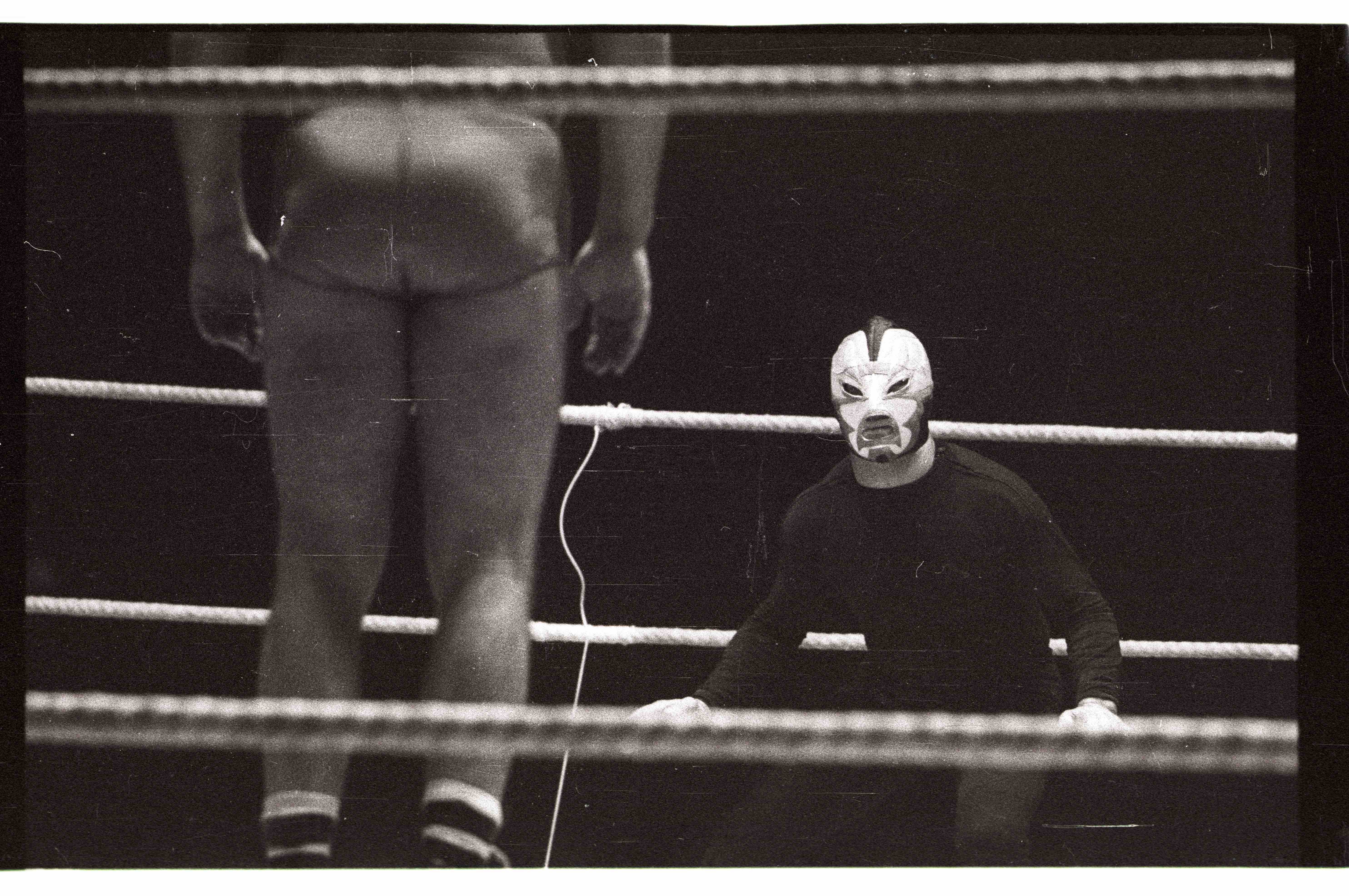
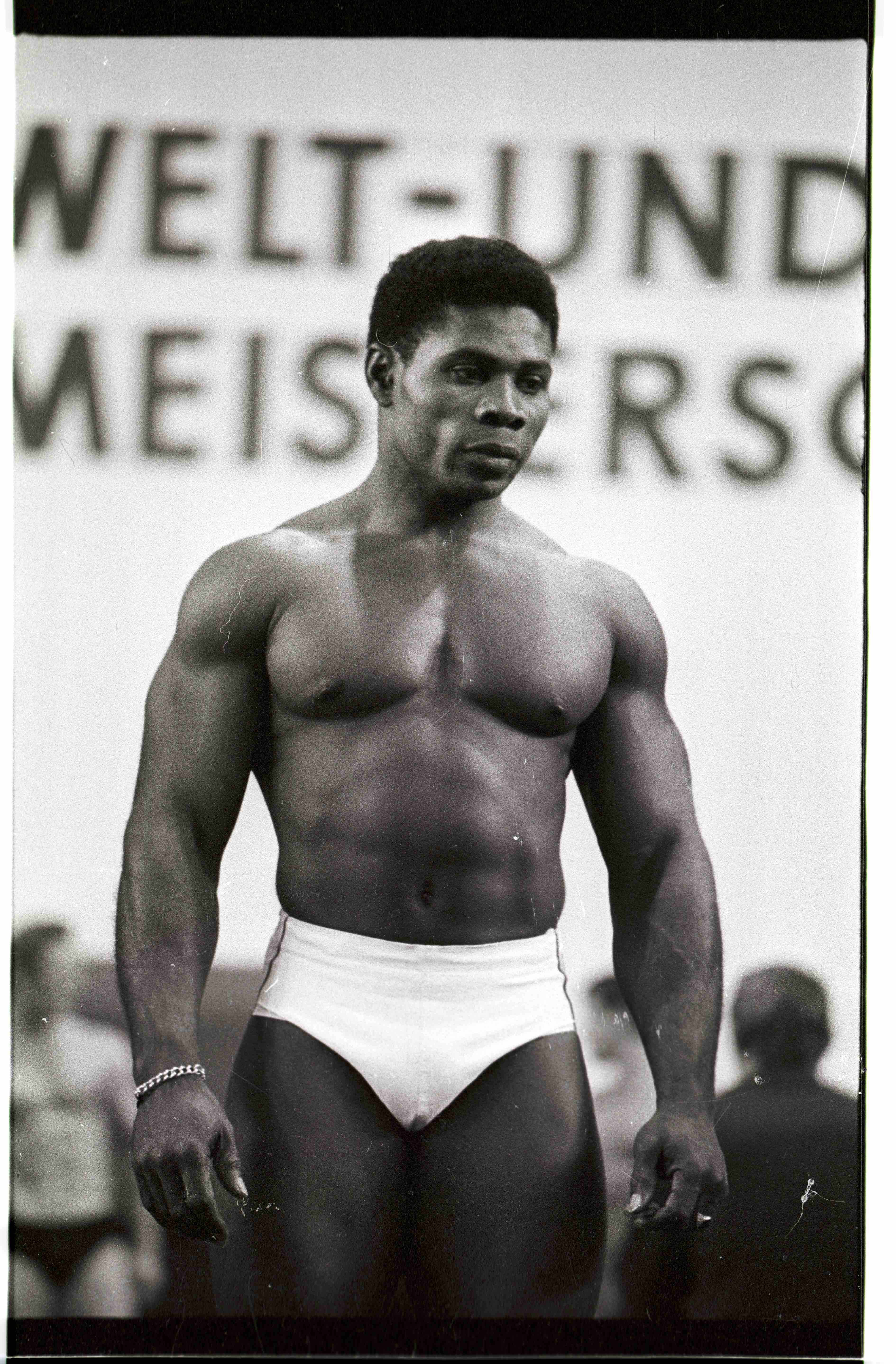
Their love for the camera shows throughout Weinberger’s work, which dates back to the 1940s when he began photographing the Zurich Athletics Sports Association. He later became an honorary member of this club, and helped organise its 75th anniversary.
In 1962, he began photographing for Status Sport and Sport magazine, and started covering noteworthy sporting events including the 1962 motorcycle world championships in East Germany (Sachsenring) and the 1966 Kraftsport-Kulturistik-Europe and World Championships in East Berlin. He also captured almost all Swiss national championships for wrestling, weightlifting, bodybuilding and the traditional sports Schwingen and Steinstossen (stone poking).
“[Men in sport can] create a vibrant web of erotic connections with each other,” Schedler says. “It is, above all, this eroticism with which Weinberger was concerned. For today’s sports events, which are characterised by commerce and the asymmetrical worship of stars, he would hardly care.”
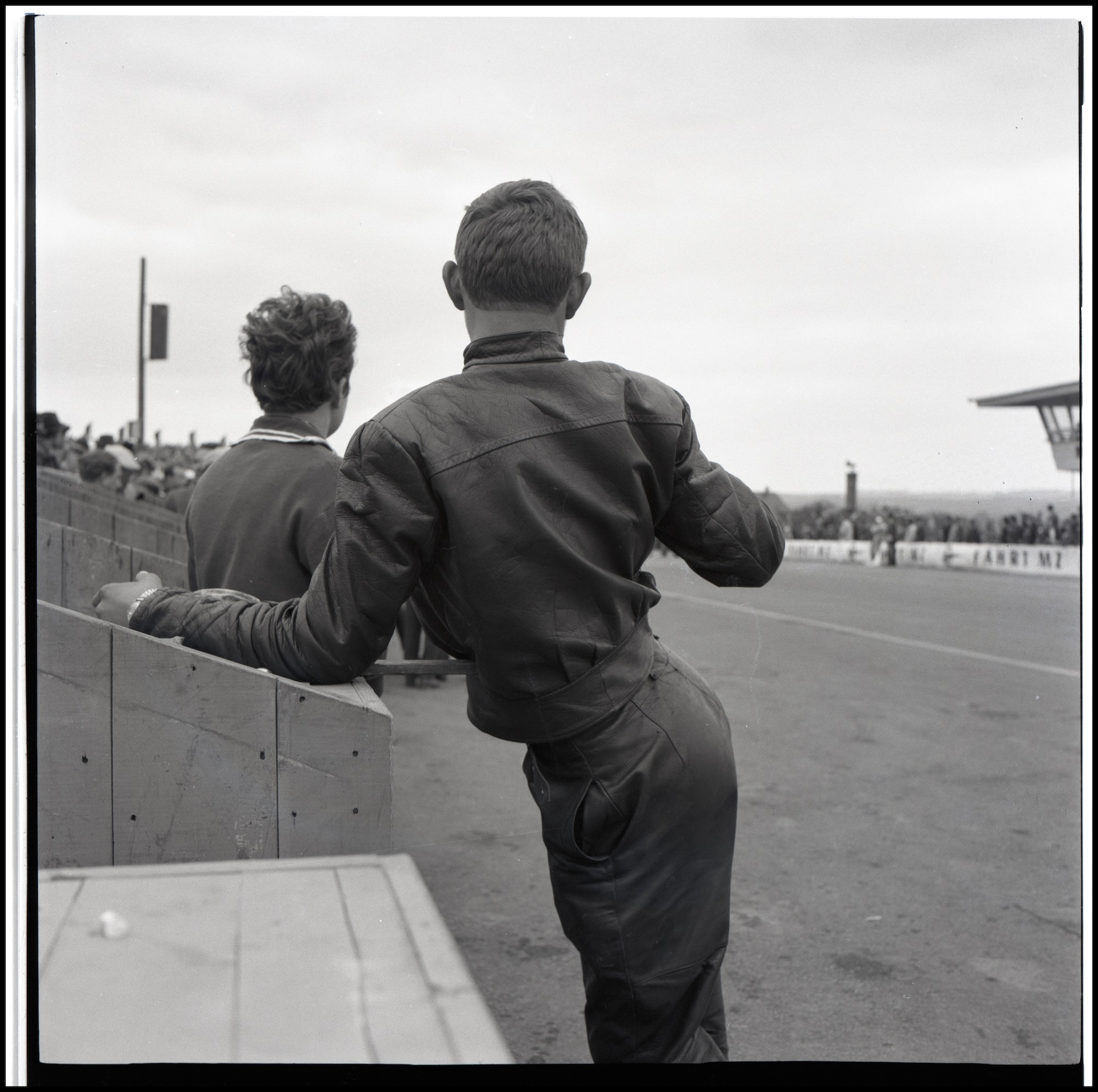
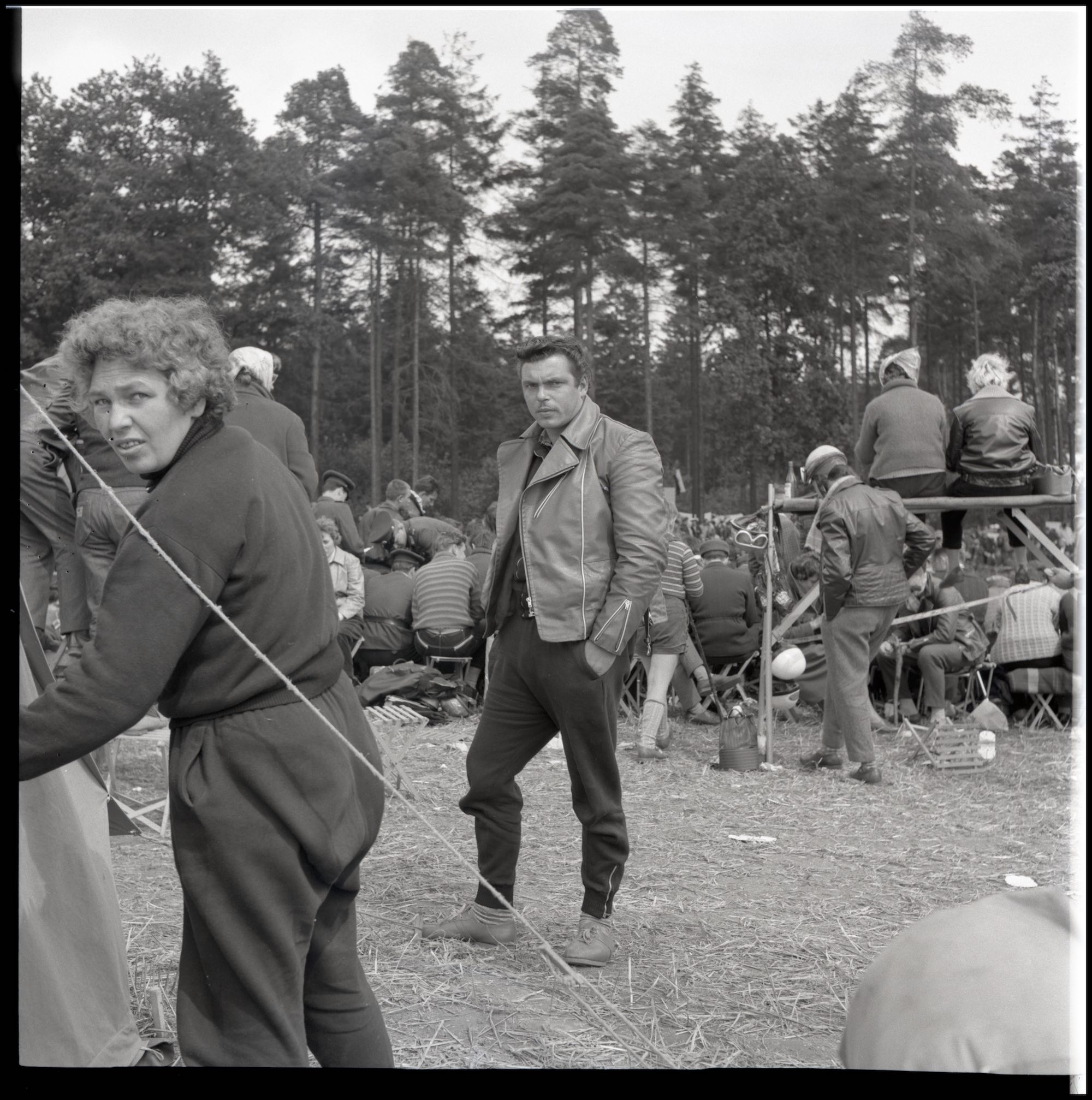
Weinberger’s fascination with the homoerotic infuses every element of his work. Sports is the second of three volumes dedicated to his work, the first Halbstarke (the half-strong), dedicated to teen rebels, and the forthcoming Mediteraneo, featuring photos made in Italy and North Africa between 1955 and 1964.
“In Halbstarke, sexualised corporeality became a program of identity-forming protest against the grey mass of the bourgeoisie,” Schedler says. “The rockers continued this and took youth culture underground.”
“Sports especially interested Weinberger and formed a heterogeneous area, where the physicality unfolded and was visibly and erotically charged. As sports and fitness became commercialised and erotically neutralised, Weinberger lost interest in them. From then on, he focused on the rockers, to whom he remained photographically loyal until his death.”
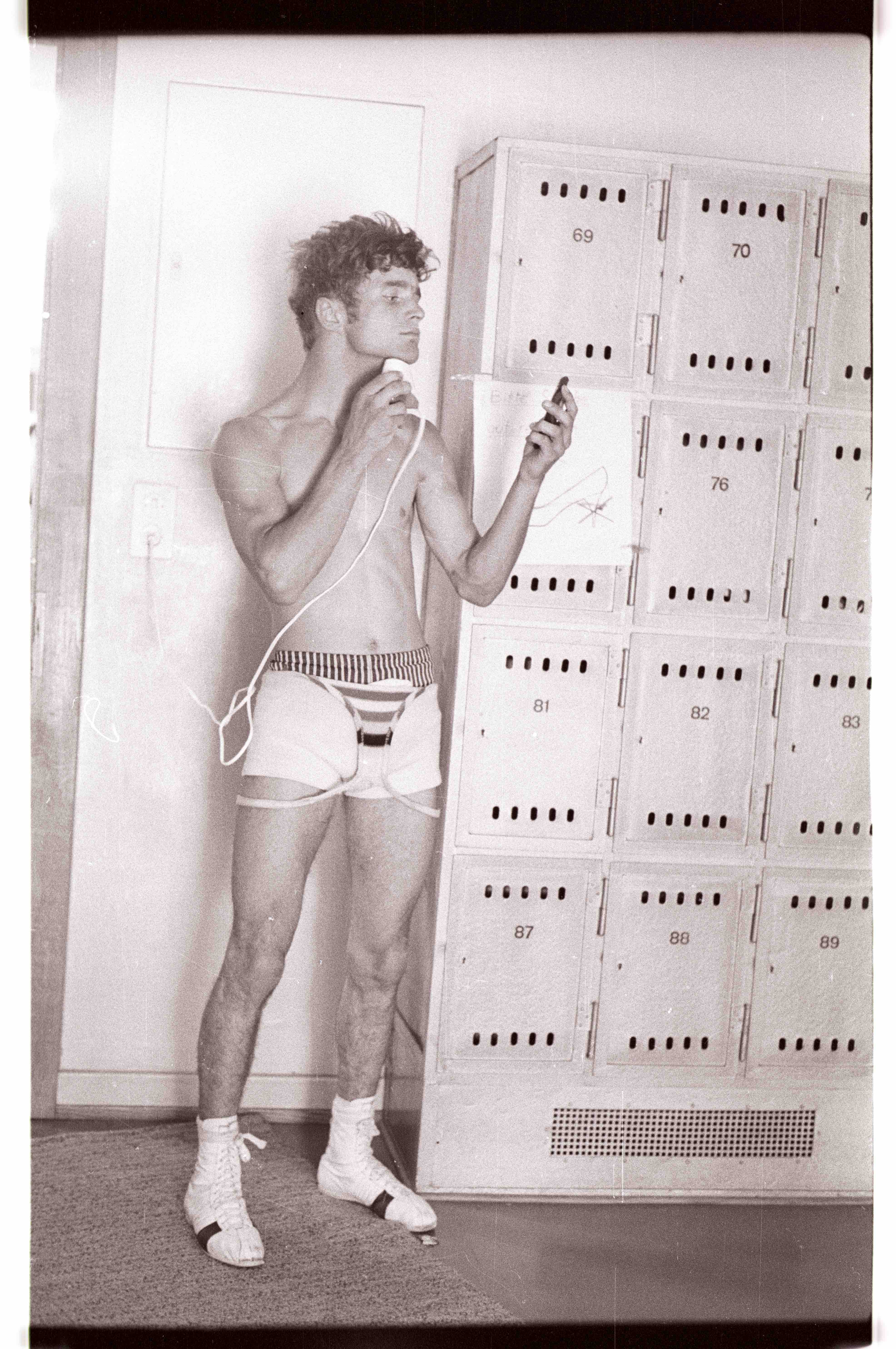
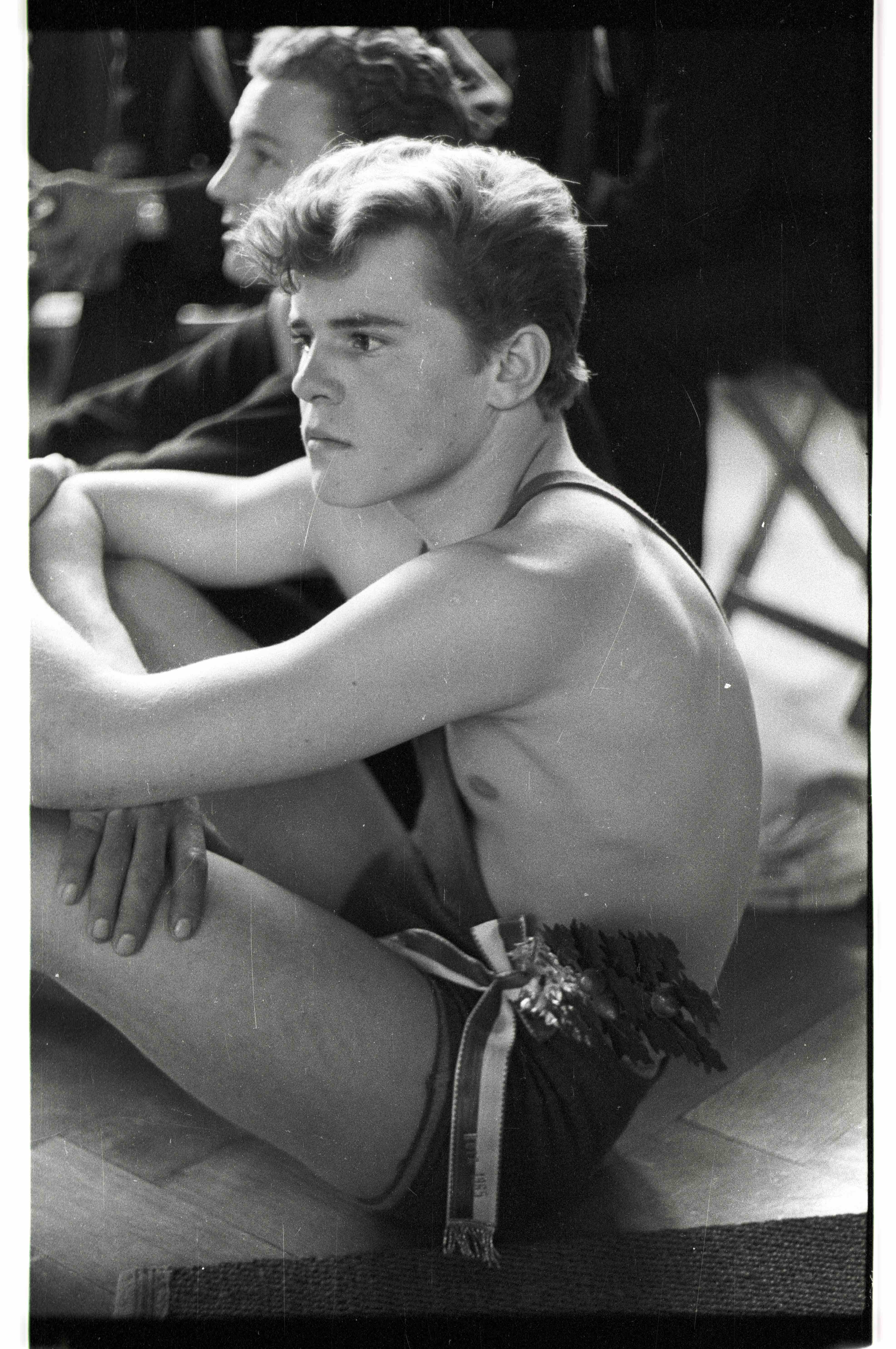
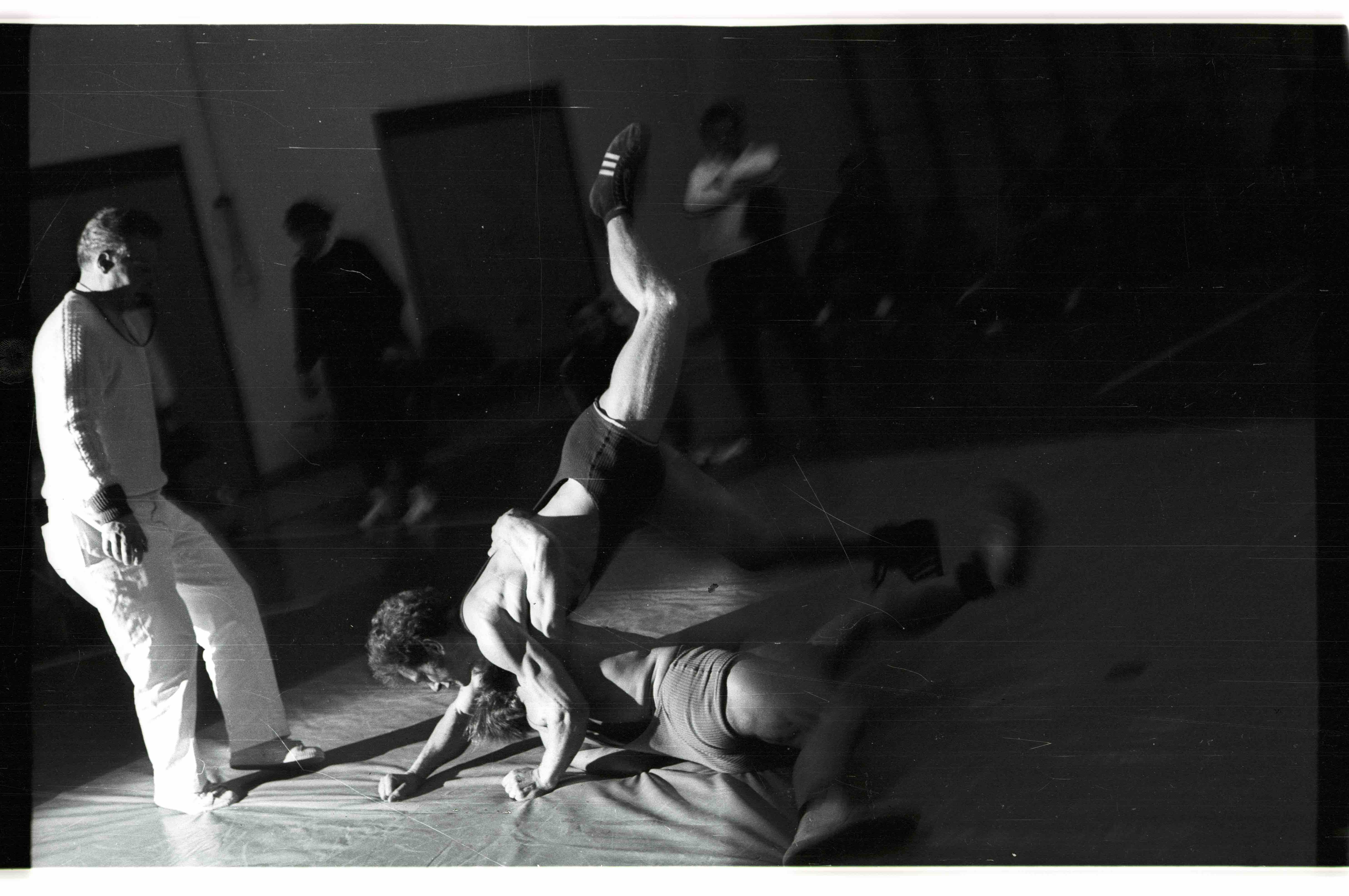
Karlheinz Weinberger, Volume # 2, Sports is available on Sturm & Drang.
Follow Miss Rosen on Twitter.
Enjoyed this article? Like Huck on Facebook or follow us on Twitter.
You might like

The raw, fledgling intimacy of Peter Hujar’s contact sheets
Hujar:Contact — A new photobook highlights the process of the legendary queer photographer, and his process of growing into the artist he ultimately became.
Written by: Miss Rosen

Guts, glory and goat tossing at the World Nomad Games
All eyes on Bishkek — From kok boru to eagle hunting, Kyrgyzstan’s global showcase spotlights ancient sports and celebrates local traditional culture, while also stiffening the regime’s ambitions, reports Antoine Goullin.
Written by: Antoine Goullin

Jesse Glazzard’s messy portrait of queer friends, lovers and chosen family
The Sound of Dirt and Beauty — The photographer’s debut monograph explores tender, unpolished moments shaped by the people who he surrounds himself with, while offering a window into the UK’s working-class LGBTQ+ community.
Written by: Sunny Sunday

Behind the curtain at Alternative Miss World 1981
Olympia glamour — Running a subversive take on the traditional beauty pageant, the Andrew Logan organised event prioritised underground creativity and invention. Photographer David Corio went behind the scenes at its biggest edition.
Written by: Miss Rosen

Dan Lacey: “BMX is forever evolving”
Overground — Steph Pomphrey caught up with the two-wheel legend after his latest meet in east London, chatting about fatherhood, music and action sports within the outdoor industry.
Written by: Steph Pomphrey

The battle for the soul of lockpicking
Under locksport and key — In recent years, breaking locks for fun has grown from a niche hobby into an activity followed by millions of people. As it has matured, so have tensions over who sets the rules.
Written by: Jack Dennison-Thompson


