How Adrian Morris turns hazy, tropical travels into beautiful photos
- Text by HUCK HQ
- Photography by Adrian Morris

Adrian Morris is an illustrator, graphic designer and photographer whose uplifting creations will transport you from your desk or phone to undiscovered new worlds.

His photographs – a collection of hazy, almost supernatural, moments caught on the fly – follow him on his wanderlust travels from the beaches of Portugal to the mountains of Mexico and every palm tree-lined skate spot, dozing street dog and sky-high vista in between.


Adrian’s otherworldly stills are capturing the imagination of land-locked city dwellers everywhere, so we caught up with the tropical shooter to find out how he translates his travels to film.
When and why did you start shooting pictures?
I definitely became interested in taking photos through travelling. I was experiencing so many amazing moments, places and people that I felt needed to be captured or documented, even just for myself, so I picked up an old film camera and it all started from there. I love when I can look at a picture of a special time and place and feel such a strong sense of nostalgia, like I am almost in that moment again.

What is it you love about film photography?
I love how it isn’t perfect, the spontaneity and how unpredictable it can be. I feel like it is more true to the moment the photo was taken. You don’t have the opportunity to take 20 photos of the same thing and choose the perfect one. I also love the imperfections and the tones that you can sometimes find through film.

What are you passionate about and how does this inform the images you take?
Travelling, exploring, skateboarding, painting, drawing, music…. I don’t know. I originally studied graphic design, so I feel like a lot of my sense of composition comes from that. Also people and places I come across through any of my interests always inspire me to take photos and document.

Who or what inspires your work? Any other photographers?
There are things that happen every day that are inspiring and interesting enough to document with a camera. That is why I love it so much. I get inspired by loads of people – not necessarily ‘photographers’ – just people who document the world they live in, in a beautiful way. And there are so many of them out there…
What do you do for a living and how does photography fit into your life?
I make a living off photography, illustration and graphic design. I haven’t exactly had to work another job just yet so let’s hope I can keep it this way! Photography is something that is always in my life, whether it’s just taking a photo on my phone of something interesting I see on the street or out exploring with my actual camera – that’s what I love about it.

How do you share your work? Zines, books, exhibitions, blog etc?
I guess mainly through magazines and online and on blogs, etc. I am working on an exhibition for sometime this year so I think that will be very exciting. I think it’s about time I did one.
What’s the editing process like for you? Are you trying to tell stories with your images?
All the time! The story is the most important part for me. I do think a lot about telling a story when I am taking photos; which photos would best suit the one before to give it a sense of flow and tell the story best? The stories can be anything from an adventure to someone hanging out in their creative workspace.

Are your photos staged/posed or documentary?
Usually mainly documentary. That is what I feel more comfortable with and what I enjoy more because of how spontaneous it is. Taking photos of things that you cannot plan is much more rewarding and exciting for me and I feel like it is something a lot of people, even talented photographers, struggle with sometimes. It outlines the fact that you don’t necessarily need to be an amazing trained technical photographer in order to be able to see things in a certain way and document things in a certain way that connects with people. I like that it can be open for anyone with an eye for things that are interesting and beautiful to take on.

If you had to take one photo that summed up your view on life, what would it capture?
I think if it is a photo that portrays a sense of freedom, adventure and energy. A photo that makes someone feel nostalgic for a moment that they didn’t even take part in, but somehow feel connected to. That is the best!
You can see more of Adrian’s work at his This Is Mowgli website.
Enjoyed this article? Like Huck on Facebook or follow us on Twitter.
You might like

Jesse Glazzard’s messy portrait of queer friends, lovers and chosen family
The Sound of Dirt and Beauty — The photographer’s debut monograph explores tender, unpolished moments shaped by the people who he surrounds himself with, while offering a window into the UK’s working-class LGBTQ+ community.
Written by: Sunny Sunday
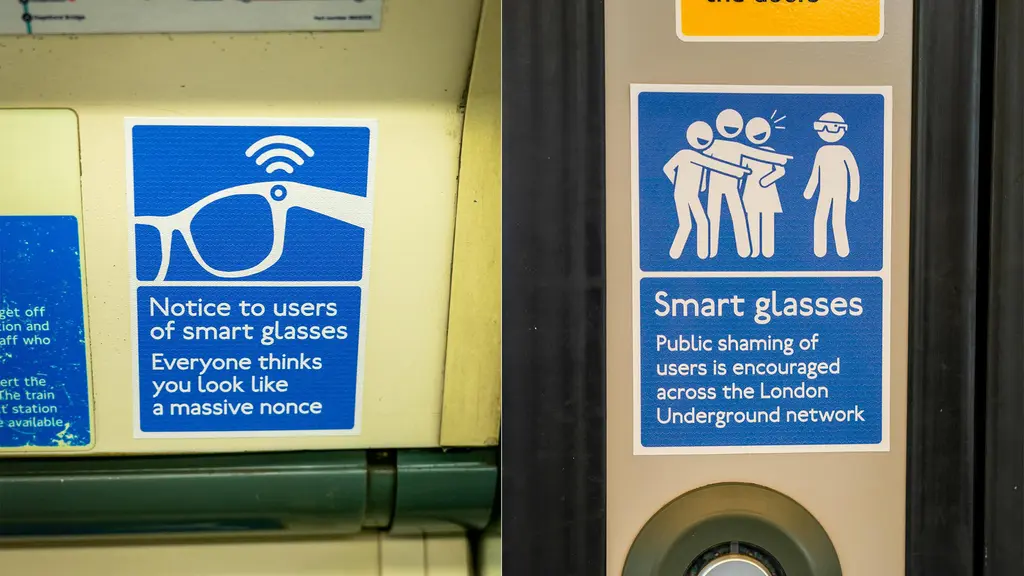
Activists slam “pervert glasses” in new guerrilla campaign
Everyone Hates Elon — Stickers have appeared on the London Underground network, criticising the wearable technology’s covert filming capabilities.
Written by: Isaac Muk

Behind the curtain at Alternative Miss World 1981
Olympia glamour — Running a subversive take on the traditional beauty pageant, the Andrew Logan organised event prioritised underground creativity and invention. Photographer David Corio went behind the scenes at its biggest edition.
Written by: Miss Rosen

Dan Lacey: “BMX is forever evolving”
Overground — Steph Pomphrey caught up with the two-wheel legend after his latest meet in east London, chatting about fatherhood, music and action sports within the outdoor industry.
Written by: Steph Pomphrey

The battle for the soul of lockpicking
Under locksport and key — In recent years, breaking locks for fun has grown from a niche hobby into an activity followed by millions of people. As it has matured, so have tensions over who sets the rules.
Written by: Jack Dennison-Thompson

New exhibition highlights British radical living over 200 years
Earthly Paradise — Taking place at the William Morris Gallery, it explores the homes and lives of artists, writers, musicians and more, as well as the conditions that allowed them to thrive.
Written by: Isaac Muk


