Why atheists want to make Christmas a holiday for all
- Text by Cian Traynor
- Photography by Jennifer Boyer

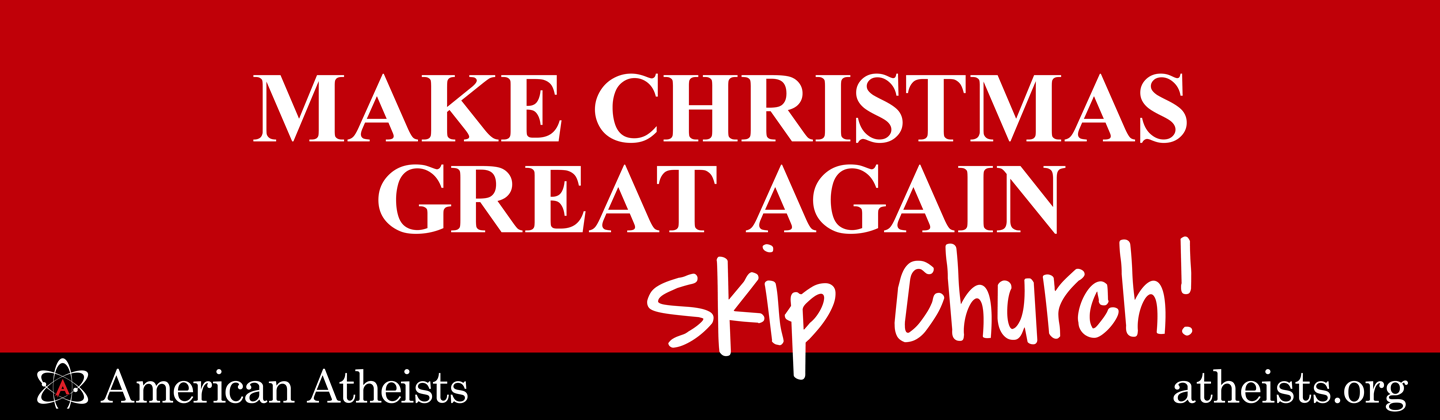
Billboards have been popping up across the US this week with an eye-catching message: ‘Make Christmas great again… skip church!’
It’s part of a campaign by American Atheists, one of the country’s largest secular groups, to provoke conversation in places like Colorado, Virginia, Georgia, Louisiana and South Carolina.
That trail crosses right across the Bible Belt – an area where the organisation believes that atheistic perspectives aren’t being heard.
If that sounds like a guaranteed way to spark controversy, you’d be right. One display in Monroe, Louisiana caused enough backlash that the billboard company asked if it could be moved elsewhere… within an hour.
But the audaciousness of the plan is backed up with a conviction. American Atheists feel that there are countless non-believers out there who keep their views to themselves, leading to isolation.
(One in four Americans aged between 18 and 29 do not affiliate with any religion, according to a recent study by the Public Religion Research Institute.)
So at a time of year that can feel particularly lonely, the idea behind the billboards is that no one should feel like a fraud or a hypocrite for celebrating what is essentially a cultural holiday.
“Having a meal with your friends and family, giving gifts, watching Christmas movies, relaxing after eating too much food – most of that has absolutely nothing to do with religion,” says Nick Fish, National Program Director at American Atheists.
Nick is a civil liberties activist who got his start working on Obama’s 2008 election campaign in North Carolina.
Gradually he realised that a lot of his issues with politics were rooted in the role that religion plays in policy making, be it LGBT issues, abortion rights or climate change.
So Nick set about tackling that by getting people to talk about what they believe and why, generating what he sees as more enlightened thinking.
Do atheists feel maligned in particular parts of the country?
Based on what we’ve found – both from anecdotal experience and survey data – atheists are viewed as untrustworthy for a lot of reasons.
Young people are kicked out of their house or lose their scholarships to a Christian school if they change their beliefs – these are things that happen all the time. We’re not talking about hypotheticals here.
One of the things we’re trying to do with these billboards is to say, ‘Hey, we’re just like you: we’re part of the community; we’re teachers, firefighters, police officers who pay our taxes and everything else.’
One of the best ways for that to happen is for people to be honest and open with their families about the things they believe and don’t believe.
What are the most common misconceptions about atheists?
We get people calling us ‘devil worshippers’ all the time, which is interesting. It’s like, ‘You guys know that the devil is part of Christianity, right?’ [laughs]
We also get a lot of people asking us, ‘Why do you hate God?’ I mean… I don’t hate unicorns just because I just don’t believe in them. There’s this misconception that we’re angry. We’re not.
I think you lead a more fulfilling life if you live in a version of reality where you’re not threatened with eternal damnation for wearing mixed fibres or being in a same-sex relationship.
We have better things to do with our time than worry about what we think a fake guy from 2,000 years ago wants us to do.
We’ve moved past the religious morality on so many issues that we should continue to that, continue to set aside the frankly ridiculous things that are in the Bible and in the Qu’ran and every other holy book.
That ties back to this whole campaign, I think, as some people may see the billboards as inflammatory or in-your-face – and that if you’re calling someone’s religion ridiculous, it’s very not respectful.
The billboard doesn’t call anyone’s religion ridiculous. It’s saying, ‘Have a great Christmas however you want. If you don’t want to go to church, don’t.’
If you don’t believe this stuff, you don’t need to keep calling yourself a Christian; you don’t need to keep going to church. Just do you. [laughs]
Don’t be tied down to the notion of what makes a good person. Too often in this country ‘good Christian’ is code for ‘good person’, when in fact no religion has a monopoly on that.
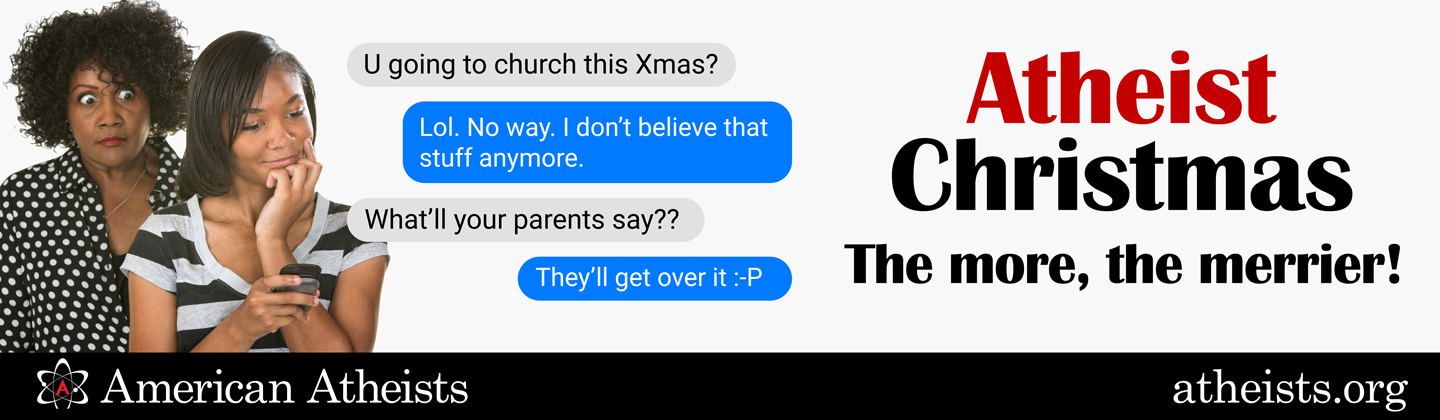
A billboard by American Atheists
You might like
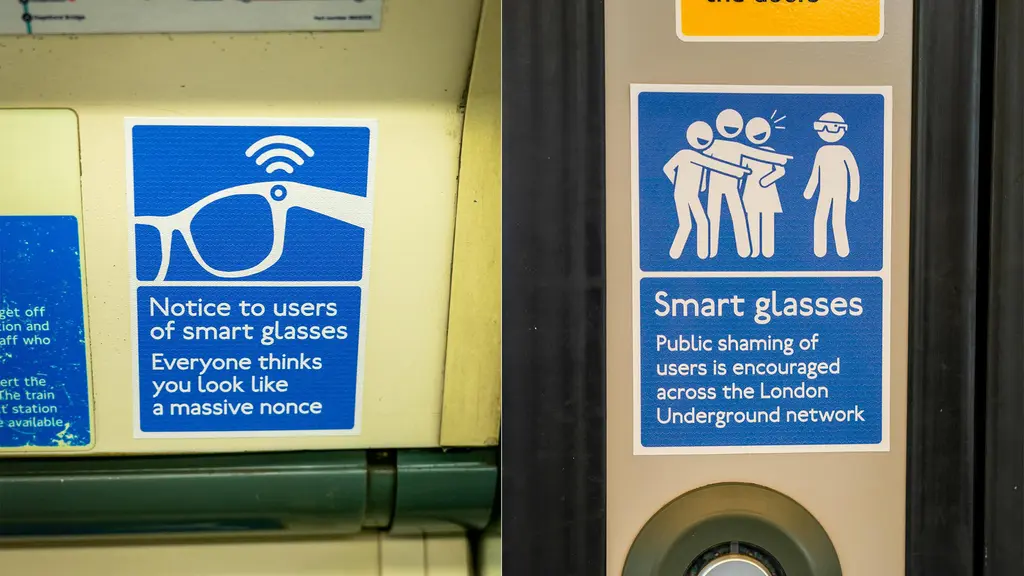
Activists slam “pervert glasses” in new guerrilla campaign
Everyone Hates Elon — Stickers have appeared on the London Underground network, criticising the wearable technology’s covert filming capabilities.
Written by: Isaac Muk

New exhibition highlights British radical living over 200 years
Earthly Paradise — Taking place at the William Morris Gallery, it explores the homes and lives of artists, writers, musicians and more, as well as the conditions that allowed them to thrive.
Written by: Isaac Muk

Pink Floyd’s Roger Waters joins team of new Palestinian resistance documentary
Freedom Theatre — Directed by Rishi Pelham, the film spotlights a theatre operating in the Jenin refugee camp.
Written by: Ella Glossop

Just Stop Oil holds first protest in 17 months
No new drilling — Having previously said that it was “hanging up the hi-vis”, the climate activist group has blocked a road outside Parliament to protest Andy Burnham opening the door for new oil and gas extraction licenses in the North Sea.
Written by: Ella Glossop

In photos: The enduring resistance of Notting Hill Carnival
Carnival of Resistance — A new photobook by Wayne Campbell and Wayne Crichlow reflects on the protest beginnings of Europe’s biggest street festival, along with the traditions keeping its original spirit alive today.
Written by: Isaac Muk

Tens of thousands gather to remember Jason Arday at London vigil
Stand Up to Racism — It took place in Trafalgar Square, with speakers paying tribute to the former Cambridge professor’s life and achievements, while calling for accountability over the reporting he faced from the mainstream press.
Written by: Ella Glossop


